8 Interior Decorating Pet Peeves That Quietly Undermine Functional Homes
TL;DR
A home can look picture-perfect yet feel off due to pet peeves like cramped walkways, poor furniture scale, bad lighting, and over-styling. Here’s what to check and correct for functional, comfortable living.
Introduction
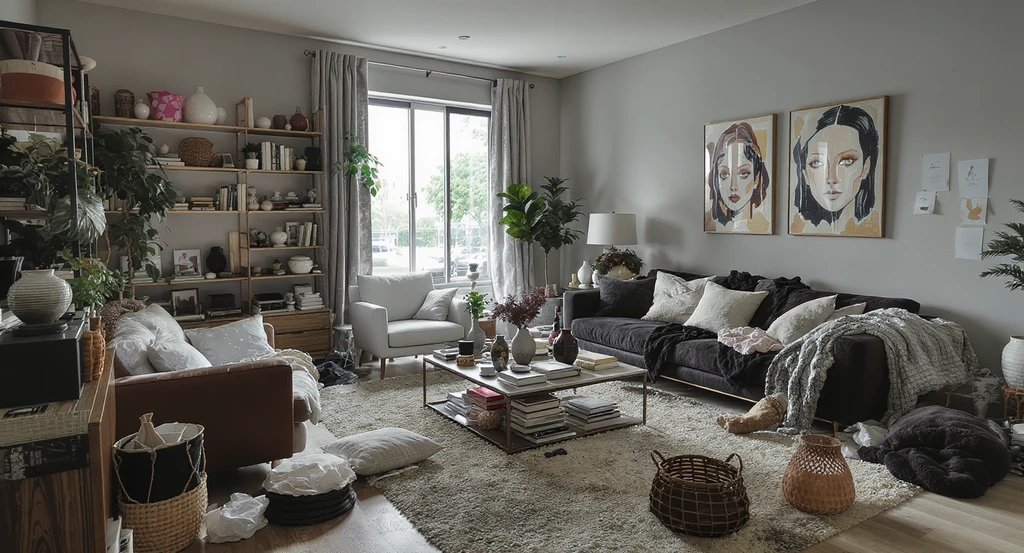
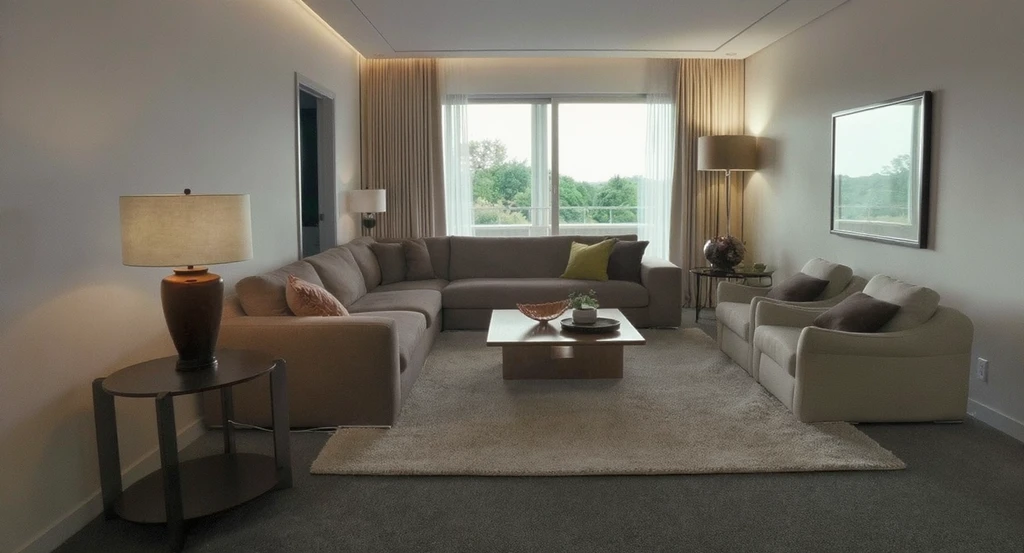
This living room illustrates common AI home design mistakes to avoid, like poor room layout and impractical furniture placement. Learn how to fix poor flow with AI interior design tips and virtual staging AI for functional spaces.
A home’s true quality isn’t about striking photos, it’s about how easy and comfortable daily life feels. Many common decorating mistakes quietly sabotage function, no matter how impressive the visuals. Below, we break down the design issues that turn everyday living awkward, why they happen, and clear strategies to fix them. Each point includes a practical guideline, so you can spot and resolve functional errors before they disrupt your space.
-
01. Overdecorating Every Surface Reduces Usability
01. Overdecorating Every Surface Reduces Usability Image
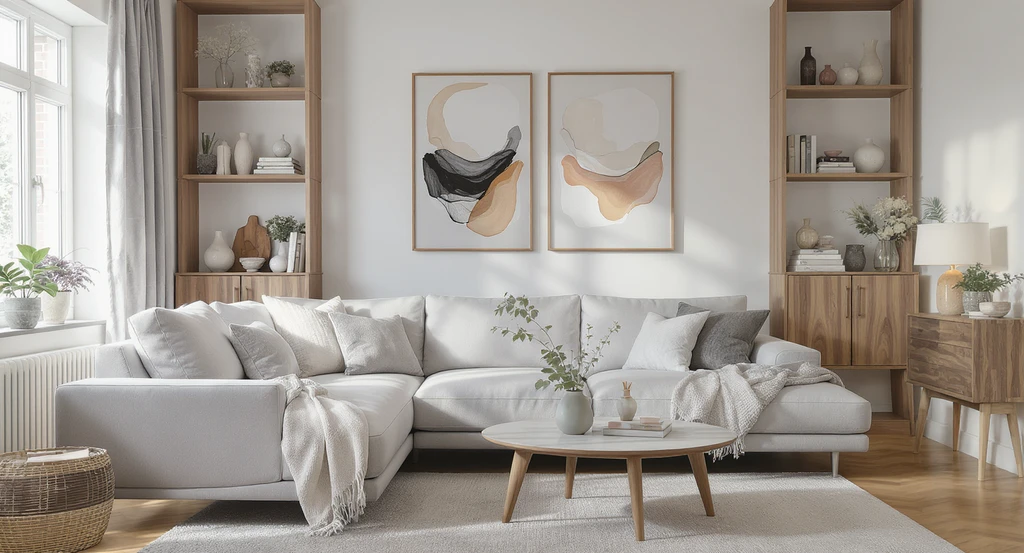
Surfaces overcrowded with decor quickly become inconvenient, making daily use a challenge. Coffee tables, dining tables, and credenzas lose their purpose when covered in objects.
This mistake often stems from copying styled photos, where every surface is maximized for visual impact rather than usability. To correct this, apply a simple editing rule, limit to 1–3 purposeful items per surface and keep open space for everyday tasks. Prioritize function; beauty will follow clarity. As we explored in our guide on taking your dining room to the next level, purposeful editing helps essentials shine and keeps rooms practical.
-
02. Furniture That Ignores Room Scale Disrupts Balance
02. Furniture That Ignores Room Scale Disrupts Balance Image
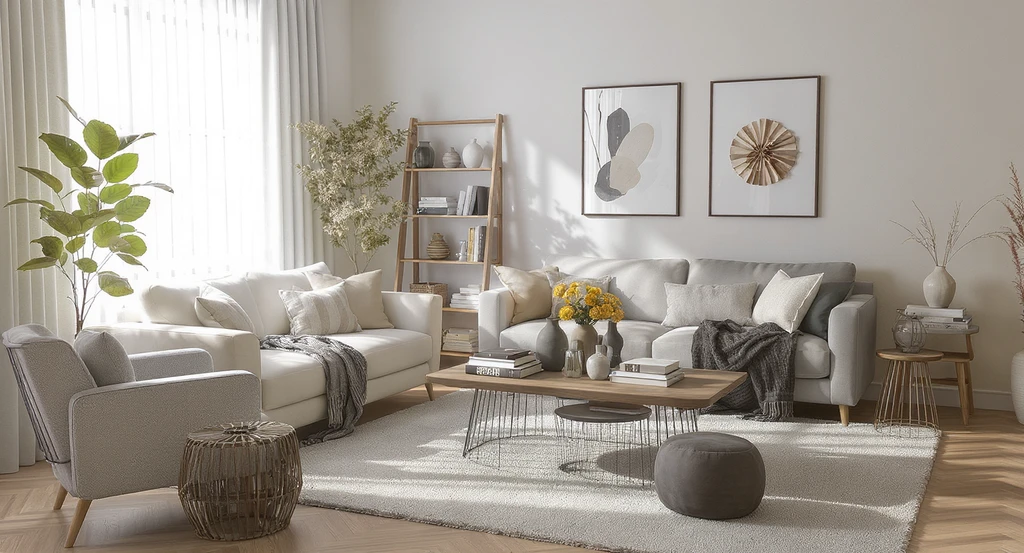
Oversized pieces crowd small rooms, while undersized furniture feels lost in large spaces. The result is poor flow and visual imbalance, often making movement awkward.
This happens when furniture is chosen for looks, not measured to fit. The spatial correction: maintain 30–36 inches of walkway clearance and select pieces that visually balance the room’s size. Before buying, verify proportions virtually or with tape on the floor. For a practical checklist, see our sofa size vs. living room layout comparison, it explains why well-scaled furniture supports both comfort and aesthetics.
-
03. Blocked Walkways Compromise Circulation
03. Blocked Walkways Compromise Circulation Image
Furniture that blocks primary paths forces inconvenient detours and undermines daily movement. This is most common in layouts designed for symmetry or photos, not actual use.
To prevent this, rely on the 30-inch walkway rule: always map clear, direct routes between major entry and exit points before placing large pieces. Laying out walkways with painter’s tape before arranging furniture is an easy way to test circulation. For a deeper explanation and step-by-step guidance, check our guide to living room layout flow and corrections.
-
04. Rugs That Are Too Small Make Rooms Look Disconnected
04. Rugs That Are Too Small Make Rooms Look Disconnected Image
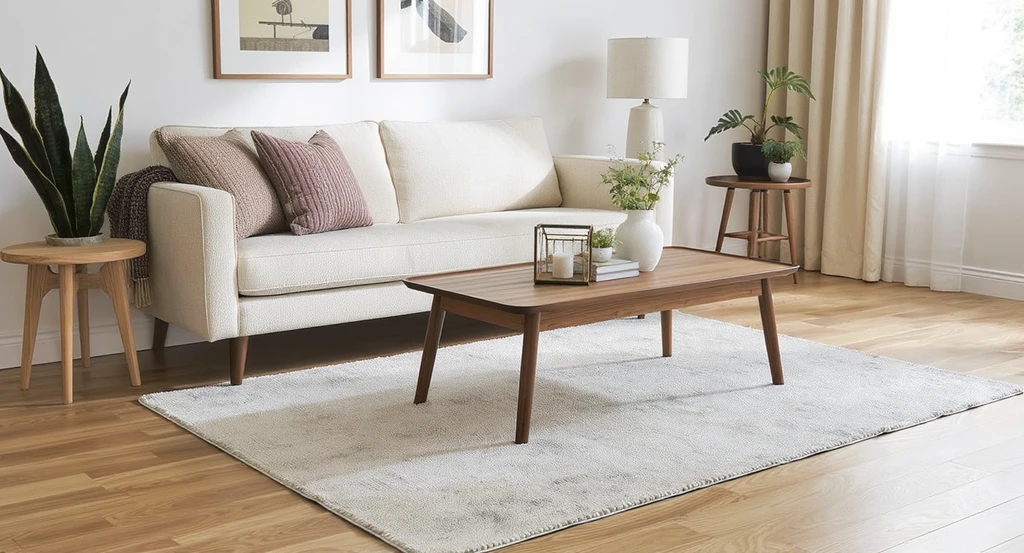
An undersized rug visually fragments the space and makes furniture appear unanchored. This is usually due to picking rugs strictly by color or cost, not size.
The correction principle: ensure at least the front legs of all main furniture sit on the rug. For group seating zones, the rug should unify and ground the area. For more on proper rug proportions in various rooms, see our dining room rug size guide.
-
05. Art Hung Too High or Too Small Throws Off Visual Cohesion
05. Art Hung Too High or Too Small Throws Off Visual Cohesion Image
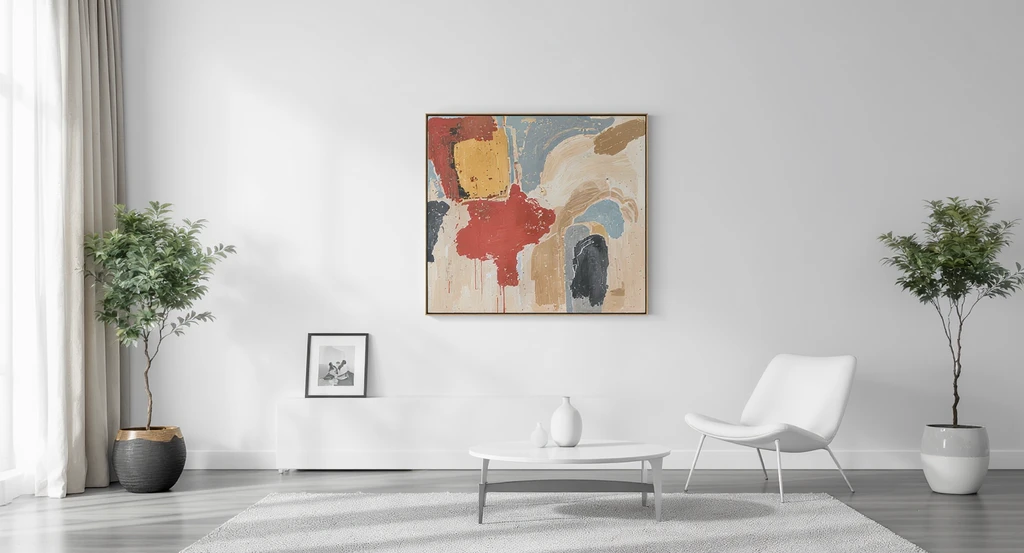
Improperly hung artwork, either too high, too small, or misaligned, creates visual imbalance and disconnect between the art and furniture.
This happens when art is placed based on ceiling height rather than at eye level. The solution: center artwork so the midpoint sits around 57–60 inches from the floor and keep the bottom edge 6–8 inches above sofa backs. Learn more about accurate hanging in our expert guide on ideal art placement. If you want to get this exactly right before making holes, digital previews, like those from REimagineHome AI, let you visualize placement and scale for better decisions.
-
06. Flat or Inconsistent Lighting Diminishes Comfort
06. Flat or Inconsistent Lighting Diminishes Comfort Image
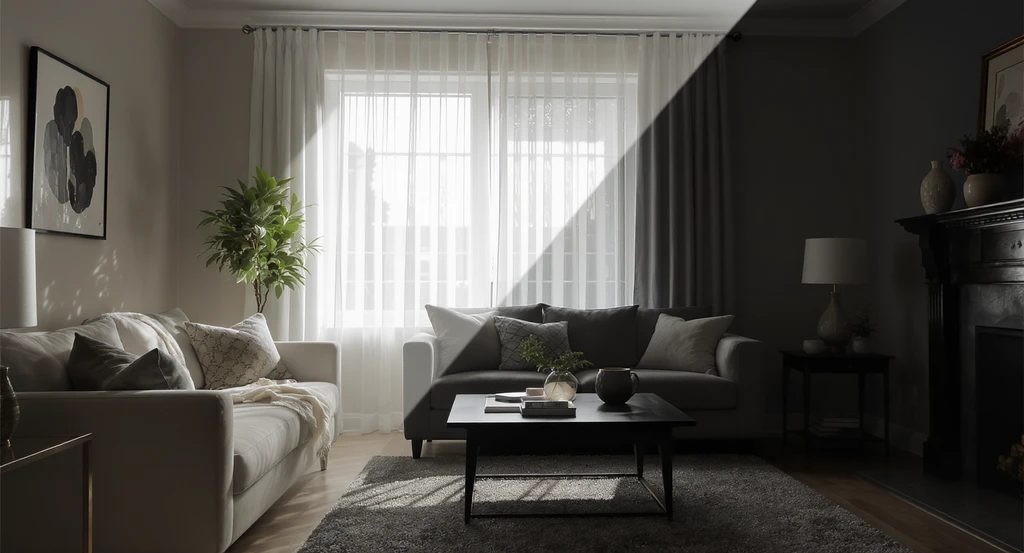
Rooms with just a single overhead light, or mixed bulb colors, often feel harsh, cold, or uncomfortable. Good lighting requires layers and color temperature cohesion, not just brightness.
This occurs when lamps and bulbs are added piecemeal or replaced without checking the existing setup. The fix: combine overhead, task, and accent lighting, all in the same color temperature. This creates adaptable and welcoming spaces. For tips on addressing both light and warmth issues, review our curtain and lighting advice.
-
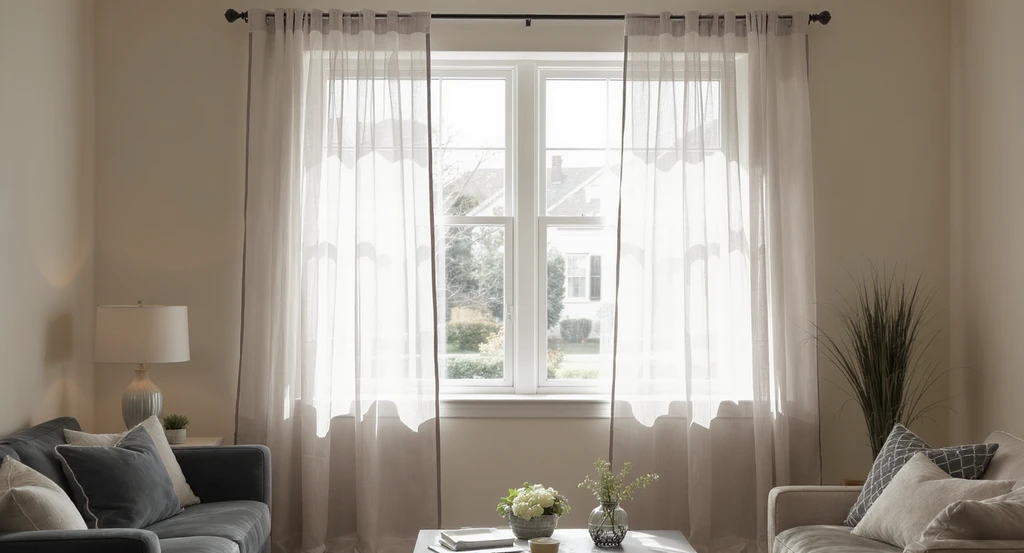
07. Curtains Too Short or Hung Too Low Break Proportion
07. Curtains Too Short or Hung Too Low Break Proportion Image
Curtains that sit several inches above the floor or are mounted too low make ceilings seem lower and shrink room proportions.
This is mainly the result of using standard curtain lengths or worrying about window and radiator coverage. For proper scale: mount rods as close to the ceiling as possible and ensure panels just touch or lightly break on the floor. See this guide on curtain selection, scaling, and placement for actionable ideas.
-
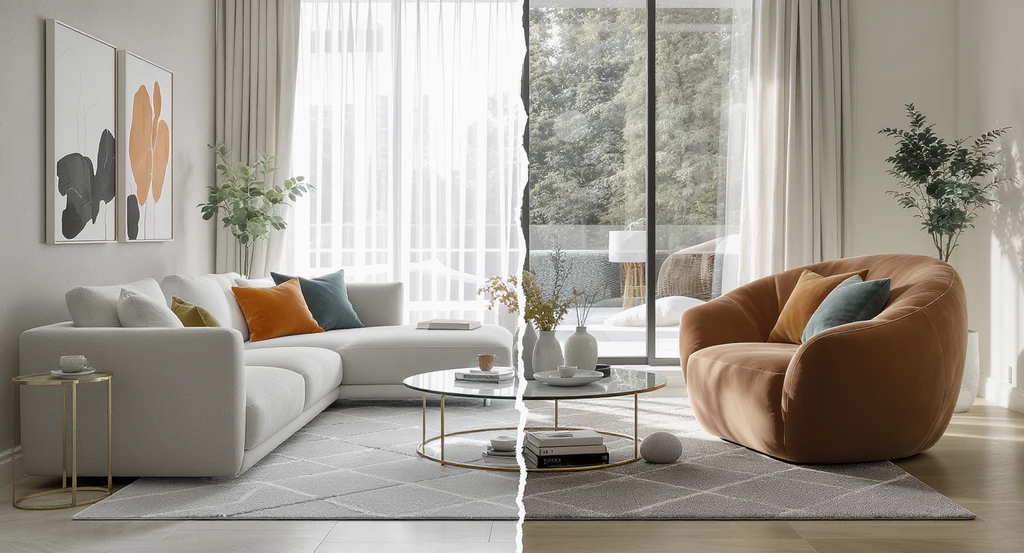
08. Trends Overriding Comfort and Habits Cause Functional Issues
08. Trends Overriding Comfort and Habits Cause Functional Issues Image
Rooms designed for trends, without regard for the actual habits and comfort of their users, often end up feeling awkward or impractical.
This occurs when choices are made for photo appeal or based on current styles, not daily use. Functional correction: evaluate how your room must support your routines. Select pieces and layouts that allow easy movement, flexible use, and genuine comfort. Design should fit life, not just the feed.
Frequently Asked Questions
- How large should an area rug be in the living room?
- The rug should anchor the furniture grouping, with at least the front legs of sofas and chairs on it. See our dining rug sizing guide for details.
- How do I check if my sofa fits my space?
- Allow for 30–36 inches of open walkway clearance around it. Virtual tools, painter’s tape, or measuring help. Our living room layout guide shows practical tests.
- Why does it matter if I mix warm and cool lights in the same room?
- Mixing bulb color temperatures causes visual discomfort and a disjointed look. Use all warm or all cool bulbs for harmony. Get more lighting advice in our lighting and curtain guide.
- What’s the ideal height for hanging artwork?
- Center art at 57–60 inches from the floor, with the bottom edge 6–8 inches above a sofa or console. See our full art hanging guide here.
Conclusion
Highly functional homes maintain clear walkways, balanced furniture scaling, unified rugs, proper art placement, layered lighting, and proportionate curtains, all guided by daily comfort rather than just photos or trends. If any of these pet peeves are present, use the correction strategies above. Each adjustment brings your space closer to balanced, purposeful living.