Exploring Interior Design as a Creative Hobby, Not a Career
TL;DR
Interior design doesn't have to be your full-time job to become a rewarding pursuit. With affordable digital tools, hands-on mini-makeovers, and creative inspiration, you can let your design instincts flourish whether you rent, own, or just want to improve a small space. Start by experimenting virtually or refreshing real rooms, finding joy in the process over perfection.
Introduction
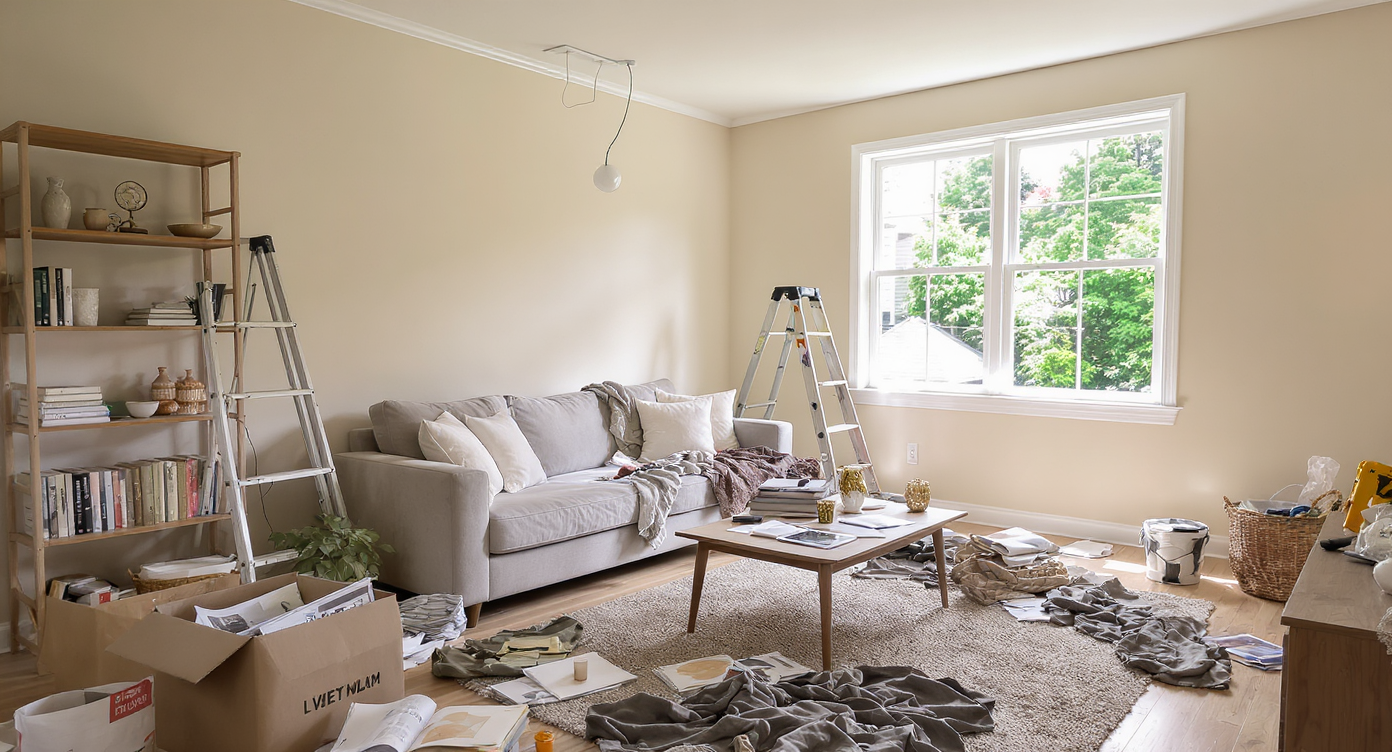
A real living room in the midst of a DIY refresh, complete with cushion swaps, lighting updates, and design inspiration close at hand.
Many people are intrigued by interior design without aiming for a professional title. If you find yourself rearranging furniture for fun, updating your home on a budget, or browsing inspiration online, you’re tapping into something deeper than simple decoration. In 2026, democratized design tools and affordable approaches make it more accessible than ever to nurture your creative passion, no matter your day job or living situation.
For some, interior design imagines grand renovations. For others, it’s as simple as changing pillow covers, swapping light fixtures, or styling a bookshelf. The difference between a passing interest and a long-term hobby is often how we engage with design in our everyday environments. The beauty now is that you don’t need an expensive degree or a portfolio of luxury homes to participate. You simply need curiosity, the right resources, and a willingness to experiment.
-
Why Decorating Feels So Satisfying
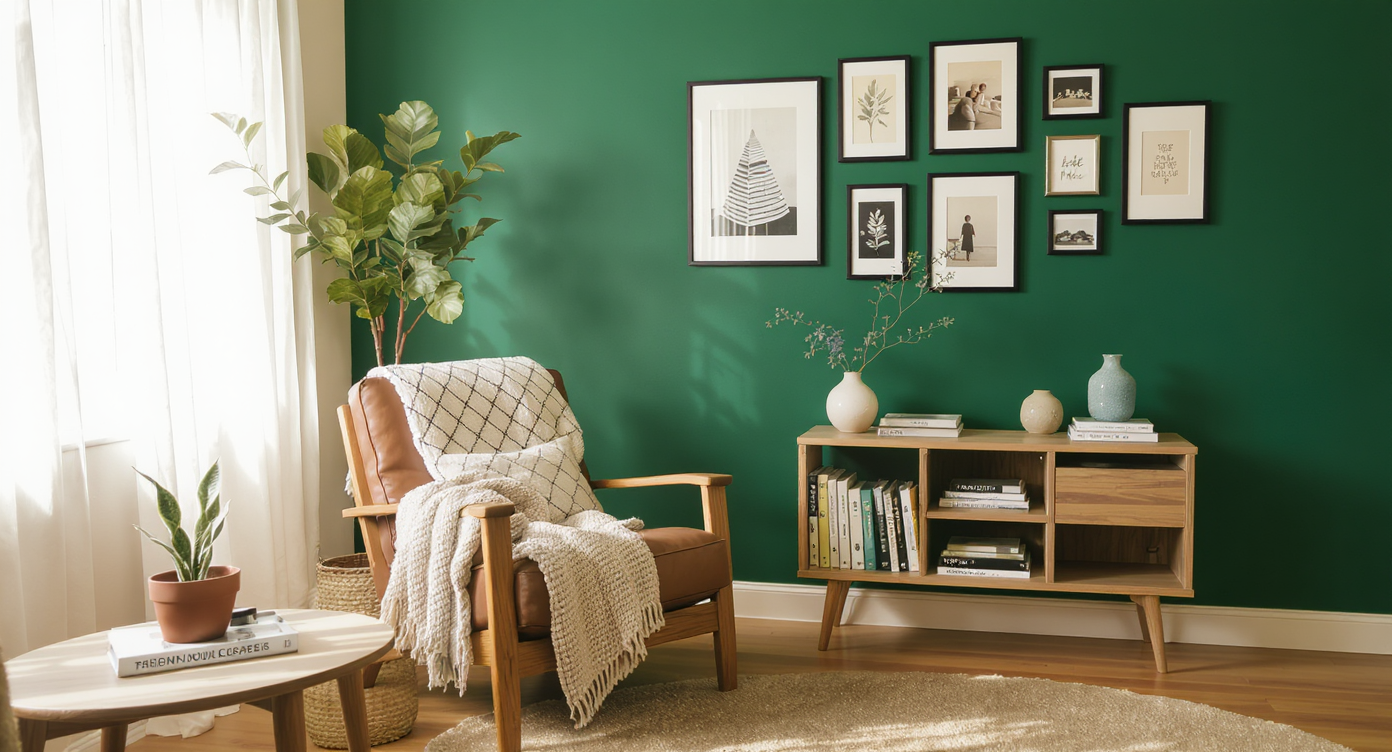
A rental studio transformed with a slipcovered vintage chair and gallery wall, showing how small design changes can uplift any space.
There’s a universal pleasure in shaping the spaces where we live. Even in compact homes or rental studios, small changes can transform daily routines and moods. Whether it’s painting one accent wall, creating a cozy reading nook, or bringing greenery indoors, these acts of design become part personal expression and part problem-solving.
Designers often suggest starting with what already exists. Look around: a hand-me-down armchair can become the focal point with a clever slipcover. A collection of mismatched frames might unite into a gallery wall with a simple paint job. Sometimes, the act of change itself is the reward – a testament to your eye and your willingness to try something new.
Modern approaches embrace the idea that affordable design is not about chasing trends. It’s about layering meaningful pieces and making gradual improvements. The emotional uplift from a freshly styled space is real, especially when achieved on your terms and within your means. As seen in affordable decorator tricks from the Southern Living Idea House, it’s possible to feel a sense of transformation without major expenditures.
Expert Insight
When Mira, a project manager by day, moved into her city studio, she challenged herself to redesign the space every season using only the items she already owned. Over time, her room’s vibe reflected her evolving tastes, from winter’s jewel tones to airy pastel springs. Friends began to ask for help with their apartments, and she loved seeing her creativity spark new conversations, often with nothing spent but a few hours’ effort on a weekend.
-
Turning Design Curiosity into Real Results
Many who dabble in interior design fear they lack the training or "official" credentials. However, the gap between amateur and expert is narrowing thanks to digital tools, social media, and shared knowledge. For starters, platforms dedicated to mood boards, virtual staging, and home visualization let you safely explore color, layout, and furnishing ideas.
For those wanting hands-on practice, start with one room–even a corner. Try changing the arrangement, experiment with moveable decor, or introduce a new color scheme. Compiling inspiration on social accounts, or helping friends update their spaces, often leads to concrete results and builds confidence.
Virtual staging has emerged as a popular side hobby. With free or low-cost design software, you can experiment from your laptop before ever picking up a paintbrush. These tools are especially popular for compact rooms, where each decision makes a bigger visual impact. For more on ways to use tech creatively, see AI interior design tools for home projects.
-
From Passion Project to Personal Ritual
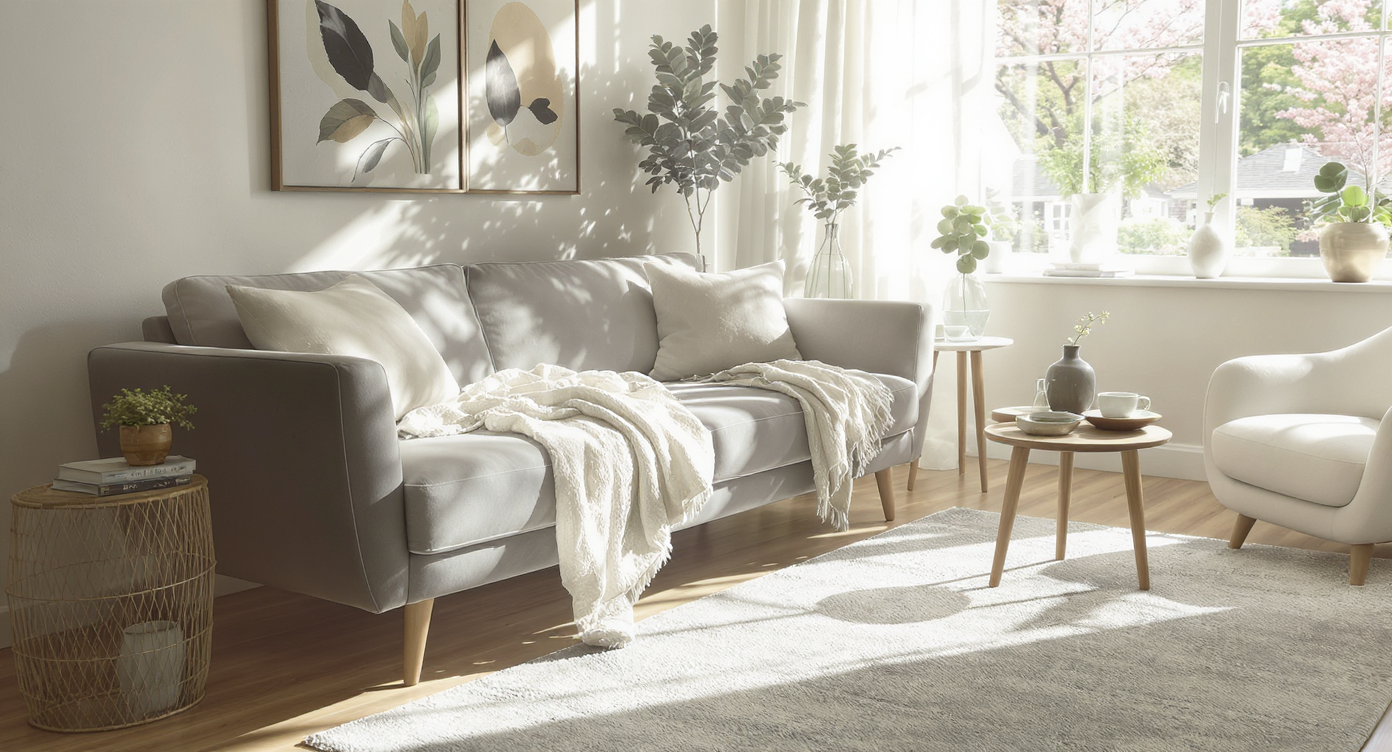
A living room refreshed with seasonal textiles, thrifted finds, and repositioned elements, reflecting creative everyday design rituals.
Interior design isn’t limited to grand transformations. For many, it’s woven into daily or seasonal rituals: swapping out textiles for summer, arranging weekend thrift finds, or refreshing a vignette for the change of light. These small acts compound, gradually refining a home’s character while providing consistent creative satisfaction.
Staging spaces as a side hobby sits right in the overlap between decorating and design. Whether you’re helping a friend prepare a space for guests, rearranging a short-term rental for better flow, or posting before-and-after snapshots online, the key is focusing on the process over perfection.
Those with a steady eye often discover that simple pieces, reimagined thoughtfully, go farther than buying everything new. This principle is at the core of many DIY home decor ideas that work equally well for rentals and permanent homes. Swapping rug placements, layering lighting for better mood, or even rotating artwork can deliver an outsized sense of freshness.
-
Making Design Affordable, Practical, and Fun
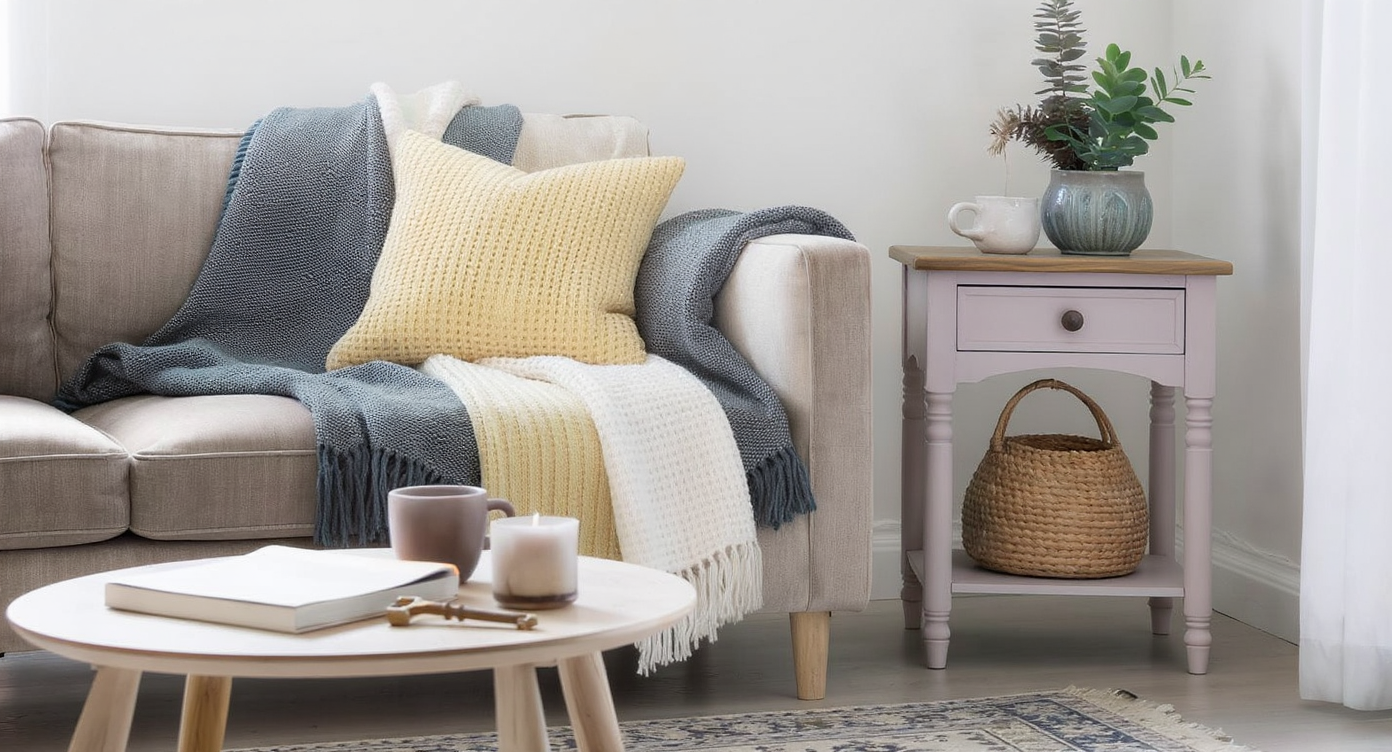
Smart updates like swapped throws, repainted furniture, and refreshed accessories make this living room affordable, practical, and joyful.
It’s a misconception that good design requires luxury budgets. Most decorators, whether student or seasoned, learn to maximize what’s on hand. Swapping sofa throws, repainting old furniture, or rotating decorative accessories are all low-cost ways to revitalize tired rooms. According to our small-apartment guide, clarity comes from editing possessions and getting smart with floor planning, rather than purchasing everything at once.
Online design communities make it easy to share ideas, troubleshoot challenges, and bask in mutual encouragement. Instagram and Pinterest can be sources of accountability as well as inspiration—curating your personal favorite looks, sharing ideas, and learning from others with similar spaces. Empathy grows as you realize everyone, from seasoned pros to first-time renters, encounters similar frustrations and discoveries along the way.
Above all, design at home is meant to delight. Small improvements in lighting, layout, or color will not only refresh your space but also your outlook. The goal is not magazine perfection but comfort, flexibility, and a renewed enjoyment in your surroundings.
Visualization Scenario
Imagine stepping into your home after a long workday. You set down your bag, notice the sunlight catching a new piece of art you hung last week, and drop onto a sofa that faces outward—newly rearranged to create a reading nook by the window. The mood is different, brighter, and somehow more yours. Later, you scroll through photos of today’s room and last month’s, feeling proud not just of how it looks—but of your own growing eye for design.
Frequently Asked Questions
- Can you learn interior design skills without formal education?
- Yes, many interior design principles can be learned through self-study, hands-on experimentation, and practice. There are ample free online resources and communities supporting design enthusiasts.
- How do you start decorating when your budget is tight?
- Focus on one area, use what you already own in new ways, and tackle easy DIYs. Swapping textiles, rearranging furniture, and painting are often the most affordable changes.
- Are there free tools or software for interior design planning?
- Yes, plenty of apps and browser-based platforms allow mood board creation, space planning, and virtual decor swaps at no cost. For more, visit ReimagineHome.ai.
- What’s the difference between interior design and decorating?
- Interior decorating usually focuses on the look and feel of spaces using furnishings, fabrics, and color schemes. Interior design goes further, considering space planning, function, and architecture alongside aesthetics.
- Is it okay to share your amateur design experiments online?
- Absolutely. Many find that curating personal inspiration or posting project photos builds skills, confidence, and a supportive community.
Why Your Design Instincts Matter
Interior design as a hobby is about discovery, not destination. Each shift you make—however small—brings new understanding of what pleases the eye and suits your lifestyle. There’s joy in collecting inspiration, trying a new layout, or simply paying attention to the details that elevate a room.
Today’s free and affordable design tools, coupled with a willingness to experiment, mean that anyone can meaningfully improve their home. What begins as a creative whim can become a sustaining ritual, boosting both the aesthetics and the atmosphere of your everyday life. Let your instincts lead. For those ready to delve deeper, ReimagineHome.ai offers further resources and technology to bring your ideas to life, whatever your home goals may be.