Can a Large Sectional Really Work in a Compact Open-Plan Living Space?
TL;DR
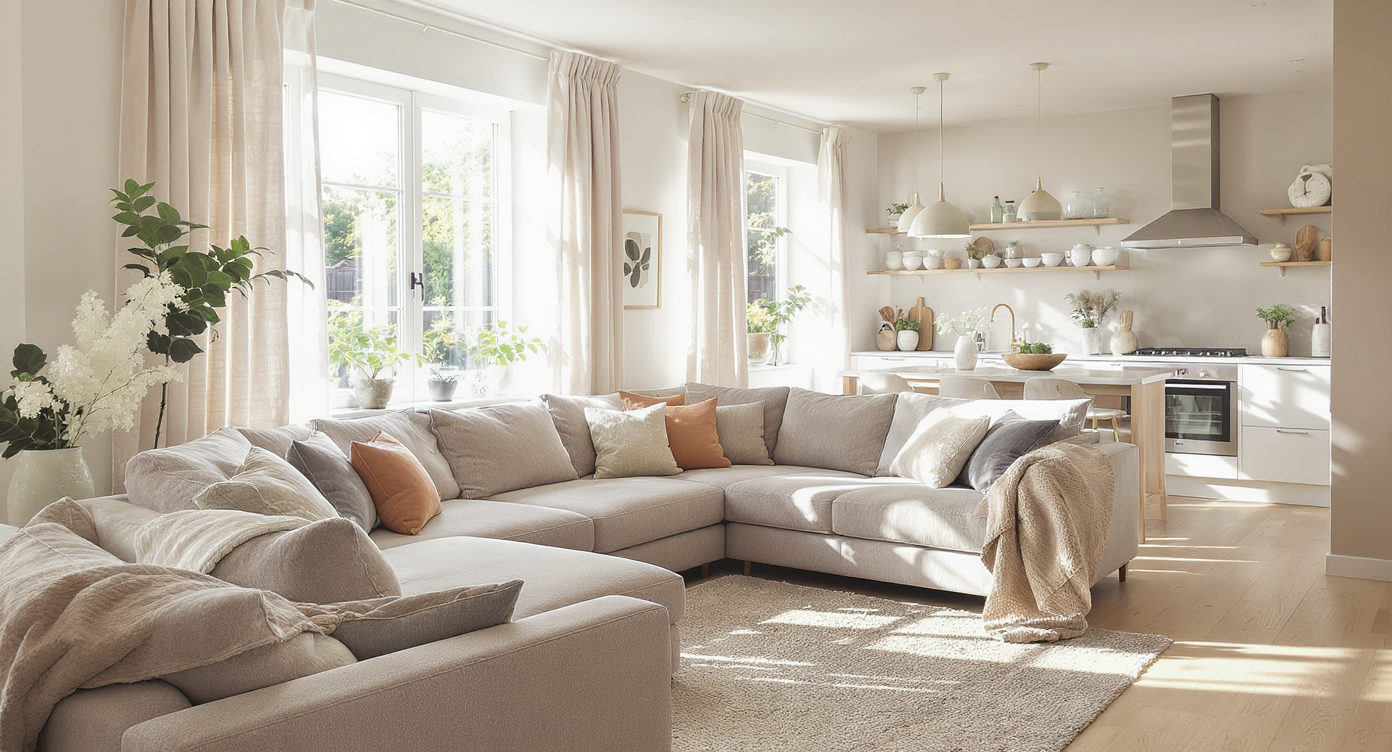
A large sectional in a compact open living room and kitchen can work, but only with careful planning. Pay close attention to sofa size, clearances, and flow, and avoid common furniture layout mistakes. Making the right choices ensures both comfort and style, even with surprisingly generous seating.
Rethinking Sectionals for Small, Open Living Areas
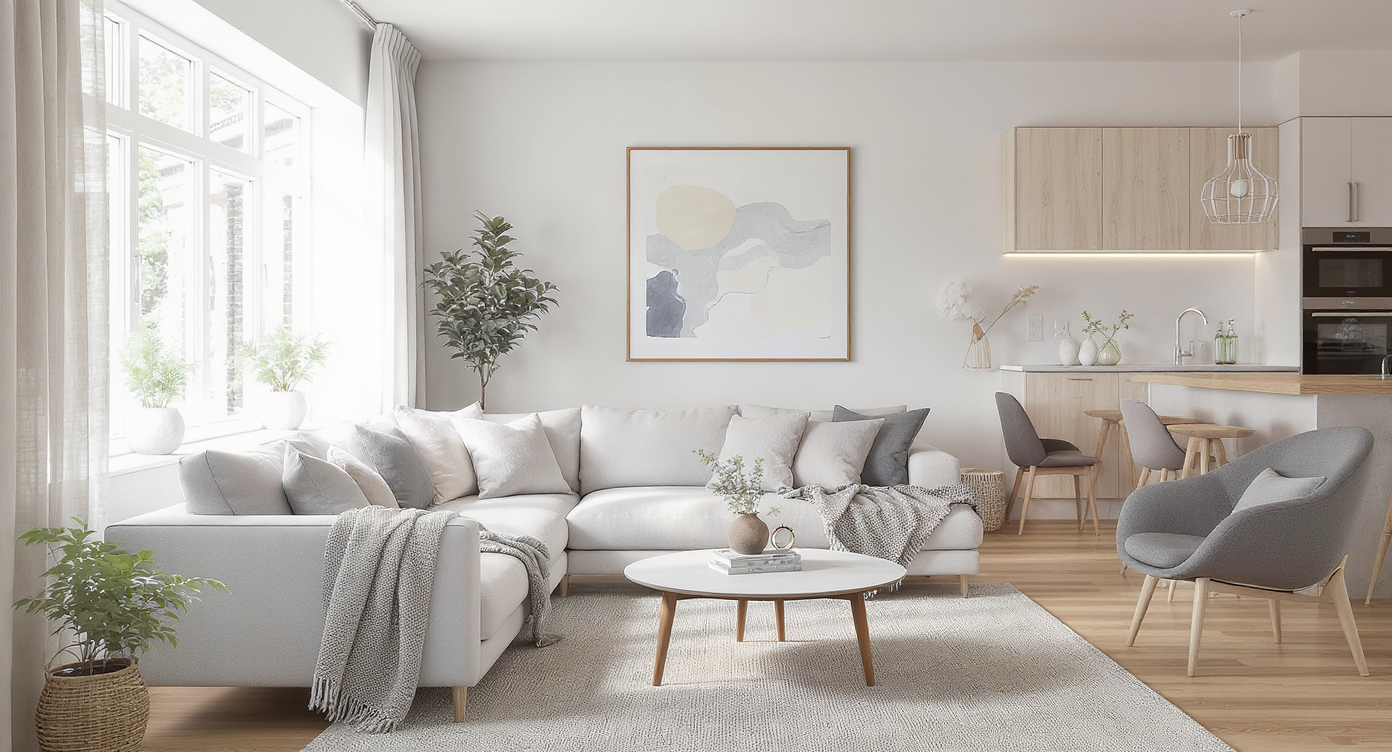
A thoughtfully placed sectional defines a small open-plan space, illustrating how scale and layout can maximize both comfort and flow.
The classic sectional is synonymous with comfort, inviting us to sprawl out alone or gather in groups. Yet in open concept spaces where the living room and kitchen blend into one, a sprawling sectional can seem at odds with square footage. Many homeowners wrestle with whether an oversized sofa will dominate, and the question of functionality versus coziness comes sharply into focus. Designers often hear requests for roomy sectionals in compact layouts. The allure is real: sectionals promise lounge-worthy evenings and versatile seating. However, the wrong scale or configuration can disrupt flow, cramp dining areas, and undermine both function and aesthetics. So, does a big sectional ever make sense in a modest open-plan room? Yes—if you understand the nuances of space, flow, and visual balance.
-
How Sofa Size Shapes Comfort and Flow
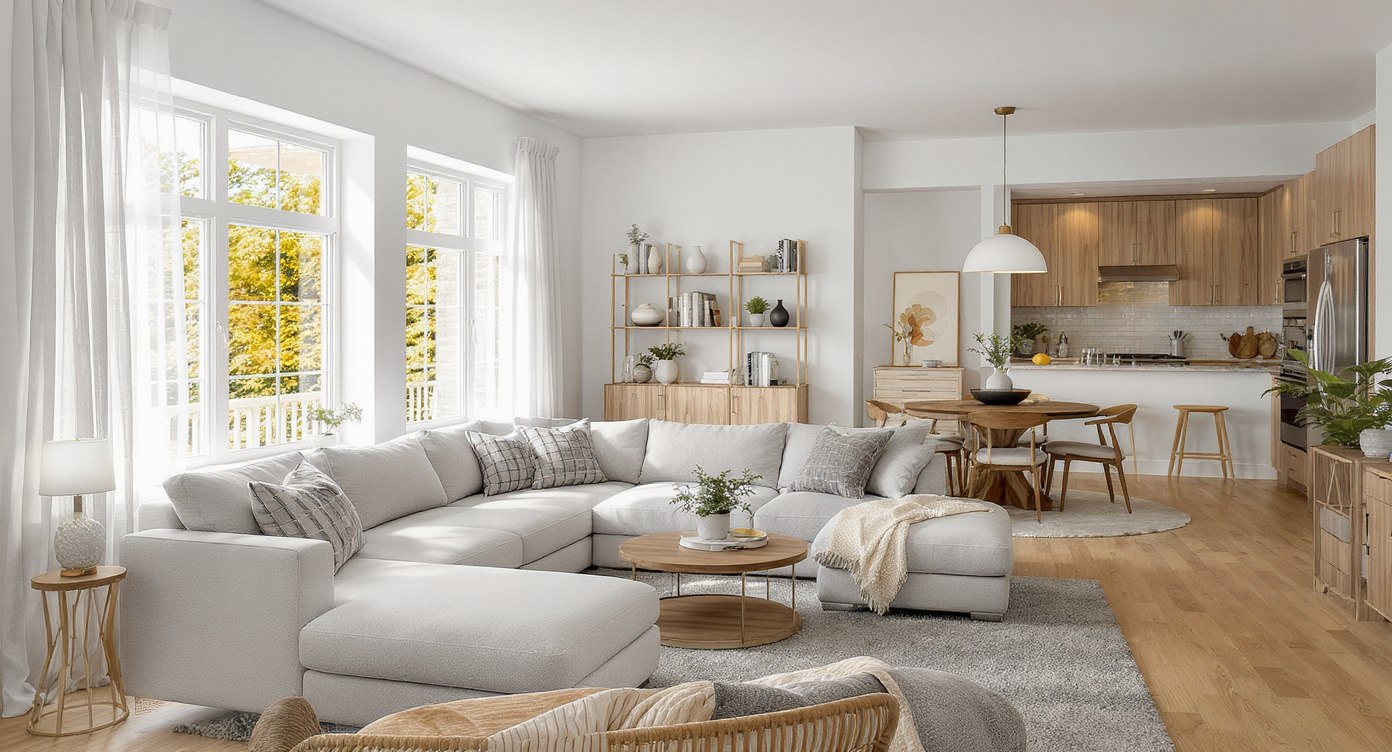
A large sectional in a compact open-plan living space highlights how furniture size can disrupt flow and clear walkways.
The temptation to anchor a small living room with a single large sectional is understandable, especially in open spaces where designated zones feel ambiguous. But overestimating what fits often leads to blocked sightlines, traffic jams, and a living area that feels more like an obstacle course than a retreat. A sectional measuring close to 10 feet by 8 feet can swallow up a 14 by 16 foot space, leaving scant room for walkways and pushback on dining functionality. Professional designers advise that you leave a minimum of 30 to 36 inches of clear passage around and between major pieces. Fewer than 24 inches and day-to-day movement feels restricted, while more than 40 inches can make the room feel scattered. These thresholds are not arbitrary: they ensure that open-plan living still feels open and allows for the easy coexistence of lounging, dining, and kitchen activities. As outlined in our post on sofa size versus living room layout, most “oversized sofa” problems stem more from layout than from scale itself.
Expert Insight
A young couple insisted on placing a full-sized sectional in their small open-concept condo to create a cozy entertainment zone. After a month of bruised shins, blocked walkways, and awkward dinner parties, they relented—replacing it with a sleek loveseat and two armchairs that could be rearranged on demand. The transformation was immediate: the home felt lighter, and entertaining became effortless. Sometimes, the right decision is scaling down, not simply squeezing in.
-
Compact Spaces, Flexible Layouts: What Really Works
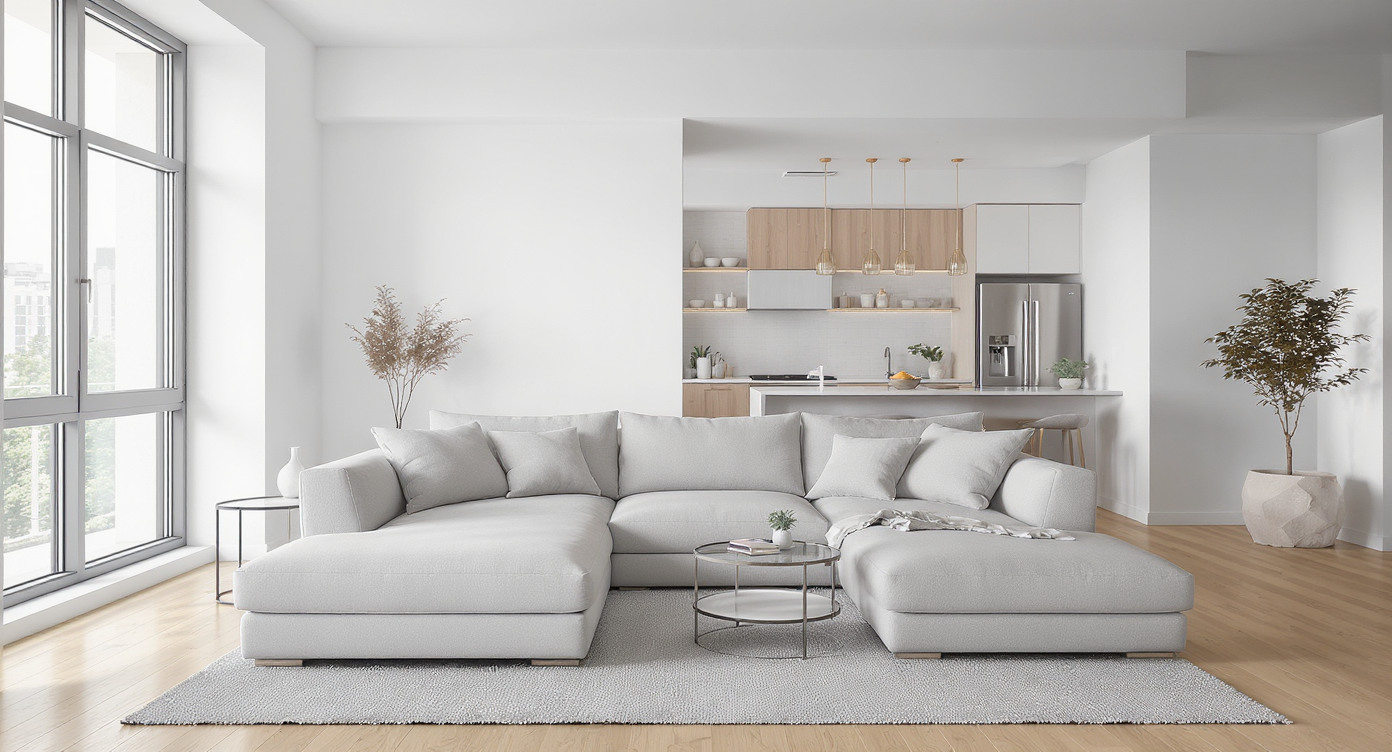
A modular sectional and versatile ottoman create flexible, zoned seating in a compact open-plan living and kitchen area.
Success in compact open layouts rarely means defaulting to the biggest seating option. Instead, consider modular sectionals that can separate into smaller pieces, or apartment-scaled L-shapes designed for city living. Ottomans that double as coffee tables or extra seats are another way to keep the floor plan agile. Furniture placement matters just as much as overall scale. Placing a sectional too close to the TV wall, for example, eliminates comfortable viewing distance and can squeeze out room behind for a dining table or walkway. Dividing your living space into visual zones—using rugs, lighting, or a change in furniture style—clarifies function without adding physical barriers. The goal is a seating area that provides generous lounging but still feels airy and connected to the kitchen and view. If you’re choosing between a grand sectional and smaller sofa-armchair combos, remember that flexibility in arrangement often trumps sheer size. Matching sofa and furniture size to the room’s true potential helps avoid regrets, especially in multipurpose spaces.
-
Tradeoffs and the Value of Visual Balance
Open living rooms can be deceiving. What looks ‘spacious’ when empty can quickly feel cramped with a dominating piece of furniture at the center. Large sectionals excel at group movie nights, but may limit spontaneous entertaining or even your ability to circulate easily from kitchen to table to sofa. Light, view, and traffic flow are easily disrupted—something often overlooked in the excitement of adding a new sofa. The best layouts acknowledge these tradeoffs. For example, a lower-profile sectional facing or parallel to windows preserves the sense of airiness rather than boxing in light or hiding views. Floating a sectional away from walls, with slim tables behind, can gently define the living zone without fully obstructing cross-room movement. Before committing, many designers suggest testing furniture arrangements virtually or taping out the sofa’s footprint on the floor. As recommended in our breakdown of furniture arrangement for good flow, these small steps often reveal the real-life impact of big pieces.
-
Anecdote: When Cozy Gets Cramped
Consider the experience of a friend who moved into a 500 square foot apartment with dreams of a plush U-shaped sectional dominating the living and kitchen area. The sofa looked perfect online, but once delivered, it forced her guests to edge sideways between coffee table and TV stand, and the kitchen overflowed with chair backs. She soon realized the space worked better with a compact L-shaped sectional paired with a moveable accent chair and nesting tables. Lounge space was preserved, the flow felt restored, and she could finally host more than two people without apologizing for the squeeze.
-
Common Mistakes to Avoid
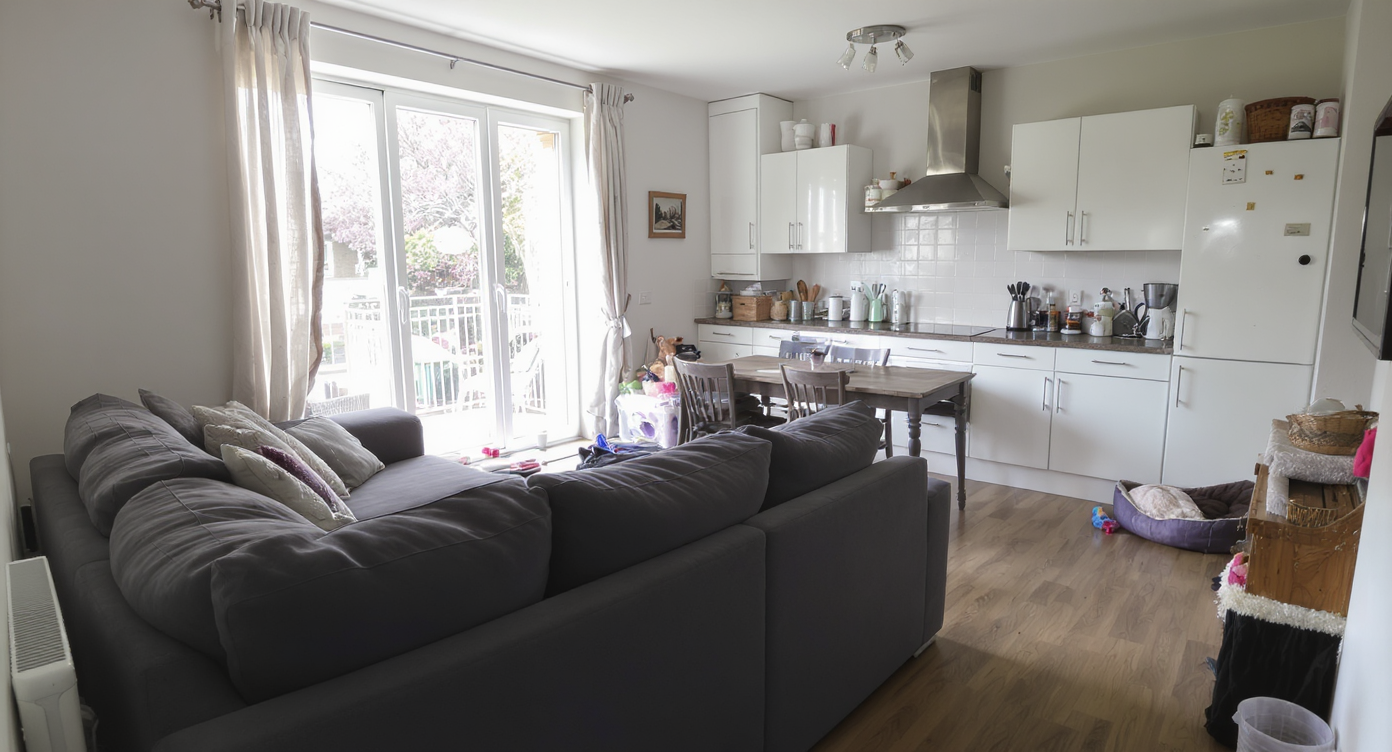
Placing an oversized sectional in a compact open-plan space can disrupt flow, block light, and create everyday challenges for households.
The most frequent mistake in small open-plan rooms is treating the sectional as a default solution, rather than one option among many. Seating that is too deep or wide may eat into walkways and disrupt the function of kitchen counters or adjacent dining zones. Another pitfall is ignoring the importance of scale—not just the overall length, but the depth and bulk of arms, seatbacks, and attached chaises. Skimping on clearances, especially in homes with children or pets, can lead to persistent frustration. Another overlooked error is placing all seating to face away from windows or views, sacrificing natural light for TV alignment. The best compact layouts use sectional pieces to frame the room without cutting it off—from both daylight and conversation. Referencing layout fixes for furniture that's too large can encourage creative thinking before buying or rearranging.
-
Tips and Expert Insights
When working with compact spaces and large seating, measure more than just the perimeter. Track the distance between seating and tables, the wiggle room behind pieces for walking, and how traffic flows from entrance to kitchen to sofa. Designers often recommend at least 14 to 18 inches between coffee table and sofa edge, and a persistent 30 inches for passage. Apartment-sized sectionals—typically around 7 to 8 feet in width—fit most open-plan rooms better than their full-size counterparts. Choose styles with low backs, slim arms, and exposed legs to maintain a sense of lightness. When possible, use neutral fabrics or monochromatic color schemes to visually unify the kitchen and living zones. Modular pieces offer the benefit of refreshable configurations as needs change. If you prefer the cozy feel of a sectional, bolster flexibility with ottomans and moveable chairs rather than locking every seat into one shape.
-
How to Use These Ideas in Your Next Design
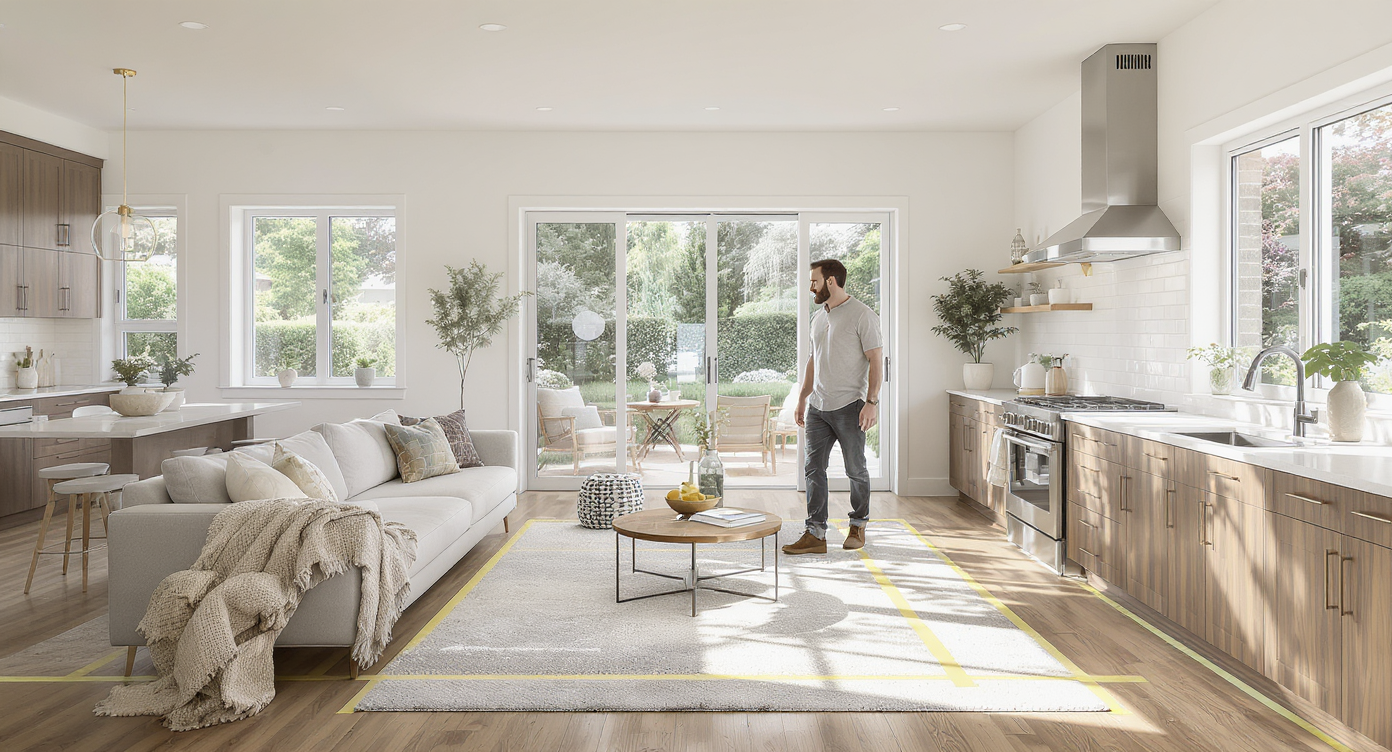
Test a sectional’s fit with painter’s tape to reveal spatial flow, bottlenecks, and ideal clearances before you buy or arrange furniture.
Before purchasing or arranging a sectional in a small open-plan space, grab a roll of painter’s tape and outline the footprint on the floor. Live with this mocked-up arrangement for a few days to observe how you move and entertain. Take note of bottlenecks near doorways, windows, and kitchen work zones—you might discover the spots where an oversized piece would disrupt daily activities. When evaluating sectionals online or in-store, look beyond the product photos and check all dimensions—width, depth, and seat height. Consider how easily the pieces can be separated or reconfigured, and whether they allow for flexible use when guests are over. Visualize the entire room, not just the seating zone: harmonious proportions and balanced clearances make all the difference in compact homes. For more on matching seating size to function and style, see furniture style tips for any room.
-
Visualization Scenario: Sectional in a Compact Open Living Room/Kitchen
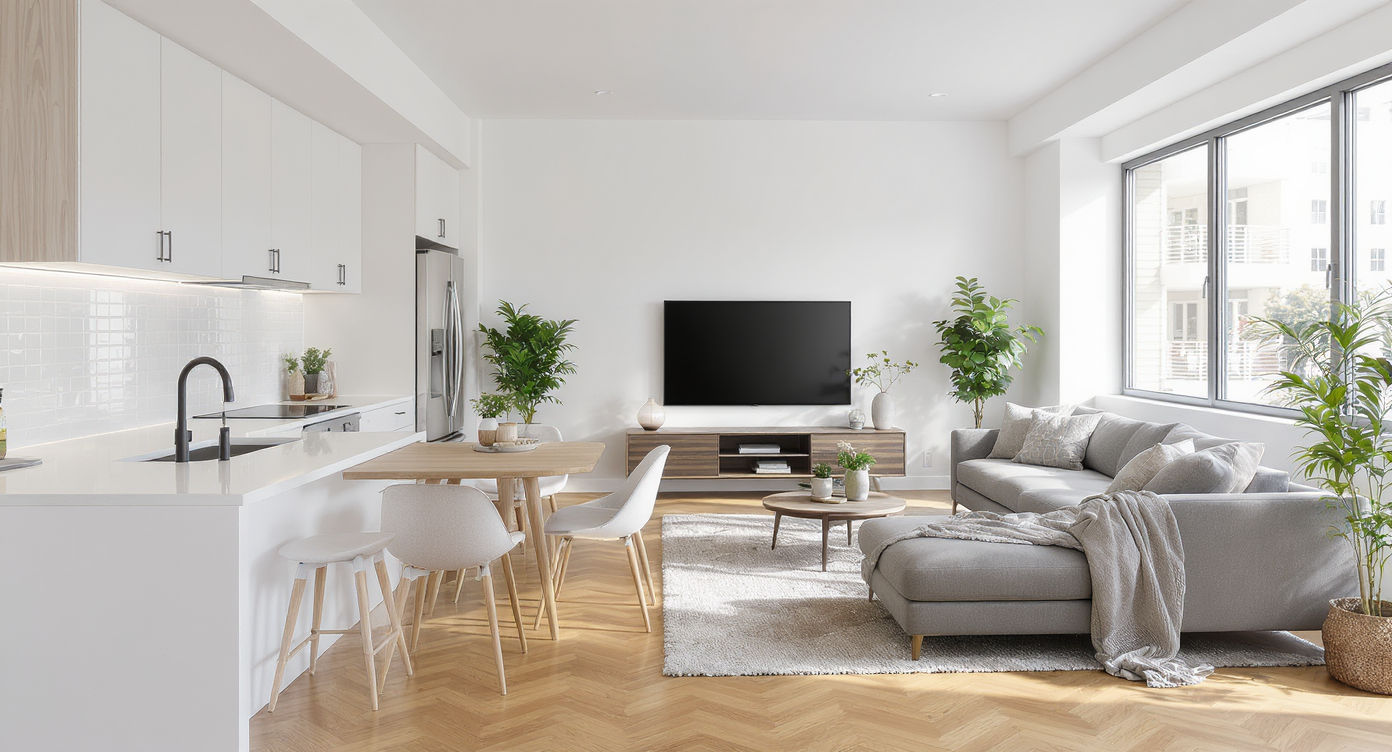
An angled apartment-sized sectional maximizes both comfort and open flow in a compact condo, keeping living and dining areas accessible.
Picture a 14 by 16 foot open-plan condo. The kitchen lines one wall, while a dining table claims the transition to the living area. With a full-size sectional placed tightly against one wall, every crossing from kitchen to window feels like navigating a maze of upholstery. But swap this for an apartment-sized L-shaped sectional, nestled at an angle with a slim console behind it, and the space instantly feels open and inviting. Now, the flow from countertop to sofa to window is effortless, the dining area is accessible, and everyone can gather for movie night without sacrificing comfort or style.
Visualization Scenario
Visualize a small open living and dining area trimmed in bright morning light. Against one wall, a compact sectional nestles with an ottoman that doubles as a coffee table. The dining table sits adjacent but easily accessed from both kitchen and living zone. There’s no jostling or detours—just a comfortable, inviting flow that allows every square foot to shine.
FAQ: Sectionals and Compact Open Living Spaces
Yes, but only if you maintain at least 30 inches of walkway clearance, avoid blocking traffic to key zones, and balance the seating scale with the dining and kitchen areas.
What sectional shape works best in open-plan spaces?
L-shaped and modular sectionals often provide the right mix of lounging comfort and layout flexibility in small, open rooms.
How do I visualize a sectional in my space before buying?
Use tape to mark the sofa's footprint on your floor or upload photos to services like ReimagineHome.ai to preview different layouts risk-free.
Which common mistakes make sectionals feel too big?
Overestimating available space, ignoring necessary clearances, and locking a sectional into a corner without considering view, light, and traffic flow.
What can I do if my current sectional feels oversized?
Rearrange the layout for better flow, float the sectional away from the walls, swap in smaller pieces, or try a different configuration using modular sections.
Key Takeaways for Small-Space Sectional Success
A large sectional can absolutely work in compact open living room and kitchen spaces—but only with measured decisions. Prioritize clear walkways, scale seating to function, and embrace flexibility in layout. Balance comfort with open flow, and let the true purpose of your space guide every furniture choice. When in doubt, preview potential arrangements virtually or with tape before committing. For those who want to see the transformation without heavy lifting or returns, consider visualizing your layout with modern tools like ReimagineHome.ai.