Why Finished Rooms Still Feel Off: Decoding the Last-Mile Design Problem
TL;DR
Many seemingly finished rooms feel incomplete due to missing finishing touches, lack of cohesion, clutter, or unresolved lighting and color distribution. The feeling of something missing often centers on proportions, texture, and real-life needs. Thoughtful layering—pattern, light, artwork, and storage—creates a space that feels not just decorated, but truly lived-in and balanced.
The Hidden Gap Between Complete and Finished
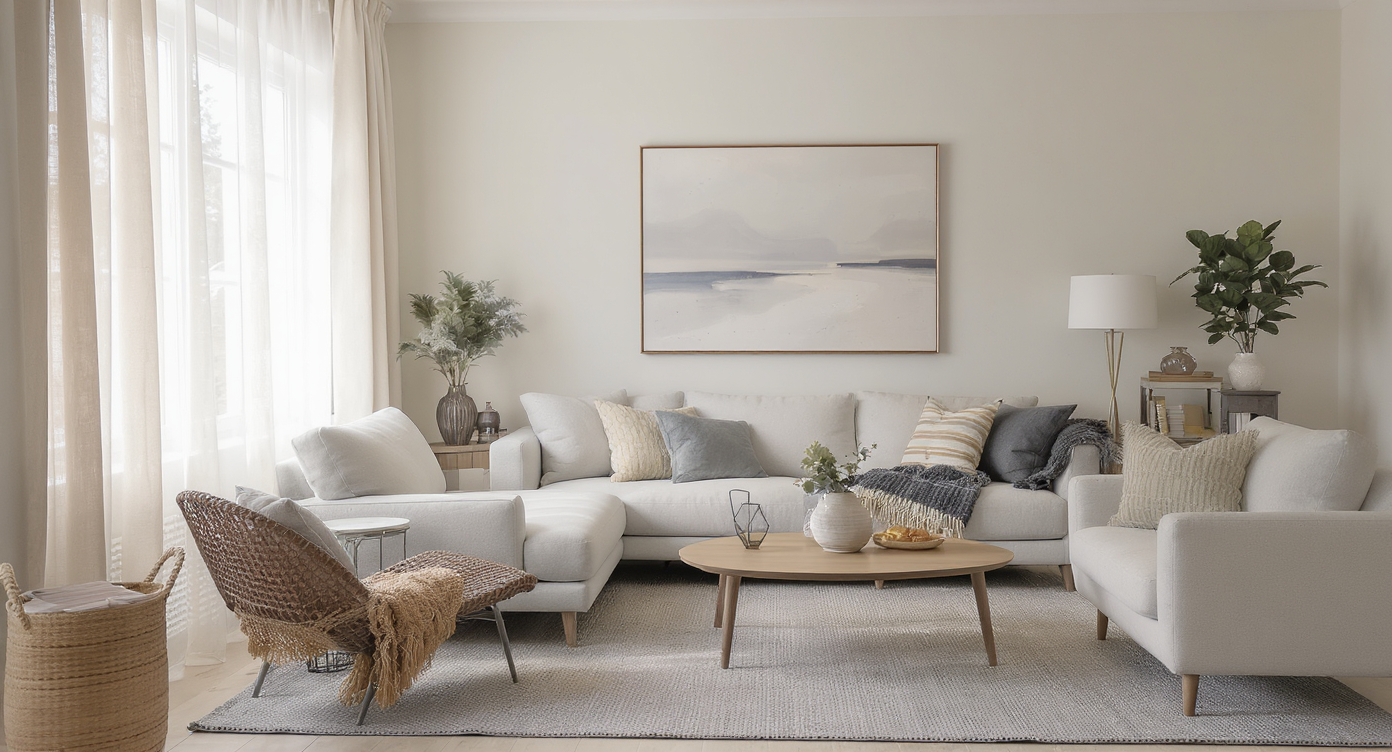
A modern living room looks fully updated but feels impersonal, highlighting the elusive 'last-mile' of interior design completion.
You’ve spent time, energy, and a careful eye updating your space from top to bottom. The walls are repainted, the furniture is new, and the big changes are done. Yet as you stand back, a nagging sentiment persists—the room looks transformed, but something’s not quite right. Interior design enthusiasts and professionals alike commonly experience this last-mile challenge. The initial burst of transformation is exhilarating, but the finishing layer that brings true harmony often feels elusive. There is a shared disconnect between ‘done’ on paper and a space that feels whole in real life.
-
Identifying the Invisible: Why Rooms Still Feel Unfinished
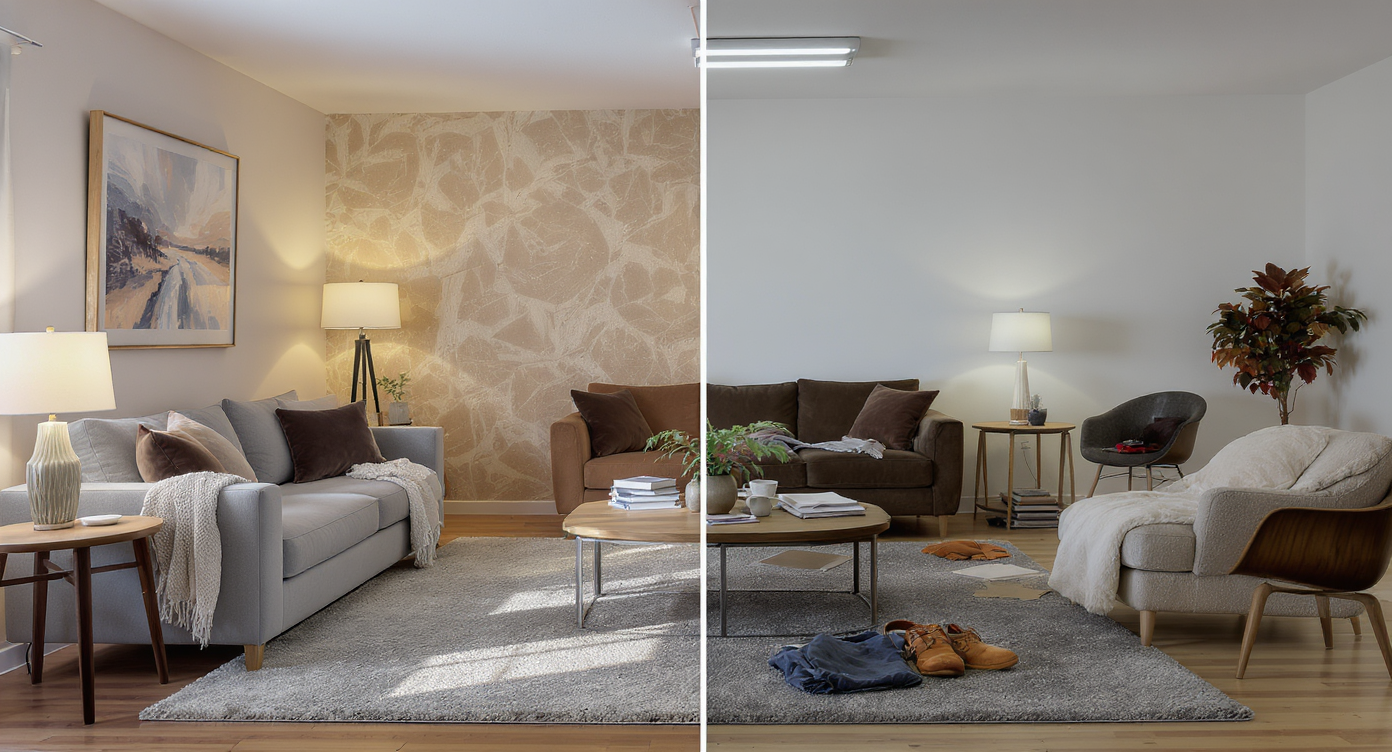
A realistic side-by-side of a living room reveals how missing finishing touches like proper lighting, art, and texture can leave a space feeling unfinished.
After a dramatic before-and-after, it’s easy to expect a sense of completion. But design, much like a favorite piece of music, relies on more than main chords. Homeowners frequently express a sense of unease—describing spaces as "almost there" yet oddly empty, cold, or disjointed. This feeling isn’t exclusive to those who blame a single element. Instead, it's often an accumulation of subtle factors: scale mismatches, leftover clutter, unresolved lighting, and color or texture imbalances. The mind registers a space visually and emotionally, responding as much to what’s missing as what’s present.
Missing finishing touches—a right-size rug that grounds furniture, well-placed art, or soft secondary lighting—are classic culprits. Texture, varied shapes, and carefully layered lighting turn a room from adequate to inviting. Similarly, the placement of storage, subtle repetition of color, and the decision to edit (not just add) all change how a room feels in daily use.
Expert Insight
When Emily completed her bedroom overhaul, she stood back expecting pride but felt only an odd emptiness. Friends loved the bold wall, yet something still hovered out of reach. At a friend’s suggestion, she added a basket for her dog’s toys, brought in a sculptural floor lamp, and found a patterned throw that pulled together both the accent color and the cream. Instantly, the room transformed from almost-there to wholly hers—a blend of style and daily comfort.
-
Clutter Control and Practical Details: Life Happens Here
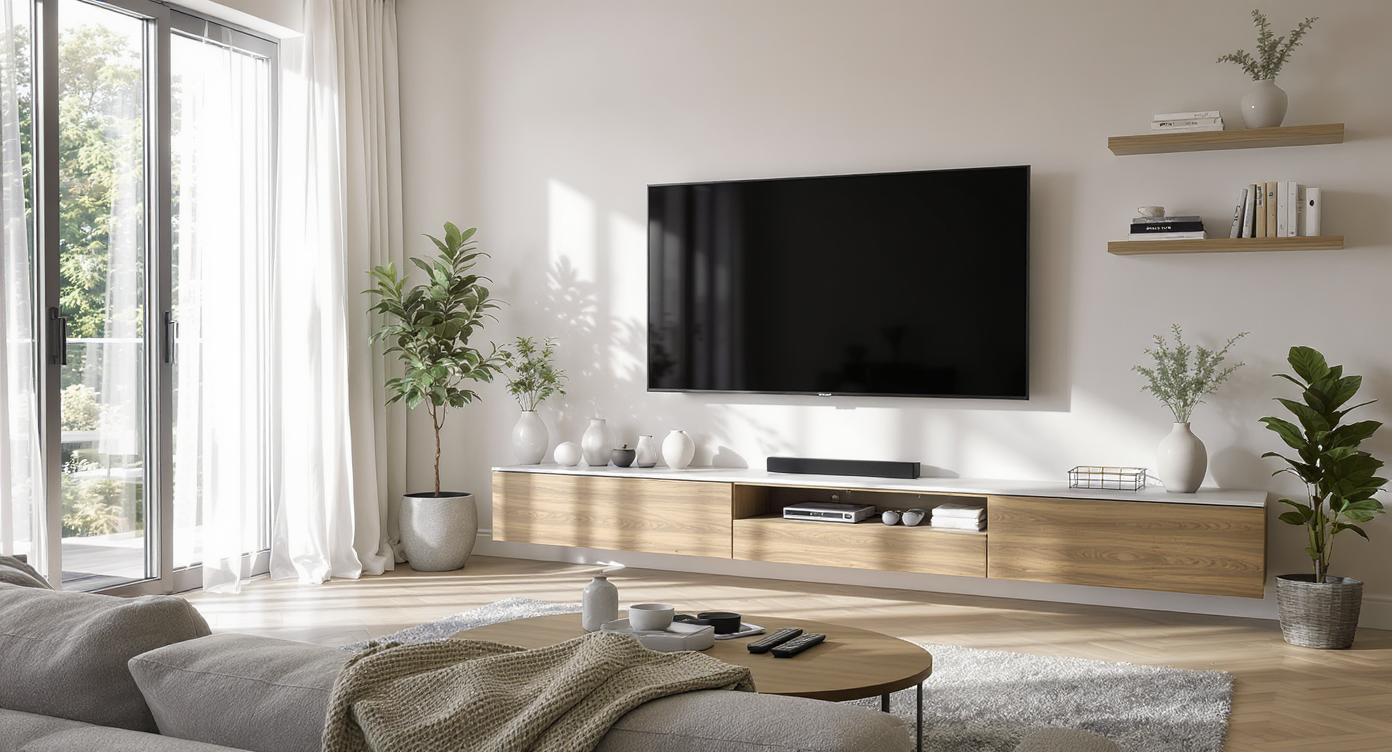
A thoughtfully designed living room uses built-in storage and selective display to keep daily essentials organized and clutter-free.
It’s easy to underestimate the impact of small, everyday items on a room's atmosphere. As owners move from the original reveal to regular life, functional clutter—pet beds, chargers, daily-use tools—inevitably reappears. The best-designed spaces plan for these intrusions by incorporating storage that fits into the architecture of the room. A streamlined console beneath a wall-mounted television, a covered bench that hides pet accessories, or floating shelves that intercept daily essentials can prevent linkages of visual chaos. Intentionality is key: maintaining open floor space without sacrificing everyday utility improves flow and supports the room’s core activities. The most successful spaces make room for real life, not just the picture-perfect moment.
Even with minimal mess, visual clutter can arise when small décor elements accumulate without a story. Designers often recommend editing—removing duplicates, restricting surfaces to one or two focal items, and ensuring textiles relate in tone or texture. A tidy room feels restful, a practical approach that fosters both warmth and cohesion. -
Cohesion Through Layering: Color, Pattern, and Lighting
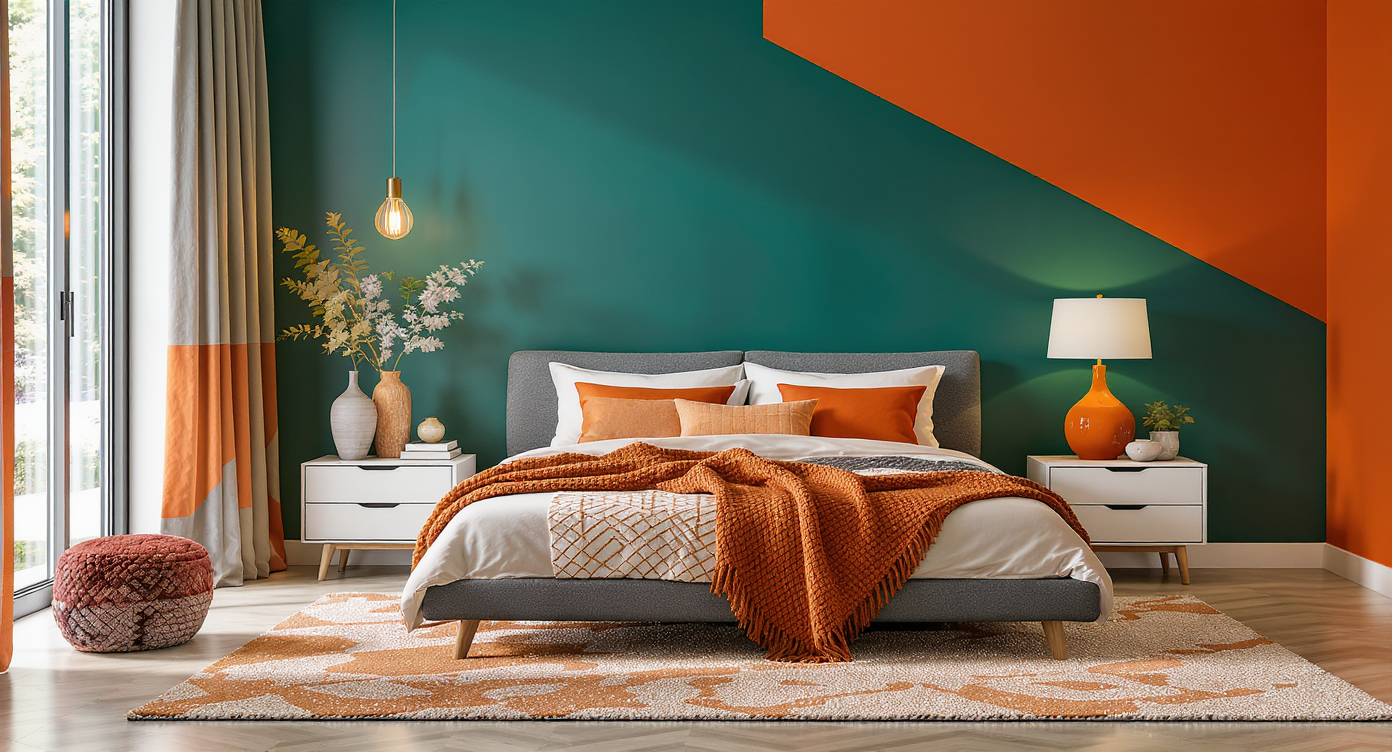
Color, pattern, and layered lighting repeat seamlessly across a bedroom, demonstrating cohesion and balanced design through subtle, deliberate echoes.
One of the most cited reasons a redesigned room feels unfinished is the absence of deliberate repetition and measurable variation. Homeowners may invest in dramatic walls or bold furniture, only to overlook how color, pattern, and lighting should travel throughout a space. When an accent wall sings but stops abruptly, or all the action is clustered at one end of the room, the eye senses imbalance.
To solve this, designers recommend picking up key colors or motifs and subtly echoing them across the room—through pillows, art, planters, or throws. For example, if the bed wall in a bedroom glows with rich teal and orange, drawing those hues into window treatments, cushions, or bedside lamps balances intensity. But overcommitment in a single zone or outright repetition can look contrived. Layering is achieved by increasing textural diversity—mixing woven, nubby, and smooth fabrics—incorporating at least one patterned element and repeating shapes in pairs or across sightlines for comfort.
Lighting, often overlooked, changes everything. Bedrooms and living rooms tend to rely on a single overhead fixture, which flattens mood and overlooks the need for cozy task and accent light. Experienced stylists suggest adding at least two more light sources—ambient lamps, dimmable bulbs, even wall sconces—each positioned to support activities or enhance the space’s unique features. Warm lighting and scale, especially when repeated with intention, produce the sense of completion that so many rooms lack. -
The Emotional Logic of Flow and Balance
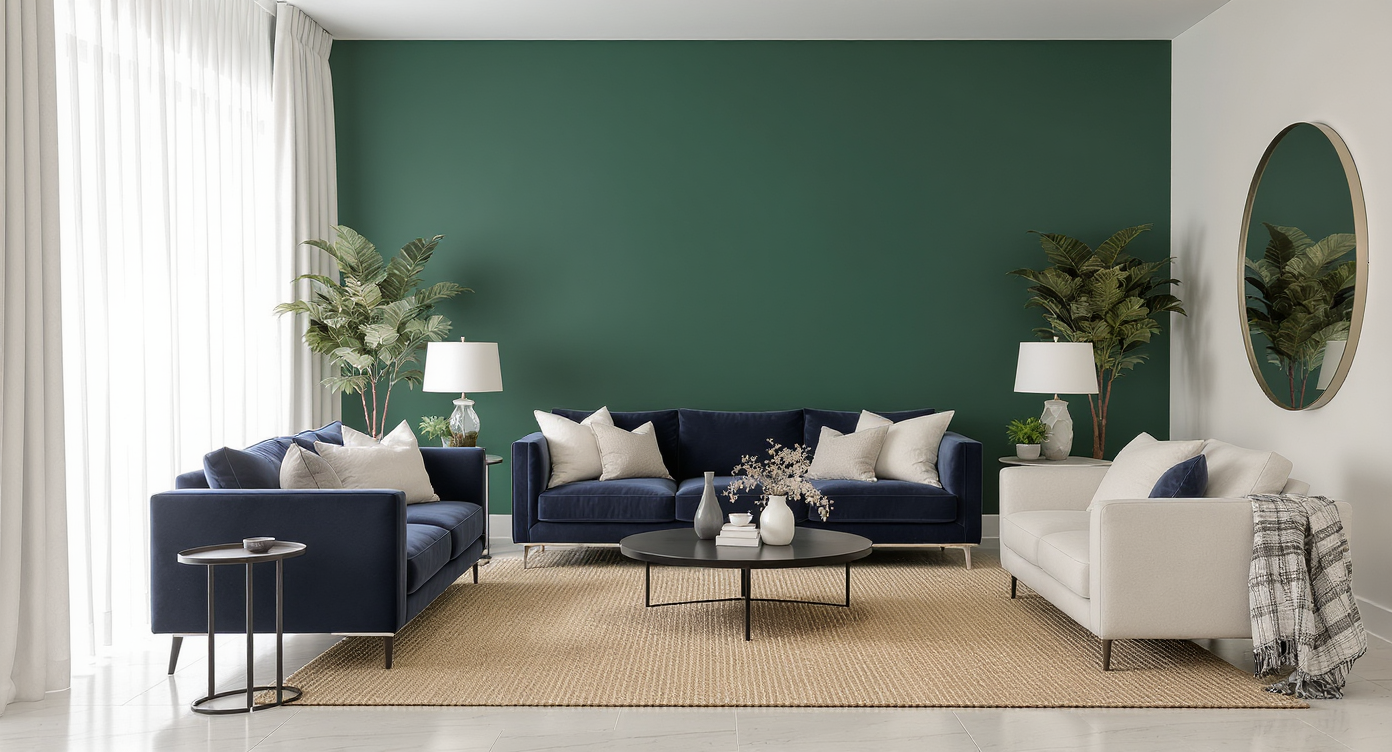
A photorealistic living room arranged for optimal flow and balance, showcasing walkable paths, accessible tables, and evenly distributed decor.
A room rarely feels finished through objects alone. How people move through the space matters just as much. Cohesion and flow hinge on practical arrangements: Is there enough room to walk between furniture? Do accent tables land where you naturally reach for your book or tea? Is there a sense of visual weight elegantly distributed? Spaces that appear 'off' to the untrained eye often suffer from subtle imbalances. If a bold wall or striking bed draws all attention, the other side of the room may need height—through art, mirrors, or tall plants—to correct visual gravity. Balancing weight sometimes means extending a paint color, raising curtain rods, or choosing a rug large enough so that key furniture pieces sit on it seamlessly. Designers often use virtual tools to preview these decisions. For real-world rooms, platforms like AI-powered interior previews allow homeowners to test layouts, contrasting textiles, and properly scaled pieces.
-
Anecdote: The Case of the Almost-Complete Bedroom
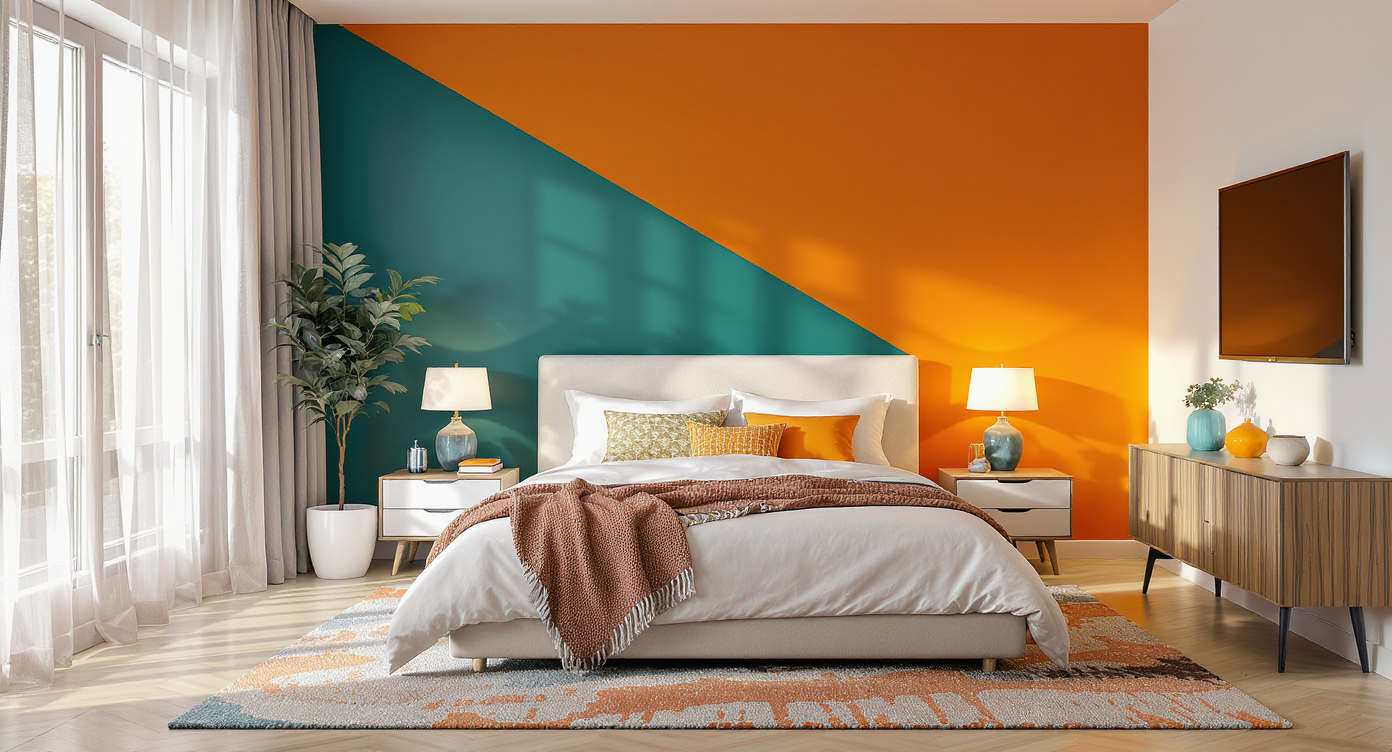
A modern bedroom’s final details: bedside lamps, plant, patterned pillows, console table, and rug unify a teal and orange design scheme.
A recent bedroom redesign beautifully showcased a striking teal and orange bed wall, anchored by a creamy upholstered bed and new, floor-length curtains. Yet even after meticulous planning, the owner sensed something was missing. Online, fellow decorators noted the room’s asymmetrical visual weight and suggested practical tweaks: a tall, leafy plant to balance the opposite wall, a slim console for storage under the television, and patterned pillows to break up solid colors on the bed. The owner realized that the "final layer" wasn't another investment in furniture, but a handful of careful additions and adjustments. Warm bedside lamps, a patterned rug, and a few coordinated objects carried the accent colors throughout—and suddenly, the room felt inviting, finished, and distinctly their own.
-
Common Mistakes to Avoid
Prioritizing speed over layering often leads to a space that feels flat, even after a significant overhaul. Relying solely on main pieces—without considering lighting, art, or everyday storage—creates a showroom finish, not a homey one. Another misstep is overcorrecting, like filling every corner with bold accents or overmatching textiles, which makes spaces feel contrived instead of organic. A frequent complaint, especially in bedrooms, is misplaced scale: rugs too small, lamps too dim, or art hung too high—often just missing a sense of proportion that makes daily use easy and comfortable.
-
Tips and Expert Insights: The Designer’s Eye
Designers often approach the "last-mile" challenge as a chance to blend design with lived-in needs. Instead of chasing an undefined 'wow factor,' they focus on the unseen details: repeat colors in three places, anchor zones with the correct rug size, and always ensure wires, remotes, and daily objects have a place out of sight. Lighting should serve both function and mood—bedside lamps, sconces, or even fairy lights each offer layered comfort. Consider height as much as square footage: low art or horizontal storage "grounds" a room, while plants and tall mirrors pull the eye upward, balancing scale. Thoughtful accessorizing and purposeful editing help each item feel earned, not just added.
-
How to Use This in Your Next Designs
When approaching your own living room or bedroom refresh, start by analyzing not just the main features, but the everyday movements and needs of the space. What activities happen daily? Where does clutter accumulate? How does light shift throughout the day? Create a plan to address both the functional and emotional layers—consider storage for daily objects, select one or two art pieces that reference your main colors, and add at least one source of soft, adjustable light. Be honest about what feels awkward or imbalanced, and test changes visually before making big purchases. Many homeowners find success by making small, iterative adjustments—swapping out pillows, shifting furniture a few inches, or layering in plants—until the room genuinely feels at ease.
-
Visualization: From Almost There to At Home
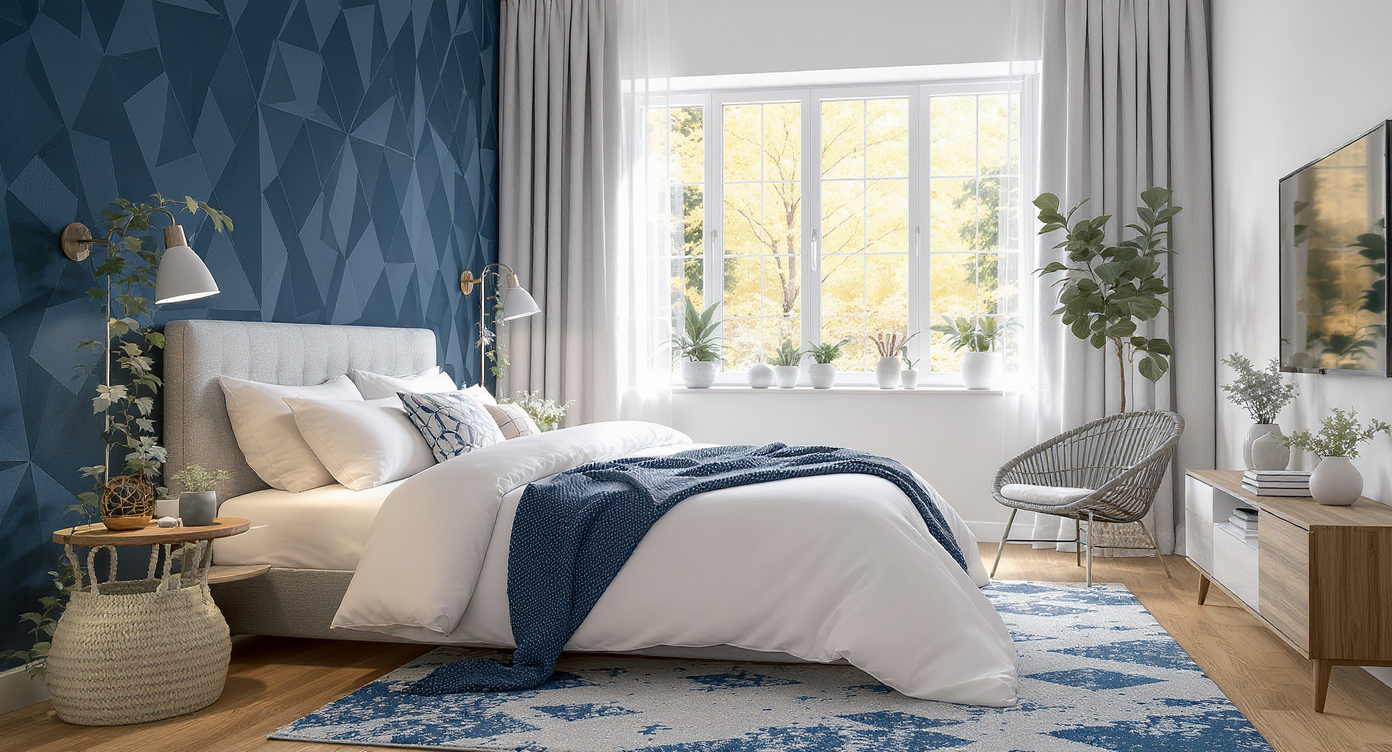
Intentional details—like a trailing plant, glowing lamp, patterned rug, and sleek storage—transform a finished bedroom into a personal, inviting space.
Picture a bedroom with a bold accent wall and crisp new sheets. It’s tidy, stylish, but a little sterile. The addition of a trailing plant above the bed introduces softness. A floor lamp near the reading corner brings a welcoming glow at night. A patterned area rug, just wide enough to stretch beneath nightstands, grounds the setting and makes mornings gentler. Meanwhile, a low storage console beneath the TV keeps favorite books handy but hidden. Finished rooms evolve through these small, intentional moves—a rhythm of edit, layer, adjust—until the space feels not just new, but comfortable, personal, and whole.
Visualization Scenario
Imagine entering a living room where every main item is in place, yet something tugs at your attention. The furniture cluster feels right, but the corner opposite the sofa is blank and heavy with shadow. When you add a sleek console table, a potted fern, and swap sheer drapes for texture, the balance returns. Layered lamps cast warm pools of light, and a single vibrant print pulls colors from every angle. Subtle shifts turn the space from furnished to truly inviting.
Frequently Asked Questions
Subtle issues like scale, lack of layered lighting, improper color repeats, or missing storage can make a room feel incomplete even if all the main design pieces are in place.
How important is clutter control for a well-designed room?
Consistent clutter control is essential; even beautifully decorated spaces feel unsettled if everyday objects have no clear home.
How can I balance bold colors without overwhelming a space?
Repeat accent colors in smaller doses across textiles, artwork, or decor elements and balance strong hues with neutrals and natural textures for longevity.
Where should I use patterned items?
Limit patterns to one or two well-placed textiles—like a cushion or area rug—to provide movement and visual interest without crowding the palette.
Can I visualize changes before buying new pieces?
Yes, platforms like ReimagineHome.ai let you virtually test new colors, layouts, or accessories using photos of your actual room.
Find Harmony in the Details
A beautifully renovated room can feel incomplete without careful attention to flow, balance, clutter control, and subtle repetition of color and light. The good news is that the final layer rarely requires a total overhaul. Instead, rooms come alive with incremental, purposeful tweaks—texture here, an extra lamp there, a storage solution for everyday realities. Embrace the design process as an evolving dialogue: a space that reveals itself, detail by detail, to those willing to listen and adjust. For those seeking an interactive approach to visualizing these last-mile adjustments, ReimagineHome.ai offers practical tools to support your creative experiments.