When Your Backyard Becomes a Living Oasis: Balancing Beauty, Growth, and Leisure
TL;DR
A lush backyard filled with flourishing plants can resemble a nursery, but intentional design transforms it into a cohesive retreat. Integrating leisure spaces, considering mature plant growth, and fostering accessible maintenance routines turn an abundant garden into a balanced, enduring sanctuary. Learn how garden design AI is helping homeowners create tailored, inviting outdoor living zones.
The New Definition of a Garden Retreat
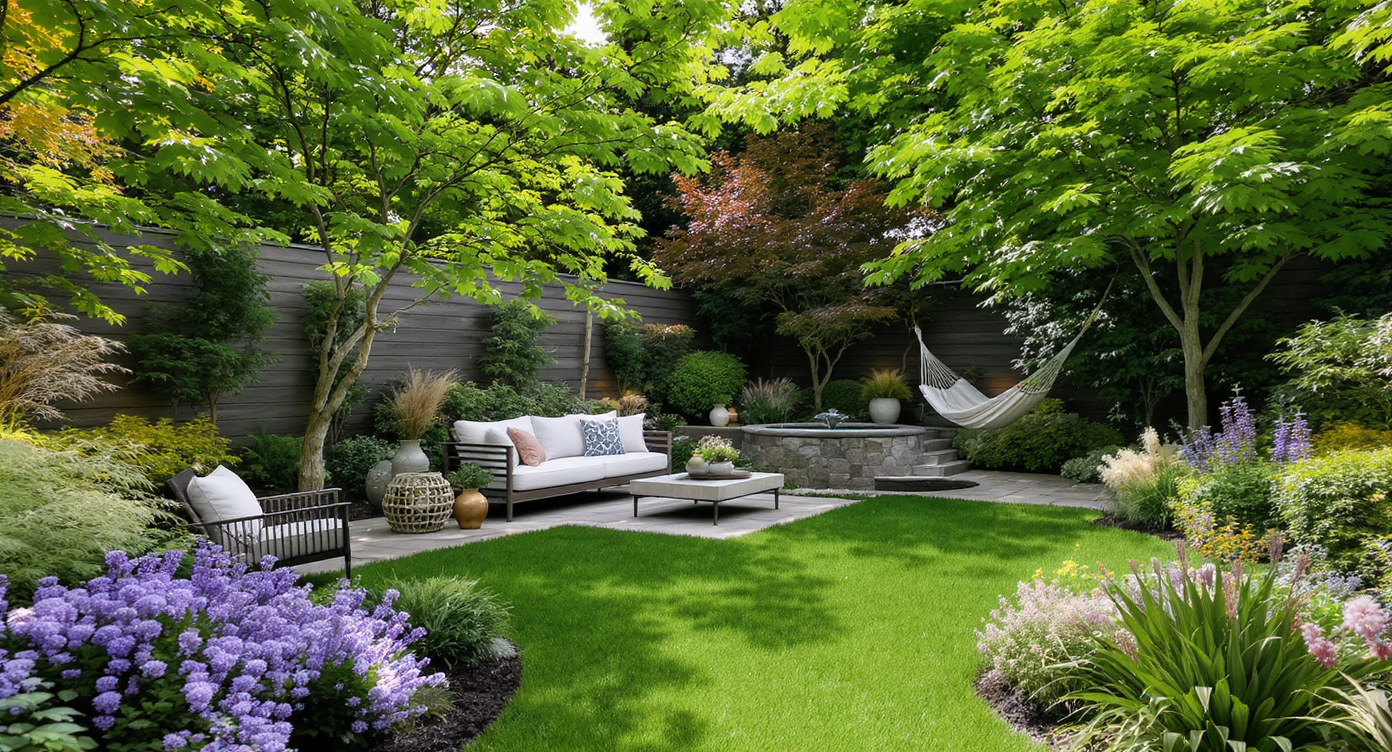
A real-world backyard brimming with lush plants, cozy seating, and thoughtful design—balancing leisure with abundant growth and active care.
A backyard overflowing with greenery can evoke the charm of a nursery, filled with thriving pots, evolving borders, and bursts of color at every turn. But for many enthusiasts and design-conscious homeowners alike, this abundance represents more than a collection of plants—it signals a living garden, rich with possibility and history-in-the-making. As garden trends continue to encourage blending horticultural zeal with liveable leisure, the role of thoughtful layout, material choices, and practical upkeep becomes central. With garden design AI and new planning tools shaping how people create their outdoor spaces, transforming a nursery-like garden into a purposeful retreat has never been more accessible. Amidst this wave of abundant foliage, how can homeowners balance exuberant plant collections with inviting zones for gathering, solitude, and ease of care?
-
Turning Nursery Abundance into Cohesive Outdoor Design
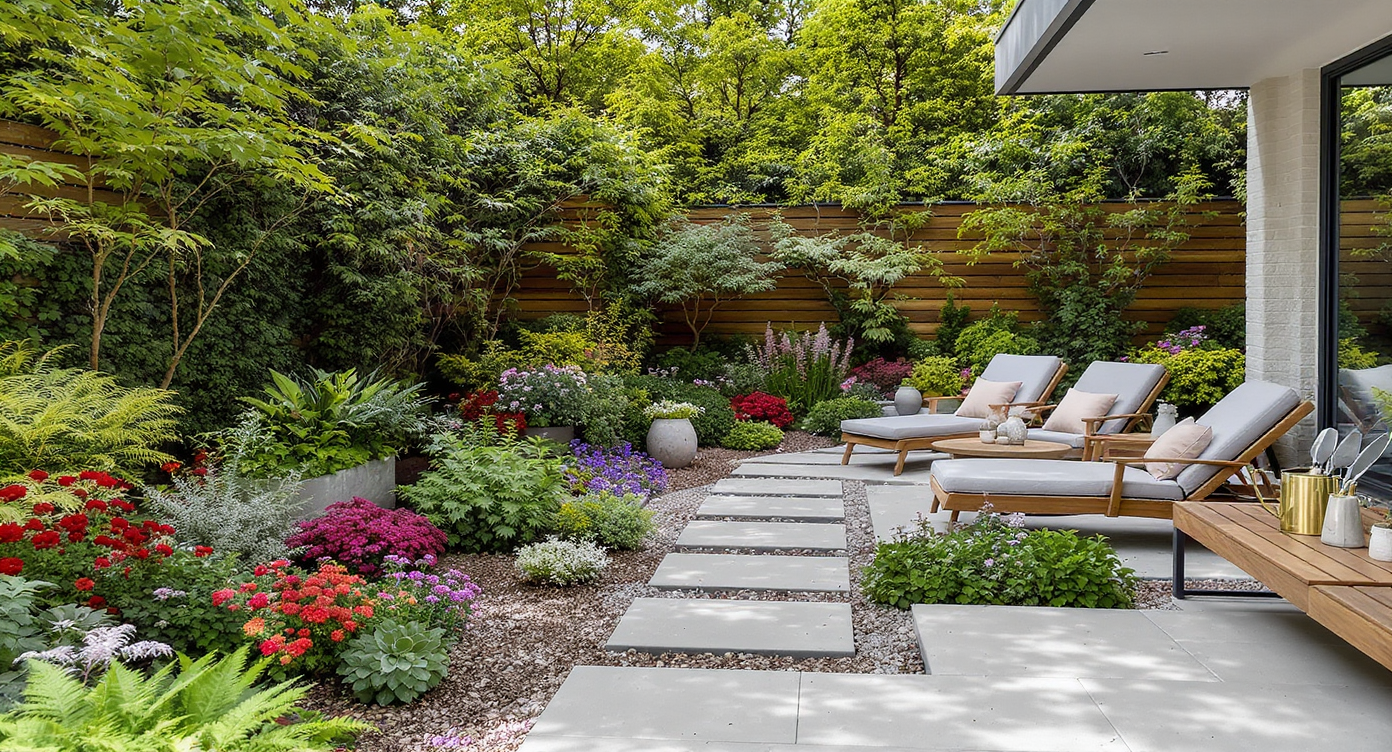
A realistic backyard layout with curved stone path and mixed patio, organizing abundant plants into functional zones for beauty and ease.
A backyard that mirrors the layers and density of a plant nursery often arises from passionate collecting: trays of seedlings along patios, rows of container plants, and climbing species trailing across every available post. While this speaks to a flourishing, living space, the key to longevity lies in shaping it into organized, intuitive zones. Designers often recommend carving out functional areas within the verdant sprawl—think lounge seating nestled among shrubs, or stepping path leading quietly through vegetable plots. This approach can elevate a space from energetic excess to intentional beauty without sacrificing the gardener’s joy. Recent homeowner projects reveal that blending practical hardscaping with lush foliage not only tames visual clutter, but also makes everyday use easier. For instance, a curved stone path winding between beds subtly divides propagation areas from reading nooks. Mixed material patios—sandstone or compacted gravel—anchor pots and edges, making transitions both functional and attractive. That attention to circulation and layout reflects what garden design AI platforms now dynamically model for users: how to make garden abundance workable and welcoming.
Expert Insight
Last spring, a neighbour transformed her patio into what most would call a mini-nursery. Every surface was filled with tiny seedlings, propagated cuttings, and experimental potted plants. By mid-July, her efforts paid off: the containers thinned as young plants took their places in the garden beds, and a new bench—framed by hostas and ferns—became her favorite spot for evening tea. The transition from vibrant clutter to cultivated sanctuary mirrored the journey many garden lovers experience.
-
The Evolution from Nursery to Established Garden
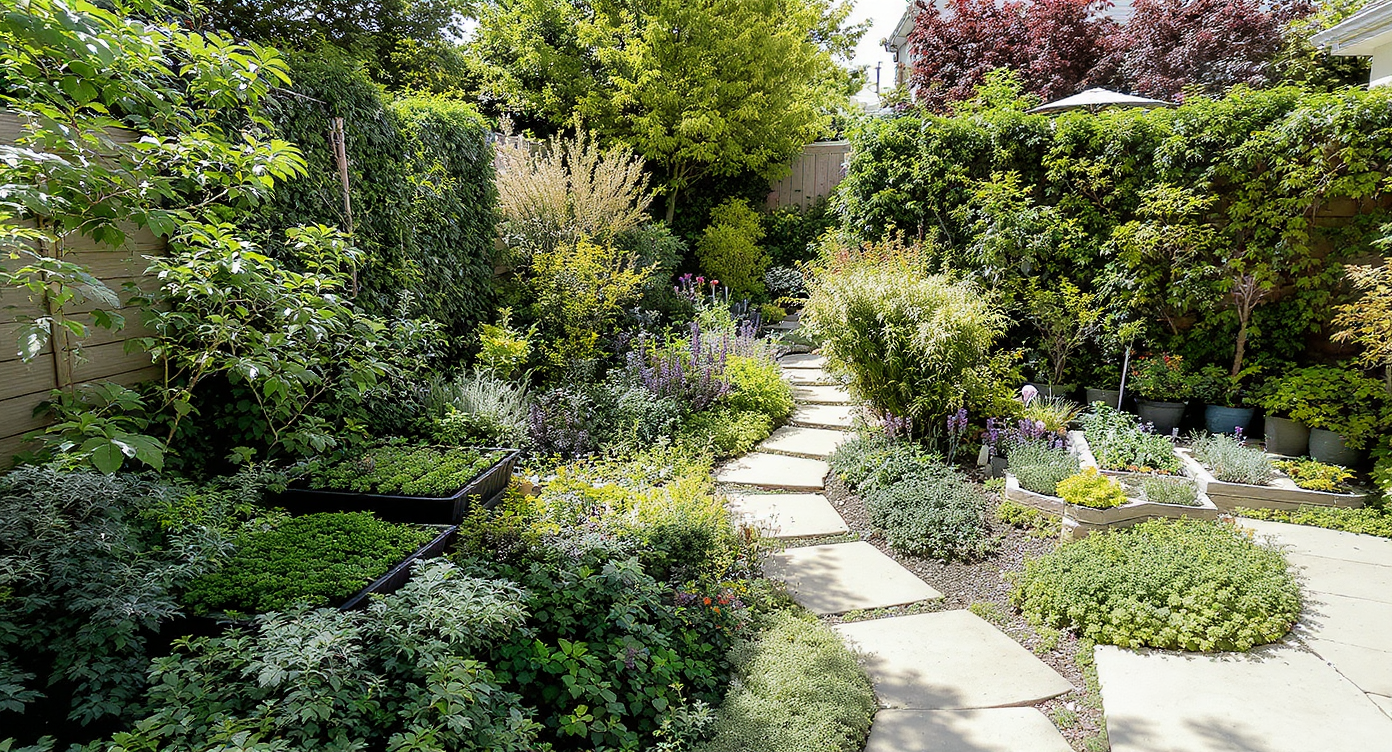
A backyard captures the shift from nursery-stage plants in containers to mature, integrated beds, illustrating the evolution into an established garden.
Even the greenest backyards start with a burst of newness: young perennials crowding containers, fresh saplings waiting for their place, emerging vegetable seedlings marked with stakes. Over time, the intention is to let these young plants mature and transition from surface-level collectables to an integrated landscape that feels timeless. This evolution sees pots gradually moving into beds, climbings finding their supports, and once-busy trays emptied into the soil, giving the garden a rooted, established quality. According to experienced gardeners, the tipping point often comes when repeated temporary arrangements are replaced with deliberate plantings and permanent features. Raised beds for vegetables, for example, foster order and productivity while blending seamlessly into the broader layout. A backyard might shift from a patchwork of plastic nursery pots to a cohesive tapestry of mixed borders—where self-seeded wildflowers coexist with structured hedging. These incremental moves reflect the advice behind low-maintenance gardening: focus plantings and layout on what fits your climate and lifestyle, and avoid overcommitting to unsustainable elements. For more on managing the transformation while staying within budget, the principles in small-garden landscaping on a budget offer clear guidance.
-
Curating Leisure Zones Amid Abundant Growth
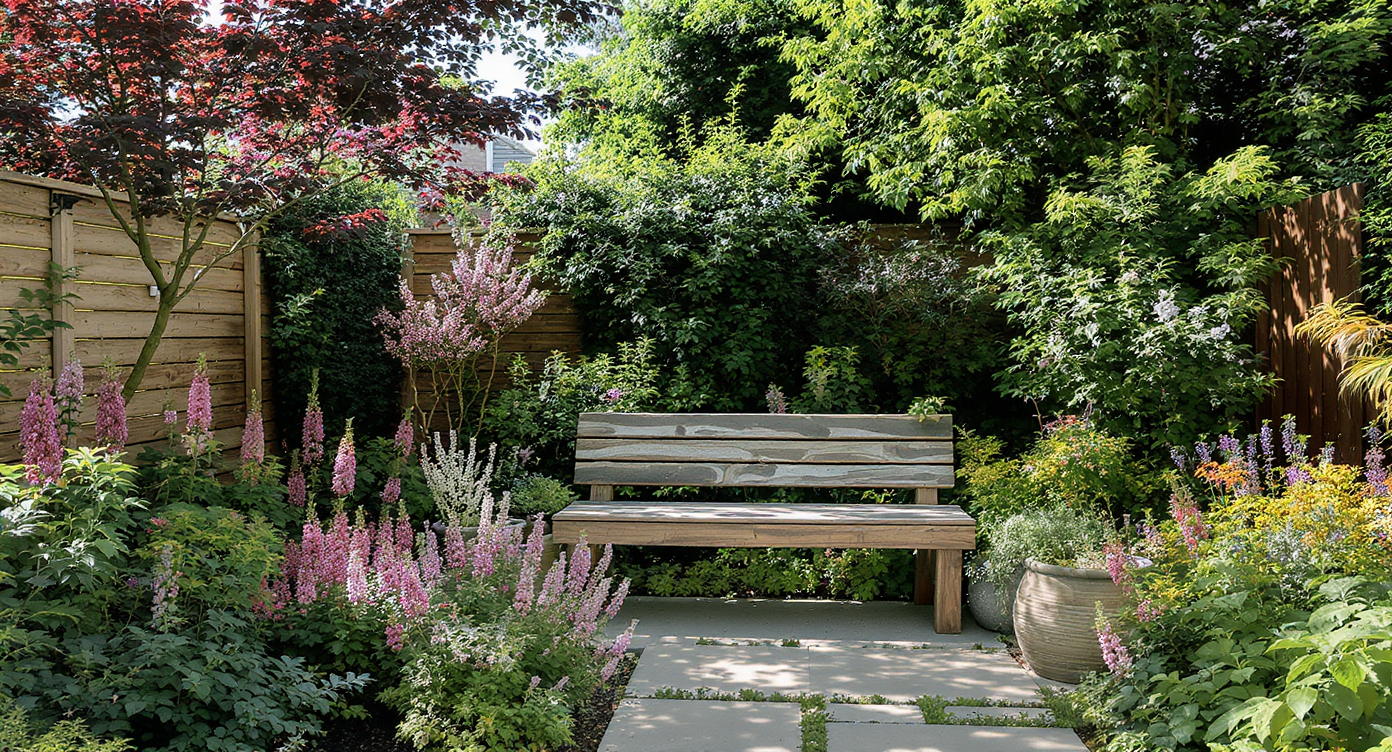
A reclaimed-wood bench and cozy seating area border a gravel patio, blending with abundant backyard plantings for leisurely relaxation.
The hallmark of a modern backyard is its capacity to relax as well as to grow. A garden that resembles a nursery need not be strictly utilitarian; in fact, woven between plantings, intentional leisure spaces provide reason to linger and savor one’s efforts. Design professionals often advocate for the inclusion of seating enclaves, subtle patios, or shaded corners—features that invite quiet observation and spontaneous gatherings alike. For example, a reclaimed-wood bench surrounded by foxgloves might double as a morning coffee spot and as respite during afternoon gardening tasks. The best leisure zones borrow from their surroundings rather than compete. Embedding a gravel patio off a garden shed, bordered by fragrant lavender and hostas, can serve as a seamless bridge between aesthetics and practicality. This balance echoes ideas in low-maintenance landscaping, where the goal is a space that delights yet does not demand daily tending. Integrating outdoor sofas, side tables, and reading chairs in semi-wild corners ensures the garden meets both its functional and emotional promise.
-
Maintenance That Fits a Plant-Rich Life
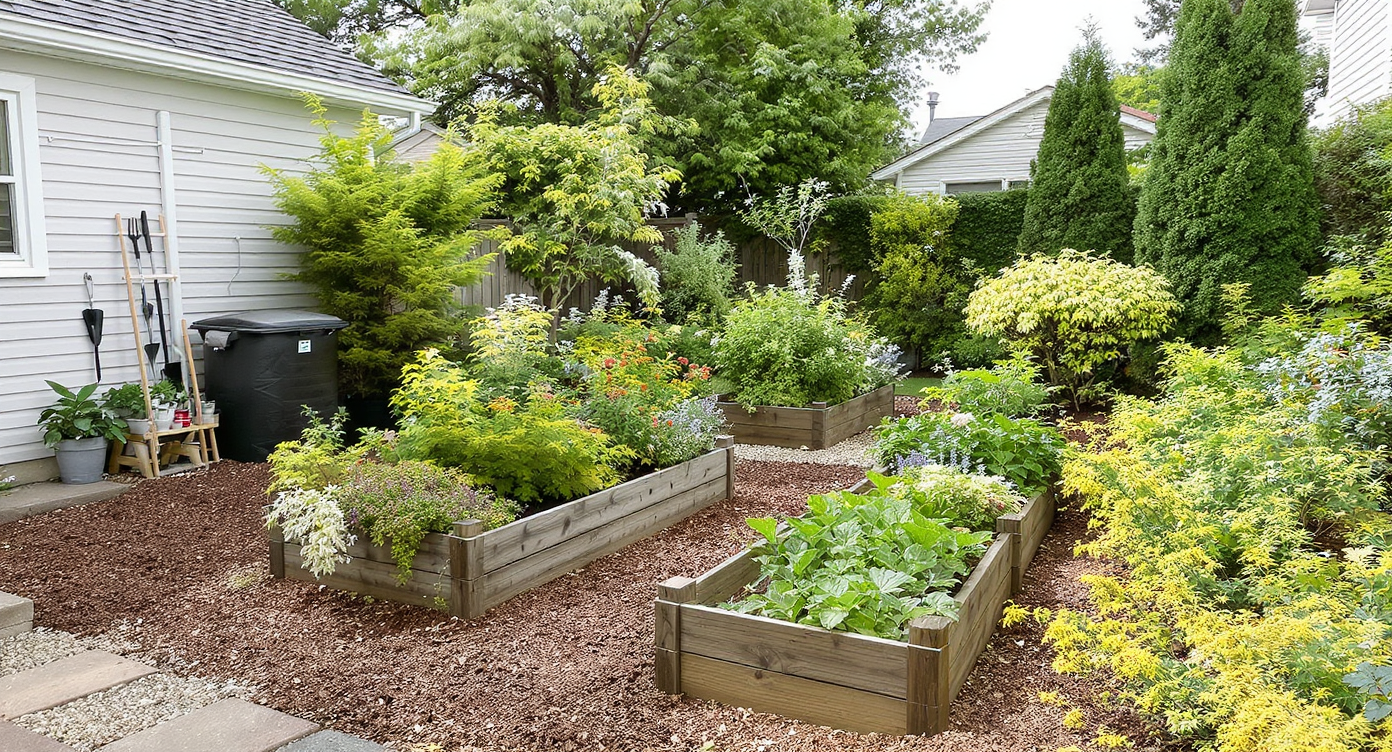
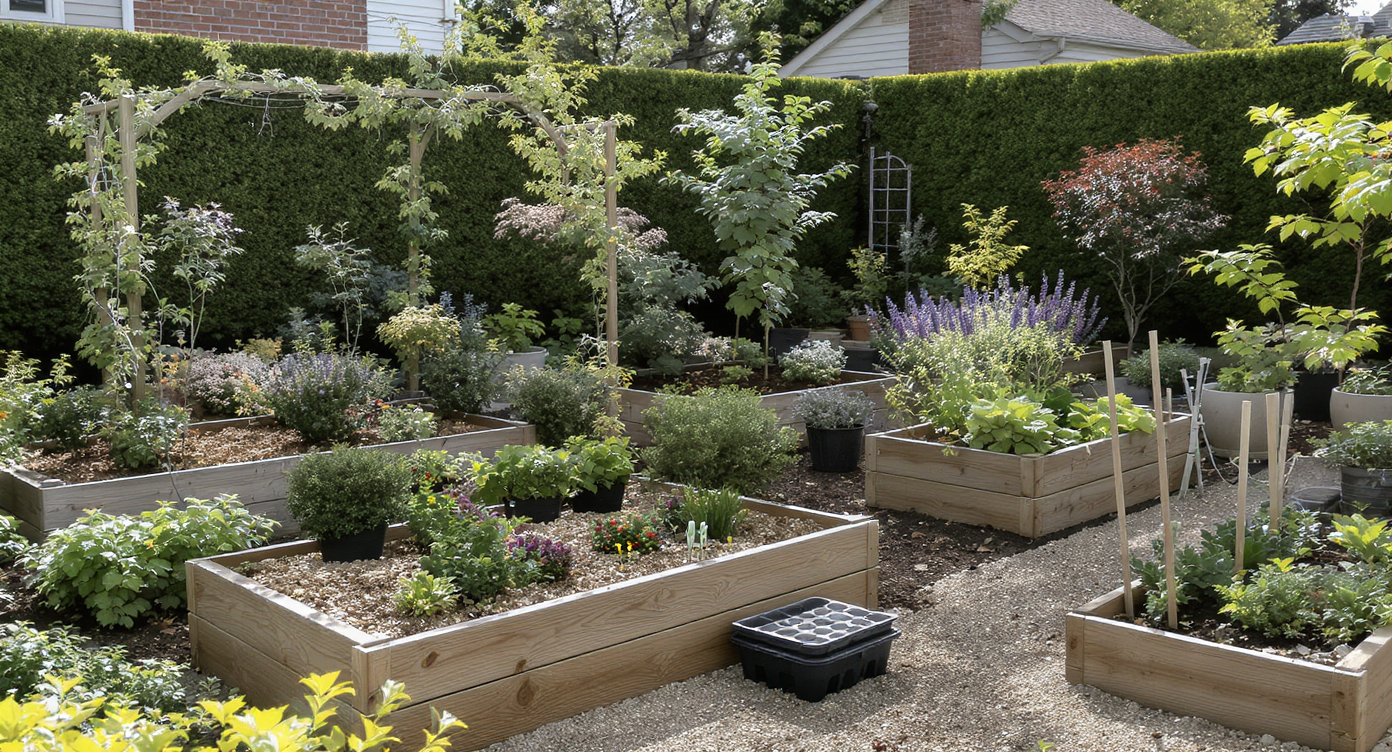
A realistic backyard garden setup shows organized raised beds, grouped plant types, a compost bin, and tools arranged for stress-free ongoing maintenance.
A garden that teems with life often brings a corresponding need for ongoing care. The key distinction between a crowded nursery environment and a thriving home landscape lies in how manageable that care remains over time. Experienced gardeners recommend that as plants settle and mature, pruning schedules and seasonal mulching be prioritized around long-term health rather than appearance alone. Calculating how much sun, water, and space each variety truly needs allows overplanted corners to be gently edited instead of becoming sources of stress. Designers frequently advise on grouping high-maintenance species closer to utility zones or compost heaps, while positioning proven, resilient plants in visually dominant areas. Leaning into raised beds and defined planting strips also simplifies the challenge of ongoing weeding and feeding. As captured in the rules of low-maintenance landscaping, creating a sustainable garden is about honest alignment between plants, placement, and the attention you can provide. Smart planning tools now use garden design AI to help homeowners visualize and test these routines before breaking ground, making it easier to maintain exuberance without becoming overwhelmed.
Visualization Scenario
Imagine stepping into a backyard at golden hour. Ornamental grasses sway behind a low-slung sofa, while clusters of terracotta pots pepper the edges of a gravel path. In one corner, a shed’s woodwork is softened by climbing jasmine, and overhead, a canopy of vines dapples the patio with gentle shade. A small table holds iced drinks as the sound of songbirds drifts by. It’s a living tapestry—half wild, half considered—where every element, from the lush planting to the personal touches, feels intentional.
Frequently Asked Questions
Organizing by zones—such as keeping propagation areas separate from leisure spaces—and transitioning mature plants from pots to garden beds help create visual order.
What are tips for combining vegetable gardening with ornamental plants?
Layering edible crops with ornamentals increases interest and biodiversity. Learn how pairing these can boost garden health in vegetable gardening tips for 2025.
How can I make maintenance easier in a dense, plant-rich garden?
Use raised beds, define clear paths, and group plants by water and sunlight needs. Lean on garden design AI to model layouts that fit your schedule.
What’s the best way to add seating without sacrificing greenery?
Opt for compact furniture that can nestle into planted borders, like benches tucked among shrubs or lightweight bistro sets on patios.
Where can I get ideas and support for redesigning my outdoor space?
Browse inspiration, guides, and visual tools at ReimagineHome.ai.
A Garden That Grows with You
Lush, plant-filled backyards can effortlessly blend the excitement of discovery with the serenity of quiet moments. When cared for with intention and shaped by thoughtful design, a space that once mirrored a nursery transforms into a living retreat—welcoming, dynamic, and personal. Solutions like garden design AI are making it possible for more people to tailor their own outdoor havens, matching their unique blend of passion, style, and lifestyle. For anyone eyeing the next step in their garden’s evolution, resources at ReimagineHome.ai offer inspiring starting points and practical tools.