9 Editorial Tips for Transforming a Loft Studio with Odd Layouts
TL;DR
A loft studio with an odd layout calls for thoughtful furniture placement, considered use of soft furnishings, and inventive spatial planning. This list highlights effective editorial strategies for overcoming layout quirks, introducing warmth, and ensuring the main social space feels balanced and inviting. Designers tackle these common challenges with cohesion, flow, and visual comfort in mind.
Transforming a Loft Studio with Tricky Layouts

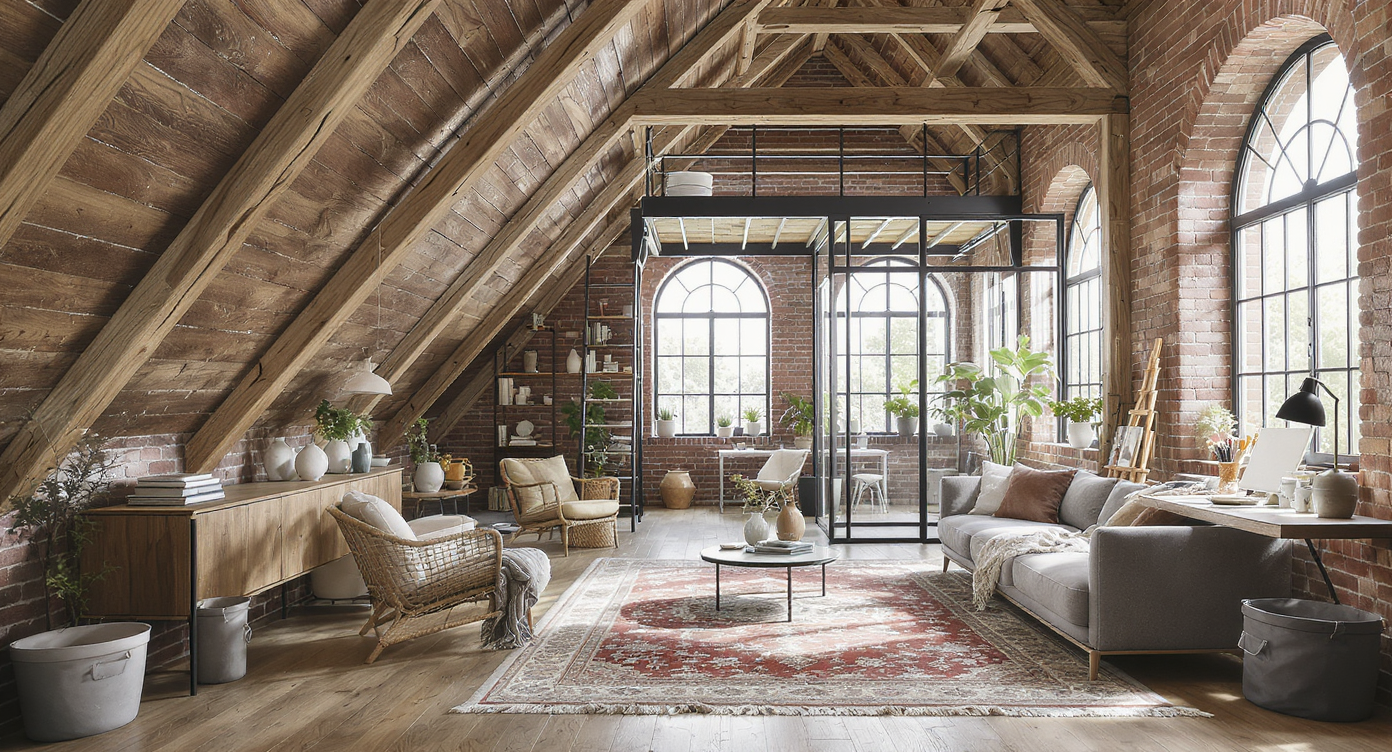
A realistic barn loft studio shows exposed beams, metal poles, mixed inherited furniture, and tricky open zones—setting up layout challenges.
Loft studios carved out of barn or garage spaces often feature high ceilings, exposed architectural details, and unpredictable floor plans. These elements lend character, but can also complicate everyday living. Obstructions like metal support poles, open staircases, and borrowed furniture sets add to the layout puzzle, especially when making the most of hand-me-down pieces. Whether you're dealing with an inherited couch with a flexible chaise or trying to make sense of scattered entry and dining zones, these editorial tips break down proven approaches to arranging and styling a main social space in a loft environment. The following ideas balance visual comfort, utility, and atmosphere—ideal for renters, new homeowners, or anyone facing the creative challenge of a slightly offbeat studio layout.
-
1. Establish Functional Zones Without Rigid Barriers
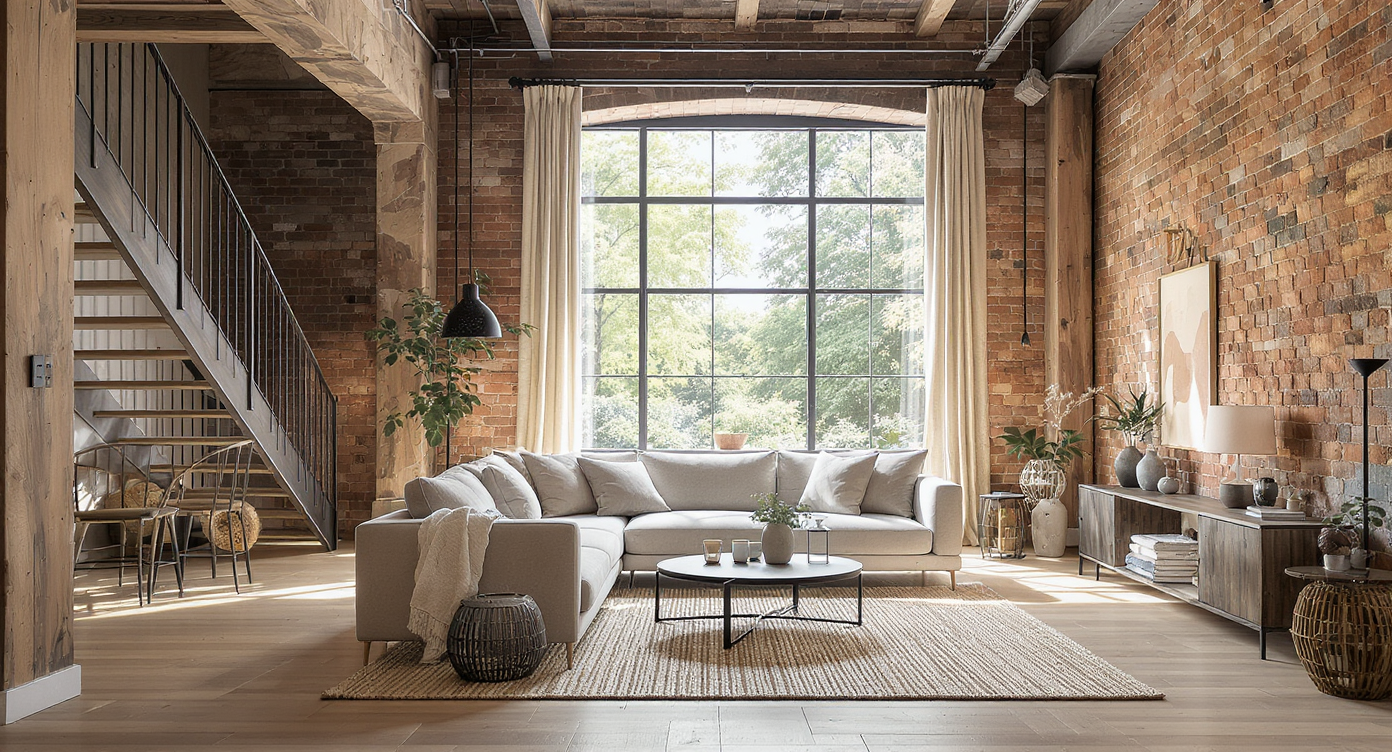
Loft studio with sofa floated away from walls, using rugs and tables to define zones and keep the flow open around structural features.
Odd layouts depend on clear zones that prioritize flow but avoid making the space feel rigid or segmented. Instead of pushing every piece to the perimeter, anchor the main social space with your largest seating—often the couch—centered around natural light or the room's focal point. Allow circulation paths behind or alongside this grouping for easy movement between zones. Designers frequently float sofas away from the walls, using area rugs or coffee tables as visual anchors. This approach is practical for lofts with features like support poles or stairwells, helping keep the furniture & flow natural while avoiding awkward, blocked routes.
-
2. Float the Couch to Harness Light and Promote Flow
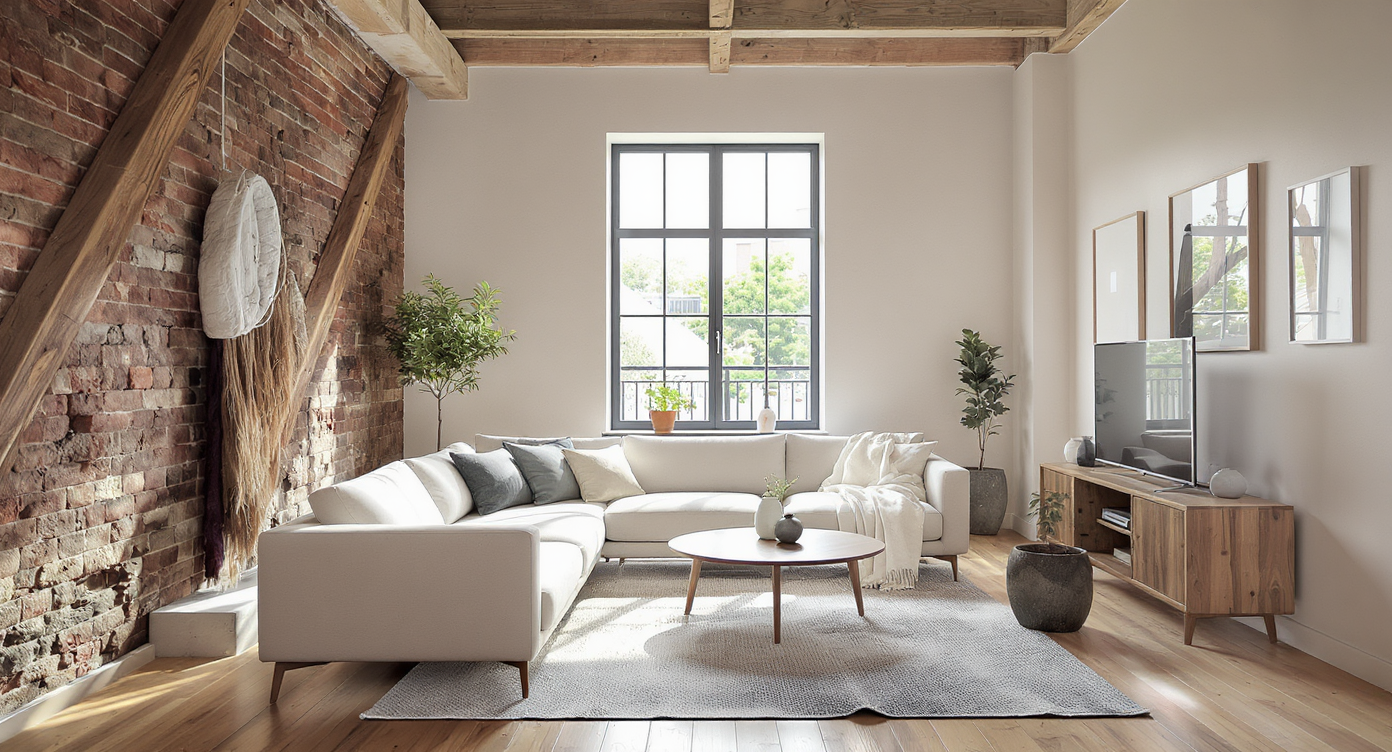
Floating a chaise-equipped sofa near a window improves light, preserves wide walkways, and enhances flow in an irregular loft studio.
A chaise-equipped couch can adapt to your spatial needs. Rather than defaulting to the longest wall, consider floating the sofa closer to the room's window area, positioning it to face the main view or future TV. This strategy, often recommended for irregular studios, will improve both connection to daylight and overall furniture & flow. By ensuring three-feet walkways around the perimeter, as explored in our guide on sofa size vs. living room layout, you preserve comfortable access without squeezing seating into corners.
-
3. Incorporate Flexible, Moveable Seating
For ever-shifting rooms that double as studios, consider lightweight accent chairs, poufs, or even benches that can easily adapt to varying needs. Moveable seating welcomes guests, supports conversation, or provides a spot for reading—even with a structural pole or other obstacles nearby. Place these pieces where they support socializing but avoid blocking main circulation. Keeping the seating plan flexible is especially helpful as your furniture collection evolves from inherited to curated over time.
-
4. Emphasize Contrast Through Soft Furnishings
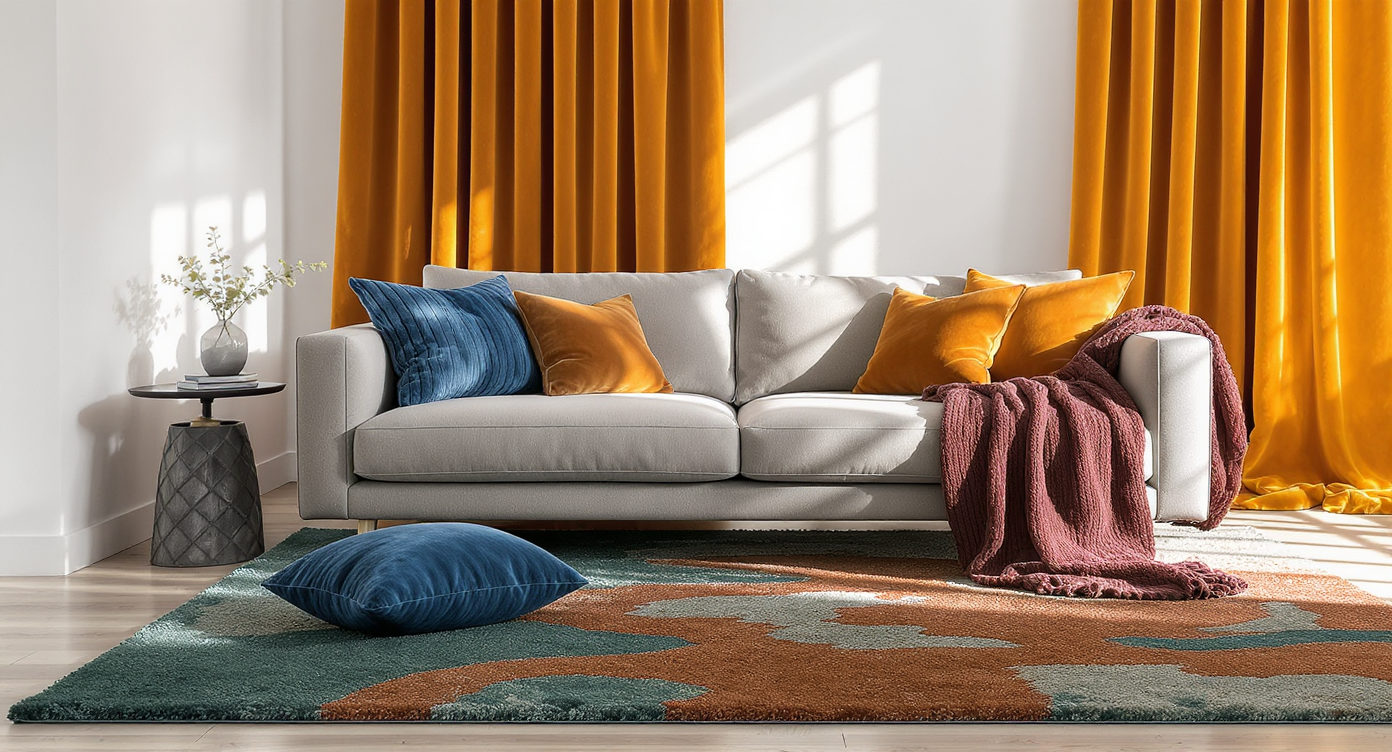
Bold, textured rugs, throw pillows, and warm-toned curtains infuse a pale loft studio with contrast, comfort, and visual warmth.
Loft studios dominated by white walls and light wood benefit tremendously from soft furnishings in bolder, deeper tones. Layer textured rugs—think greens, warm earths, or jewel shades—under your seating. Add throw blankets or pillows in tactile materials for warmth and contrast. According to designers, a room that feels sterile can quickly become welcoming with the right area rug, curtain, and pillow palette, as covered in our advice on finishing a living room with art and seating.
-
5. Make the Most of Architectural Features
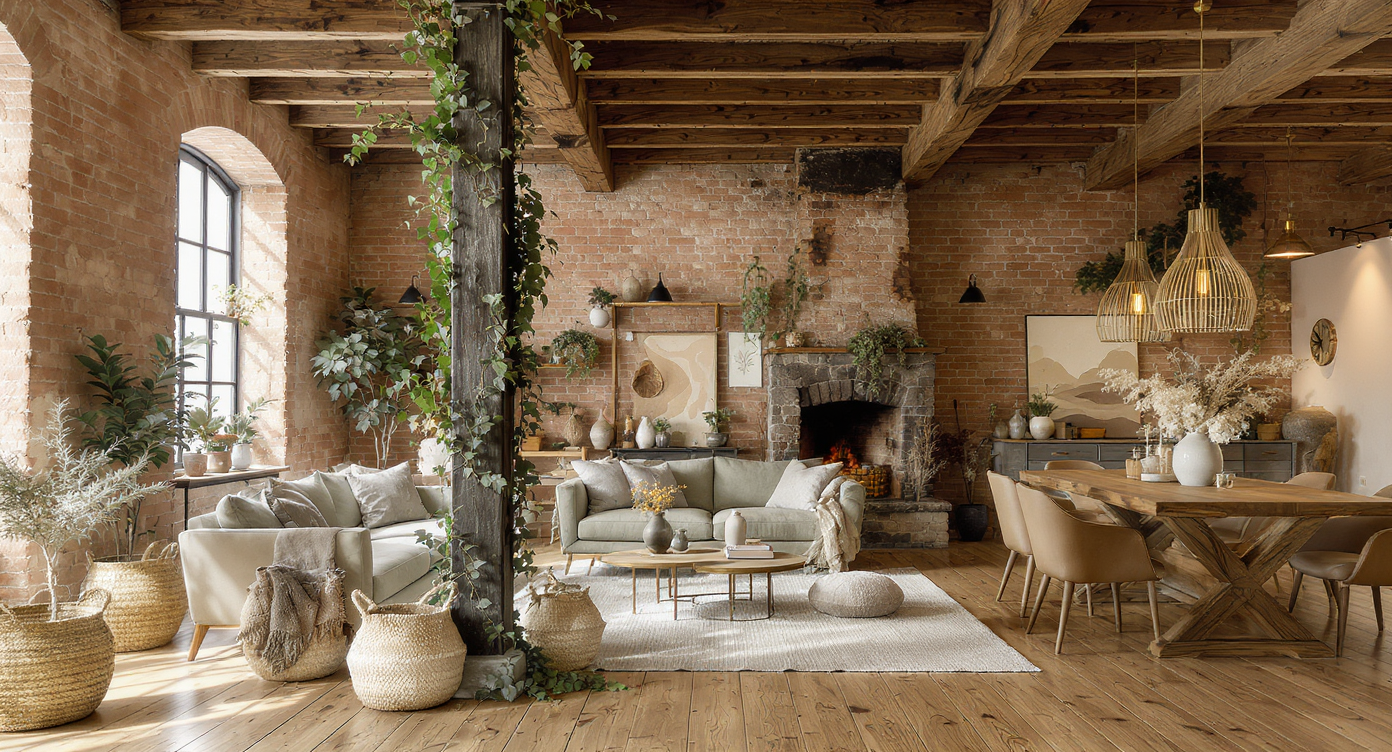
Integrating architectural features: metal poles and beams in a loft studio become design highlights using plants, lighting, and barn-inspired colors.
Rather than treating obstacles like metal poles or open beams as visual liabilities, integrate them into your design scheme. Wrap a support pole in climbing plants for a natural touch, or use the element as a spot for dramatic pendant lighting. Elements that relate to the barn's original character—like exposed rafters—can guide color inspiration for furniture, art, and textiles. In practice, even a support beam can be celebrated rather than concealed, lending unique personality to the studio.
-
6. Separate Dining from Lounge Visually, Not Structurally
When kitchen, dining, and living areas blend, use visual cues to set each apart rather than imposing walls or dividers. Designers often use different rug styles or lighting schemes to imply where one function begins and another ends. Keeping the dining table slightly out of the main conversation area helps minimize confusion over how the space is used. This separation feels natural in lofts, supporting traffic flow and hospitality without compromising openness. If furniture must multitask, try positioning a drop-leaf table as a sofa table or occasional desk, as explored in our sofa size and arrangement guide.
-
7. Test Scale and Layout Virtually Before Committing
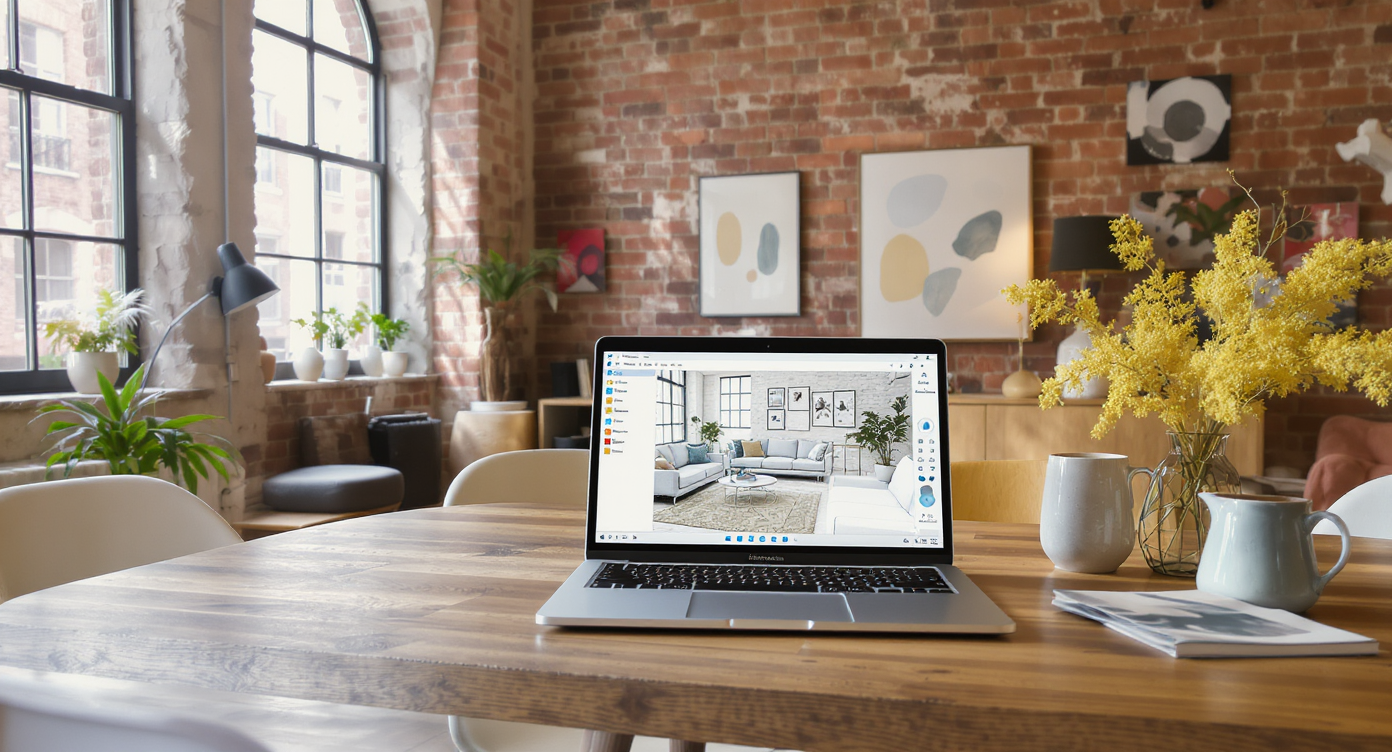
A loft studio with a laptop running a virtual room planner, previewing new layouts and design changes before physically rearranging the space.
Odd layouts involve plenty of trial and error, especially as your pieces change. To minimize heavy lifting or costly mistakes, take advantage of virtual design tools for planning. By uploading a photo of your space to solutions like REimagineHome.ai, you can preview arrangements, try different rug and furniture sizes, and visualize color or art additions in real time. As detailed in our post about fixing scale and layout for real rooms, this smart process saves time and delivers clarity before rearranging or upgrading pieces.
-
8. Personalize with Art and Natural Elements
Too much white or blank wall space can make a converted studio feel unfinished. Introduce framed art, minimalist prints, or personal collections in key gathering zones. Mount art at eye level to establish a welcoming focal point, or try a gallery wall for additional character. Large plants in corners and on tabletops soften edges and contribute to a more vibrant, lived-in feel. Personalization adds soul to spaces that otherwise risk feeling makeshift or empty.
-
9. Embrace Evolving Style as Furniture Upgrades
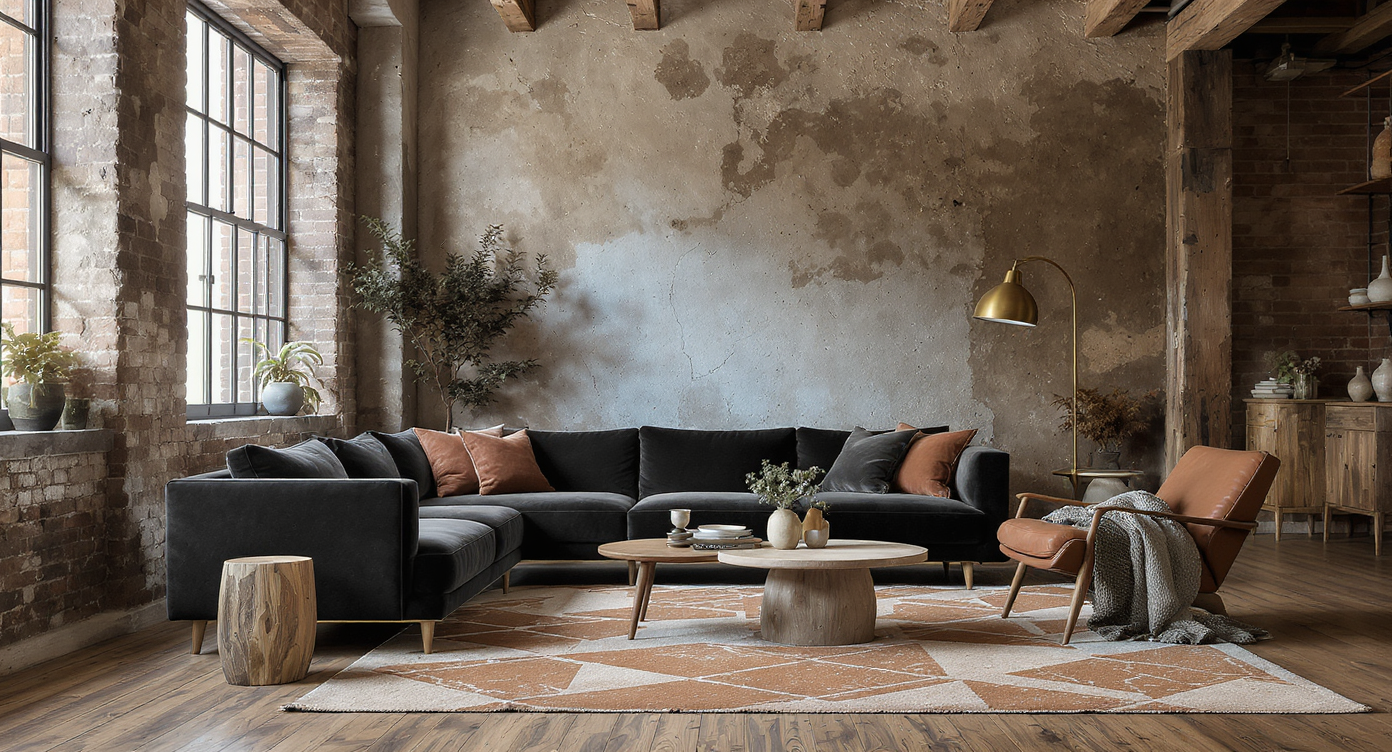
Upgrading key furniture pieces in a loft, like a new sofa and large rug, can gradually transform the style while leaving room to evolve.
With a starter mix of hand-me-downs and basement finds, expect your style to change as you refine your space. Focus upgrades on foundational pieces that define the main social space, such as a new sofa, statement chair, or generously sized rug. Mid-century or modern styles in compact, tailored forms will suit lofts by making the room feel larger than it is. Introduce new colors, materials, and silhouettes gradually—a strategy that builds confidence and keeps the space flexible for years to come.
Frequently Asked Questions
Arrange your main seating so the pole is not centered in the social area. Consider floating the couch and using moveable chairs to work around the obstacle, making the pole a feature with plants or lighting if possible.
What's one quick way to add warmth to a white, wood-filled loft?
Introduce area rugs, throw blankets, and accent pillows in deep colors and layered textures. Soft furnishings help neutral palettes feel cozier and more personalized.
How should I plan furniture purchases for a studio with evolving needs?
Focus on upgrading fundamental items like your main sofa or lounge chair first. Build around these pieces, adding or replacing smaller furniture gradually as your style and space needs become clearer.
Is it worth using a virtual design tool for layout planning?
Yes, especially in spaces with odd layouts or changing furniture. Uploading a photo to REimagineHome.ai lets you test different arrangement ideas and see how color or art will affect the room—saving time and avoiding heavy lifting.
How can I keep zones distinct without adding walls?
Use different rug styles, lighting, or art groupings as visual boundaries. Arrange furniture to suggest the intended use for each area within your open plan.
Curating Comfort and Character in Loft Studios
Solving a barn loft or garage studio layout begins with embracing the unexpected. Float furniture to maximize flow, layer soft furnishings for warmth, and treat every odd angle or pole as an opportunity instead of a setback. Lean on virtual planning and systematic upgrades to blend function with distinct personality. For more guidance as your space evolves or furniture needs shift, turn to resources and planners like REimagineHome.ai to make decisions confidently and creatively.