9 Common Layout Mistakes in Narrow Second-Floor Sunrooms, And How to Fix Them
TL;DR
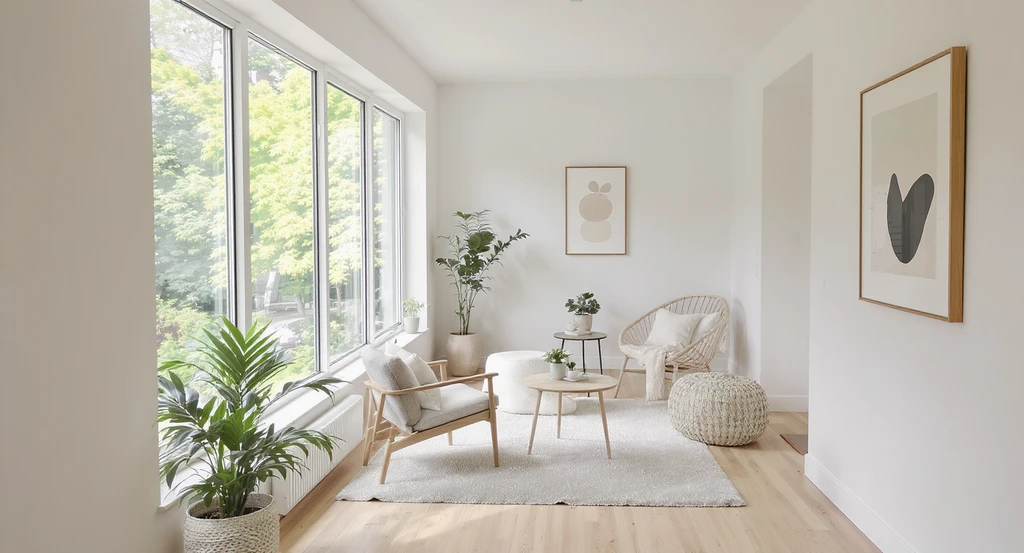
Narrow second-floor sunrooms work best when they are simple, purpose-driven, and uncluttered. Choose one clear function, keep at least 36 inches of circulation, use low-profile furniture, and edit aggressively. The goal is calm flow, not cramming everything into a bright corridor.
Why Narrow Second-Floor Sunrooms Often Feel Awkward
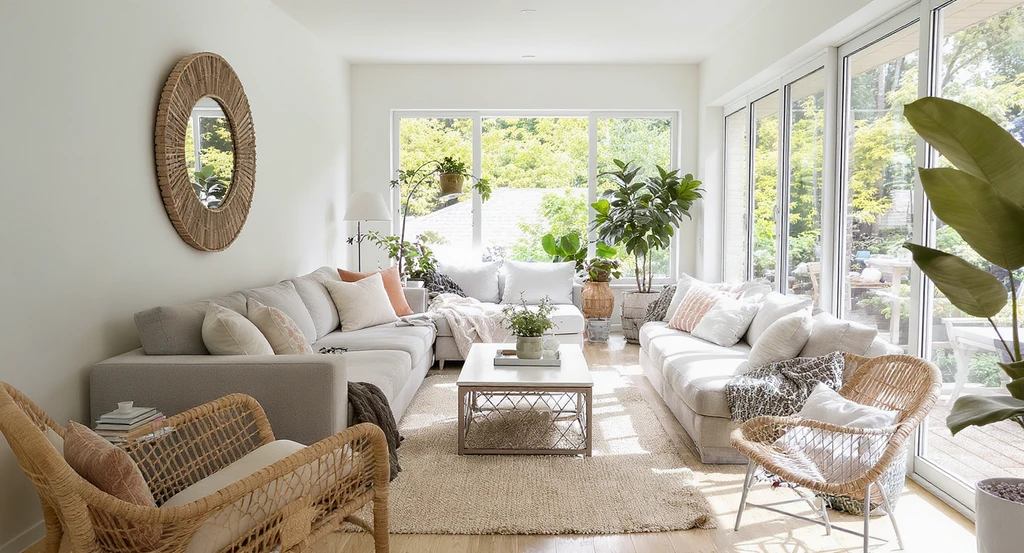
Virtual staging for narrow sunrooms reveals layout mistakes such as blocked walkways and oversized furniture. Use ai sunroom layout design tips and light optimization strategies to avoid common sunroom layout errors.
Narrow second-floor sunrooms get beautiful natural light, but their long, slim shape makes them challenging to furnish. Many layout problems start when these rooms are treated as bonus living spaces without enough planning. Oversized furniture, blocked walkways, and too many uses quickly turn a sunroom into a cluttered pass-through instead of a relaxing retreat. This guide presents the most common layout mistakes found in narrow sunrooms and provides clear steps to create a restful, usable space. By focusing on layout logic and flow, you can make even the smallest sunroom more inviting and practical for daily life. Before you arrange or buy anything, remember the core layout framework for narrow sunrooms: 6–8 ft typical width, 8–10 inch ideal furniture depth, and 36 inches minimum clear walkway. If any piece in your plan breaks one of these numbers, it's time to edit.
-
01. Overfurnishing for All-in-One Use
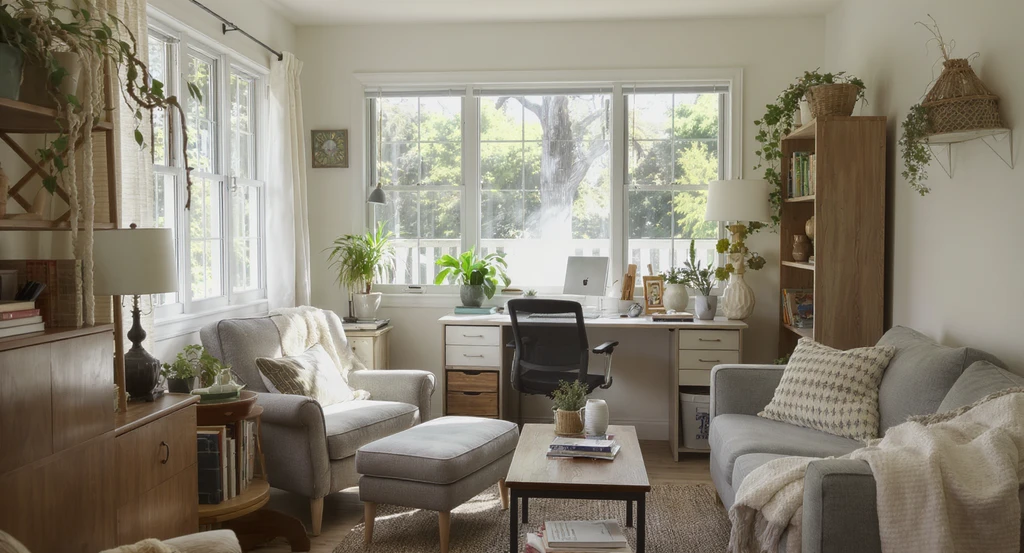
Virtual staging for narrow sunrooms reveals how overfurnishing creates confusion. Use ai sunroom layout design tips to avoid sunroom layout mistakes and improve light optimization in ai sunroom design.
The most common mistake is trying to make the sunroom serve as a lounge, office, storage, and décor showcase at the same time.
This usually happens because people see sunrooms as bonus rooms and try to fit in every function. The fix is to choose one main purpose, like a reading nook, a morning coffee spot, or a plant retreat. Remove any items that do not support this primary use. As highlighted in our guide to sunroom zoning, clear functions and restraint make small footprints work best.
-
02. Blocking Circulation Paths
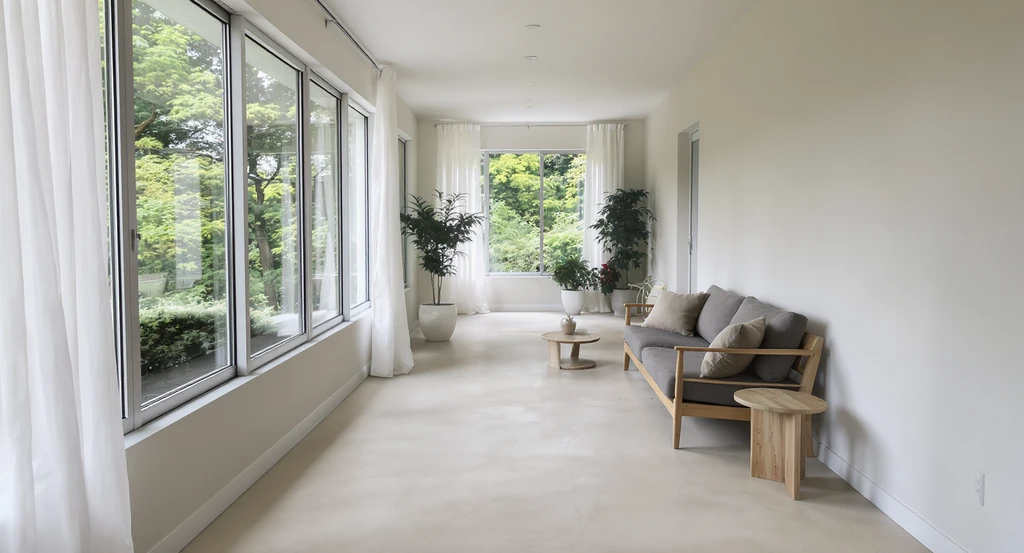
AI sunroom layout design tips: This virtual staging for narrow sunrooms demonstrates how to avoid common layout mistakes by preserving a clear walkway, optimizing light, and improving flow with strategic furniture placement.
Pushing furniture into walkways is a frequent error, making it hard to move through the room without turning sideways or sidestepping.
This typically results from prioritizing seating or symmetry instead of flow. Always preserve a 36-inch clear path along the room’s length. Place primary furniture along just one wall and avoid any central large pieces. For more circulation strategies, see our layout corrections for long, narrow rooms.
-
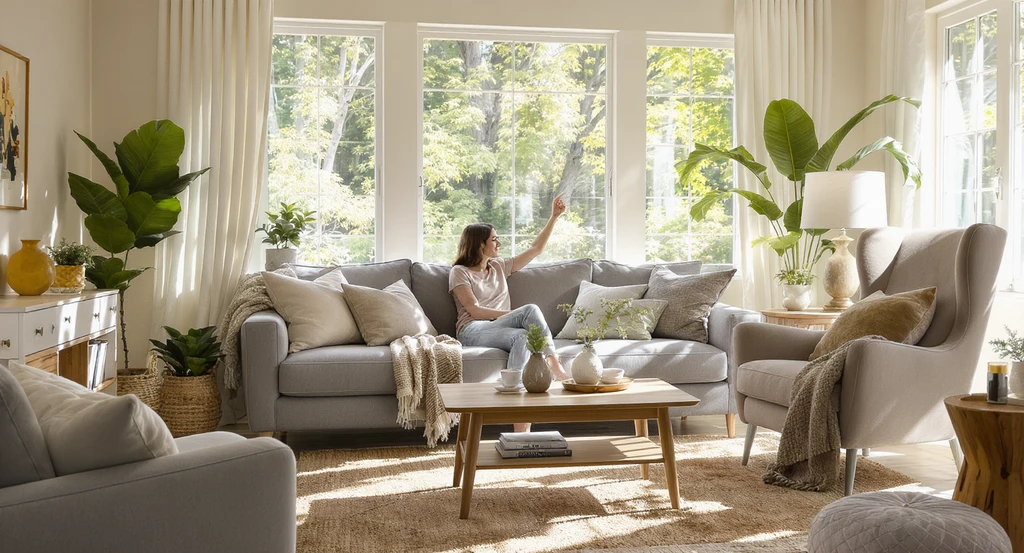
03. Choosing Bulky, High-Back Furniture
03. Choosing Bulky, High-Back Furniture Image
Standard sofas, recliners, or tall chairs exaggerate the narrow feeling and block sunlight and outdoor views.
This mistake is common when homeowners use living room furniture without checking actual measurements. Correction: opt for low-profile seating, armless lounge chairs, or slim benches that sit below window height. Sightlines and light flow remain open, making the room feel larger. Learn more about correct sizing in our furniture size and style guide.
-
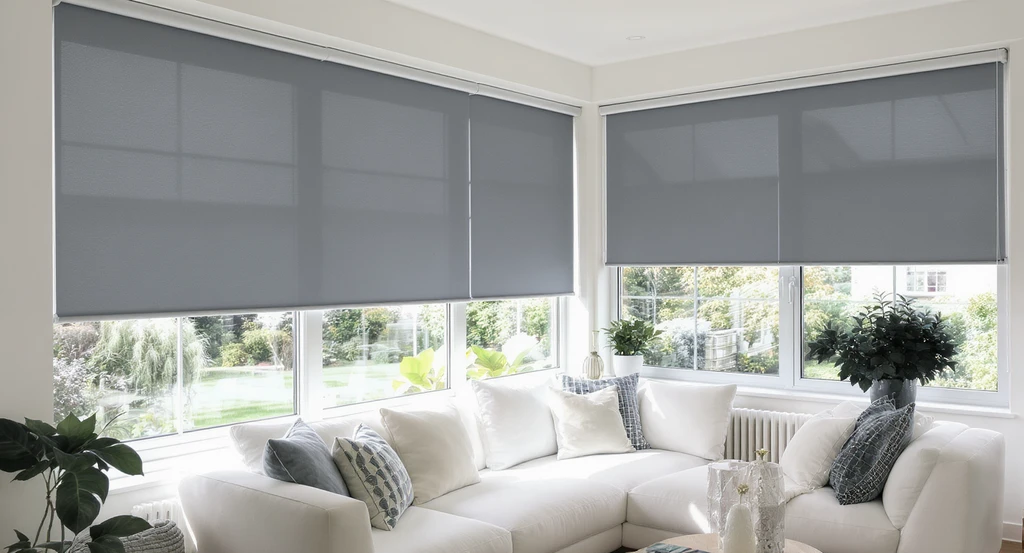
04. Ignoring Glare and Light Control
04. Ignoring Glare and Light Control Image
Placing seating directly facing windows can cause uncomfortable glare, while shiny surfaces bounce harsh daylight around the room.
It happens when aiming for maximum sun exposure without thinking about actual use. Instead, orient seating perpendicular to the windows and use sheer curtains, solar shades, or UV film to soften harsh light. As seen in our dual-use sunroom solutions, light must be usable and comfortable, not overwhelming.
-
05. Multiple Competing Anchor Pieces
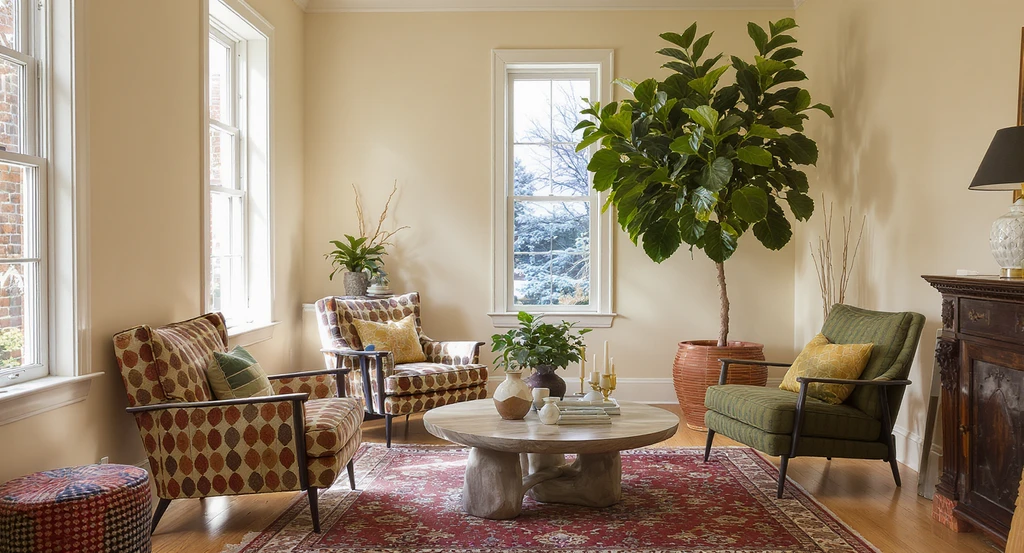
Virtual staging example of a narrow second-floor sunroom with multiple competing anchor pieces, illustrating how to avoid sunroom layout mistakes. Use ai sunroom layout design tips for better light optimization and a balanced focal point.
Having more than one eye-catching piece, like two bold chairs, a large coffee table, and a statement plant, creates a cluttered, unbalanced room.
This usually happens when trying to decorate rather than structure. The fix is to pick a single main anchor, bench, daybed, or desk, and let supporting pieces stay neutral. Narrow rooms need one focal point for visual clarity.
-
06. Misusing Vertical Space

06. Misusing Vertical Space Image
Stacked shelves, gallery walls, and layered décor can make a narrow sunroom close in on itself.
This mistake often results from trying to add storage or display in a tight space. Instead, emphasize height with one tall plant or lamp, or a single large art piece, but avoid multiple vertical elements fighting for attention. Visual simplicity keeps the room open, a principle also essential in long, narrow spaces.
-
07. Forgetting Layered Lighting for Evenings
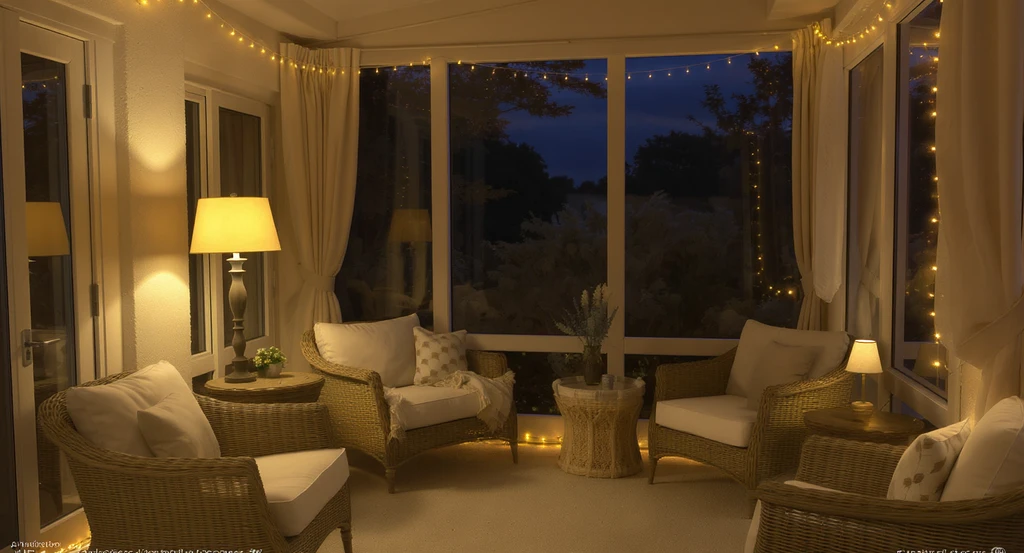
Layered lighting with floor lamps, table lamps, and subtle string lights in a narrow second-floor sunroom demonstrates top ai sunroom layout design tips and light optimization strategies to avoid common sunroom layout mistakes.
Many sunrooms are only planned for daytime use, leading to uncomfortable or unused spaces in the evening.
To correct this, add a warm floor or table lamp (ideally 2700–3000K) and optional soft perimeter lighting such as discreet string lights. Avoid only using overhead fixtures. Layered lighting, as described in our sunroom guides, ensures usability at all hours.
-
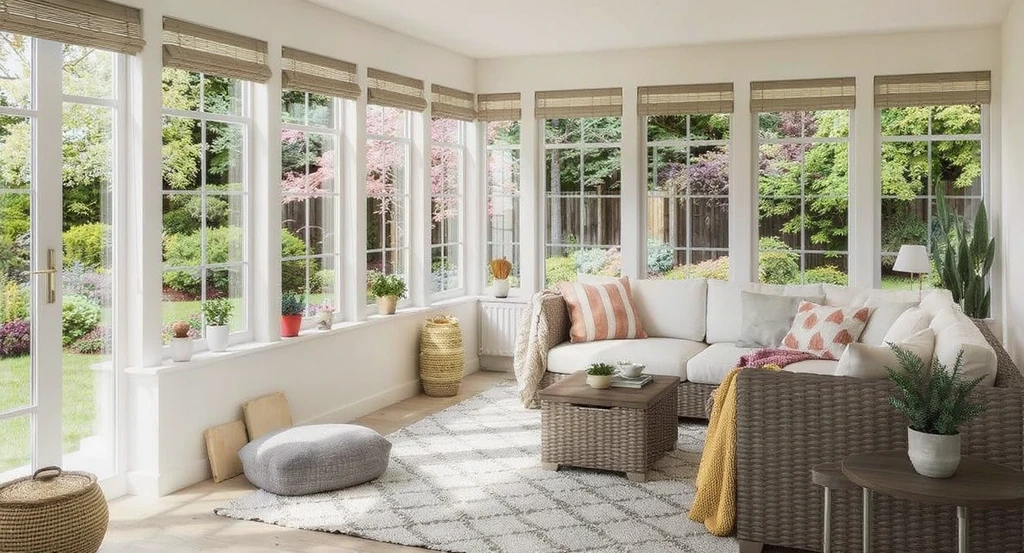
08. Using Surfaces for Storage Instead of Relaxation
08. Using Surfaces for Storage Instead of Relaxation Image
Allowing tables and ledges to accumulate books, plants, and décor quickly turns the sunroom into a storage disarray.
This happens when every surface becomes a drop zone. To improve, keep just one small table and only as much open shelving as space permits. Regularly clear surfaces so the room remains restful and calm.
-
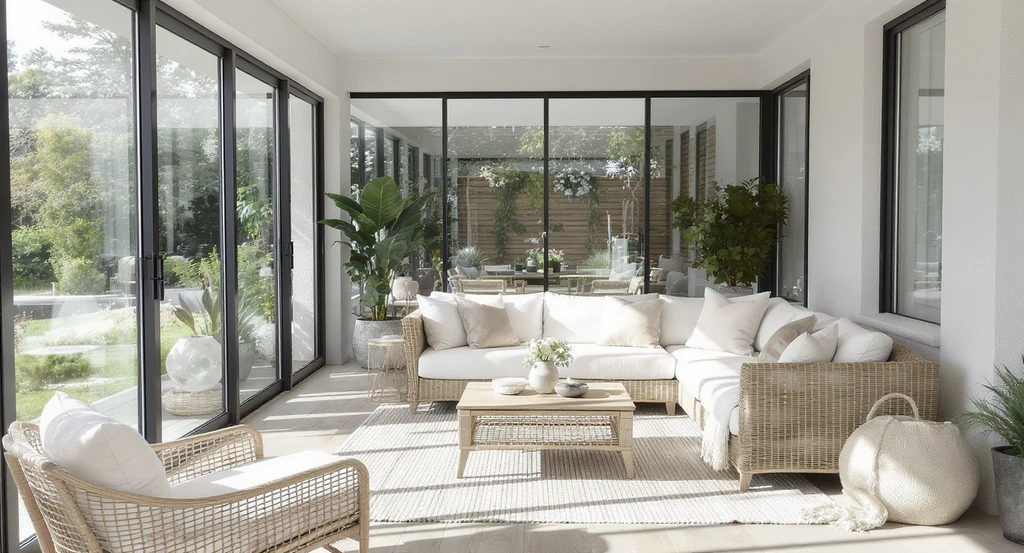
09. Failing to Edit, And Let the Room Breathe
09. Failing to Edit, And Let the Room Breathe Image
Stopping layout adjustment as soon as everything fits leads to overpacked, uncomfortable rooms that lack serenity.
Best practice: after setting up, remove at least one more item and reassess. Ask if every piece supports rest, function, and flow. Refer to our arrangement and editing guide, a narrow sunroom should feel edited, connected, and easy to enjoy, not crowded.
-
Step-by-Step Checklist Before You Finalize Your Layout
Step-by-Step Checklist Before You Finalize Your Layout Image
- Walk through the sunroom: Can you do so comfortably without turning sideways?
- Is there only one main anchor (bench, daybed, or desk)?
- Does every item support one clear purpose for the room?
- Is there functional, layered lighting for night use?
- After editing, does the room feel calmer?
If every answer is yes, your layout is on the right track.
Frequently Asked Questions
- How can I test narrow sunroom layouts before moving furniture?
- Sketch basic floorplans or experiment with simple room planning tools. For sizing and arrangement logic, see our sizing guide.
- What's the most effective function for a narrow, second-floor sunroom?
- Stick to reading lounges, compact plant retreats, or morning coffee spaces. See our zoning tips for sunrooms for details.
- How much walkway clearance is required?
- Maintain at least 36 inches of clear path for smooth circulation, as detailed in our long, narrow living room guide.
- What should I avoid when choosing sunroom furniture?
- Avoid bulky sectionals, high-back chairs, and deep pieces. Use slim, movable seating and keep sightlines open.
Key Takeaways: Calm, Clear, and Purposeful Sunroom Layouts
Making the most of a narrow second-floor sunroom means choosing clarity over variety. Focus the room on one main purpose, preserve clear circulation, scale furniture to fit, and keep the space calm with simple lighting and ongoing editing. For detailed size and arrangement rules, consult the linked guides for deeper insight. When thoughtfully planned, even the slimmest sunroom becomes a favorite, restful space.