Making Sense of Odd Foyer Layouts: Color, Texture, and Light
TL;DR
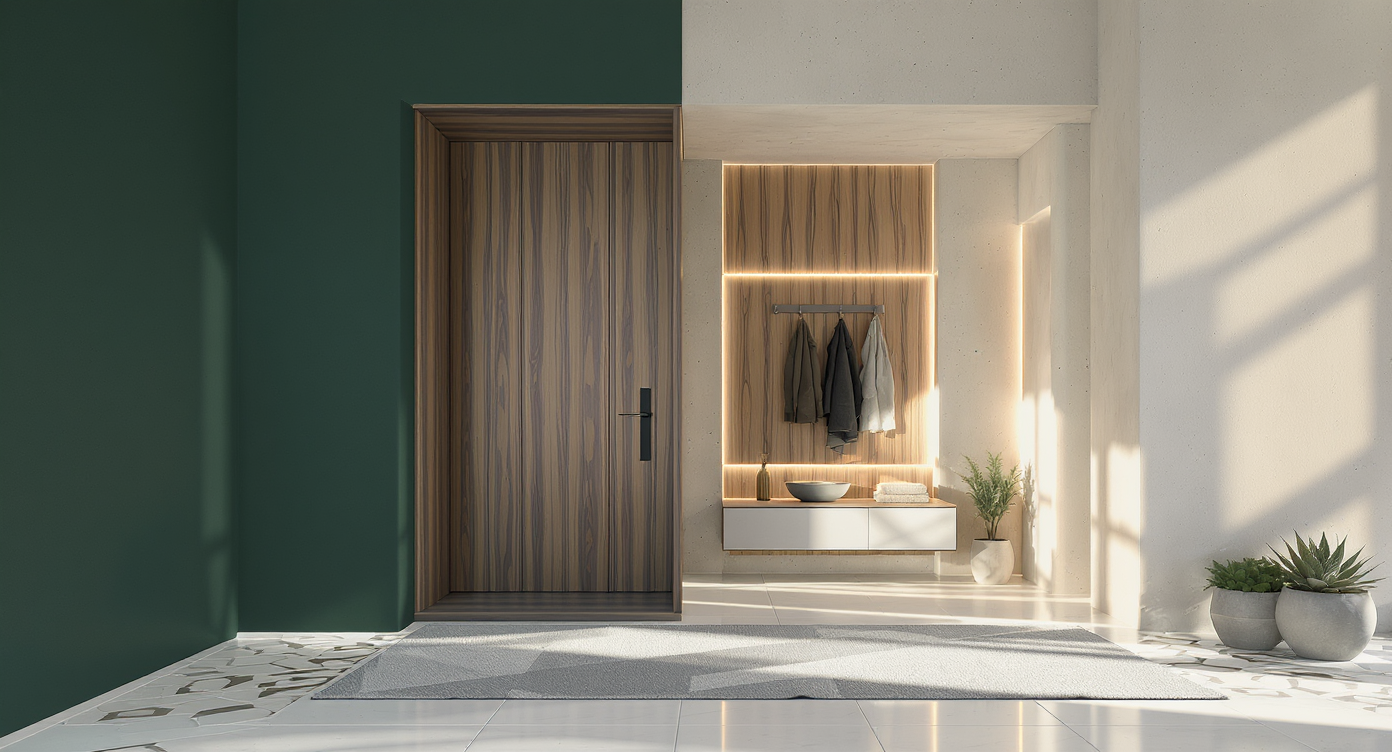
Even foyers with awkward layouts, little direct light, or low ceilings can create a welcoming first impression with thoughtful color choices, layered textures, and tailored lighting. By blending the right paint, smart storage, and purposeful decor, you’ll set a positive tone for your home from the very first step inside.
Designing Beyond the Standard Entryway
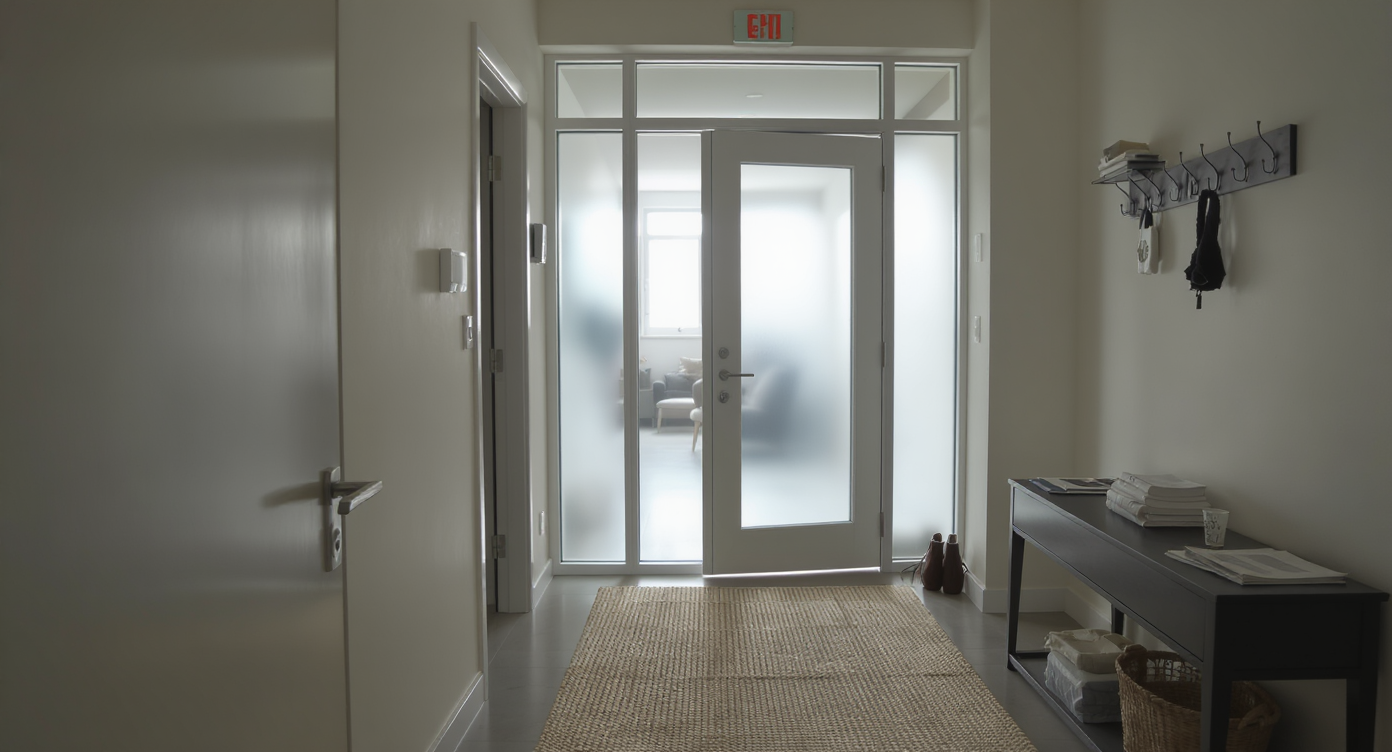
A narrow, oddly shaped foyer with multiple doors, minimal natural light, and visual congestion, styled for function and welcome.
An entryway’s job is to welcome. Yet, when a foyer wrestles with odd layouts—cramped sight lines, multiple doors, or a lack of direct connection to the rest of the home—this greeting can fall flat. Many homeowners inherit entry spaces that feel disconnected or visually crowded, where even small choices echo throughout the house. Still, with deliberate touches, even the most peculiar foyers can become the home’s signature arrival. Designers know that an entryway’s influence stretches far beyond its square footage. Visitors judge a home’s mood within seconds. A space that feels chaotic, dim, or unconsidered sets an unwanted precedent. The challenge, then, is to balance practical demands—storage, traffic flow, lighting—while crafting a look that promises comfort and personality. With some smarter choices, the most idiosyncratic foyers can feel intentional and inviting.
-
Turning Challenging Layouts Into Cohesive Spaces
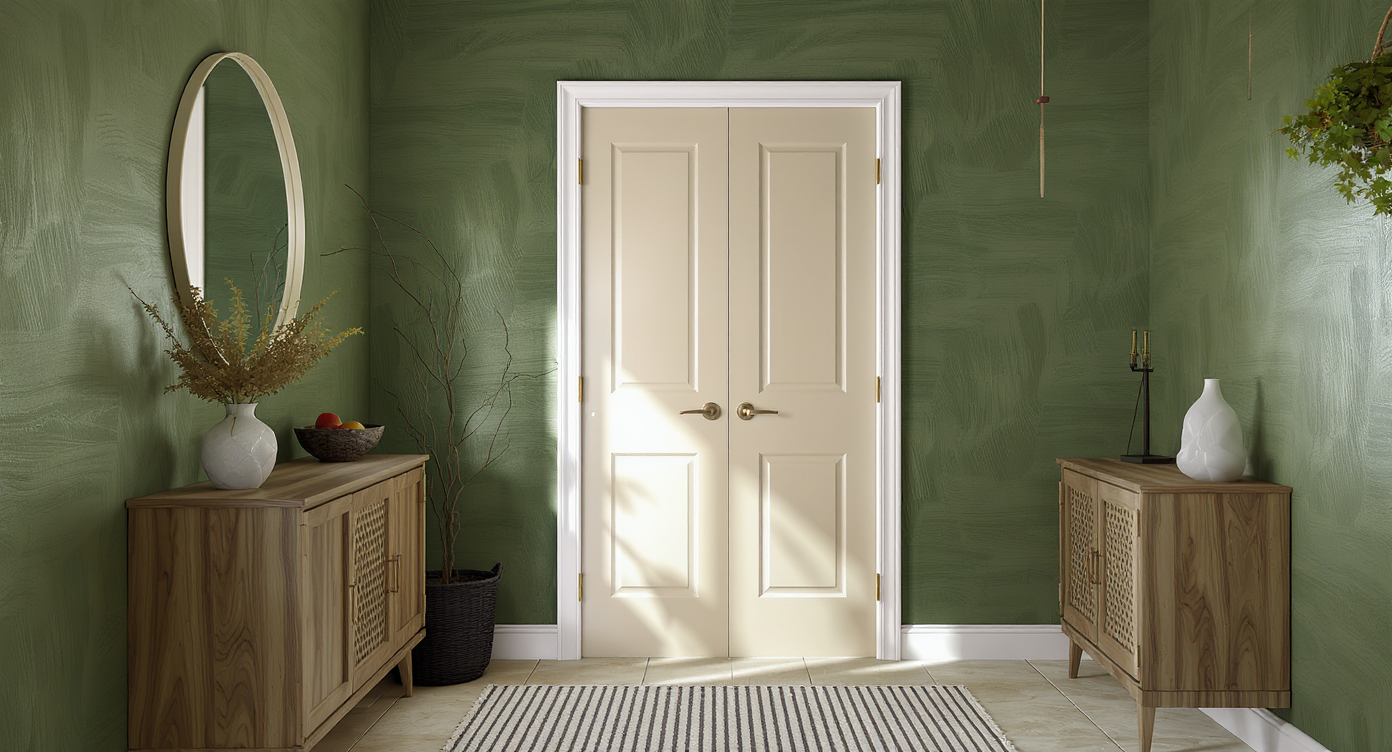
Cohesive foyer design where blended wall color and continuous texture unify multiple doors and elements for a balanced, inviting entry.
A foyer with a closed-off feel or scattered doors asks for unity, not distraction. Instead of fighting the layout, use color and continuous surfaces to bring visual calm. Painting closet or utility doors the same shade as the surrounding wall can visually extend the space, making the barrier of doors fade into the background. Some designers even run a mural or textured treatment across a wall and its flush doors, camouflaging functionality and adding architectural interest in a single sweep. For foyers where the eye struggles to find a resting point, consistency in paint or trim draws the spaces together. If you’re facing clashing wood tones and cool wall colors, a shift toward warm neutrals, khaki, or creamy whites dissolves discord in favor of comfort. Explore options inspired by 2026’s trending shades, such as smoky greens or timeless beiges, to ground your entry in a welcoming mood. These nature-inspired colors, featured in our feature on the best paint colors for 2026, create a soothing backdrop that helps even an oddly shaped foyer read as harmonious.
Expert Insight
A homeowner, struggling for years with a cramped foyer cluttered by doors and awkward storage, finally found harmony not by removing walls, but by painting out visual interruptions and introducing a single lush plant. The transformation showed that small, deliberate design choices can completely shift a room’s mood, earning comments of delight from every visitor.
-
Paints, Textures, and the First Impression
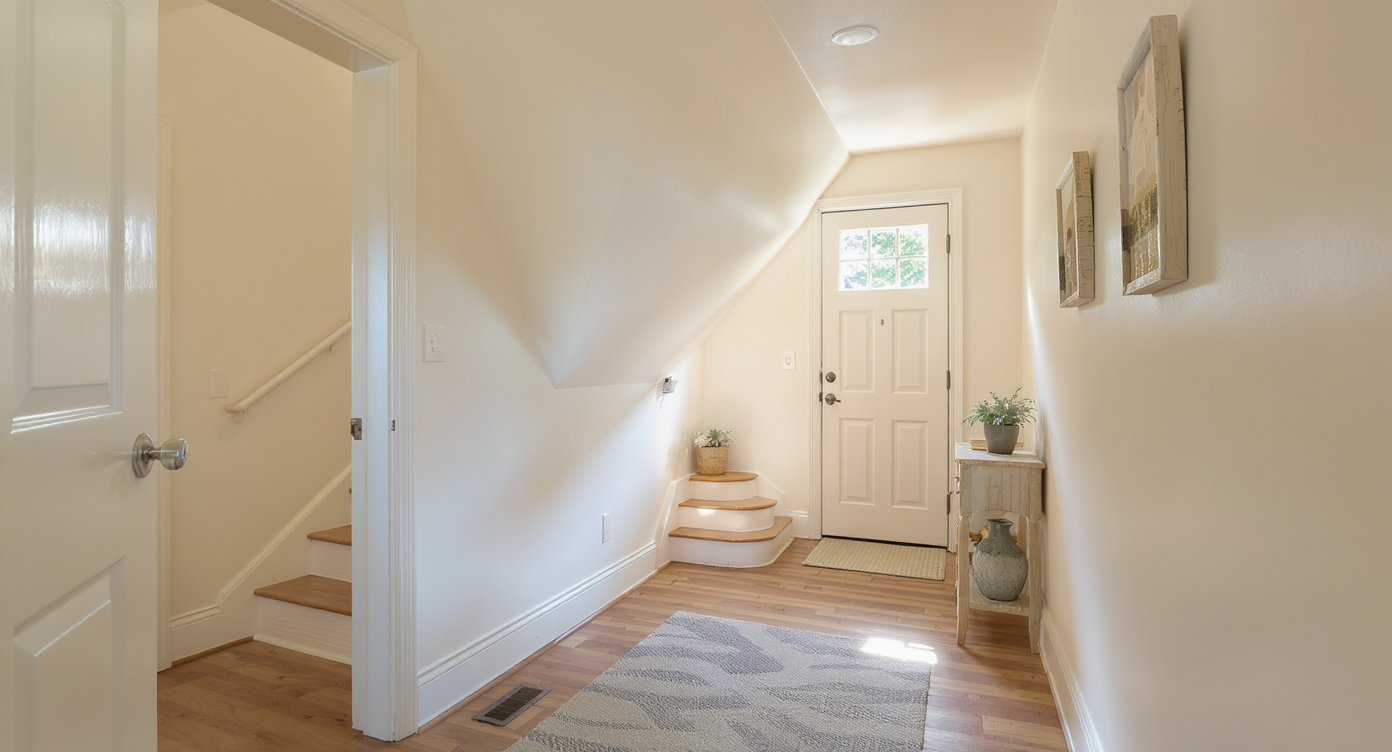
A narrow, low-ceilinged foyer uses reflective pale paint, a woven rug, and textural accents to expand space and enhance first impressions.
The foyer’s first impression isn’t just about color—it’s about how finishes and textures play in the available light. Odd layouts often have corners that gather shadows, crowded under-stair spaces, and trim that amplifies or diffuses the room’s mood. This is where mindful paint selection and tactile layers earn their keep. Low ceilings, for example, can cramp a space. Applying a single light-reflective color on walls and trim can subtly extend visual height. By merging architectural elements through color, especially when the space is already busy with doors or built-ins, you blend edges and make the entire room feel more breathable. Practical paint testing, as detailed in our approach to choosing the right paint color, involves seeing large swatches in varied light across different surfaces—an especially important step for foyers that shift from sunlit to shaded with each season or time of day. For foyers with cooler northern light, bringing in warmer undertones adds life and combats the tendency toward a washed-out look. Textural elements such as woven entrance runners, small plant stands, or a subtle grasscloth accent offer both visual and tactile interest without overwhelming the space. In addition, softening edges with a well-chosen rug or a narrow console table introduces pattern and warmth—a practical way to anchor even the most unconventional layout.
-
Lighting and Flow: Overcoming Practical Constraints
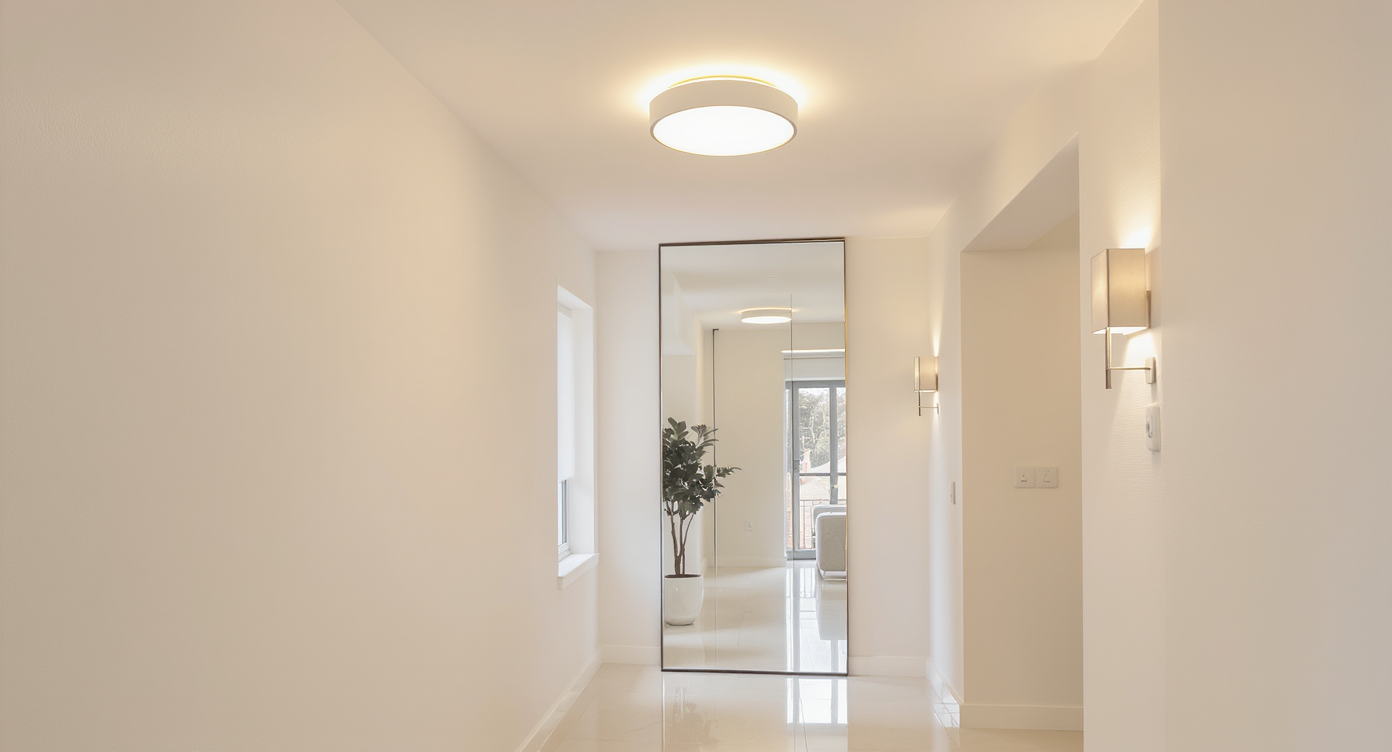
Thoughtful use of flush-mount lighting, mirrors, and dimmable LEDs in a low-ceiling foyer balances indirect light and maximizes flow.
Lighting in a foyer with a low ceiling and indirect sun requires more creativity than simply picking a fixture from a catalog. Flush-mount fixtures work best where vertical space is tight, but the right pick can elevate, not just illuminate. Look for models that diffuse light warmly across corners, minimizing harsh contrasts and bright spots. Dimmable, high-CRI LEDs allow you to shift brightness for mood and practicality, especially helpful when the foyer must transition from a bright welcome during the day to soft calm at night. Where large windows provide indirect daylight, use reflective surfaces strategically. A well-placed mirror—ideally across from a source of natural light—can magnify brightness and make the space feel deeper. Even narrow walkways or walls crowded by utility doors benefit from a vertical mirror or reflective art, as long as sightlines are preserved for easy flow. Lighting tips from our feature on LED accent lighting in foyers emphasize layering warm ambient light with focused accents to avoid glare or stark shadows. In practical terms, consider surface-mounted sconces where tabletop space is limited, and remember that even minimal fixtures can add sculptural presence if chosen carefully. When tight layouts exclude bold architectural changes, lighting is the ultimate equalizer—reshaping atmosphere, creating definition, and setting the tone from step one.
-
Anecdote: The Problem-Solving Entry
A homeowner once described stepping through their front door and feeling like they entered a maze. Two sets of doors faced them, a wall cut off the view, and the eyes darted from an awkwardly placed alarm panel to utility spaces—none of it suggesting comfort. Their breakthrough came not from drastic changes, but from a process: painting all the trim a warm, creamy white, color-matching the utility doors to the adjacent wall, and adding a brightly patterned runner. A flush, frosted-glass fixture sent ambient radiance over every corner. Friends eventually stopped at the door to comment—with surprise—on how open and peaceful the formerly confusing space now felt.
-
Common Mistakes to Avoid
Relying on bold accent colors or dark trims in a cramped or closed-off foyer can draw unwanted attention to layout quirks instead of soothing them. Avoid adding too much visual clutter—overlarge mirrors, heavy console tables, or multiple artwork pieces—all of which can quickly crowd passageways. Another frequent error is placing fixtures or furnishings without considering how light, both natural and artificial, shifts throughout the day. Finally, don’t assume all doors or built-ins must stand out. Camouflaging them with continuous paint or texture often promotes calm rather than hiding perceived flaws.
-
Tips and Expert Insights
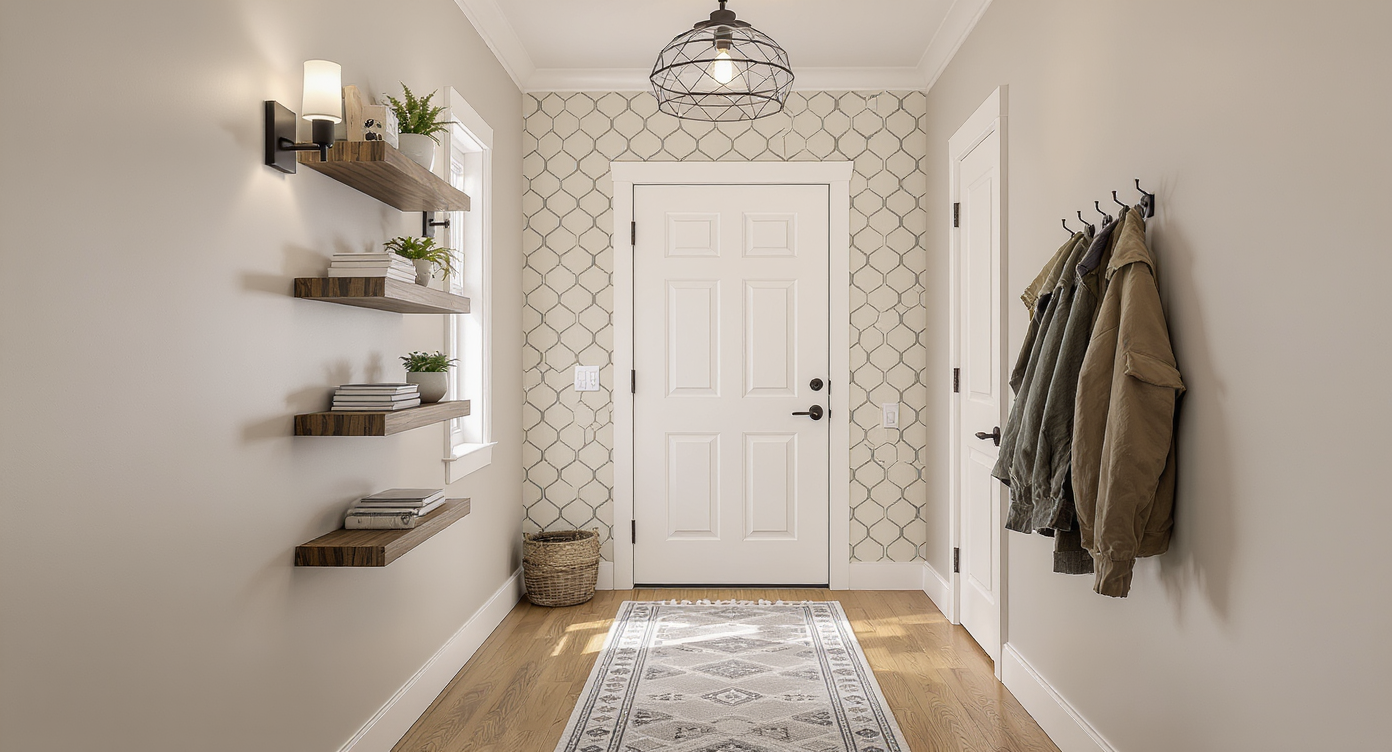
A realistic small foyer featuring patterned textiles, clever wall storage, unifying paint, and layered lighting—showcasing practical designer tips.
Designers often start by assessing the foyer’s light levels and sightlines before making any color decisions. If the area lacks a clear view into the rest of the home, doubling down on unity—both in color and material—creates intentionality. When adding textiles, consider durable runners that can handle daily traffic without feeling utilitarian; patterns help disguise shoe scuffs or dirt. Sconces, wall-mounted hooks, or floating shelves are practical in narrow spaces that cannot support larger furnishings. Incorporate subtle decorative details such as a small plant atop a minimalist stand for a hint of freshness, or use a coat of paint on the ceiling to blur hard lines. For renters or those wanting affordable updates, task lighting and temporary wallpaper offer instant personality. For more inspiration, check out creative DIY home decor tricks designers rely on to refresh small, awkward rooms.
-
How to Use This in Your Next Designs
Translating these ideas to your own foyer—or any uniquely shaped entry—means evaluating both fixed elements (doors, windows, staircases) and the softer layers you can control. Start with paint and trim that unifies rather than divides. Layer in textures and furnishings scaled to the space’s traffic needs, and use lighting to define both the welcoming mood and the practical path inside. Even if your foyer’s layout can’t be altered, you can orchestrate color, material, and light to turn a challenging arrangement into a quiet statement of intent. A thoughtful entry welcomes both guests and returning family, setting the whole home’s emotional tone with each arrival.
-
Visualization: The Transformed Foyer Experience
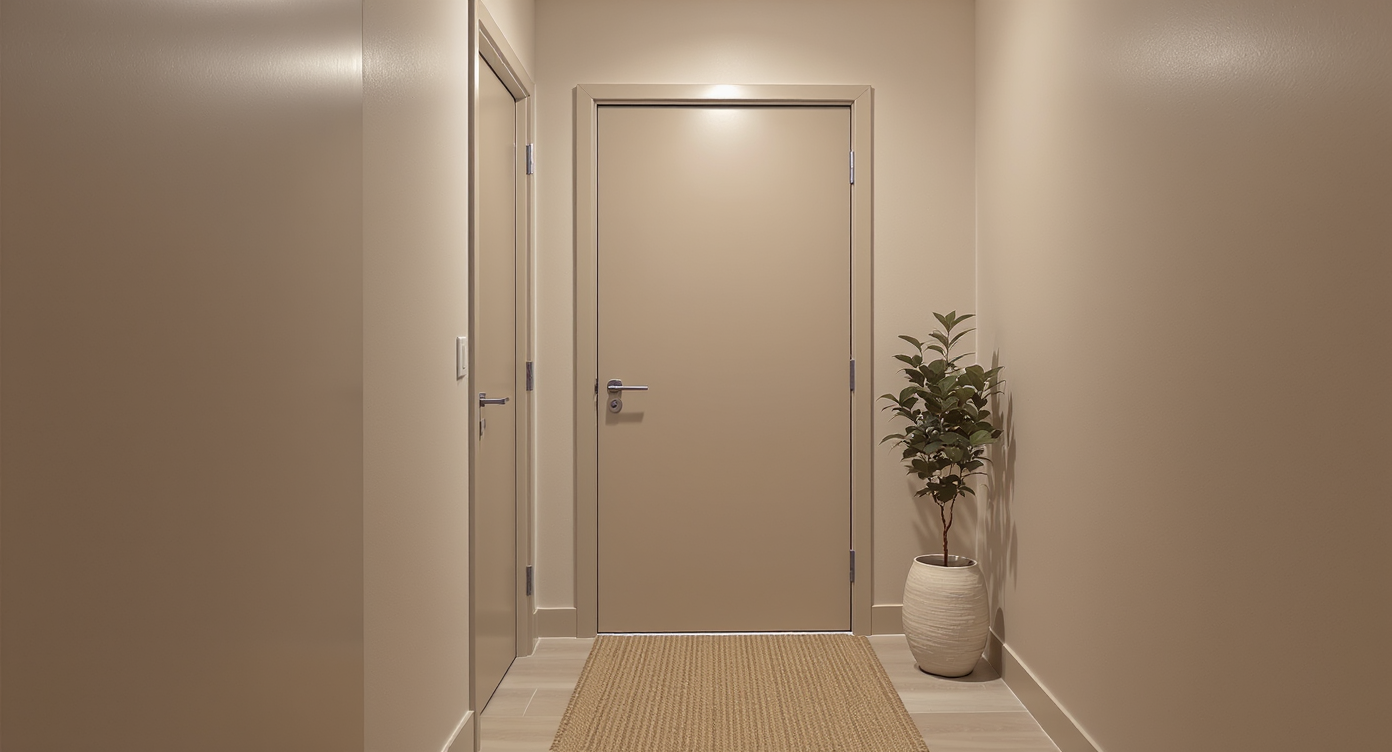
A foyer transformed by taupe-beige walls, flush utility doors, sculptural lighting, a woven runner, and a leafy plant for inviting harmony.
Imagine entering a home where the foyer’s closet and utility doors gently recede behind a satin-finish, taupe-beige wall color. Overhead, a sculptural flush-mount fixture spills a welcoming glow, reflecting off a slender, natural-fiber runner. Opposite, a narrow, leafy plant softens the rigid geometry of walls and built-ins. Every element—trim, paint, textures—works as a backdrop for light play, guiding the eye smoothly upward, making the once-awkward entry feel seamless and poised. This is the power of design: to create calm, order, and invitation, even in spaces where architecture presents its own set of puzzles.
Visualization Scenario
Picture sunlight from a high window spilling gently across a continuous wall, doors indistinguishable from their surroundings except for subtle matte handles. A low-profile, brushed brass ceiling fixture brightens the entire space, while a soft, neutral rug provides grounding. With shoes tucked away and clutter kept at bay, this once-awkward foyer now offers a quiet, elevated welcome with every visit.
FAQ: Odd Foyer Layouts and First Impression Tips
Test large samples of your shortlisted colors on the foyer walls in both daylight and evening light, focusing on hues that offer warmth without overwhelming.
Are there ways to disguise multiple doors in a small entryway?
Paint the doors and trim to match the surrounding walls for a seamless, less cluttered appearance.
What kind of lighting suits a low-ceiling foyer?
Opt for sleek flush-mount fixtures with warm, diffuse light, and supplement with sconces or small accent lights when possible.
How can I add interest if my entry has no sightline into other rooms?
Architectural details such as a mural, statement runner, or minimalist plant stand offer visual appeal and guide the eye through the space.
Where can I find more ideas for transforming tricky home layouts?
Discover additional solutions and examples by visiting ReimagineHome.ai.
Welcoming Every First Step
The strongest impression your home delivers comes in the first few seconds inside. With a blend of strategic paint choices, harmonious textures, and savvy lighting, even foyers with challenging layouts, low ceilings, or limited sightlines can become places of welcome and beauty. As trends continue to favor nature-rooted colors, purposeful layering, and adaptive lighting, reimagining the entryway remains the easiest path to uplifting daily routines. For more inspiration on transforming unusual spaces, visit ReimagineHome.ai.