7 Ways to Create Pet-Friendly Statement Lighting for Your Home
TL;DR
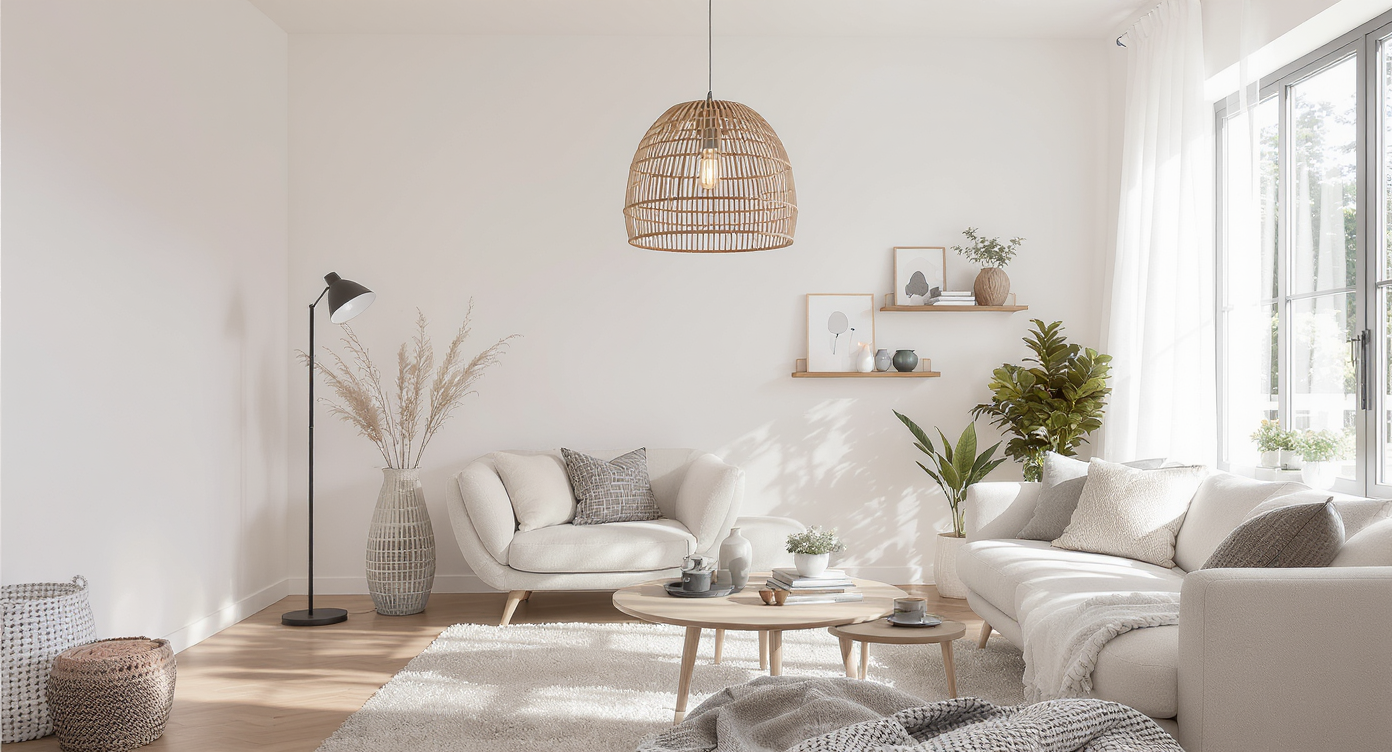
Statement lighting can enhance pet-friendly spaces both visually and functionally. This guide explains how to incorporate playful, safe, and stylish lighting features inspired by innovative DIY approaches. Each tip is designed to blend creative flair with practical considerations for homes with pets.
Why Statement Lighting Matters in Pet-Friendly Spaces
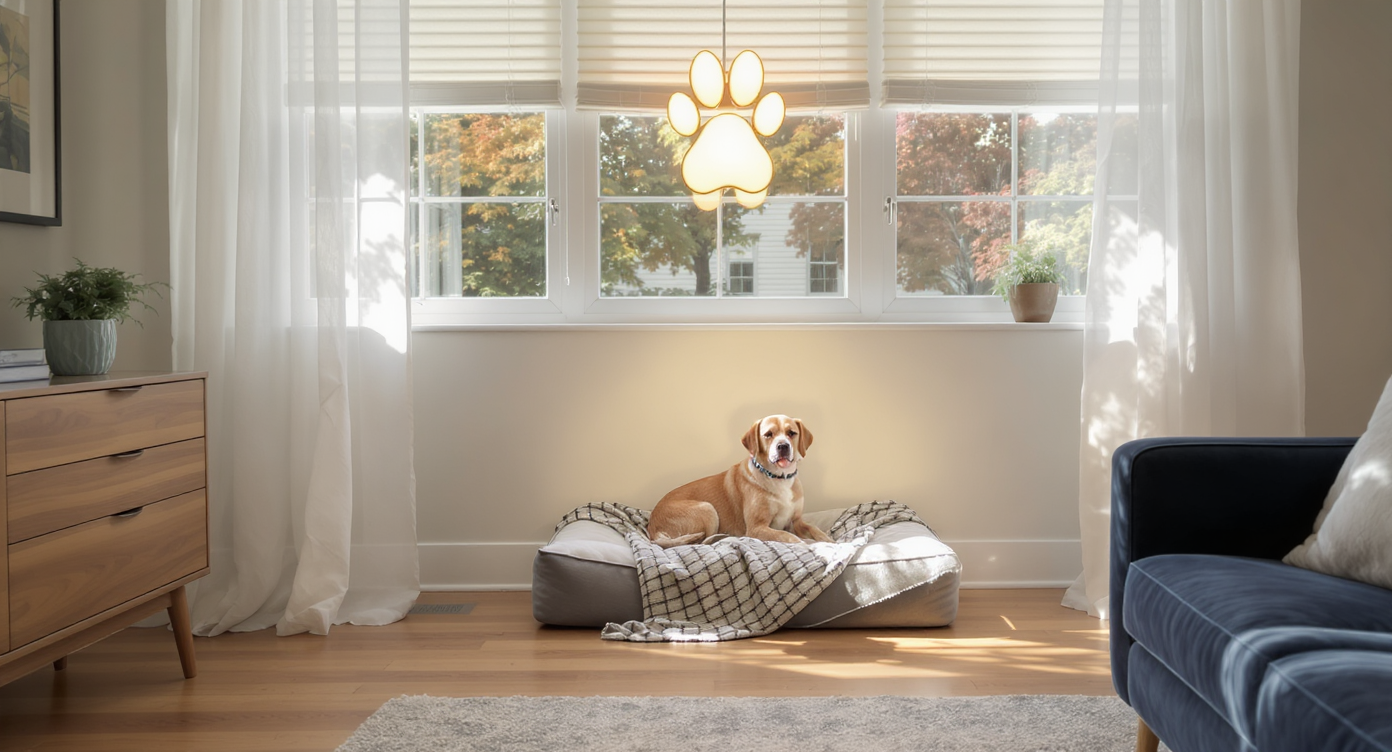
A contemporary living room shows off a pet-friendly lighting setup featuring a sculptural paw-shaped fixture above a dog nook.
Statement lighting can serve as both a design focal point and a functional element in homes with pets. While pet-friendly spaces are often synonymous with durability and easy cleaning, thoughtful lighting introduces personality and comfort for animals and humans alike. Homeowners increasingly look for ways to create zones that delight their pets while still reflecting their own style. Pet-inspired lighting projects—like sculptural marquee signs—are a clever way to add visual charm and a playful, customized touch. Whether you’re setting up a dedicated dog nook or refreshing a room to accommodate animals, lighting choices can make these spaces safer and more welcoming. For those comparing DIY vs pro approaches or those seeking a weekend project, this list demystifies pet-friendly lighting design, emphasizing practical tips and creative potential.
-
1. Choose Durable and Pet-Safe Materials
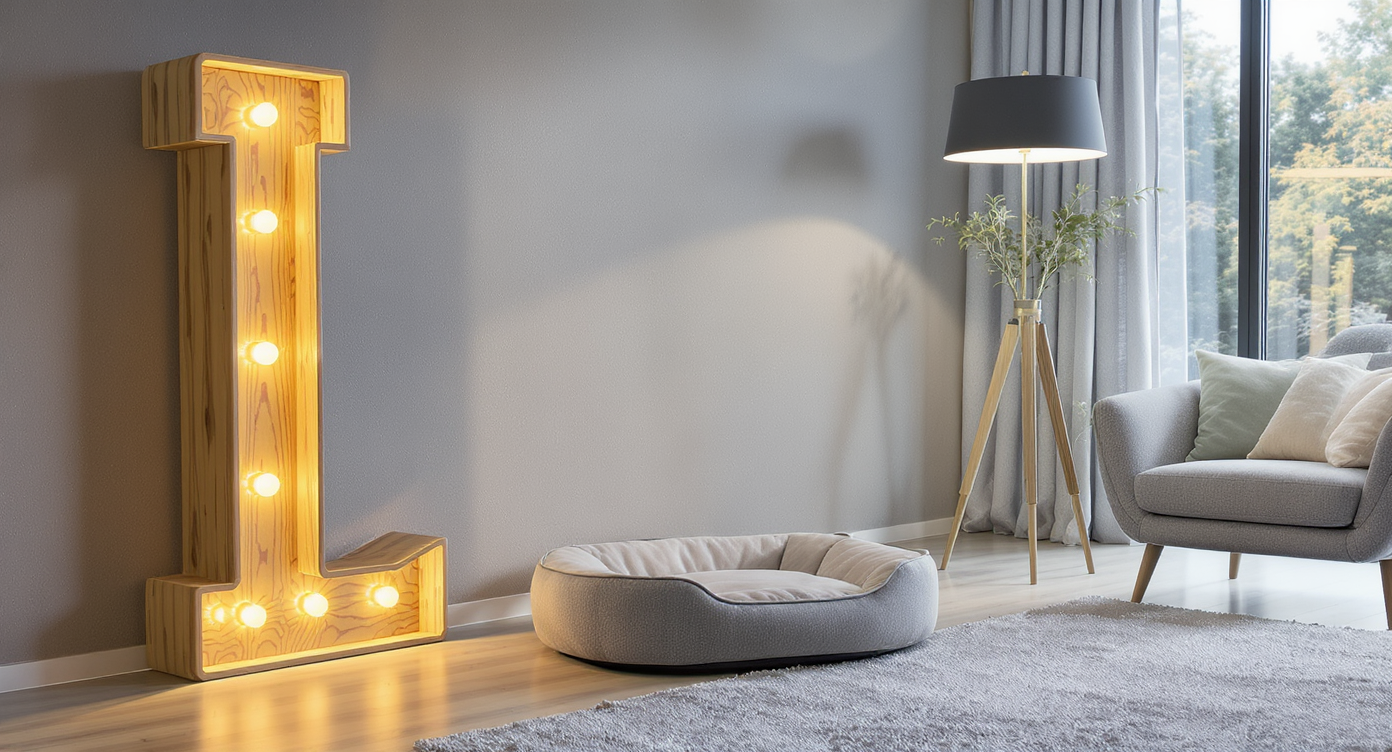
A wood marquee statement light mounted above a dog bed demonstrates pet-safe, durable lighting in a modern, real-world setting.
When selecting materials for statement lighting in pet zones, durability and safety should come first. Fixtures made from impact-resistant plastics, sealed woods, or powder-coated metals will withstand nudges, bumps, and curious paws. Avoid glass shades or exposed bulbs at pet level, especially in high-traffic areas. For example, a wood marquee sign mounted above a dog bed stays out of reach but provides distinct personality without compromising safety. Professionals frequently reinforce fixtures in entryways or playrooms where energetic animals might be present. Blending style with pet-resilience ensures both your lighting and furry friends are protected.
-
2. Layer Lighting for Visual Comfort
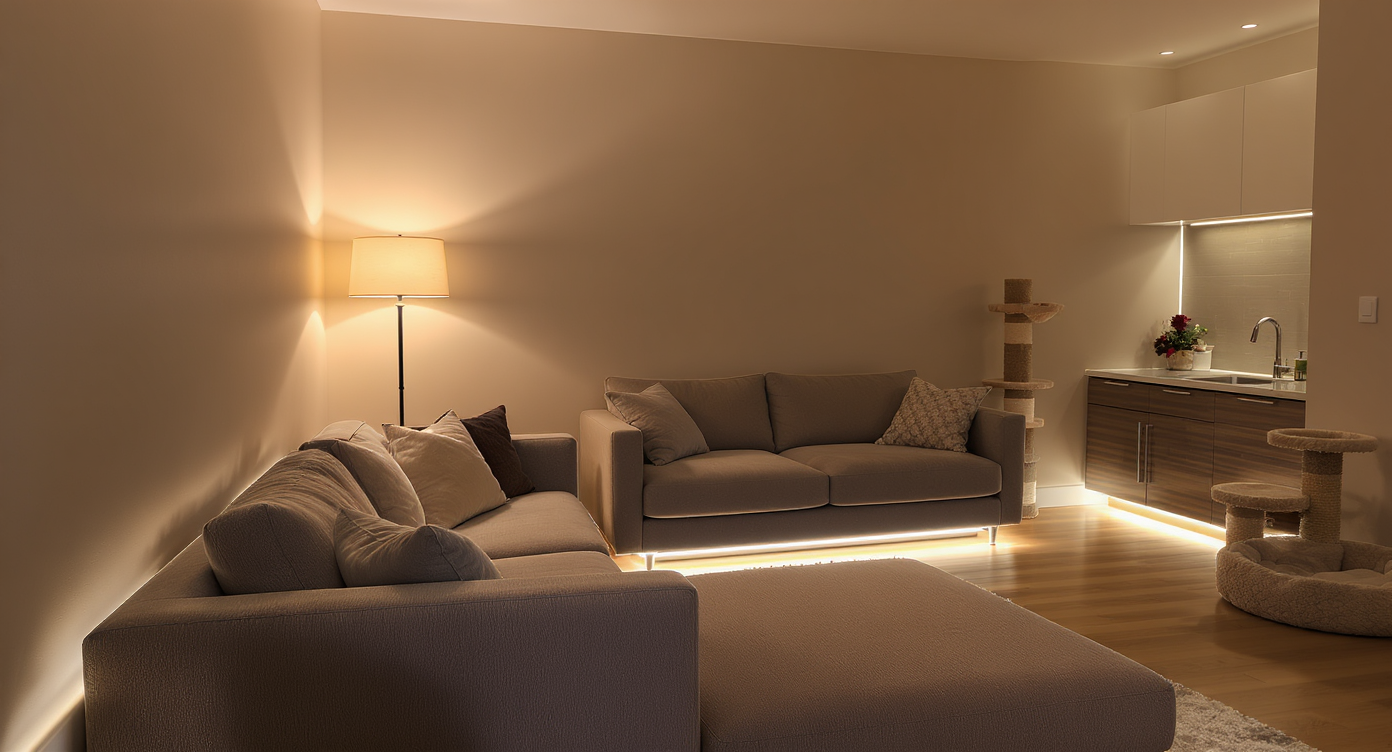
Layering ambient, task, and accent LED lighting keeps living areas comfortable and safe for pets, with a focus on visual comfort throughout.
Layered lighting is essential in pet-friendly spaces. A mix of ambient, task, and accent lighting minimizes eye strain and helps pets navigate safely. Overly bright direct lights can be uncomfortable for animals, while thoughtfully placed accents create a cozy environment. Designers often use soft, dimmable LEDs in lounge areas and reserve brighter task lights for feeding or grooming zones. For those looking to balance decorative flair with comfort, drawing inspiration from LED accent lighting guidelines can inform your placement choices. Explore more in our detailed discussion on how to use LED accent lighting in a living room and foyer.
-
3. Embrace DIY Creativity for Pet Zones
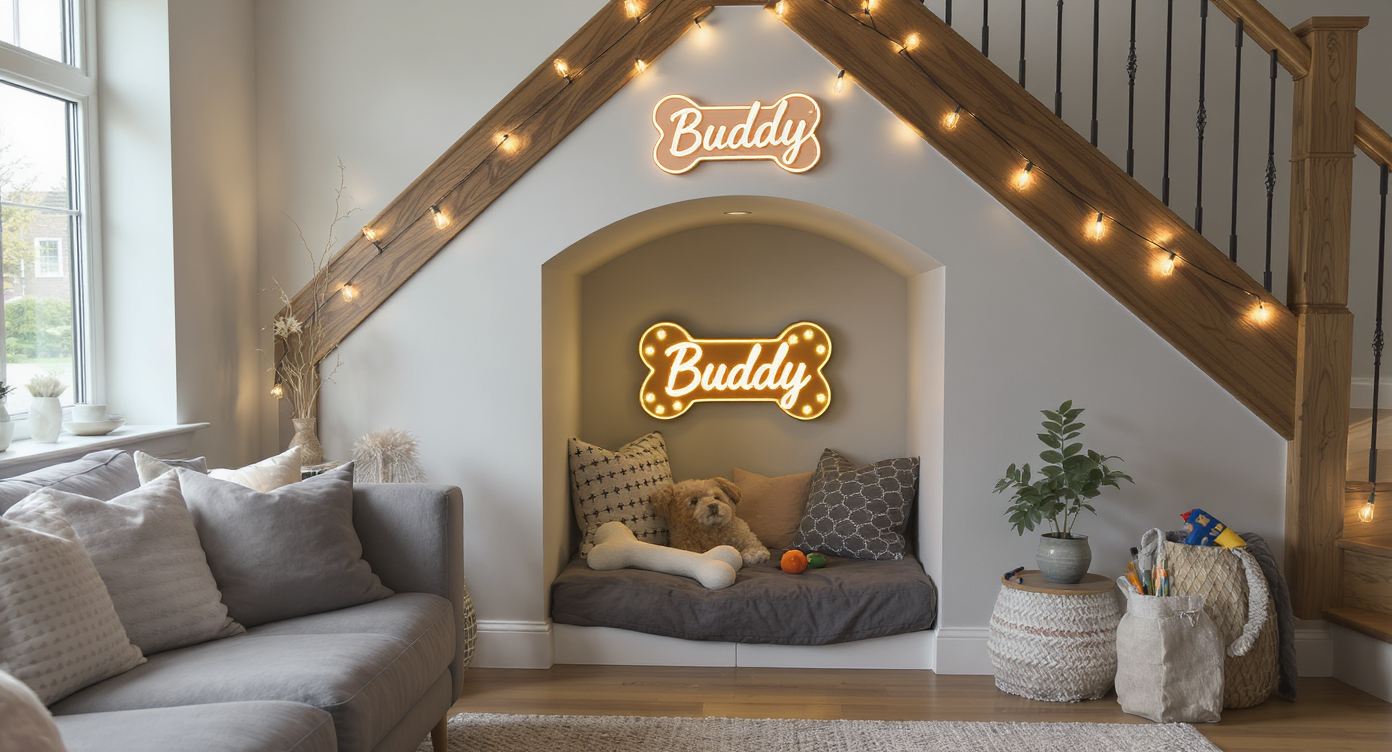
A DIY pet nook displays custom lighting: a bone-shaped marquee sign, a painted nameplate, string lights, and crafting tools for creativity.
Personalized, do-it-yourself lighting projects—think bone-shaped marquee signs or custom nameplates—offer a chance to reflect your pet’s identity in the design. The benefit of a DIY vs pro project is the ability to customize everything from shape to finish, often at a fraction of the price. Building a unique fixture for a dog’s nook or cat’s perch can become a family project. According to our collection of DIY home decor ideas designers use, simple string light solutions or painted details can deliver lasting visual impact. DIY approaches also allow pet owners to control lighting warmth, placement, and even maintenance—key benefits for high-traffic, animal-friendly areas.
-
4. Consider Smart Lighting and Schedules
Pet-friendly spaces benefit from the flexibility of smart lighting systems, which can adjust automatically to your routines. Timed dimming ensures animals are never startled by sudden darkness or bright lights, while motion sensors provide gentle illumination for night wanderings. These systems also let you simulate natural light cycles, which help reduce pet anxiety. In practice, motion-activated lights near litter boxes or water bowls are simple upgrades that combine convenience and comfort for both pets and owners.
-
5. Address Common Lighting Issues for Pets
Common lighting issues in homes with pets include glare, flicker, and excessive heat. Many animals are sensitive to abrupt changes in light or to certain types of flickering LEDs. Opting for flicker-free bulbs and shielding fixtures can help create a calmer environment. In windowed rooms, prioritize adjustable treatments to manage natural light and avoid harsh sun patches, which may overheat pet beds. Specialists frequently recommend shatter-resistant LED bulbs and covered wiring for pet zones, further reducing risk while maintaining a polished appearance.
-
6. Highlight Pet Nooks Without Clutter
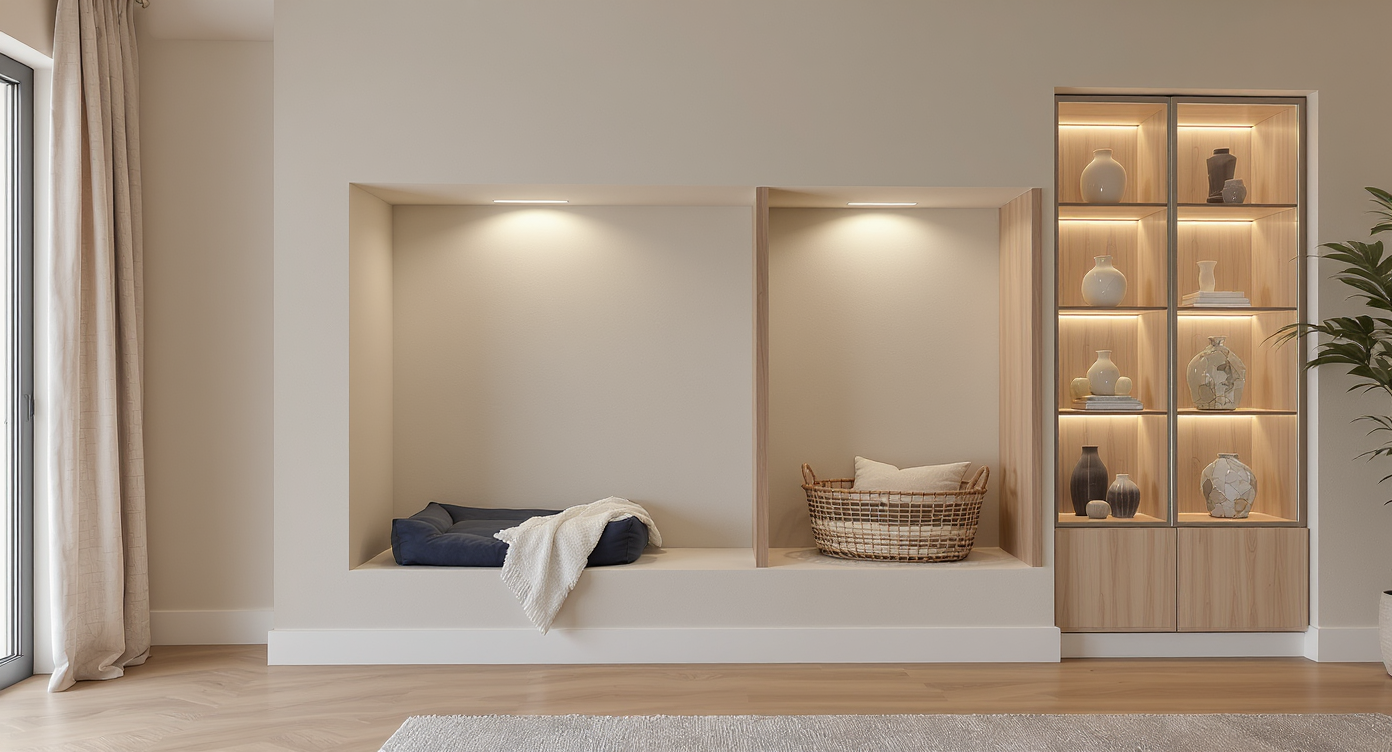
Built-in pet nooks with focused recessed lighting highlight animal spaces, maintaining a clean, clutter-free living room design.
Designing designated pet spaces within your home—like reading nooks for cats or dedicated beds for dogs—calls for focused but unobtrusive lighting. Under-cabinet lights, recessed accents, or marquee signs mounted high on the wall mark a pet zone without overwhelming the room. Built-in alcoves or glass-front cabinets can double as display areas and animal hideaways, a technique seen in many budget-friendly DIY home remodels. Choosing the right light fixture means considering scale and visual balance, so the pet area feels integrated—never cluttered—with your decor.
-
7. Plan With Flexibility for Future Changes
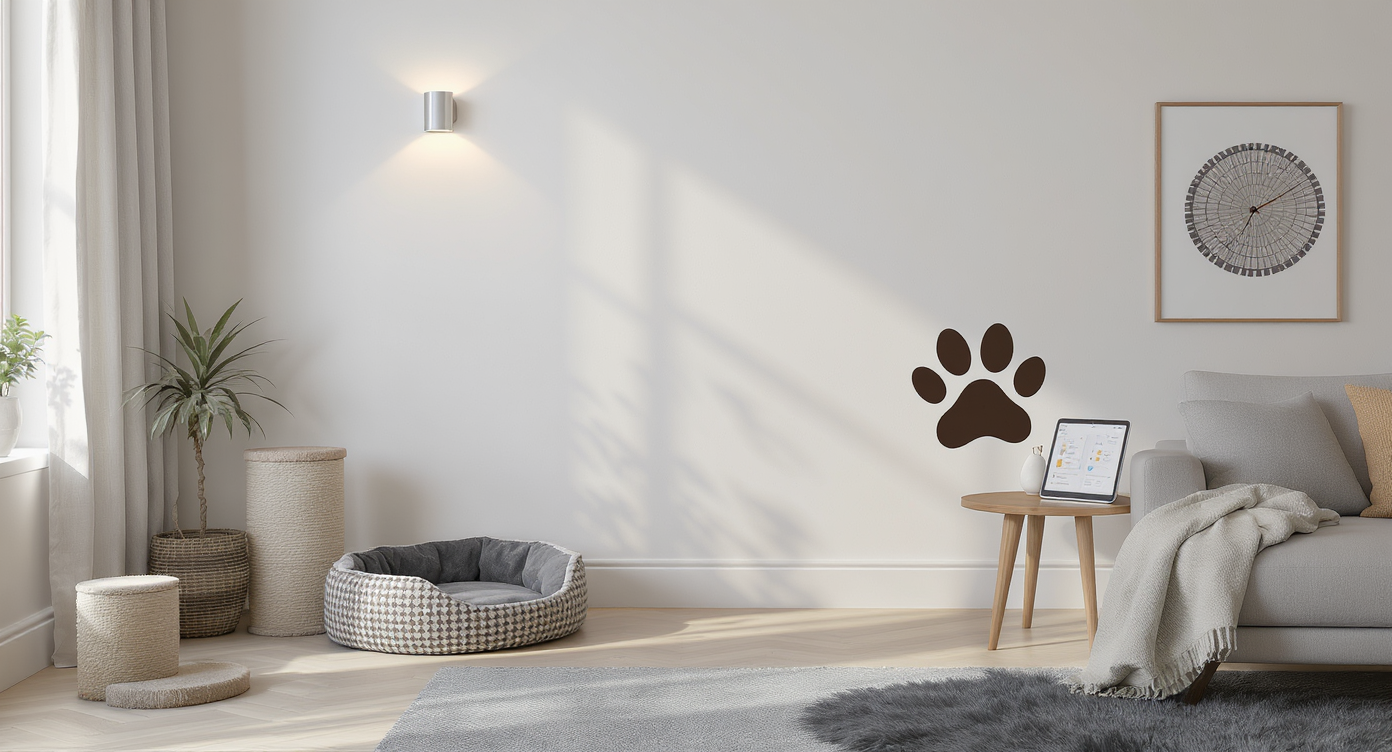
A living room with movable plug-in sconces, a pet area, and a tablet displaying a lighting layout highlights future-proof flexibility.
As pets grow and family needs shift, flexible lighting options become valuable. Wall-mounted fixtures or plug-in sconces let you relocate light sources without rewiring. Adjustable signage or removable decals also allow for easy updates as pets change or spaces are repurposed. Digital tools such as REimagineHome.ai can help you visualize configuration changes before committing, making it easier to anticipate and adapt to evolving pet needs.
FAQ: Pet-Friendly Statement Lighting
DIY lighting allows for unique customization and budget control, while professional installation may be better for complex or integrated systems.
How do I ensure lighting fixtures are truly pet-friendly?
Choose fixtures made from durable, non-toxic materials, install them out of reach, and secure cords or bulbs to prevent chewing or breakage.
Are there pet-safe ways to add color or themed lighting?
Use shatter-resistant LED bulbs and enclosures; customize with paint or decals that are certified non-toxic to animals.
What do I do if lighting causes anxiety or discomfort for my pet?
Switch to dimmable bulbs, reduce glare, or use indirect lighting to minimize sensory stress in your pet's favorite areas.
Can digital tools like REimagineHome.ai help with planning?
Yes, REimagineHome.ai lets you visualize and adjust lighting configurations before you commit, which is useful for evolving pet needs and design changes.
Key Takeaways for Pet-Friendly Lighting That Lasts
Thoughtfully designed lighting can make any home more enjoyable for pets and people. Whether you pursue a hands-on DIY project or consult design tools to map out your options, combining creative vision with safety and adaptability yields a space that feels warm, playful, and uniquely yours. Platforms like REimagineHome.ai can support your planning process by letting you preview different lighting schemes and placement options before installation.