Choosing the Right Plywood for Custom Indoor Recreation Walls
TL;DR
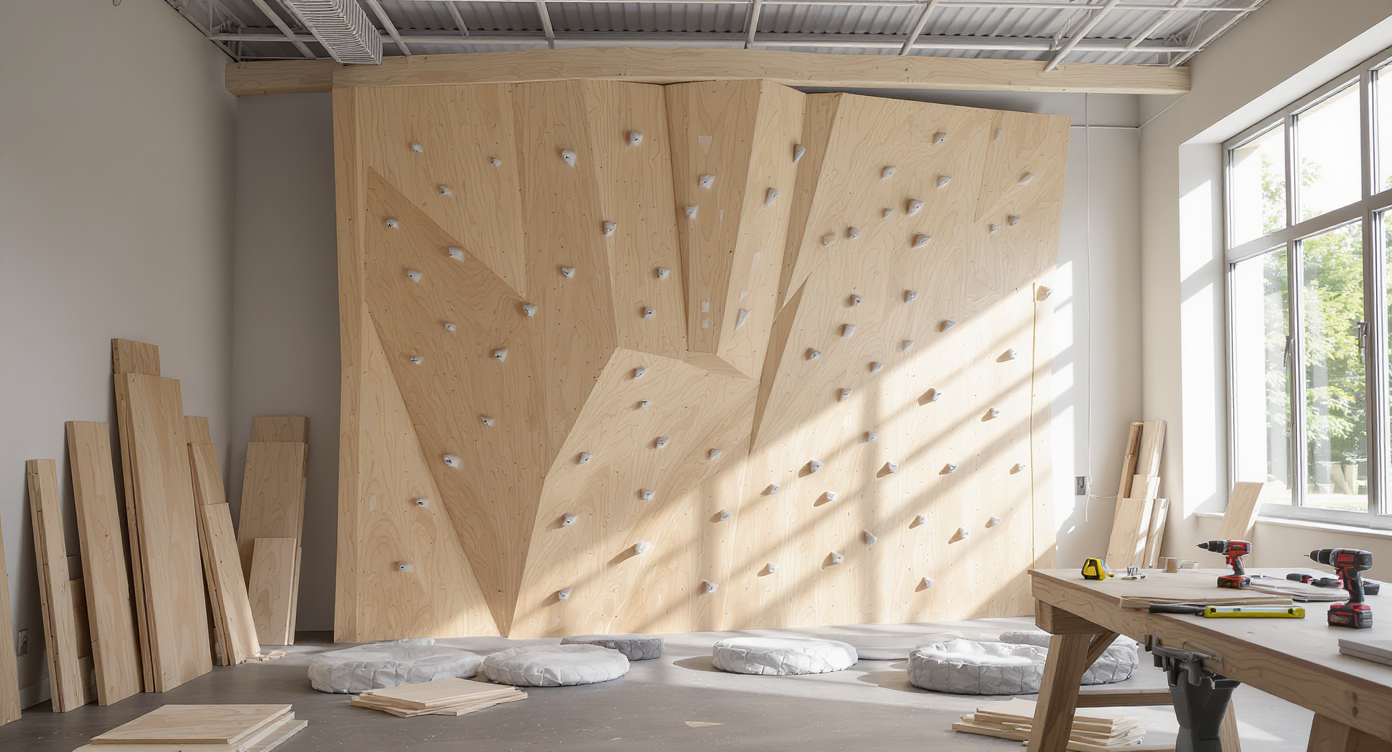
The plywood you select for a home climbing or activity wall has a lasting impact on safety, durability, and personalization. Structural integrity always takes priority over aesthetics or cost. Paying attention to grade, thickness, and proper sealing will ensure a satisfying and secure installation that holds up to heavy use. Materials and labor savings from DIY builds are real, but choosing the wrong panel can outweigh those benefits.
The DIY Surge in Home Activity Walls
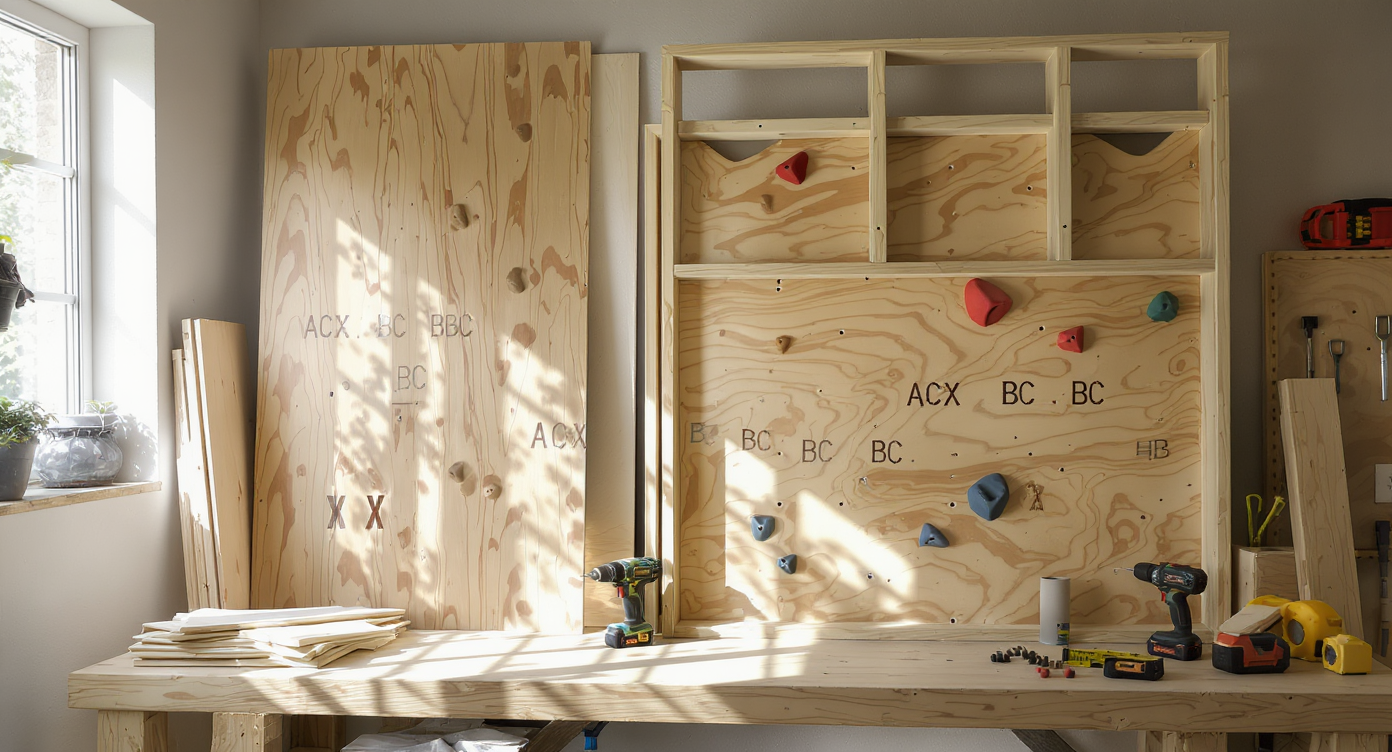
Plywood options and an in-progress climbing wall show the real-world setup and choices homeowners face before assembly begins.
More homeowners are discovering the appeal of bringing recreational features, such as climbing walls or activity panels, indoors. Whether driven by the desire for active play, challenging workouts, or just a unique space for creative movement, these installations begin with one crucial decision: the type of plywood to use as the primary surface. While plywood sheets may appear similar at first glance, grades and quality impact both immediate performance and long-term safety. This article explores what to consider when selecting plywood for a home climbing or activity wall, weighing the real differences between grades like ACX and BC, and offering guidance to avoid headaches as your project evolves.
-
Understanding Plywood Grades: Safety Begins Beneath the Surface
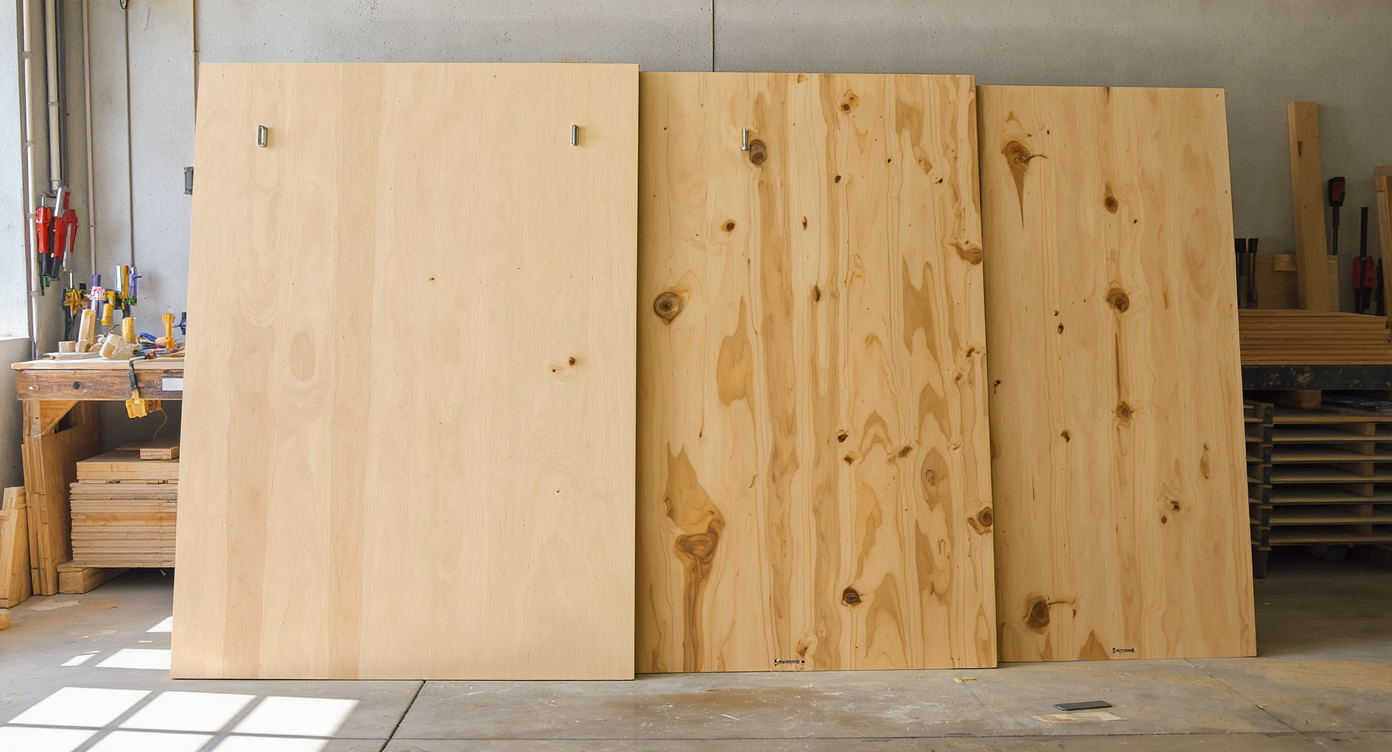
Premium ACX, BC, and CDX plywood panels shown upright in a workshop, highlighting core integrity differences critical for climbing walls.
Plywood is not a one-size-fits-all building material. Its grade not only determines aesthetic quality but also reveals hints about its internal composition, strength, and suitability for supporting hardware under repetitive loads—qualities essential for a vertical installation designed to be climbed, grabbed, and trusted. The most commonly referenced grade combinations—such as ACX or BC—refer not only to the appearance of each face but also to glue type and core structure. For home climbing or activity walls, structural integrity consistently outweighs other considerations like the look of the veneer or mild exposure to humidity. Premium grades, like ACX, provide a smoother surface with fewer voids and more uniform plies, minimizing the risk that T-nuts or bolts will loosen or pull through the panel under strain. BC and CDX grades, while often less expensive, may contain more core gaps—potentially problematic weak points that can compromise attachment points over time. According to insights from seasoned DIYers, skills honed through research and hands-on experience are essential when evaluating plywood that may be delivered sight unseen. Accepting lumber deliveries for convenience is logical, yet it is important to know the reputation of the lumberyard and to verify that panels meet minimum quality and thickness requirements before installation.
Expert Insight
A Houston-based DIY enthusiast set out to build an indoor climbing wall to bring gymnastics-level challenge and fun into their home. Initially tempted by the affordability of BC plywood, their real-world installation revealed more core voids than expected, causing hardware headaches and delays. The lesson: choosing the right material at the outset would have saved both time and frustration, confirming that function and durability always come first.
-
Material and Labor Tradeoffs in DIY Recreation Walls
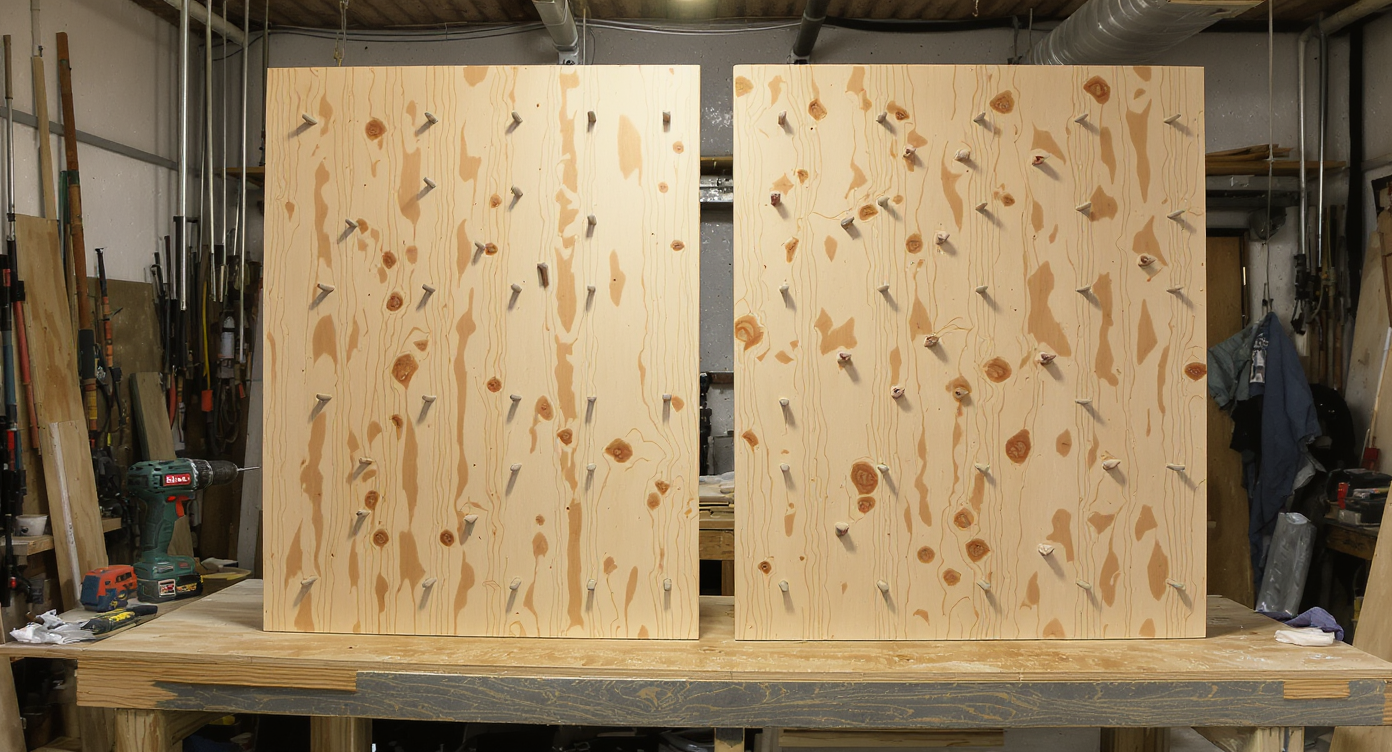
Side-by-side indoor climbing panels in a workshop reveal how material quality impacts wall strength and longevity for DIY projects.
Building your own climbing or activity wall delivers both creative freedom and substantial savings compared to hiring out. Cutting labor costs can transform an ambitious plan into an attainable one, especially when you’re prepared for the scope of assembly and finishing. Yet these savings hinge on one critical boundary: material quality must never be compromised to lower the project’s price tag. Substituting lower-grade or thinner plywood may seem like a budget-friendly shortcut, but structural shortcomings can rapidly outweigh up-front savings. When T-nuts or hardware pull out, or when panels flex unnaturally under load, the integrity of the entire wall and its users is at risk. As with many renovation decisions, the sweet spot lies in spending where it counts (on sturdy, reliable materials) while saving on labor through DIY effort. This mirrors findings in other home upgrade areas, where savvy project management multiplies your impact if material choices support longevity and safety. For example, savings from installing new floors yourself only make sense when material quality aligns with the demands of daily life, as evidenced by many homeowners choosing pet-friendly flooring materials to balance form and function in DIY installations.
-
Surface Prep, Sealing, and Customization

A plywood climbing wall panel in a workshop, divided into sanded, painted, and patterned sections to illustrate preparation and finishing options.
After selecting structurally sound plywood, the next aspects to consider are surface treatment and customization. DIYers often debate whether to coat plywood with paint, stain, or textured finishes, considering both aesthetic appeal and practical performance. Unsealed plywood veneers, for instance, can be unexpectedly slick or prone to splintering, impacting both safety and comfort for hands and feet. Most experts recommend sanding and sealing panels, using a high-quality paint or finish to protect against moisture and minor abrasions, particularly if the wall may be relocated to a less protected environment such as a garage. The right finish can also prevent spinning holds by providing the necessary surface friction. Even simple design moves, such as a bold color choice or subtle geometric pattern, can personalize the wall and make the room more inviting—an approach echoed by DIY home decor projects that highlight creativity and comfort.
-
Anecdote: The Weekend Warrior’s Test
Consider the story of a Houston homeowner determined to recreate their favorite climbing gym experience indoors during an intense summer. Hoping to economize, they opted for a stack of BC-grade plywood based on convenience and cost. Midway through the install, an unexpected pattern emerged: several T-nuts failed to grip, and finding hidden voids behind the surface led to frustrating delays in mounting holds. This hands-on lesson highlighted the unpredictable nature of lower-grade ply and reinforced the value of investing in higher-quality panels. While imaginative fixes (like using fender washers or specialty finishes) offered quick solutions, nothing quite replicated the confidence of a robust, void-free climbing surface.
-
Common Mistakes to Avoid
Opting for plywood thinner than three-quarters of an inch in hopes of saving space or money is a frequent misstep—hardware may protrude and the panel will flex significantly under load. Another pitfall is overlooking hidden voids in lower-grade sheets, which can lead to rapid wear around T-nut mounting points and frustrating hardware failures. Skipping surface sanding or finishing often results in painful splinters or slippery footholds, defeating the purpose of a custom build. DIYers sometimes underestimate the importance of how plywood sheets are oriented and attached, impacting the structure’s strength. Always mount sheets horizontally over properly spaced studs, and prioritize fastening patterns that support the intended direction of force. These best practices emerge consistently in the advice of both experienced builders and renovation professionals, mirroring broader recommendations for cost-effective home upgrades where proper material sourcing and planning reduce regret.
-
Tips and Expert Insights
Designers often suggest examining plywood edges for visible voids before purchase and, if ordering unseen, confirming return or exchange policies with your supplier. Choosing panels marked for exterior use (indicated by an X in their grade) adds insurance against sudden environmental changes, should your wall migrate outdoors. To prevent hardware from spinning or loosening, sealing or painting the surface is standard practice. For further customization, consider integrating a grid for mounting holds that leaves flexibility for future reconfiguration. The hands-on economy of DIY only works in your favor with durability in mind; cutting corners with materials risks both investment and enjoyment. Finally, if you’re ever in doubt about which upgrades add genuine value, strategic choices and planning (as seen in recommendations on DIY renovation impact on resale value) translate across both playful and practical renovation projects.
-
How to Use This in Your Next Designs
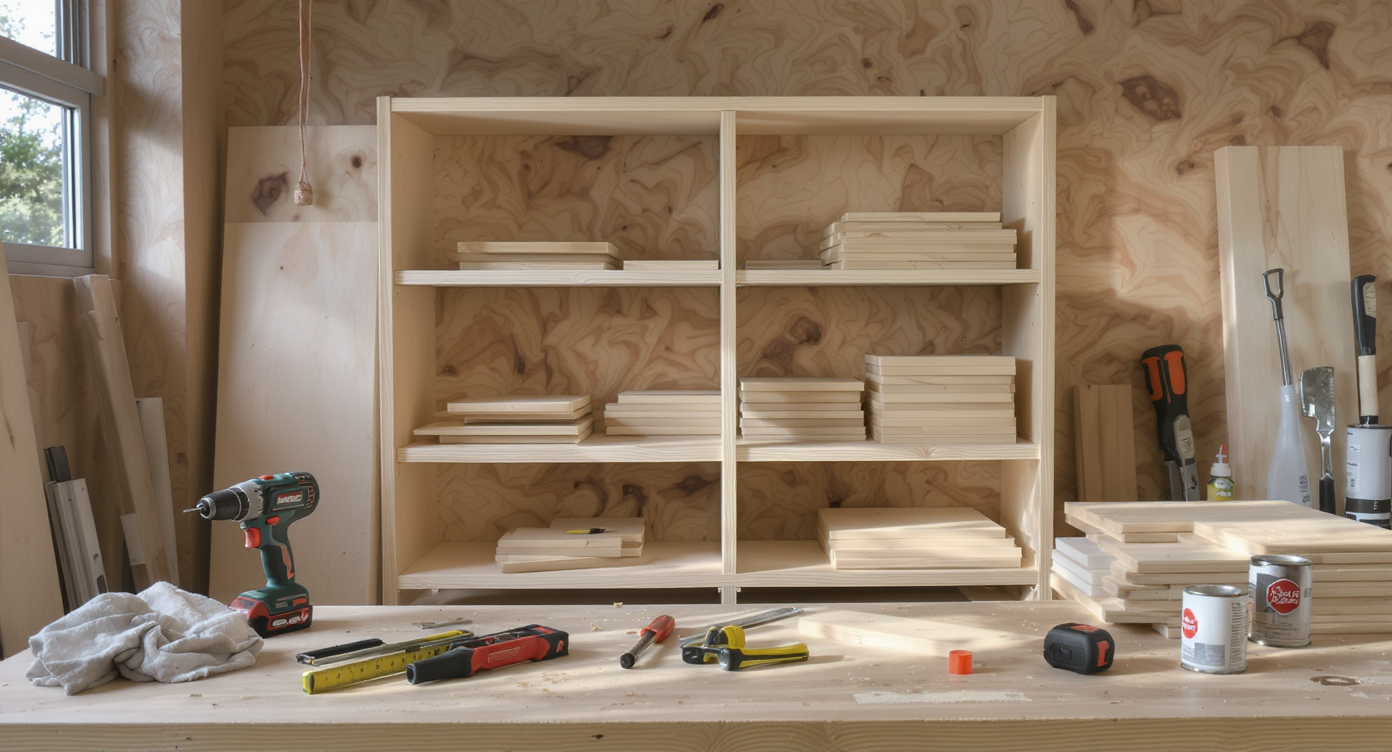
Professional workspace with high-grade plywood panels, tools, and in-progress shelving, highlighting material selection and finish for durability.
The principles of plywood selection and installation extend well beyond home climbing walls. Whether planning built-in shelving, custom furniture, or accent panels, prioritize grades that promise strength and reliability over short-term cost savings. When spaces are designed for heavy use, or for projects expected to last for years, the upfront investment in the right materials pays dividends in peace of mind and minimal upkeep. Structural soundness, protective finishes, and creative adaptations blend to define a successful DIY project that stands the test of time—qualities echoed in a wide range of home improvement and creative pursuits.
-
Visualization: Picture Your Perfect Play Space
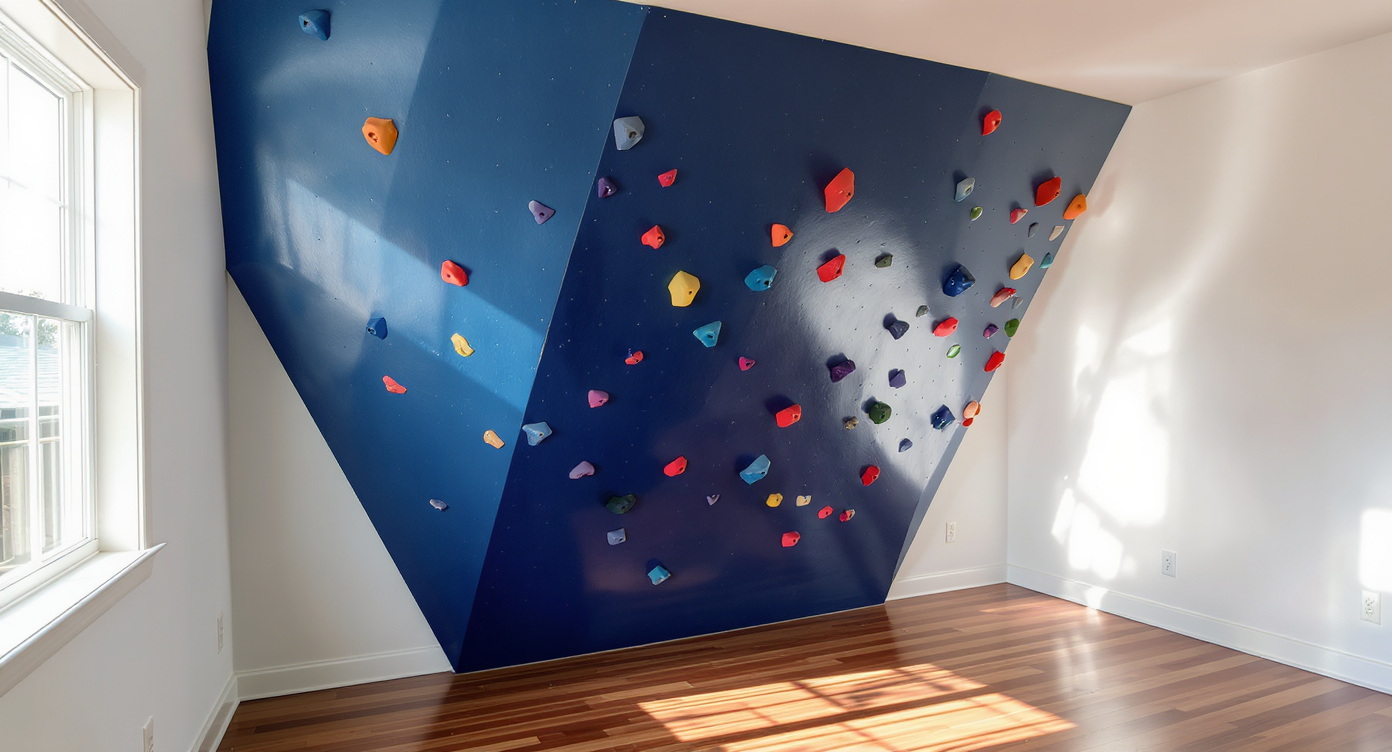
A premium-grade, sapphire blue climbing wall transforms a bright bonus room—showcasing secure holds, smooth ply, and an inviting setup.
Imagine stepping into a sunlit bonus room transformed by an eight-foot climbing wall painted in a deep sapphire blue, holds at the ready on a flexible grid. Friends and family gather to test their strength, confident beneath the smooth, sturdy face of premium-grade ply. The sensation of reliable grip underfoot and hand, no sharp splinters or spinning hardware, turns a simple setup into a centerpiece for connection and energy. With every route set and attempt, you see not the cost or effort, but the lasting value of thoughtful choices—inviting creativity and movement into the everyday fabric of home.
Visualization Scenario
Imagine a lively family recreation room anchored by a vibrant climbing wall, the sturdy plywood surface gleaming after a protective coat of paint. Children and adults alike scale colorful routes, hands gripping holds secured to a reliable, void-free core. Each climb feels safe and satisfying thanks to thoughtful material choices, transforming an ordinary corner into the highlight of the home.
Frequently Asked Questions
Three-quarters of an inch is the widely accepted minimum for supporting climbing holds and hardware safely.
Does plywood grade affect safety in climbing wall construction?
Yes. Higher grades like ACX significantly reduce risks of internal voids and weak points, crucial for securing hardware.
Can I use interior-grade plywood if my wall will stay indoors?
Interior grade can suffice for stable, climate-controlled spaces, but exterior grades provide added insurance against unexpected humidity or possible relocation.
How should I finish plywood for a recreational wall?
Light sanding and at least one coat of durable paint or sealant protect both users and wood, while adding aesthetic value.
Where can I learn more about maximizing value from DIY home projects?
Visit ReimagineHome.ai for inspiration and expert-backed insights.
The Lasting Impact of Smarter Material Choices
Selecting plywood for a home climbing wall or similar activity feature is a foundational decision that echoes through the lifespan of your project. A smart approach balances real-world budgets with the realities of material performance, always prioritizing safety and structural soundness over surface appearance or perceived savings. By applying lessons from both DIYers and experts, you can confidently build a space that endures, delights, and adapts. For those considering new upgrades or venturing into creative home projects, discover even more practical inspiration at ReimagineHome.ai.