9 Practical Ways to Heat an Empty Bathroom Efficiently, Without Risk or High Bills
TL;DR
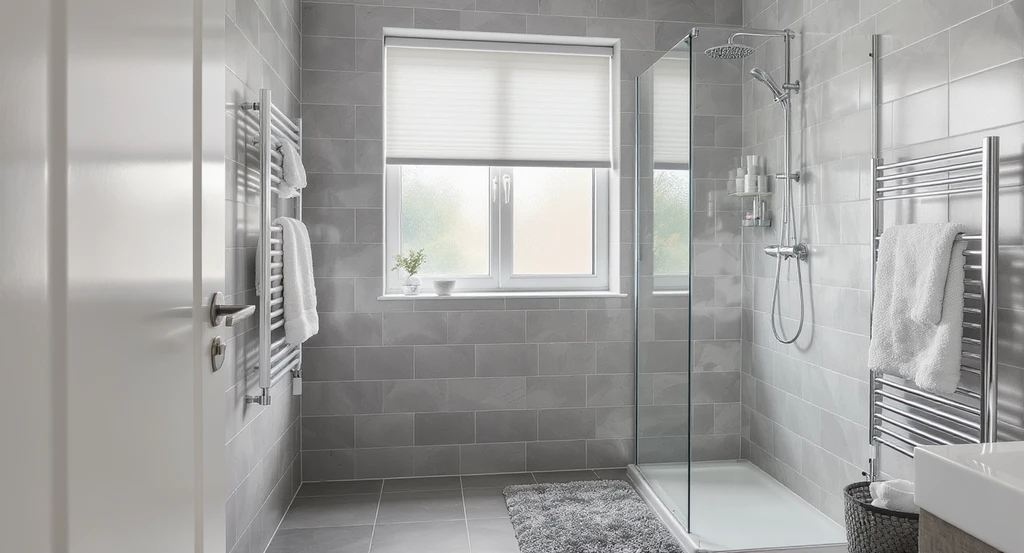
Heating a cold bathroom safely and efficiently requires more than just adding a heater. Prioritize draft-proofing, safe device choices, correct placement, and strategic layout corrections to achieve real comfort without waste or hazard.
Introduction
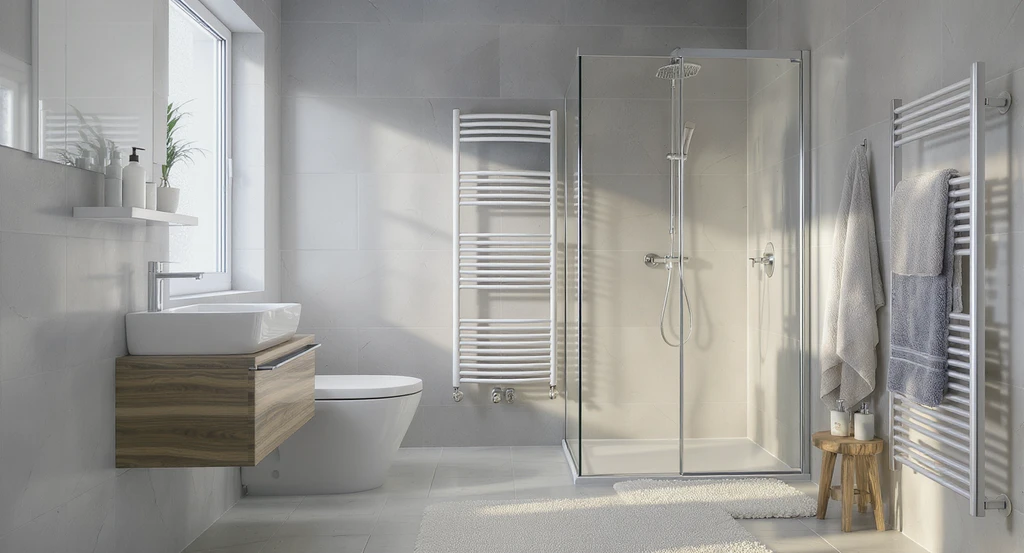
A chilly empty bathroom shows how to heat an empty bathroom efficiently with a safe wall-mounted heater, window insulation, and draft prevention. Discover layout tips for warmer bathroom spaces and the best safe heaters for empty bathrooms.
A cold, empty bathroom is uncomfortable and can cause persistent condensation problems. The common quick fix, simply adding a portable heater, often leads to wasted energy, unsafe conditions, and continued discomfort. Instead, efficient and safe bathroom heating depends on addressing obvious issues like drafts, insulation, device selection, and routine layout corrections. This step-by-step guide explains how to heat an empty bathroom efficiently, focusing on real-world constraints and risk prevention, with actionable guidance for both renters and homeowners looking to improve warmth without raising energy bills.
-
01. Choosing Unsuitable Heaters for Bathroom Conditions
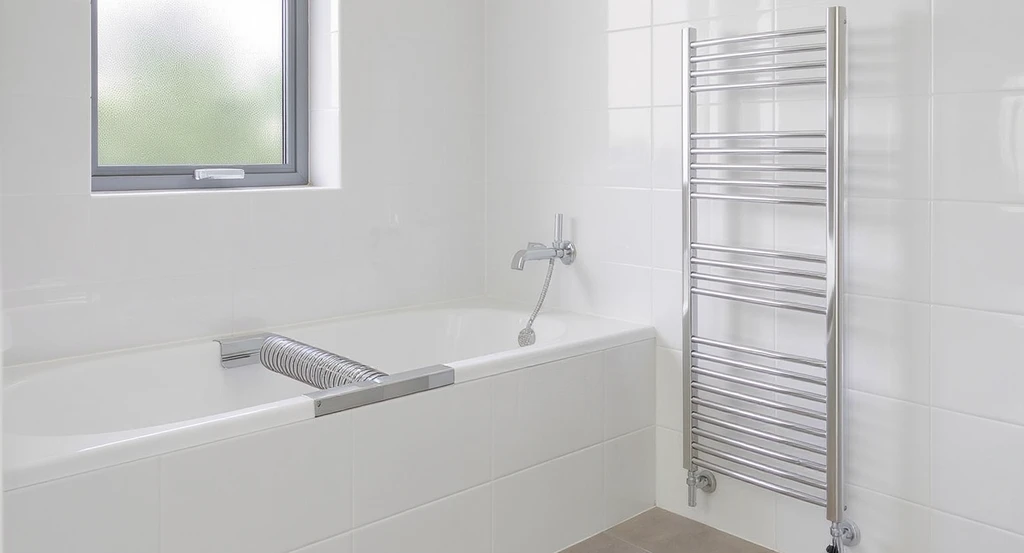
How to heat an empty bathroom efficiently by selecting the best safe heaters—such as UL-rated panel units—installed away from water and insulated windows and doors for optimal warmth and safety.
The most frequent heating mistake is using a device not designed for bathroom use, like plug-in fans or coil heaters, which often lack safety features for damp zones. This tends to happen when homeowners prioritize speed over safe operation, unaware that not all heaters suit small, humid spaces.
Correction logic: Always choose a heater approved for bathrooms, such as an oil-filled radiator or a wall-mounted electric panel heater with a UL rating and (preferably) GFCI-protected plug. These types maintain stable heat without exposed elements or forced air that stirs up dust. Crucially, place the unit at least three feet from all water sources and never leave it running unattended, as discussed in many home staging guides. Choosing the best safe heater for empty bathrooms and respecting distance ensures both warmth and peace of mind.
-
02. Overlooking Safety Rules for Outlets and Placement
02. Overlooking Safety Rules for Outlets and Placement Image
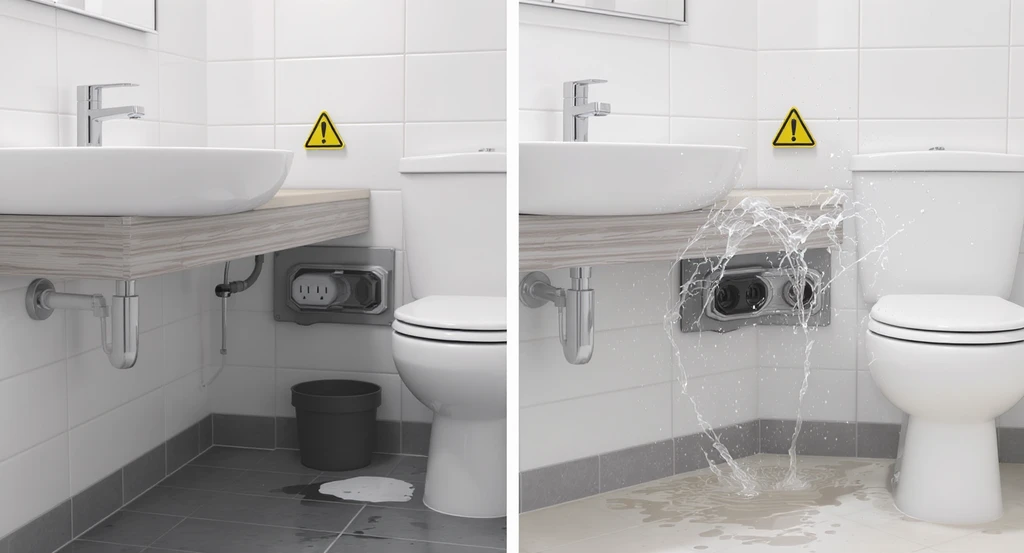
Heater placement errors, such as setting a unit under a sink or close to tubs, invite direct electrical hazards. Lack of awareness about the need for GFCI-protected outlets or ignoring manufacturer's spacing guidelines compounds the mistake, commonly seen in older homes or rushed renovations.
- Check that the bathroom outlet is GFCI-verified.
- Place any heater at least three feet from water sources and away from movement paths.
- Follow manufacturer’s recommended clearances on all sides.
- Unplug devices before running water or exiting the room.
- Consult an electrician if an upgrade or new outlet is needed to ensure code compliance.
These steps are critical to avoid dangerous shocks and help you use the best safe heaters for empty bathrooms without worry.
-
03. Ignoring Drafts: Poor Window and Fan Insulation
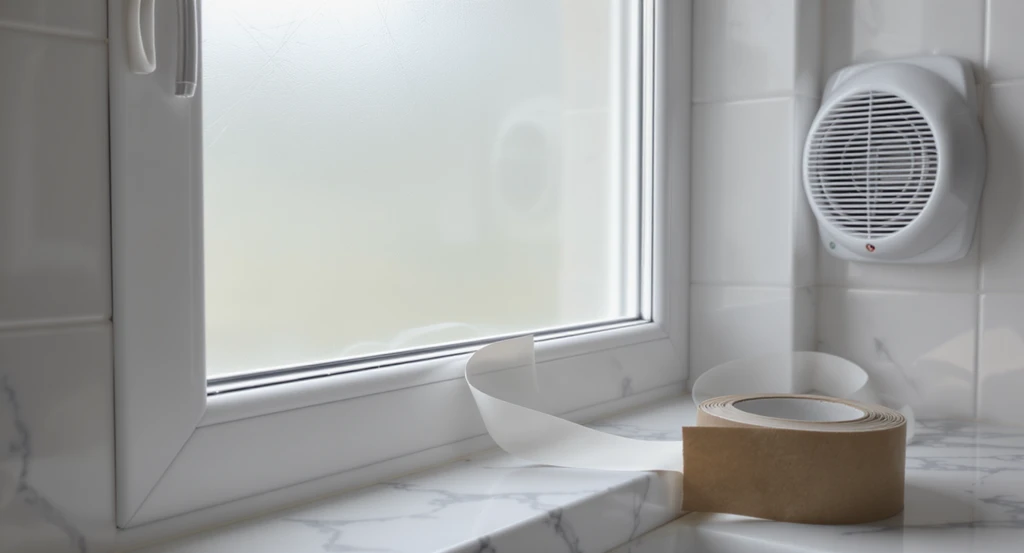
Properly insulating drafty bathroom windows and securing exhaust fan dampers prevents heat loss, helping heat an empty bathroom efficiently and avoid energy waste.
Even the best heater can't overcome leaking air from unsealed windows, old frames, or drafty exhaust fans. This issue often arises after a quick fix or skipped weatherproofing during updates. Heat escapes rapidly, resulting in cold air returns and more energy spent.
Correction method: Apply window insulating film, weatherstripping, and ensure that exhaust fans have functioning backdraft dampers. Check for gaps around window and door frames, even small cracks can cause significant heat loss.
According to our guide on making basement bathrooms less creepy, sealing these leaks offers immediate comfort and energy savings.
-
04. Skipping Added Insulation for Floors and Walls
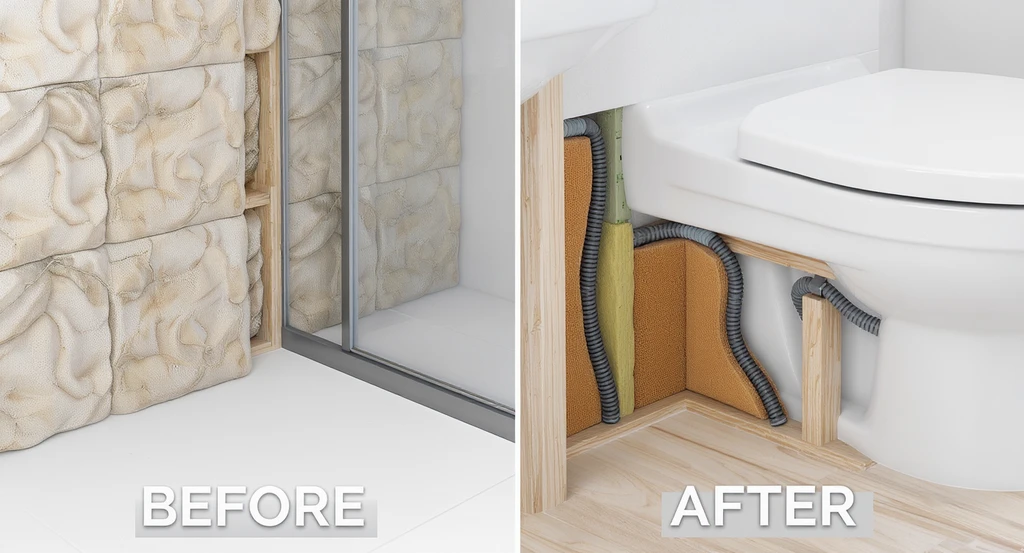
04. Skipping Added Insulation for Floors and Walls Image
Cold floors and uninsulated walls rapidly dissipate heat, often causing users to overcompensate with high heater settings or dangerous placement. This commonly occurs when rugs are too small or insulation is entirely overlooked during minor bathroom refreshes.
The practical fix: Use thick, washable bath mats or insulated rugs that tightly fit the fixture layout. For walls, consider temporary foam boards behind vanities or decorative window film for radiant cold. Covering cold tile with a rug, as seen in our bathroom staging ideas for selling, noticeably boosts perceived warmth and comfort.
-
05. Blocking or Misusing HVAC Vents
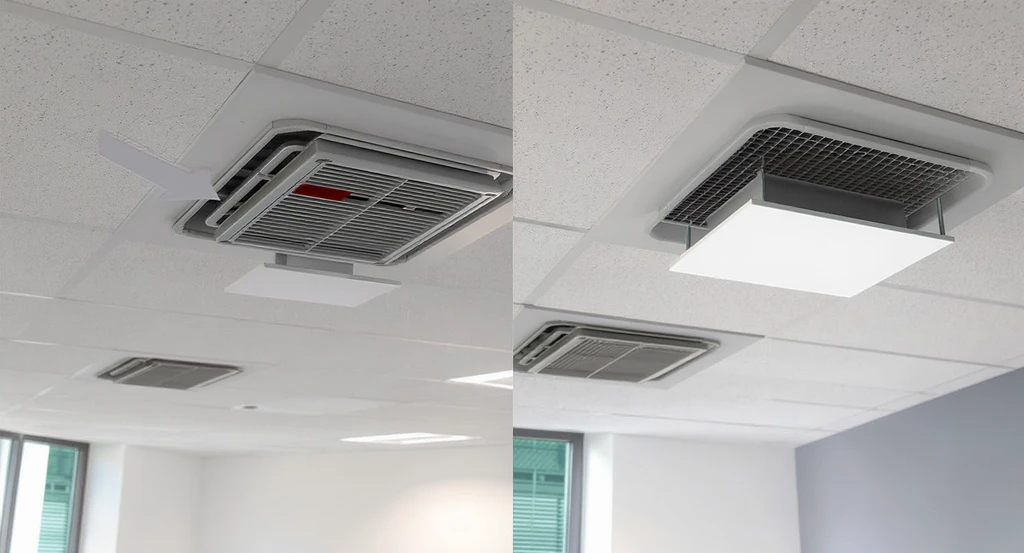
05. Blocking or Misusing HVAC Vents Image
Blocked vents or poor airflow is a silent cause of bathroom chill, especially where baskets, rugs, or storage obstruct supply registers. Failing to redirect household heat toward the bathroom is another overlooked efficiency gap in both new and old layouts.
Correction logic:
- Unblock all supply and return vents in the bathroom.
- If using central heat, partially close vents in other rooms to increase airflow toward the bathroom.
- For ventless spaces, use a small oscillating fan nearby to move warm air in from adjacent rooms.
-
06. Using Only Overhead Lighting, Missing Visual Warmth
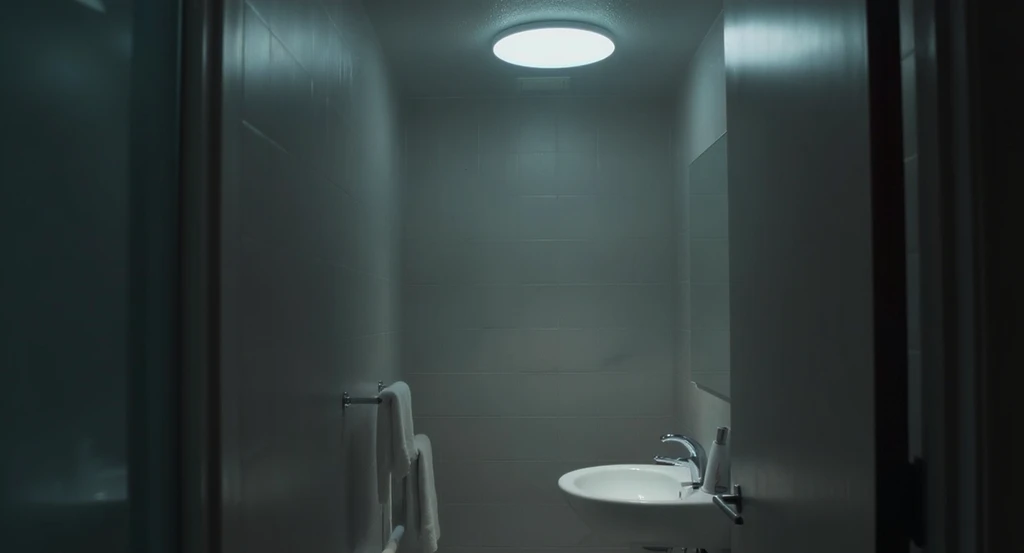
Using only overhead cool-tone lighting makes an empty bathroom feel colder. Layered lighting and warm LED bulbs are key to how to heat an empty bathroom efficiently and create a cozier layout.
Cool-tone overhead lighting exaggerates the sense of cold, no matter the air temperature. This often results from default bulb choices or simple fixture upgrades that don’t consider color temperature and lighting layers.
Correction: Swap bulbs for warm white (2700–3000K) LEDs and add sconces or vanity lighting at face height. Layering lights makes the bathroom look and feel warmer, a trick proven effective in our boho bathroom fixes for small spaces. This optical heating effect costs far less than running a heater for long periods.
-
07. Overlooking Supplemental Fixtures: Heated Towel Racks and Floor Mats
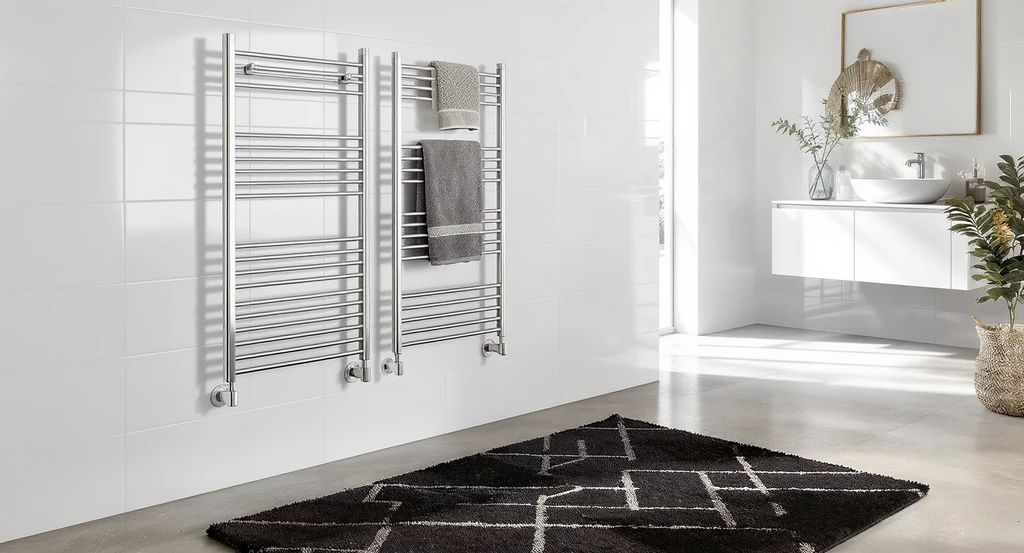
07. Overlooking Supplemental Fixtures: Heated Towel Racks and Floor Mats Image
Relying only on air heaters misses out on direct comfort where it counts: underfoot and next to the towel bar. Many ignore heated towel racks and floor mats, assuming their effect is negligible, but in reality, they deliver cozy, targeted warmth and feel efficient in use.
It’s practical to install a UL-rated heated towel rack or place a plug-in heated mat on a timer. These additions keep towels, from hand to bath, comfortably dry and ready, without heating the entire space for long periods, and are especially useful for renters or small bathroom layouts.
-
08. Relying on Temporary Steam Heat Alone
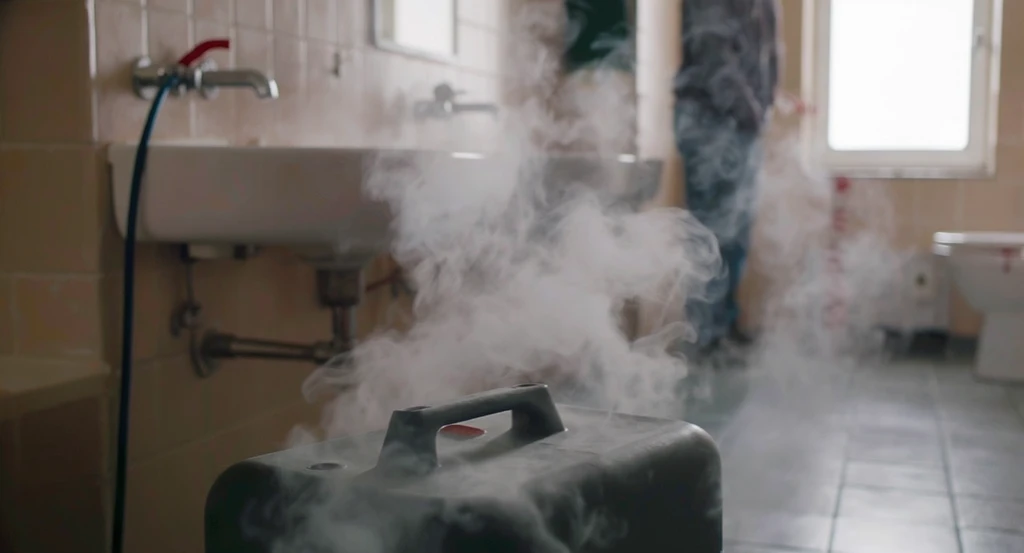
08. Relying on Temporary Steam Heat Alone Image
Many people rely on the old steam trick, running a hot shower with the door closed, to quickly warm the space. While immediate, this method only works briefly and causes lingering humidity, which can risk mold growth if not ventilated. It’s used due to perceived ease, especially in homes without supplemental heating devices.
Correction: Use hot steam only as an occasional supplement. Focus on permanent heating and insulation improvements instead. Always ventilate with an exhaust fan or open the bathroom door after generating steam, maintaining a dry and safe environment for both surfaces and air quality.
-
09. Forgetting Safe Spacing and Structured Heater Placement
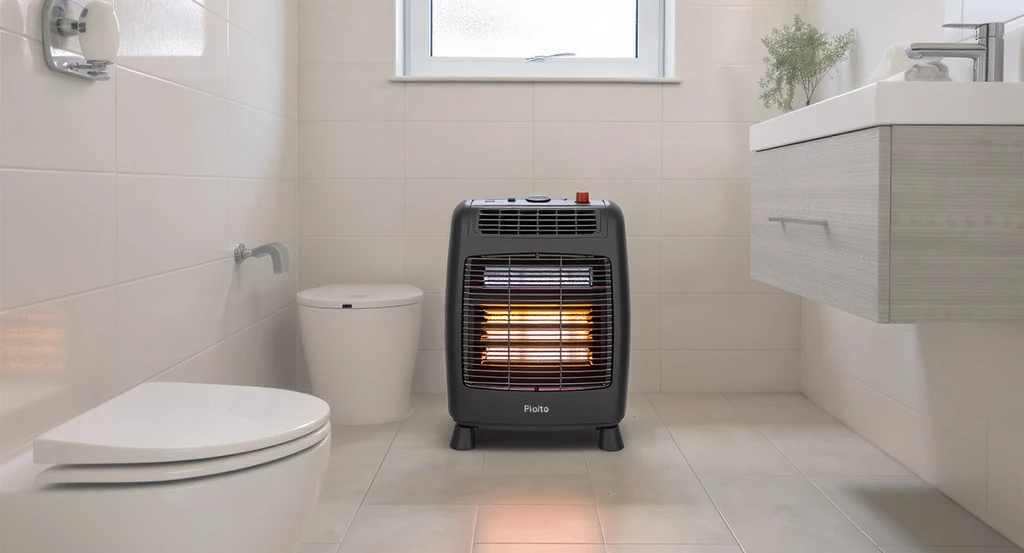
Structured heater placement is crucial to how to heat an empty bathroom efficiently. Best safe heaters for empty bathrooms require at least 3 feet of clearance, insulated windows, and unobstructed layouts for optimal warmth and safety.
Safety is often jeopardized when heaters are crowded into tight spots, too close to towels, under shelves, or in busy walkways. This occurs because small bathrooms leave little room for clearances, and users may prioritize convenience over guidance.
The solution: Always maintain at least 3 feet of space on all sides of the heater, per manufacturer specs. For wall- or ceiling-mounted devices, confirm mounting clearances and cord safety. Layout checklist:
- Confirm spacing before each heater use.
- Use products with tip-over and overheat shutoff features.
- Never leave a heater running unattended.
These practices are crucial, as we highlighted among finishing touches during a remodel, to ensure both comfort and safety in small, empty bathrooms.
Frequently Asked Questions
- Is it safe to use a space heater in a bathroom?
- Yes, but only if it's rated for bathroom use, plugged into a GFCI outlet, kept dry, and never left running unattended.
- What are the best insulating solutions for drafty bathrooms?
- Use window film, weatherstripping, and thick rugs. For more guidance on addressing drafts, see our basement bathroom fixes.
- How can I quickly heat an empty bathroom for short use?
- Use an oil-filled or ceramic heater for 10–15 minutes, following all safety spacing and outlet guidelines, then unplug completely after use.
- Are heated towel racks and floor mats worth installing?
- Yes, they provide targeted warmth for comfort and drying, making the space feel warmer than air heat alone.
- What's the most cost-efficient way to maintain a warm bathroom?
- Prioritize draft sealing, use the right-sized heater only as needed, and install layered lighting for perceived warmth.
Conclusion
Heating a cold, empty bathroom efficiently means more than adding a device, it’s about layout, insulation, lighting, and safe usage with the right products and routines. Address drafts first, choose the best safe heaters with correct placement, and supplement with insulating mats and layered lighting. These practical steps lower energy bills and improve comfort, helping any homeowner achieve a warm, safe, and inviting space even in the coldest months.