8 Practical Ways to Make Your Foyer More Inviting, Without Overdecorating
TL;DR
A welcoming entryway prioritizes clear flow, a focal point, layered lighting, functional storage, and intentional styling, not clutter. Use scale, lighting, and organization to make your foyer inviting and practical.
Introduction
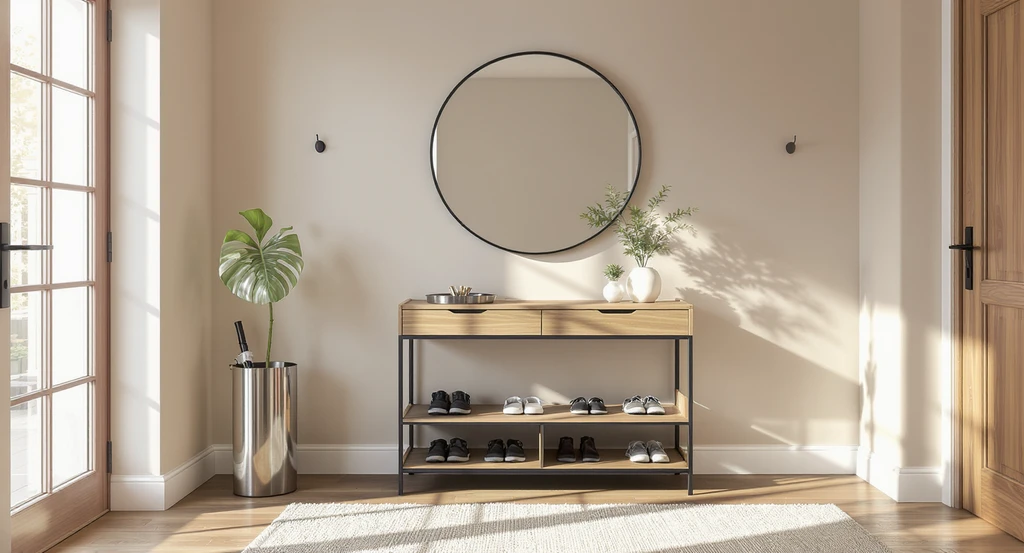
Discover ai powered entryway design ideas and how a virtual foyer makeover using ai tools provides practical solutions for organizing entry spaces. Photorealistic editorial image highlights best ai visualization tools for foyers and shows how ai helps create inviting entryways without overdecorating.
The entryway or foyer sets the tone for your entire home. It quickly signals if the space feels calm and welcoming, or awkward and cluttered. Yet, entrances are often overlooked, either over-styled as a display area or left bare as a pass-through. Good news: you don't need a total overhaul to improve this space. Most common entryway problems arise from poor layout, overlooked lighting, and clutter. This guide focuses on the core elements that make a foyer function and feel better, with correction tips that actually work.
-
01. Maintain Unobstructed Circulation
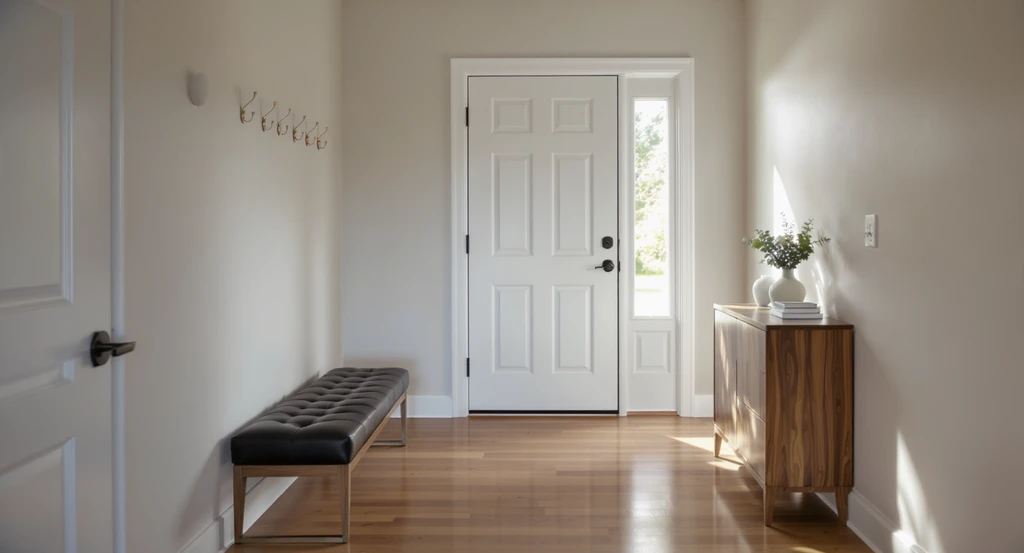
Use ai powered entryway design ideas and best ai visualization tools for foyers to keep entry spaces uncluttered—ensure at least 30 inches of clear circulation for a more inviting, organized foyer.
A frequent entryway mistake is letting shoes, furniture, or decor block the main walkway. This happens when entrances become catch-alls for storage rather than spaces for smooth movement. To fix this, ensure at least 30 inches of clear walking space from the door inward. Place furniture, like benches or consoles, against the wall rather than in the traffic path. As explored in our entryway improvements guide, previewing layout changes digitally can help you spot issues before rearranging or buying new items. Prioritize clear routes for both comfort and safety.
-
02. Define a Focal Point
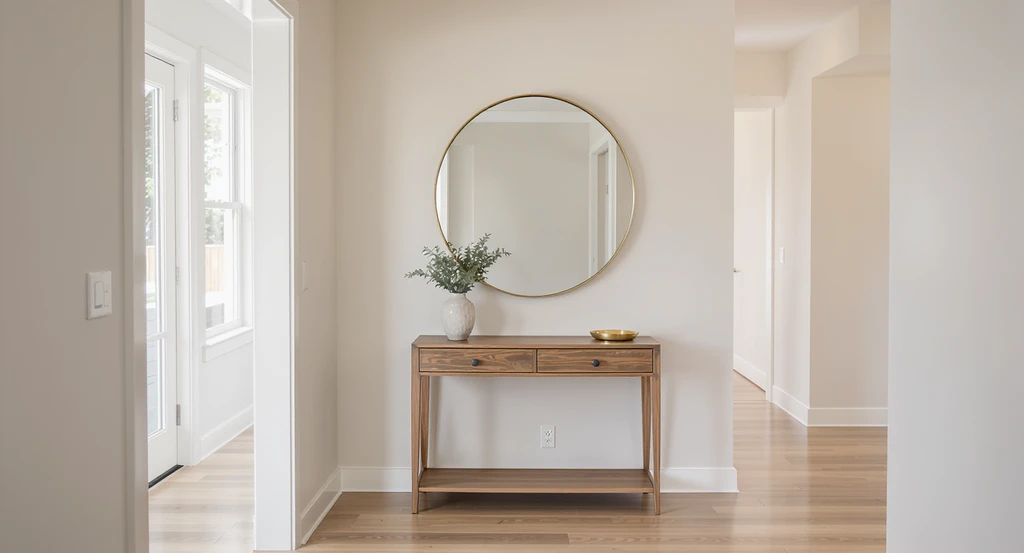
How ai powered entryway design ideas and virtual foyer makeover tools can help create inviting entryways with a strong, defined focal point.
A foyer without a focal point often feels unfinished, while scattered decor can overwhelm the senses. This mistake stems from an undefined visual hierarchy. Correction starts by announcing one clear feature for the eye: a wall mirror, console table with curated objects, or an artwork. Place this item across from the entry or on the longest available wall. This anchors the space and offers visitors a visual cue of arrival. Ensure the focal point fits the wall and doesn't obstruct the walkway.
-
03. Place Mirrors with Purpose
03. Place Mirrors with Purpose Image
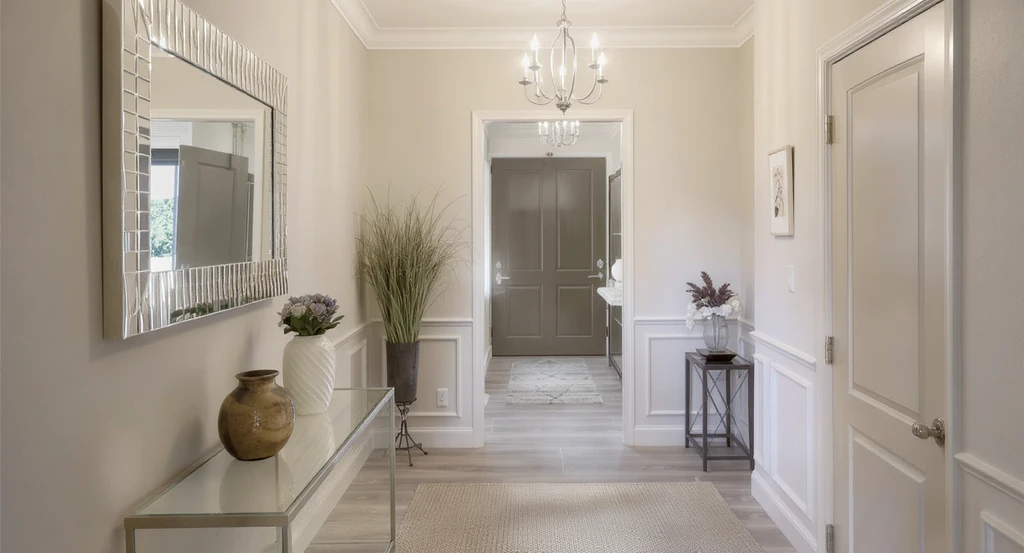
Mirrors are sometimes added to entryways out of habit or for trend, but when placed too high, too small, or in awkward spots, they don't work as intended. This is common when mirrors are an afterthought. Consider mirror placement according to function and proportion. Hang a mirror at eye level, ideally where you can check your appearance before leaving. Place it to reflect natural or artificial light, which brightens and visually expands the space. For more on effective lighting and its interaction with reflective surfaces, see our guide to foyer lighting. A properly scaled mirror also helps widen narrow entryways.
-
04. Layer Your Lighting
04. Layer Your Lighting Image
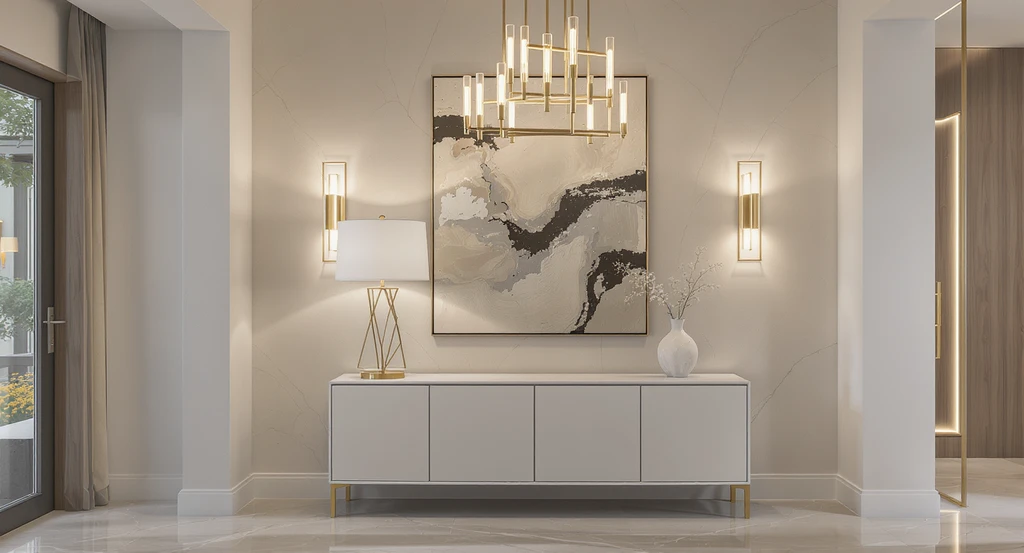
Relying on a single overhead fixture often results in a flat or harsh atmosphere, especially at night. Entryways typically get left out of the home’s lighting plan, resulting in missed opportunities for warmth and function. The best approach is layered lighting: use a ceiling fixture for safety, add wall sconces or table lamps for ambiance, and keep all sources at a warm color temperature (2700-3000K). Wall lights should be mounted at 60–66 inches for flattering illumination. For more technical lighting strategies, learn from LED layering techniques. Layered lighting ensures your entry feels welcoming and well-lit at any hour.
-
05. Create a Functional Landing Zone
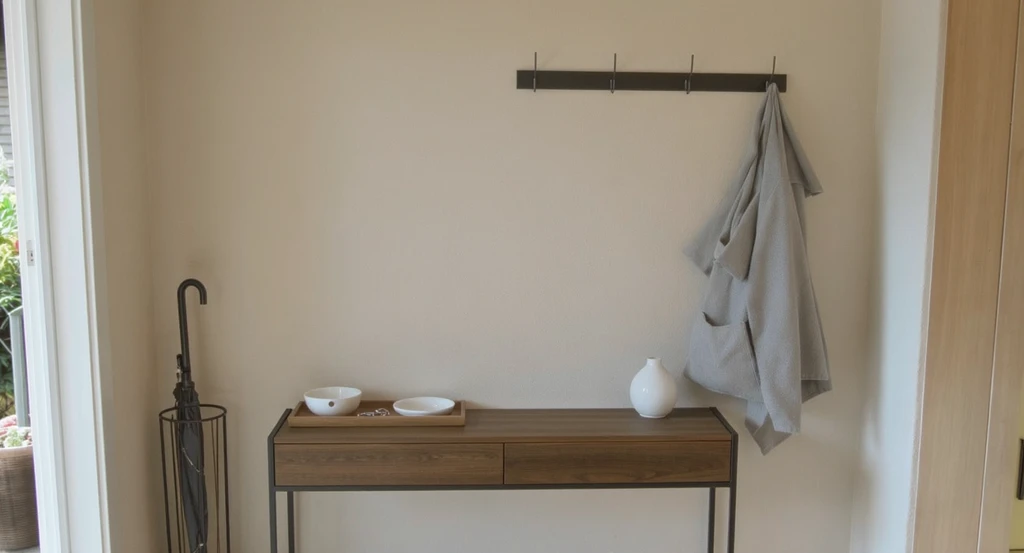
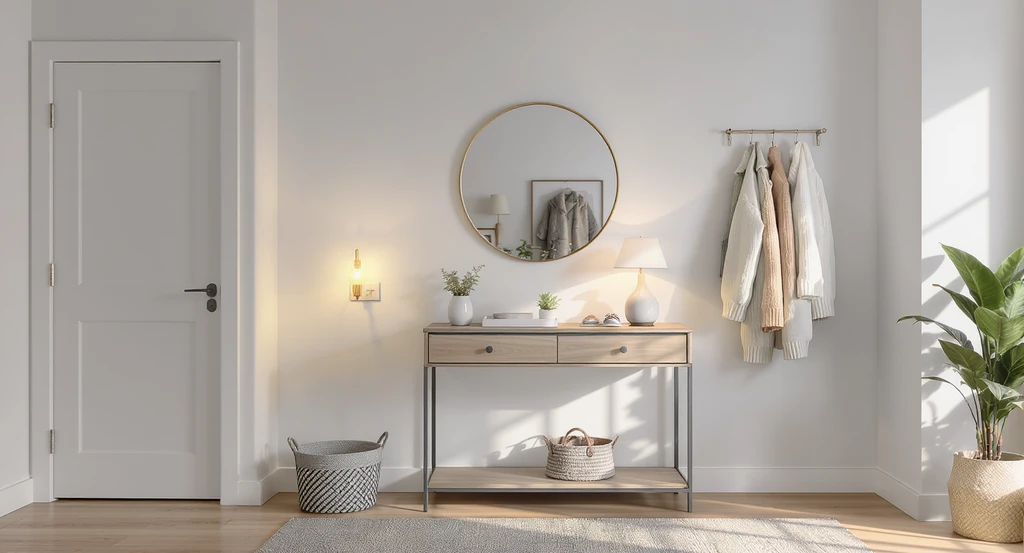
Discover how AI solutions create inviting entry spaces: This virtual foyer makeover illustrates an organized landing zone for keys, bags, and mail using best AI visualization tools for foyers.
Unassigned keys, bags, and mail quickly result in cluttered floors or kitchen counters. This happens when daily routines aren’t integrated into your layout. Solve this by including a dedicated drop zone: a slim console, floating shelf, or wall-mounted tray. Hooks for bags or coats should be reachable but not overload the wall. When selecting entryway furniture, ensure it doesn’t project so far into the walkway that it restricts traffic. Aim for solutions that allow habits and movement to coexist, not compete.
-
06. Use the Correct Rug Size and Placement
06. Use the Correct Rug Size and Placement Image
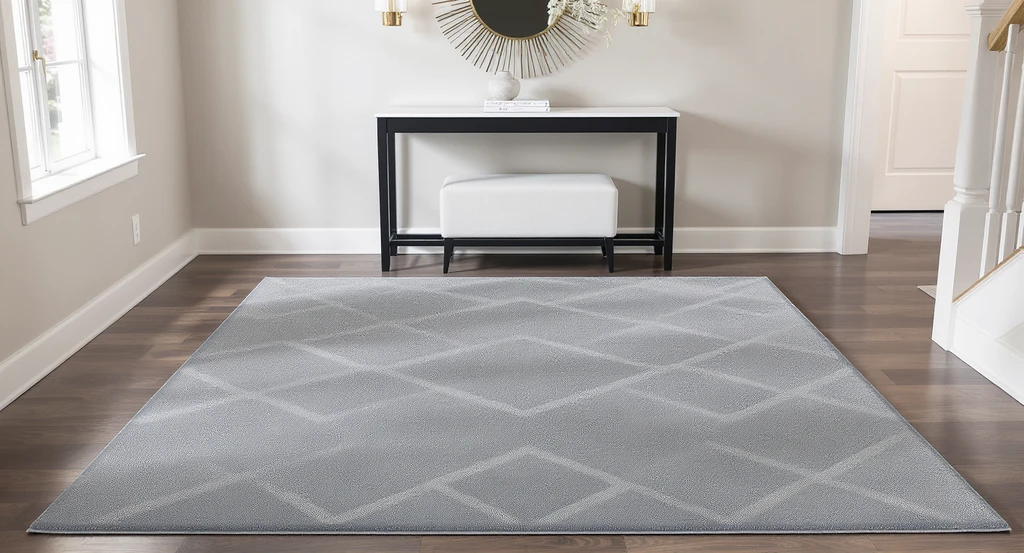
It’s common to see entryways with either no rug (making the space feel cold) or a rug too small to be useful. Often, pattern is prioritized over proportion or durability. Pick a rug that fits the full width of the foyer but allows for door swing. Look for materials that can withstand heavy traffic. A well-sized rug anchors the layout, softens acoustics, and helps define the zone. As suggested in community discussions and our fall entry guide, runners are best for narrow entries, while larger mats suit square spaces.
-
07. Optimize Vertical Storage and Display
07. Optimize Vertical Storage and Display Image
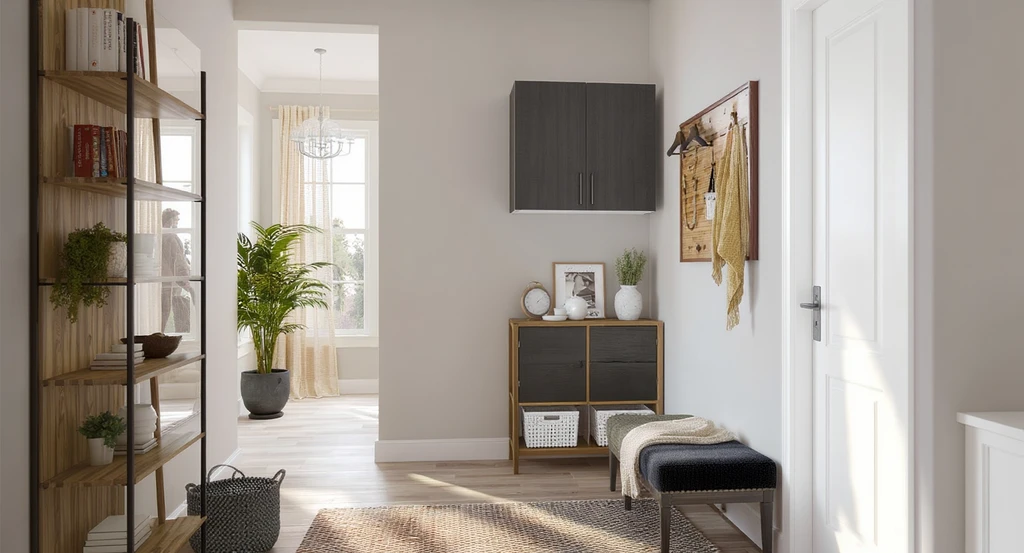
Too many wall hooks or shelves can create visual chaos, while empty walls underutilize potential storage. This mistake arises when storage is added piecemeal rather than planned. Correct by choosing one dedicated hook zone for essentials and one decorative or reflective element, such as artwork or a mirror. Maintain vertical breathing space between each item. This keeps the visual rhythm calm and provides practical storage without overcrowding.
-
08. Keep Décor Intentionally Minimal
08. Keep Décor Intentionally Minimal Image
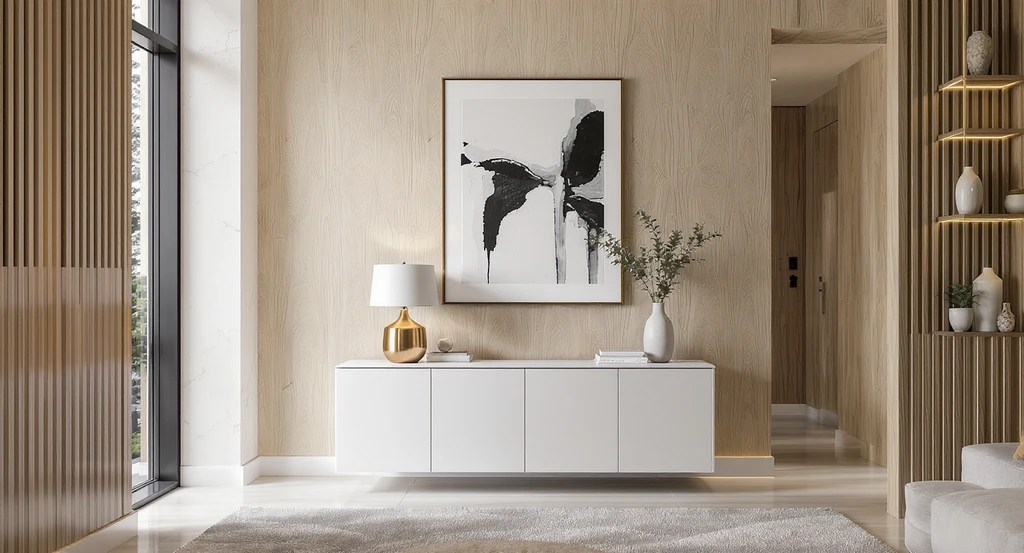
Overdecoration makes foyers feel busy and uninviting before you even walk in. This often results from trying to "fill" space instead of defining it. Edit décor down to two or three purposeful pieces: a small plant, a bowl for keys, and one personal touch like a framed photo or artwork. Avoid collections or excessive layering. The goal is to create an entryway that feels edited, not staged, supportive of both function and calm.
Entryway FAQ
- What is the minimum walking clearance for entryways?
- Maintain at least 30 inches of clear space from the door inward for safe and comfortable movement.
- How should I choose an entryway rug?
- Select a rug that nearly matches the width of your space and is durable for high foot traffic, ensuring doors can swing freely.
- What are layered lighting techniques for foyers?
- Combine overhead lighting with wall sconces or table lamps. Use warm bulbs (2700-3000K) as discussed in our LED layering guide.
- What makes a good drop zone?
- Dedicated surfaces like a slim console table, floating shelf, or wall tray placed near the door for easy access and organization.
- How do I balance storage and decoration without clutter?
- Limit hooks and shelves to a single area and avoid overfilling. Use intentional décor and practical storage in balance.
Conclusion
A successful entryway doesn’t demand attention, it welcomes you with easy movement, thoughtful lighting, and practical storage. Focusing on clear layout, correct scale, and functional touches ensures even a small foyer feels intentional, not accidental. As you refine your entry, remember to preview arrangements virtually where possible to minimize mistakes and maximize first impressions.