8 Restaurant Basement Room Design Mistakes and How to Fix Them for Visual Appeal
TL;DR
Basement restaurant spaces are tough, but smart use of lighting, layout, and visual zoning can turn them from afterthoughts into sought-after destinations. Layered lighting, proper circulation, and warm finishes beat all-purpose overheads and bland walls.
Why Restaurant Basement Rooms Go Wrong, And What Makes Them Work
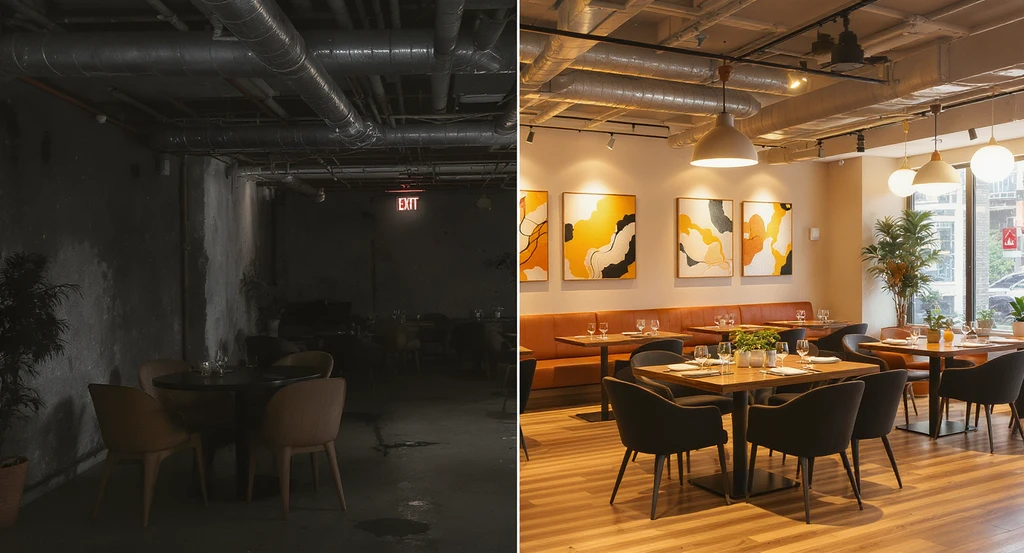
Many restaurant basement room design ideas fail due to poor lighting, bland decor, and awkward layouts—addressing these issues creates a safer, more inviting restaurant basement.
Basement rooms in restaurants are often underappreciated and underperforming. They get less natural light, suffer from lower ceilings, and feel awkward or purely functional due to uninspired layout and quick-fix finishes. This leads many restaurateurs to treat these spaces as overflow or to simply disguise their basement roots, but that approach rarely succeeds. The right design strategy turns limitations into competitive strengths. By prioritizing smarter lighting, spatial clarity, and intentional mood, a basement dining room can be transformed into an atmospheric, comfortable, and memorable destination. This guide breaks down the most common basement restaurant design problems, and how to solve them with real-world corrections.
-
01. Relying on Harsh Overhead Lighting
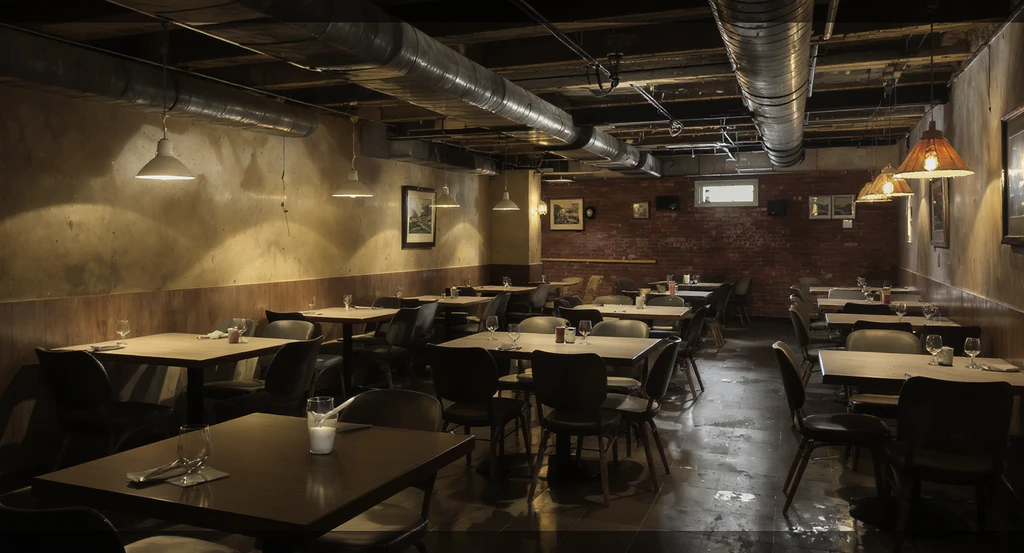
Layered lighting transforms restaurant basement room design, using ambient, accent, and task lights to enhance wall decor and ensure basement safety codes are met.
The mistake: Installing only bright ceiling fixtures leads to a space that feels cold, flat, and institutional.
This happens because lighting design is too often focused solely on visibility, especially in rooms with little or no daylight. Overhead-only lighting exaggerates shadows and makes wall textures, tabletops, and materials look lifeless.
- Use at least three lighting layers: ambient (wall sconces or concealed LEDs), accent (focused on architectural details or artwork), and task (individual table lamps or pendant lights).
- Favor warm temperatures (2700–3000K), which help counter basement chills, as shared in our basement comfort guide.
Correction logic: Vary light sources to avoid flatness and set the mood. Check at various times of day—if brightness and atmosphere never shift, layering is missing.
-
02. Forcing a "Bright and Airy" Theme
02. Forcing a "Bright and Airy" Theme Image
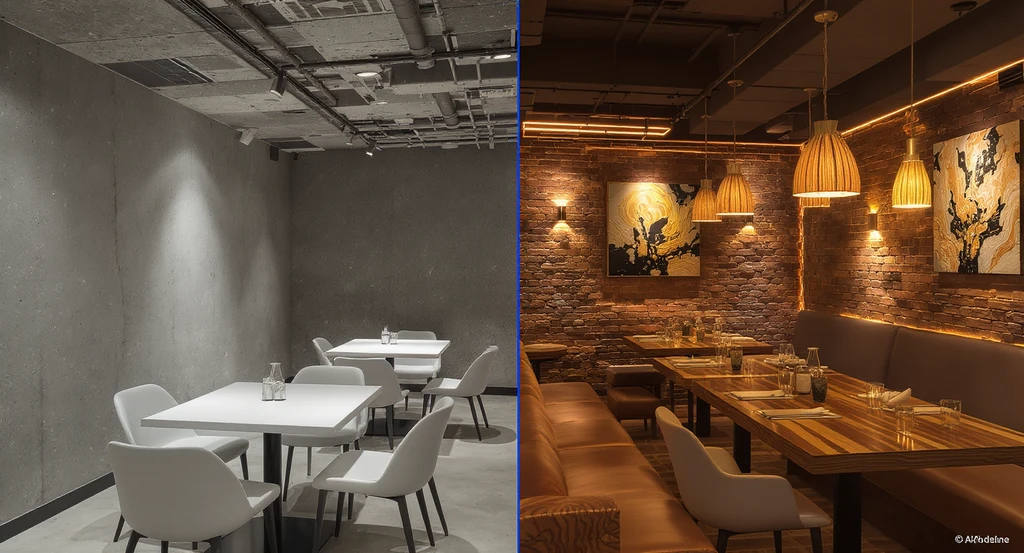
The mistake: Trying to mimic above-ground aesthetics with pale paint and reflective finishes often backfires in basements.
This occurs because designers hope to "erase" basement qualities by chasing brightness. The result can be stark, mismatched, and uncomfortable, especially with low ceilings and no windows.
- Embrace moody, rich wall colors and deep material tones. As discussed in our color forecast guide, saturated tones and tactile finishes feel intentional and cozy.
- Use texture, like plaster panels, exposed brick, or fabric wallcoverings, to add depth and warmth.
Correction logic: Choose paint and surface finishes that absorb and soften light, not amplify every flaw. Avoid bright white ceilings that lower the perceived height.
-
03. Leaving the Space as One Featureless Room
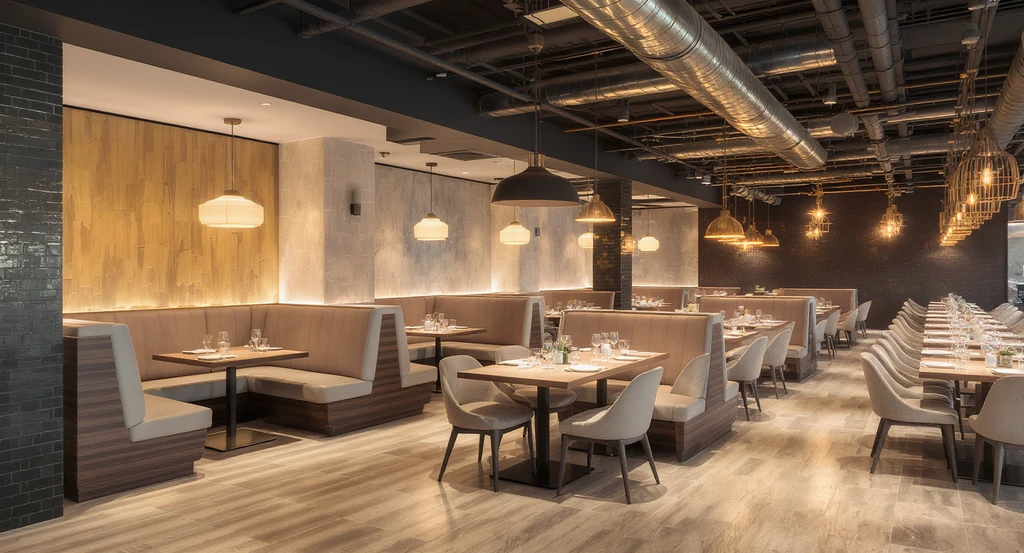
Smart restaurant basement room design ideas, like half-wall partitions, booth-style banquettes, and creative lighting, define zones and ensure safe circulation.
The mistake: Open basement layouts feel cavernous, confusing, or echoic when zoning is ignored.
This typically happens when partitions seem impractical due to fire codes or sightline concerns, or when the layout is left as "one big room." Without clear zones, diners feel exposed and the space lacks intimacy.
- Divide the room visually using half-walls, changes in floor or ceiling treatments, or clusters of pendant lights over table groupings.
- Consider booth-style banquettes along walls for both comfort and occupation of awkward corners.
Layout Rule: Every seat should have a defined "zone" and logical circulation to exits. Sketch the plan and test walking paths for dead-ends or bottlenecks.
-
04. Ignoring Walls as Key Visual Features
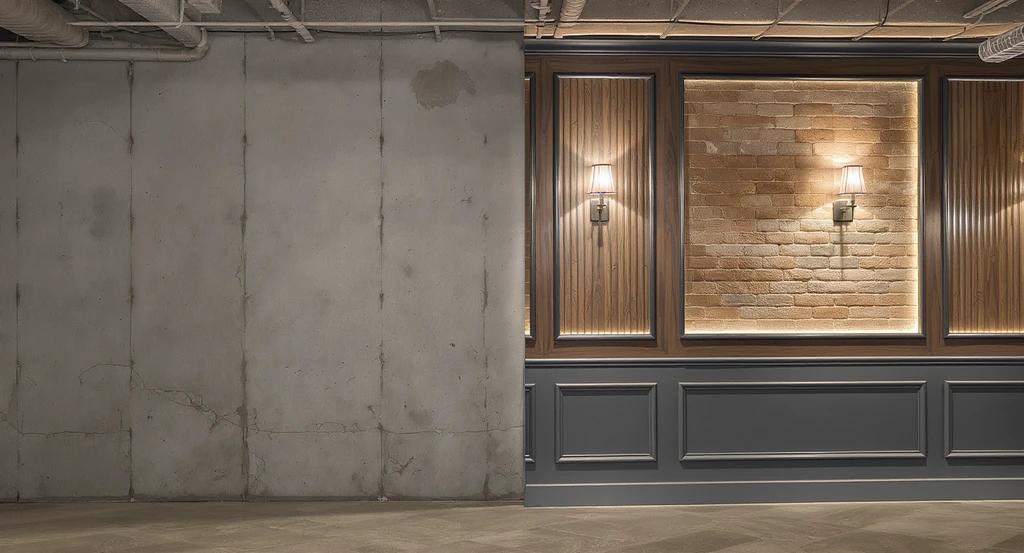
Embracing creative wall decor and best lighting for restaurant basements, this design highlights fluted panels, brick, and dramatic art displays—top restaurant basement room design ideas that address safety and elevate visual impact.
The mistake: Flat, bare walls make basements look like storage rooms.
This often happens when the focus is on furniture and floorplan, leaving walls as afterthoughts. Lack of texture or depth emphasizes plainness and highlights the lack of natural light.
- Install fluted panels, brick, or wall moldings for vertical interest.
- Consider large-scale murals, textile hangings, or gallery walls with dramatic lighting, which, as covered in this dining room guide, can anchor the room and compensate for missing windows.
Correction logic: Any surface in a view line should have texture or contrast. If you remove all furniture, the shell should still look designed.
-
05. Neglecting the Ceiling's Impact on Visual Comfort
05. Neglecting the Ceiling's Impact on Visual Comfort Image
The mistake: Leaving pipes, fans, and technical elements exposed, or painting ceilings a bright color, draws attention to low height and mechanical clutter.
This happens because the ceiling is treated as irrelevant or simply painted to match the walls. However, visual chaos above breaks the illusion of comfort and spaciousness.
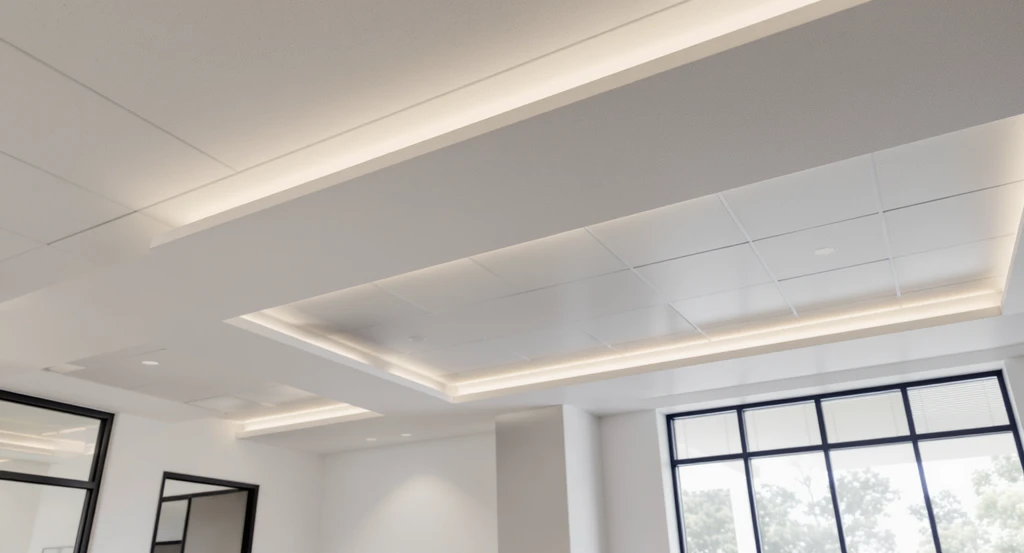
- Paint ceilings and exposed elements a darker tone than the walls to make them recede visually.
- If pipes can't be boxed in, color match them to the ceiling.
- Install linear or perimeter lighting to draw the eye horizontally and add architectural interest.
Correction logic: Look up from multiple seating positions. If you notice technical clutter first, the ceiling needs integration, not just camouflage.
-
06. Overlooking the Power of Mirrors and Reflective Surfaces
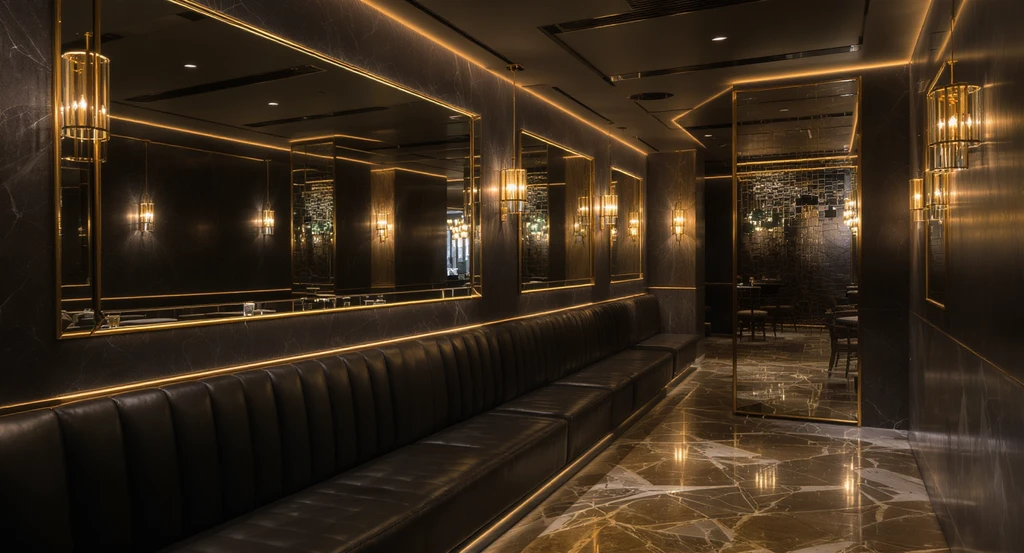
Strategic placement of mirrors and reflective surfaces, like metal and glass wall decor, are creative restaurant basement room design ideas that enhance brightness, meet safety requirements, and add depth to windowless spaces.
The mistake: Failing to add mirrors or metal/glass accents leaves basements feeling heavy and claustrophobic.
It happens because windowless spaces try to compensate with more lighting, ignoring the fact that light needs to bounce. Too many dull surfaces absorb rather than amplify illumination.
- Strategically place mirrors behind banquettes, at corridor ends, or integrate into wall paneling.
- Use decorative metal or glass wall decor for light play and visual depth.
Spatial principle: Reflections multiply perceived size and brightness, but avoid facing mirrors toward clutter or technical equipment. Check sightlines at table height.
-
07. Specifying Only Hard, Cold Seating and Surfaces
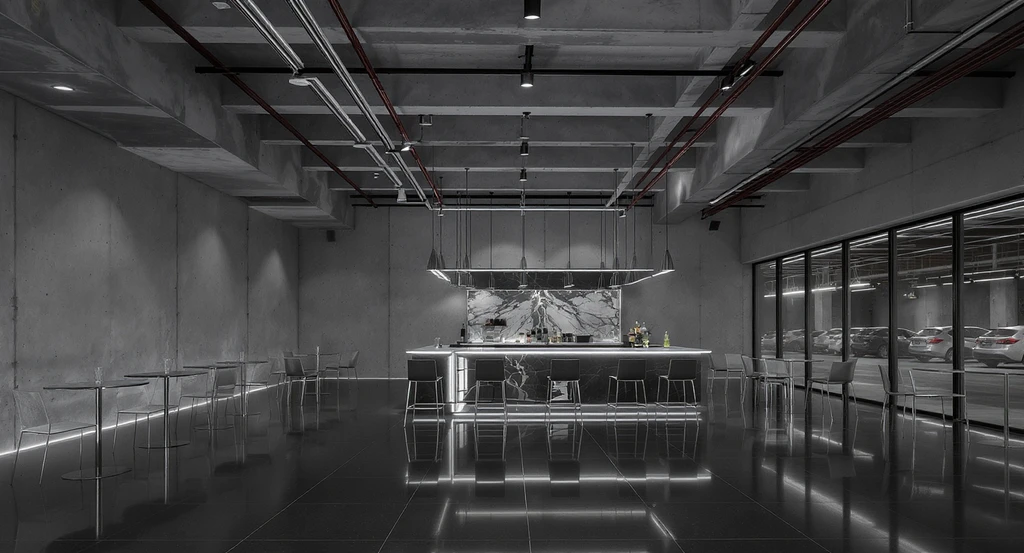
07. Specifying Only Hard, Cold Seating and Surfaces Image
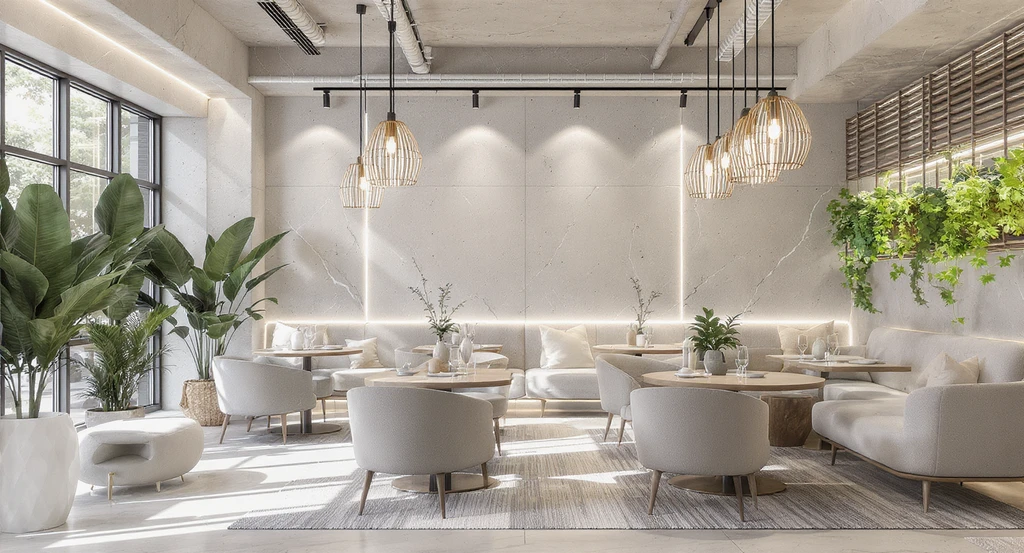
The mistake: Using metal chairs, hard benches, and cold tables for durability alone.
This is common in basements due to budget or maintenance concerns, but such spaces feel inhospitable, diners won’t want to linger. Echo and discomfort are also magnified by hard surfaces.
- Prioritize upholstered banquettes, wood or faux-leather chairs, and rugs or acoustic panels where feasible.
- Check for seat comfort by sitting for 30+ minutes during testing, just as guests would for a full meal.
Correction logic: Comfort drives length of stay and return visits. Adjustments should balance cleanability with softness and acoustic control.
-
08. Forgetting to Anchor the Room with a Focal Point
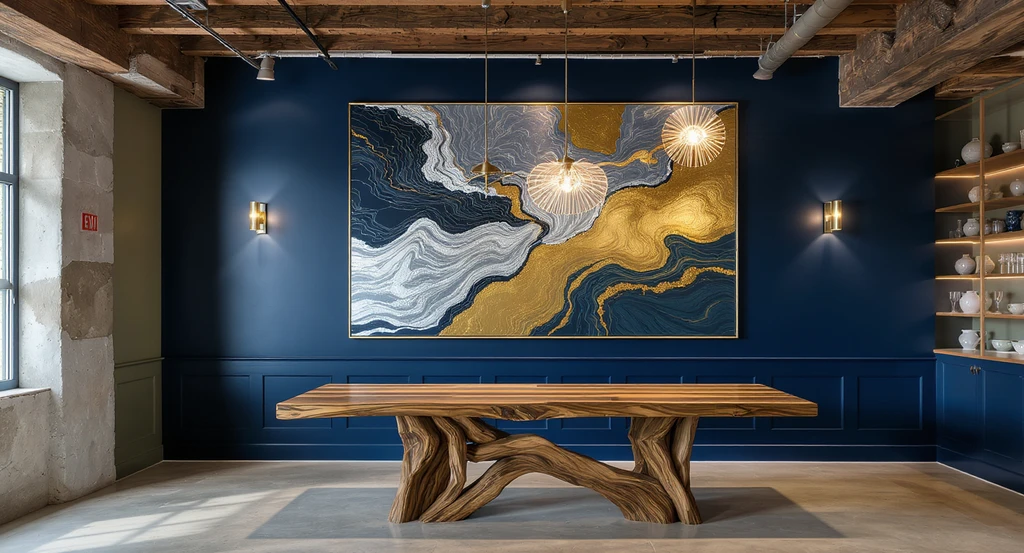
Highlighting restaurant basement room design ideas, this space uses a statement wall, creative lighting, and open shelving for a memorable focal point while ensuring restaurant basement safety and code requirements are met.
The mistake: All finishes are "nice" but nothing stands out, resulting in a forgettable or soulless space.
This occurs because budget or time is spread evenly across everything, instead of emphasizing one visual story. The lack of a focal point makes the space generic and devoid of identity.
- Create a statement wall (mural, art installation, deep paint color).
- Install a dramatic chandelier, sculptural bar, or an intentionally styled open shelving unit.
- Frame the focal area with accent lighting for emphasis.
Correction logic: From the entry, every guest should see a memorable feature that orients and excites. As explored in our trend guide, bold design moves define the room’s purpose.
Restaurant Basement Design FAQ
- What are the best lighting strategies for restaurant basements?
- Layered lighting is essential: use a mix of ambient ceiling, wall, and table lighting, keep color temperatures warm (2700–3000K) as advised in our basement comfort tips.
- How do I keep a basement room from feeling claustrophobic?
- Zone the space clearly, use mirrors to create depth, and avoid blocking lines of sight. Consistent visual interest around the room also helps.
- What colors work best for basement restaurant walls and ceilings?
- Rich, deep colors with matte finishes and layered textures are more effective than light or standard "beige"—see upcoming color trends here.
- How do I improve acoustics in a hard-surfaced basement dining room?
- Add soft seating, wall panels, textiles, and rugs where possible. These reduce echo and increase comfort.
- Do basement restaurant rooms require special safety/code measures?
- Yes. Always consult local regulations for ventilation, fire exits, ceiling height, and accessibility before major changes.
Bringing It All Together: Visual Rules for Restaurant Basement Success
Most basement restaurant design mistakes stem from ignoring the space’s realities rather than embracing them. Layer your lighting, define seating zones, bring warmth and texture to every surface, and intentionally design every view, especially the ceiling. Use deep, mood-setting color and highlight one strong focal point per room. Done right, your basement becomes an atmospheric, comfortable choice for diners, not a space to hide. For more on defining rooms with art and lighting, see our step-by-step dining room guide.