Rethinking Master Bathroom Remodels: Value, Luxury, and How We Define 'Worth It'
TL;DR
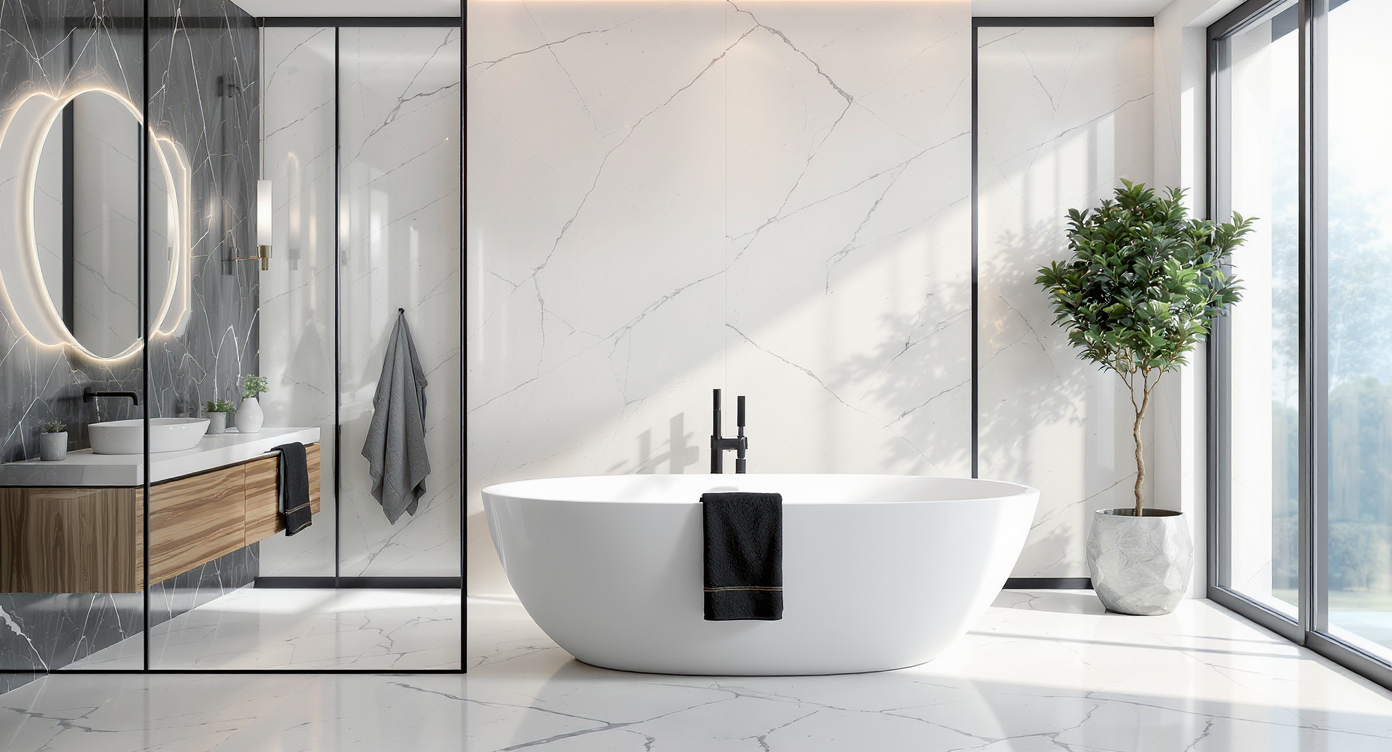
A luxury bathroom remodel is about more than just updated fixtures — for many homeowners, it questions comfort, home value, and personal priorities. While high-end master bath renovations can approach $20,000 or more, deciding whether the transformation is 'worth it' hinges on factors like wasted space, quality of life, and resale expectations. Homeowners often find themselves choosing between DIY savings, contractor quality, and the challenge of turning ambitions into practical outcomes.
The Real Value Behind a Master Bathroom Remodel
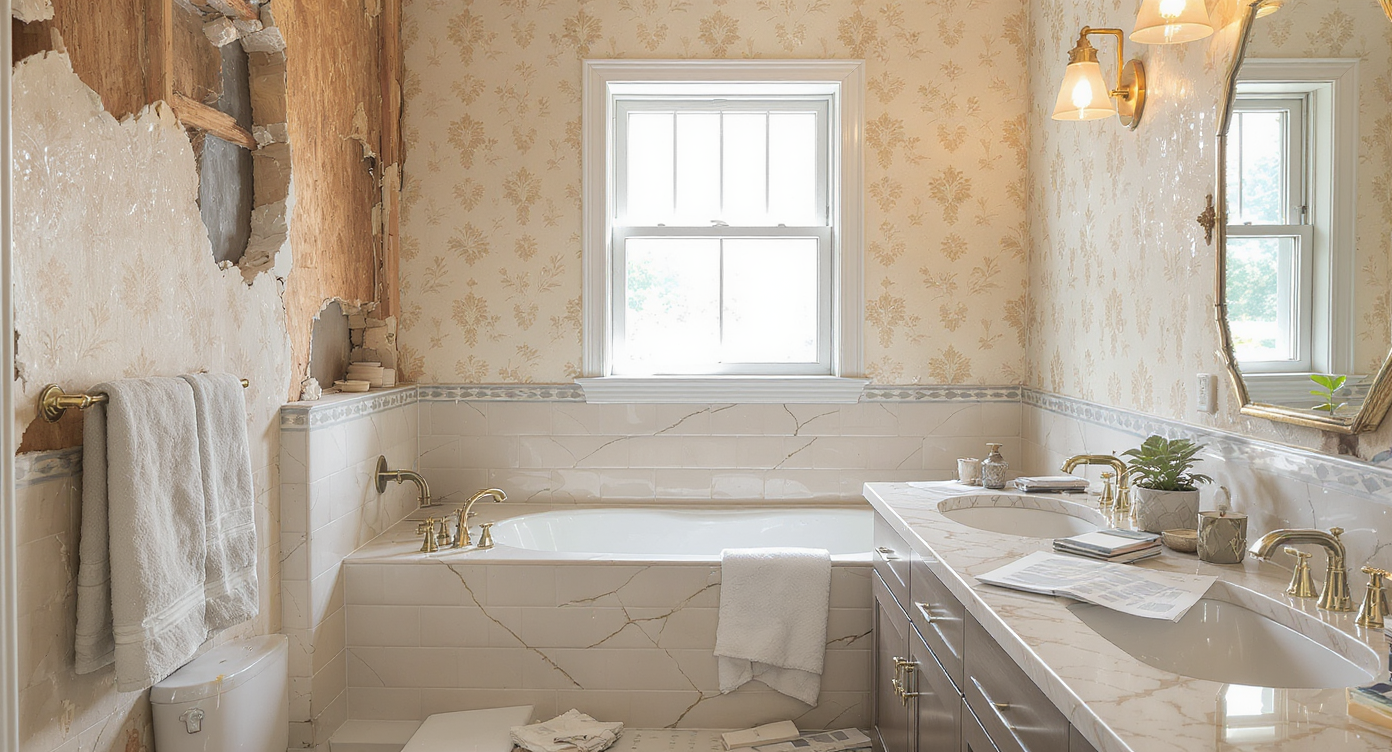
A master bathroom mid-renovation, juxtaposing outdated fixtures with new materials and plans—capturing the value-versus-luxury debate.
When is a master bathroom remodel truly justified? For many, the appeal of updating a spacious retreat rests on much more than financial return. While compact & luxury bathrooms have become hallmarks of comfortable living, costs can vary widely — sometimes leading to spirited debates about value, necessity, and renovation philosophy. Whether tackling wasted space, modernizing outdated fixtures, or seeking a personal spa escape, every remodel project becomes its own calculus of needs, wants, and budget realities.
In homes where the bones are good but the details miss the mark, a full renovation opens the door to dramatic transformation – or, as critics sometimes note, the risk of spending big for cosmetic upgrades. So, how do homeowners draw the line between investment and indulgence? And what actually matters most in the outcome?
-
Understanding Where the Money Goes
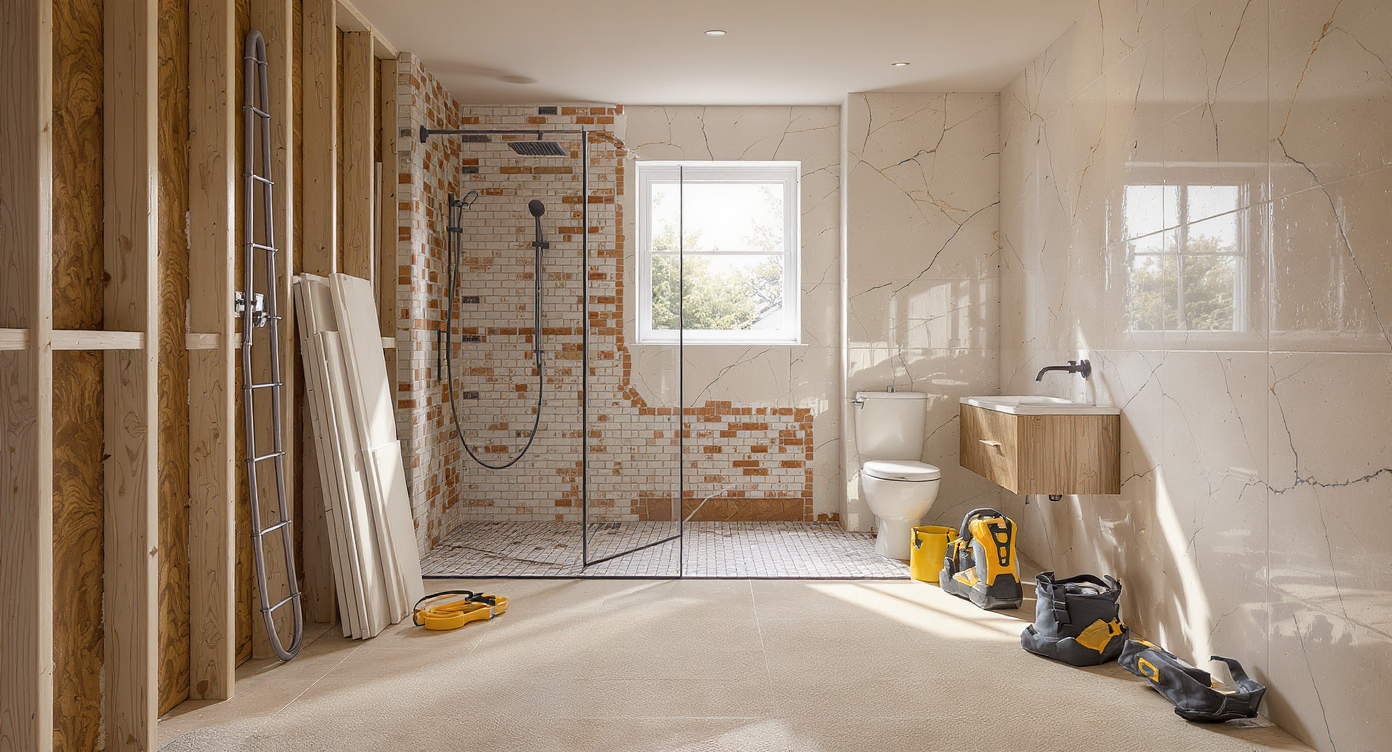
A luxury bathroom remodel mid-process, revealing costs behind visible upgrades—from plumbing reroutes and heated flooring to bespoke materials.
Luxury bathroom renovations evoke visions of heated floors, rain showers, and bespoke tile, but the reality is often more nuanced. For projects that reach or exceed $20,000, a close look at the budget breakdown reveals how funds flow between materials, labor, permits, and unexpected complications. In many cases, relocating plumbing and electrical lines represents a sizable share, especially when reworking inefficient layouts or expanding undersized showers. These 'invisible' changes are costly but can transform functionality for years to come.
Homeowners may instinctively compare their project to others online, questioning why similar sized spaces vary so much in price. The answer often lies in a mix of local labor rates, material selection, and the scope of DIY versus contractor work. According to those who have remodeled, even savvy negotiators face quickly compounding expenses as design ambitions meet practical needs—for example, splurging on statement fixtures or specialty surfaces. Still, when executed well, high-end remodels provide daily returns through increased comfort and aesthetic satisfaction.
Expert Insight
Several years ago, a friend and her partner purchased a home that, by most measures, boasted a perfectly serviceable master bath. Yet, every morning was a negotiation: the cramped shower barely fit one, and the cavernous unused corner collected dust. With plans for a full gut reno, their vision was a peaceful, practical space with a walk-in shower large enough for two and storage that kept clutter at bay. After six months and meticulous contractor wrangling, they emerged with a room that felt tailored to their routine. While the price tag raised eyebrows among family, to them the daily satisfaction was worth more than a spreadsheet could ever tally.
-
DIY vs Professional: Tradeoffs for Quality and Cost
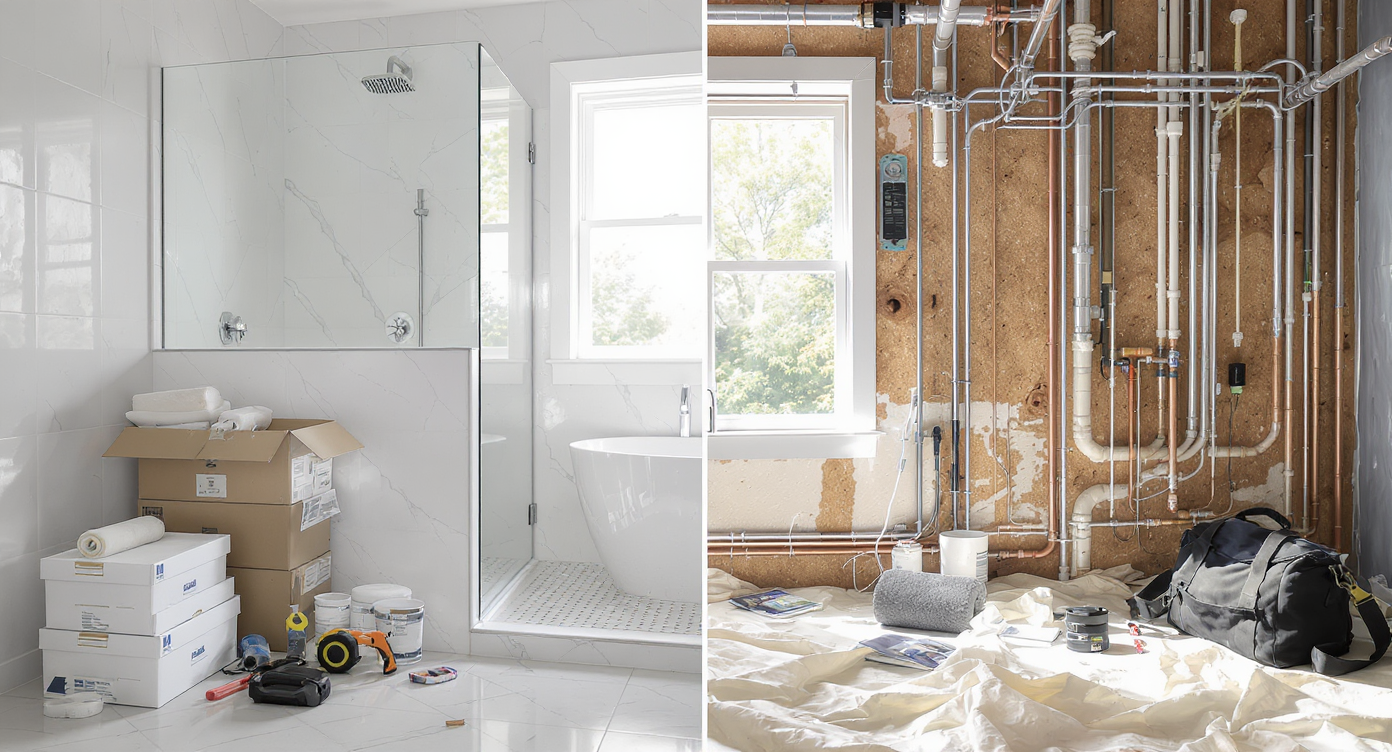
A bathroom remodel in progress highlighting DIY finishing tasks on one side and professional plumbing and electrical work on the other.
One enduring debate in home remodeling circles is whether to approach a major bathroom overhaul as a DIY adventure or to bring in the pros. While doing it yourself can curb costs and offer the pride of hands-on accomplishment, there are notable risks, especially with complex systems like plumbing and electrical work. Homeowners often share cautionary tales of hidden leaks, poor waterproofing, or code violations that linger beneath tidy finishes. The consensus? Certain elements, like relocating water lines and ensuring watertight installations, are best left to qualified tradespeople—mistakes here can undermine even the most beautiful results.
This balancing act between sweat equity and professional assurance is highlighted in expert opinions on DIY renovation value. A hybrid approach, where homeowners manage design decisions and finishing touches while hiring out structural and technical phases, remains a popular compromise. Not only does this strategy safeguard quality, but it also allows for creative input in the less risky facets of the project, such as tiling, painting, or assembling cabinetry.
-
Functionality First: Rethinking Wasted Space and Daily Routines
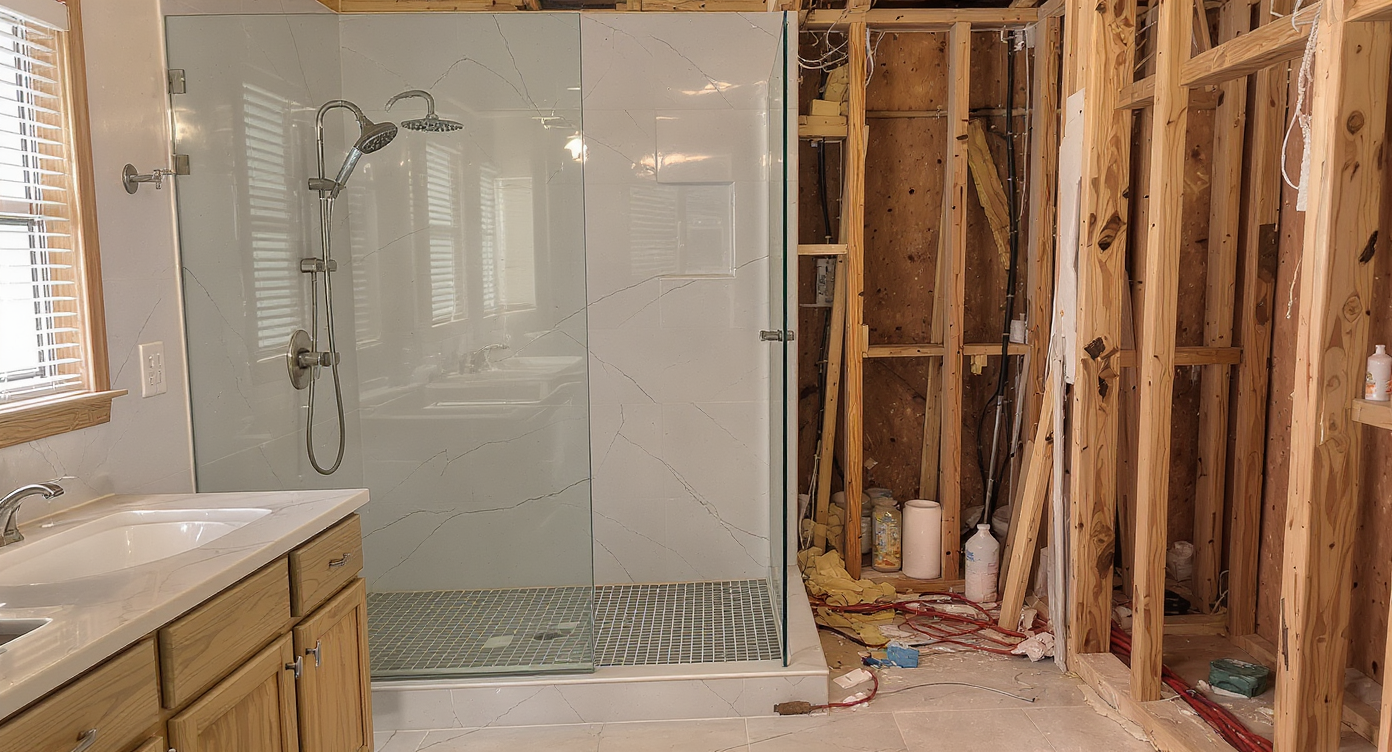
A functional bathroom remodel in progress, showcasing enlarged shower construction, smart space reallocation, and modern fixture updates.
While luxury appointments can define the character of a remodeled bathroom, the experience hinges on how space is used. Many master baths, particularly in homes built a few decades ago, suffer from wasted corridors, cramped showers, or awkward layouts that frustrate daily routines. The move to reallocate square footage—enlarging showers, relocating fixtures, or consolidating cumbersome vanities—often drives up renovation costs but yields genuine quality-of-life improvements.
Consider the couple who, after years of navigating a compact shower, decide to remodel for a spa-inspired upgrade. Enlarging the shower may require rerouting plumbing, reinforcing subfloors, and restructuring the surrounding area. These changes do more than elevate aesthetics; they eliminate friction points in everyday life and turn utilitarian corners into places of relaxation. Such reimaginings are rarely cheap or easy but can meaningfully reshape how homeowners use their space and feel about their home.
-
Are High-End Remodels Ever 'Worth It' for Resale?
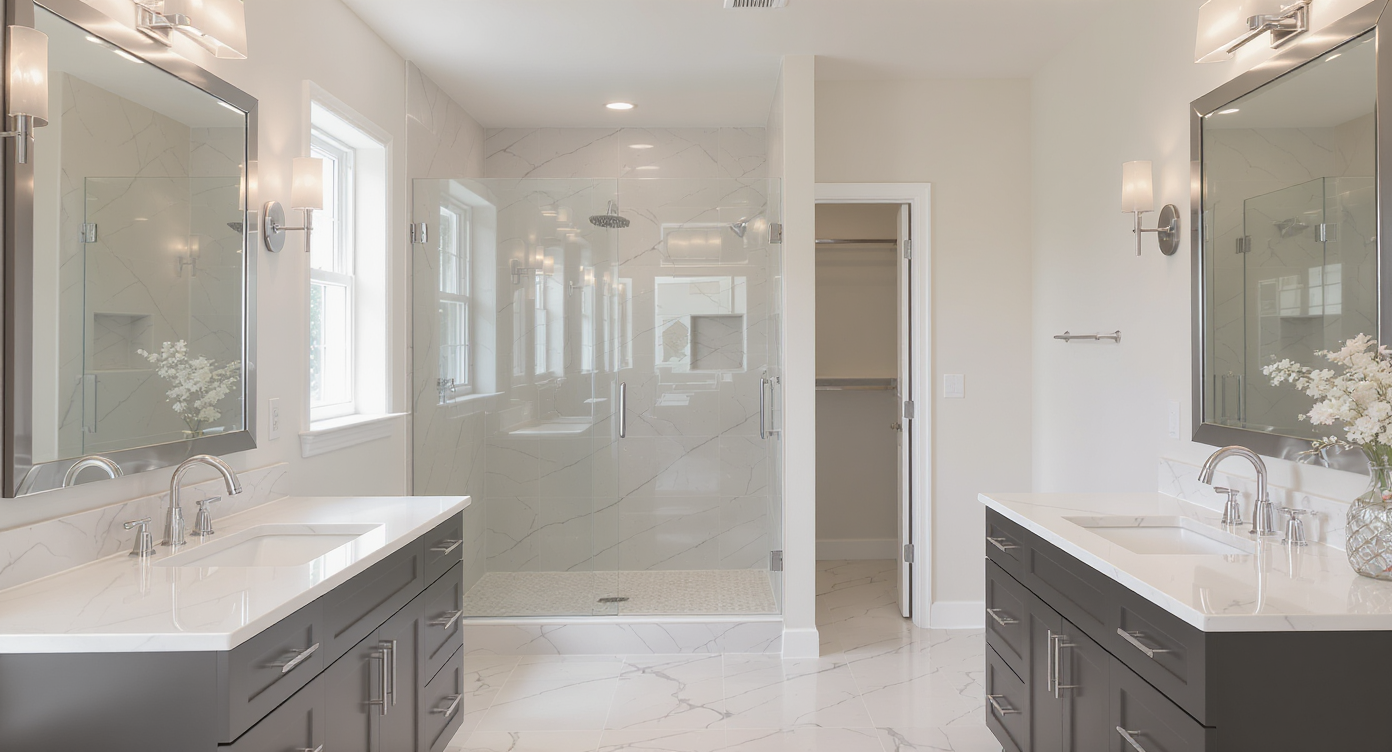
A luxury master bathroom remodel featuring walk-in shower, double vanities, and upscale finishes—a potential highlight for home resale value.
Perhaps the thorniest question is whether embarking on a $20,000 (or more) bathroom remodel pays off when it comes time to sell. The answer is nuanced and relies on local market expectations, the quality of the work, and how the design aligns with contemporary trends. As discussed in insights from real estate agents, returns on investment are rarely dollar-for-dollar in bathrooms that started out in decent shape. However, a well-planned remodel that addresses real functional needs, introduces desirable features, and showcases thoughtful design can become a major selling point, especially in higher-value homes.
Buyers today often prioritize updated primary baths with walk-in showers, double sinks, and high-quality finishes. Yet overspending relative to the home's price bracket or personalizing too heavily can cap potential resale upside. Owners weighing a remodel for future sale should research comps in their neighborhood and consult agents on what resonates with buyers before making large commitments.
-
Financing and Managing the Process
Funding a renovation of this scale typically requires a combination of meticulous savings, strategic financing, or leveraging home equity. Because these projects can stretch over weeks or months, keeping costs in check and schedules on track are constant challenges—for both DIY-ers and those managing contractors. Incorporating realistic contingency budgets (often 20–30 percent) for unforeseen hiccups, prioritizing work that avoids costly delays, and selecting materials with both durability and appeal are smart moves.
Managing schedules is its own discipline. Homeowners often begin with optimism, but permitting, backorders, and sequencing contractors can quickly test patience. As highlighted in renovation scheduling strategies, starting project planning months ahead and keeping a tight grip on milestones help transform ambitious remodel projects into realities. Those who succeed document everything—every invoice, contract, and change order—so that surprises remain manageable rather than overwhelming.
-
Anecdote
Several years ago, a friend and her partner purchased a home that, by most measures, boasted a perfectly serviceable master bath. Yet, every morning was a negotiation: the cramped shower barely fit one, and the cavernous unused corner collected dust. With plans for a full gut reno, their vision was a peaceful, practical space with a walk-in shower large enough for two and storage that kept clutter at bay. After six months and meticulous contractor wrangling, they emerged with a room that felt tailored to their routine. While the price tag raised eyebrows among family, to them the daily satisfaction was worth more than a spreadsheet could ever tally.
-
Common Mistakes to Avoid
Remodeling a master bath is fraught with opportunities for regret—from overinvesting in trendy finishes to underestimating the complexity of moving plumbing. One frequent pitfall is neglecting to budget for contingencies, which can derail projects when hidden issues arise behind walls or under floors. Design missteps, like combining too many competing materials or forgoing essential elements like private water closets, are another source of post-project disappointment. For DIY enthusiasts, overestimating skills with waterproofing or electrical work commonly leads to costly and disruptive repairs down the road.
-
Tips and Expert Insights
Designers often suggest starting with core priorities: Is the goal added functionality, luxury atmosphere, or simply resale appeal? Prioritize features that support these aims, whether that's a larger shower, improved storage, or upgraded lighting. For those on a budget, investing in high-impact surfaces (like an eye-catching wall tile) and mixing affordable fixtures can elevate the entire space. According to practical renovation budgeting advice, research local material suppliers and negotiate prices wherever possible to stretch the impact of every dollar. And before pulling the trigger, consult both design-minded friends and qualified trades to ensure your plans look as good in execution as they do on paper.
-
How to Use This Thinking in Your Next Design
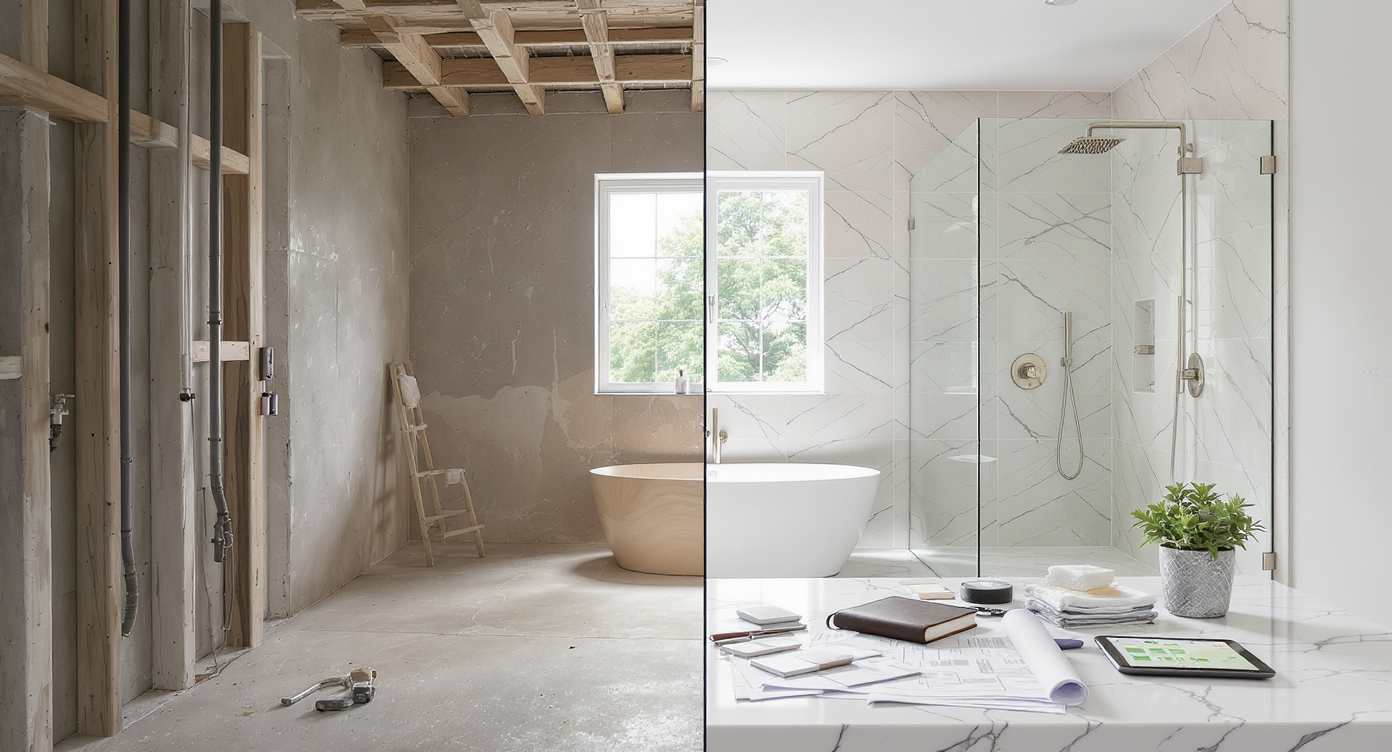
A staged master bathroom showing phased remodeling: unfinished layout changes on one side and a completed elegant retreat on the other side.
For homeowners or designers considering a master bath update, the takeaways are universal. Start with honest reflection on what works—and what frustrates you—in the current space. Would reallocating square footage or reconfiguring layouts meaningfully improve routines? Is the aesthetic aim restrained elegance, or do you crave a true spa-like escape?
Consider staging design changes in phases: begin with layout fixes and structural needs, then layer in material upgrades and decorative flourishes. For those navigating shared decision-making, align on essentials to avoid future compromises or regrets. And above all, approach the planning process methodically—mapping out pros, cons, schedules, and budgeting with the same care expected of any major investment. This discipline—combined with a willingness to seek input and revisit priorities—lays the groundwork for a remodel that feels not just expensive, but genuinely enriching.
-
Visualization: From Awkward Layout to Private Retreat
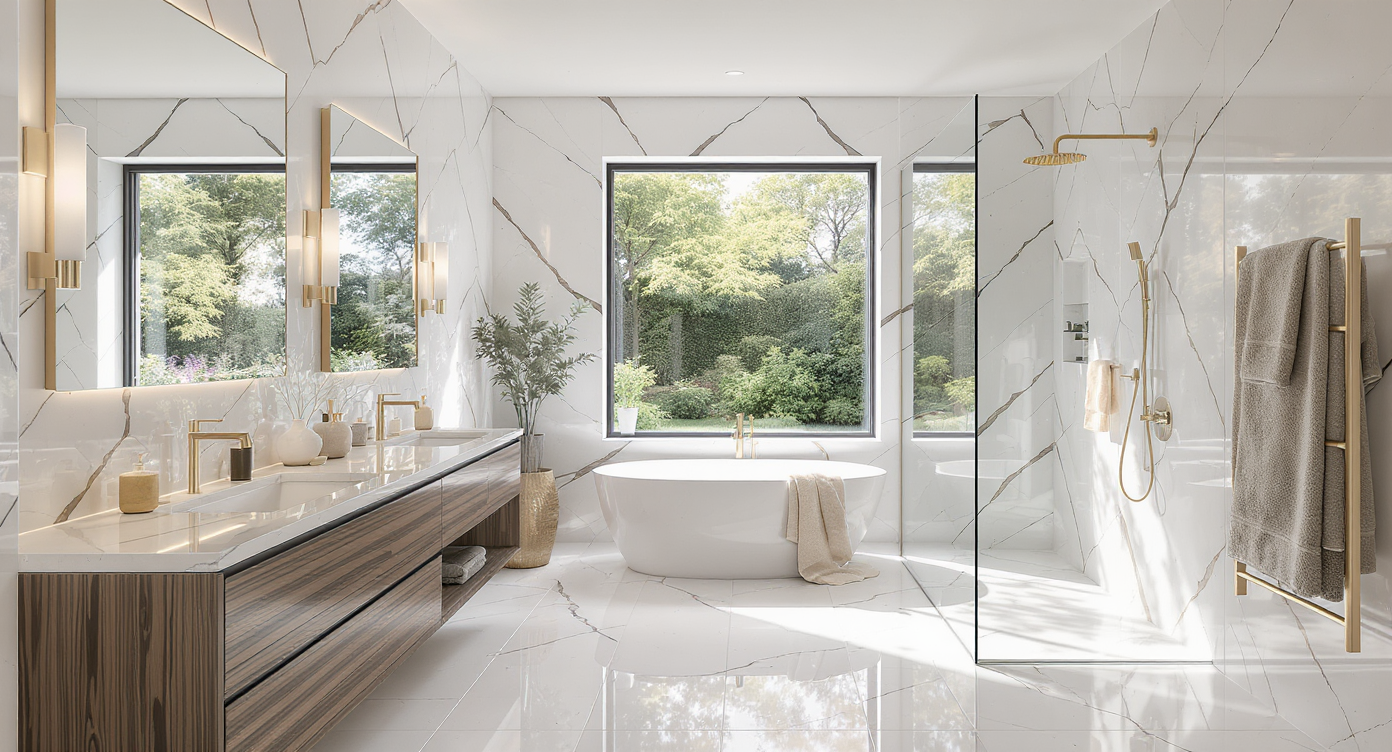
A remodeled master bathroom reimagined as a serene retreat, with walk-in shower, soaking tub, dual vanities, and sunlit garden views.
Imagine stepping into your current master bathroom, where a narrow shower and bulky corner tub leave much of the footprint unused. After months of planning and careful budgeting, walls have shifted and plumbing quietly realigned. Now, sunlight glints across seamless tile and a spacious walk-in shower spans the back wall. Dual vanities frame abundant storage while a new soaking tub nestles beside a picture window with garden views. As you reach for a towel warmed on a sleek radiator, the day’s chaos slips away—a small, meaningful sanctuary sculpted out of former wasted space and compromise.
Visualization Scenario
Imagine stepping into your current master bathroom, where a narrow shower and bulky corner tub leave much of the footprint unused. After months of planning and careful budgeting, walls have shifted and plumbing quietly realigned. Now, sunlight glints across seamless tile and a spacious walk-in shower spans the back wall. Dual vanities frame abundant storage while a new soaking tub nestles beside a picture window with garden views. As you reach for a towel warmed on a sleek radiator, the day’s chaos slips away—a small, meaningful sanctuary sculpted out of former wasted space and compromise.
Frequently Asked Questions
- How much should I budget for a high-end master bathroom remodel in 2026?
- Costs in 2026 for a full master bathroom renovation can range from $18,000 to over $40,000, depending on size, finishes, and local labor markets. Always include a 20 to 30 percent buffer for unexpected expenses.
- Do luxury bathroom renovations increase my home’s resale value?
- Updates to master bathrooms can improve buyer appeal, yet returns vary. Focus on features buyers expect in your area and avoid overpersonalization. Learn more from real estate agent perspectives.
- What are common pitfalls when managing remodel projects?
- Lack of detailed planning, underestimating timelines, and skipping permits are typical mistakes. Maintain thorough documentation and involve pros for critical systems for best outcomes. See renovation scheduling tips for more guidance.
- Is it better to DIY or hire professionals for bathroom remodels?
- Many homeowners mix DIY with professional labor—handling demolition or simple finishes but outsourcing plumbing, electrical, and tile to certified trades for quality and code compliance.
- How can I make a luxury-looking bathroom on a limited budget?
- Prioritize functional upgrades, select a few standout materials, and source fixtures smartly. For budget-conscious strategies, review affordable renovation tips.
Choosing the Remodel That Suits Your Life
Master bathroom remodels evoke strong opinions, balancing aspirations of daily luxury with the realities of cost, space, and resale logic. Whether you embark on a high-end transformation or refine existing features with strategic updates, the best results come from honest prioritization and rigorous planning. With thoughtful use of resources, pragmatic compromises, and a dash of design inspiration, any bathroom—be it compact or sprawling—can become a lasting asset for both life and potential sale. For additional tools and visual planning support, visit ReimagineHome.ai.