Where Self-Taught Interior Designers Begin: Skills, Tools, and Study Paths
TL;DR
Self-taught interior designers build foundational skill by combining hands-on experience, essential textbooks, and digital design tools. A balance of understanding space planning, materials, and color—as well as exploring affordable DIY strategies—can help anyone gain practical, real-world expertise. By layering professional insights with accessible resources, newcomers can confidently craft projects that feel intentional and personal.
Designing a Foundation—Without the Tuition
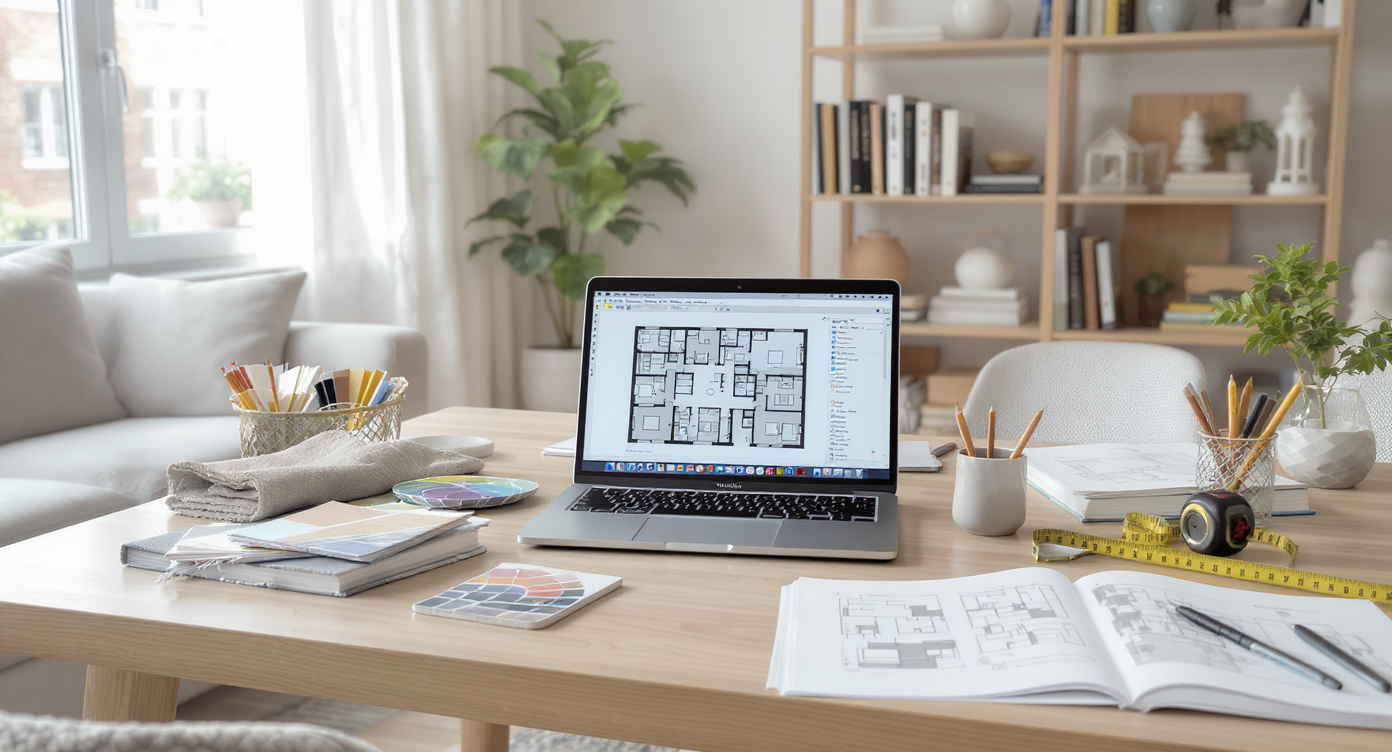
A modern home workspace set up for self-taught interior design, with study materials, a laptop, and creative tools organized for inspired learning.
Aspiring interior designers no longer need a formal degree to make their mark. With access to influential textbooks, interactive online communities, and powerful DIY strategies, ambitious beginners are reshaping how expertise is built in the field. Today, driven enthusiasts blend self-guided learning with carefully chosen tools to sharpen both their creative eye and technical fluency. This shift toward self-taught mastery is not just a trend. As the evolving world of home design rewards practicality and fresh thinking, even design professionals acknowledge that real skill grows with resourcefulness and disciplined practice. Whether you are looking to reimagine your own space or prepare a portfolio for a future career, understanding where and how to begin is the real game changer.
-
The Building Blocks: Core Skills Every Self-Starter Needs
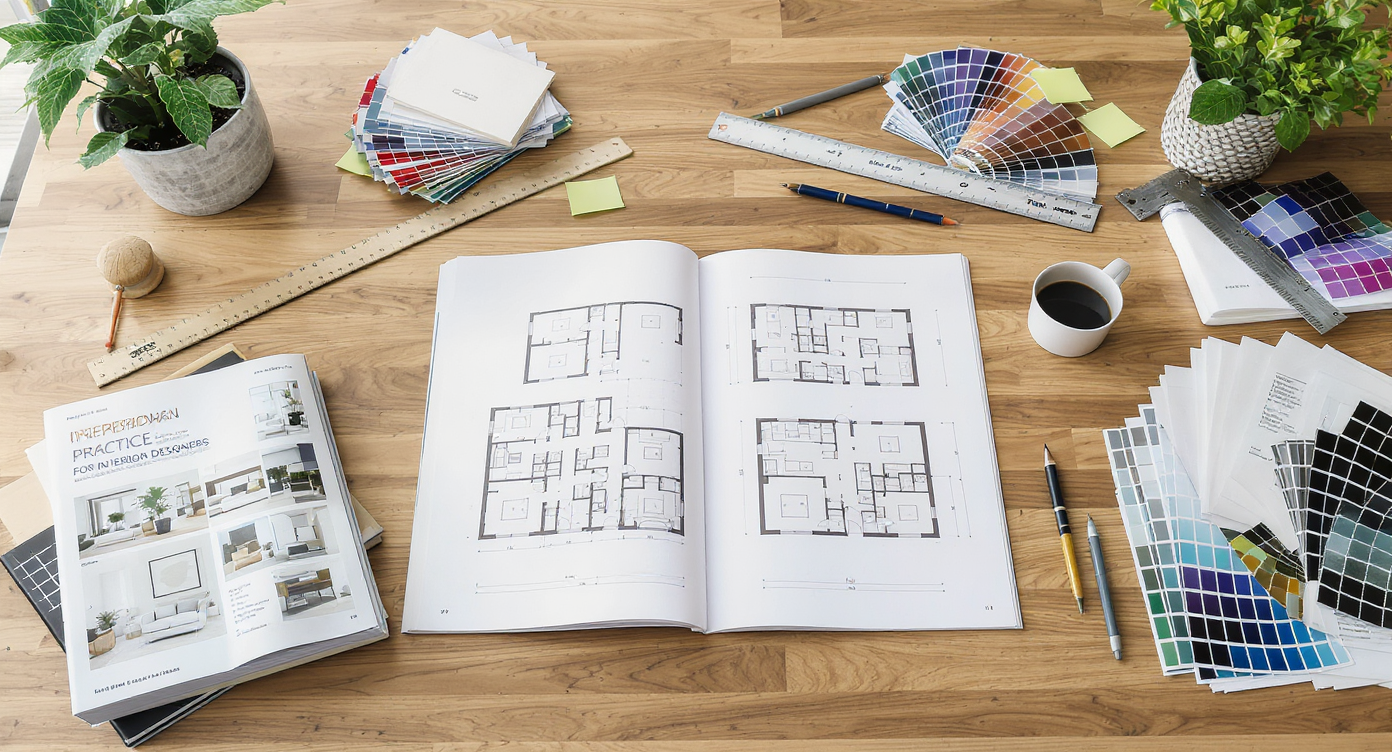
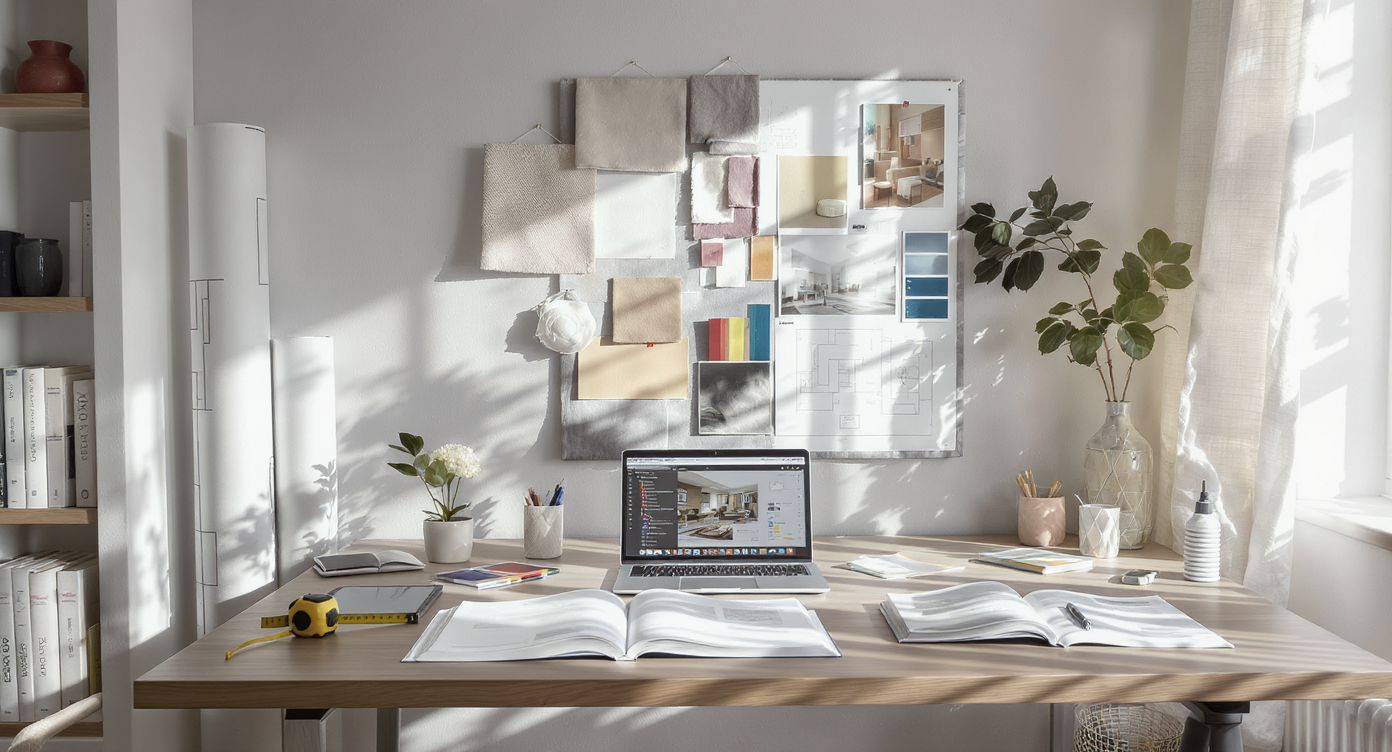
A realistic design studio table displaying essential books, drafting tools, real material samples, and structured color systems for beginners.
Strong interior design is much more than an eye for beauty. In practice, foundational skills lead every project: spatial awareness, color mastery, material literacy, and technical drafting. Many beginners stumble by fixating on surface style while neglecting the building blocks beneath. To grow beyond surface-level inspiration, newcomers benefit from learning the vocabulary of design and studying real workflows used by professionals. Classic resources such as 'Interior Design Illustrated' and 'Professional Practice for Interior Designers' are mainstays for developing these basics, offering insight into how interiors function and the ethical landscape of the discipline. Books focused on material components and light help ground creative vision in tangible choices. Meanwhile, deep dives into color, such as with the Munsell system, can clarify both personal taste and client-friendly palettes. These texts can be explored at your own pace and revisited time and again as your skills mature.
Expert Insight
Consider Maya, a recent college graduate who transformed a cramped apartment with little more than DIY determination, a discount rug, and a few cans of paint. After studying basic layout principles and browsing inspiration from professional portfolios, she set aside a weekend for trial and error—moving furniture, swapping curtains, and painting an accent wall. While not everything landed perfectly the first time, this phase of playful adjustment helped her pinpoint both her strengths and the areas where more study would elevate her rooms. Maya’s process mirrors countless beginners who learn the most not from following rules, but by testing their edges, revising, and embracing the small victories along the way.
-
Digital Proficiency: From SketchPad to 3D Model
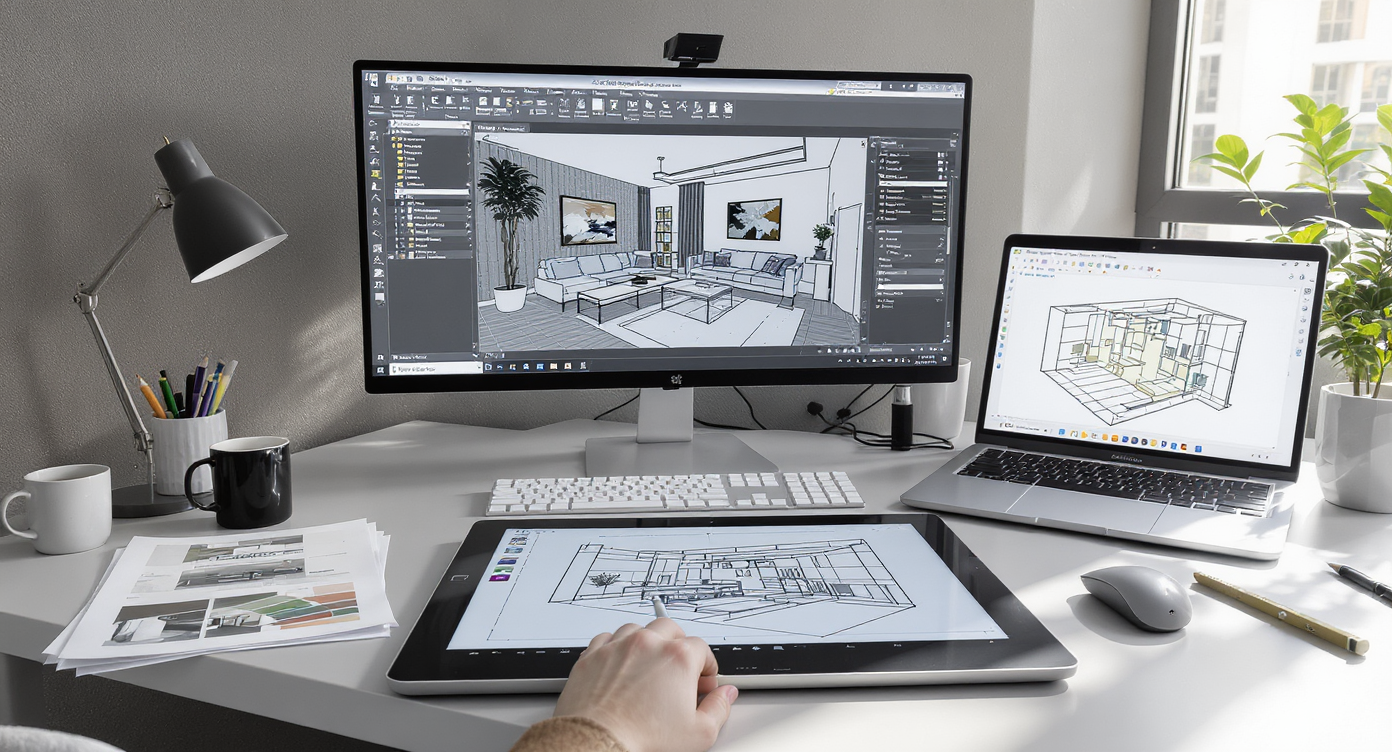
Workspace featuring tablet sketches, a 3D Revit model on a monitor, and a laptop with SketchUp—visualizing the digital design workflow.
Today, digital fluency often distinguishes hobbyists from working designers. Tools like SketchUp and Adobe Photoshop streamline visualization, enabling fast iterations on layout and texture. Mastering software such as AutoCAD and especially Revit is critical for anyone considering commercial projects or collaboration with architects. Revit’s deep integration of three-dimensional building information and live coordination with teams is increasingly the industry norm. The practical reality is that hands-on time with these programs builds the kind of muscle memory and confidence that textbooks cannot deliver alone. Beginners find immense value in sketching by hand and then translating concepts into digital models. Over time, layering hand-drawn perspectives with precise computer-based plans results in a workflow that bridges intuitive creativity and professional communication.
-
Learning by Doing: Practical Scenarios for Self-Taught Growth
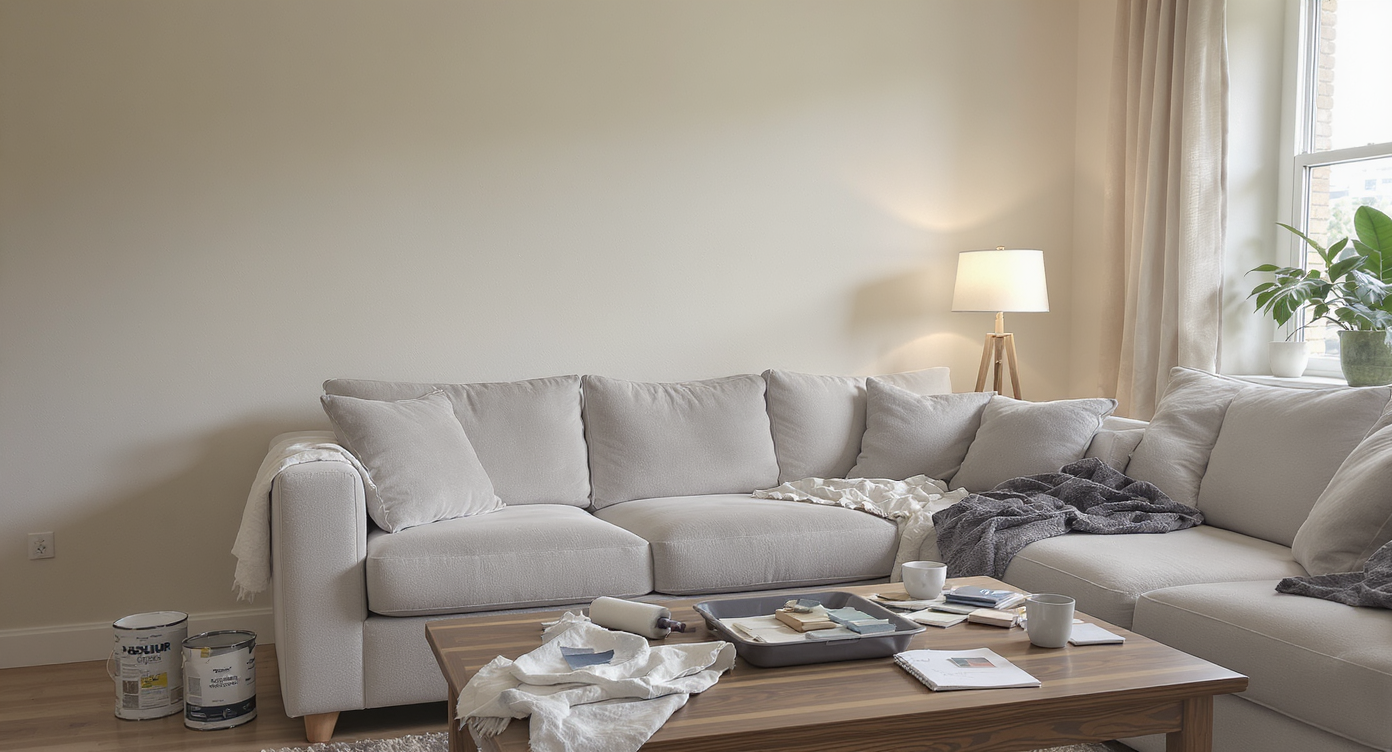
A living room during hands-on reconfiguration, with furniture arrangement, repainting, and moodboard materials illustrating direct design practice.
Nothing clarifies design decisions like direct experience with a space. Even the most thorough textbook cannot replicate the insight gained by rearranging a living room, mapping out a tiny kitchen, or experimenting with lighting across varied times of day. For those without formal training, low-risk experimentation—like testing different seating arrangements or repainting a wall—serves as a living laboratory. According to contemporary designers, blending DIY projects with professional input helps bridge knowledge gaps swiftly and on a budget. For instance, sketching out a full room reconfiguration or building a moodboard of textiles and paint swatches can unlock both creative and practical abilities. Strategies for decorating smaller homes often rely on this resourceful, iterative approach—making each square foot feel purposeful and cohesive without expensive interventions.
-
The Influence of Community and Ongoing Curiosity
No journey in self-driven design is complete without others. Online forums, critique circles, and digital challenges draw out both support and constructive feedback. Engaging with design communities, whether on Reddit, design-focused apps, or local meetups, helps refine ideas under the gaze of people who have faced similar hurdles. This interaction roots the learning experience in practical reality. Asking for a quick critique on a new plan, sharing before-and-after snapshots, or trading swift color advice shifts the process from isolated guesswork to shared growth. Over time, these collective insights build the confidence to tackle increasingly ambitious projects.
-
Anecdote: The Living Room Experiment
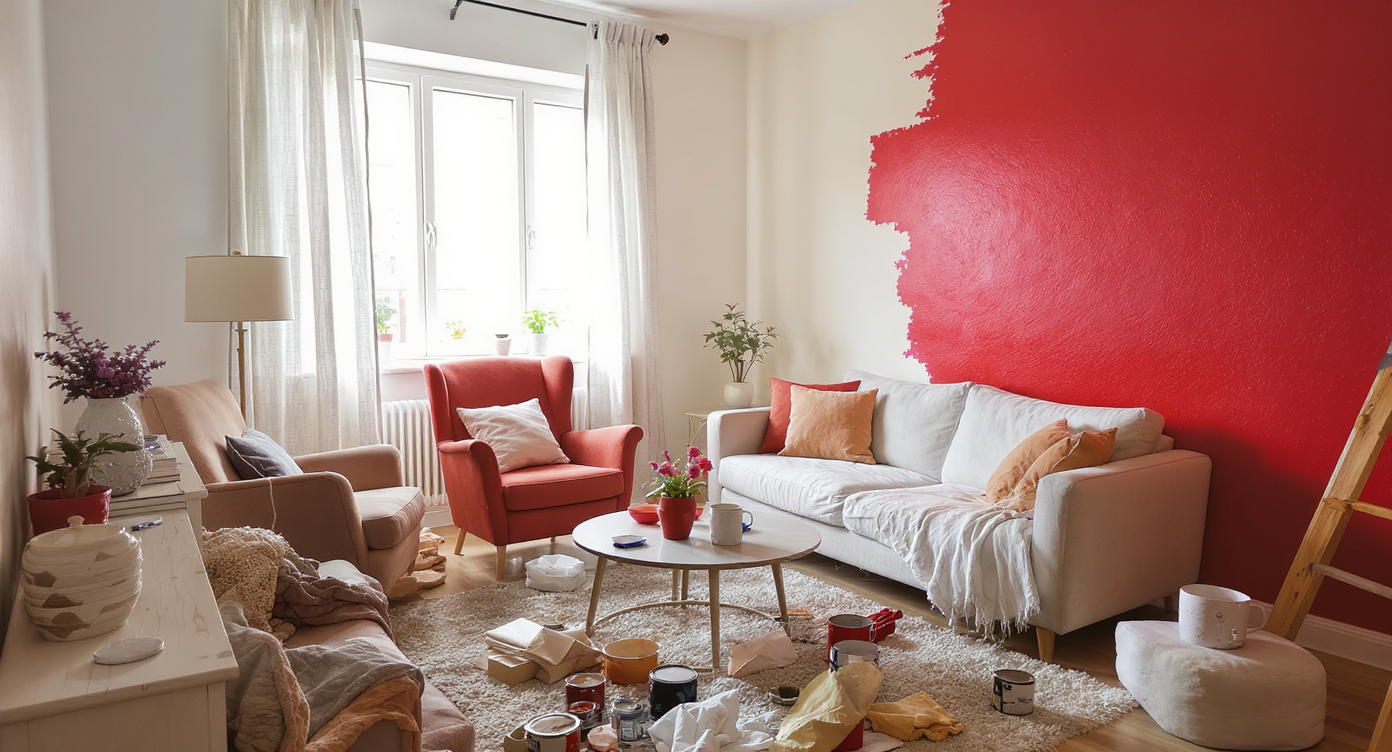
A sunlit apartment living room mid-DIY transformation, showing freshly painted walls, new rug, rearranged furniture, and design inspiration tools.
Consider Maya, a recent college graduate who transformed a cramped apartment with little more than DIY determination, a discount rug, and a few cans of paint. After studying basic layout principles and browsing inspiration from professional portfolios, she set aside a weekend for trial and error—moving furniture, swapping curtains, and painting an accent wall. While not everything landed perfectly the first time, this phase of playful adjustment helped her pinpoint both her strengths and the areas where more study would elevate her rooms. Maya’s process mirrors countless beginners who learn the most not from following rules, but by testing their edges, revising, and embracing the small victories along the way.
-
Common Mistakes to Avoid
Many first-time designers fall into the trap of collecting inspiration without a plan for execution. Endless scrolling through social feeds or design platforms can leave newcomers with rooms that feel like a collage of trends but lack a unified vision. Another pitfall is rushing into purchases before understanding dimensions or lighting, which can result in furniture or accessories that simply do not fit. A third mistake is dismissing the value of studying practical fundamentals—from efficient space planning to clear project budgets. Practical knowledge gleaned from sources such as the DIY strategies designers recommend or from engaging with working professionals ensures every project stays grounded and achievable.
-
Tips and Expert Insights
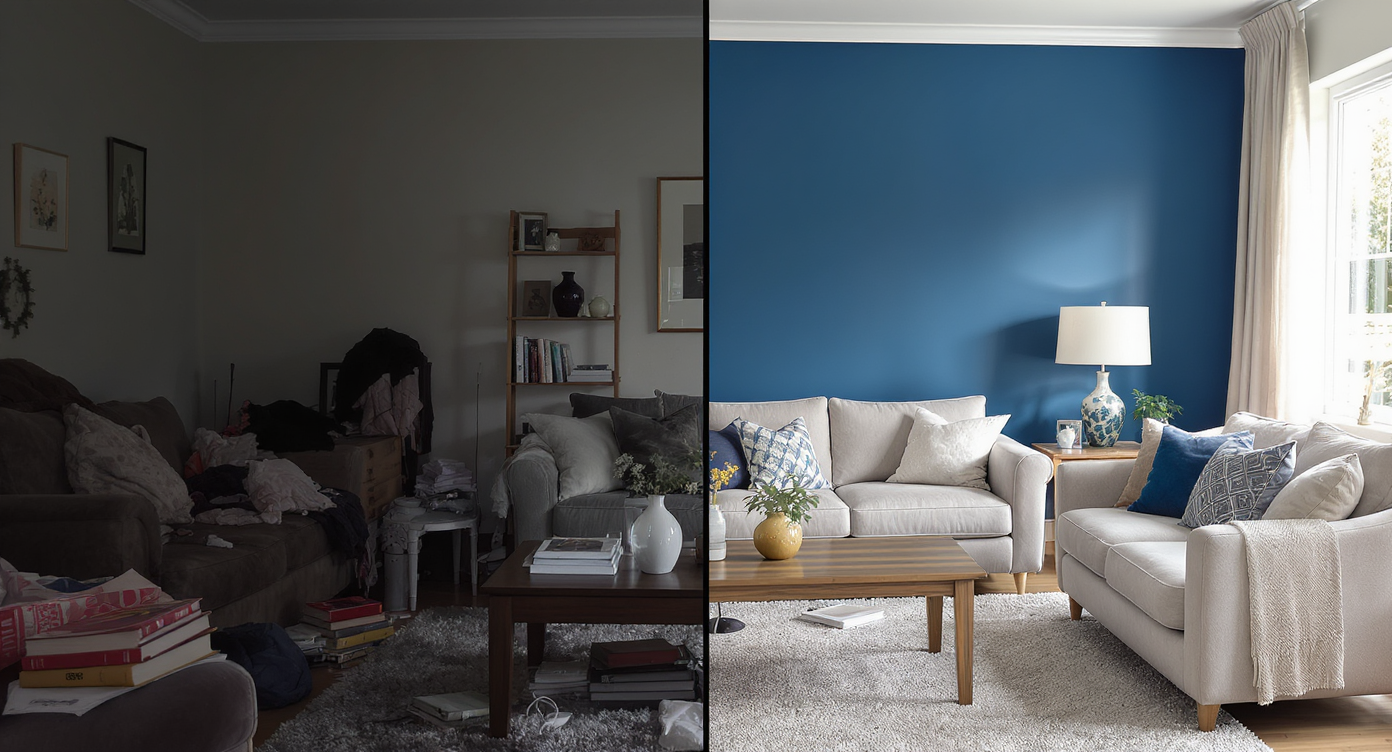
A living room transformed: after simplifying, reorganizing, and updating color and lighting, even small changes create a fresh atmosphere.
Seasoned designers often recommend that self-taught learners choose one room and treat it as a design studio. See how subtle changes in light, organization, and arrangement affect mood and utility. Take photographs before and after every change to train your observational abilities—sometimes the smallest detail, a vase or a lamp, shifts the feel of the whole space. When in doubt, simplify, then add back only the elements that serve your comfort and vision. Color remains one of the most approachable gateways to impactful improvement. Experimenting with bold hues or quiet neutrals, as inspired by affordable decorator tricks from professional projects can create distinct character in any room without high costs.
-
How to Use This in Your Next Designs
Every step in self-taught design offers a lesson: trial, error, and eventual success. Whether reimagining a bedroom or plotting out a cohesive apartment palette, begin with the simple questions—how do you want the space to function, and how do you want it to feel? Let these answers guide both your research and your hands-on efforts. When stuck, revisit fundamentals: measure twice, mockup, and check lighting at different times of day. Above all, trust the process. A willingness to experiment, document, and course correct distinguishes the self-taught designer. Over time, the skills and sensibility gained in these everyday projects naturally translate into larger, more ambitious transformations.
-
Visualization Scenario: Day in the Studio Apartment
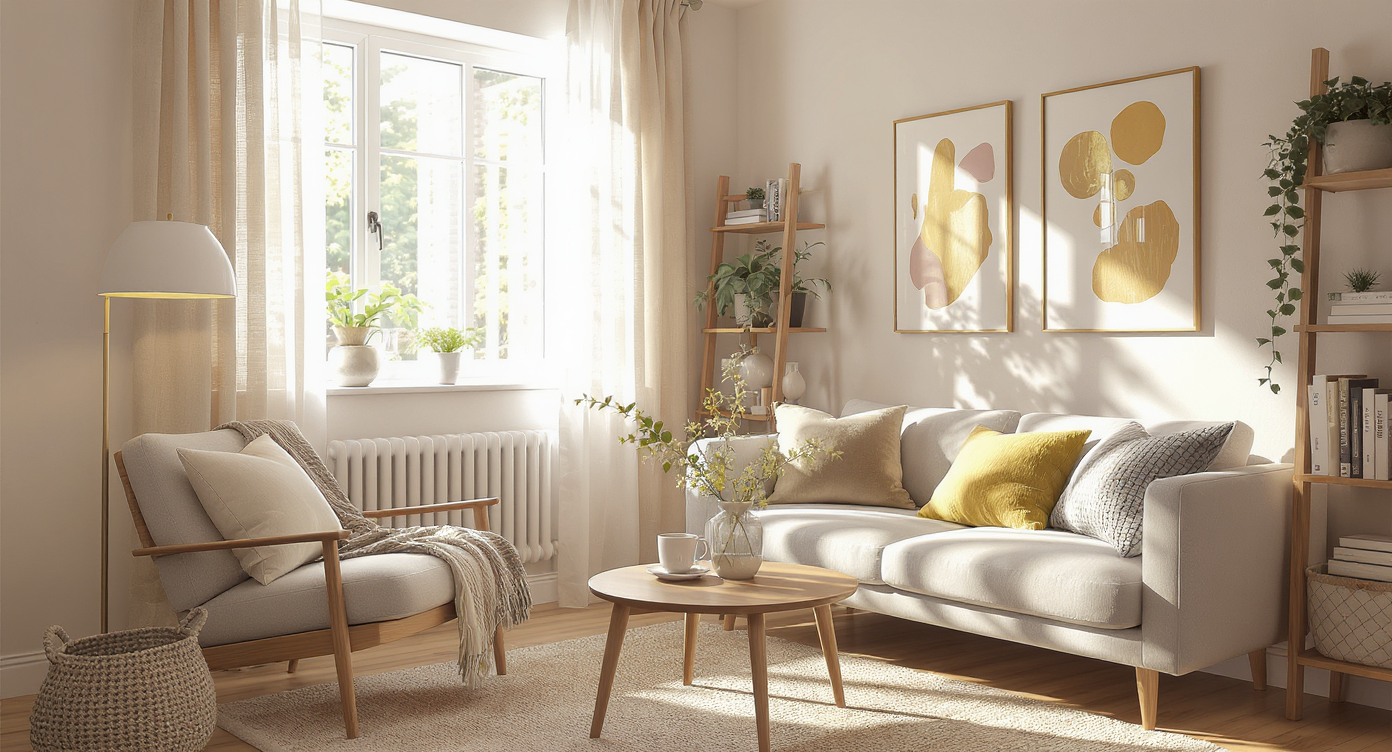
A compact studio apartment where sunlight, textiles, painted cabinets, and curated decor create a functional, inviting, and personal living space.
Imagine waking up in a compact studio where every element, from the sunlight reflecting over textured textiles to the precise placement of a bookshelf by the window, is chosen with care. As you make coffee, notice how painted cabinets and a simple, well-chosen rug define separate zones without walls. Throughout the day, light shifts over curated art and plants, making the apartment feel dynamic and welcoming. A friend visits and marvels—not at expensive decor, but at how the space feels tailored, functional, and deeply personal. This scenario reflects what many self-taught designers achieve: homes that celebrate resourcefulness, intention, and character.
Visualization Scenario
Imagine waking up in a compact studio where every element, from the sunlight reflecting over textured textiles to the precise placement of a bookshelf by the window, is chosen with care. As you make coffee, notice how painted cabinets and a simple, well-chosen rug define separate zones without walls. Throughout the day, light shifts over curated art and plants, making the apartment feel dynamic and welcoming. A friend visits and marvels—not at expensive decor, but at how the space feels tailored, functional, and deeply personal. This scenario reflects what many self-taught designers achieve: homes that celebrate resourcefulness, intention, and character.
Self-Taught Interior Design FAQ
Yes, many designers blend self-taught skills and certifications to work professionally. Building a solid portfolio and practical experience often outweighs formal credentials.
What software should beginners learn first?
SketchUp and Photoshop are accessible starting points for visualization. Eventually, learning Revit opens doors to professional collaboration.
Which books offer the best foundation?
Classics like "Interior Design Illustrated," "Professional Practice for Interior Designers," and color system guides are invaluable for beginners.
How do I keep projects affordable while learning?
DIY strategies, small updates, and careful planning—like those found in affordable designer approaches for small spaces—help keep learning hands-on and budget-friendly.
Where can I find inspiration and practical challenges?
Online communities, local workshops, and digital portfolios all offer ways to gain experience and receive feedback while building skills.
Charting Your Own Path—Whatever Your Background
Interior design expertise is no longer reserved for professionals with years of schooling. Today, self-taught learners draw from practical resources, thoughtful trial and error, and digital tools to push their skills forward. By building on foundational skills and engaging with supportive communities, anyone can confidently shape spaces that both look and feel like home. For those seeking additional support or AI-powered inspiration, platforms like ReimagineHome.ai bring fresh solutions within reach.