Should You Buy an Old Home for Under $100K? Real Considerations in 2026
TL;DR
Buying a home for under $100,000 in cities like Detroit tempts many first-time buyers, but the real cost often extends well beyond the initial purchase. Potential owners must weigh not just affordability, but neighborhood quality, renovation needs, and financing complexity. Smart planning and realistic cost estimates are crucial to avoid unexpected pitfalls.
Why the $100K Home Dream Persists
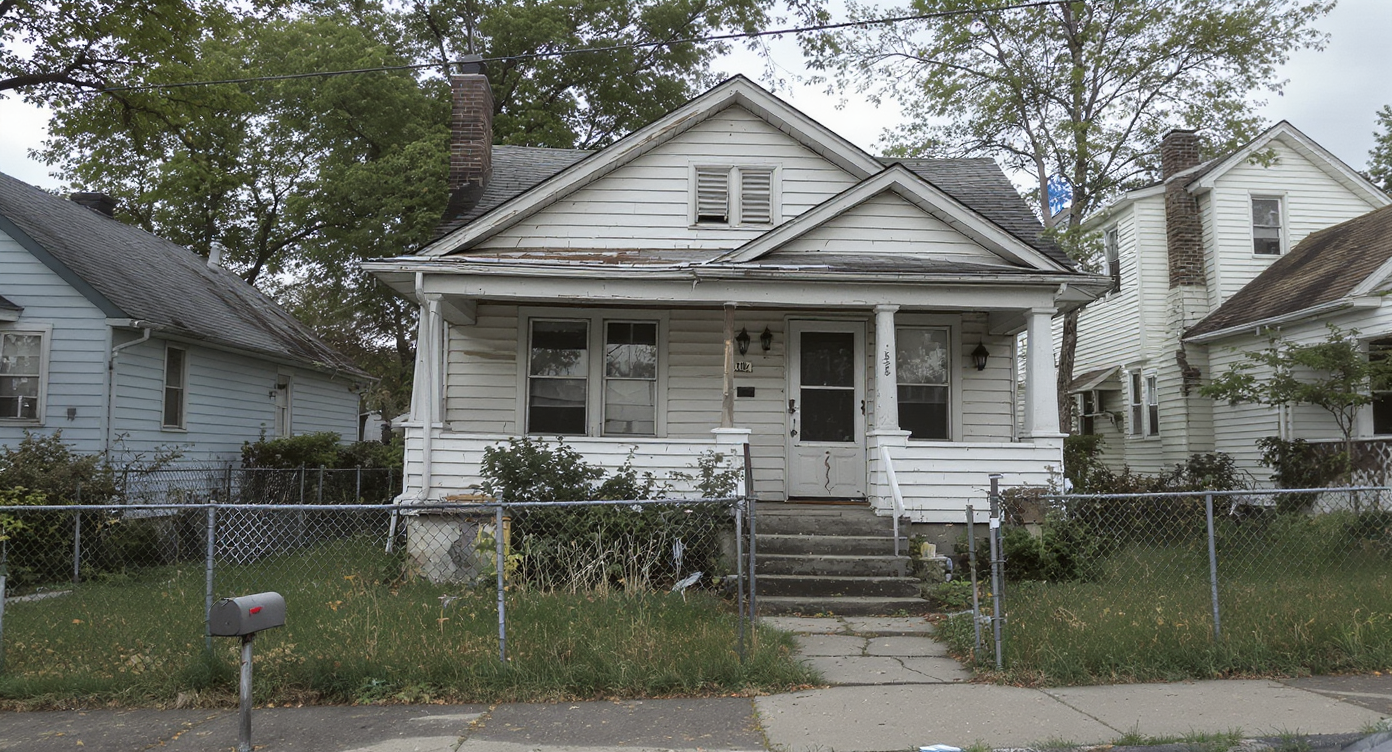
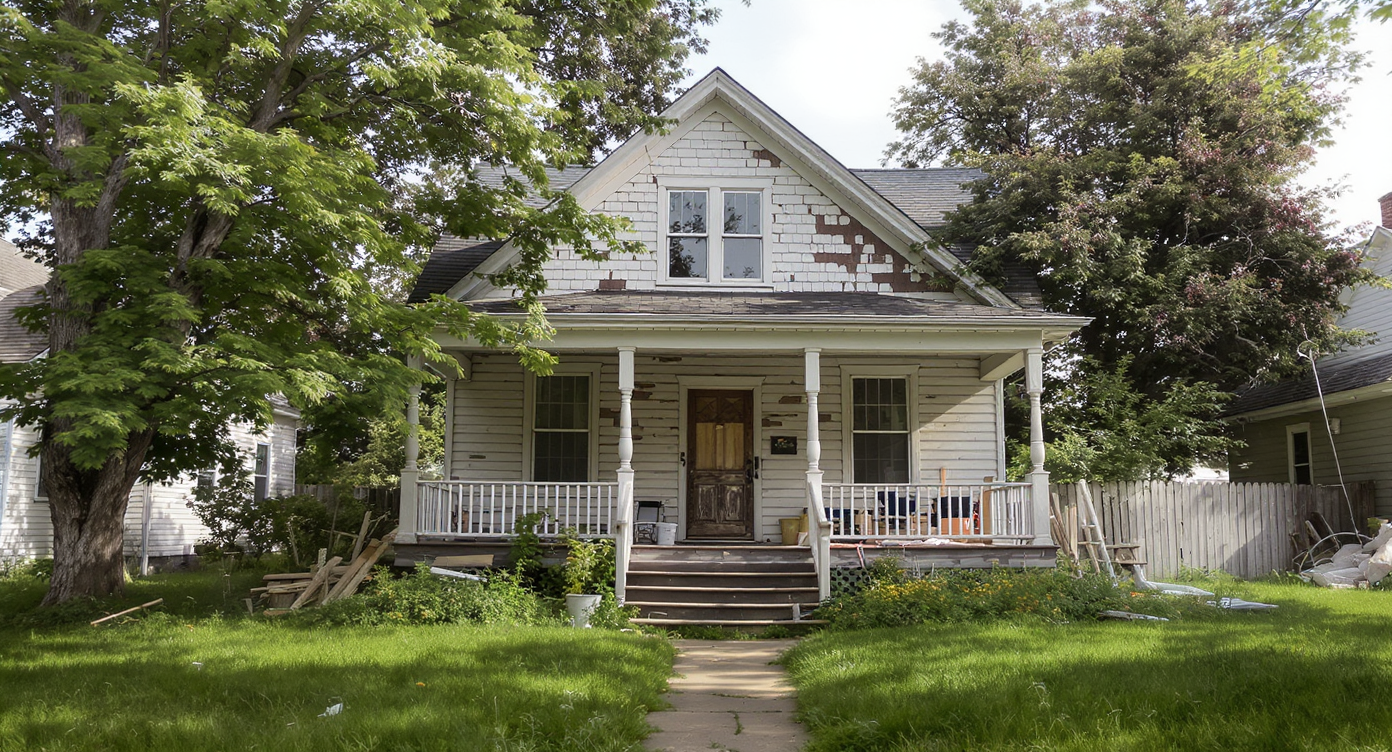
Aging but livable home on an urban street in 2026, highlighting affordability and the visible need for repairs and renovation investment.
For first-time home buyers, a livable house priced around $100,000 feels like a rare opportunity in 2026’s housing market. Places like Detroit, Cleveland, or parts of upstate New York continue attracting remote workers and budget-conscious buyers searching for affordable opportunities to build equity. At first glance, these properties seem to unlock homeownership for those with modest incomes and limited down payments. Yet, behind the low sticker price lies a complex tangle of tradeoffs. From the true cost of repairs to the realities of neighborhood selection and the challenges of cross-border financing, the decision to buy—and renovate—an old home in a fringe urban market is nuanced. The dream of swift ownership or a leap toward landlord status makes sense, but success depends on more than optimism and financial discipline.
-
Bargain Homes and What ‘Affordable’ Really Means
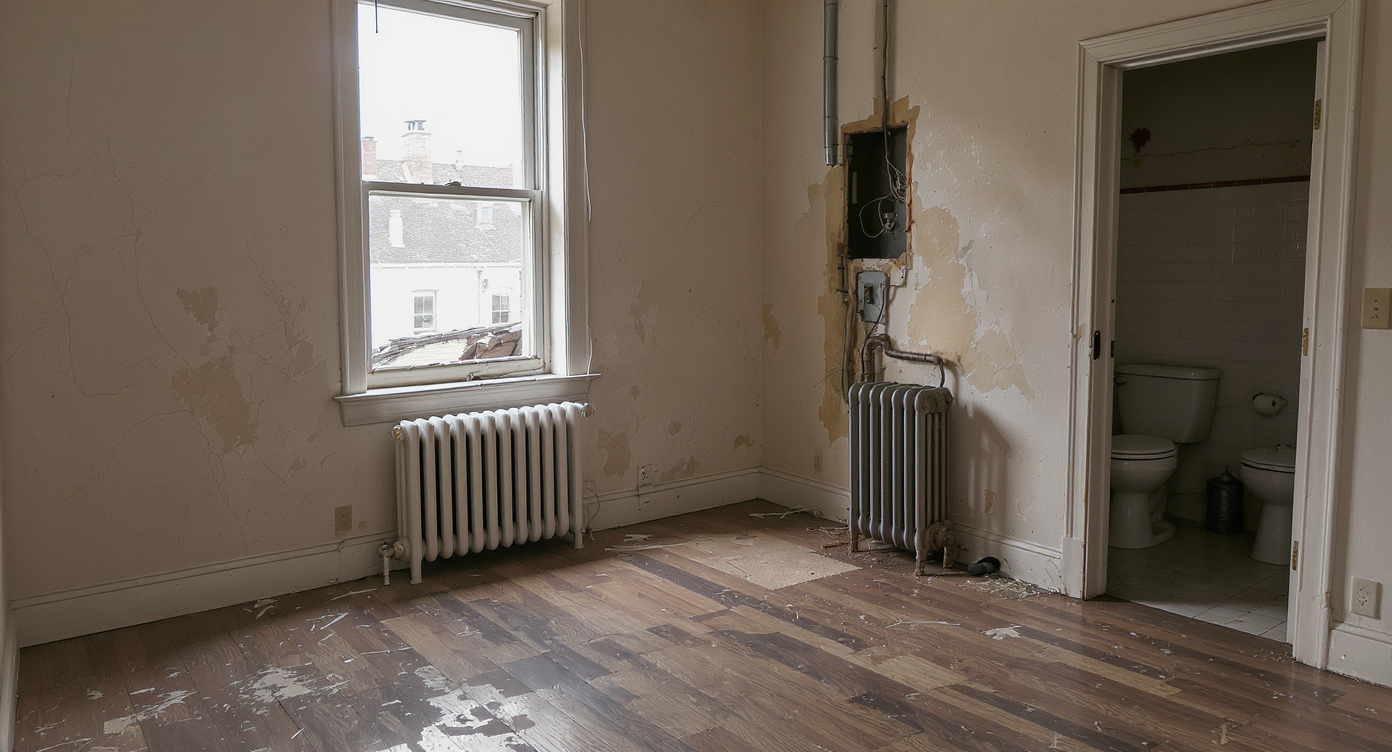
The interior of a low-priced city home, showing visible wear, aging utilities, and outdated fixtures that signal possible hidden repair needs.
A sub-$100,000 listing in cities like Detroit is more than a line on a real estate platform—it’s a symbol of possibility and, sometimes, a warning. While some buyers do manage to secure a livable starter home at this price, more often these properties require substantial repairs or investments that aren’t obvious during a first walkthrough. Toilets may flush, windows may close, but outdated electrical systems and aging roofs can turn an affordable buy into an expensive project almost overnight. City neighborhoods with abundant low-priced homes frequently reflect decades of underinvestment. This can impact everything from property appreciation to safety and public services. Mortgage availability may also be limited for older homes needing repairs, and some lenders in 2026 have tightened inspection and insurance requirements precisely because many affordable markets conceal underlying issues. As we explore in first-time home buyer mistakes, a common pitfall is underestimating the true entry cost. A $100,000 home may swiftly turn into a $125,000 or $150,000 investment once you factor in urgent repairs and move-in costs.
Expert Insight
A remote tech consultant, Lee, purchased a charming but weathered home in upstate New York after searching for months. Tempted by the low price tag, Lee budgeted for new floors and paint—then uncovered mold and outdated plumbing that ballooned costs unexpectedly. By living in the property and working on one room at a time, Lee was able to improve its value while steadily learning on the go. The experience made Lee an advocate for up-front inspections and connecting with local tradespeople before making any offers.
-
Neighborhood Dynamics: Affordability Versus Livability
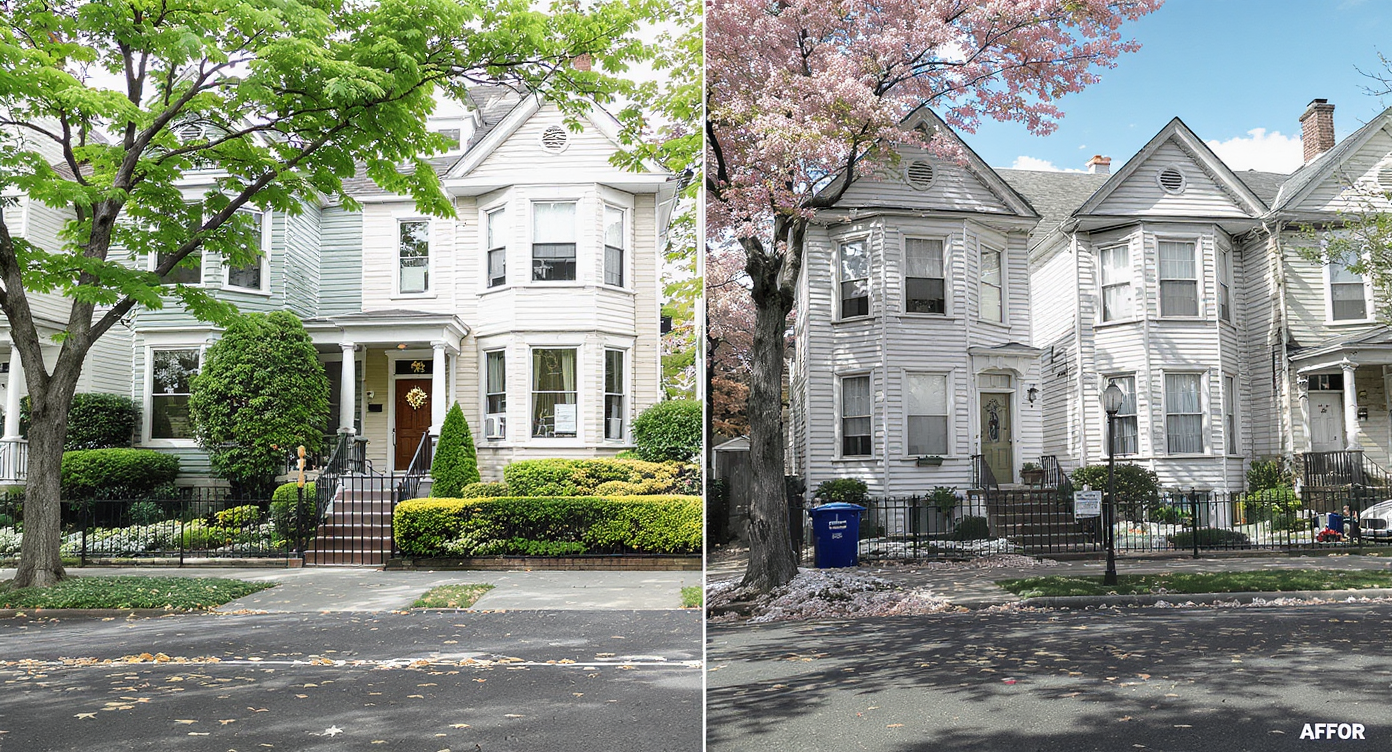
A realistic urban street shows side-by-side contrast between well-maintained homes and neglected houses in an affordable city neighborhood.
Every city has pockets where prices stay stubbornly low. The critical question is why. In metros with high vacancy rates and declining populations, these areas can be attractive for their upfront value—but may come with challenges such as slow public services, spotty security, or inconsistent property maintenance. Buyers unfamiliar with a city’s block-by-block change in atmosphere risk ending up in neighborhoods where day and night feel worlds apart. Locals often stress the importance of visiting an area at different times, listening for real street sounds, and observing homes’ states of repair. Even within promising cities, the availability of solid, move-in-ready properties under $100K remains slim; the best homes at this price rarely last long or are typically snapped up by investors. That reality asks for a thoughtful, not just hopeful, approach.
-
Can Sweat Equity Bridge the Gap?
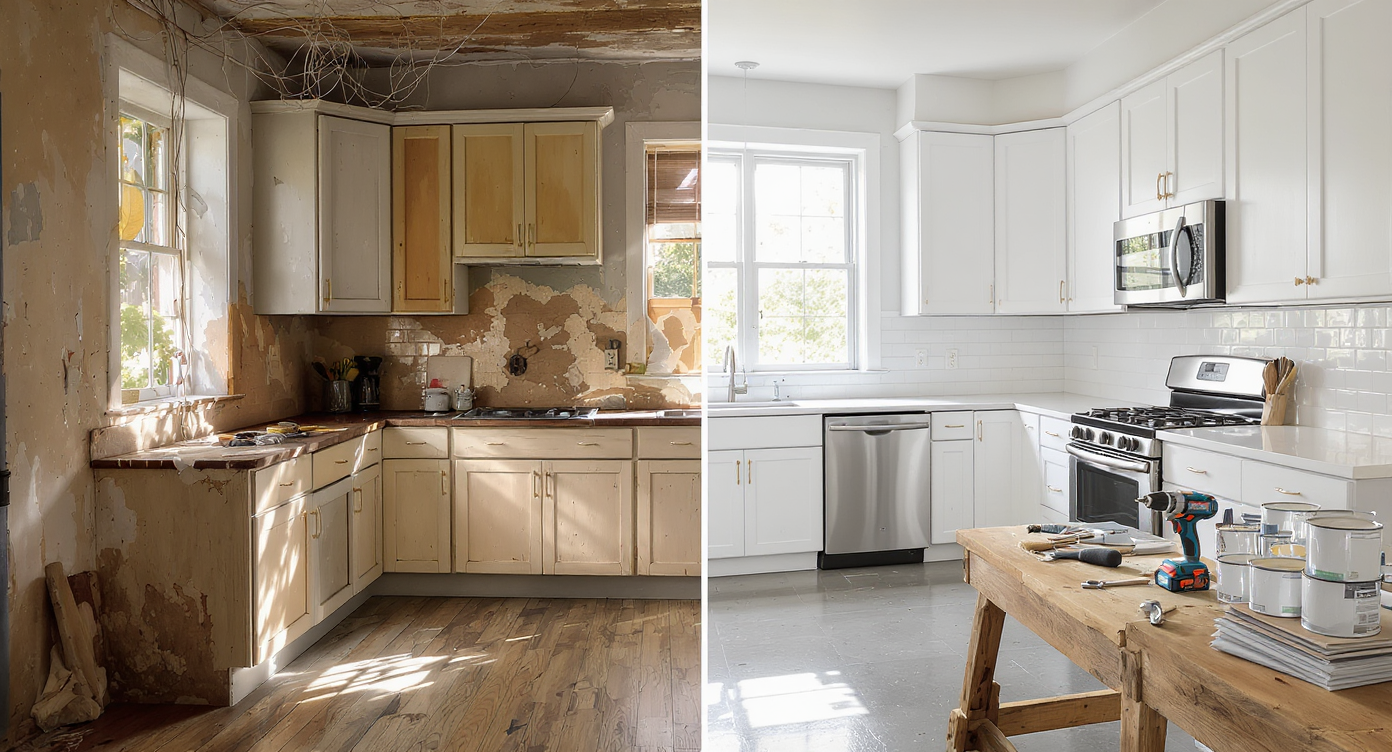
A partially renovated old kitchen contrasts budget-friendly DIY updates with untouched, more complex repairs, representing hands-on sweat equity.
In online communities and DIY forums, stories abound of buyers pouring their time and determination into transforming old houses. For those with some handy skills and a willingness to tackle repairs, sweat equity can indeed yield value. Painting, flooring replacement, and even kitchen updates can be managed on a tight budget if you have the tenacity—so long as underlying structural issues, plumbing, and electrical systems are up to code. Still, home repair rarely goes strictly to plan. Tasks you expect to handle over a few weekends can stretch into months, especially when surprise repairs like roof leaks or outdated wiring appear mid-project. Financially, what looks feasible on a spreadsheet often feels very different as your weekends fill with renovation and your contingency fund shrinks. As we shared in agent perspectives on DIY renovations, small cosmetic improvements are budget-friendly, but large structural overhauls tend to require professional help—and the costs quickly add up.
-
Navigating Financing and Cross-Border Complexity

A focused workspace demonstrates preparing cross-border mortgage paperwork, currency exchange, and real estate documents for U.S. home purchase.
Affordable price tags don’t always mean accessible financing. For buyers working remotely, especially those earning income in a currency like Canadian dollars, securing a mortgage in the U.S. requires more than a good credit score. Many U.S. lenders expect borrowers to work locally, receive income in U.S. dollars, and have a documented presence in the area. In cities like Detroit, most lenders will scrutinize not just your finances but also your intended use—will the home be a primary residence, a rental, or a speculative investment? Transactions involving dual citizenship or foreign income prompt additional documentation and can delay closing. Understanding the ins and outs of closing costs, transfer taxes, and ongoing insurance or tax obligations is vital before making an offer. According to mortgage and budget planning tips, buyers should expect to allocate 2–4% of the purchase price for closing and build in a margin for rate fluctuations and unanticipated expenses.
-
Renovation Reality: DIY Versus Calling in the Pros
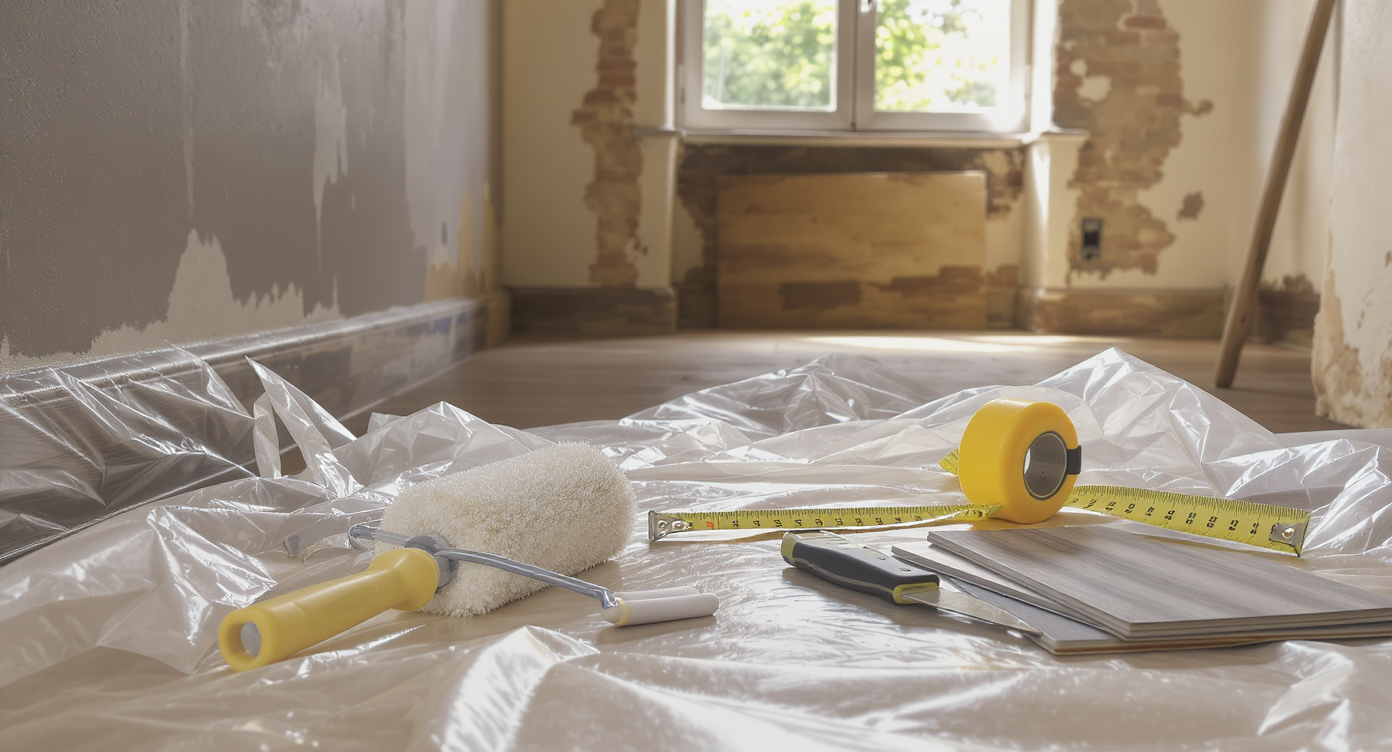
A realistic old home renovation scene: DIY flooring tools and new laminate beside an unfinished wall with exposed wiring, illustrating project complexity.
Saving money by tackling renovations yourself is a time-honored tradition, especially in homes purchased well below the market median. However, the dividing line between savvy DIY and projects best left to professionals often comes into focus quickly in older homes. Installing new flooring or repainting walls may be approachable, but electrical upgrades, roof replacements, or addressing environmental hazards require expertise and, frequently, permits. Homeowners find the most success by starting with manageable projects and being honest about their skill set. The upshot is that DIY can lower costs and increase property value, but overcommitting to complex tasks puts both your safety and budget at risk. For pet owners or families, choosing the right materials and installation methods matters—a point explored in our look at DIY flooring options.
-
Anecdote: When “Affordable” Wasn’t Enough
Jessica, a remote worker from Toronto, made what seemed like a smart leap into the U.S. fixer-upper market. She purchased a Michigan property for $95,000, moved in with $12,000 in savings, and was excited to shape the home herself. Weekends spent painting and small repairs went well—until she discovered crumbling foundation walls and an outdated furnace. Her renovation budget doubled by her second year, and the learning curve of managing cross-border property insurance and taxes gave her pause. Jessica eventually settled in, but she urges first-time buyers to look beyond the asking price and thoroughly assess all cost layers. Her story is one of perseverance, but also a caution not to underestimate the true scope of affordable ownership.
-
Common Mistakes to Avoid
Many buyers are surprised by hidden renovation expenses, local taxes, high insurance premiums, and the variance in neighborhood safety between nearby streets. Overly optimistic timelines, insufficient due diligence, and a belief that a low price guarantees an upward investment trajectory can lead to financial and personal strain. Skipping a thorough home inspection, misunderstanding how quickly a neighborhood can change, and misjudging currency or financing restrictions—all frequently trip up newcomers to older urban markets.
-
Tips and Expert Insights
Before bidding on a low-cost home, spend time in the neighborhood during different times of day and speak with residents when possible. Calculate a conservative renovation budget, doubling your initial estimate to account for unexpected repairs. Work with local agents and lenders familiar with both the area and your unique cross-border circumstances. According to first-time home buyer cautionary stories, successful buyers research their financing options early, factoring in all recurring costs—taxes, insurance, and utilities—well before closing. Finally, prioritize your repairs, starting with roof, foundation, and HVAC, before cosmetic updates.
-
How to Use This in Your Next Designs
Prospective buyers should adopt a pragmatic lens. Start with property searches that filter not only by price but also property age and repair status. Carefully evaluate neighborhoods for signals of stabilization or investment—such as new parks or businesses—before making a purchase. For buyers with limited renovation experience, partner with professionals for initial walkthroughs or consider hiring a local contractor to provide honest assessments. Budget well, and plan investment for incremental improvement over several years, rather than banking on a quick turnaround.
-
Visualization Scenario: Stepping Into the $100K Home
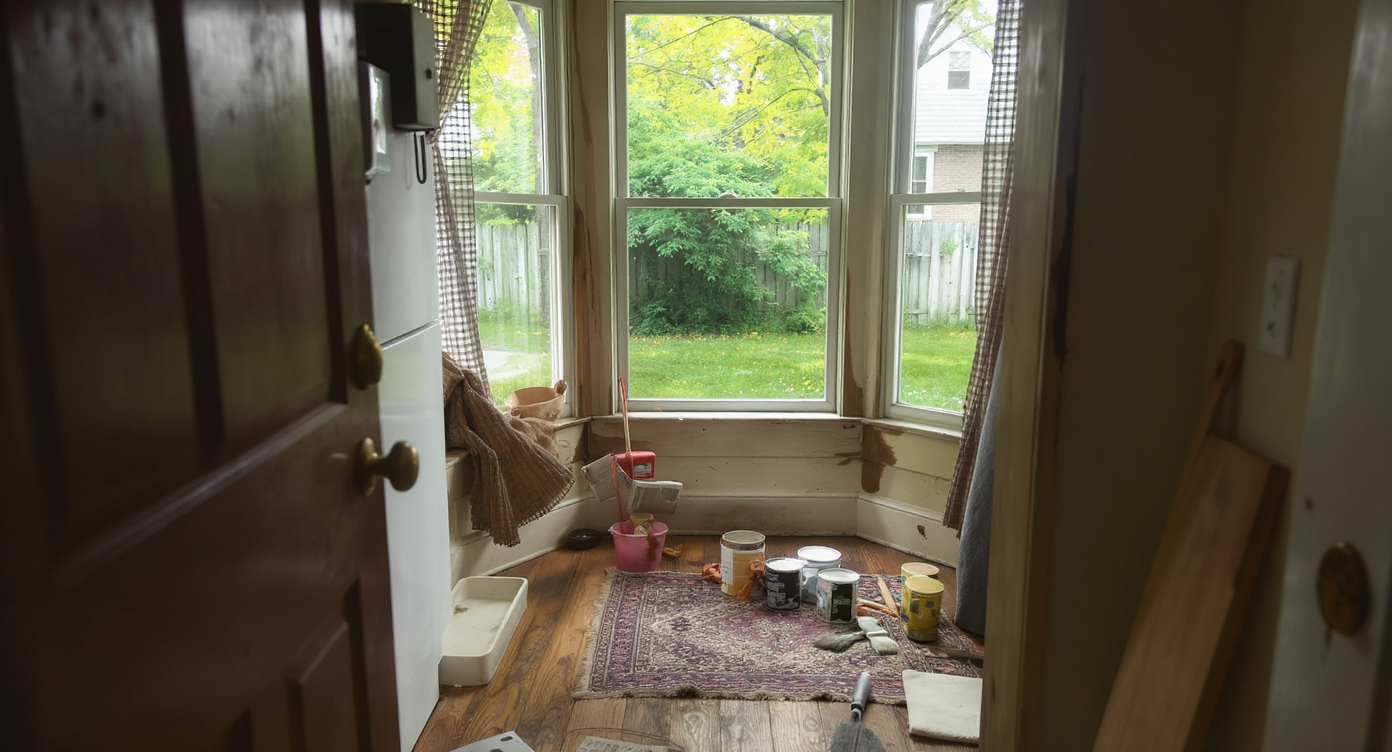
An old city home’s entry shows original hardwood floors and an open utility closet with a vintage fuse box, ready for hands-on updates.
Imagine stepping across the threshold of an old, affordable home in a city neighborhood just outside the downtown core. The rooms echo with the past: original hardwood, gently worn kitchen cabinets, and marks on the wall hinting at years of use. You open a utility closet to spot the century-old fuse box. The backyard is larger than expected, but the fence needs repair. Over the span of months, you roll up your sleeves—patching walls, painting ceilings, choosing new floors. A few doors down, another owner is walking the same path, painting her porch railing on a Saturday morning. It’s a process that asks patience, diligence, and the willingness to build community as much as sweat equity.
Visualization Scenario
Picture yourself collecting the keys to a quaint but dated home. The sense of possibility is palpable, and with each improvement—a fresh coat of paint in the living room, a weekend spent laying new tile in the bathroom—you see your hard work reshaping not just your home, but your own path to stability. The neighborhood is a patchwork of seasoned residents and newcomers, each invested in its quiet revival.
FAQ: Budget Home Buying and Renovation
It’s possible, but condition and location vary greatly. Most move-in-ready homes at this price need significant updates and may be in less desirable neighborhoods.
What are the most overlooked costs when buying a cheap old house?
Buyers often underestimate renovation and repair costs, as well as taxes, insurance, and utilities. Older homes can hide expensive surprises—from electrical rewiring to roof replacement—that inflate total investment far beyond the sticker price.
Should I try to DIY renovations or hire professionals?
DIY can be economical for cosmetic updates, but risky for structural, electrical, or roofing work. It’s best to self-assess your skills honestly and prioritize safety—professional help is usually required for major systems.
How do cross-border buyers (e.g., Canadians) finance property in the US?
Canadian-based buyers may struggle with US financing due to income verification and residency issues. Cross-border banking and dual citizenship can help, but expect extra scrutiny and documentation. Consult both US lenders and local experts early.
Where can I visualize renovation ideas or plan home projects?
Platforms like ReimagineHome.ai provide tools for visualizing design, comparing DIY to pro solutions, and connecting with renovation guidance.
Takeaways for Smart Homeownership in 2026
Buying an old home for under $100,000 remains an alluring idea for the determined and resourceful. Yet the real test is whether the buyer can absorb the hidden costs of repairs, adapt to changing neighborhoods, and secure the right financing—especially when crossing borders or juggling remote work. Thoughtful due diligence, flexible budgeting, and a careful reading of local dynamics ensure that a bargain home becomes a wise long-term investment. For those considering renovation-driven homeownership, digital platforms like ReimagineHome.ai can offer visualizations and expert insights to help bridge the gap between aspiration and satisfying reality.