Solving Bedroom Layout Challenges: Creating Balance in Odd Spaces
TL;DR
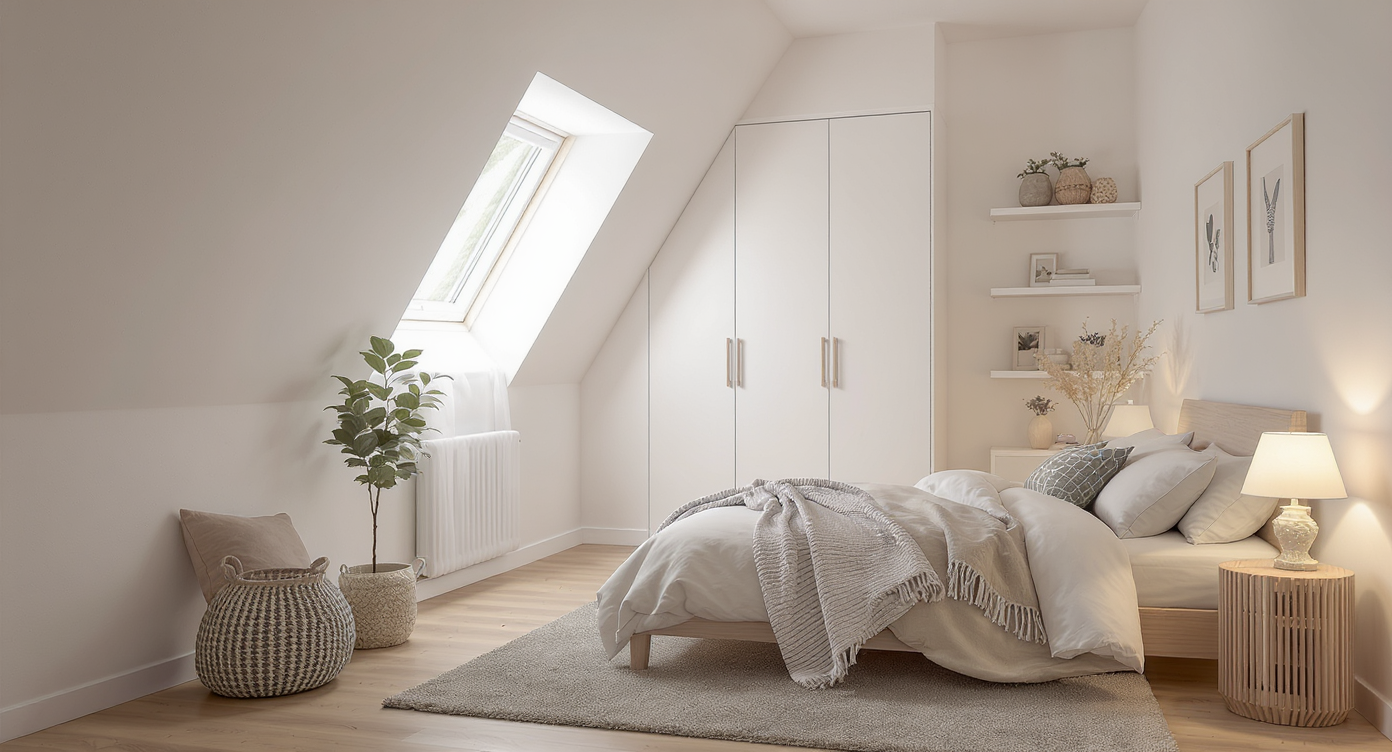
To turn a bedroom with odd corners and work-from-home needs into a harmonious space, start with flexible furniture placement, grounding area rugs, improved lighting, and intentional color layering. Focus on creating distinct zones for rest, work, and relaxation by refining the placement of key pieces, adding impactful décor, and prioritizing comfort and function.
Designing Comfort in Challenging Bedroom Spaces
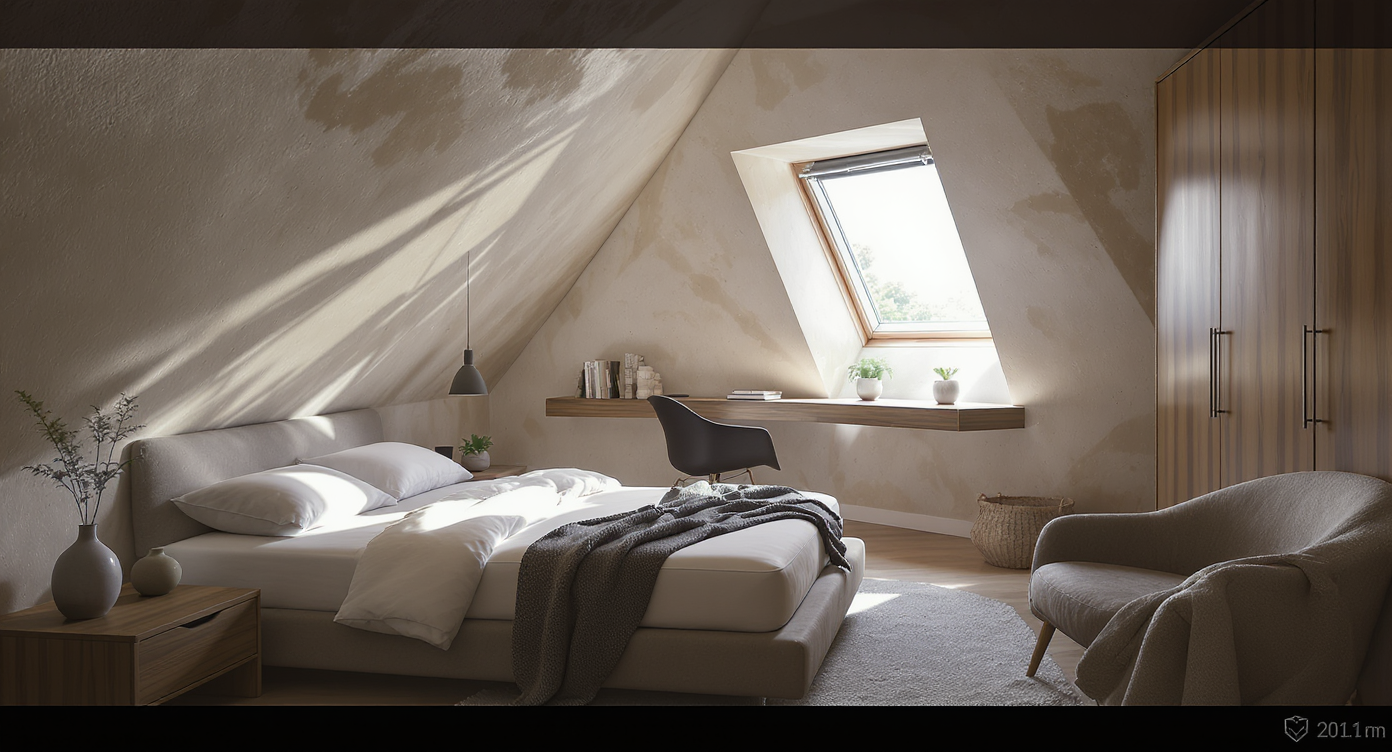
A cleverly arranged bedroom balances work and comfort in an oddly shaped space, featuring smart furniture placement and layered lighting.
A well-designed bedroom should offer both sanctuary and practical function, even when the shape or features of the room challenge conventional approaches. Unusual window placements, needed work-from-home spaces, and existing furniture can feel like obstacles rather than opportunities. Yet, the right design strategies transform these unique spaces into inviting, purpose-driven rooms. By considering layout, visual flow, lighting, and layering, even bedrooms with odd configurations can become deeply comfortable and strikingly personal.
-
Working With Odd Window Placement

A modern bedroom with an off-center window, wide curtains, and thoughtful furniture placement to create visual balance.
Many bedrooms feature an off-center or corner window, which initially seems like a barrier to balance in the room. The trick is to embrace rather than hide this architectural quirk. Instead of centering every major piece, use strategic placement to draw the eye around the space. Designers often suggest hanging curtains wider and higher than the actual window to visually expand its size and lend symmetry. This technique gives you the flexibility to center a bed or create a cozy work nook without it feeling off-kilter. For example, layering long, floor-skimming curtains in a gentle pattern can soften the visual weight of a window AC and add warmth, while a well-placed area rug brings everything together. Smart window treatments not only enhance aesthetics but also diffuse natural light for work and rest alike.
Expert Insight
Several years ago, a friend struggled with a bedroom that doubled as a workspace and felt cold despite new furniture. Odd window angles and scattered storage made every attempt at zoning feel futile. It took a single oversized wool rug, a pair of mismatched but complementary lamps, and hanging a bold abstract print above the bed for everything to click. The room not only radiated warmth but also helped distinguish work from relaxation. Unexpectedly, the most impactful change was lowering one plant stand to intercept morning light—a subtle, daily invitation to slow down before the rush of online meetings.
-
Integrating Work-From-Home Needs
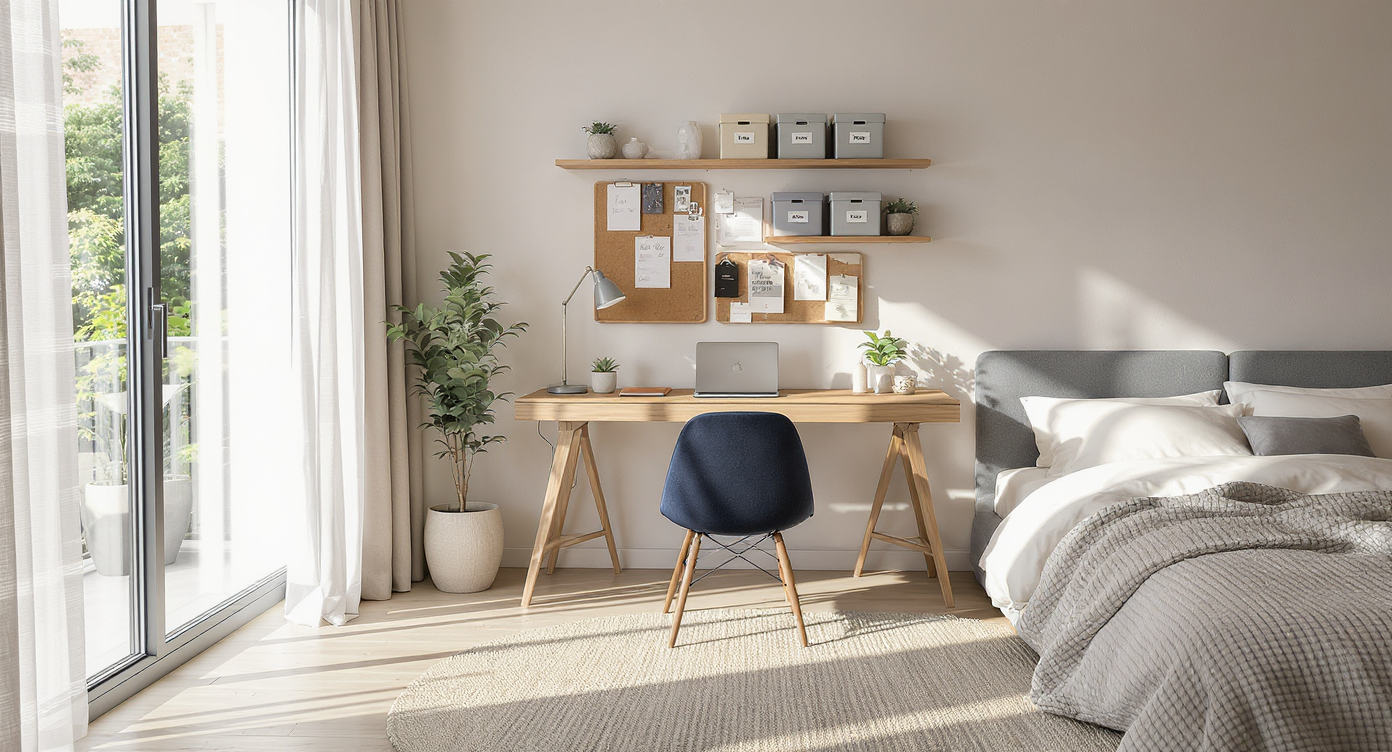
Bright bedroom workspace: desk faces window with plants, shelf, and corkboard, separated from bed by a rug for a polished, functional setup.
Remote work is a daily reality for many, making a bedroom desk more of a necessity than a luxury. The location of the desk influences both productivity and how the space feels at different times of the day. Instead of automatically squeezing a desk into a corner, consider how the camera angle, natural light, and visual background work for meetings or focused work. A desk oriented toward the windows maximizes daylight and allows for plant displays nearby—a simple move that can energize the space. Placing the desk so your back is against a wall, with a thoughtfully decorated background, also helps video calls look polished and keeps work essentials separated from the sleep zone. Adding shelving or a corkboard helps personalize the area and increase functionality without creating clutter. Small changes like introducing a rug under the desk or selecting a more residential-style chair can make the workspace feel intentional, not improvised.
-
Anchoring the Room With Soft Layers
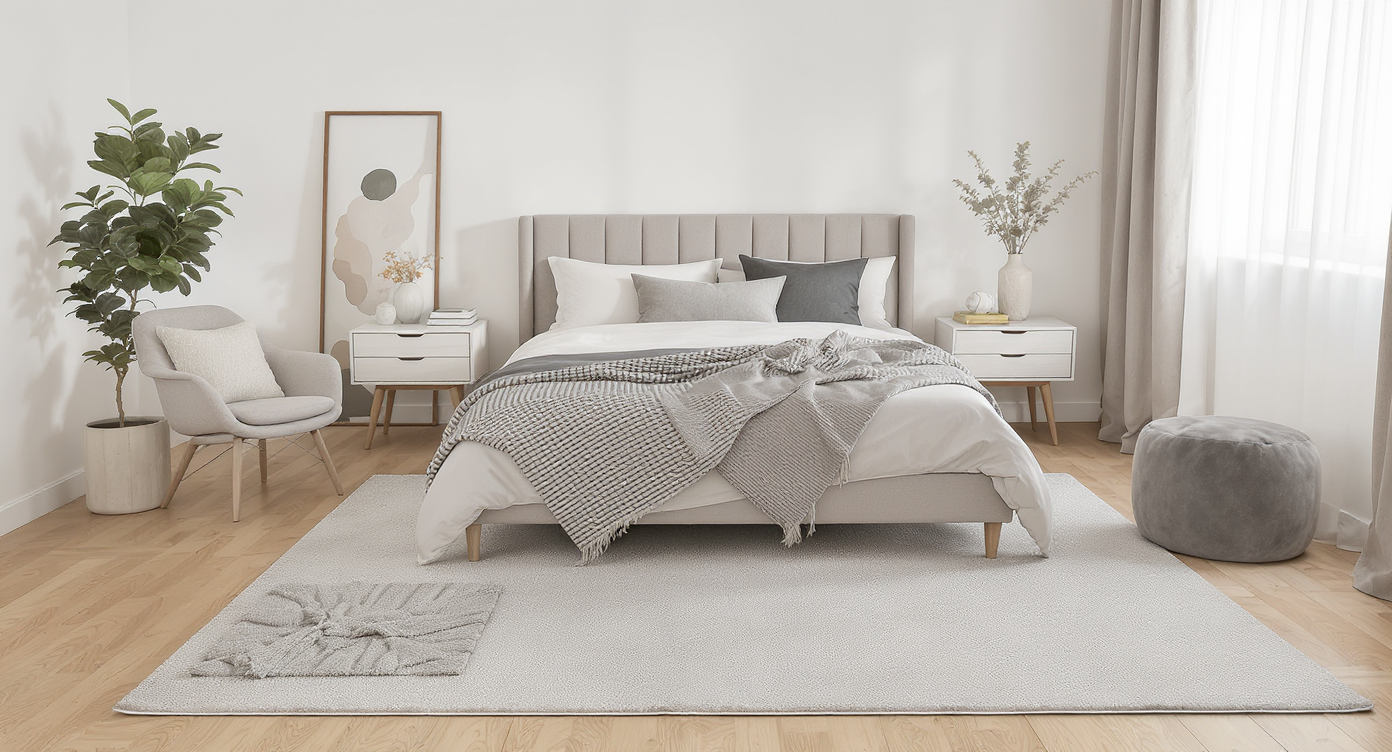
A generously sized rug and layered soft textiles connect minimal bedroom furniture, creating cozy, grounded zones within an open layout.
Bedrooms with hard flooring or minimal textile layering often feel incomplete, especially if the room is spacious or sparsely furnished. A generously sized area rug is both practical and beautiful—it creates a boundary within open layouts, absorbs sound, and provides warmth underfoot. Rugs in understated patterns or colors that echo the existing furniture palette can serve as gentle connectors between disparate pieces. As detailed in small bedroom ideas for 2025 comfort, selecting the right rug can dramatically elevate how cozy the room feels, while smaller accent rugs under a desk or at the entry further define zones. Incorporating a few plush throws and oversized pillows layers texture without crowding the eye, helping the room shift easily from work to rest.
-
Curating Color and Art for Character
Personal touches turn any bedroom, no matter the shape or layout, into a reflection of its occupant’s taste. Paint or wall art can shift the energy of a room that otherwise reads neutral or unbalanced. Selecting a large piece of art above the bed, rather than piecing together multiple smaller frames, draws the eye and provides a necessary anchor. Even a single dark blue or sage green accent—either through blankets, a wall, or a standout lampshade—effortlessly brings in an earthy, grounded feel. Matching lamp bases on either side of the bed evoke harmony. Layering accent pieces in repeating colors or motifs, as seen in our review of bedroom decor essentials, is an easy way to tie together disparate elements. Art, whether framed prints or DIY canvases, can be swapped seasonally to keep things feeling fresh.
-
Elevating Ambiance With Better Lighting
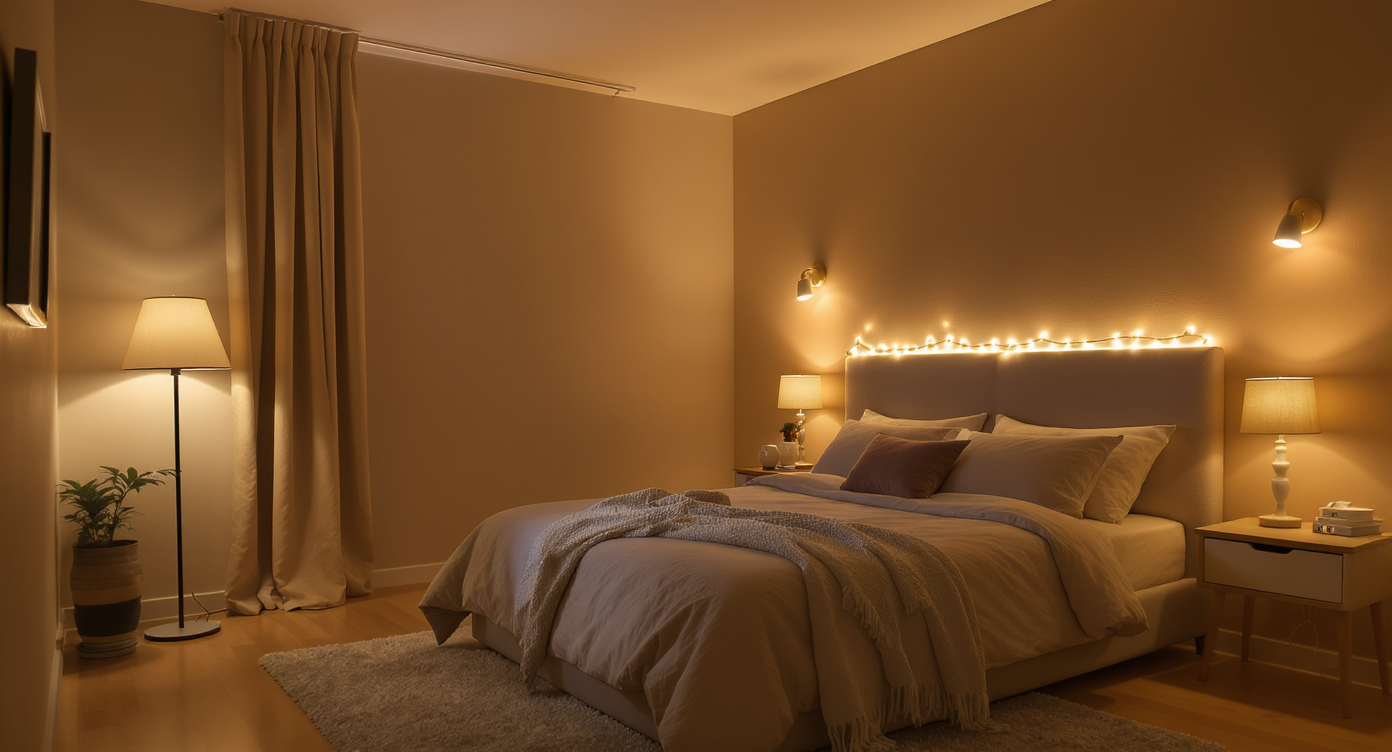
Layering table lamps, floor lamps, and decorative lights at varied heights produces a warm, balanced ambiance in modern bedrooms.
Lighting is often what separates an average bedroom from one that feels cultivated and special. Overhead fixtures rarely provide the cozy atmosphere many crave, especially for reading or unwinding at the end of a long day. A combination of table and floor lamps at different heights instantly adds intimacy and flexibility to the space. Favoring warm white bulbs and translucent shades ensures a gentle glow throughout the room. Layering two or three lights, in addition to overheads, helps transition the bedroom from productive mornings to restful evenings. The addition of decorative lighting, like a unique pendant or sculptural table lamp, makes functional pieces into artistic statements. Drawing from designer-favored DIY decor ideas, even battery-operated sconces or string lights can elevate the mood without rewiring.
-
Anecdote
Several years ago, a friend struggled with a bedroom that doubled as a workspace and felt cold despite new furniture. Odd window angles and scattered storage made every attempt at zoning feel futile. It took a single oversized wool rug, a pair of mismatched but complementary lamps, and hanging a bold abstract print above the bed for everything to click. The room not only radiated warmth but also helped distinguish work from relaxation. Unexpectedly, the most impactful change was lowering one plant stand to intercept morning light—a subtle, daily invitation to slow down before the rush of online meetings.
-
Common Mistakes to Avoid
Attempting to force symmetry where the room can’t naturally provide it tends to create tension rather than balance. Trying to hide an off-center window behind heavy drapes often draws even more attention to it. Avoid using only overhead lighting. Skipping rugs or using ones too small for the room can make spaces feel scattered and unfinished. Generic desk chairs or purely functional furniture can detract from the personality of the space; selecting residential or even vintage pieces helps maintain a relaxed, bedroom-appropriate look. Finally, defaulting to bare walls rather than introducing large art or intentional color means missing one of the easiest visual upgrades.
-
Tips or Expert Insights
Designers frequently recommend working with—rather than against—the quirks of unique bedroom layouts. Using a bold but cohesive color palette throughout soft textiles, wall paint, and accessories encourages a unified look. Placing the bed so it takes advantage of whatever architectural anchor exists, such as a plant wall or visual line between windows, helps to orient the space. Multifunctional furnishings, like ottomans and deep nightstands, support modern lifestyles without crowding. Layering warm lighting, as emphasized in affordable decorator tricks, is consistently cited as the quickest upgrade for a cozier feel.
-
How to Use This in Your Next Designs
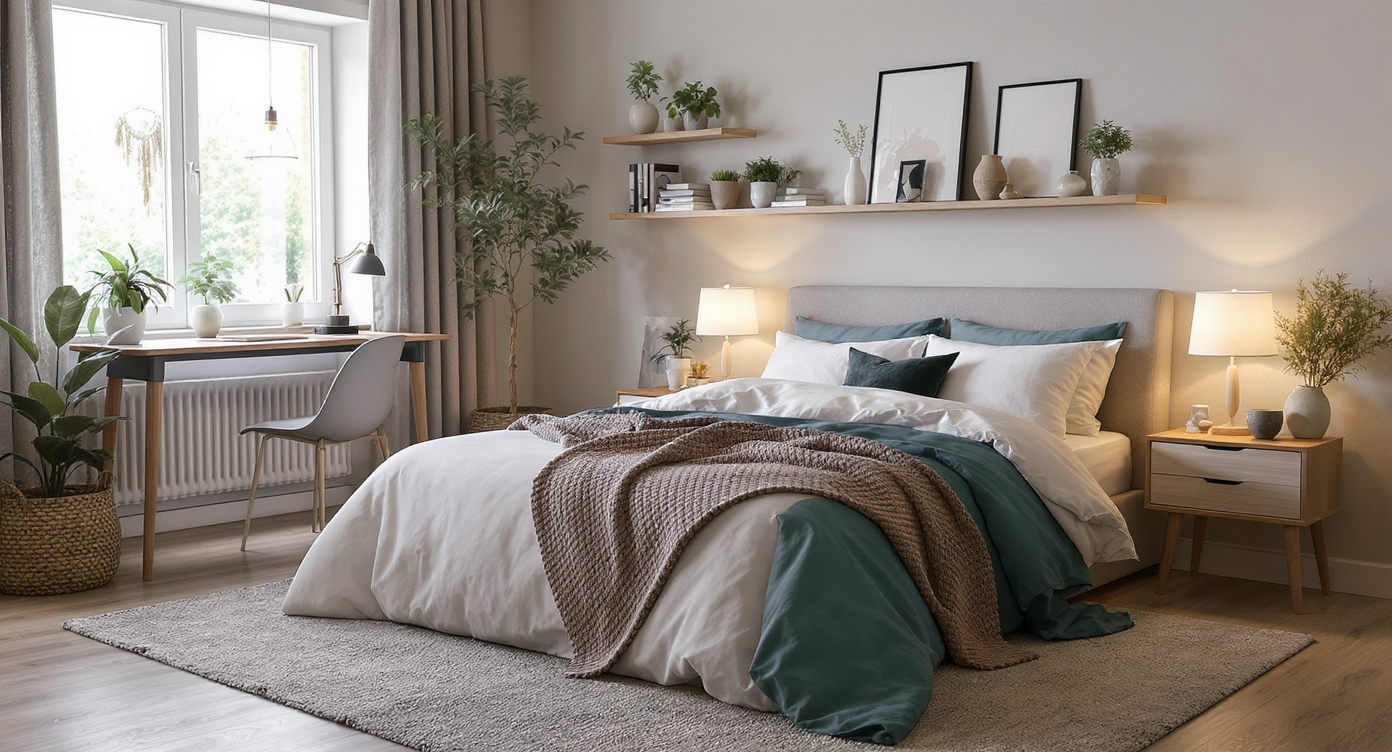
Bedroom with a diagonal bed, zoned areas using rugs, workspace set for tidy video calls, and décor blending patterns and natural touches.
If you’re tackling a bedroom with an odd layout or working-from-home requirements, start by zoning functional spaces with both physical furniture placement and visual cues like rugs and lighting. Don’t be afraid to move large items to unexpected spots—sometimes a bed or desk feels right when oriented away from their default wall. Consider layout options that keep video conference backgrounds both tidy and attractive, and use open shelving or tall plants to define corners. Mix patterns and colors across curtains, bedding, and accessories for a space that feels styled rather than staged.
-
Visualization Section
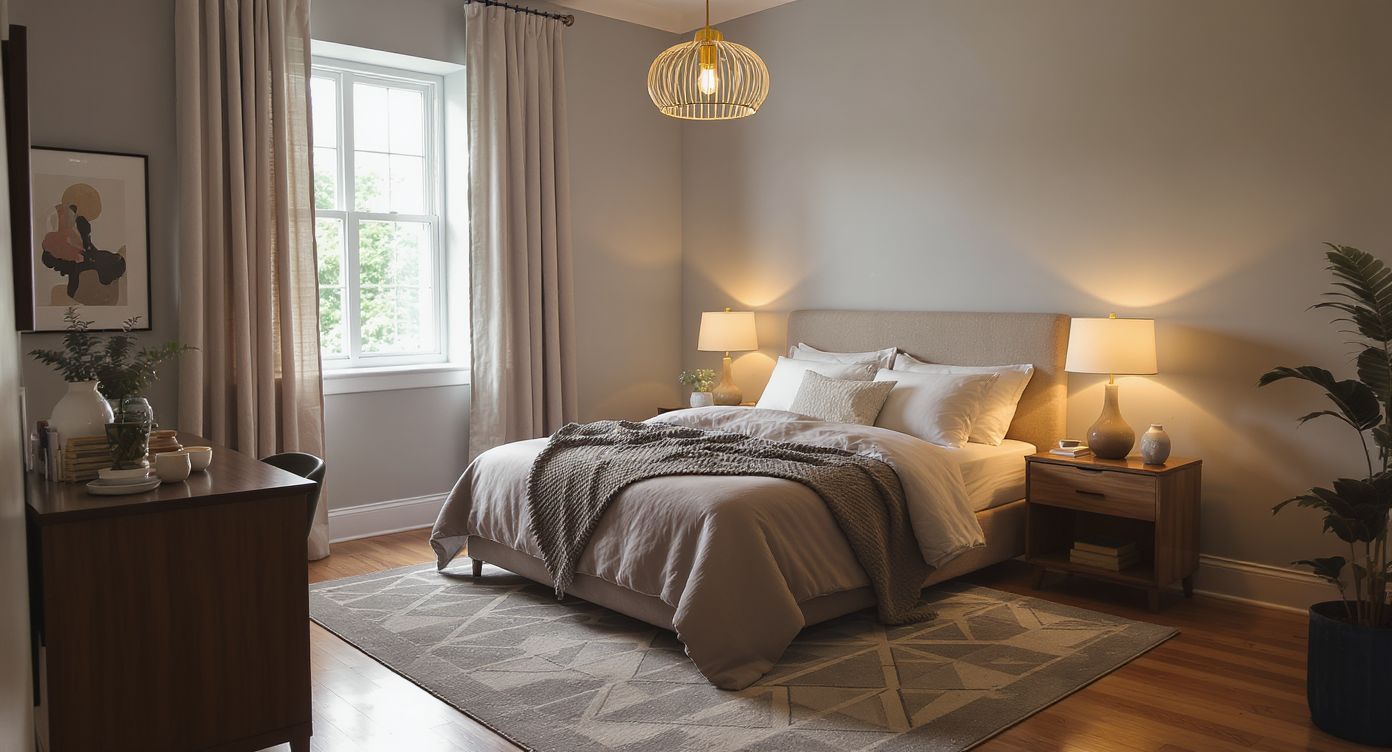
A cozy bedroom layout with bed centered under wide drapes, patterned rug beneath, angled desk facing plants, and multiple layered lights.
Imagine walking into a bedroom that feels tailored and welcoming, despite a window situated in an awkward corner and a desk required for daily remote work. The bed sits under a wash of soft, floor-length linen drapes that extend well past the window frame, centering the room visually and filtering gentle morning light. A plush patterned rug extends beneath both bed and nightstands, anchoring everything but leaving visible wood beneath the desk’s slightly angled placement. Overhead, a statement pendant adds character without overwhelming, while multiple lamps at varying heights offer layered warmth. The desk faces a modest gallery wall and a cluster of vibrant potted plants, making even the most routine emails feel inspiring. It’s a space where every activity—sleep, work, relaxation—feels subtly divided yet seamlessly harmonious.
Visualization Scenario
Imagine walking into a bedroom that feels tailored and welcoming, despite a window situated in an awkward corner and a desk required for daily remote work. The bed sits under a wash of soft, floor-length linen drapes that extend well past the window frame, centering the room visually and filtering gentle morning light. A plush patterned rug extends beneath both bed and nightstands, anchoring everything but leaving visible wood beneath the desk’s slightly angled placement. Overhead, a statement pendant adds character without overwhelming, while multiple lamps at varying heights offer layered warmth. The desk faces a modest gallery wall and a cluster of vibrant potted plants, making even the most routine emails feel inspiring. It’s a space where every activity—sleep, work, relaxation—feels subtly divided yet seamlessly harmonious.
Bedroom Layout FAQ
Extend curtain rods wider and higher than the window itself and use long panels to create the illusion of symmetry.
How can I make my work-from-home area feel welcoming in my bedroom?
Choose a desk position with a pleasant view and decorate the wall behind you for video meetings. Use residential-style seating and a rug to define the zone.
How do I introduce color without overwhelming the space?
Layer one or two accent colors through textiles, lampshades, or art for unified interest. This approach echoes design thinking in bedroom decor essentials.
What lighting setup is best for comfort and function?
Incorporate table and floor lamps at multiple heights using warm white bulbs, as mentioned in designer-favored DIY decor. Layered lighting allows flexibility and comfort.
Where can I visualize or plan my updated layout?
Online tools such as ReimagineHome.ai let you experiment with arrangements and styles before making changes in your space.
Design Solutions for Real-Life Bedrooms
Bedrooms with off-center windows and work-from-home needs don’t have to feel compromised. By celebrating unique architectural quirks, layering tactile elements, and blending form with function, these spaces can become inviting retreats suited to both rest and productivity. From smart rug placement to lighting upgrades and expressive art, the path to a balanced bedroom is less about erasing irregularities and more about layering beauty and intention. For more inspiration, ideas, and visualizations uniquely suited to your bedroom, explore the design tools from ReimagineHome.ai.