Solving Persistent Odors in Renovated Homes: What to Do When Comfort Issues Linger

TL;DR
Unpleasant odors in newly renovated spaces can reappear even after thorough repairs, often due to overlooked sources or recurring comfort issues. Addressing the root cause, rather than treating symptoms, is key. Thoughtful investigation and targeted interventions can resolve stubborn smells and reclaim a healthy, enjoyable home.
Odor Surprises in the Newly Remodeled Home

A pristine, newly renovated living room shows subtle hints of odor issues, with an air quality monitor and fresh lemons suggesting unresolved comfort.
Remodel projects are meant to refresh a space, promising clean lines and a revitalized environment. Yet, sometimes, new or returning odors unexpectedly undermine that sense of achievement. Sulfur-like smells, for instance, are not only disruptive but can make homeowners question the effectiveness of their recent improvements. Comfort issues are especially frustrating when they seem to resurface without clear cause. Understanding why they happen is the first step toward enjoying the full potential of your renovated space.
-
Why Odors Return After a Remodel: More Than Meets the Eye

A freshly renovated utility room reveals both upgraded systems and subtle signs of lingering, unresolved odor sources.
A well-designed renovation should eliminate problems, not introduce new ones. However, lingering or resurgent odors after such efforts are an experience more common than most homeowners anticipate. Certain smells, such as sulfur or must, are particularly notorious for returning despite systematic remediation efforts. In many remodel stories, homeowners report that smells seemed resolved—only to come back weeks later. This isn't just bad luck. Typically, odors return because the underlying source hasn't been fully addressed or new materials and systems interact with old infrastructure in unforeseen ways. For example, a freshly installed water heater may still emit unwanted odors if invisible residues, dormant bacteria, or minor lapses in the treatment process persist. When projects focus solely on visible upgrades, these hidden comfort issues can remain overlooked. Designers and contractors increasingly recommend a holistic approach for remodel projects, considering every relevant component from plumbing and filtration to ventilation. Only by examining the entire system—not just the part that appears faulty—can you ensure lasting comfort.
Expert Insight
A newly-minted homeowner, eager to enjoy their updated space, was surprised to find that a persistent, unpleasant odor reemerged just weeks after moving in. Despite replacing fixtures and deep-cleaning every surface, the discomfort lingered. It turned out that a section of pipe behind the walls—overlooked in the renovation—harbored the problem. Once a plumber addressed the hidden source, the space felt fresh and welcoming at last.
-
Pinpointing Hidden Sources of Odor Issues
Truly understanding comfort issues requires looking beyond easy assumptions. For households dealing with persistent sulfur smells, for instance, the immediate suspicion often falls on water fixtures or recent appliances. Yet, similar to what many have experienced in multifamily and rental homes, odors frequently signal a deeper, sometimes systemic origin. Replacing fixtures or updating visible plumbing may not account for buildup or bacteria in less accessible stretches of pipe, or legacy materials lurking behind walls. In some remodels, water supply lines or tank components are only partially updated—meaning an invisible culprit could remain. In other cases, a mismatch between new systems (like treatment units or anode rods in water heaters) and the unique chemistry of the home’s water might allow the problem to reemerge. Real-world scenarios confirm this pattern. A newly replaced water heater in a recently renovated apartment may temporarily resolve an odor, only for the issue to reappear shortly after. When more than one unit shares the same filtration but experiences different results, the solution may lie in further investigation: is there a rarely-used line that allows bacteria to persist, or could airborne contaminants be infiltrating from an adjacent, unsealed crawlspace? Every detail matters.
-
Effective Solutions: From Quick Fixes to Long-Term Comfort
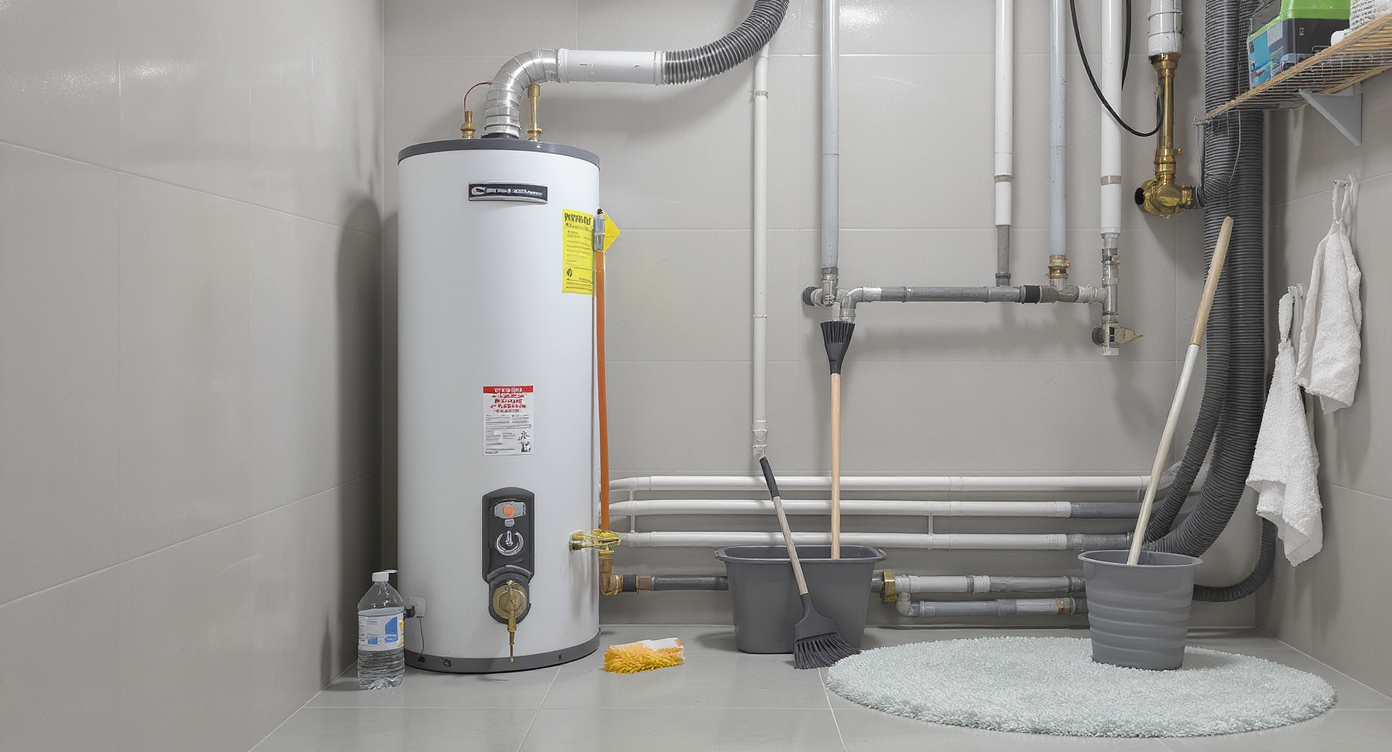
Multiple odor-eliminating measures: water heater maintenance, drain cleaning, and digital preview of plumbing fixture updates.
Short-term remedies for recurring smells might provide momentary relief, but sustainable comfort requires methodical action. For example, in homes with persistent sulfur odors from hot water, strategies can include shocking the water heater with a sanitizing solution or upgrading anode rods to materials better suited to the local water chemistry. Still, the impact of these interventions often depends on whether the problem source is accurately identified. Other proven measures involve improving ventilation to disperse lingering gases and scheduling regular maintenance of treatment systems—even if they appear to be functioning properly. Sometimes, the best resolution blends several approaches: a combination of drain cleaning, targeted sanitization, and strategic replacement of both visible and hidden components. Designers frequently recommend previewing updates and repairs visually, which can prevent common errors and help coordinate solutions across systems. Homeowners who preview finishes, layouts, or fixture changes using digital tools often report higher comfort and satisfaction with the result, as explored in the easiest DIY home repairs that save real money.
-
Anecdote: The Lingering Scent That Wouldn’t Leave
After a complete kitchen and bathroom remodel in a cozy suburban duplex, one homeowner believed every comfort issue was finally solved. New appliances, repainted walls, and re-plumbed sinks made the interiors sparkle. Yet, less than a month later, an inexplicable sulfur odor returned every time the hot water faucet ran. Confused, the homeowner retraced each step, even consulting several specialists. Ultimately, the culprit was found in a rarely-used service pipe—a remnant that wasn’t replaced during the visible upgrades—harboring bacteria and stale water. Once it was professionally cleaned and reconnected to regular use, the unwelcome smell finally disappeared.
-
Common Mistakes to Avoid
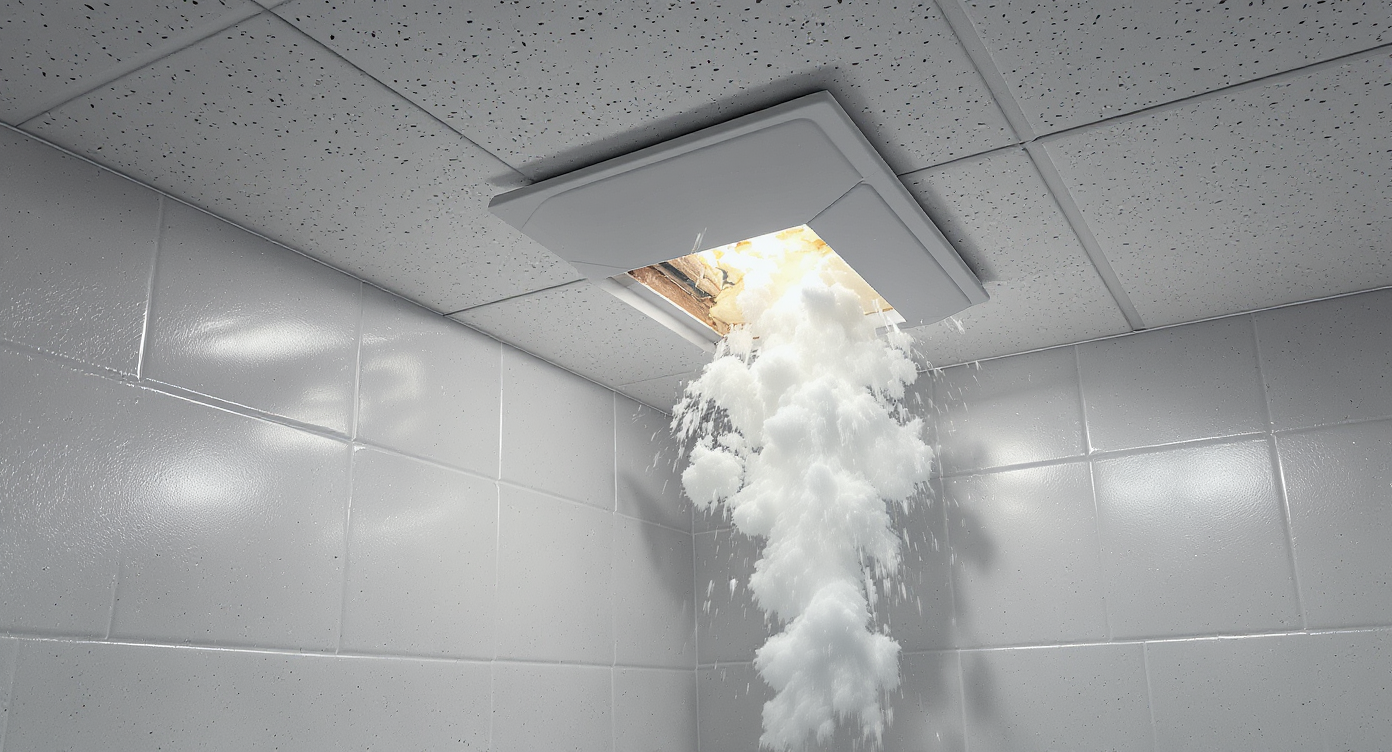
Attic insulation, unused pipes, aging seals, and dusty air returns in a renovated home reveal commonly overlooked odor sources and mistakes to avoid.
One frequent error in tackling comfort issues is assuming that a single repair or appliance replacement guarantees a permanent fix. Homeowners often forget to examine interconnected systems or to follow up on less obvious sources of odor, such as unused pipes, aging seals, or attic insulation. Another mistake is attributing recurring smells solely to water heaters or plumbing, while ventilation, air returns, and even new finishes or caulks could also play key roles. DIY fixes can offer savings, but skipping a thorough assessment may lead to repeat costs and frustration. Carefully plan each project, allow for a contingency budget, and consider visualizing the result in advance to preempt preventable setbacks, as outlined in DIY costs vs. real savings.
-
Tips and Insights from Homeowners and Designers
Practicing professionals and experienced homeowners offer practical advice: When odors appear, start with a methodical inspection. Run water in every fixture and note where unpleasant smells are most pronounced. Check less-used basins and evaluate both water and air sources. If you suspect water heater bacteria, a targeted shock treatment or anode rod swap may help. But if odor persists, consider a broader approach addressing whole-house filtration and proper line flushing. Expert designers also point out the value of choosing finishes and fixtures that resist harboring odors and bacteria. Surfaces that are easy to clean and plumbing components rated for your water chemistry add another layer of prevention. Finally, keep detailed records of all repairs and updates, making it easier to trace the origin of future issues and saving time, money, and stress.
-
How to Use These Lessons in Your Next Refresh or Remodel
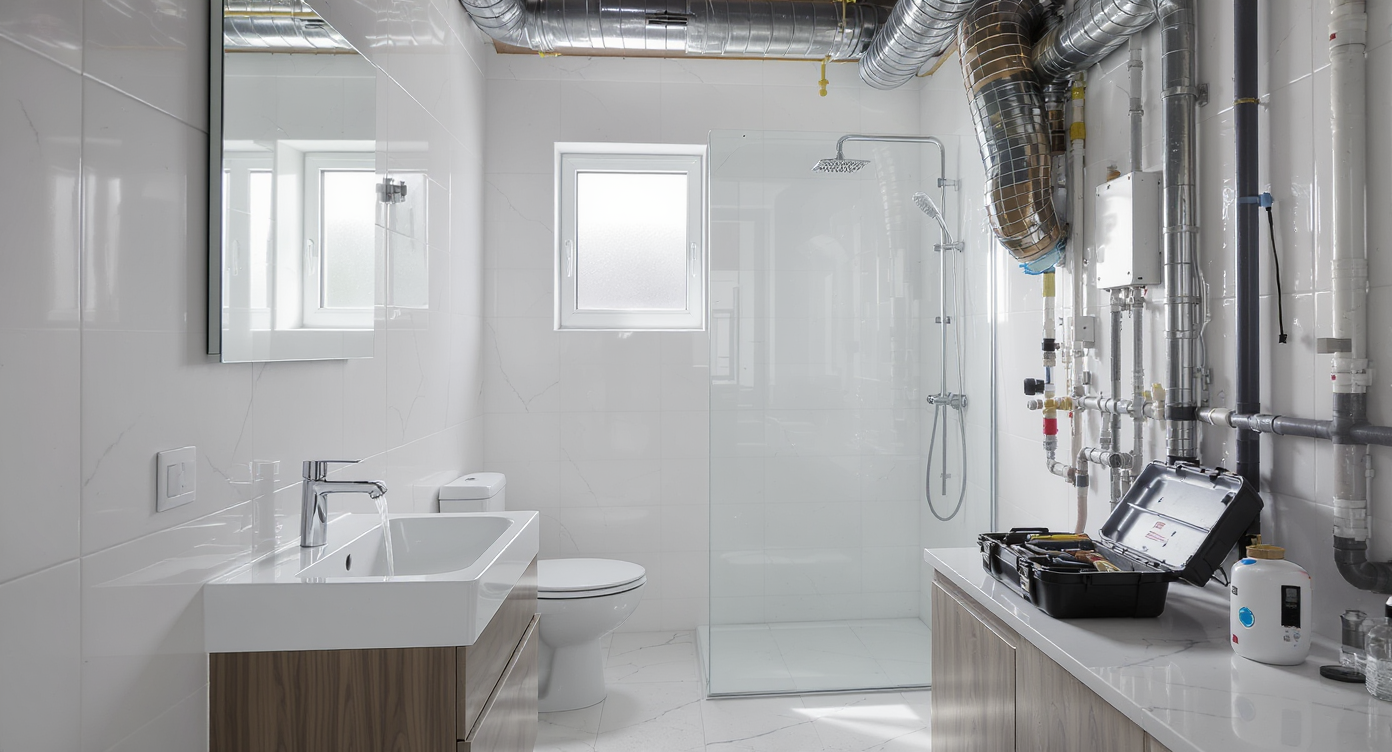
A freshly renovated bathroom with exposed piping, running fixtures, and a digital odor detector—visualizing hands-on system checks before project sign-off.
When planning your next renovation, integrate comfort considerations from the outset. Work with contractors to assess every relevant system—especially water lines, ventilation, and hidden pipework. Before signing off on the project, run each fixture and test for unwanted odors or leaks. In multifamily dwellings, check each unit independently, as isolated issues may require tailored solutions. Consider previewing your designs with visual tools that simulate color, layout, and hardware choices. Not only does this reduce surprise costs, it can help identify potential comfort issues in advance. The payoff is a refreshed home that feels—and smells—just as beautiful as it looks.
-
Visualization: Imagine Your Home at Its Most Comfortable
A newly renovated kitchen bathed in sunlight, showcasing fresh air, spotless surfaces, and every element contributing to a comfortable, inviting space.
Picture a newly redesigned kitchen, sunlight catching gleaming tile and brushed nickel fixtures. As you fill a pot at the sink for dinner, the air remains fresh and clear, and every surface—from countertops to plumbing—contributes to a welcoming atmosphere. With each project carefully planned and every system considered, the satisfaction is palpable: every small detail adds up to genuine comfort for all who live in or visit the space.
Visualization Scenario
Envision a freshly remodeled bathroom: soft natural light bounces off crisp white tiles, plush towels beckon, and the air remains perfectly neutral—no trace of unpleasant scents. Carefully chosen fixtures and effective planning ensure that each detail, from plumbing to paint, brings comfort and relaxation. This is the feeling any remodel should strive for: not just modern looks, but total sensory satisfaction.
Frequently Asked Questions
Lingering smells often result from underlying issues not addressed during a remodel, such as bacteria in rarely-used pipes, old insulation, or mismatches between new systems and existing infrastructure.
Are sulfur smells in water always a plumbing issue?
Sulfur odors can originate in water heaters, supply lines, or even from environmental factors. A detailed inspection is needed to trace the true source.
Can visualizing renovations in advance help avoid comfort issues?
Yes, digital visualization allows homeowners to preview choices, reducing the risk of comfort-related surprises and supporting better planning.
What should I do if a smell returns despite multiple repairs?
Review the entire system for overlooked components and consult with professionals for comprehensive testing. Sometimes, collaborating with both design and maintenance experts uncovers the hidden cause.
How can I use technology to plan more comfortable renovations?
Platforms like ReimagineHome.ai support homeowners by previewing updates and flagging potential problem areas before any demolition begins.
Achieving Lasting Comfort After Renovation
A successful remodel should yield more than visual appeal—it should also deliver pure comfort and peace of mind. Persistent odors and comfort issues, while frustrating, can almost always be solved by digging deeper and thinking systemically. Visualizing the finished space in advance and maintaining a proactive approach to maintenance reduce unpleasant surprises. For those looking to ensure their next remodel is a success in every sense, tools like ReimagineHome.ai make it easier to identify and plan for every detail, from the obvious to the unforeseen.