9 Real-World Lessons from a Small Stone Patio and Wall Transformation
TL;DR
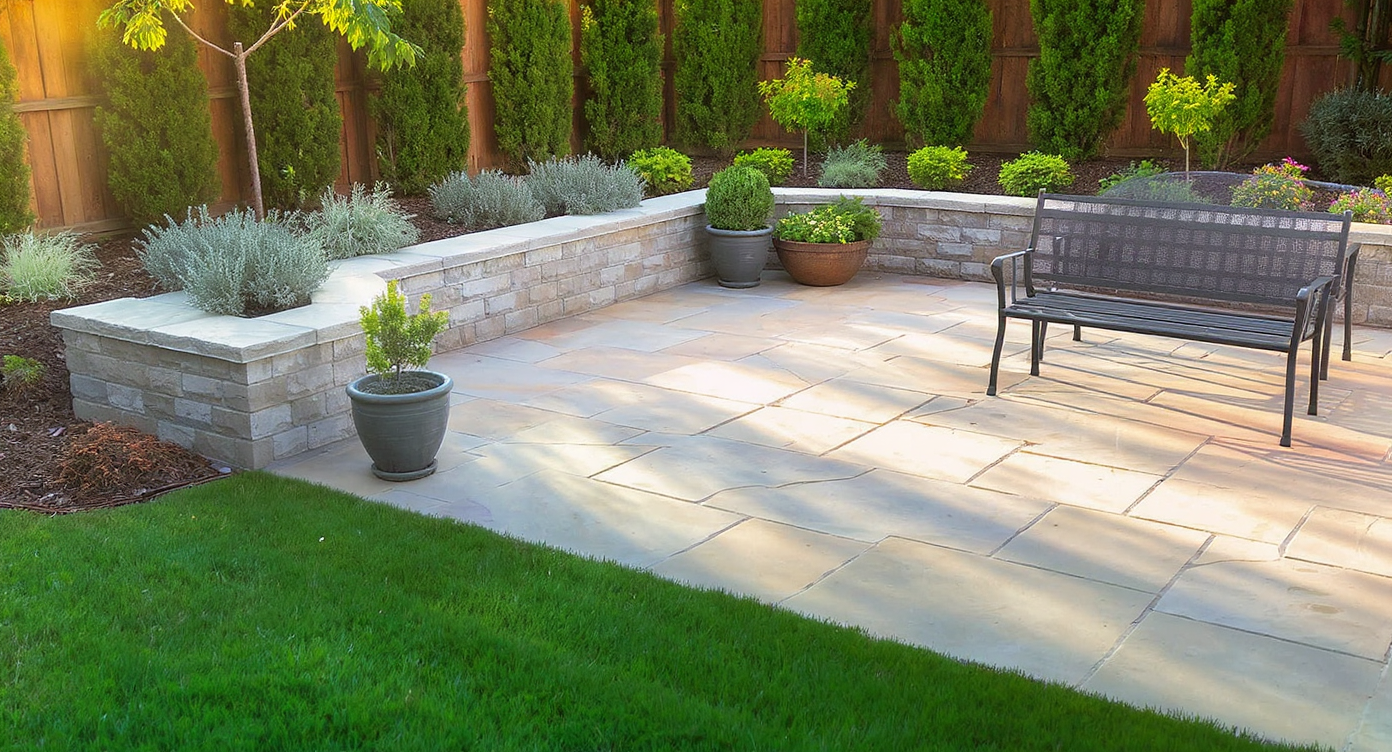
A successful stone patio and retaining wall project reveals hard-and-fast truths about real material costs, labor realities, and design choices in small-scale landscaping. These lessons help homeowners budget, set expectations, and make smarter design decisions for their own outdoor spaces.
Measured Takeaways from a Small-Scale Patio and Wall Job
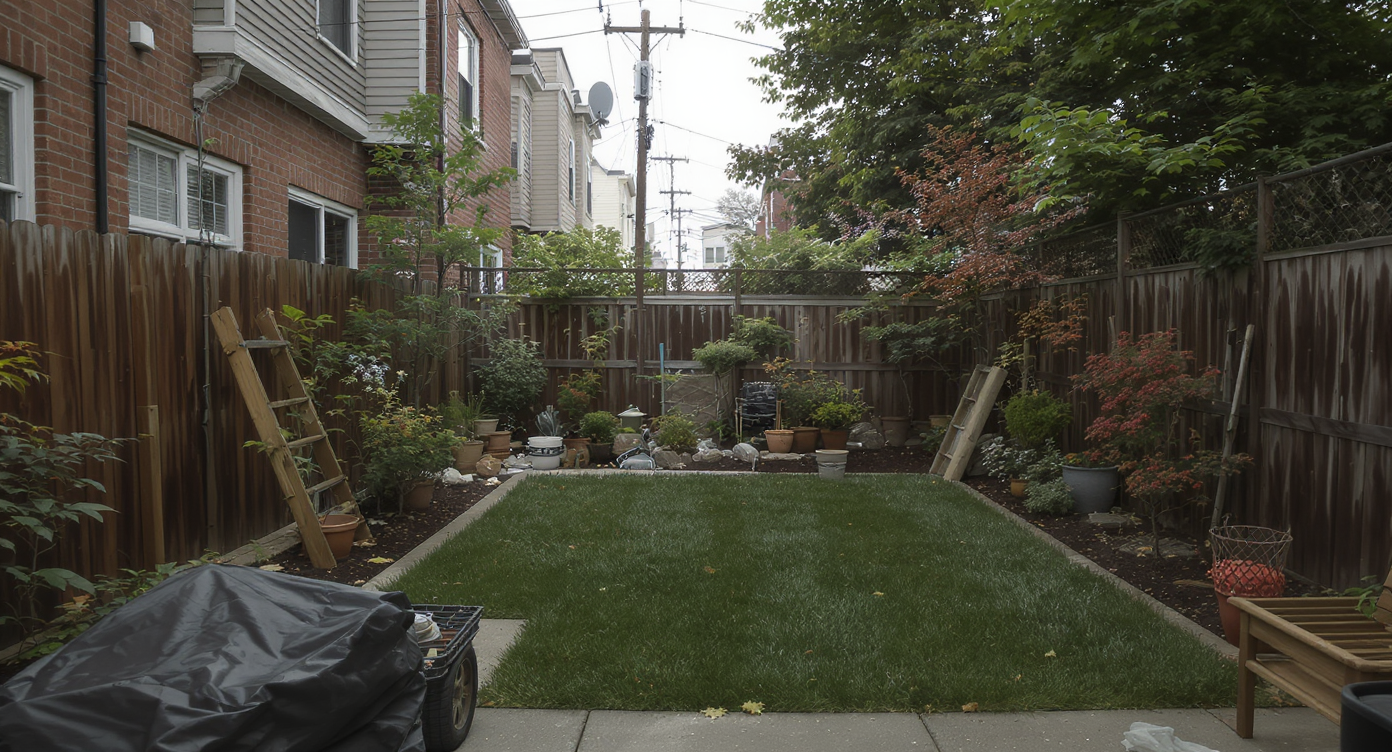
Careful site prep and professional materials on display at the start of a small backyard stone patio and wall upgrade.
Every completed landscaping upgrade tells a bigger story than just its before-and-after results. When a small stone patio and wall project makes a strong visual impact, it opens the door to questions about what it really takes—cost, effort, materials, and technique—to achieve a professional look. For homeowners considering their own backyard renovation, understanding the nuances behind these upgrades, from site preparation to material choices, is key to planning a successful outdoor space.
The following nine insights are distilled from seasoned installers, curious homeowners, and hands-on experiences in real-world projects. Whether you are budget-conscious or focused on quality, these takeaways offer a roadmap to navigate cost debates, avoid design pitfalls, and bring sophistication to even modest hardscaping jobs.
-
1. Accurate Material Costing Starts with Local Context
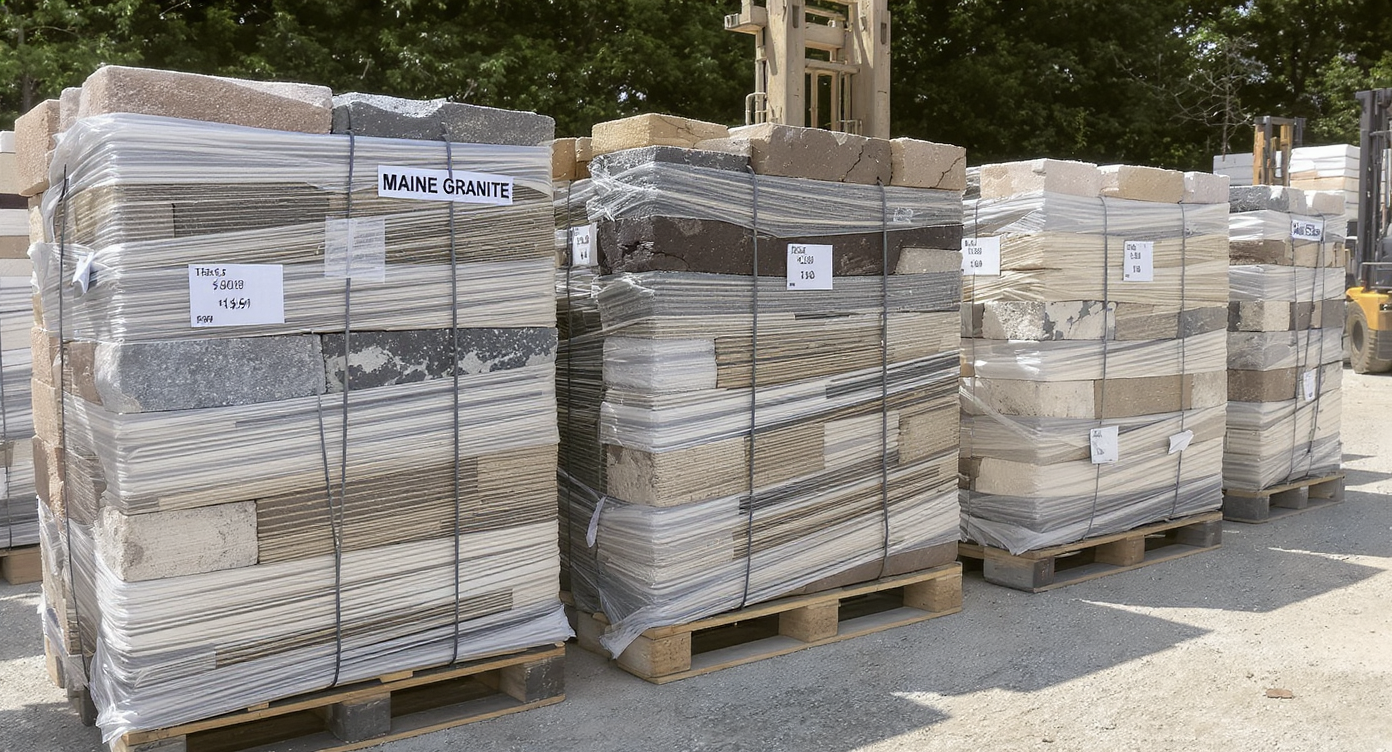
Regional stone varieties, such as Maine granite and Texas flagstone, stacked on pallets at a local supplier yard, highlight how location affects material costs.
The price of natural stone varies dramatically by region and supplier, with Maine granite fetching different rates from Texas flagstone. Homeowners sometimes underestimate this variability, expecting identical costs everywhere. A key insight from project pros is that material expenses for a small patio can easily top $1,500 to $2,500, particularly for premium or regionally sourced stone. As discussed in our analysis of hardscape costs in 2025, stone pricing is a combination of raw cost, transport, and even cutting complexity. For a well-constructed patio and wall, stone can represent a significant chunk of the final bill, especially when custom fitting and finish quality are required.
-
2. Labor Always Outweighs Material in Custom Work
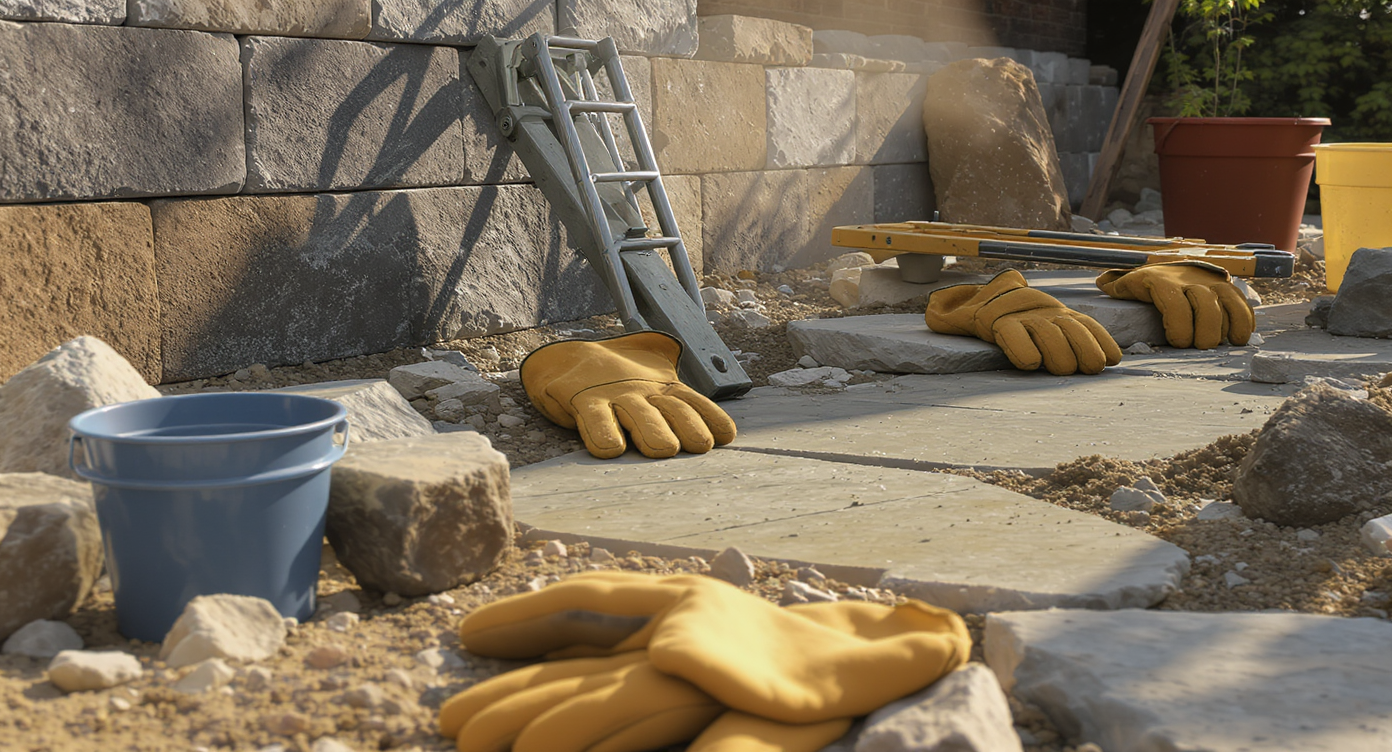
Precision tools and heavy stones at an active small patio build, showcasing the intense labor and skill needed for a custom stone wall.
Stone budgets draw attention, but most of the job’s value is in expert labor. Precision fitting, dry-stacking technique, and heavy lifting are time-consuming and require real skill. Even for a compact wall, professionals point out that maneuvering stones weighing 300 to 2,000 pounds is both physically demanding and slow. This is a key reason quoted prices for similar-looking jobs can range from $3,000 to $8,000 or more, depending on site access and finish expectations. For DIYers contemplating a similar venture, reserving additional weekends and enlisting help is a practical way to manage both physical fatigue and quality outcomes.
-
3. Comparing DIY vs. Pro Pricing Is Rarely Apples to Apples
DIYers often seek to estimate their savings by comparing material costs alone, but this approach underestimates the complexity of professional projects. As detailed in our breakdown of how to build a paver patio, excavation depth, layer compaction, and drainage solutions are often invisible yet critical steps. Contractors incorporate these details, which add time and require specialized tools, into their pricing. Homeowners should also factor in the risks of improper base prep or auto-leveling errors, which can cause long-term settling or drainage issues. So while material costs are transparent, true job value includes expertise, tools, site safety, and warranty.
-
4. Real Craftsmanship Is in the Stone Fitting and Detailing
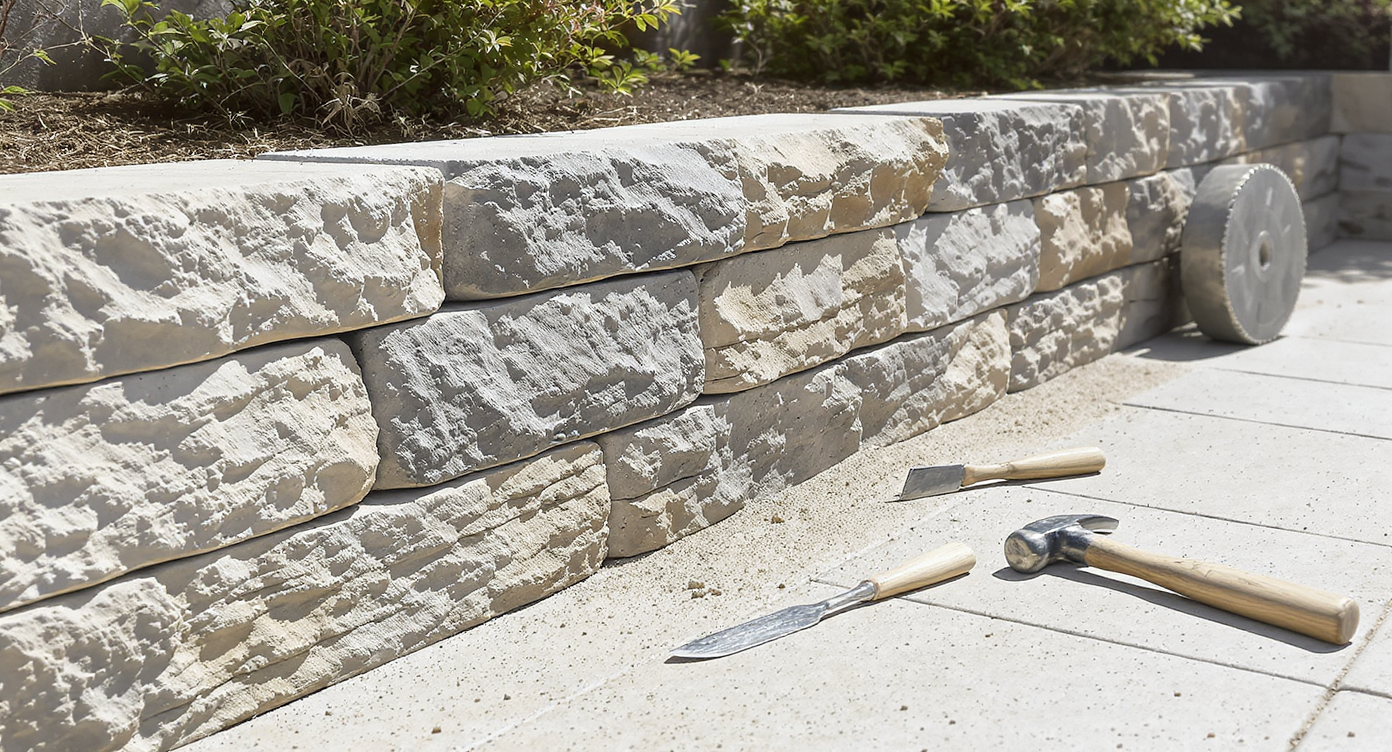
Meticulously shaped stones with tight gaps and crisp edges highlight the craftsmanship behind a professional stone wall installation.
Nothing distinguishes a professional install more than the invisible hours spent on scoring, trimming, and naturalizing stone edges. From scoring with a chisel and diamond wheel to carefully hammering for a true dry look, the difference between a slapdash wall and one that sits tight and inviting is meticulous shaping. Pros may spend as much time on a single stone’s fit as on carrying it into place, especially with irregular sizes. Crisp gapping and thoughtful placement make even a modest wall or patio feel high-end and permanent. Residential clients often praise the tight fit and the durability that comes from attentive handwork, something mass-produced modular systems rarely match.
-
5. Filler and Joint Materials Influence Both Appearance and Drainage
The choice of what fills the joints between stones is more than cosmetic—it shapes usability and long-term drainage. Some design-minded clients love the look of open gaps, while others advocate sweeping in stone dust for moss growth, or prefer gravel for a more stable furniture base. According to our examination of low-maintenance options in tips for first-time DIYers, filler choice also bears on freeze-thaw cycles, weed resistance, and ease of cleaning. Practical decisions about joint filler ensure the finish is functional as well as beautiful.
-
6. Small Details Can Spur Debate but Often Add Custom Value
Public reactions to finished jobs often fixate on cost or missed details, but experienced installers reveal that final touches—like choosing stone dust for joints or leaving intentional gaps—are usually specified by the homeowner. These bespoke decisions impact both aesthetics and maintenance expectations. The lesson is that clarifying intent with your installer (or your own design plan) ahead of time is essential. As seen in this project, purposeful gaps enabled water infiltration to help replenish the aquifer, a subtle yet valuable ecological benefit. Well-chosen details often outlast trending looks and demonstrate a project’s consideration for both beauty and function.
-
7. Site Conditions and Invisible Prep Drive Success
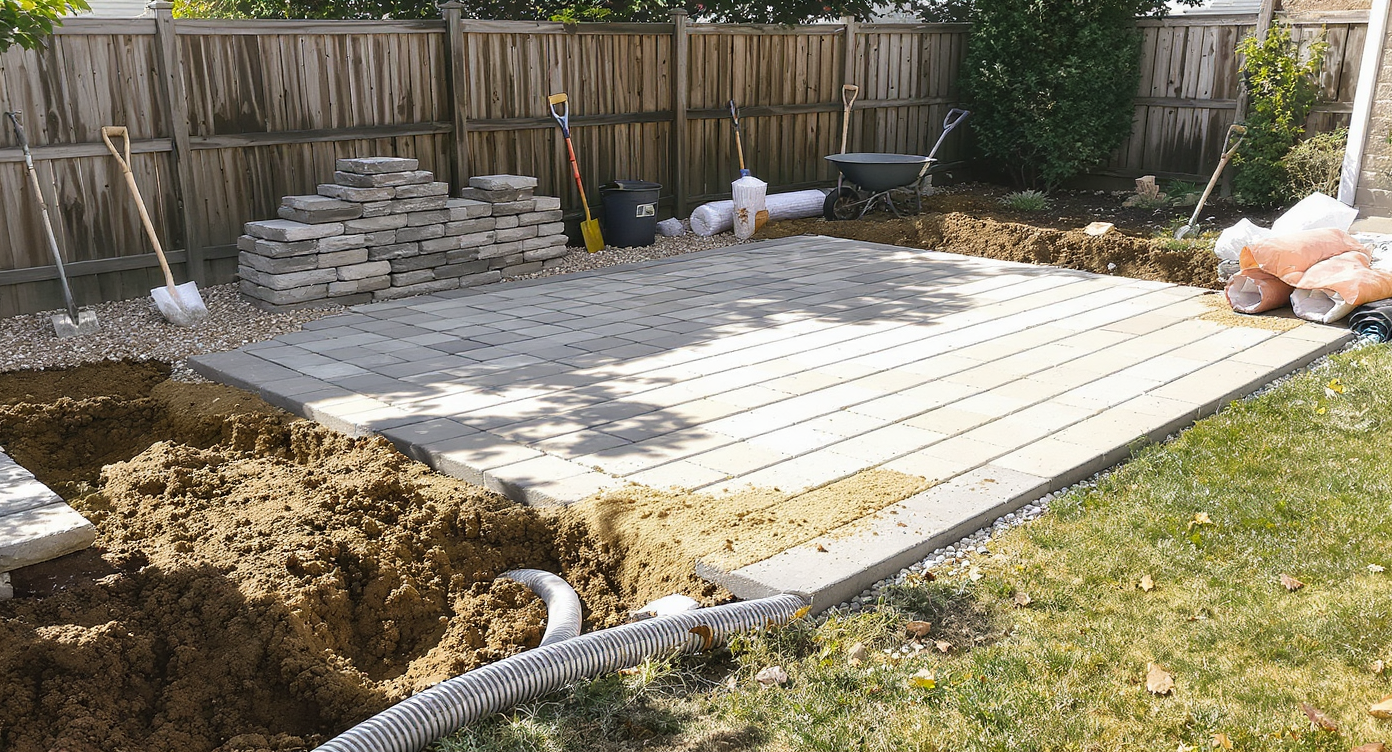
Thorough site prep: exposed trenches, drainage solutions, and sub-base layers vital to durable stone patio construction.
No two sites are truly alike. Identical-looking patios might hide very different preparation work, including the rerouting of gutters under lawns, dealing with tough clay soils, or shifting planting beds. Simple jobs often require complex logistics. Builders frequently find themselves trenching for downspouts or reinforcing sections to avoid future washouts. As we have highlighted in our feature on landscaping ROI, the best projects consider these invisible factors, ensuring longevity and resilience no matter the square footage of the hardscape.
-
8. Before Photos Can Undersell the Effort Involved
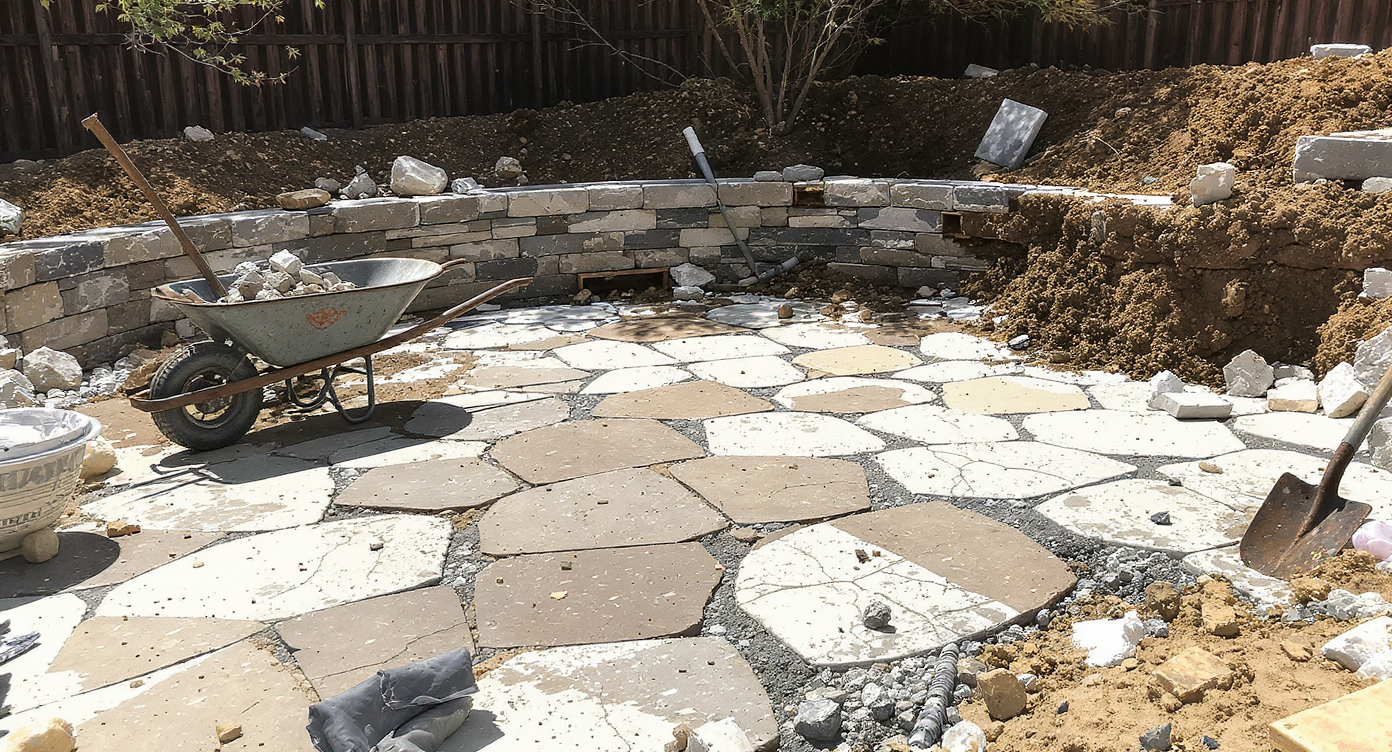
Preparing a new patio involves demolition, debris removal, substrate correction, and material staging, all captured in a real-world project phase.
The impact of a finished patio or retaining wall is often dramatic, but transformation images rarely tell the story of demolition, debris removal, or substrate correction. Experienced designers advise clients to budget for unseen labor, like pulling old patios, nudging utilities, or correcting uneven ground. These steps can account for much of a project’s expense and are commonly overlooked in quick budget discussions. Documenting multiple build phases is invaluable for an honest assessment of value and effort—both for your own records and for future resale documentation.
-
9. Lasting Value Is More Than Resale—It’s Enjoyment and Low Maintenance
While resale value remains a popular talking point, a thoughtfully executed small-scale stone patio adds intangible returns: daily delight, improved drainage, and a tangible invitation outdoors. Homeowners report the greatest satisfaction when choices prioritize comfort and simplicity over fleeting trends. Tools like REimagineHome.ai now allow previewing finishes and layouts digitally, reducing regret and helping to harmonize style choices with longevity. In the end, the true payoff of a backyard upgrade lies in daily use and the seamless blend of natural and built elements.
FAQ
Material selection, site preparation, and expert labor all have significant impact. Local stone prices and detail work can swing budgets considerably, as noted in our hardscaping cost guide.
Is DIY installation a practical way to save money?
For basic layouts, DIY can be effective, but the hidden skill in leveling bases, setting heavy stones, and managing drainage is why professionals command higher bids. Reviewing practices in our paver patio walkthrough will clarify those challenges.
How does joint filler selection affect patio performance?
Stone dust, sand, and gravel each alter drainage, weed control, and moss growth. These choices influence aesthetics and maintenance for years, as outlined in our practical guide.
Does a small-scale project impact home value?
Even a modest patio can improve day-to-day experience and enhance resale prospects. Value comes from avoided maintenance and fewer buyer objections, as outlined in our ROI analysis.
What tools or resources can aid in planning my backyard update?
Digital platforms like REimagineHome.ai allow virtual mockups, helping users make design decisions before construction begins.
Decoding the Backyard Upgrade: More Than Meets the Eye
The process of transforming a backyard with natural stone pays dividends beyond curb appeal. From nuanced pricing and labor inputs to details affecting usability and maintenance, each step is a reminder that real expertise is worth the investment. For future builds or renovations, consider leveraging planning platforms such as REimagineHome.ai to visualize outcomes and unlock smarter design decisions before breaking ground.