7 Smart Steps to Test If You Truly Love a Design Before Remodeling
TL;DR
Evaluating design choices before you remodel helps prevent costly mistakes and fleeting trend fatigue. Follow these seven steps to clarify your vision, test colors in your own space, and ensure that your home feels authentic for years to come.
Why Testing Design Choices Pays Off
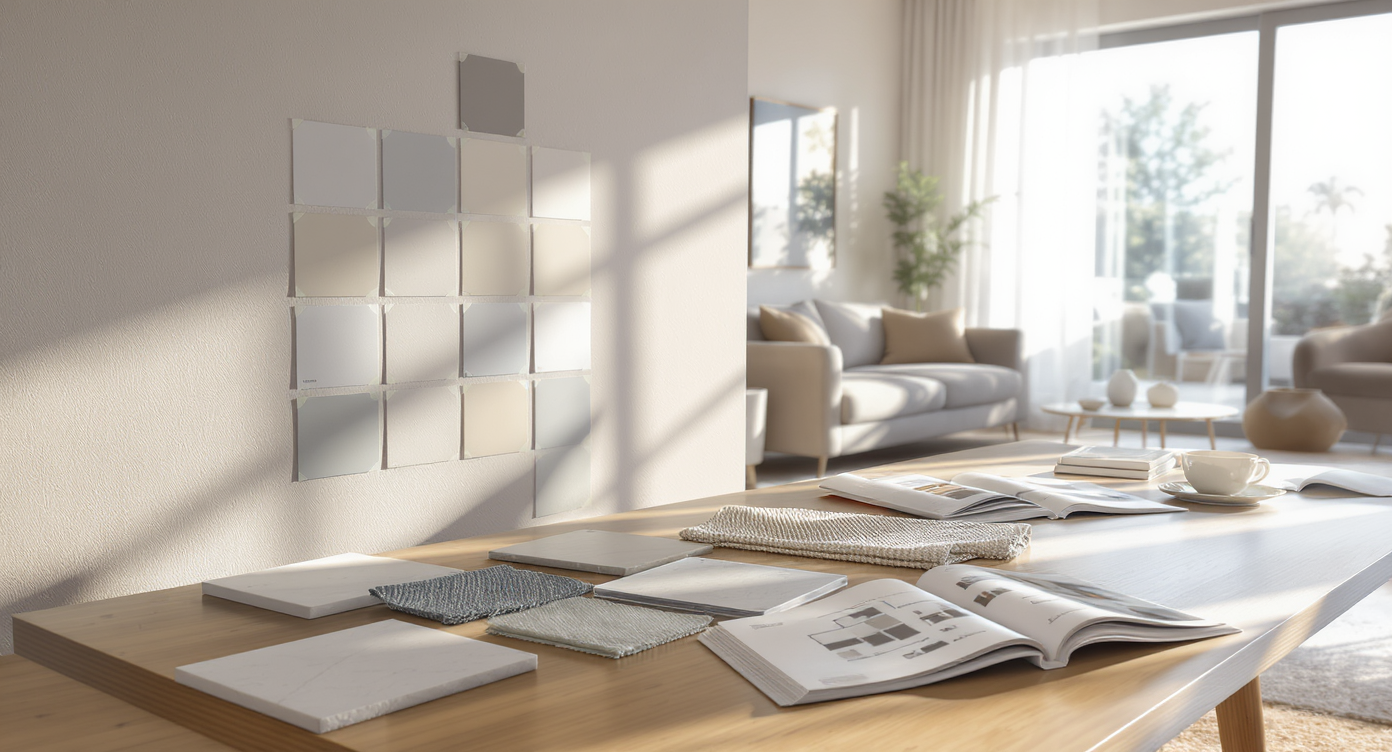
A modern living room shows painted color samples on the wall, fabric and flooring swatches, and open design magazines for remodeling inspiration.
Making decisions about home remodeling or changing color schemes can feel like navigating a maze of rapidly shifting inspiration and trends. While endless scrolling or saving of pictures might spark creativity, many homeowners end up regretting impulsive choices once the dust settles. Trends that look stylish online or in open houses can easily lose their charm in everyday living environments. Homeowners who methodically test and reassess their preferences avoid the all-too-common disappointment of paint colors that clash with their light, furnishings, or mood. By slowing the process, you can separate the designs you love from those you admire only fleetingly—in turn reducing the temptation to chase passing trends and instead fostering a home that reflects your own enduring taste.
-
1. Curate and Save Inspiration Over Time
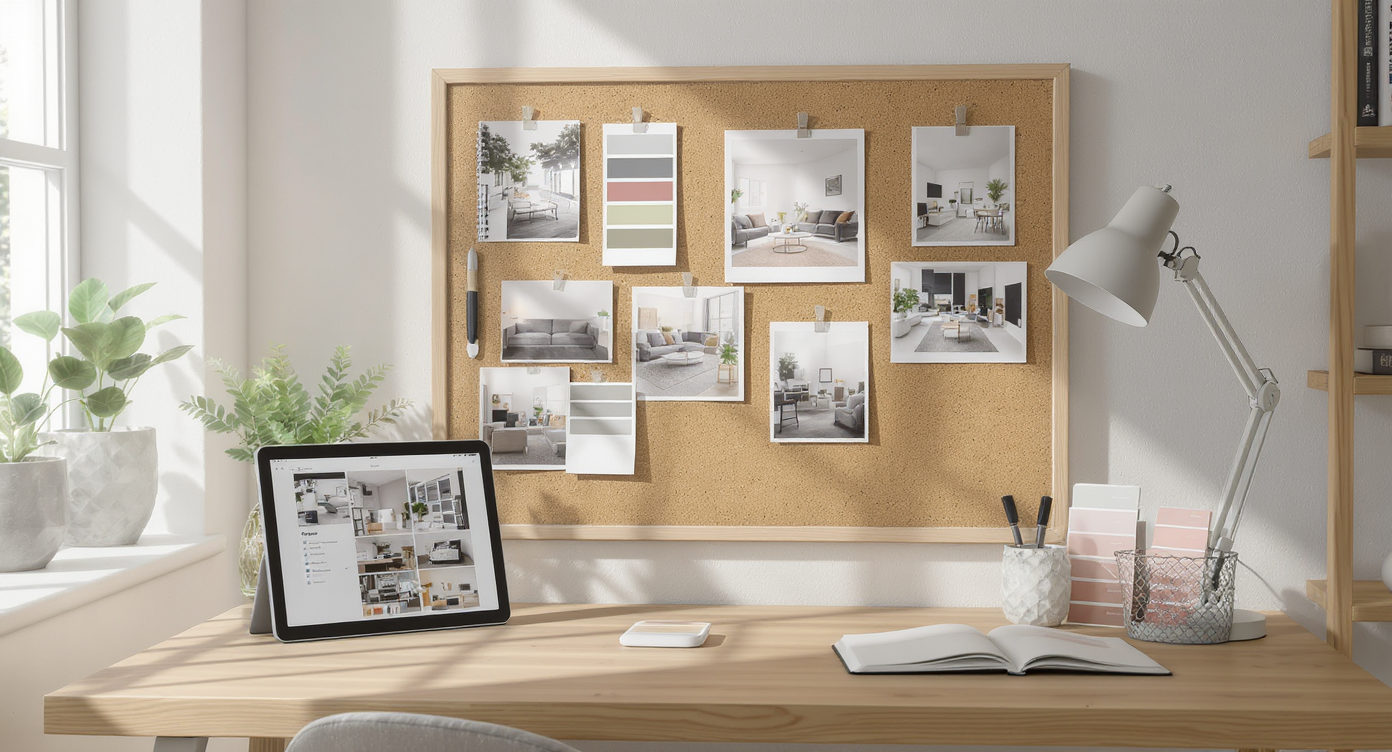
Curated inspiration: A workspace with a physical mood board and digital devices showcasing collected interior design images for review over time.
Instead of choosing colors or layouts based on a single moment of excitement, gather images that spark your interest and revisit them regularly. This collection process, recommended by design professionals, allows you to see which styles hold up as your initial excitement fades. Designers note that reviewing these images after a few weeks helps clarify what continues to feel appealing and what quickly feels outdated, especially as trends evolve from season to season.
-
2. Watch for Trend Fatigue
Many homeowners fall for visually striking trends that exhaust their appeal after a few years. The frequent shift from beige, to accent walls, to sweeping grey palettes is well documented in the design world. Exploring guides such as 7 fast-fading interior design trends can help you recognize styles that are likely to lose favor quickly and suggest alternatives with greater staying power. Staying mindful of overexposed trends in your inspiration folder is a key safeguard.
-
3. Notice Your Emotional Response Over Weeks, Not Days
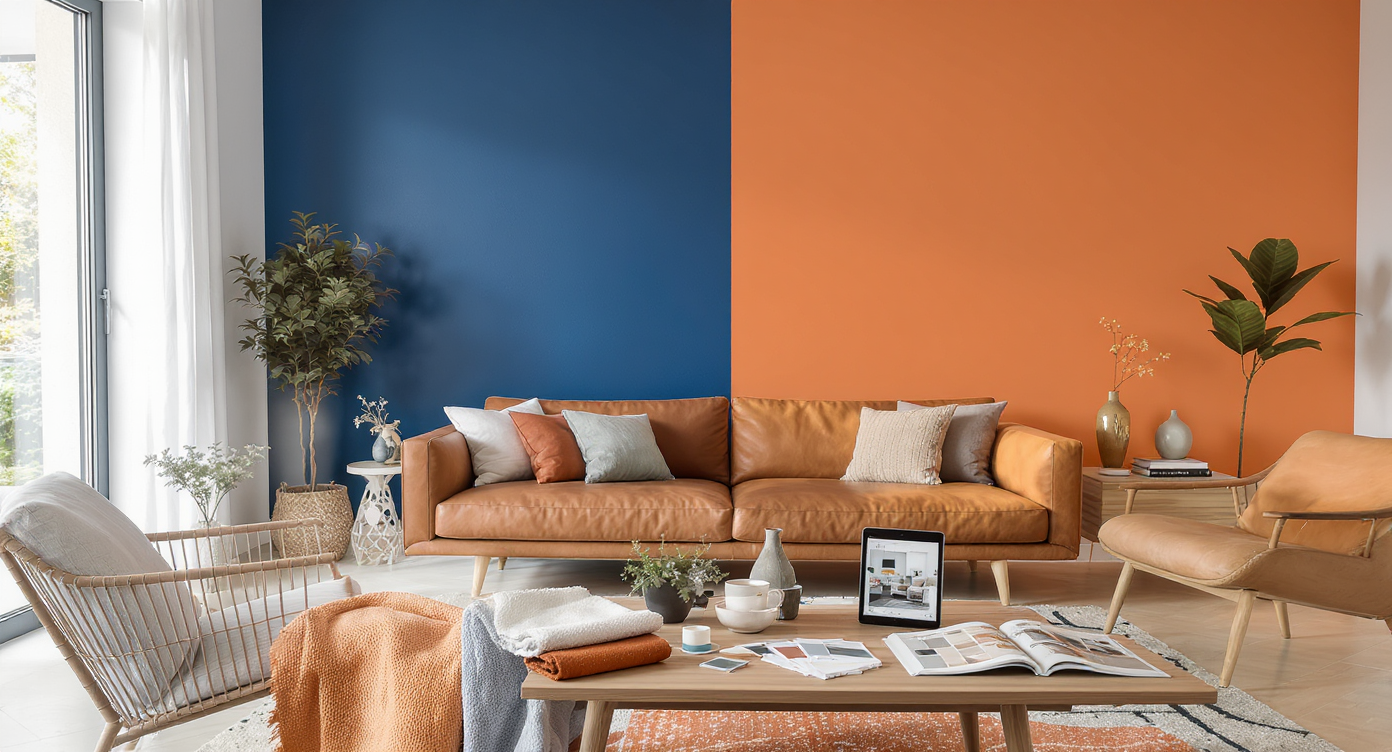
Our feelings toward a design scheme may change with time and repeated exposure. Experts often recommend revisiting saved inspiration weekly, not daily, to observe if fatigue or genuine fondness develops. For instance, a white kitchen with a bold blue island may captivate at first but could lose its appeal after prolonged contemplation. Letting ideas settle helps avoid haste and gives your instincts space to filter out what may soon feel dated.
-
4. Compare Inspiration With Your Real Environment
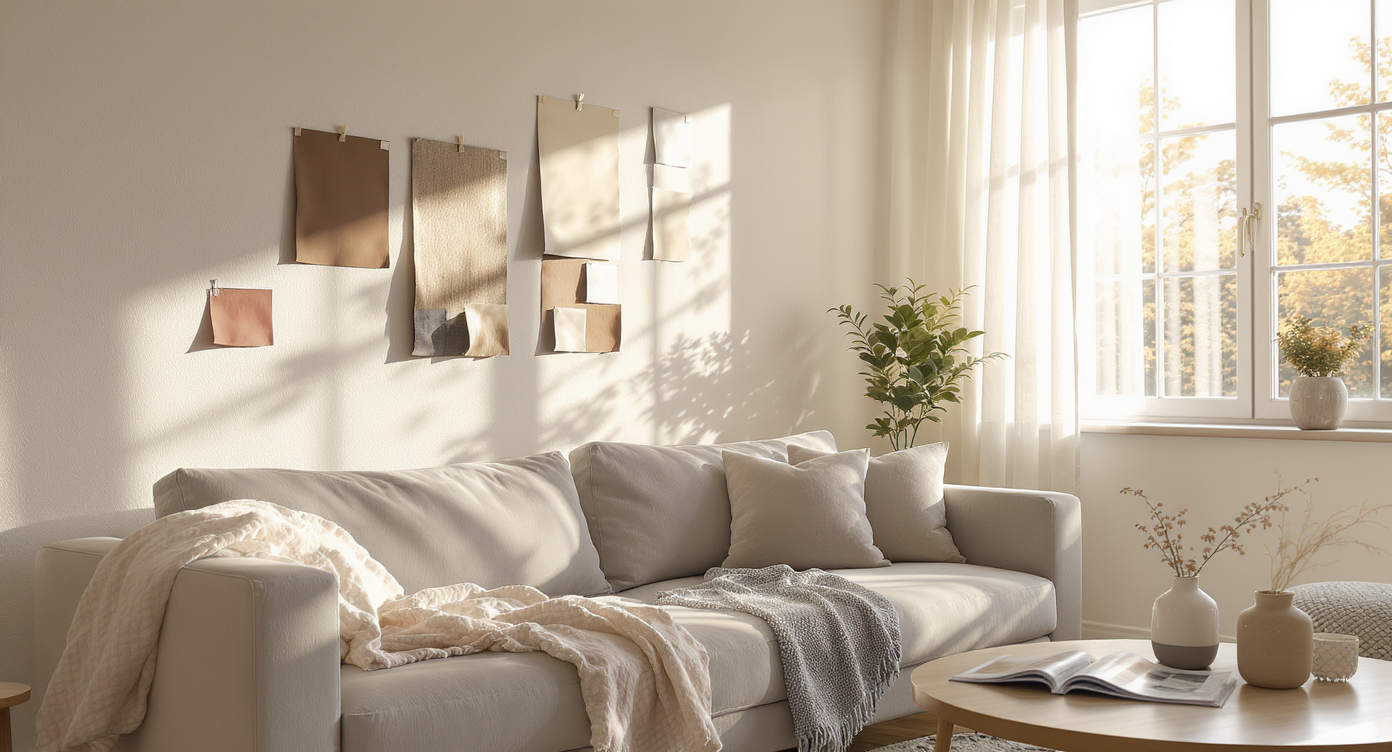
Bringing paint and fabric samples into your living room reveals how natural light and finishes affect color appearance versus magazine images.
Images found online or in magazines are filtered through different lighting, camera settings, and digital edits. It's common for a color or style to look perfect on a screen yet feel entirely out of place at home. Whenever possible, bring physical paint samples and fabric swatches into your living spaces. Lighting, surrounding finishes, and even the direction a room faces can dramatically change how a color reads, as explained in the 5-step paint color system.
-
5. Test With Large Samples and Real Paint Previews
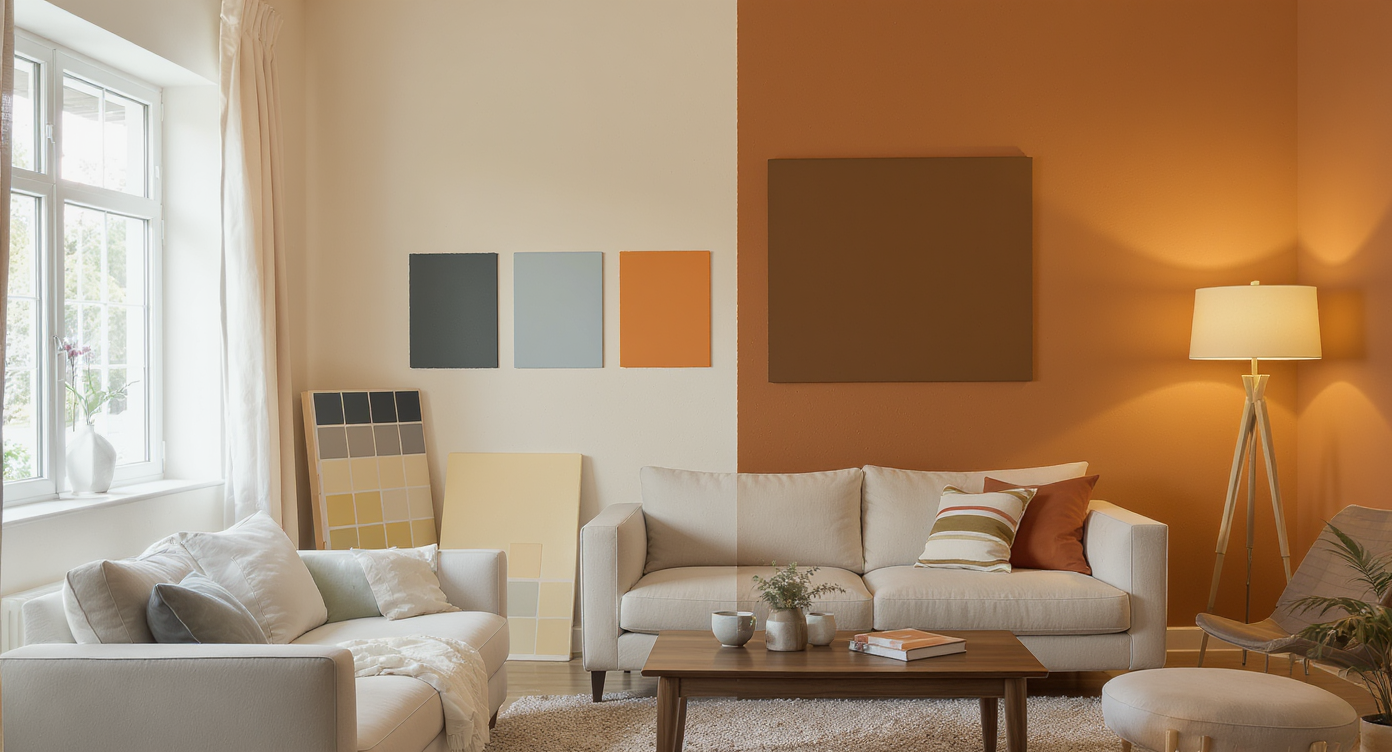
Large color swatches are painted directly onto living room walls to compare finishes in both natural and artificial lighting before remodeling.
Tiny chips or digital previews rarely capture the nuances of paint and finish in actual rooms. Many designers advocate for testing large swatches directly on your walls, in both natural and artificial light, before making a final decision. This practice prevents unwelcome surprises and reduces the risk of disappointment, as many homeowners have found themselves repainting rooms that looked different in theory than in practice. Leverage digital paint preview tools and, where possible, platforms like REimagineHome.ai to virtually try on colors before you commit brush to wall.
-
6. Solicit Feedback Without Outsourcing Your Taste
While friends and family can provide helpful perspectives, their suggestions are filtered through personal taste and current trends. Professional designers recommend balancing outside feedback with your own evolving preferences. Ultimately, you are the one living in the space. Use peer input as a sounding board, but honor your gut reactions as you sift through ideas and inspiration.
-
7. Revisit, Adapt, and Edit Before Committing
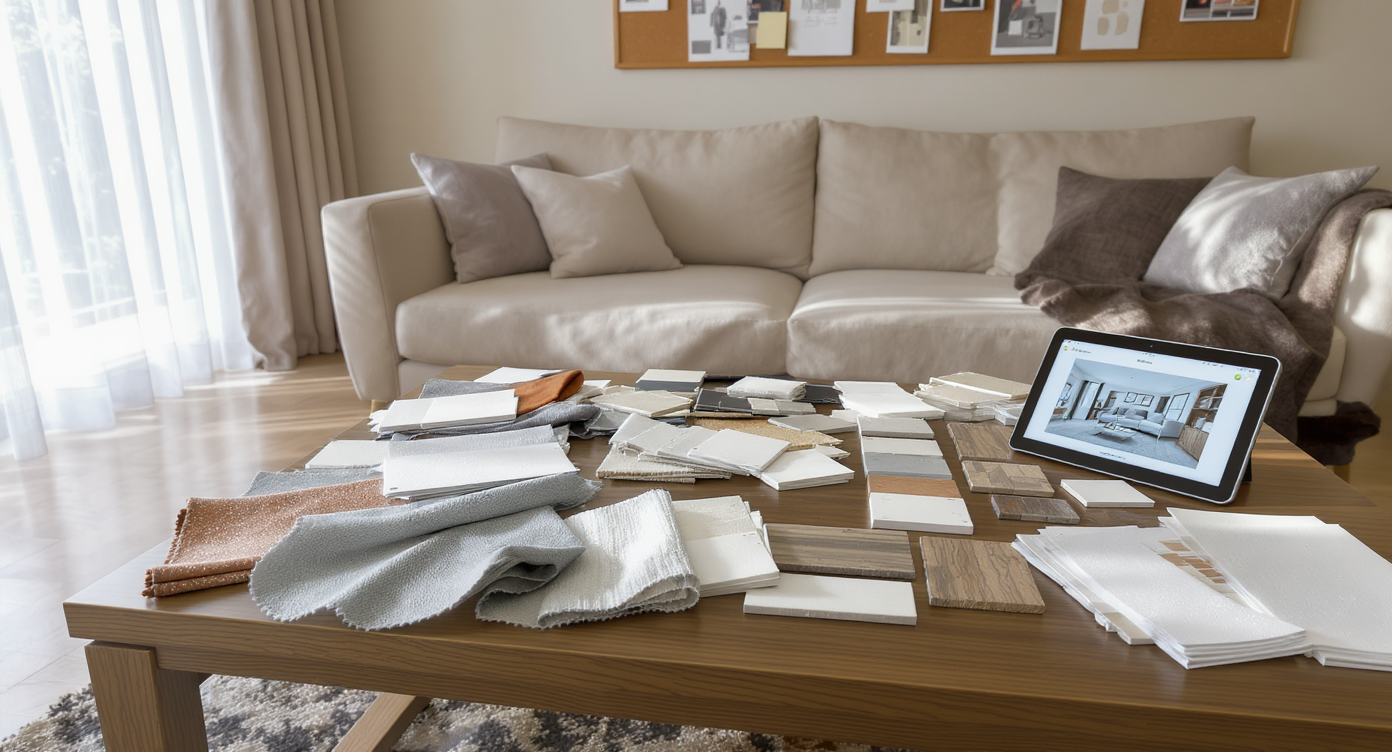
A living room set up for reconsidering design choices: surface covered with material samples and a tablet previewing alternative layouts.
The most successful home upgrades are those that allow time for reconsideration and adjustment. Before hiring contractors or making purchases, give yourself an editing window to eliminate outdated choices from your inspiration pool. Preview alternative materials, layouts, or color palettes using virtual design tools. This practice, discussed in the piece on design trends to skip in 2025, helps you land on warm, personalized modern alternatives that feel right for your life.
Frequently Asked Questions
Designers often suggest revisiting saved images for several weeks to filter out trend-driven impulses and confirm lasting appeal.
Are online paint previews reliable?
Paint previews offer valuable guidance, but always cross-check with real paint swatches in your own lighting. The 5-step paint color system details a proven approach.
What is the risk of following fast-moving design trends?
Many trends fade quickly, leading to spaces that date sooner than expected. Resources like Tacky Tomorrow? Interior Design Trends Most Likely to Date Fast offer perspective on what to skip.
How can I preview changes without committing?
Virtual design platforms such as REimagineHome.ai let you visualize color, layout, and furniture changes in your own room photos before starting real work.
Key Takeaways for Confident Design Decisions
Being intentional about design decisions transforms the remodeling process from overwhelming to empowering. By saving inspiration, validating your preferences with paint previews and real-world context, and resisting the urge to follow fleeting trends, you create interiors that feel timeless and true to you. Digital tools, including REimagineHome.ai, make it easier than ever to visualize and refine your choices long before work begins.