How to Cover Interior Cutouts Without Tools: Practical Friction-Fit Solutions Explained

TL;DR
To cover an interior cutout without tools, use friction-fit solutions like acoustic panels, fabric-wrapped foam board, or lightweight screens. Cut your chosen material slightly larger than the opening and wedge it snugly into place using rubber or felt spacers. This approach is safe, renter-friendly, and fully reversible.
Solving the Tool-Free Interior Cutout Challenge

Discover how to cover interior cutouts without tools using smart friction-fit dividers for pass-throughs—offering effective, tool-less room divider solutions and practical visualization tips for closing home gaps.
Unwanted wall cutouts, like open pass-throughs between a bedroom and living area, look awkward and can reduce both privacy and sound insulation. While you might want to cover this gap, using tools or making permanent changes isn’t always possible, especially in rentals or if you plan for a reversible solution. Tool-less, friction-fit covers offer a simple, affordable way to regain privacy, improve acoustics, and quickly update the look of your space. This guide explains how friction-fit and other tool-free solutions work, why they succeed (or fail), and how to get a clean, secure fit that holds up to real family life.
-
The Core Issue: Covering Cutouts Safely and Temporarily
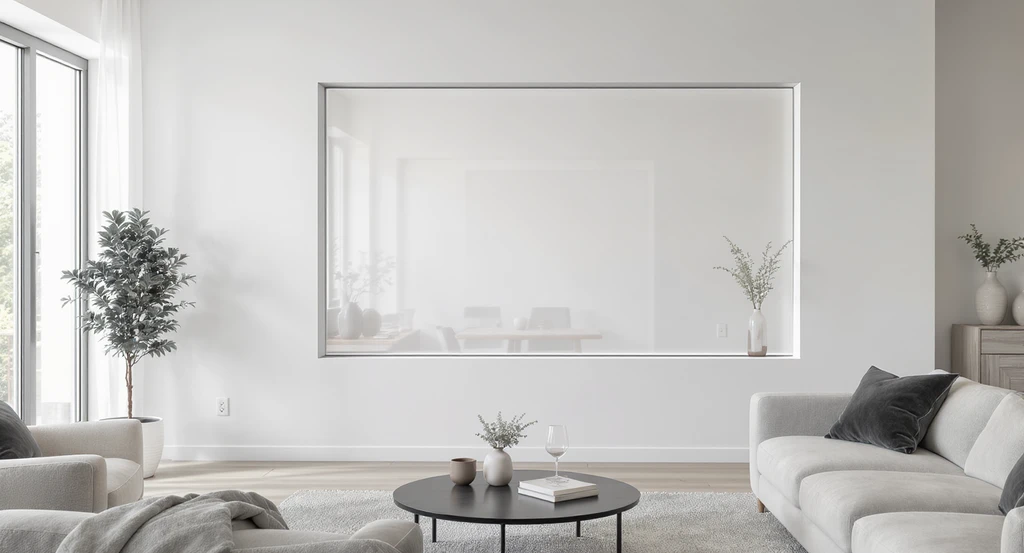
See how to cover interior cutouts without tools using a tool-less, friction-fit acrylic panel—an effective, renter-friendly way to temporarily block home gaps and enhance privacy.
Many homes (particularly newer builds and lofts) feature open wall cutouts intended to share light or create an open feeling. But these openings can be a privacy problem in bedrooms and living rooms. Conventional options - like framing and drywall, require tools and create mess or damage. Even typical tension rods and curtains have their limits, especially with extra-wide or shallow openings. For renters and those wanting to avoid commitment, tool-less, friction-fit solutions offer the best blend of ease, safety, and reversibility. According to our guide on renter-friendly DIY projects, the right no-damage upgrade should be finished quickly, cost little, and leave no trace.
Expert Insight
A family wanted to fully block off their bedroom’s open cutout before their new baby arrived. Using a custom-cut foam board wrapped in soft fabric and friction pads, they achieved a quiet, private space that their cat couldn’t disturb, and removed it in seconds when they moved out, with no repairs needed.
-
Why It Happens: Common Problems With Tool-Less Cutout Covers

Why It Happens: Common Problems With Tool-Less Cutout Covers Image
The main confusion is getting a snug, safe cover without a permanent attachment. Typical homeowner mistakes include: choosing panels or curtains that are too light (and fall out), underestimating the importance of accurate measurements, or using solutions that don’t suit the opening’s shape. Additionally, pet and baby safety, access for ventilation, and light transfer are often overlooked. Many discover too late that ‘one-size-fits-all’ rods don’t fit extra-wide spans, and simple tapes or lightweight panels sag, bow, or fall. Friction-fit solutions succeed only with careful sizing and the right backing materials. Layout logic and the simple rule of ‘1-2 inches larger than the opening’ often provide the necessary compression for a clean hold.
-
Friction-Fit Covering: The Step-by-Step Correction Method
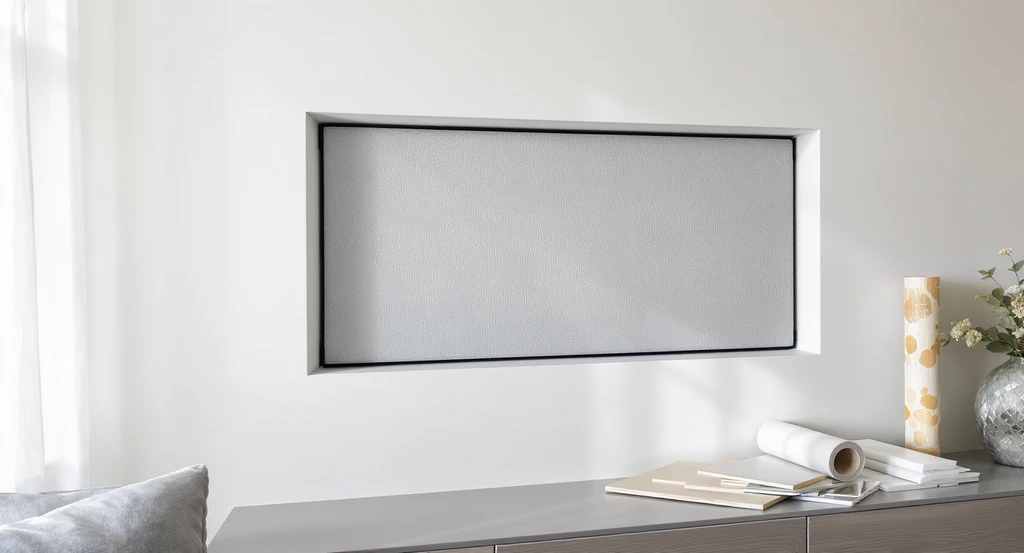
Explore how to cover interior cutouts without tools using friction-fit solutions—this photorealistic setup showcases top materials and tool-less room divider tips for home gaps.
- Measure the Opening: Measure both height and width. Add 0.5–2 inches to each dimension (based on material flexibility) for a snug fit.
- Choose the Right Material: Foam board, acoustic felt panels, or lightweight plywood are easiest. They’re light but rigid enough to wedge.
- Wrap or Finish: For aesthetics, cover the board with fabric, contact paper, or even mirror/acrylic sheets. Secure the covering tightly for a clean look.
- Add Friction Padding: Stick felt pads or use thin rubber weatherstripping along the edges. This increases grip and prevents scratches on the wall.
- Press-Fit Into Place: Gently wedge the completed panel into the cutout. Adjust as needed for a level, flush finish.
Extra: For airflow or light, consider slatted panels or Shoji screens that can be wedged with spacers for a semi-open effect.
-
Visual and Spatial Reasoning: Why Friction-Fit Works

Visual and Spatial Reasoning: Why Friction-Fit Works Image
A well-cut friction-fit panel uses compression to stay in place; the slight oversizing means the panel presses against the wall on all sides. This not only secures the cover but also blocks light, reduces noise transfer, and avoids gaps. Material thickness matters: foam board (0.5–1 inch thick) gives enough structure for large spans, while rubber or felt provides non-slip contact. Lightweight Shoji panels or slatted wood solutions maintain light passage but still visually block the opening. Avoid panels that are too thin (they’ll flex and fall), or too thick (difficult to remove or may damage trim). For best results, test-fit and preview options virtually—REimagineHome AI lets you visualize press-fit screens, art, or shelving units in your actual space before committing to a cut.
-
Alternative Tool-Free Methods: Screens, Art, and Textiles

Visual guide on how to cover interior cutouts without tools: use removable hooks for art or textiles, or insert Shoji screens for the best friction-fit solutions and tool-less room dividers.
If a friction-fit panel won’t work, hang a lightweight tapestry, curtain, or art piece over the opening using removable hooks. Large framed mirrors or decorative art (ideally under 10 lbs) can be hung with peel-and-stick hooks for easy removal. Shoji-style screens or vertical wood slats can be sized for the opening and inserted with minimal force. For wide openings, use two panels meeting in the center. These visual dividers provide privacy and style but retain light, as mentioned in our review of the best DIY home decor ideas. Always consider the overall room view for balance and texture.
-
Layout and Safety: Additional Considerations

Layout and Safety: Additional Considerations Image
Check clearances: Any friction-fit panel must not interfere with swinging doors, neighboring furniture, or heating/cooling vents. Ensure depth is sufficient so the cover sits flush (or nearly so) and isn’t easily dislodged by pets or children, shallow ‘niches’ often need a deeper framework. For cat or baby safety, choose sturdy materials or panel designs without gaps. If the cutout doubles as extra storage or shelving, refer to strategies for alcove conversions as explored in our guide to weird bedroom alcoves.
-
Visualization Tips for Tool-Less Room Dividers
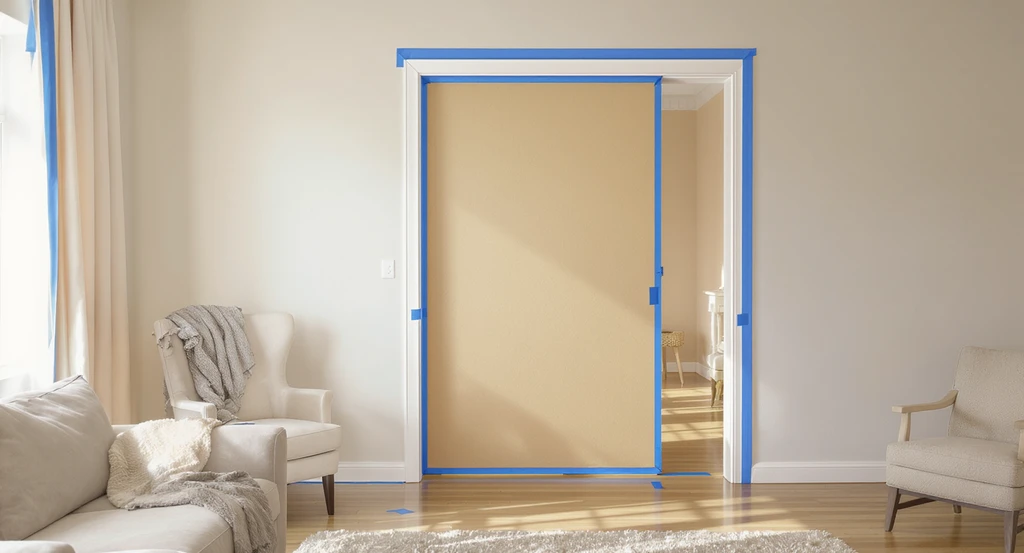
Explore how to cover interior cutouts without tools using visualization tips for tool-less room dividers and the best friction-fit solutions for home gaps. This realistic setup helps preview panel size, privacy, and light control before installation.
Before you build or buy, preview your cover-up. Use painter’s tape to mark the intended perimeter and stand back to check proportions. Place a large cardboard sheet or temporary curtain in position to test privacy and light. Or, upload a photo to REimagineHome AI to see exactly how your panel, screen, or art choice will look. This helps prevent sizing, style, or color regrets after installation.
Visualization Scenario
Imagine uploading a photo of your open wall cutout to REimagineHome AI. In just minutes, you can test out foam panels, slatted wood, or Shoji screens, adjusting their color and size virtually before a single dollar is spent or a material is cut.
FAQs on Covering Interior Cutouts Without Tools
- How do I keep a friction-fit panel from slipping out?
- Use felt pads or rubber strips along the edges. These add grip and prevent shifting, especially on smooth or painted wall surfaces. Proper sizing—slightly oversizing the panel by 0.5–2 inches—is key to a firm hold.
- What if my opening is wider than a standard foam board or art panel?
- You can join two foam boards with strong tape at the seam, or create a modular solution by using two decorative panels meeting at the center. Always reinforce joins at the edges for stability if possible.
- Will a tool-free cover block sound and light?
- Dense or multi-layer panels (such as acoustic felt wrapped in fabric) reduce sound transfer better than thin curtains, but total soundproofing isn’t possible without solid framing. Shoji screens or slatted wood solutions let some light through but offer privacy.
- Is a friction-fit solution safe for renters?
- Yes, as long as you avoid adhesives or screw-in hardware, friction-fit or hook-based panel covers leave no marks and are completely reversible—ideal for lease agreements.
- How do I choose a cover style that matches both rooms?
- Match color and material to at least one element in each adjoining room—such as a coordinating rug, wall color, or furniture accent. Previewing with visualization tools makes this easier and more confidence-inspiring.
Key Takeaways: Functional, Reversible, and Clean
For cleanly covering interior cutouts without tools, friction-fit panels, wrapped boards, or lightweight screens provide the best balance of privacy, reversibility, and aesthetic flexibility. Measure accurately, account for safety and material strength, and always preview the result visually before finalizing. Tool-free doesn’t mean compromising on style or security, you just need the right step-by-step approach.