Making Sense of Washer and Dryer Choices: Cost, Durability, and Everyday Reality
TL;DR
Selecting a washer and dryer means weighing cost, durability, and the flood of near-identical features—while navigating contradictory advice and ever-shifting product lines. Balancing what you truly need against feature temptations, and learning when to prioritize basic reliability over tech-laden upgrades, helps deliver a practical solution that fits both your laundry routine and your peace of mind.
The Overwhelming World of Laundry Appliances
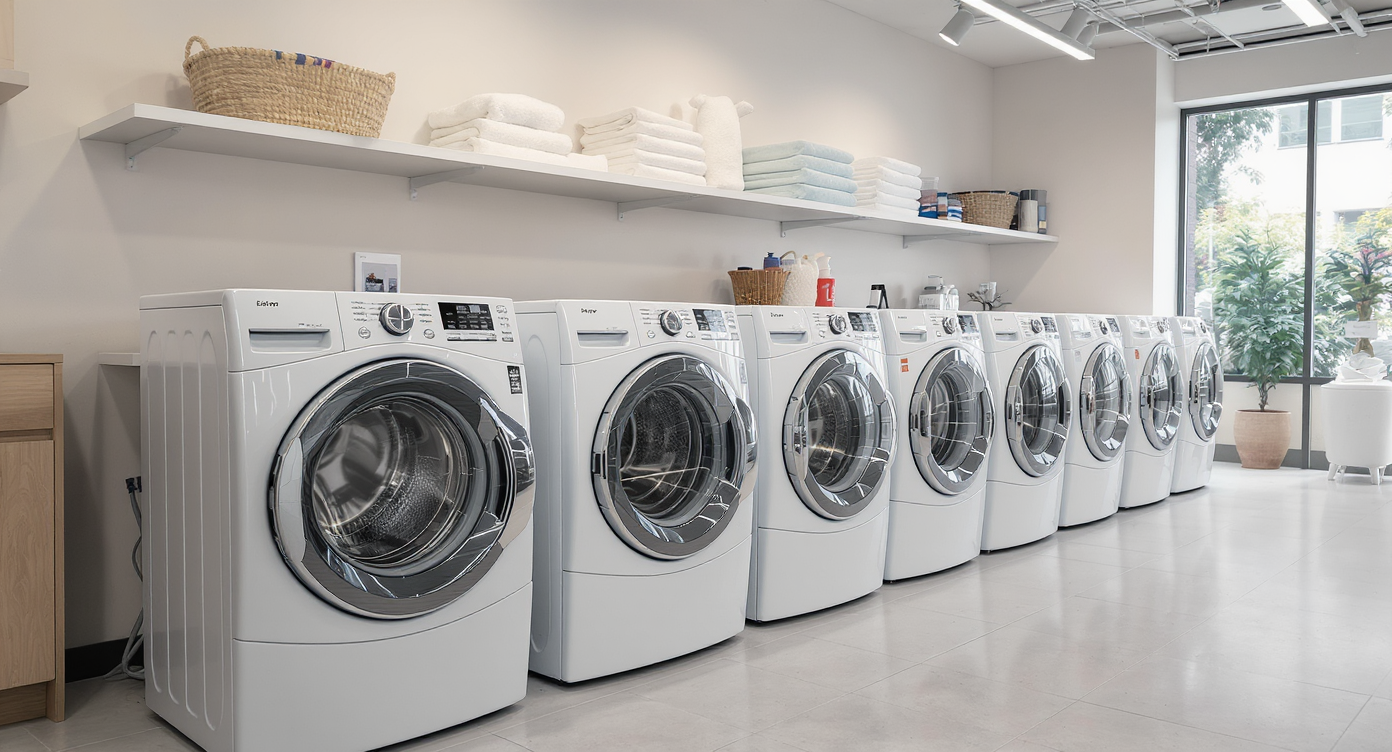
A real-world appliance showroom displays numerous washer and dryer options, highlighting subtle differences and the challenges of informed choice.
Choosing a washer and dryer today feels like a rite of passage: the shelves are filled with machines that look strikingly similar, yet each claims unique advantages. The decision can provoke analysis paralysis—even the most diligent shoppers face a maze of confusing features, brand reputations, and ever-present debates about front load versus top load. Some want the most advanced model they can find, while others long for the no-nonsense reliability their parents enjoyed. But beyond the buzzwords and marketing, homeowners grapple with core practicalities: which type cleans best, what truly lasts, and how much should you really spend? In this editorial, we cut through the noise to explore which factors genuinely matter when upgrading your laundry setup, helping you make a durable choice that supports your daily life.
-
Why Choosing a Washer and Dryer Feels So Complicated

Modern and traditional washer-dryer sets displayed side by side in a bright laundry room, illustrating the range of choices available.
At first glance, the process should be simple. After all, most washers and dryers promise to clean and dry clothes. Yet, two decades of continuous upgrades have changed everything: simple knobs and sturdy chimes gave way to touchscreens, Wi-Fi modules, and endless cycles. For many, the shame of a regrettable purchase—compounded by tales of finicky front loaders, mysterious mildew, or electronics failures—makes every decision feel loaded with risk. Brands reshape their entire product lines every few years, and peer advice is rarely unanimous. Reviewers seem at odds: friends might swear by their front loader, others soundly reject anything not top load. Some homeowners want smart features to fit busy lives, while others distrust unnecessary complexity that invites repairs. Designers often suggest separating needs from wants before entering showrooms: start by deciding what suits your laundry room, washing habits, and household size.
Expert Insight
A design-minded friend recently confided he spent weeks stalking online reviews and debating top-load versus front-load, only to land on a discounted, slightly scratched washer-dryer pair. Despite going in with dreams of smart features, he admits the old-school dials and durable finish have suited his needs perfectly. He sums up his new wisdom: "Machines that see daily use need to be robust, not just clever. Sometimes, less is more—especially when you’re mopping up everyday spills rather than programming custom cycles."
-
Cost Versus Durability: What Really Pays Off?
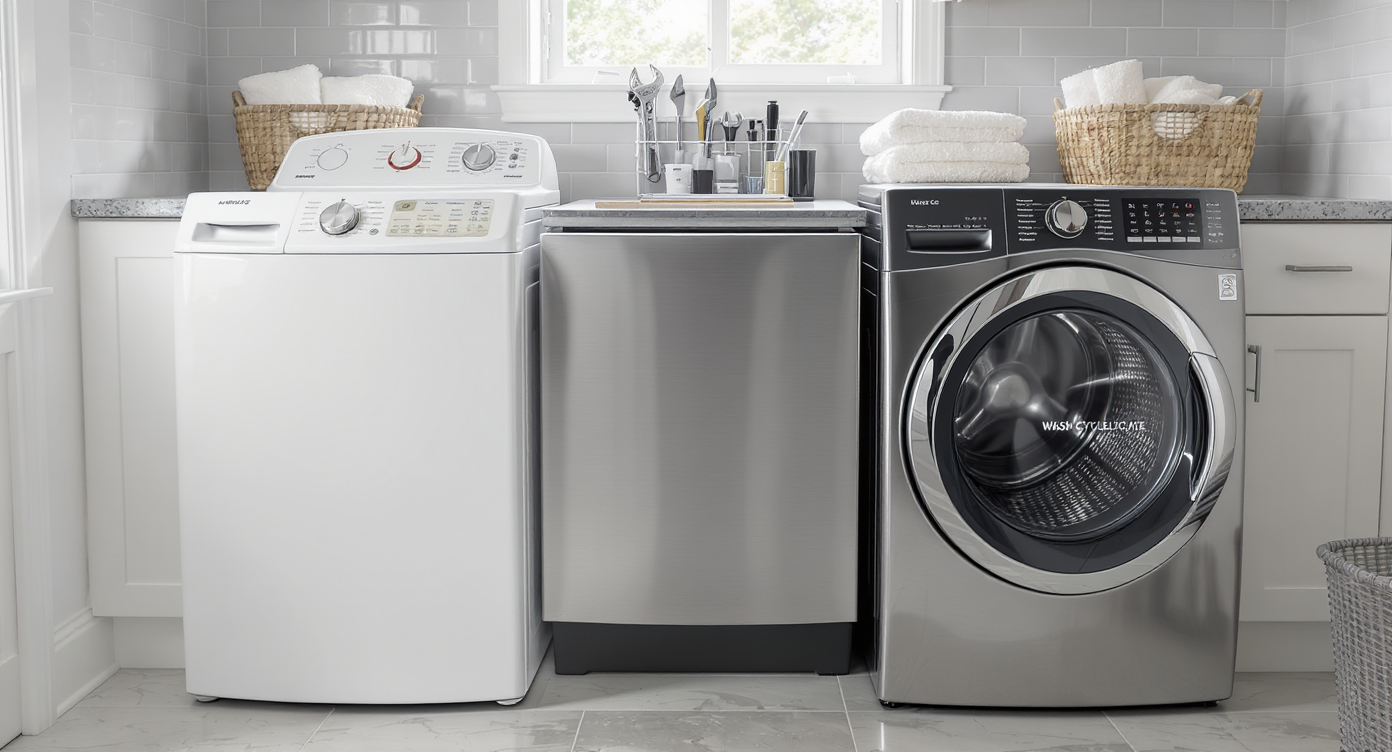
A straightforward top-load washer sits next to a feature-rich front-load model, with tools in between—showing the balance of cost and durability.
When it comes to "remodeling & upgrades," few purchases stir debate like laundry equipment. Splashing out for premium models can feel tempting—the allure of sensors, steam cycles, and whisper-quiet motors is seductive. Yet many experienced homeowners note a key truth: additional features often translate to a higher price, but not always to greater reliability or cleaning power. Seasoned repair professionals and community wisdom agree: simple is often better. Many recall the days when a basic washer with sturdy parts outlasted trendier siblings, and repairs were almost always possible with local parts. Most agree that buying the priciest set does not guarantee years of trouble-free use—and, as discussed in our exploration of cost versus value in home upgrades, the practical outcome often lies in the middle ground. Consider how much wear your laundry machines will see, how handy you are with minor repairs, and whether you value a simple design over excessive features.
-
Front Load or Top Load? The Practical Realities
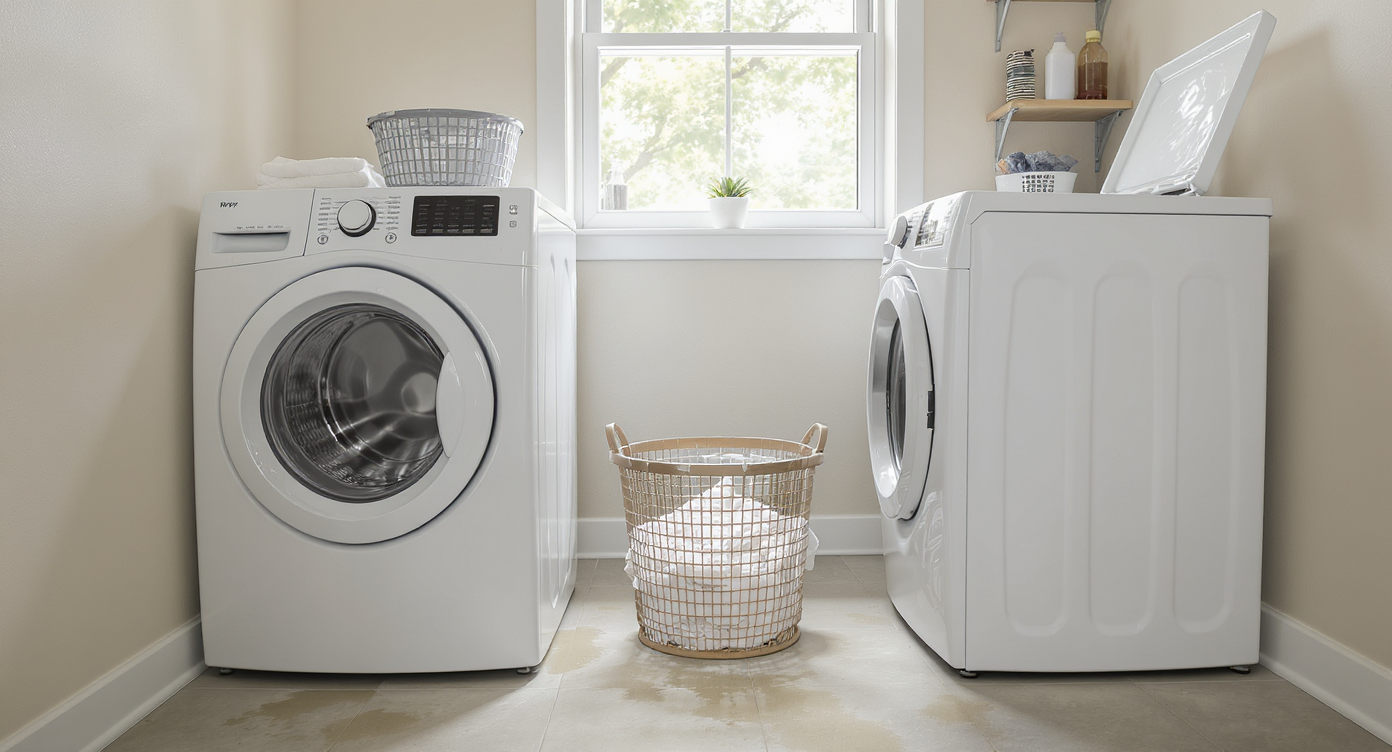
Modern laundry room comparing front load and top load washers side by side, emphasizing maintenance and practical use differences.
Selecting between top and front loaders often boils down to a trade-off between cleaning efficiency, ongoing maintenance, and convenience. Front loaders typically excel in water and energy savings, with stronger spinning cycles that cut down drying time. Many users confirm they do deliver on cleanliness and are frequently found in laundromats for a reason—but concerns about mold, musty smells, and a learning curve for proper care persist. Meanwhile, top loaders command loyalty for their straightforward function and ability to add forgotten items mid-cycle. Many appreciate the ability to soak items or manage partial, quick loads without fuss. Modern HE top loaders even close the gap in energy consumption, though their cleaning performance still stirs debate. For growing households, or those who value minimal maintenance and easy repair, a simple top load design is consistently recommended.
-
Real-Life Scenarios and Everyday Performance
Imagine a family racing through two loads in an afternoon—muddy uniforms and delicate workwear mixed in the cycle. The reliability of straightforward controls, an accessible tub, and the ability to quickly toss in a dropped sock can matter more than an app notification. Alternatively, small-space dwellers may value a stackable front loader for its efficient use of a city laundry closet. Barriers to everyday performance, such as having to air out a drum to keep it fresh, can wear on routines and even cause situations where two people in the same household disagree on what's best. Buyers who have patience for simple regular care—wiping down seals, leaving the washer door open, or using the right amount of detergent—might find front loaders rewarding. Those who are forgetful, unwilling to do much maintenance, or who have a cramped laundry nook, often favor the old-school dependability of a top loader. Appliance satisfaction, in the end, is strongly tied to how machines integrate with your habits.
-
Budget Tactics: When to Upgrade, When to Hold
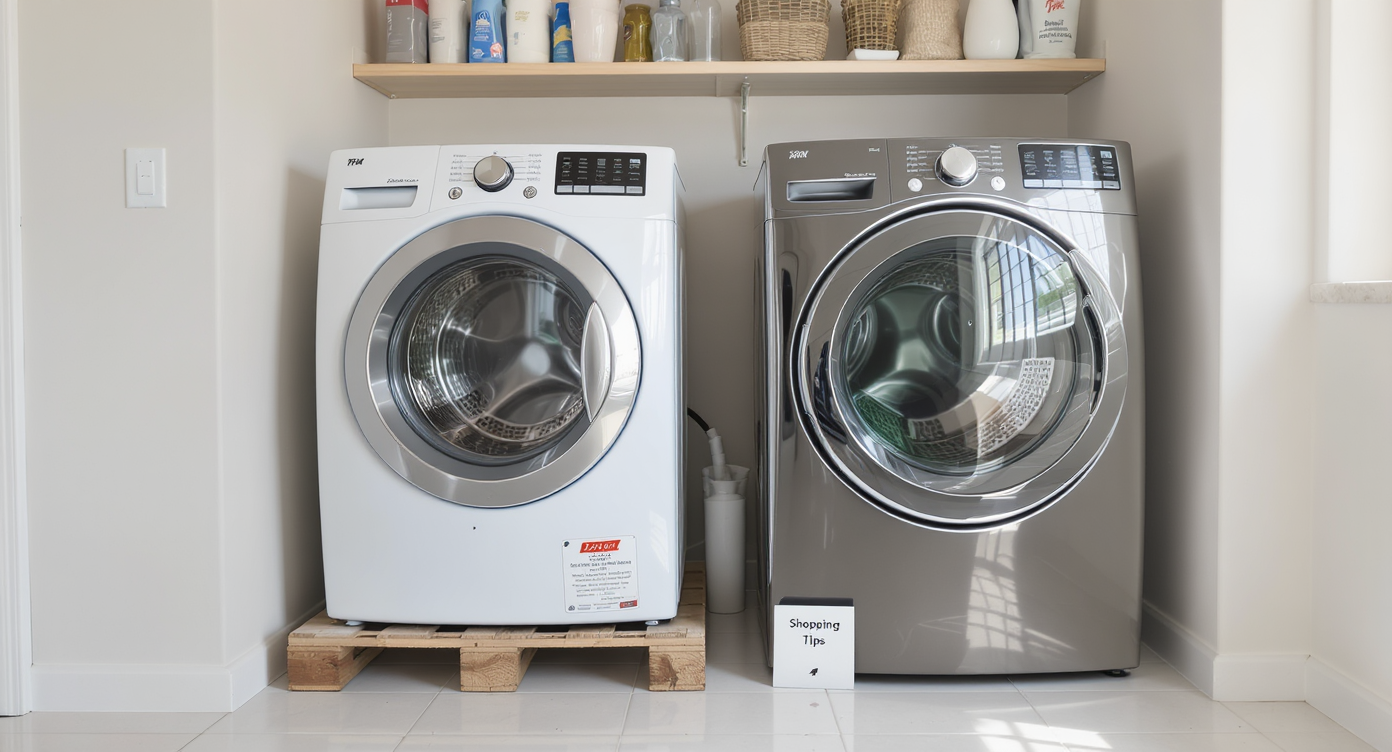
Comparing a basic, open-box washer to a premium showroom model highlights practical approaches to upgrading laundry appliances on a budget.
Not every household needs the latest release. Shopping open-box models, buying during seasonal sales, or considering gently used machines from trusted retailers can stretch a budget without compromising function. According to homeowner experiences and advice from real estate professionals, splurging is rarely justified unless laundry is your home's central activity. Major upgrades may be wise in homes with large families or special laundry needs, but for others, prioritizing basic reliability and easy servicing can be the smarter play. For those furnishing a first home, purchasing only the true essentials—then upgrading as funds permit—frees up money for higher quality where it matters and helps avoid buyer’s remorse. For more ideas on making smart purchases without overspending, see our insights on building your home upgrade budget.
Visualization Scenario
Picture a narrow laundry nook tucked next to the back door of a busy household. There’s stacks of muddy shoes lining the wall and a basket of sports gear waiting its turn. The family chose a simple top-loading washer and matching dryer, both with deep drums and classic knobs. Rather than battling delayed cycles or struggling with sensitive touch controls while juggling a toddler and soccer practice, everyone finds it easy to help out—no surprises, no learning curve, and no frequent maintenance tasks. The machines fit the space, can handle surprise messes, and blend into daily life without fuss.
Frequently Asked Questions
Both styles have pros and cons. Front loaders generally clean more efficiently and save water and energy, but require more regular maintenance and are prone to mold if not properly cared for. Top loaders are simple, cheap to repair, and can handle forgotten items more easily. For busy families or those who dislike maintenance, top loaders often fit better.
Do extra features and higher price always mean better durability?
Not necessarily. Many expensive washers and dryers offer additional cycles, smart features, or steam cleaning—but added complexity often means more components that can fail. Simple machines from reputable brands can outlast fancier models and may be easier to repair.
Does buying used laundry equipment make sense?
If you’re handy or want to maximize value, buying used or open-box units can work, as long as you assess repair history and verify their condition. However, for peace of mind or if you want a warranty, new machines from reputable retailers make sense.
How do I avoid maintenance hassles with front loaders?
Always leave the door and detergent tray open to air out, use only the recommended amount of detergent, and run cleaning cycles as indicated. Taking these steps will minimize musty smells or mold risks.
Where can I visualize how a new washer and dryer will fit my space?
You can explore digital planning and visualization tools such as ReimagineHome.ai to model different laundry appliances in your own room.
Finding a Washer and Dryer That Fits Real Life
There will always be a certain anxiety in selecting a major appliance, especially for items as central as a washer and dryer. Industry changes and the glut of nearly identical models can provoke decision fatigue—but focusing on honest self-assessment is vital. The best choice is the one that aligns with your household’s routines, your appetite for maintenance, and your willingness to pay for features you will actually use. When analysis paralysis strikes, remember: almost every modern washer will get your clothes clean. Prioritizing a balance of cost, durability, and day-to-day usability helps ensure you make the right call for your space. If you want to visualize layouts or test ideas before committing, digital tools like ReimagineHome.ai can provide more confidence to finalize your decisions.