What Is My Nursery Missing? Checklist for a Complete, Cozy Nursery
TL;DR
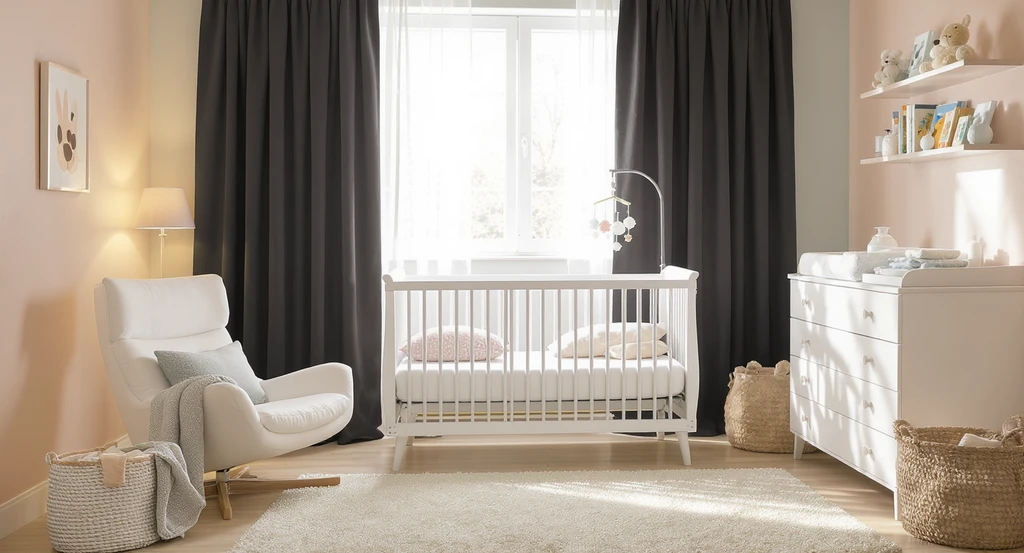
Most unfinished nurseries miss key sleep, comfort, and sensory details: blackout curtains, layered lighting, soft area rugs, and child-safe art. Storage, a comfortable glider, and safety features further ensure both baby and parents thrive. A thoughtful checklist helps avoid regret, ensuring your nursery feels both complete and inviting.
Why Does My Nursery Feel Incomplete?
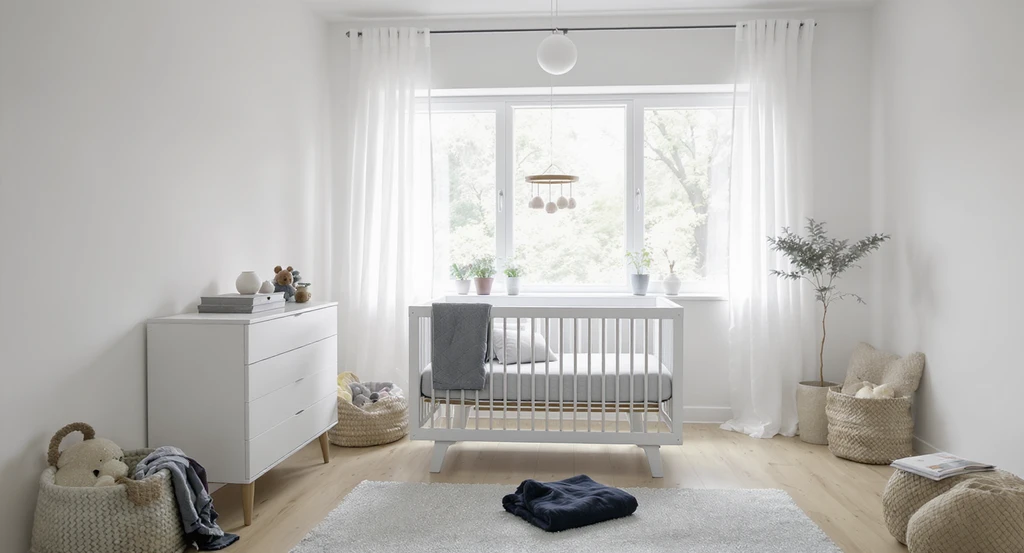
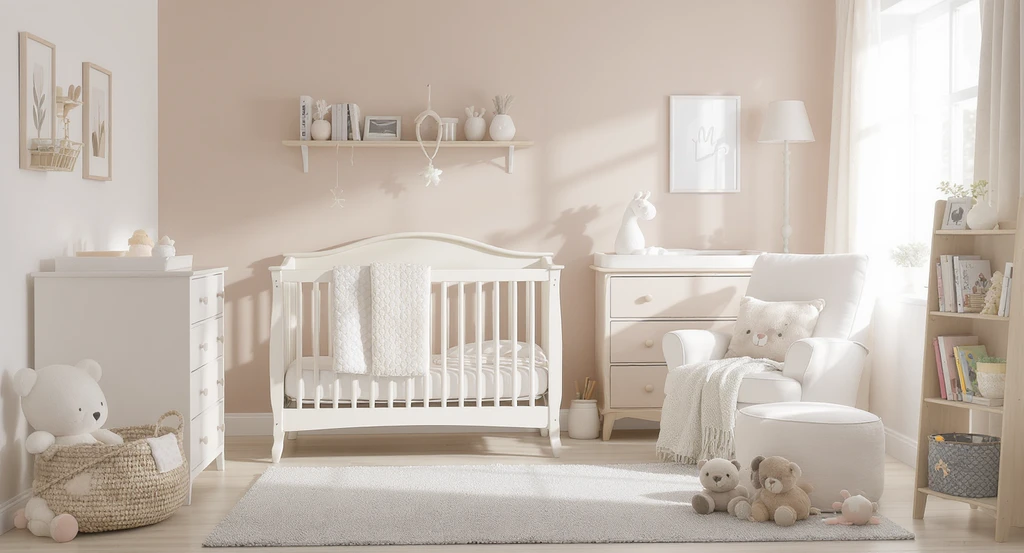
This photorealistic nursery highlights what is often missing—blackout curtains, layered lighting, and child-level storage. Use our 'what is my nursery missing checklist' for new parents to discover overlooked nursery room essentials and how to create a cozy nursery space.
A nursery may appear finished at a glance - crib, dresser, maybe a mobile, but the difference between 'done' and truly functional comes down to overlooked details. Essential, sensory-driven elements like blackout curtains, layered lighting, and child-level storage often aren’t prioritized. Yet, these features shape how your baby sleeps, learns, and connects, and how comfortable or stressed you’ll feel in those late-night moments. As parents or caregivers, the aim is more than filling an empty room. Instead, the goal is to create a nurturing retreat that supports both baby and adult needs. Below, REimagineHome AI outlines what’s commonly missing, why it matters, and proven ways to finish the space confidently.
-
Direct Answer: The Nursery Checklist You’re Probably Missing
Direct Answer: The Nursery Checklist You’re Probably Missing Image
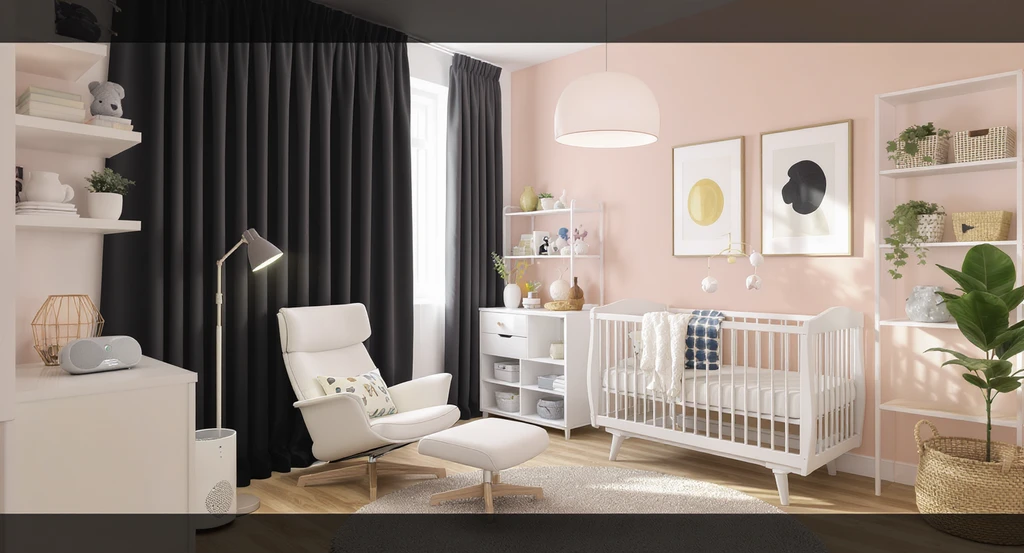
The most commonly missing nursery essentials are blackout curtains, a sound machine, layered lighting, a high-support glider, an air purifier or humidifier, ample storage, and visual elements like a mobile or art for sensory development. Add safeties (outlet covers, anchored furniture), soft rugs, and a caregiver station for snacks and water. These details support sleep, comfort, development, and a less stressful daily routine.
Expert Insight
One family believed their nursery was complete with just the crib and dresser. Only after several sleepless nights, harsh light, and tripping over diapers did they realize blackout curtains, a soft rug, warm lamp, and a place for snacks changed everything, for both baby and themselves.
-
Why This Happens
Why This Happens Image
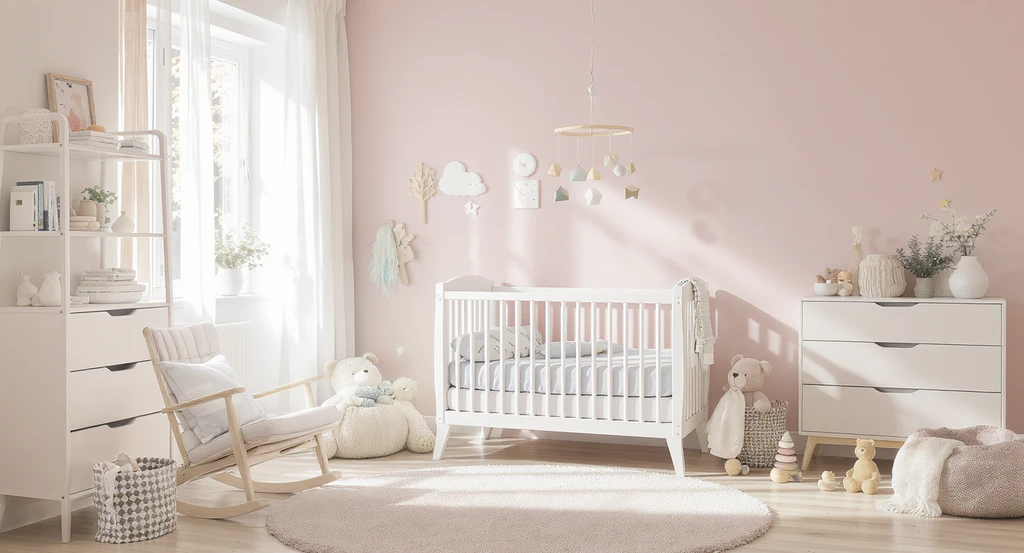
Most nurseries start with only the essentials: crib, dresser, a few cute items. The gap arises because parents focus on big pieces and forget sensory comfort, scale, and the lived experience of long nights and rapid child development. Lighting, storage, and floor texture influence sleep quality and parent comfort. If a space feels hard, cavernous, or echo-prone, it’s usually missing softness, warmth, and visual stimulation, as confirmed in our explorations of bedroom scale and sensory design (learn more about layering color and lighting here).
-
What To Do Instead: The Complete Nursery Room Essentials for New Parents
What To Do Instead: The Complete Nursery Room Essentials for New Parents Image
- Address Sleep & Sensory Needs: Install blackout curtains for darkness. Add a white noise machine and air purifier/humidifier for calm, quiet, and clean air.
- Layer Lighting: Add a dimmable lamp or night light at seated height for soothing feeds and diaper changes— aim for 2700K warm white as noted in our guide to bedroom coziness.
- Invest in Comfort: A glider with proper back support makes feedings and reading time easier on you.
- Safety, Softness, and Storage: Add a soft, washable area rug for crawling and comfort. Anchor furniture, cover outlets, and use bins, baskets, and closet organizers to keep clutter contained (see our advice on maximizing small space storage).
- Stimulate and Decorate: Hang a mobile, child-safe art, or add a colorful accent wall at a child's eye level for visual and developmental engagement. Use shelves or displays within arm’s reach to encourage exploration; secure everything thoroughly.
- Support Yourself: Set up a side table or cart with snacks, water, and a trash bin for uninterrupted care routines.
-
Common Mistakes
Common Mistakes Image
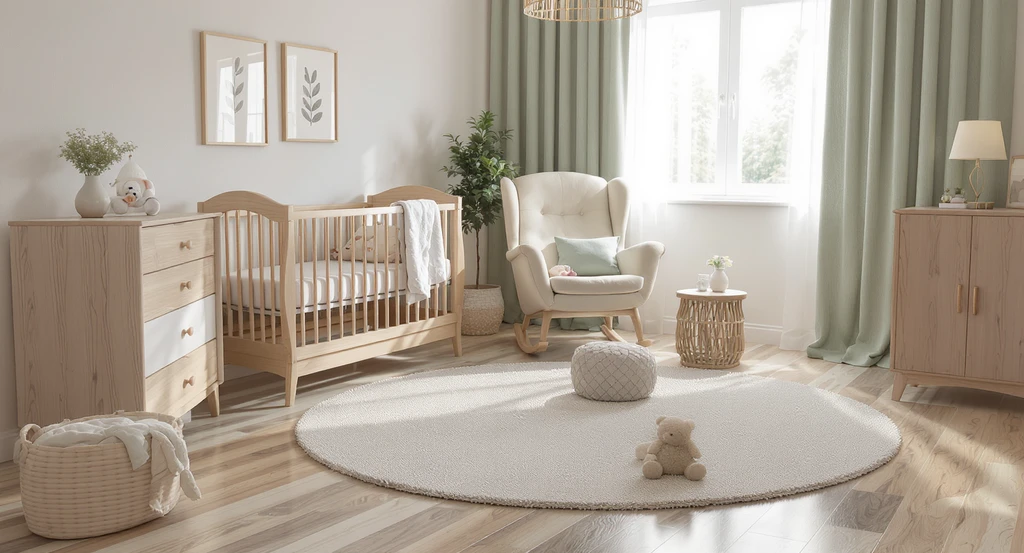
- Focusing only on crib and storage, missing sensory needs (sound, light, softness).
- Using harsh, overhead-only lighting instead of layered, warm light.
- Skipping floor coverings—hard floors remain cold, echo, and are less safe for play.
- Forgetting visual interest at baby’s eye level for cognitive stimulation.
- Omitting practical comfort for caregivers (no water/snack station, backless seating).
-
How Visualization Changes Nursery Design Decisions
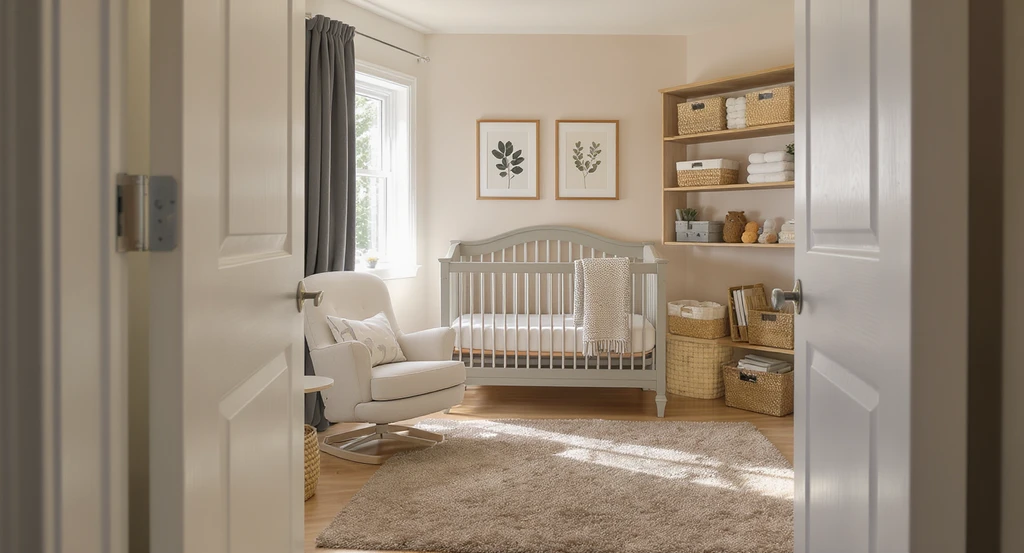
What is my nursery missing checklist in action: See how nursery room essentials—rug, blackout curtain, artwork, glider, and storage—combine to create a cozy nursery space and ease design decisions for new parents.
Seeing a finished nursery with all these elements staged, rug, blackout curtain, artwork, glider, soft light, removes hesitation about what’s actually missing. Many new parents underestimate how scale, color, and storage fit together until they view a full visualization inside their real space. That’s the difference between guessing and deciding. Learn how to apply these visualization principles from our dedicated small space bedroom guide (find practical before-and-after inspiration here).
-
The Role of Rug, Art, and Lighting, Why It Matters
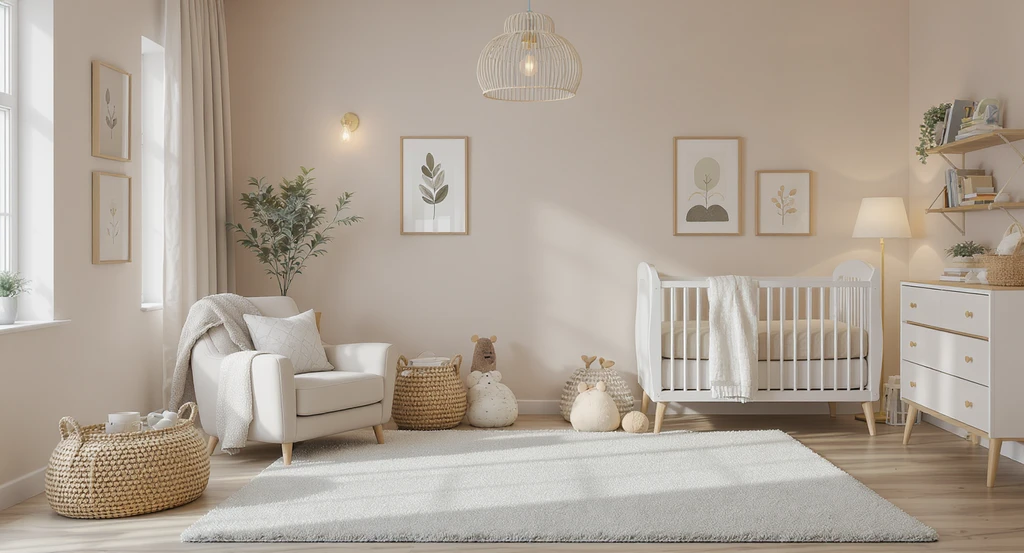
Layering a soft rug, developmentally focused art, and multiple lighting sources is key to a cozy nursery. What is my nursery missing checklist for new parents includes these essentials.
A well-chosen rug does more than warm up a space, its scale anchors activity zones, softens acoustics, and cushions every stage from crawling to reading together. Wall art and mobiles foster developmental focus and visual calm. Thoughtful, layered lighting transitions your nursery through day and night; as discussed in our lighting and color guide, this is key for making a nursery feel lived-in and soothing.
Visualization Scenario
Picture your nursery with soft, dim light, cozy area rug, anchored wall art, a gentle mobile above the crib, blackout curtains drawn, and organized storage. Instantly, the space feels nurturing, not just for your baby, but for every nighttime feeding and quiet morning routine. Seeing these details in a REimagineHome AI visualization turns hesitation into decisive, comfortable design.
Nursery Room FAQ: Essentials, Comfort & Safety
What are the most overlooked nursery room essentials?
Most nurseries are missing blackout curtains, multi-level lighting, soft rugs, and wall-mounted art at a child’s eye level. Caregiver comfort, such as a supportive glider and a water/snack station, is crucial but frequently forgotten. Safety additions—like furniture anchors and outlet covers—are just as essential.
How can I make my nursery cozier for my baby?
Start with warm, dimmable lighting, blackout curtains, and tactile surfaces like a thick rug or floor mat. Add a mobile and stimulating wall art in calming colors. Details like a sound machine and an air purifier boost both comfort and sensory health.
Why do nurseries often feel cold or unfinished?
Lack of soft furnishings, neutral color overload, and minimal wall decor are common causes. Adding textiles (curtains, rugs), art, and plants—while keeping child safety in mind—instantly softens and completes the space, as we discuss in our nursery guides.
What should I avoid when designing a nursery?
Avoid only using overhead lighting, overcrowding with furniture, or keeping textural and visual interest out of the baby's reach. Skip rugs that can’t be cleaned easily; make sure all decor and furniture are anchored or out of reach for safety.
Do I need a rug in the nursery, or is a bare floor fine?
An area rug adds warmth, softens acoustics, and provides a soft surface for playing and crawling. As seen in our analysis of living room rug value, the right rug anchors the room and makes it more functional for you and baby.
How do I maximize nursery storage without clutter?
Opt for closet organizers, under-crib bins, and vertical shelves. Slim, easy-to-access storage prevents clutter and keeps both daily items and toys organized. Our small space storage guide expands on these strategies.
What role does lighting play in baby sleep?
Lighting impacts circadian rhythm and sleep cycles. Gentle, 2700K warm light and smart layering help soothe both baby and caregiver. A dimmable solution supports restful routines—see our lighting tips for details.
How does nursery visualization with REimagineHome AI improve results?
Seeing the finished nursery in your actual space using REimagineHome AI clarifies which features work best, eliminates uncertainty, and leads to better, more personalized choices without trial-and-error.
Key Takeaways: Complete Your Nursery with Intention
Completing a nursery means thinking past the big-ticket basics and toward holistic comfort. Add blackout curtains, layered lighting, soft rugs, safe storage, and visual interest to support both restful sleep and healthy development. When you view your space holistically, ideally using a tool like REimagineHome AI, finishing touches become clear and decisions shift from guesswork to confident, nurturing choices.