Window Coverings vs Window Treatments Explained for Real-World Home Decisions
TL;DR
Window coverings focus on practical needs like privacy and light control using products such as blinds and shades. Window treatments build on those basics to add visual polish, often layering fabrics and decorative details. For many homes, blending both approaches delivers the ideal balance of style and function— especially when styles are chosen to match the room’s overall design intent.
Deciphering the Window Design Choices
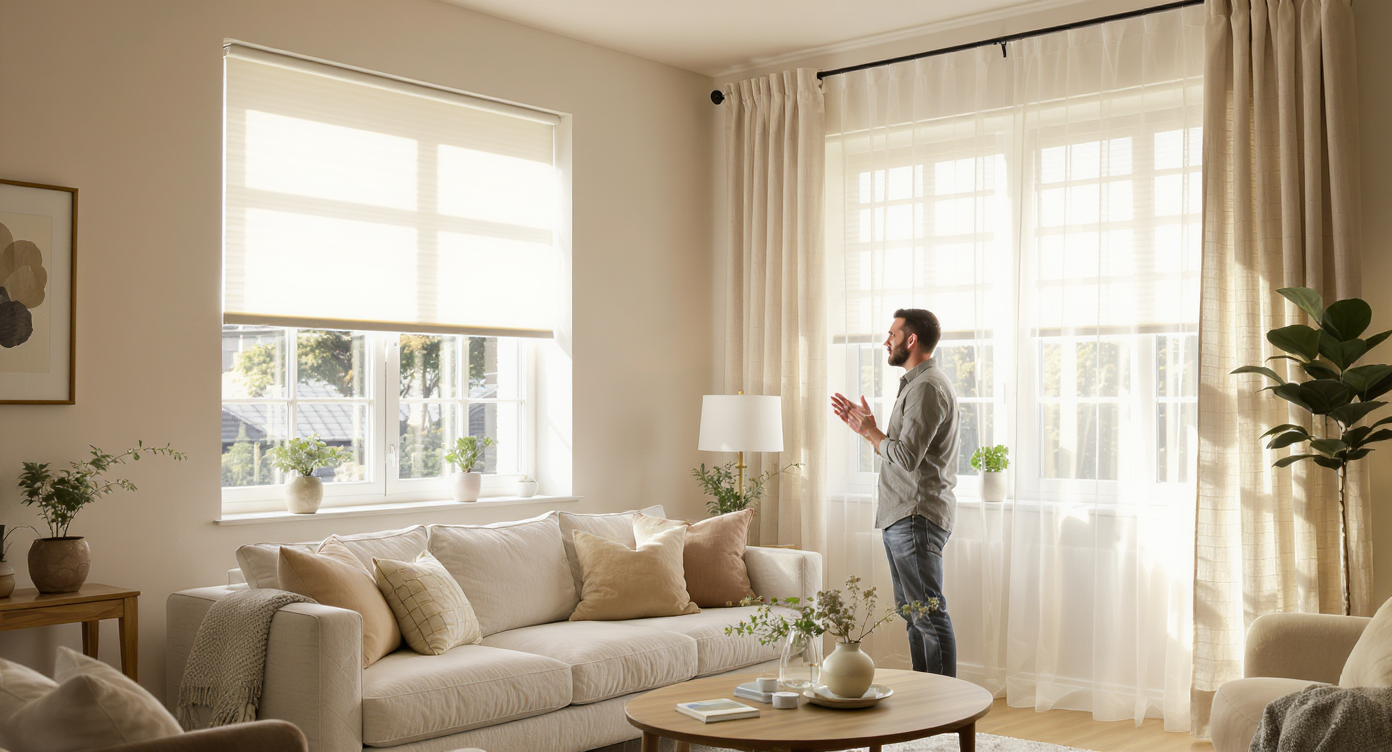
Comparing functional blinds with decorative curtains shows how window choices impact both privacy and room style in real homes.
The terms window coverings and window treatments often surface when choosing how to address privacy, light, and style in a home, yet their differences remain unclear to many. Window coverings consist of functional solutions like blinds, shades, or shutters, primarily intended to manage sunlight and maintain comfort. Window treatments extend beyond utility, introducing style and character through fabrics, patterns, and decorative layering that personalize any space. Understanding where one ends and the other begins can help homeowners make informed choices for each room’s unique needs.
For anyone stuck in interior design confusion between styles or struggling with how to choose interior design style for my home, recognizing these distinctions can clarify the right approach for both function and atmosphere. The best window solutions are those that address not just privacy, but also coherence with your broader design vision.
-
Understanding Function and Aesthetic in Window Design
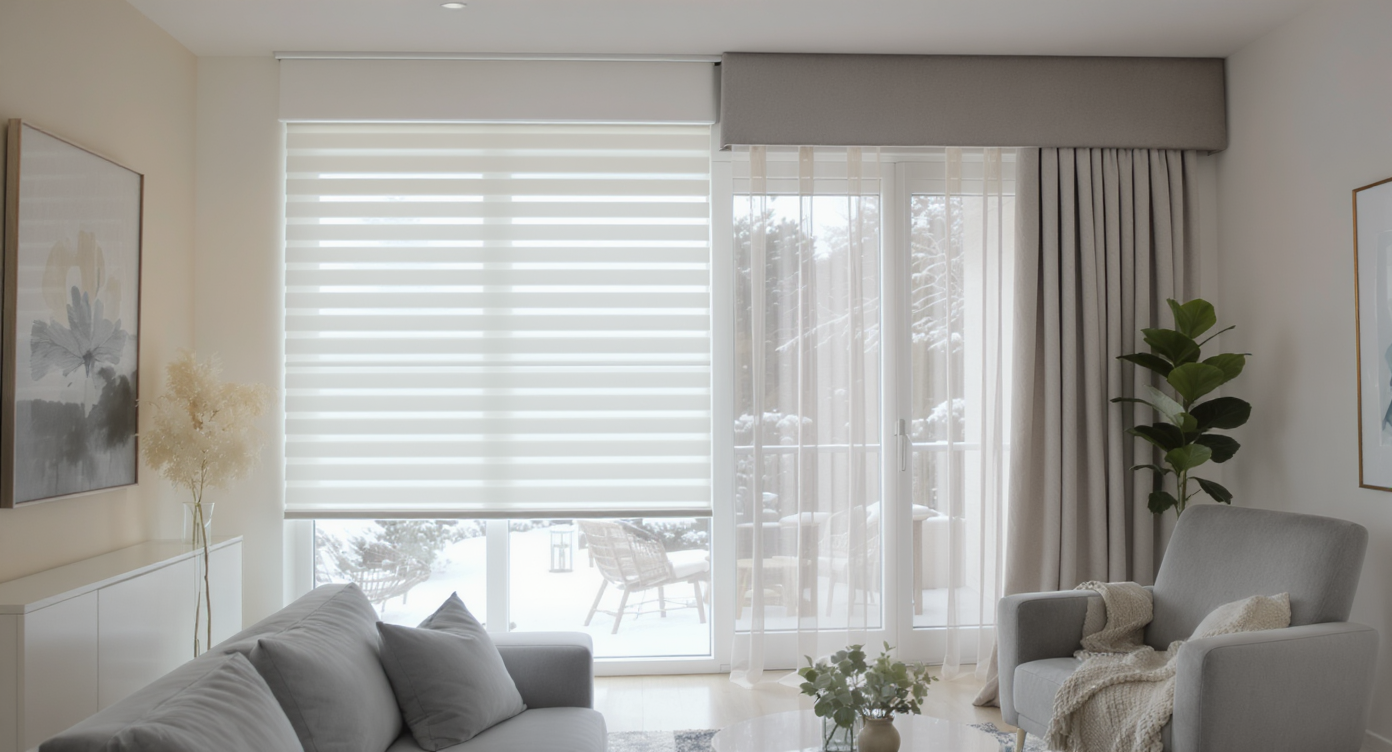
Functional blinds paired with stylish drapes and a valance show how coverings and treatments bring comfort and visual finish to any room.
Window coverings act as the first line of defense for a room’s comfort. They include blinds, shades, and shutters, each designed to shape how much daylight enters, guard privacy, or insulate against temperature extremes. Much like selecting the perfect rug size can anchor a dining room, covers establish a baseline for how a space operates day to night. Even subtle technological advances, such as cordless shades and automated blinds, reflect a growing expectation for convenience and safety.
Window treatments, by contrast, are the finishing flourishes that elevate the basic functionality of coverings. Treatments may consist of drapes, valances, cornices, or decorative tiebacks—essentially, anything chosen as much for its visual impact as for its effect on light or privacy. Treatments give a room its ‘finished’ feeling, adding softness or formality just as carefully placed art or strategic lighting does. As we explored in our overview of dining room layers, these design elements together move a room beyond simply functional.
Expert Insight
A homeowner once struggled to make their master bedroom feel restful despite new paint and furniture. The missing piece turned out to be layered window solutions: cellular shades for blackout sleep and subtle floral drapes for softness. Not only did mornings start less abruptly, but the whole room felt more cohesive and calming.
-
How Coverings and Treatments Play Out in Daily Life
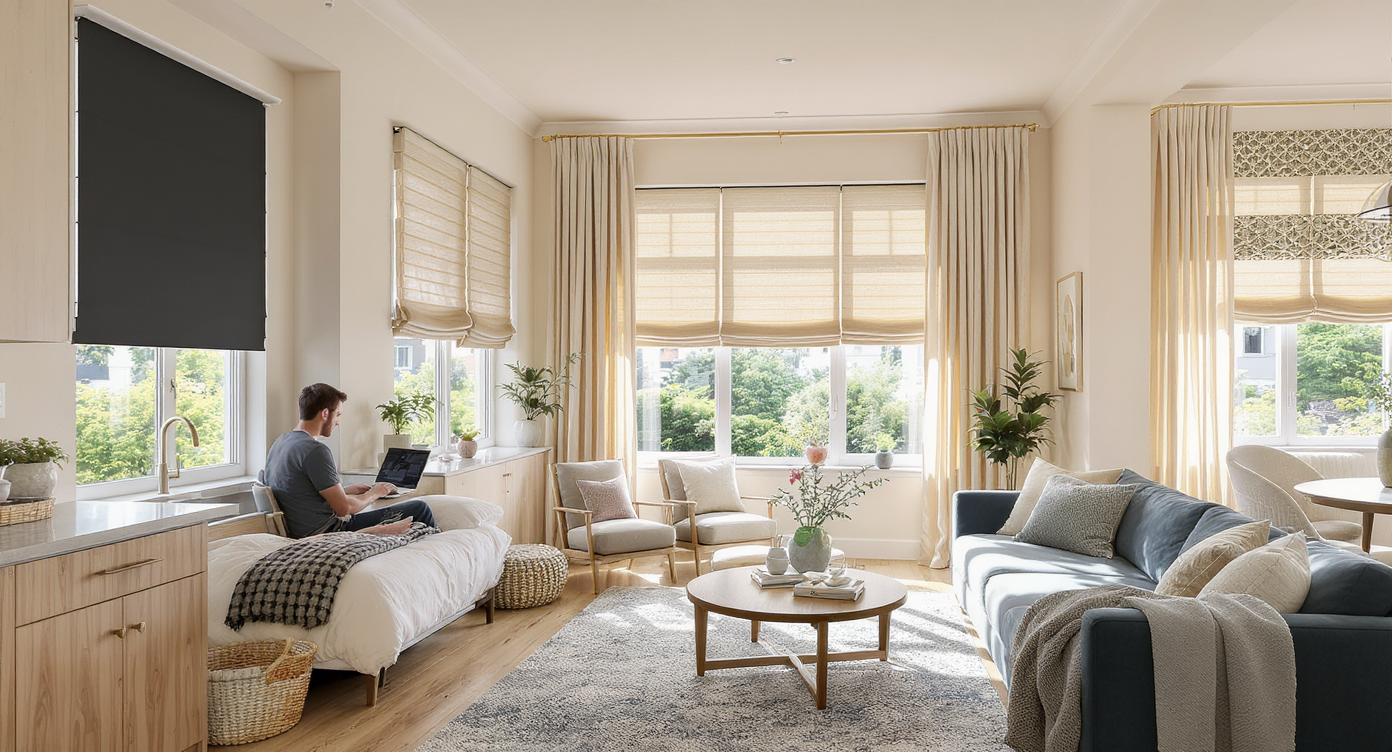
Various window coverings and treatments serve daily needs for privacy, light control, and style within a real, multi-use home setting.
In practical terms, window coverings are most common in bedrooms, bathrooms, or any space where privacy and glare control are top priorities. Roller shades in a home office limit screen reflection. Blackout cellular shades in a bedroom make restful sleep possible even at odd hours. Plantation shutters in a living area offer old-world charm with real-world insulation.
For spaces where aesthetics share equal billing, window treatments become central. Living rooms or dining rooms often use layered drapes over wood blinds, simultaneously controlling light and creating a polished, inviting impression. A valance might conceal curtain hardware or add color above a kitchen sink, while fabric tiebacks introduce subtle detail in a formal sitting area.
- A parent working from home might prioritize cordless honeycomb shades for their blend of insulation and child safety.
- A city apartment benefits from translucent roller shades paired with velvet drapes to soften street noise and impart visual warmth.
- For a modern casual dining spot, woven wood shades under sheer panels bring texture and light filtration without heavy formality.
-
Where Purpose Meets Personality: Layering and Customization
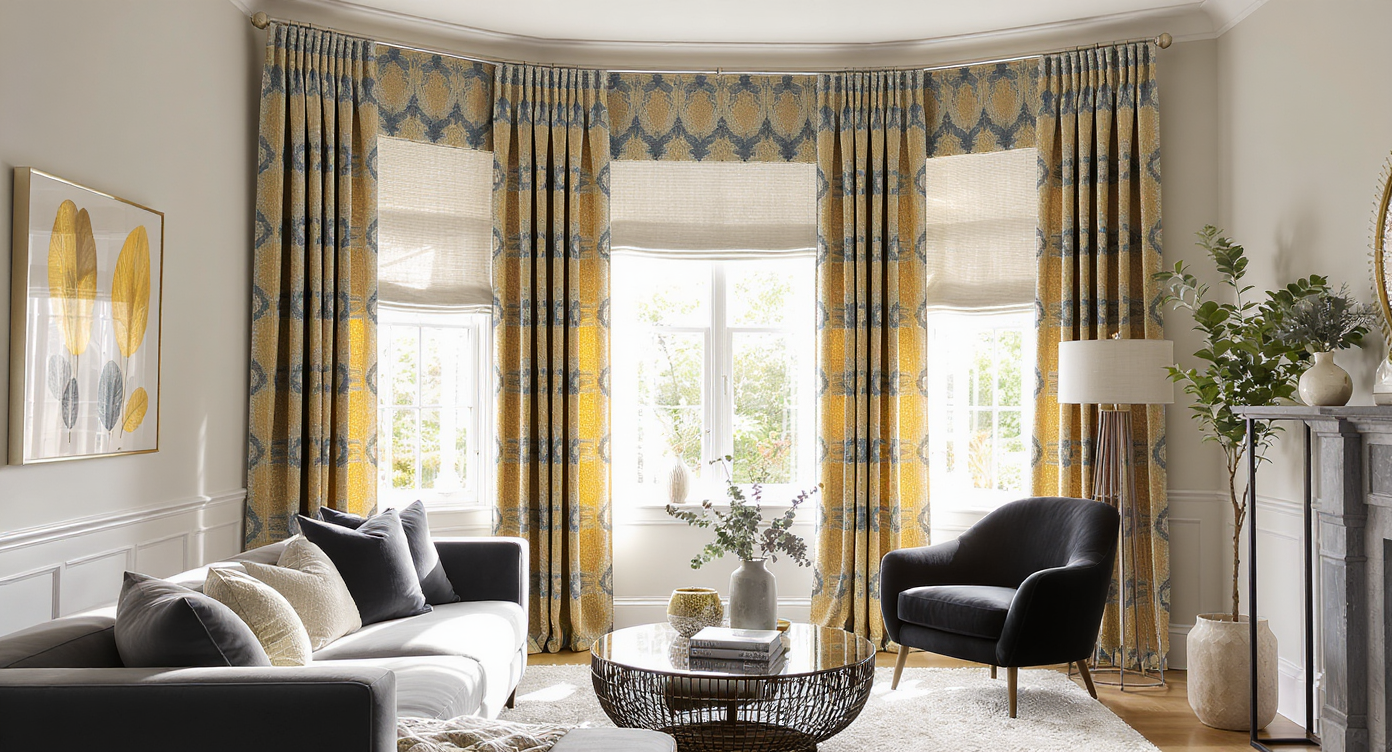
Layering understated roller shades with dramatic drapery and a cornice marries functional privacy with a personalized design statement.
A key nuance is that window coverings and window treatments are not mutually exclusive and, when used together, can profoundly impact comfort and style. Designers often recommend layering—combining a practical covering such as a shade or shutter with decorative panels or a cornice for a custom look. This dual approach provides the privacy and energy efficiency many want, with visual depth that supports the home’s aesthetic direction.
Customization widens the possibilities even further. Modern homes can feature motorized shades in minimalist fabrics, while traditional spaces might opt for heavy drapes with intricate trim. Those navigating interior design confusion between styles will find that pairing understated roller shades with boldly patterned drapery lets function and personality occupy the same space. As discussed in our look at curtain impact, even the choice of curtain color and texture can shift a room from cold to inviting.
-
Tradeoffs, Constraints, and When to Use Each Approach
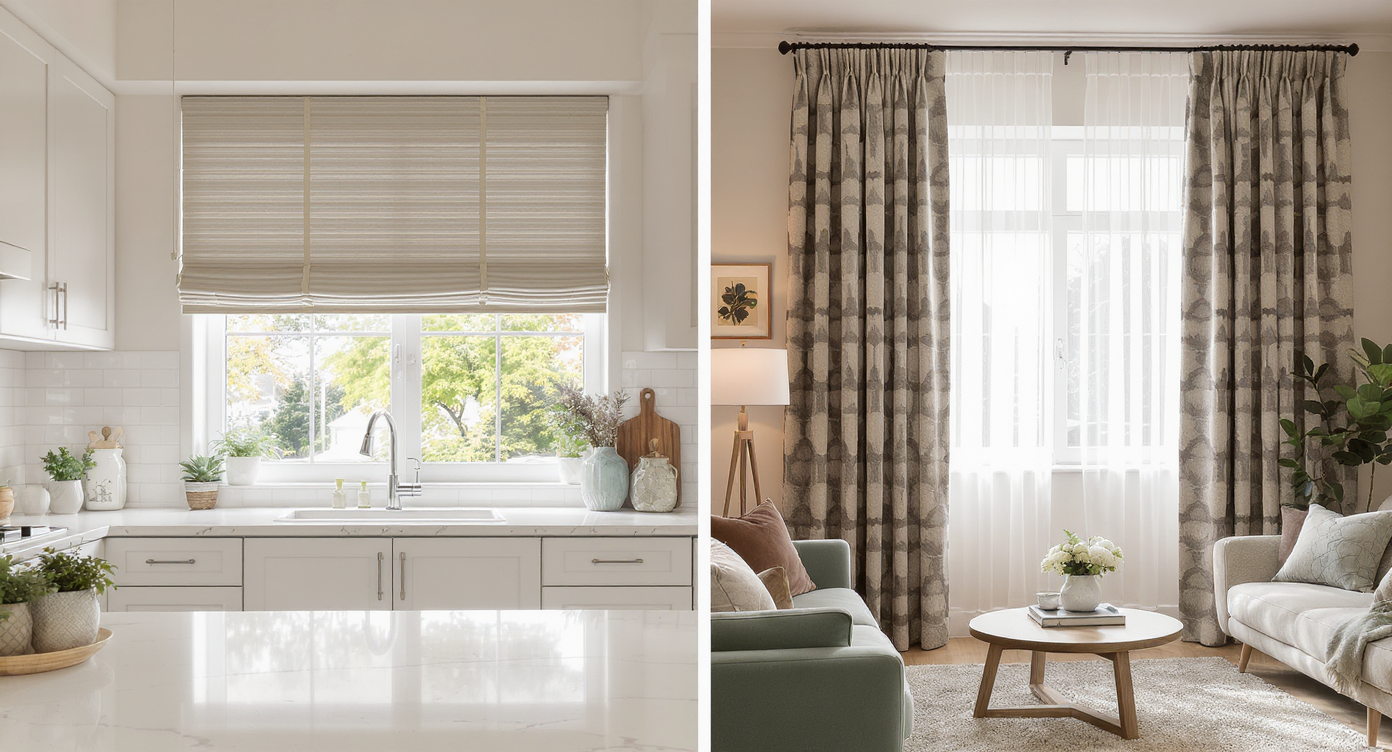
Window solutions depend on space: practical blinds suit kitchens, while rich drapery enhances living rooms with statement design appeal.
While combining window treatments and coverings unlocks possibilities, practical realities influence the best solution for each room. Blinds and shades tend to dominate in high-humidity spaces or where frequent cleaning is needed. Thick drapes, on the other hand, may be less suitable for kitchens or bathrooms due to moisture concerns and the risk of absorbing odors.
Budget and maintenance are also critical factors. Functional coverings like faux wood blinds or cellular shades often cost less and require less upkeep. Highly customized drapery demands a larger investment, as well as seasonal or professional cleaning to preserve its look. If your priorities lean toward energy savings and ease of use, basic coverings may suffice. If you’re after statement-making design, then decorative treatments should lead your choices—just as trend-forward homes in 2025 will be incorporating rich patterns and layered textures according to upcoming design forecasts.
-
A Real-World Decision: Choosing for Everyday Living
A young couple moves into a sun-filled home with oversized windows overlooking their new backyard. By late afternoon, the living room is almost too bright to enjoy. They opt for adjustable wood blinds for flexible light control, knowing the family room will double as a media space in the evenings. Then, they layer on lined linen drapes to add warmth, help with sound absorption, and tie in accent colors from their rug. The result is not just functional comfort, but a room that feels personal and complete.
-
Common Mistakes to Avoid When Dressing Windows
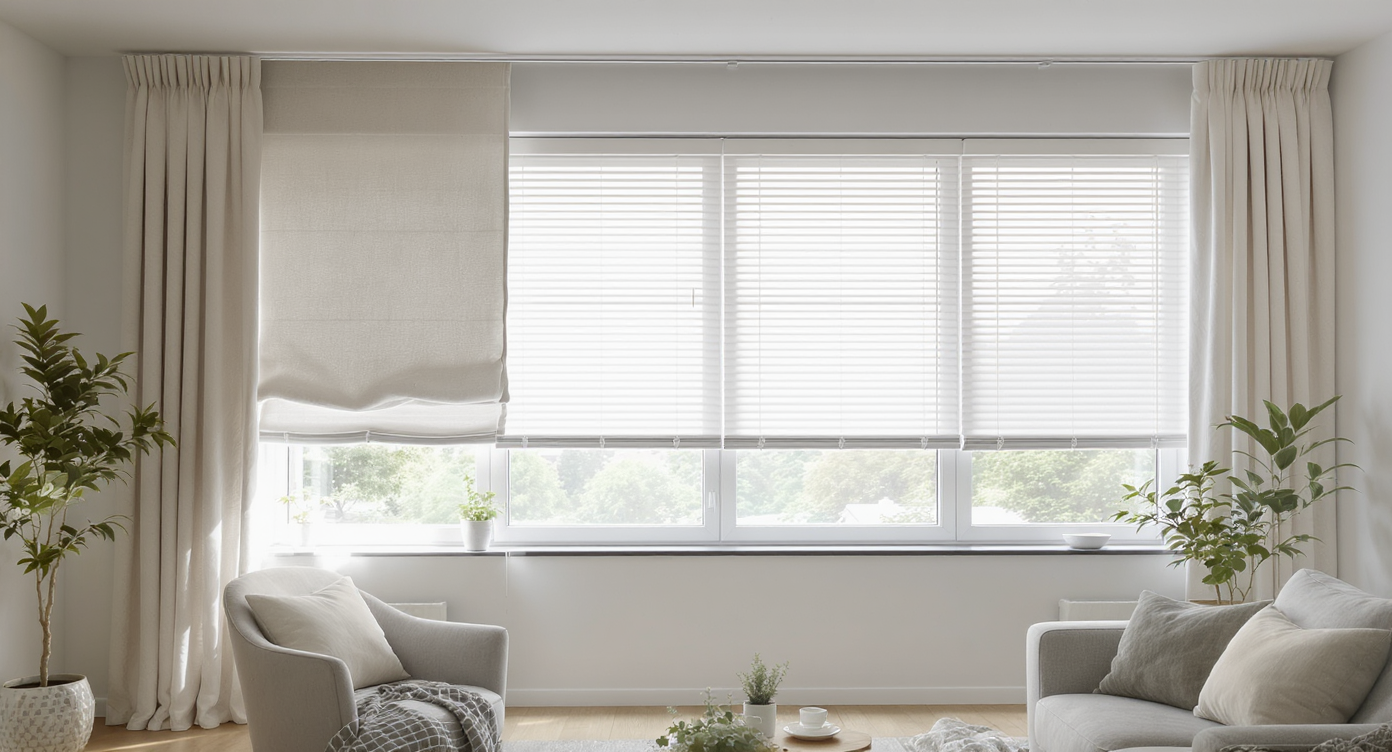
Comparing window dressing missteps: improper curtain length, mismatched blinds, and a well-layered shade and drape solution all in one scene.
- Choosing form over function: Decorative treatments that ignore privacy or light needs can lead to daily frustration. Fix this by starting with practical coverings like shades or blinds before adding treatments.
- Ignoring scale and proportion: Curtains that are too short or blind slats too narrow can make windows (and rooms) look awkward. Always measure carefully—curtains should typically break at the floor, and blind or shade width should match the inside frame snugly.
- Neglecting layering possibilities: Relying on a single type of window solution often looks unfinished. Combine at least two elements (for example, a cellular shade plus drapery) for a robust and versatile result.
-
Expert Tips and Insights for Achieving the Right Look
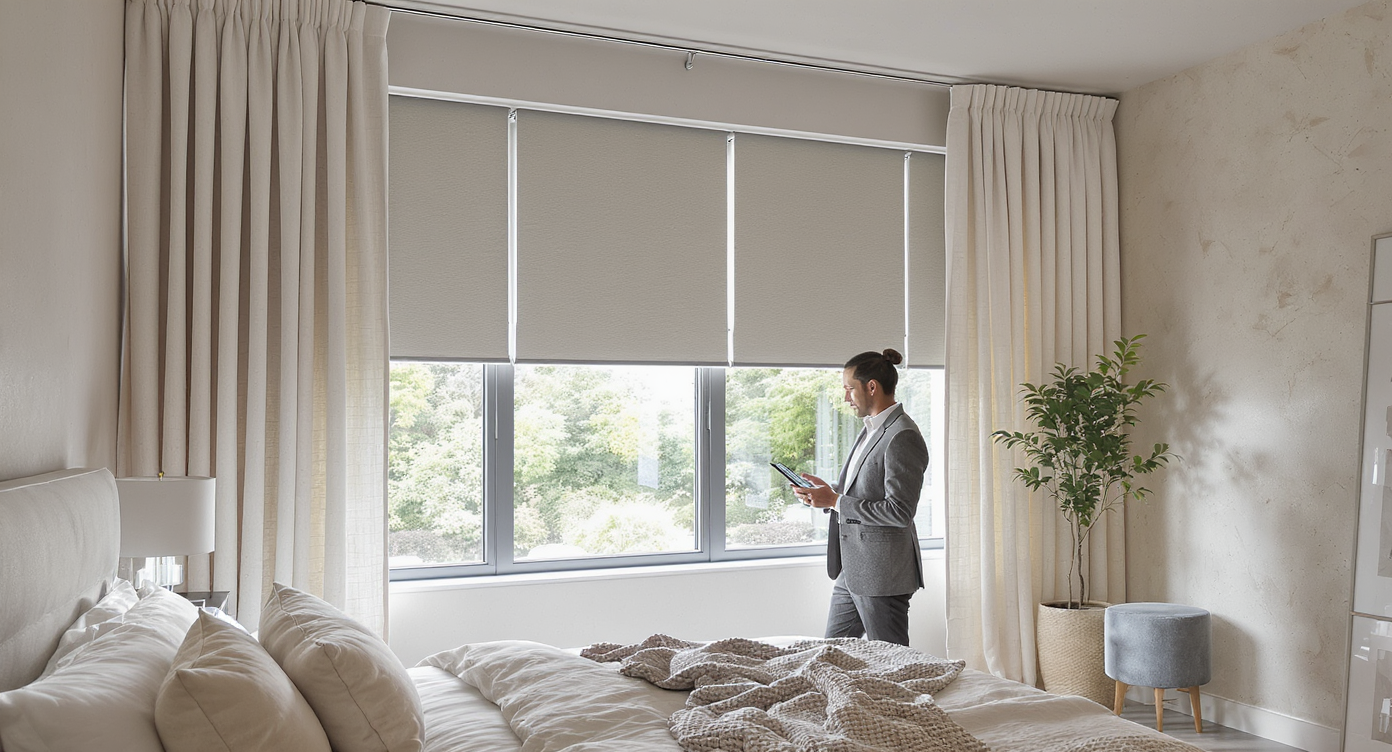
Layer blackout shades with full drapery panels for flexible style and light control—expert tips make the difference in real homes.
- Layer coverings and treatments for maximum flexibility in light control and style. For instance, combine blackout shades and drapery in bedrooms.
- Follow the measurable rule that curtain panels should be two to two-and-a-half times the width of the window for fullness.
- When unsure about undertones or styles, experiment with virtual visualization tools such as ReimagineHome.ai before committing to a fabric or configuration.
-
A Step-by-Step Approach for Smart Window Design
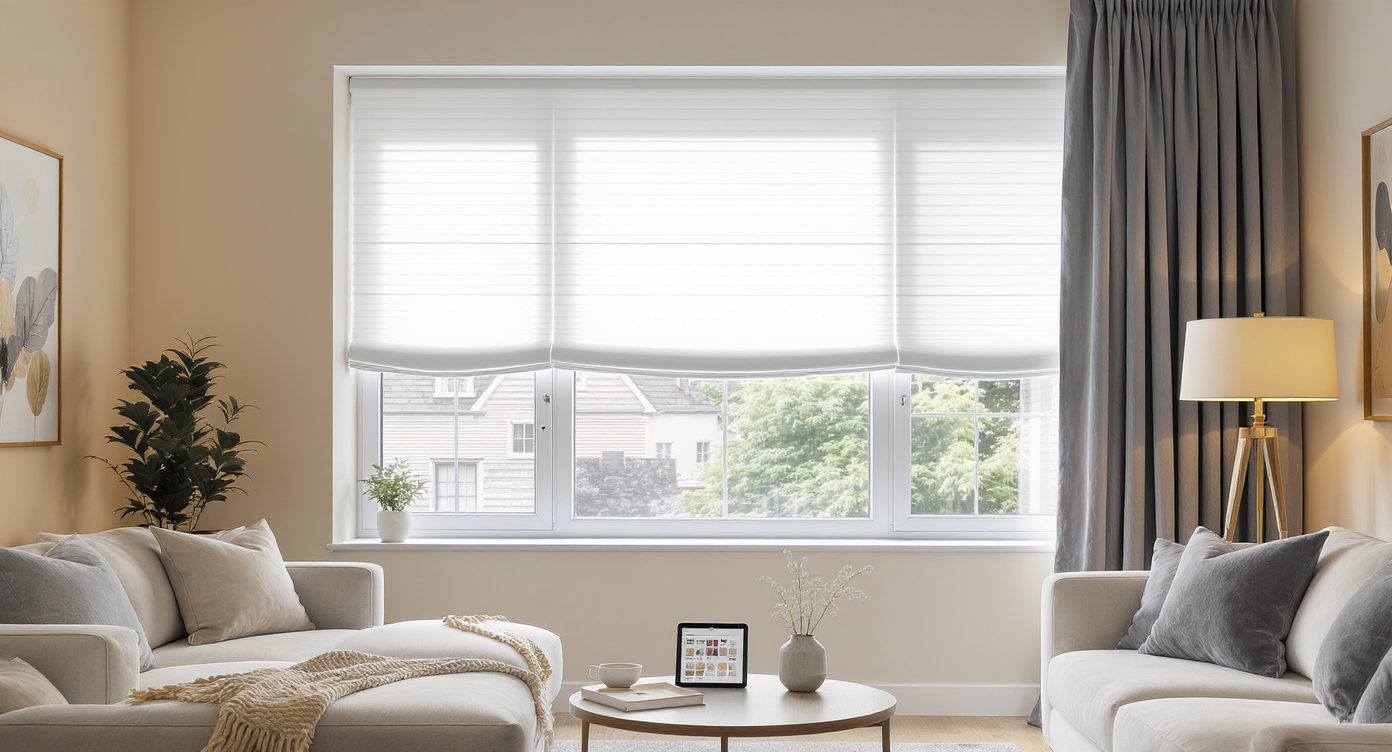
Illustration of a real-world window layering approach, from privacy needs to virtual previewing—key steps for smart window design choices.
- Identify the room’s core privacy and light control needs. Consider how you use the space at different times of day.
- Select a basic covering (shade, blind, or shutter) to fulfill the room’s primary function.
- Layer a window treatment (drapes, valance, or cornice) to introduce color, pattern, and softness tailored to the room’s style.
- Use tools like ReimagineHome.ai to preview different layering combinations, colors, and patterns virtually. Adjust until the solution supports both lifestyle and aesthetic preferences.
-
Visualizing Possibilities: From Plain to Personal
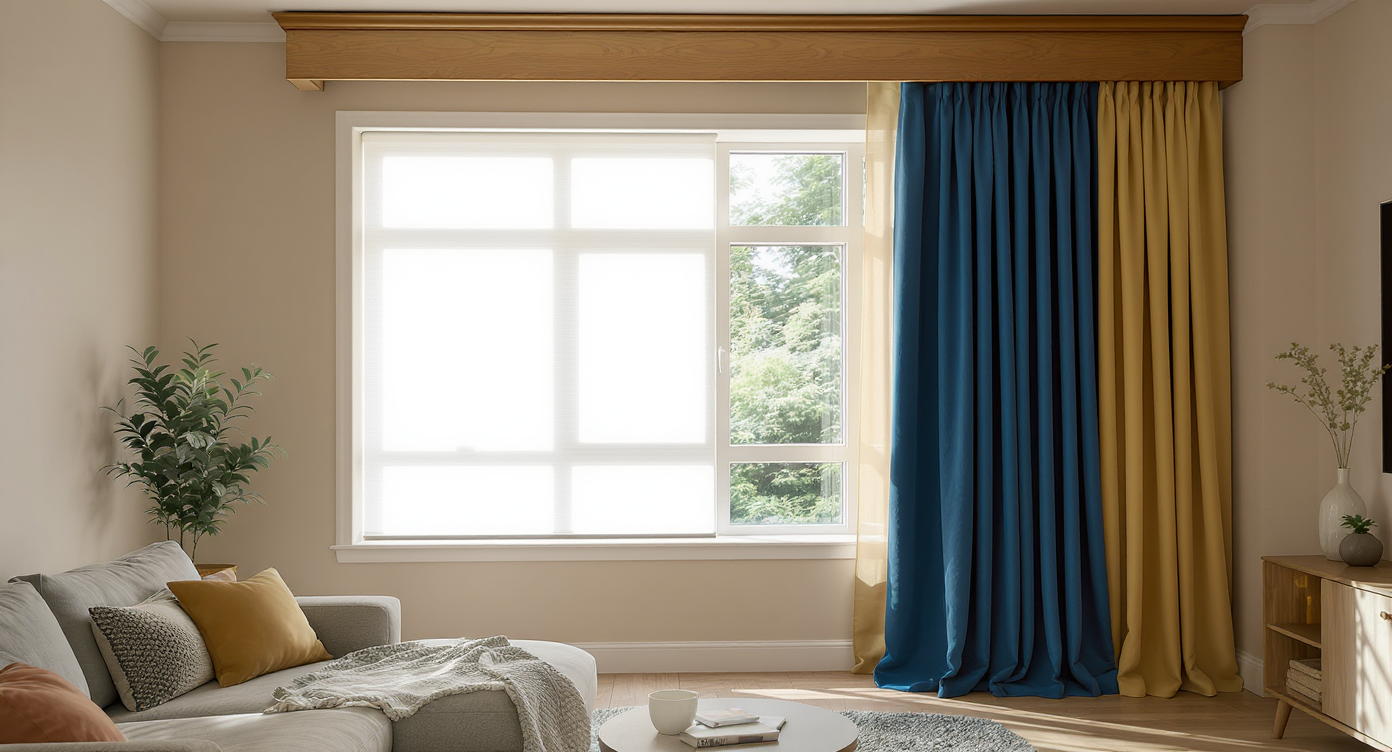
Transforming a basic window with patterned drapes and a wooden cornice makes it a vibrant focal point, enhancing both light and character.
Picture a neutral room with simple vinyl blinds pulled down for privacy. By adding a pair of bold-patterned cotton drapes and a wooden cornice, what was once utilitarian becomes a space layered with color and intrigue. The light filters differently at each hour, and the window now draws the eye instead of receding into the background. Visualization platforms such as ReimagineHome.ai are especially useful here, letting you see every option in real time and tailor the result to your actual windows.
Visualization Scenario
Imagine standing in a luminous kitchen at midday, sunlight filtered through woven wood shades, while floor-length linen drapes frame the view and echo the room’s natural palette. The layers allow the light to be tuned precisely to the time of day, making the space lively for brunch and inviting for quiet evenings. A visualization tool like ReimagineHome.ai helps picture each detail, so you achieve just the right balance of form and function from the start.
Frequently Asked Questions About Window Coverings and Treatments
- Can I use both window coverings and window treatments on the same window?
Yes, layering both offers the benefits of light and privacy control with enhanced design appeal. - How do I pick between blinds and shades?
Blinds offer more adjustable light control, while shades deliver a soft, uninterrupted look and often better insulation. Match the product to your lifestyle and window orientation. - What is the best window solution for modern homes?
Clean-lined shades or shutters paired with minimalist drapes or valances suit modern interiors well. - How important is measuring before ordering?
Extremely. Even small errors can make window treatments look awkward. Always double-check width and length, and consider professional installation for complex arrangements. - Are virtual tools helpful for deciding on styles?
Yes, platforms like ReimagineHome.ai let you preview fabric, pattern, and layering options for each window in your home before making any final decision.
Making the Choice That Lasts
The distinction between window coverings and window treatments may seem small, but it shapes how your home feels and functions every day. By starting with practical needs and then layering on treatments that express your taste, you create not just privacy and comfort, but an interior that feels genuinely finished. If you’re wavering between styles or worried about choices fitting your home’s design, leverage planning platforms like ReimagineHome.ai to explore combinations without risk. The right decisions will transform your windows— and the rooms around them— into spaces you truly want to spend time in.