9 Small Home Upgrades That Make a Noticeable Difference: The Micro-Upgrade Impact Framework
TL;DR
Even minor home improvements, lighting, storage, smart controls, can dramatically raise daily comfort, efficiency, and value. This guide shows how to avoid the most common mistakes and use measurable rules to ensure every small change makes a real impact.
Why Small Upgrades Matter
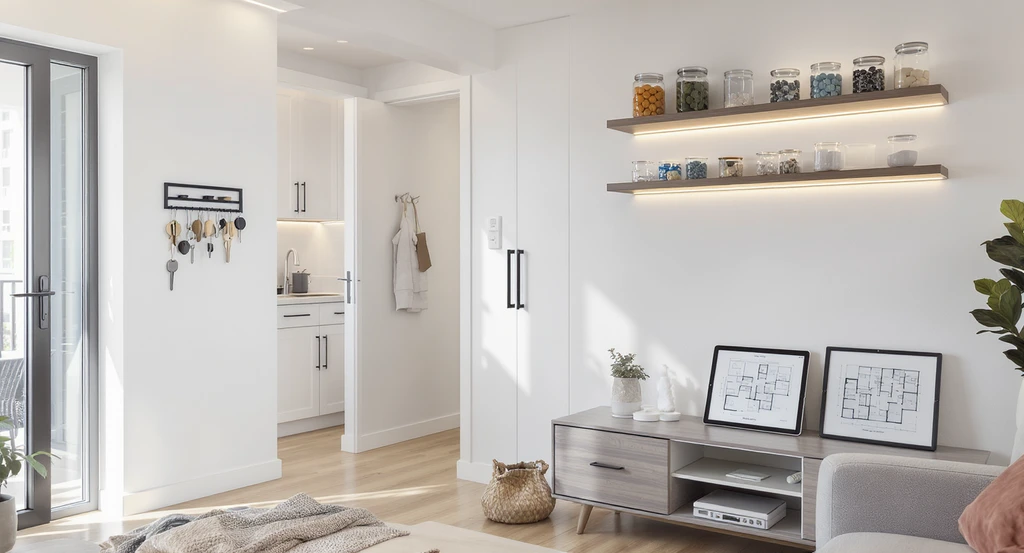
Discover ai-powered home upgrade ideas and how the best ai room design platforms and decision frameworks make impactful micro-upgrades to boost home functionality.
It doesn't require a major renovation to significantly enhance comfort and usability at home. Affordable upgrades, applied thoughtfully, often yield the biggest improvements for both homeowners and renters. Common errors in lighting, layout, storage, and hardware, though, can limit their effectiveness and even reduce your home's value. This practical article breaks down nine impactful, low-cost changes, shows the most frequent mistakes, and guides you through correcting them step by step. Below, you'll also discover the Micro-Upgrade Impact Framework, a decision-making method that ensures your quick home improvements add real, everyday value.
-
The Micro-Upgrade Impact Framework
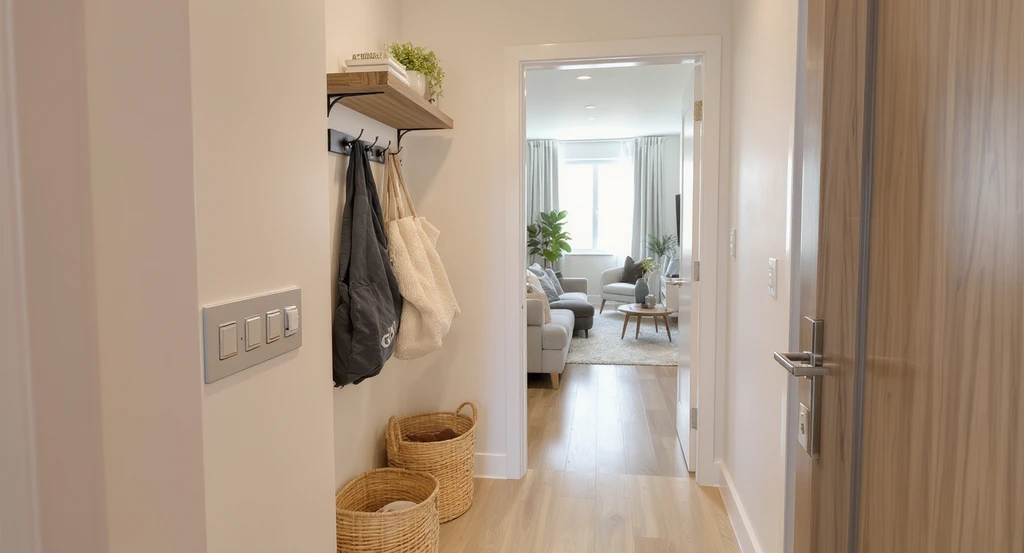
Editorial image illustrating ai-powered home upgrade ideas for entryways: updated lighting controls, organized storage, clear movement paths, and hardware improvements. Discover how the best ai room design platforms use frameworks to improve home functionality.
Instead of focusing on full-scale renovations, interior designers often apply the Micro-Upgrade Impact Framework. This method prioritizes affordable home upgrades at the touchpoints you use every day: lighting controls, entry storage, indoor air flow, movement paths, and hardware. Improving these areas in unison transforms daily routines, delivering functional and visual rewards without structural changes or large budgets.
- Lighting controls: Place switches so you can easily adjust lighting while entering or leaving a room.
- Entry storage: Combine wall hooks, open shelves, and bins to streamline clutter in frequently used zones.
- Furniture flow: Maintain wide pathways (at least 30 inches) for easy movement.
- Hardware: Upgrade to new pulls and handles for a consistent, tactile improvement.
This framework makes small apartment improvements and quick home improvements more effective together. As discussed in our guide to avoiding value-decreasing design mistakes, layering multiple micro-upgrades produces outsized improvement compared to stand-alone fixes.
-
01. Disorganized Lighting Layout and Color Temperature
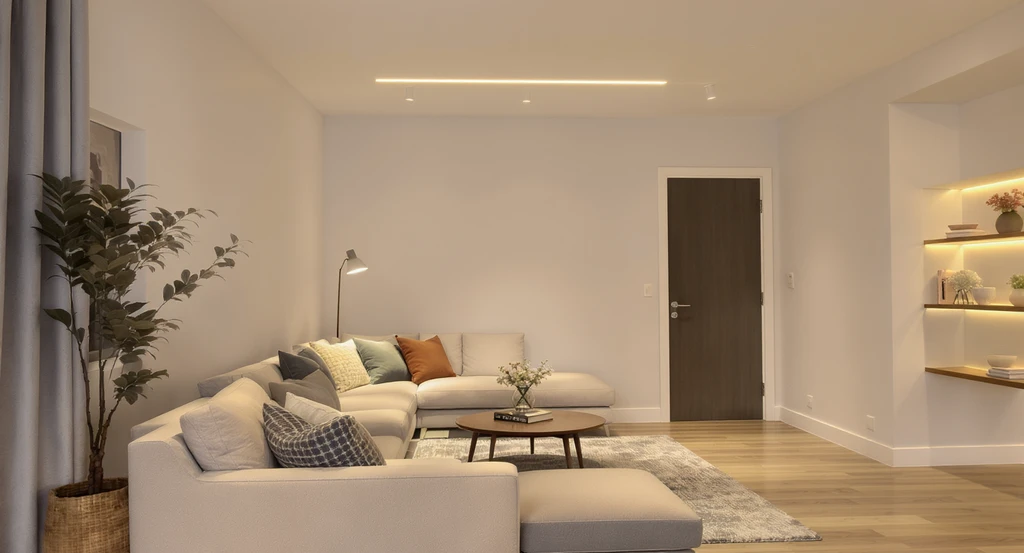
See ai-powered home upgrade ideas in action: a best ai room design platforms approach uses layered LED lighting, matched color temperature, and optimized switch placement for improved home functionality, based on ai interior design decision frameworks.
Replacing old fixtures with LEDs helps, but common mistakes include relying on a single ceiling light, mixing bulbs of different color temperatures (like cool white with warm white), or positioning switches awkwardly.
These errors stem from a lack of layered lighting or improper planning. To correct:
- Use the 3–5 sources rule: Combine ambient (overhead), task (desk/under-cabinet), and accent (artwork or shelf) lights per medium-sized room.
- Keep color temperature consistent, 2700–3000K for relaxing spaces, per the American Lighting Association.
- Install switches near entry points, between 34 and 48 inches above floor level, for functional access.
As outlined in our LED accent lighting guide, properly layered and placed lighting boosts comfort and visual appeal.
-
02. Poor Entryway and Living Storage Strategy
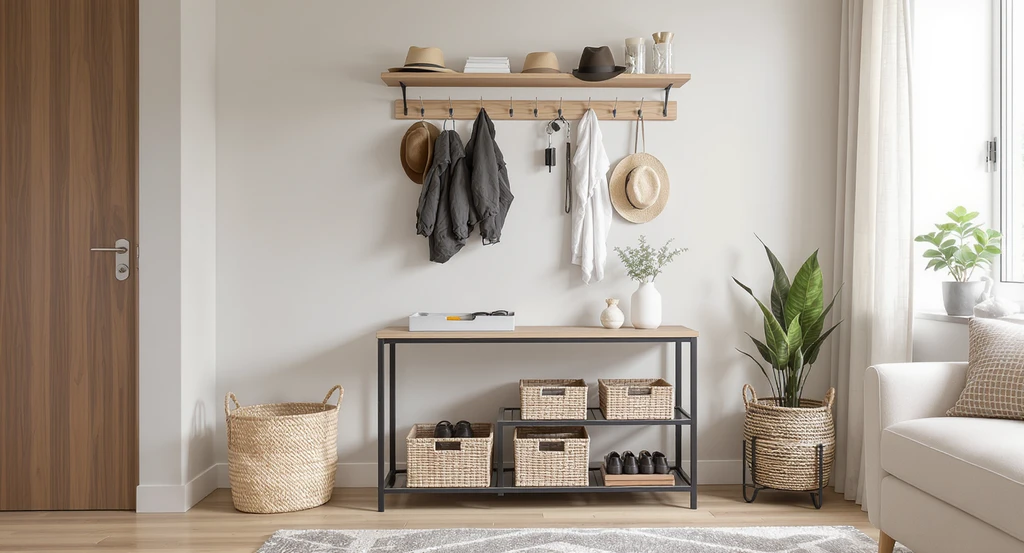
Three-layer storage in a small entry and living room shows how ai-powered home upgrade ideas and best ai room design platforms improve functionality for daily use.
Adding bins or hooks can help, but the mistake is not aligning storage with actual user habits, resulting in clutter hotspots persisting or accessibility issues.
Fix this by implementing the three-layer storage approach for entry zones and living rooms:
- Hooks or shelves at eye level (58–66 inches).
- Bin, tray, or shelf at waist height (~36 inches).
- Baskets or shoe storage on the floor.
This structure ensures daily items have clear, reachable spots for everyone. For more storage strategies that work in small spaces, see our value-boosting design advice.
-
03. Mixing Hardware Styles or Finishes
03. Mixing Hardware Styles or Finishes Image
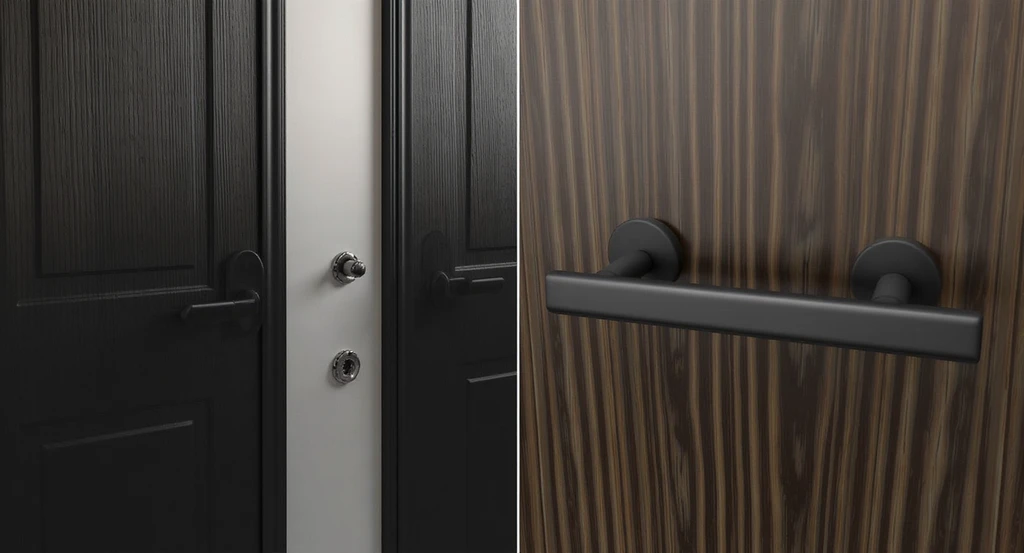
Updating handles and fixtures is quick and affordable, but mixing various finishes or styles creates visual disconnection. It's common to see mismatched cabinet pulls, hinges, and light switch plates.
Correction logic: Stick with a single finish and style throughout a room and, if possible, connecting rooms. Use this guideline for placement: 2.5–3 inches from drawer edges, aligned with cabinet rail. Swap all hardware in the same session to avoid mismatch. These upgrades rarely exceed $100 per room and quickly modernize without major investment.
Coordinating hardware also supports resale value, as covered in our mistakes-to-avoid guide.
-
04. Unplanned Smart Switch or Dimmer Upgrades
04. Unplanned Smart Switch or Dimmer Upgrades Image
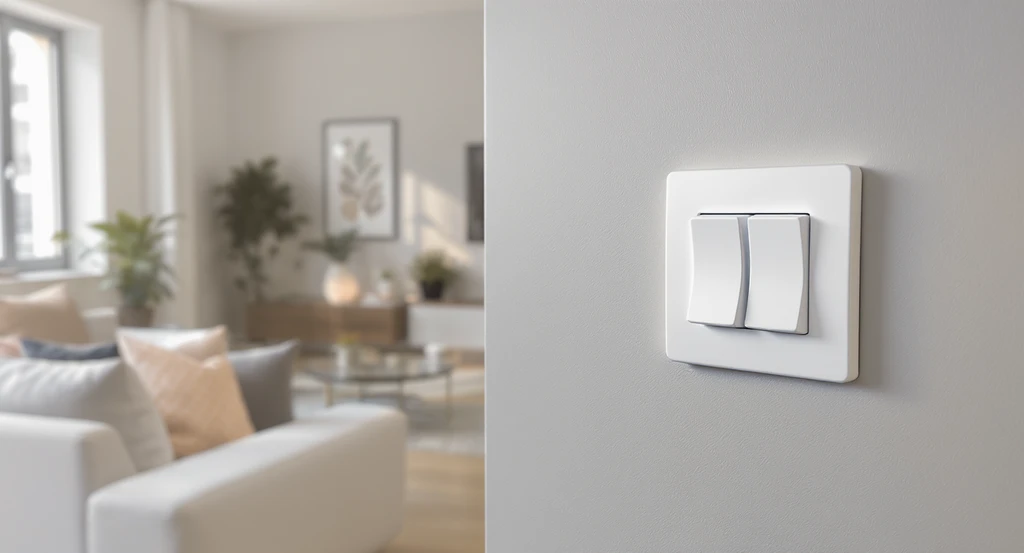
Installing smart switches or dimmers without considering placement or compatibility is a frequent error. Too few controls or poorly placed switches reduce usability and comfort.
- Apply the main entry rule: Every major room should have a smart switch within 6 inches of the door frame.
- Dimmer controls should be grouped by location (all wall switches in a row for living room, for example) and only used with compatible bulbs.
According to the American Lighting Association, well-planned switch layouts and dimming improve efficiency and comfort more than just smart bulbs. For more smart home planning tips, check our recommendations for reducing common home mistakes.
-
05. Inconsistent Bathroom Comfort and Ventilation Upgrades
05. Inconsistent Bathroom Comfort and Ventilation Upgrades Image
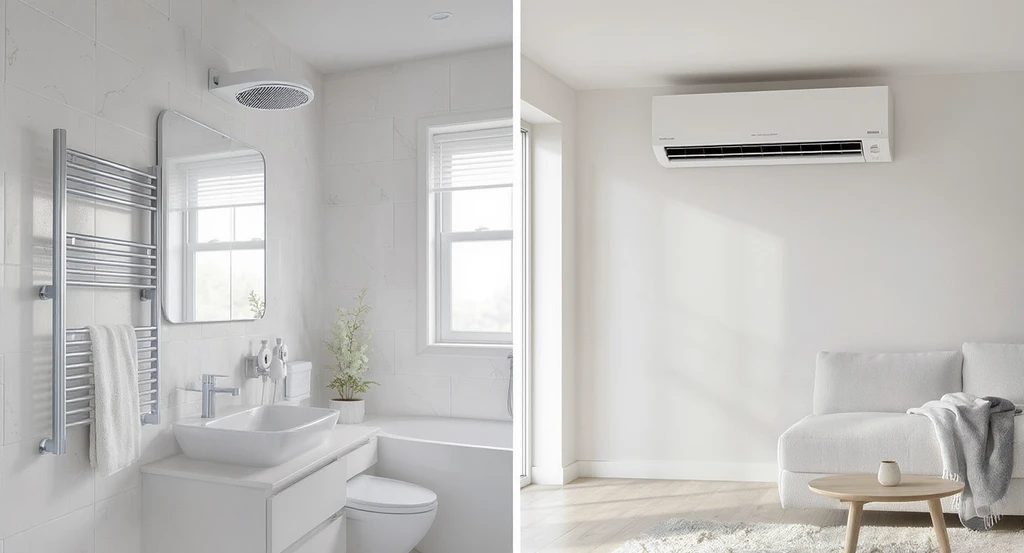
Bathroom improvements often fail when only a single item (like one faucet or fan) is replaced, resulting in mismatched looks and poor comfort. The most overlooked error is skipping adequate ventilation, leading to moisture issues.
- Ventilation fans should deliver at least 1 CFM per sq ft of bathroom floor area (per U.S. Department of Energy).
- Install humidity-sensing switches, and apply soft-close toilet seats or under-sink filters uniformly.
- Match all finishes for visual cohesion.
For more bathroom staging and improvement techniques, see our detailed staging ideas guide.
-
06. Scaling Errors with Rugs and Window Treatments
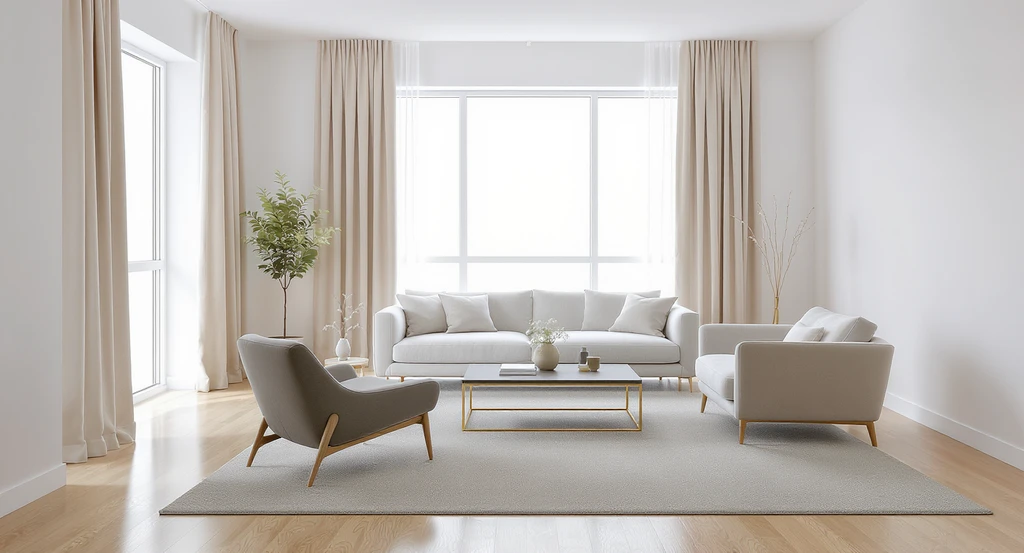
Properly scaled rugs and high-hung curtains, as recommended by ai-powered home upgrade ideas and best ai room design platforms, dramatically improve home functionality and spatial balance, key facets of effective ai interior design decision frameworks.
In rooms large and small, undersized rugs and low-hung curtains undermine the effect of even the best ai-powered home upgrade ideas. An all-too-common error is choosing area rugs that don't extend under at least the front feet of sofas or beds, or hanging curtain rods too close to window frames.
- Living rooms: Use rugs of 8x10 or 9x12 so all front furniture legs land atop the rug.
- Mount curtain rods 4–6 inches below ceiling and at least 6 inches beyond window edges.
For more on how to use art and textiles for room impact, read our guide to layering rugs, art, and lighting.
-
07. Ignoring Air Sealing and Insulation Updates
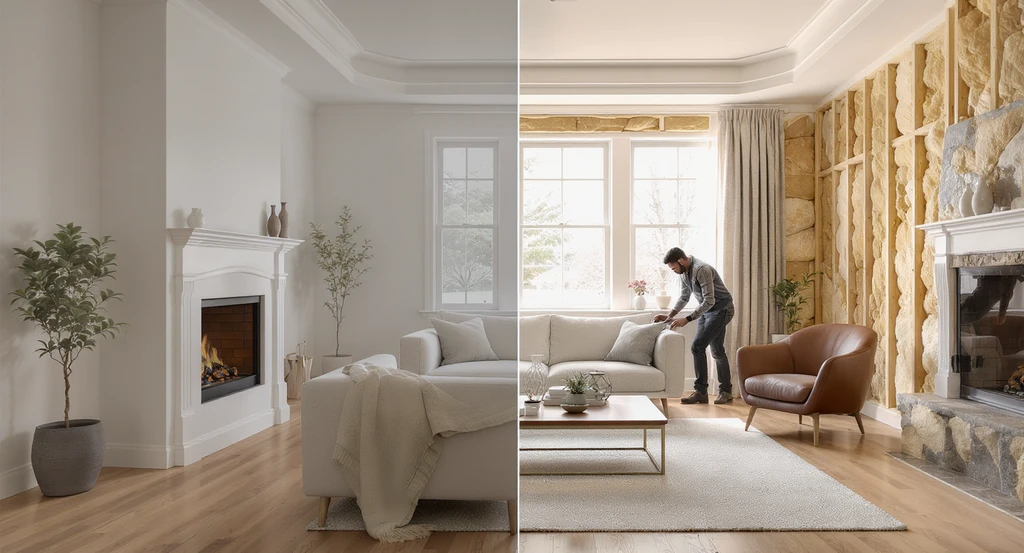
07. Ignoring Air Sealing and Insulation Updates Image
Many affordable home upgrades focus on what you see, but neglecting air leaks and insulation reduces comfort and efficiency. A frequent error is skipping simple draft checks around doors and attic hatches.
- Run a hand along window and door edges; if you feel drafts, apply weatherstripping or caulk.
- Attic insulation should meet at least R-38 (as per most climate zone recommendations).
According to the U.S. Department of Energy, air sealing and insulation improvements can lower heating/cooling costs up to 15%. For practical home improvement ideas that go beyond surface upgrades, see our expert-backed rundown.
-
08. Overcrowded or Misaligned Furniture Layout
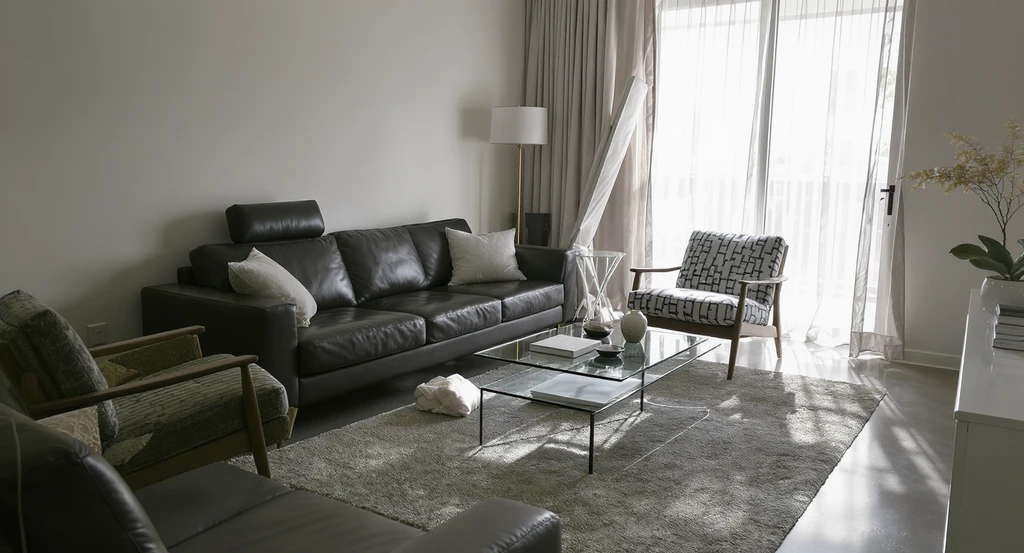
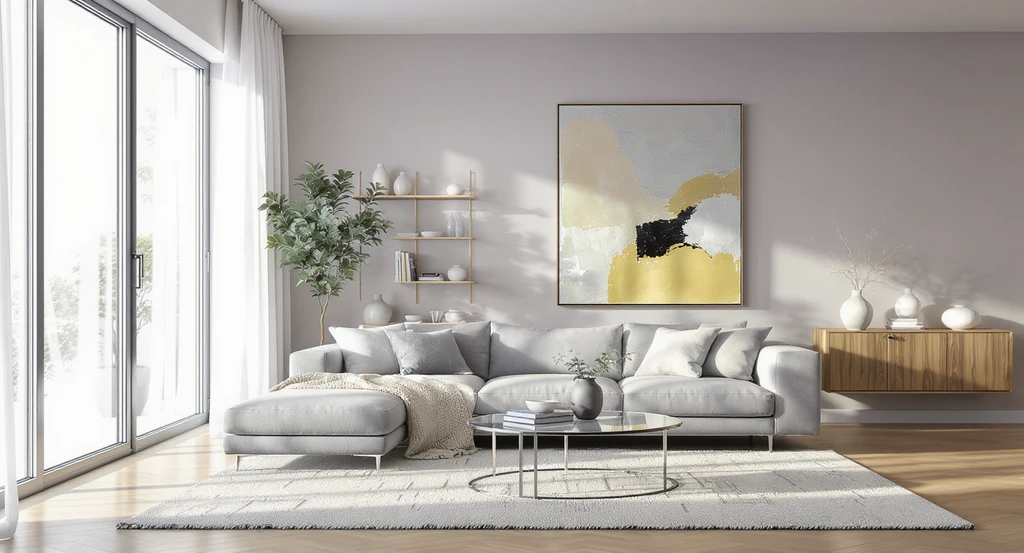
A crowded furniture arrangement in a modern living room demonstrates how ai interior design decision frameworks and the best ai room design platforms help improve home functionality by ensuring clear 30-inch traffic paths and logical furniture placement.
Even the best new pieces can cause crowding if placed without layout logic. Rooms lose both function and flow when pathways are less than 30 inches wide, a common sizing mistake.
- Keep all major traffic paths at least 30 inches clear.
- Ensure door swings and window access aren't blocked by furniture.
For balance and flow corrections, refer to our step-by-step guide on furniture layout.
-
09. Incompatible Smart Home Tech Planning
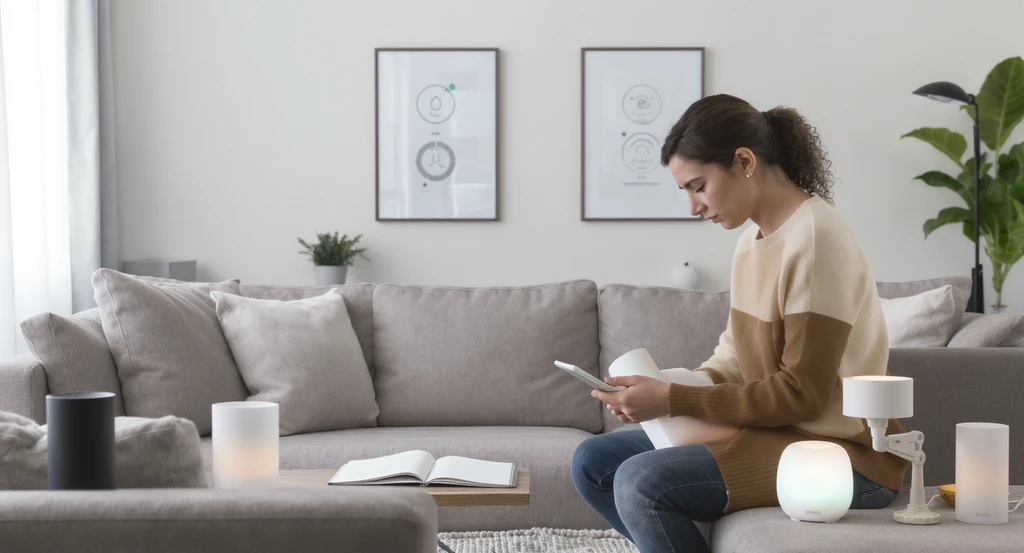
09. Incompatible Smart Home Tech Planning Image
Jumping into smart home tech without an integration plan usually leads to disconnected devices and more daily friction. It's a common mistake to buy devices from different ecosystems or that need extra hubs or wiring retrofits.
- Use a compatibility checklist: Select devices that work with your current platform (Google, Alexa, or Apple Home).
- Check for wiring or hub requirements in advance.
- Phase new tech in, testing each addition for seamless function.
To avoid wasting money, see real-world guidance in our home value improvement guide.
-
The Most Overlooked Small Upgrade
The Most Overlooked Small Upgrade Image
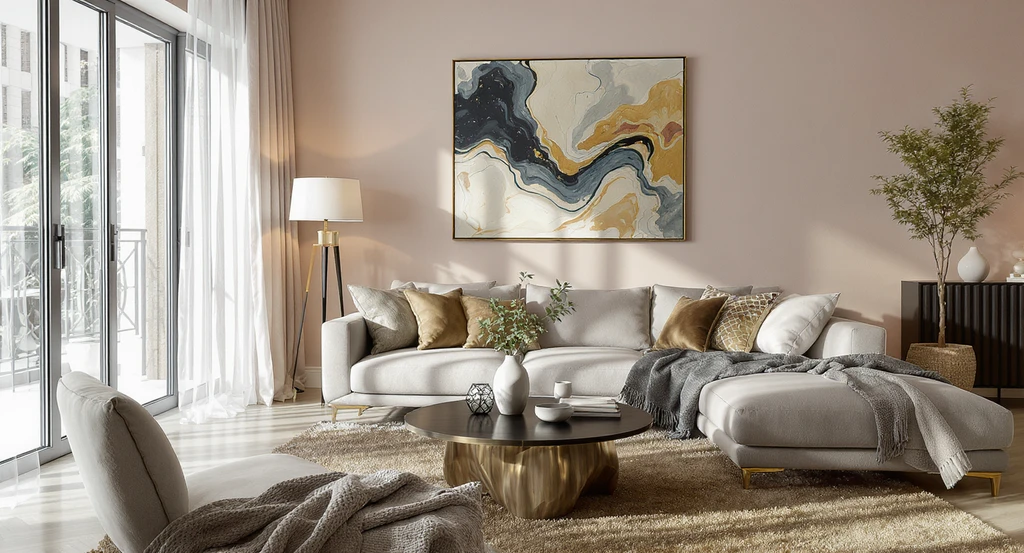
One often overlooked but impactful upgrade is placing dimmers or smart switches within easy reach at every main entry. A single, well-placed control can make daily routines noticeably smoother, especially when it's installed 34–48 inches from the floor and within 6 inches of the door frame.
-
Who These Upgrades Are Best For
Who These Upgrades Are Best For Image
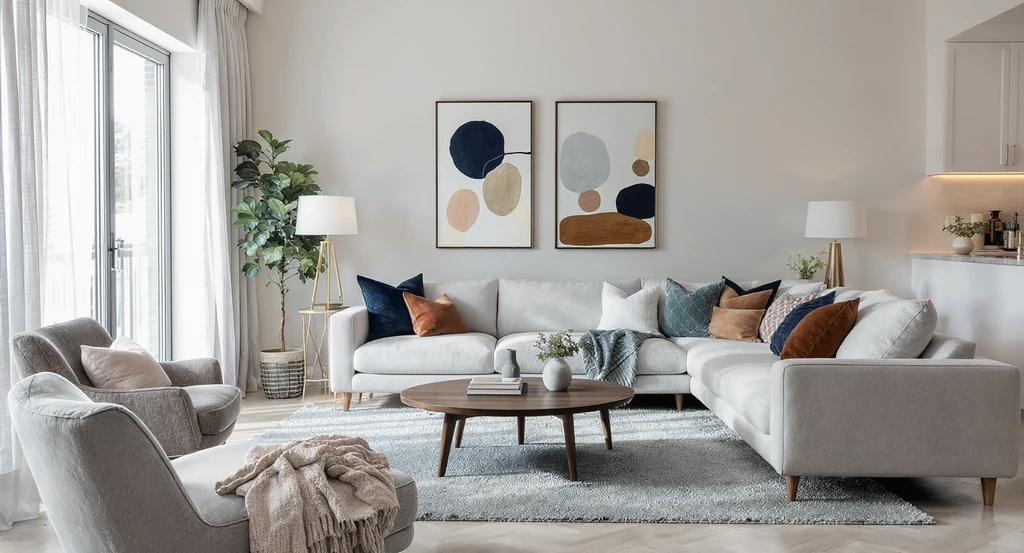
These practical home improvement ideas suit:
- Renters wanting reversible, non-destructive upgrades.
- Homeowners looking to increase comfort or resale value.
- Anyone in small spaces or apartments needing better daily usability.
-
The Most Common Small-Upgrade Mistakes
The Most Common Small-Upgrade Mistakes Image
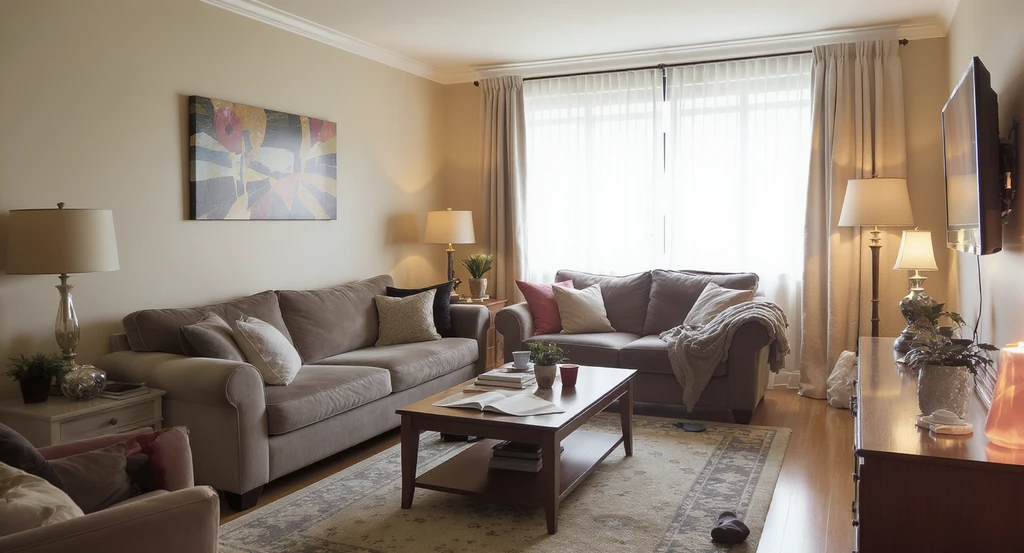
Homeowners often reduce the value of upgrades by:
- Mixing unmatched hardware finishes.
- Using undersized area rugs or low curtain rods.
- Blocking natural light or pathways with furniture.
- Failing to match lighting color temperatures.
- Skipping compatibility checks with smart tech.
Awareness and correction of these errors are key to getting the most from any micro-upgrade project.
-
Upgrade Cost, Difficulty & Impact Table
Upgrade Cost, Difficulty & Impact Table Image
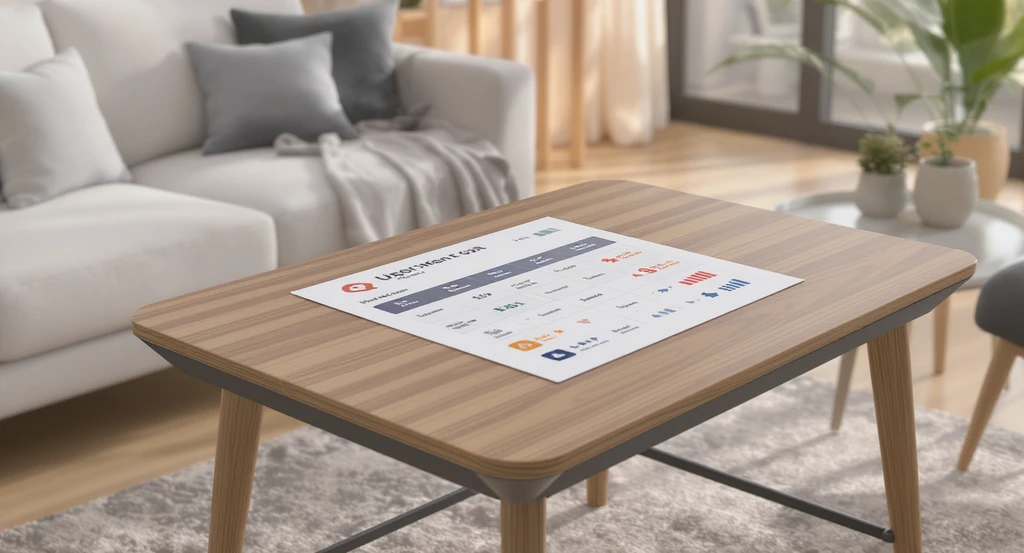
Upgrade Type Typical Cost Difficulty Comfort Impact Lighting upgrades Low–Moderate Easy Very High Storage improvements Low Easy High Hardware replacement Low Easy Medium Smart switches Moderate Medium High Air sealing/insulation Very Low Easy High -
Designer Tip
Designer Tip Image
When tackling low-cost interior upgrades, start with lighting and layout first. These areas impact comfort and usability immediately, while hardware or decorative upgrades offer smaller incremental returns.
Frequently Asked Questions (FAQ)
- Which small upgrades increase home resale value most?
- Lighting improvements, modern hardware, and better storage are valued by buyers and are discussed in-depth in our guide on avoiding common interior mistakes.
- How do designers decide which upgrades to prioritize?
- Designers look for opportunities to improve comfort and function first, focusing on lighting, storage access, and clear pathways before decorative details.
- Are small upgrades worthwhile for rental homes?
- Yes—options like lighting, storage, or hardware upgrades are usually easy to reverse and can greatly enhance daily living, even in rentals.
- What is the fastest small upgrade to notice?
- Switching to layered, warm lighting or adding a smart dimmer often provides an immediate feel of comfort and improved atmosphere.
- What’s the main risk with small upgrades?
- Mismatching finishes, under-scaling rugs or curtains, and crowding walkways can reduce upgrade impact. Plan layout, color, and finish for cohesion.
Key Takeaways for Noticeable Home Improvements
Small upgrades have the biggest impact when they target places where people move, touch, or adjust a space, especially lighting, storage, airflow, and clear walkways. Using the Micro-Upgrade Impact Framework, you can layer multiple affordable changes for a combined effect that transforms comfort and home value without large investments or renovation. Remember: Prioritize improvements that align with daily routines for the most effective results.