How AI Became Essential in Modern Design: Five Transformative Trends
TL;DR
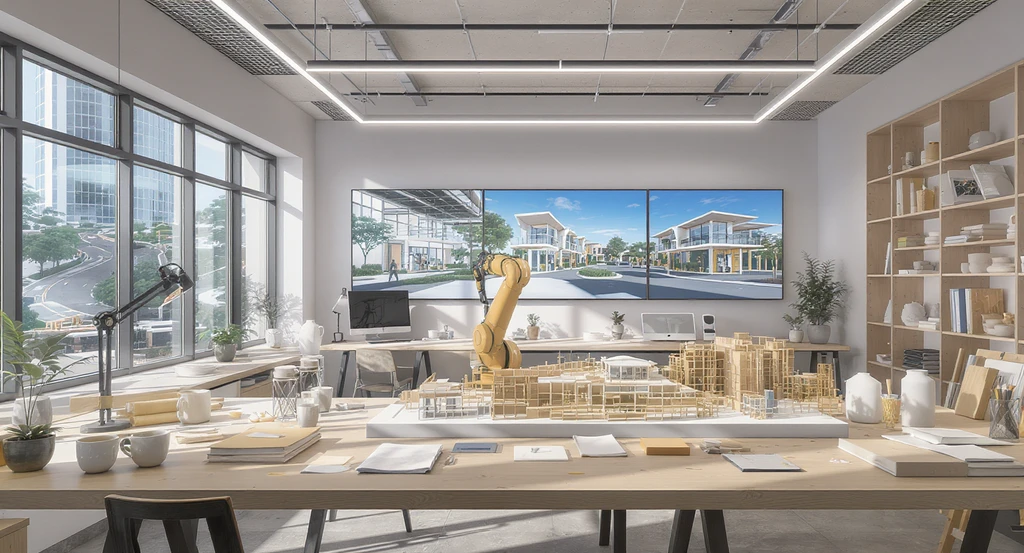
The landscape of design is shifting rapidly as AI evolves from a cutting-edge experiment to an indispensable part of the creative process. Five emerging trends illustrate how artificial intelligence is fundamentally redefining how designers work, collaborate, and deliver solutions.
-
From Experiment to Necessity: AI’s New Role in Design
From Experiment to Necessity: AI’s New Role in Design Image
A few years ago, artificial intelligence in design was considered an intriguing experiment. Today, it sits at the core of the industry. The shift is driven not only by technological advances but also by the demand for faster turnaround times, tailored experiences, and innovative solutions that balance creativity with data-driven insight. Increasingly, businesses and independent designers are embracing AI platforms like ReimagineHome to stay relevant and productive in a competitive market.
-
Trend 1: AI-Powered Personalization Takes Center Stage
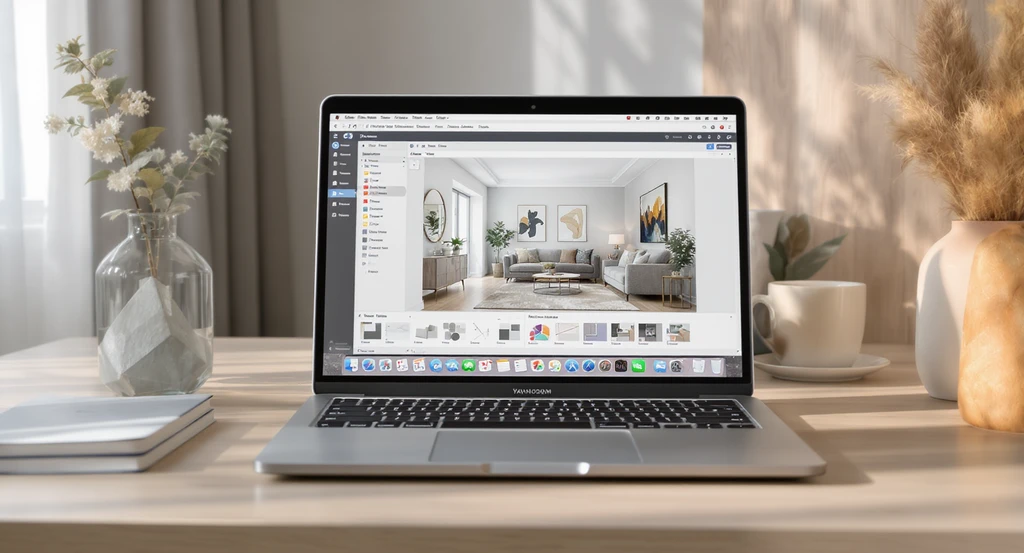
AI-powered personalization in interior design: a modern living space tailored by advanced algorithms, seamlessly matching client preferences revealed by user data analysis.
Clients now expect personalized experiences, and AI enables this on an unprecedented scale. Advanced algorithms analyze vast amounts of user data, predicting aesthetic preferences and suggesting design decisions that feel both fresh and deeply tailored. This responsive approach allows professionals to meet—and often exceed—the evolving expectations of discerning clients.
-
Trend 2: Speed and Efficiency Without Sacrificing Quality
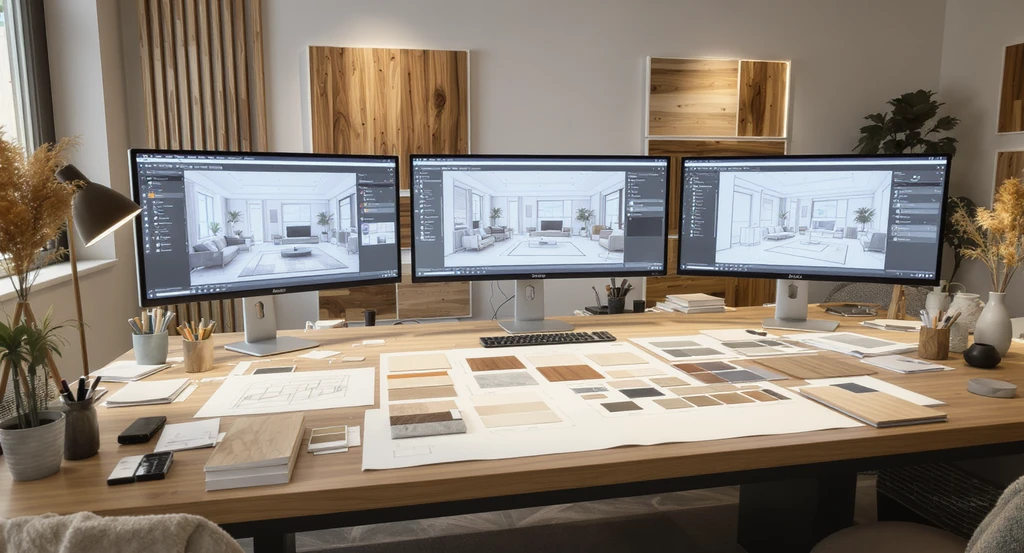
AI-driven tools streamline layout arrangement and material selection, allowing designers to achieve speed and efficiency without sacrificing design quality.
AI streamlines repetitive tasks that once consumed valuable design time—from layout arrangement to material selection. As a result, designers are free to focus on vision and innovation, while AI handles the logistics. Tools like ReimagineHome demonstrate how generative AI can transform a rough sketch or concept into a polished, photorealistic design in minutes, preserving creative intent while accelerating project timelines.
-
Trend 3: Enhanced Collaboration Across Teams and Clients
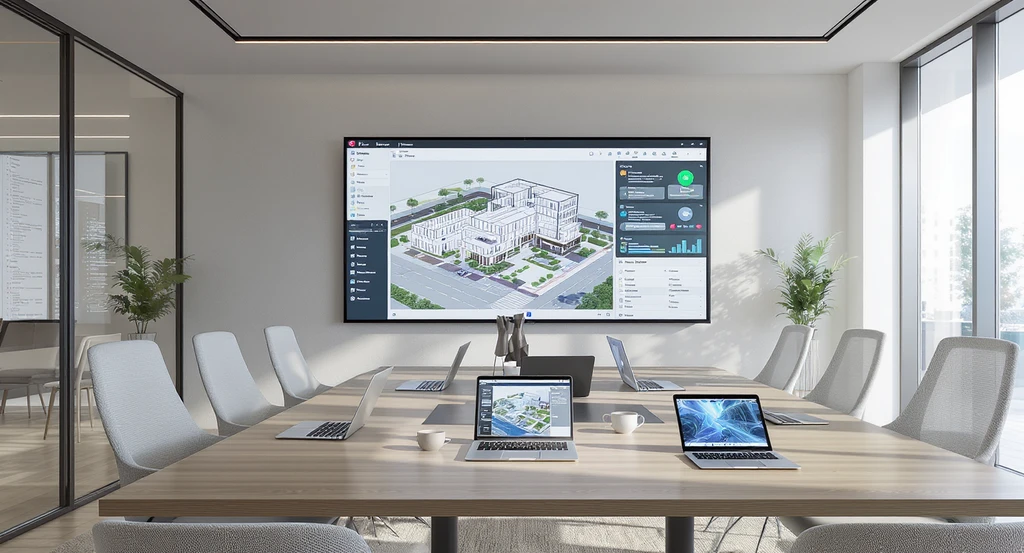
AI-driven platforms foster real-time collaboration in design studios, tracking changes and centralizing feedback to connect remote teams and clients seamlessly.
Remote work has underscored the need for seamless communication in design projects. AI-driven platforms facilitate real-time collaboration, automatically tracking changes, incorporating feedback, and ensuring that stakeholders remain engaged throughout the process. These systems reduce miscommunication and align teams around a unified creative direction, regardless of location.
-
Trend 4: Data-Driven Insights Informing Creative Decisions
AI-powered tools transform modern design studios, combining visual analytics and data-driven insights to inform creative decisions with precision.
The integration of AI into design goes beyond making things faster—it’s about making them smarter. Designers can now harness AI to analyze user behavior, industry trends, and even emotional responses to color and form. By leveraging these actionable insights, professionals can justify their choices and create solutions with greater impact, as this approach illustrates.
-
Trend 5: Democratizing Creativity for All
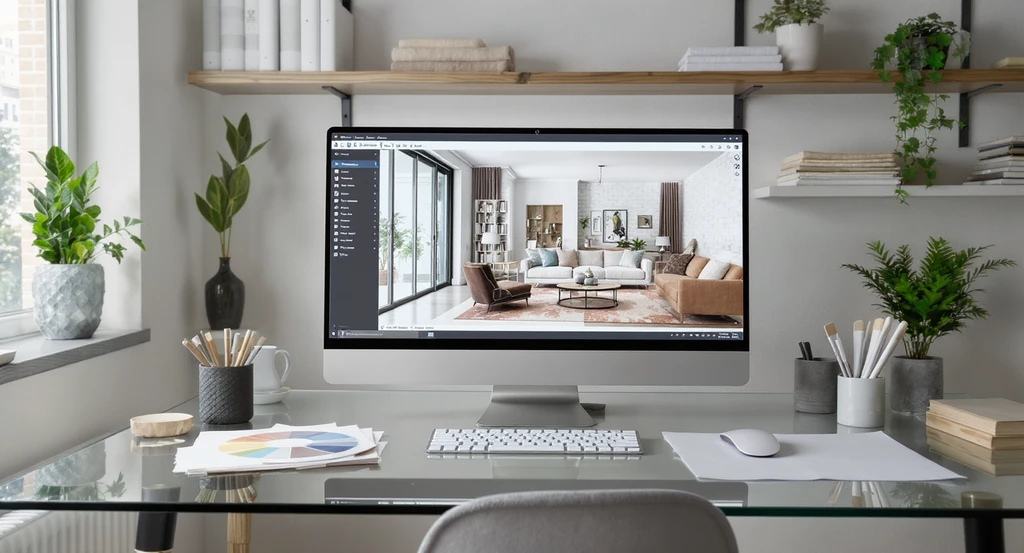
AI-powered design platforms empower creativity for all by simplifying complex choices, making interior design more accessible and inclusive than ever.
Perhaps the most profound change is how AI closes the gap between experienced designers and those with less formal training. AI-powered platforms offer smart suggestions, automate technical complexities, and lower the entry barrier, allowing anyone to experiment with space, color, and style. As a result, creativity is becoming more accessible and inclusive than ever.
-
Looking Ahead: The Design Process Redefined
These five trends reveal a fundamental transformation in how design happens. Artificial intelligence has evolved past the stage of promising novelty. It now serves as a practical, everyday tool that empowers designers to imagine bolder concepts and bring them to life with unprecedented speed and confidence. As adoption continues to grow, expect the boundaries between human vision and machine capability to blur even further, setting the stage for a new era in design.
Frequently Asked Questions
- How has AI changed the creative workflow for designers?
AI automates time-consuming tasks, provides real-time feedback, and offers data-backed suggestions, allowing designers to focus more on high-level ideation and client engagement. - Can AI match the creative intuition of human designers?
While AI excels at pattern recognition and personalization, it complements rather than replaces human intuition, enhancing creativity by informing decisions with data and analysis. - What types of design projects benefit most from AI integration?
Virtually all types, from residential interiors to commercial branding, see measurable improvements in efficiency, accuracy, and personalization when AI is incorporated into the workflow. - Is AI accessible to individuals without a design background?
Yes. AI-driven platforms like ReimagineHome have features designed for users of all experience levels, making it easier for non-experts to create professional-looking designs.