7 Keys to Navigating Natural Lighting Decisions for Apartment Hunters
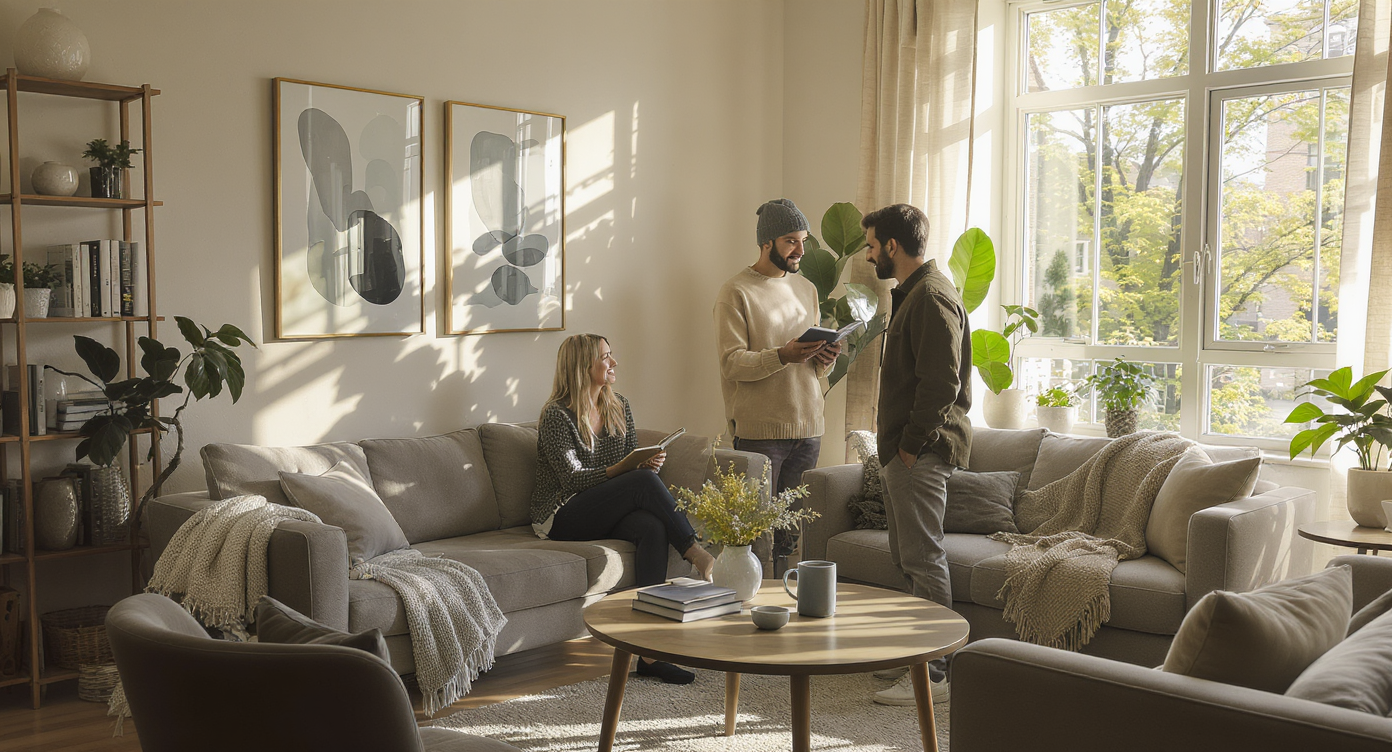
TL;DR
For anyone facing decision anxiety over apartment natural lighting, consider window orientation, patio coverage, shaded obstacles, and plant placement alternatives. These seven strategies can help you make sense of lighting issues and confidently select a new space that fits both your lifestyle and any horticultural ambitions.
Lighting, Anxiety, and Apartment Choices: Why It All Matters
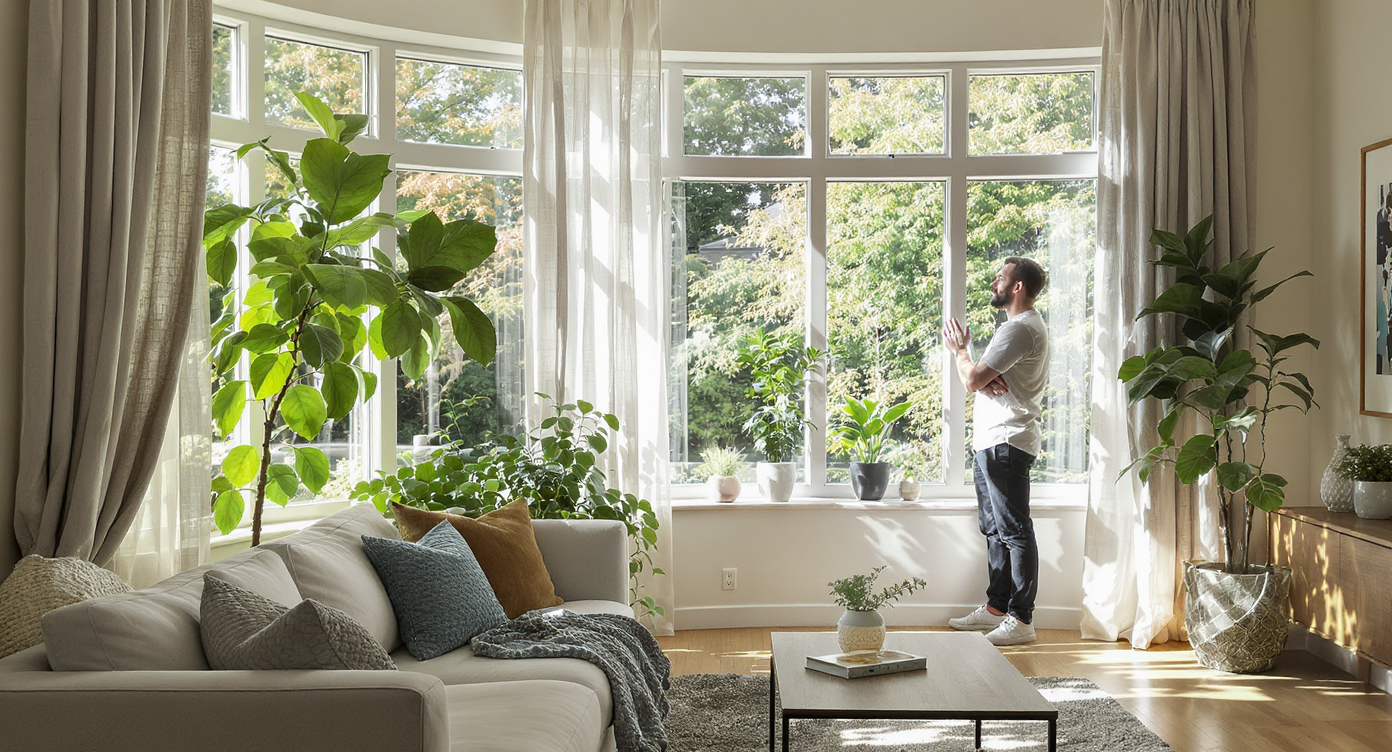
Assessing natural lighting is key—sunlit apartments support comfort, style, and thriving plants for every apartment hunter.
Apartment hunting is stressful, especially if natural lighting is a top priority for your well-being or your plants’ survival. Getting the right amount and type of sunlight in a new space is a challenge that affects everything from comfort and aesthetics to the growth of your indoor garden. That sense of decision anxiety is common. The fear of making a choice that leaves you with dark corners or unhappy houseplants can easily lead to overthinking. Whether you are an avid gardener, a remote worker needing bright workspaces, or simply someone craving a sun-soaked living area, selecting the right apartment takes thoughtful assessment of several factors. Here, we examine the most reliable tactics design professionals and plant enthusiasts use to evaluate lighting issues before signing the lease.
-
1. Map Window Orientation and Patio Coverage
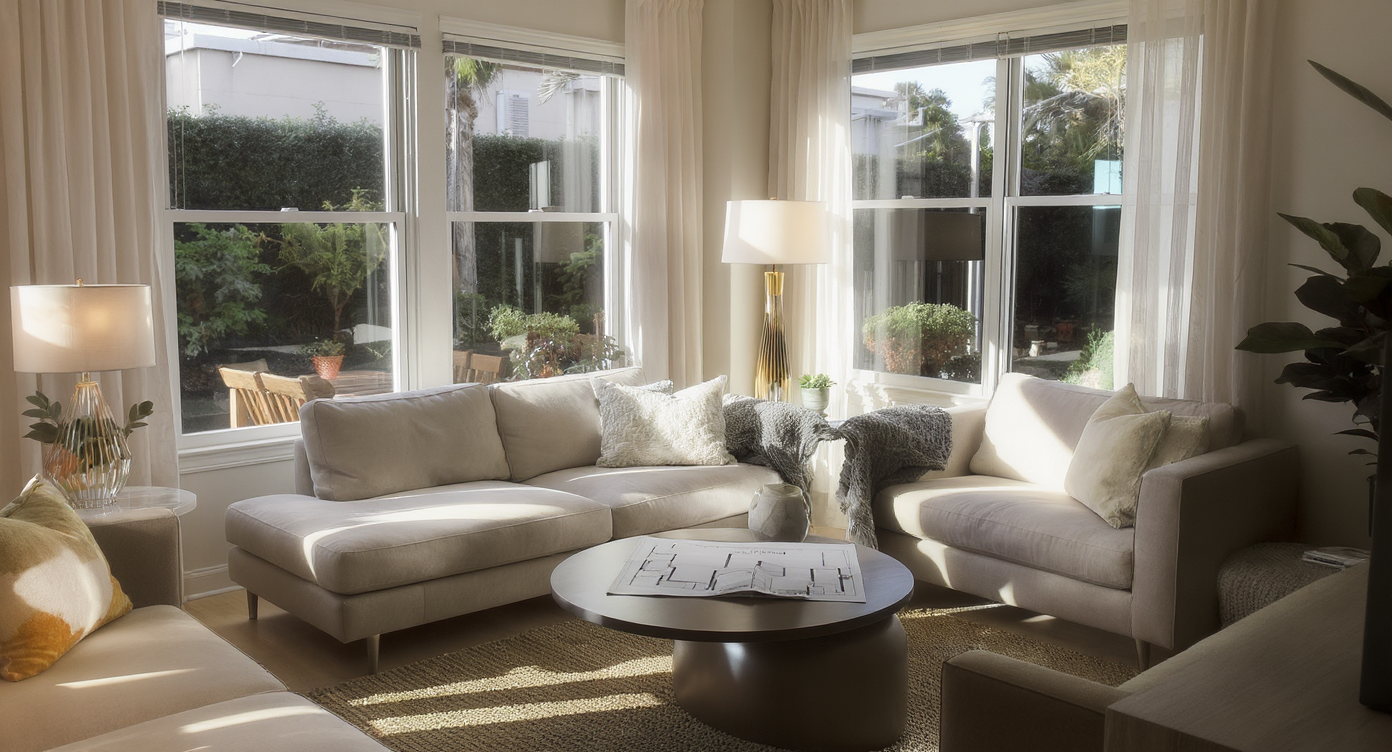
Mapping window directions and patio shading helps assess natural light in each room, essential for plant health and apartment comfort.
The direction your windows and patio face plays a critical role in the type and quantity of light each room receives. South-facing windows generally gather the strongest, most consistent light throughout the day, which is ideal for sun-loving plants. In contrast, north or east-facing windows offer gentler, indirect rays, often unsuited for many edible or flowering species. If your patio is covered or shaded by surrounding buildings, sunlight may be further reduced, impacting both plant growth and your living experience. Take time to visit the apartment at various hours, observing how shadows shift as the sun moves. This directly informs lighting expectations and helps reduce decision anxiety, especially if you are torn between units. A well-drawn floor plan or a sun-path image of the site, similar to those shared in detailed apartment listings, can help set expectations for each room’s daylight potential.
-
2. Factor in Tree Placement and Urban Shade
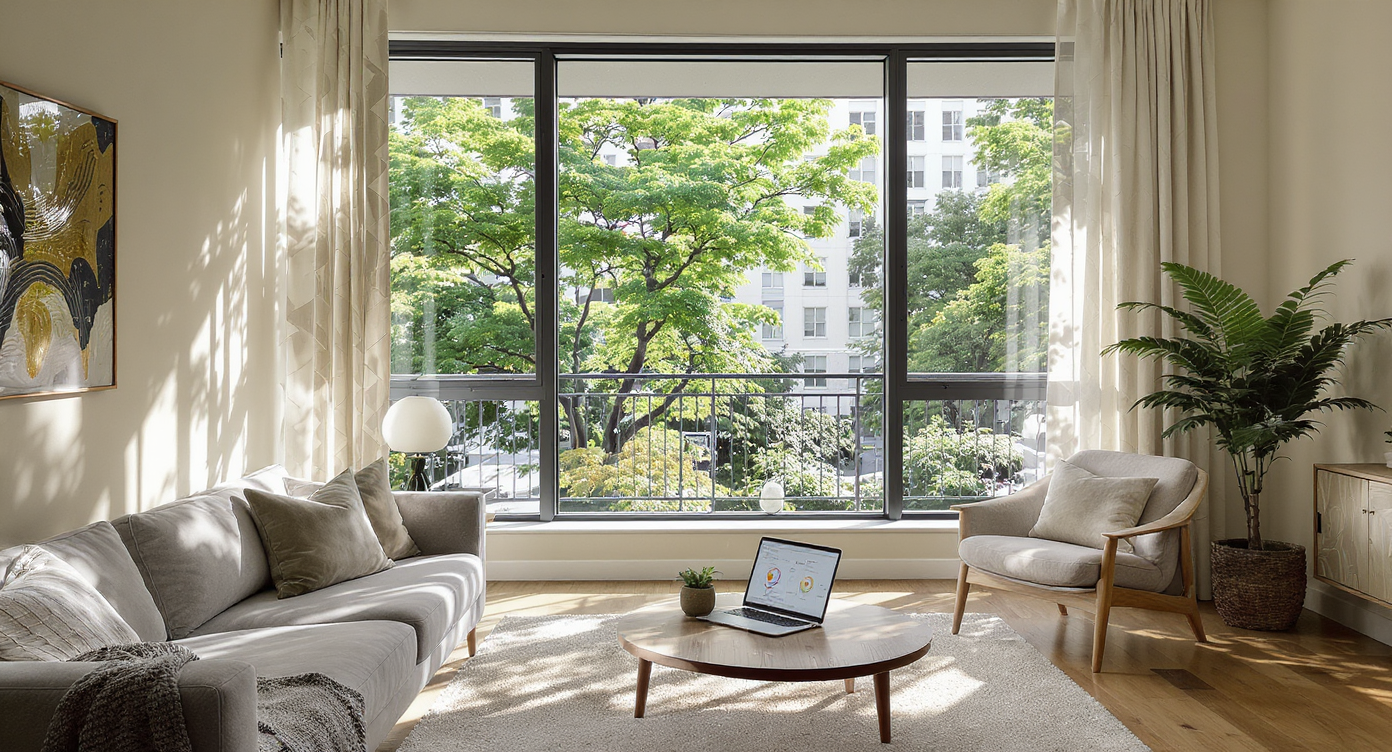
Tree canopies and surrounding buildings influence natural lighting dramatically—analyzing shade patterns avoids surprises after move-in.
Even a perfectly oriented window can disappoint if mature trees or nearby buildings block the sun. Tree shade can turn a would-be sunroom into a dim alcove, while urban density may mean buildings around you cast unexpected shadows at different times of day. Examine satellite imagery and walk the block in person if possible. Details such as tree species, foliage density, and how far branches extend can all change the light quality. In high-density neighborhoods, online tools or apps designed for natural lighting design AI may help visualize annual sun patterns and optimize furniture placement. Awareness of these shade factors early on can prevent surprises after move-in.
-
3. Evaluate Potential for Plant Placement Beyond the Obvious Spots
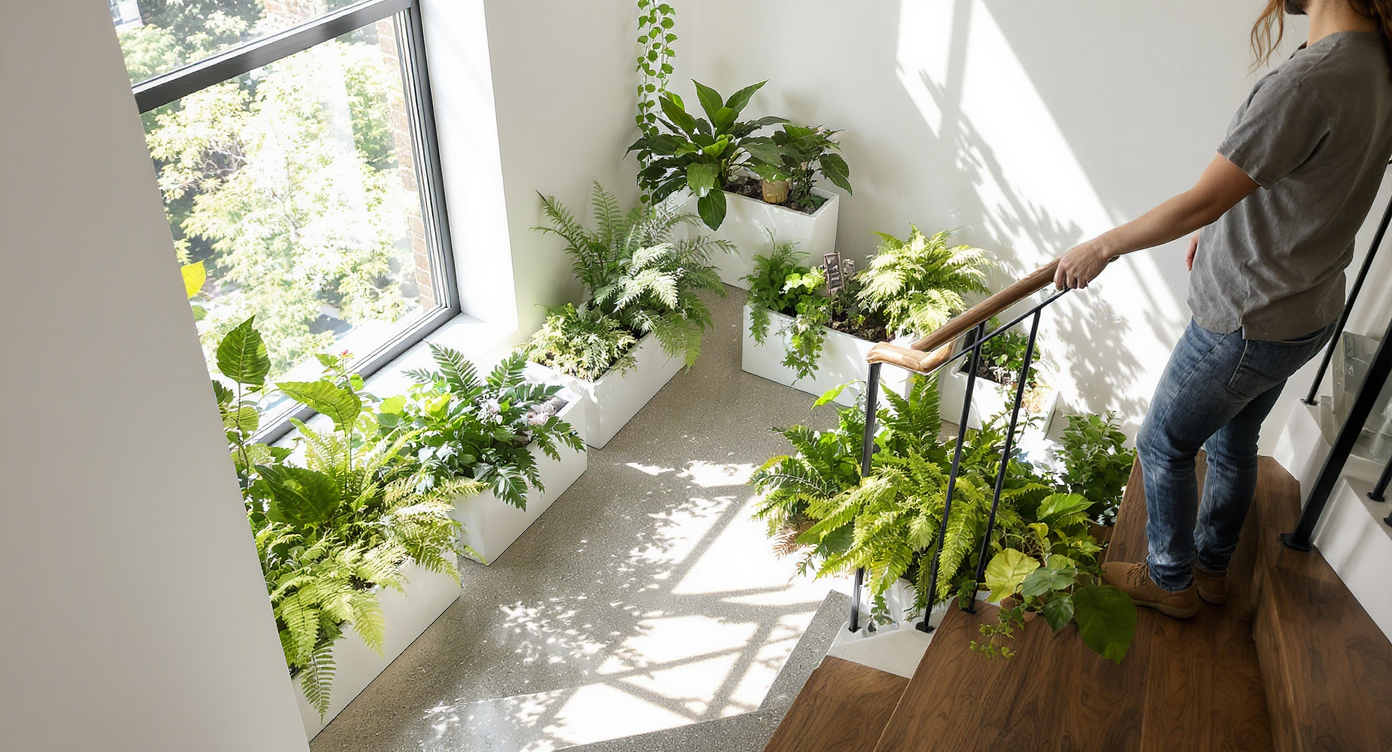
Creative plant placement in sunlit, less-trafficked apartment areas can transform unexpected spaces into lush mini-oases.
Sometimes, the best light is not where you expect it. A second set of private stairs, a south-facing nook obscured in marketing photos, or an angled outdoor landing may yield an unexpected oasis for your plants. The key is to creatively survey the entire property—including less-trafficked zones that might be suitable for containers or temporary planters. In some cases, apartment communities allow residents modest garden flexibility in discreet spaces, provided high-traffic walkways and egress are respected. Interior designers often encourage a similar adaptability, suggesting you explore every square foot for its light potential. If in doubt, politely ask leasing staff about allowable plant placement in these peripheral areas.
-
4. Weigh the Trade-Offs of Using Grow Lights Indoors
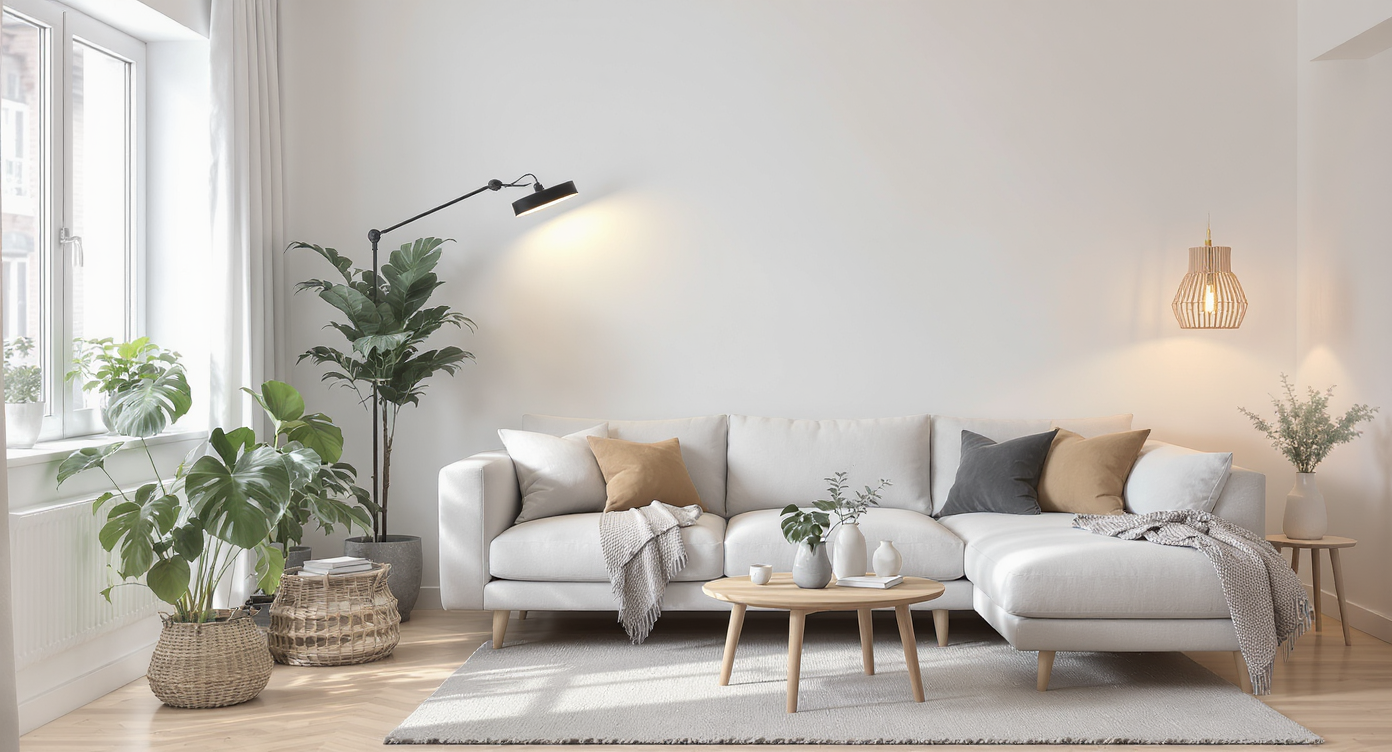
Layering LED grow lights with ambient fixtures helps keep indoor plants healthy while maintaining a balanced, stylish apartment atmosphere.
Many renters hesitate to use artificial lighting, but grow lights are an increasingly accepted solution for lighting issues in spaces with poor natural sunlight. High-CRI, flicker-free LEDs allow you to supplement dim corners without disrupting the overall design aesthetic. Layering these with ambient lighting—like smart dimmable fixtures, as explained in our guide on LED accent lighting in the living room—ensures plants receive enough light without creating a jarring or club-like feel. If you opt for this route, position lights at appropriate heights and schedule them to mimic natural daylight cycles where possible. The investment is relatively small and provides greater peace of mind when window placement is less than ideal.
-
5. Get Clear on Lease Rules and Community Practices
Before settling on a plant plan for private porches, stairs, or shared outdoor areas, review your lease and talk candidly with building management. Sometimes, informal tenancy practices differ from what is listed in the contract. If your space features a unique layout, such as a stairway landing that feels semi-private, it is worth clarifying the rules regarding gardening. Even if such placements are technically out of sight, understanding boundaries helps avoid misunderstandings with neighbors or management down the road. In general, property managers appreciate when renters are proactive about maintaining neat, unobtrusive plant setups. This approach also applies to any temporary or renter-friendly home upgrades you may wish to make, as detailed in our piece on DIY projects for renters.
-
6. Use Design Tools for Sunlight Planning
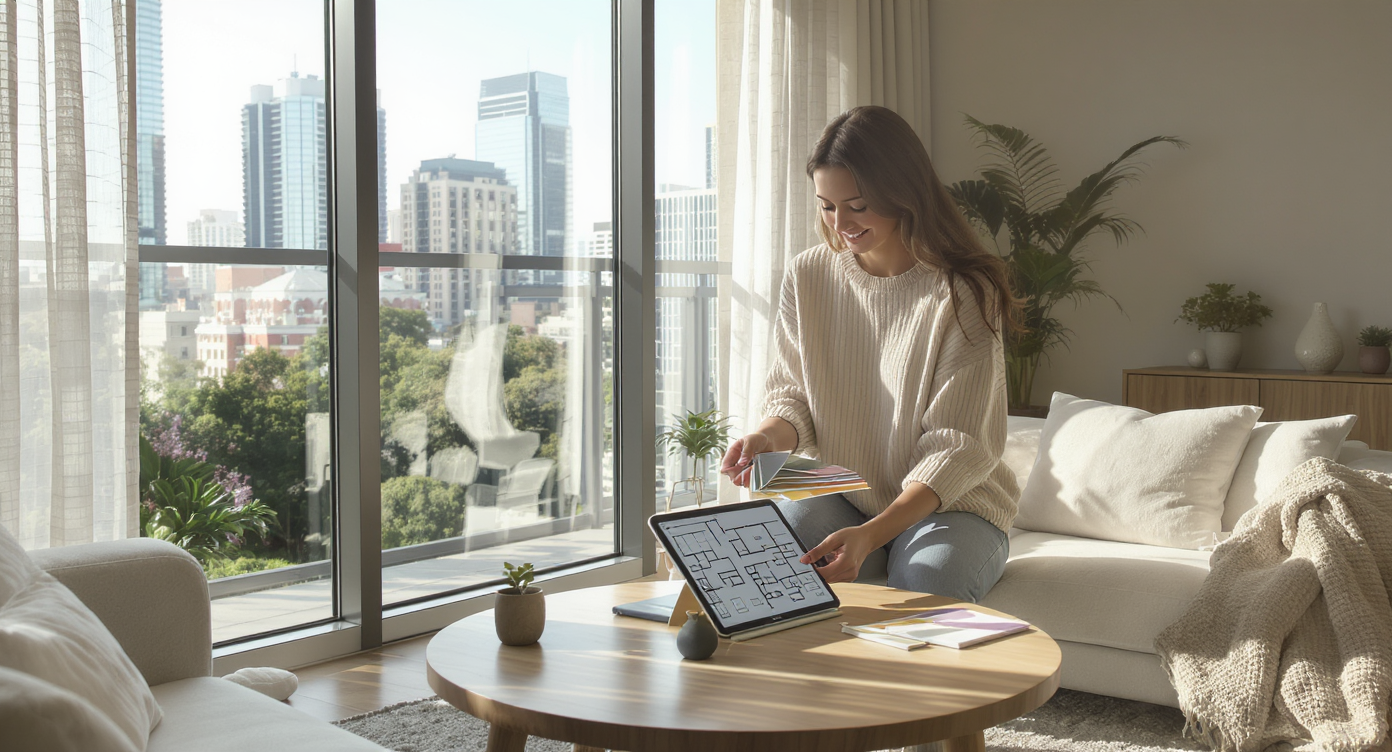
Digital design tools help visualize sunlight patterns, letting you plan layouts and plant placements with confidence before moving in.
If second-guessing your lighting layout is causing decision anxiety, several modern design tools can remove some of the uncertainty. Platforms such as REimagineHome.ai allow users to upload floor plans and visualize sun exposure for any given date or season. By digitally simulating how daylight enters your future space, these tools help spot lighting issues before moving in. You can also preview how built-in furniture, window treatments, or plant placements will interact with changing sun angles, giving you greater confidence in both your lease decision and décor choices.
-
7. Consider Multipurpose Lighting Strategies For Flexible Use
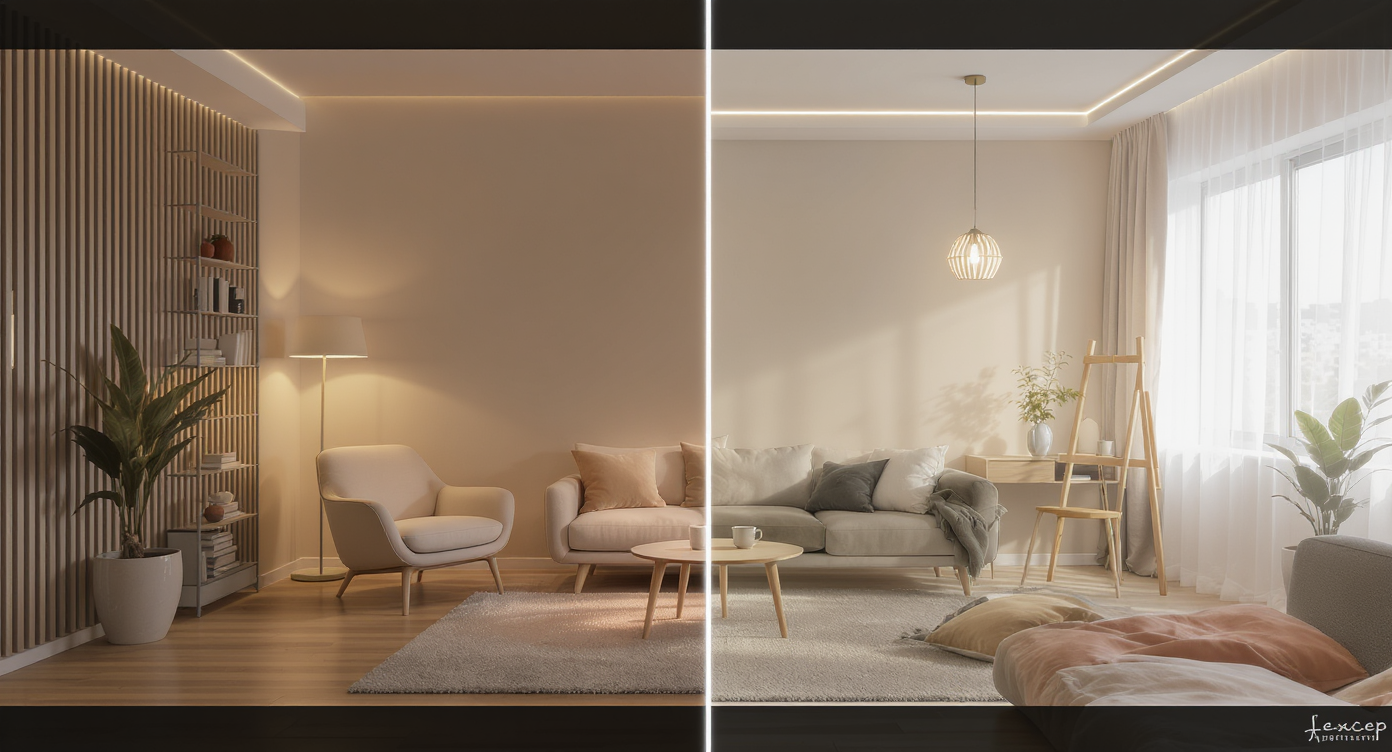
A 60/40 multipurpose lounge combines natural sunlight, layered lighting, and adaptable layouts to support reading, creativity, and plant care.
Few apartments are perfect, so versatility is crucial. If your natural lighting is inconsistent, design a layered lighting plan that maximizes flexibility. For example, position task lamps or accent LEDs near your favorite reading nook, and use sun-filtering curtains in rooms with strong midday glare. In transitional sunrooms or lounge spaces, a 60/40 layout split—highlighting either creative or relaxation zones—may help achieve balance, as we explored in the discussion of sunroom design for reading and art. By setting up lighting and furniture that easily adapt to seasonal shifts, you will address both aesthetic and plant-care needs now and in the future.
Common Lighting and Apartment Search Questions
Window orientation dramatically affects the amount and quality of sunlight plants receive. South-facing windows provide the strongest light for most indoor species.
Can I still have a thriving indoor garden with mostly shaded windows?
It’s possible by supplementing with grow lights and choosing shade-tolerant species. Strategic use of high-CRI LEDs, as shown in our LED accent lighting guide, can make a difference.
What should I clarify with my landlord regarding outdoor plant placement?
Always discuss potential uses of patios, stairs, or semi-private outdoor areas, since rules can vary or be less formal than expected.
Are there digital ways to preview sunlight for an apartment?
Yes. Tools such as REimagineHome.ai let you simulate sun patterns and preview interior light before you lease.
How do I balance lighting needs for plants and living spaces?
Prioritize flexibility by layering natural and artificial light, inspired by lessons from sunroom design.
Take Control of Lighting Decisions With Confidence
Feeling overwhelmed by lighting issues is understandable, but you do not have to let decision anxiety dominate your apartment hunt. Leveraging practical advice, clever placement, and digital tools such as REimagineHome.ai helps ensure your next home gets the daylight—and design harmony—you seek. Whether you are evaluating a sun-drenched patio or crafting a renter-friendly lighting scheme, each step brings clarity and peace of mind to your unique choice.