How to Arrange Furniture in a Long Narrow Living Room
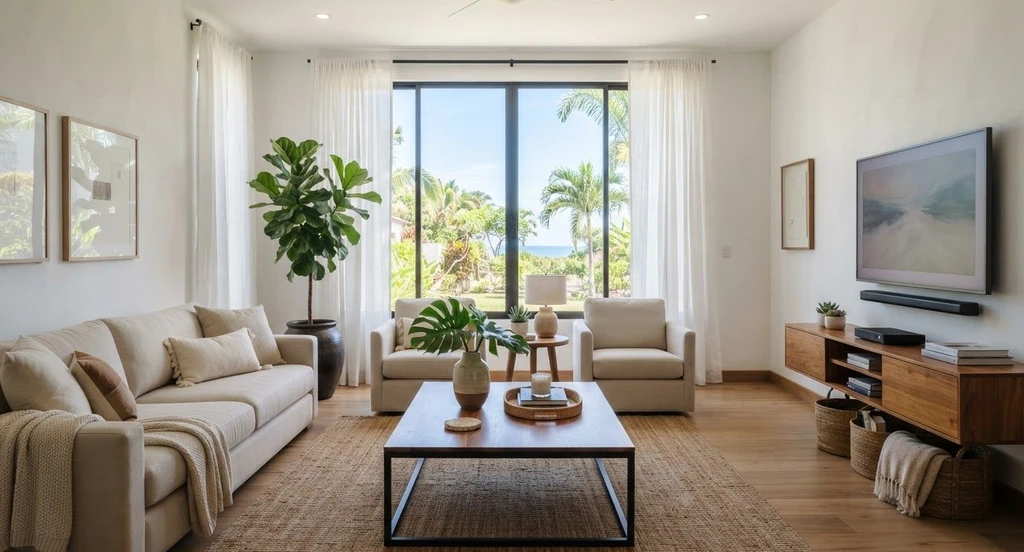
TL;DR
To arrange furniture in a long narrow living room, start with the main walking path, then position seating around the room's focal point without blocking circulation. Use crosswise furniture placement only when the room is wide enough to preserve a comfortable walkway. Choose furniture based on depth as well as length, and use rugs or secondary seating to define zones only when the room genuinely needs them. ReimagineHome can help you compare these layouts using a photo of your actual room before moving heavy furniture.
Solving the Long Narrow Living Room Puzzle
The hardest part of arranging a long narrow living room isn't fitting furniture into the room, it's preserving a usable path while preventing the space from feeling like a hallway. The most effective layouts usually solve four problems in order: circulation, furniture proportion, focal-point placement, and zoning.
Start by measuring the room's width, length, doorways, windows, and fixed features. Then identify the route people naturally use to move through the room. Only after those constraints are clear should you decide whether the sofa should run parallel to the long wall, sit perpendicular to it, or anchor one end of the room.
This approach is more reliable than choosing furniture placement based on symmetry alone.
-
1. Start With the Walking Path
Before deciding where the sofa goes, identify the room's primary circulation route, for example, the path from the entrance to a hallway, balcony, kitchen, or another frequently used doorway. That path should remain obvious and usable.
Once circulation is established, position the main seating around the room's focal point. Floating a sofa can help break up an uninterrupted corridor-like layout, but it only works when enough width remains for people to move comfortably around it. In an especially narrow room, keeping furniture closer to one wall may actually create better circulation than floating it in the center.
-
2. Create Zones Only When the Room Needs Them
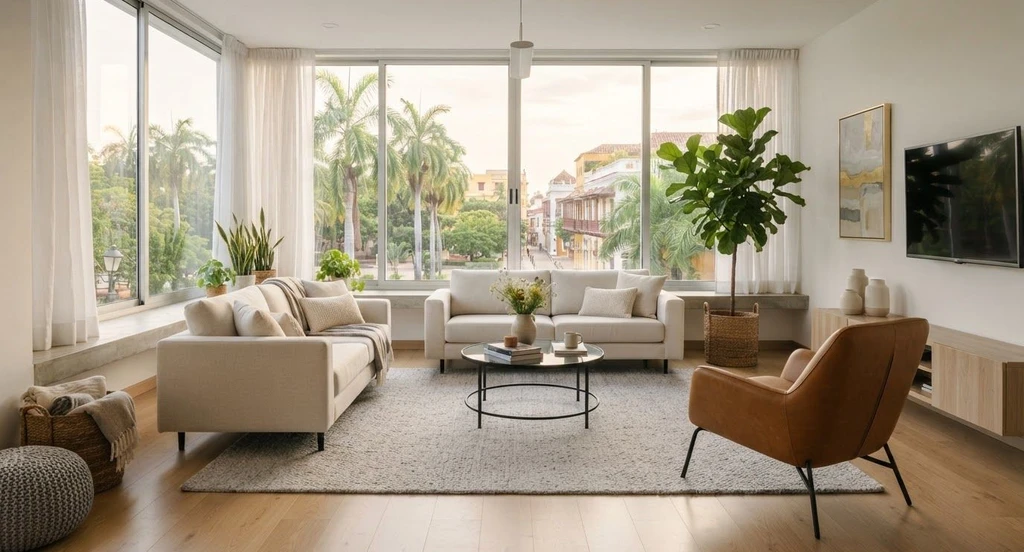
Long narrow living room layout ideas come to life with functional zones, separate TV and reading areas defined by area rugs and flexible seating. Discover how to create zones in a long living room with the best furniture arrangement for narrow spaces, floating pieces to improve flow and optimize TV placement.
A long room does not automatically need a second seating area. Add another zone only when it serves a real function, such as reading, working, dining, or storage, and the added furniture does not compromise the primary circulation path.
Instead, ask what the unused portion of the room actually needs to do. If the far end receives good daylight, it might become a reading area. If it is near a work surface or outlet, a compact desk may make more sense. If there is no clear secondary function, leave the area open rather than filling it with furniture.
Use an area rug, console, bookcase, or change in seating orientation to visually separate a genuine secondary zone without creating a physical barrier.
-
3. Choose Furniture by Depth, Not Just Length
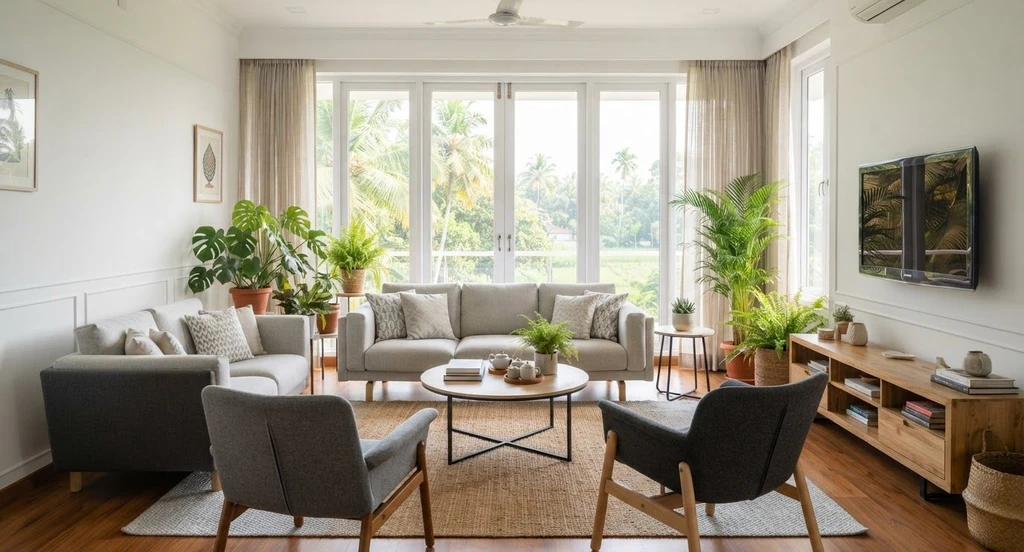
Discover stylish long narrow living room layout ideas, including floating furniture for better zones, space-saving pieces, and optimal TV placement in elongated living rooms.
Oversized or bulky furniture can suffocate a narrow room, no matter how it’s oriented. Choose pieces with shallow depth and raised legs. If you’re working with existing furniture that feels too deep, consider swapping it for a smaller sofa or armless chairs, sometimes saving just a few inches in depth makes walkways dramatically more usable. As we explored in our compact living room layouts guide, switching to furniture with a slimmer profile can unlock new arrangement possibilities in tight quarters.
- Keep the coffee table close enough to be practical (about 14–18 inches from the sofa).
- Opt for oval or round tables when circulation is tight, no sharp corners to navigate.
- Favor movable, flexible furniture (like swivel chairs or nesting tables) for quick adjustments as needs change.
-
4. Adapt the Layout to the Room's Obstacles
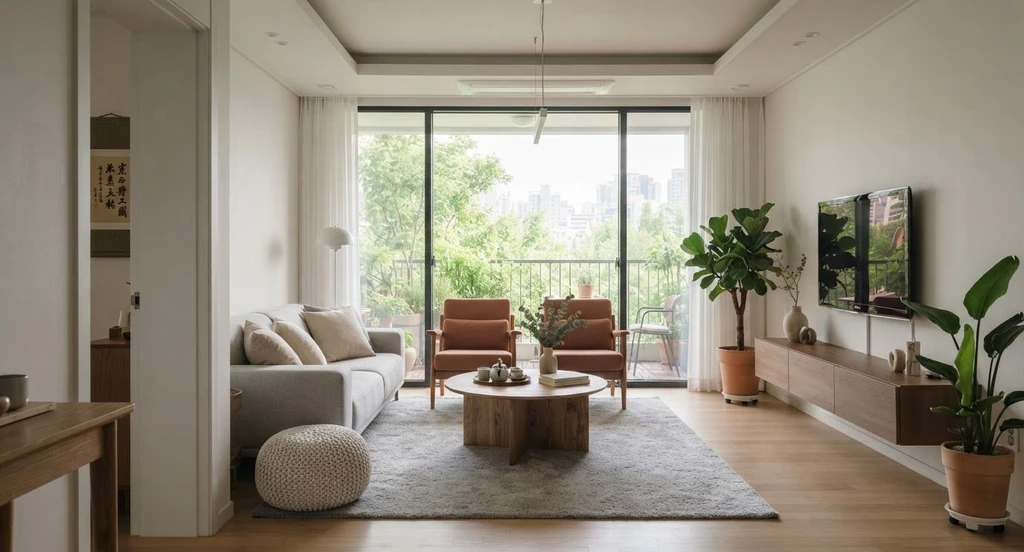
See long narrow living room layout ideas in action: floating furniture, clear circulation paths, and optimal TV placement create zones and maximize function in challenging elongated spaces.
The same furniture arrangement will not work in every narrow living room. Doorways, windows, fireplaces, radiators, built-ins, and open passages can change which layout is practical.
Room Condition Recommended Approach Why It Works Doorway at one end Keep the entry path clear and avoid placing a large sofa directly across the doorway. Preserves an obvious entry route and prevents furniture from becoming an immediate obstruction. Windows at the far end Use low-profile seating and avoid placing tall furniture directly in front of the windows. Preserves natural light, the view, and the visual openness of the room. TV on a long wall Consider a compact sofa or separate chairs instead of a deep sectional if seating would interfere with the main walkway. Reduces the amount of floor depth consumed by furniture while maintaining a comfortable viewing position. Fireplace on a short wall Use the fireplace as the primary focal point when practical instead of automatically making the TV the room's anchor. Creates a more natural seating orientation and prevents competing focal points. Two frequently used doorways Treat the path between the doorways as the primary circulation route and arrange furniture around it. Maintains a direct route through the room and prevents furniture from creating pinch points. The room's fixed features should determine the layout, not the other way around.
-
5. Furniture That Can Make a Narrow Room Harder to Use
Some furniture pieces are difficult to accommodate in a narrow living room because their depth or footprint can interfere with circulation.
Furniture Type Potential Problem Why It Can Be Difficult in a Narrow Room Extra-deep sectionals Consume substantial floor depth They can reduce the space available for a comfortable walking route, even when the sectional fits along the wall. Large rectangular coffee tables Create tight corners and pinch points Their corners can make it harder to move between the seating area and the main circulation path. Oversized recliners Expand their footprint when in use A recliner may extend farther into the walkway when opened, reducing usable circulation space. Multiple bulky accent chairs Consume more floor area than expected Several individual pieces can create more obstacles and use more usable floor space than one appropriately sized sofa. Wide, deep storage furniture Reduces the effective room width A deep cabinet or bookcase along a circulation wall can make an already narrow passage feel even tighter. The goal isn't to avoid large furniture completely. Instead, choose pieces whose depth and footprint work with the room's primary movement path rather than competing with it.
-
6. Test Your Layout Visually Before Moving Furniture
Before lifting a single sofa, sketch your room or use painter’s tape on the floor to test dimensions. Better yet, an AI-powered tool like ReimagineHome lets you upload a photo of your actual room and experiment with new furniture arrangements in real time. You can try placing your sofa across the room instead of along the wall, switch between different rug options, or test two functional zones, all while preserving your real architectural features. This approach makes it easy to compare possibilities, avoid heavy lifting, and preview how your long living room could feel with a fresh layout. The structural lock ensures that doors, windows, and fixed features always match your real space, making it safer to commit to a new configuration.
- Upload your room photo.
- Experiment with crosswise vs. lengthwise seating, different rugs, and smaller tables.
- Preview shoppable furniture from real brands to see how scale, color, and style impact the room.
- Iterate on your design, refine the arrangement step-by-step without starting from scratch.
This workflow aligns with planning advice from our blog on designing odd living room floor plans and results in layouts tailored to your space and daily use, not just generic design templates.
Frequently Asked Questions
1. Should you push all furniture against the walls in a long living room?
No—pushing all pieces against the walls can exaggerate the room's narrow shape. Instead, float furniture when the room has enough width to preserve comfortable circulation, and use furniture placement to create purposeful zones. See our guide to challenging layouts for more ideas.
2. What size rug should you use in a long narrow living room?
Choose a rug large enough to connect the main seating pieces rather than sitting only beneath the coffee table. At least the front legs of major seating pieces can sit on the rug, helping anchor the seating arrangement and define the zone.
3. How do you arrange a sofa and TV in a narrow space?
Position the sofa so it faces the TV without blocking the room's primary walking route or door access. A compact sofa or separate chairs may work better than a deep sectional when available width is limited. See our expert sofa placement advice for more on optimizing comfort and flow.
4. How do you make a narrow room feel wider?
Use furniture with a shallower depth, protect open circulation paths, and orient key pieces across the room when the available width allows it. Round or oval tables can also reduce visual and physical interruptions along tight paths.
5. Can I experiment with multiple arrangements before moving heavy furniture?
Yes. AI visualization tools like ReimagineHome can help you compare different furniture arrangements using a photo of your actual room. Use the visual results to identify the layouts worth testing, then confirm measurements and clearances before moving furniture or buying new pieces.
Key Takeaways for a Comfortable Long Living Room Layout
The secret to arranging furniture in a long narrow living room is to protect circulation, break up the room into functional zones, and choose scaled pieces that encourage easy movement. Crosswise seating, layered rugs, and a defined focal point can banish the "bowling alley" feel for good. Most importantly, plan with the room’s real measurements, not just its length, front of mind. Tools like ReimagineHome let you experiment and fine-tune layouts visually using your actual space, so your living room supports both style and daily life with confidence.