Rethinking Compact Living Room Layouts: Fresh Approaches for Tricky Spaces
TL;DR
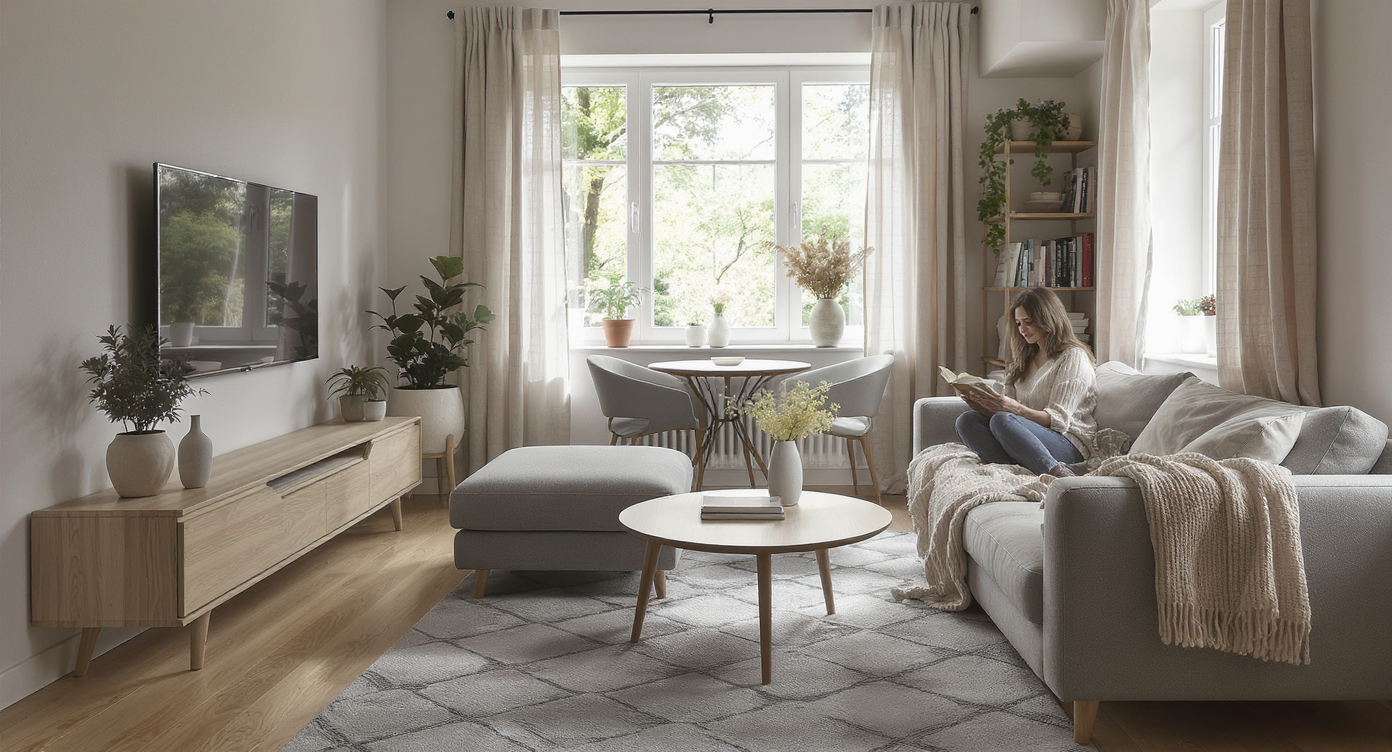
Redesigning a compact living room means reimagining the furniture placement, maximizing flow, and making small changes with a big impact. Rotating major pieces like the sofa and TV, introducing versatile seating, and adding anchors like rugs or mirrors can transform awkward layouts into harmonious living zones. The key is thoughtful experimentation and a willingness to see familiar rooms from a new perspective.
Why Compact Living Rooms Feel Stuck
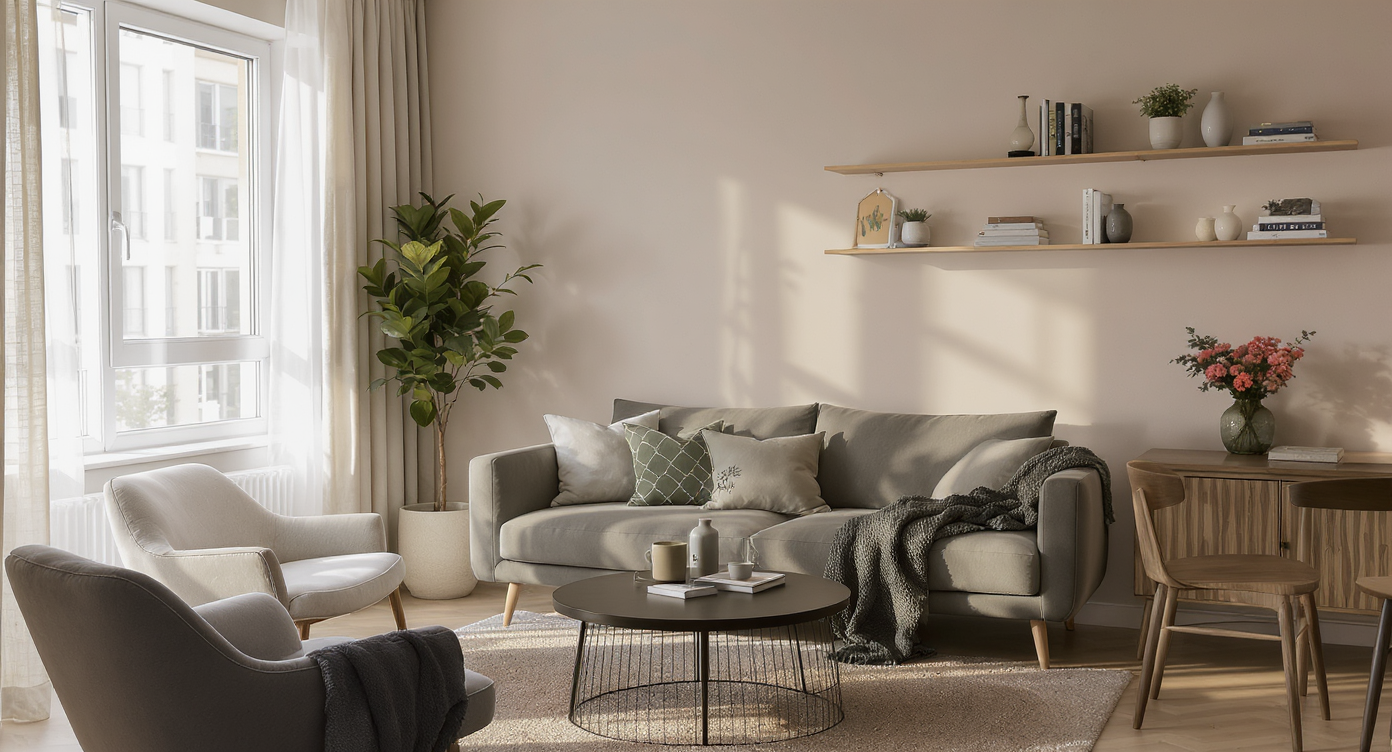
Creative zoning, smart storage, and integrated features help compact living rooms become welcoming, comfortable, and functional spaces.
Many people living in city apartments or older homes struggle with compact layouts that resist effortless rearranging. Even with the right furniture, the space can feel off—crowded along one area, underutilized in another, and somehow lacking warmth or purpose. This challenge is familiar in countless community discussions, where homeowners and renters seek a new set of eyes on their rooms. With physical constraints such as fixed AC units, windows that can’t be blocked, or TVs that can’t be wall-mounted, creativity becomes both essential and rewarding. Luckily, a thoughtful approach to layout changes, drawing on design insights and digital tools, can reshape small, oddly shaped living rooms into spaces that flow and feel welcoming. By leveraging practical tips and visualizing new arrangements, anyone can transform a stuck layout into a series of comfortable zones, inviting conversation, relaxation, and style.
-
Starting with the Basics: Function Before Decoration
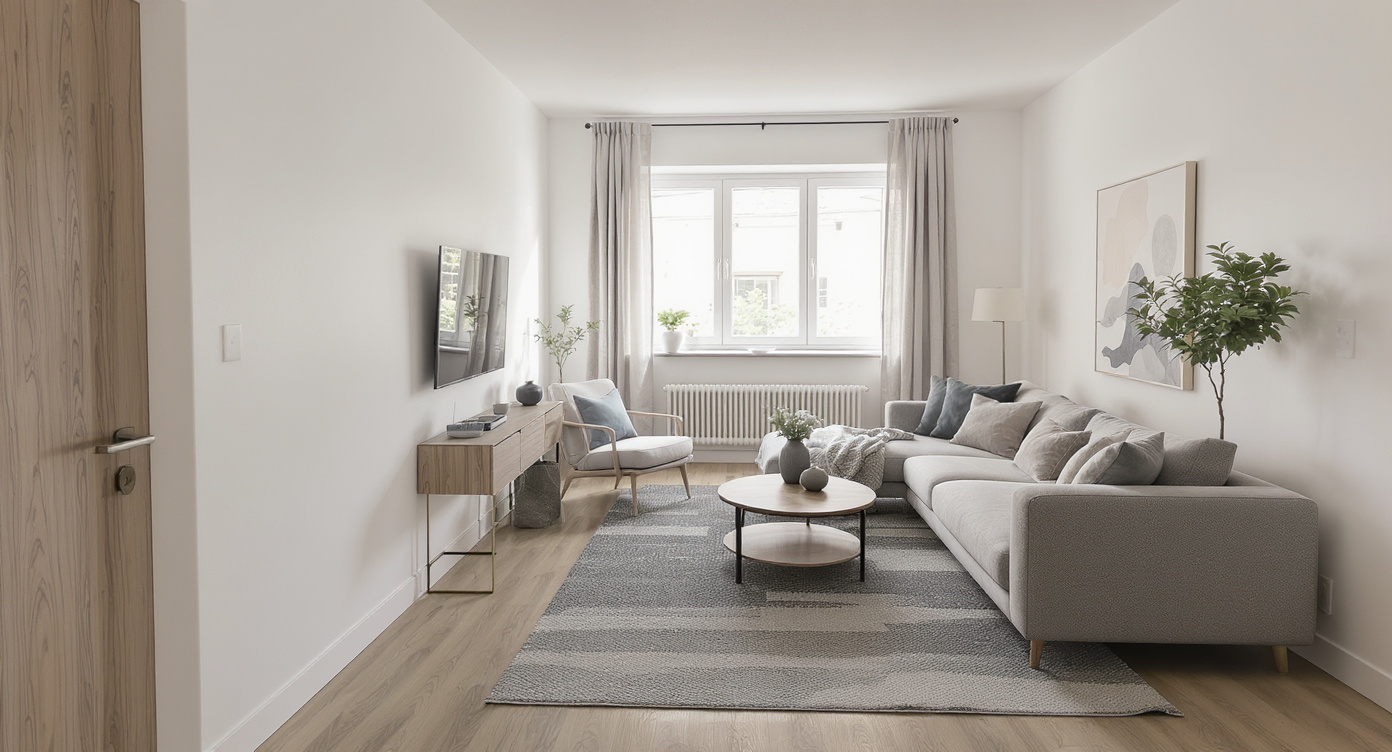
Prioritizing function, this living room layout features flexible furniture placement and clear walkways to enhance comfort and flow.
Layout challenges often stem from a mismatch between how a living room is used and how it’s arranged. Function should trump convention. For example, if your TV can’t be wall-mounted, it may force seating arrangements that overlook architectural quirks or limit foot traffic. Instead of defaulting to the first setup that fits, consider rotating principal pieces such as the sofa or TV. According to the principles outlined in sofa size versus living room layout, it’s often the plan—not the furniture—that makes a space feel awkward or harmonious. Anchoring the seating zone and protecting key walkways creates a foundation for the rest of your design.
Expert Insight
A homeowner once felt boxed in by a sectional locked into a single wall, convinced nothing else worked. After a friend suggested floating the seating and dividing the dining area with a rug, they were surprised at how the room opened up—guests lingered longer and the space finally felt right. Sometimes, the most transformative change is simply seeing possibilities through new eyes.
-
Defining Zones in a Shared Space
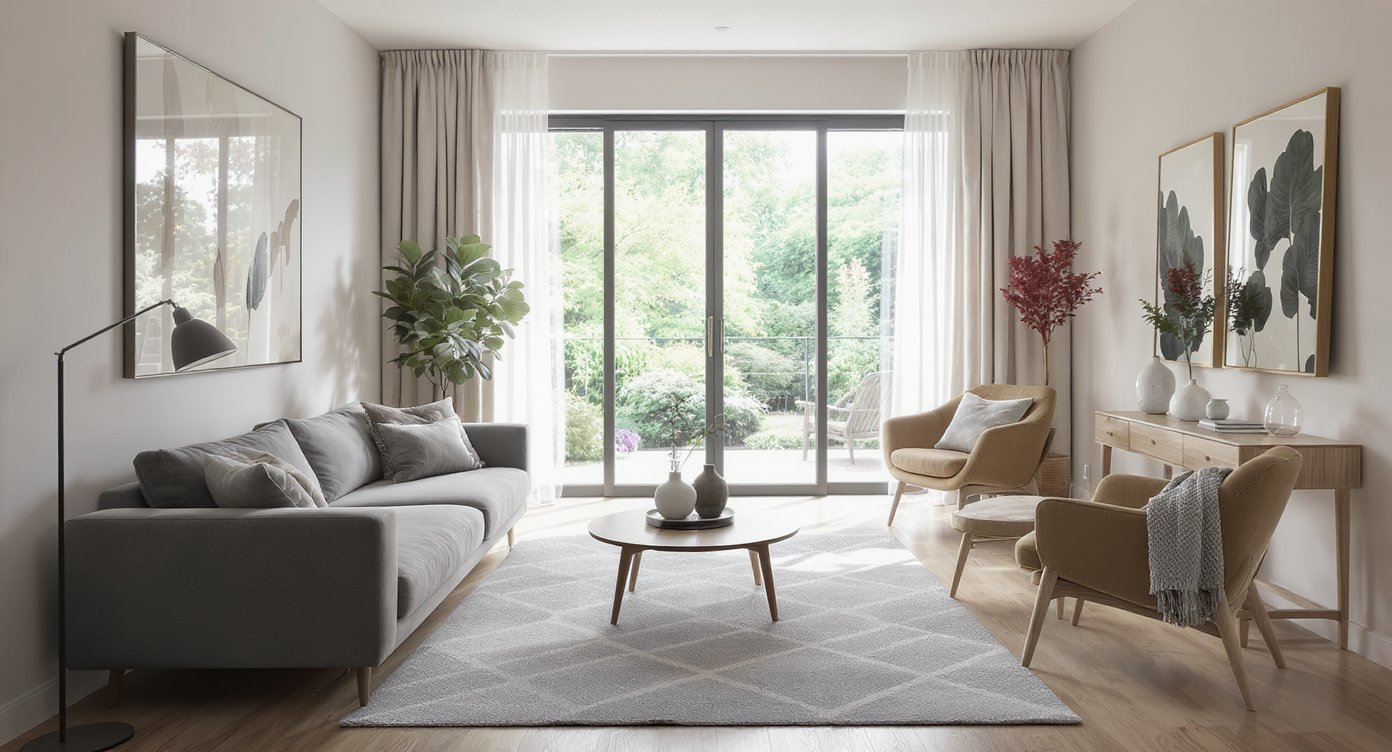
Strategic furniture and rug placement create inviting zones in this compact living room, enhancing flow and definition without walls.
Open-concept or compact rooms can blur the lines between living, dining, and workspace zones. Creating meaningful divisions does not require walls—instead, use furniture placement and visual cues. For example, positioning a sectional to define a conversational area, pulling the dining table away from walls to foster social dining, or introducing a large mirror to reflect light and visually expand the room all lend structure and rhythm. A rug under the dining set, or a unique armchair tucked by a window, can distinguish uses without overwhelming limited square footage. This approach echoes the advice to make every room flow by matching furniture scale to available space, as shared in arrangement and sofa size guides.
-
Practical Changes: Experimentation and Layered Comfort
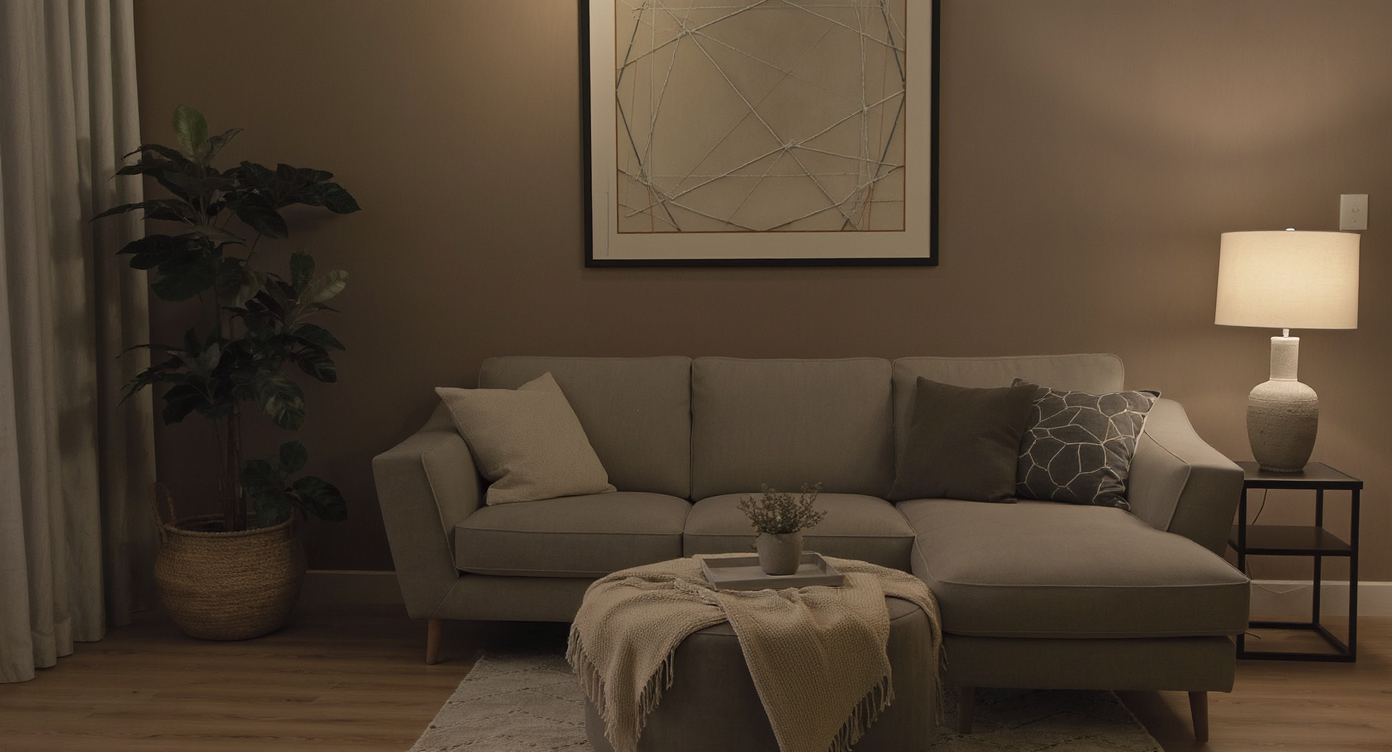
Experimenting with furniture orientation, reflective elements, and layered textures brings comfort and style to compact living rooms.
Small layout shifts are powerful. Moving the chaise to the opposite end of the sectional, rotating the orientation of the entire seating group, or exchanging a coffee table for an ottoman or pouf lets you experiment without the commitment of significant purchases. If you have a large mirror, try repositioning it to double as a focal point and a means for making the room feel larger and brighter. While fixed features such as AC units or awkward corners often remain, creative camouflage—such as adding airy curtains or a sculptural plant—can integrate them gracefully. If a corner feels empty, a tall lamp or a substantial side table may transform the void into an inviting nook, aligning with suggestions from how to decorate an empty living room corner.
-
Anecdote: Shifting Perspective, Shifting Energy
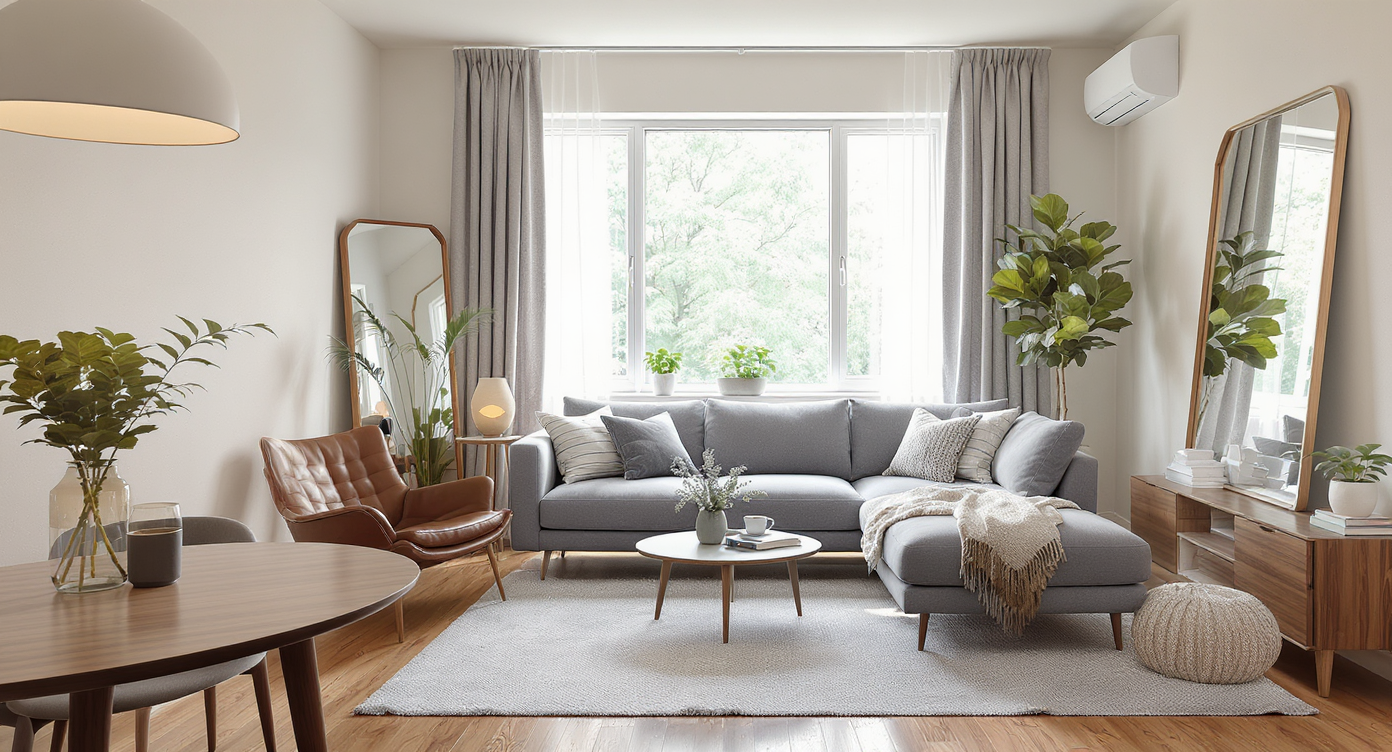
Reimagined furniture placement—like floating a sectional and creating distinct zones—can instantly open up compact living rooms.
Recently, a young couple moved into an apartment with a living room that felt hopelessly unbalanced. No matter how they placed the sectional and TV, either the walkway was blocked, or the space seemed cut off. They hesitated to experiment, believing their only workable layout was the least bad option. One night, they decided to rotate the entire layout. The sectional came off the wall and floated in the center. The dining area rug was rotated, and two armchairs shifted to create a cozy conversation area near the window. Almost immediately, the room gained a sense of spaciousness and interaction. With a few more tweaks—a plant by the AC, a new position for their large mirror—the compact room felt like home for the first time.
-
Common Mistakes to Avoid
One frequent pitfall is treating small or awkward layouts as insurmountable. Too often, people push all furniture against the walls, hoping to free up space but actually shrinking the usable area and making groups feel less inviting. Another is ignoring the importance of walkway clearance. As outlined in several design scenarios, always protect 30 to 36 inches for movement between seating and other furniture. Over-accessorizing—by filling corners with multiple small objects rather than one substantial piece—often leads to clutter rather than cohesion. Finally, attempting to hide functional elements (like an AC unit) with heavy drapes may backfire, drawing more attention instead of integrating them through thoughtful placement and styling.
-
Expert Tips for Flow and Comfort
Designers often suggest treating compact layouts as an opportunity rather than a limitation. Floating major pieces a few inches off the wall and using rugs or lighting to anchor zones lends intentionality and visual breathing room. When possible, integrate versatile seating such as poufs or small benches that tuck out of the way but serve as extra perches for visitors. Don’t hesitate to mix up the orientation of the sofa or dining set—sometimes just a quarter-turn transforms the entire sense of the space. Using repetition, such as a pair of chairs or matching lamps, helps create balance. Layered lighting, in the form of a tall floor lamp or picture light, can instantly make the room cozier, echoing strategies found in living room styling solutions.
-
How to Use This in Your Next Designs
Before buying anything new, map your room’s traffic patterns and needs. Use painter’s tape or digital layout planners to test compact layouts and section dividers. Consider which pieces could float, rotate, or be swapped. If corners remain awkward, invest in one large-scale addition (like a tall mirror or a statement lamp) rather than scattering small items. Look for small-scale, multi-functional furniture suitable for compact living areas. Embrace minor changes—rotating a rug, centering the dining table, swapping sofa arms—knowing each tweak is a step toward better flow and comfort.
-
Visualization: Seeing Transformation Before You Commit
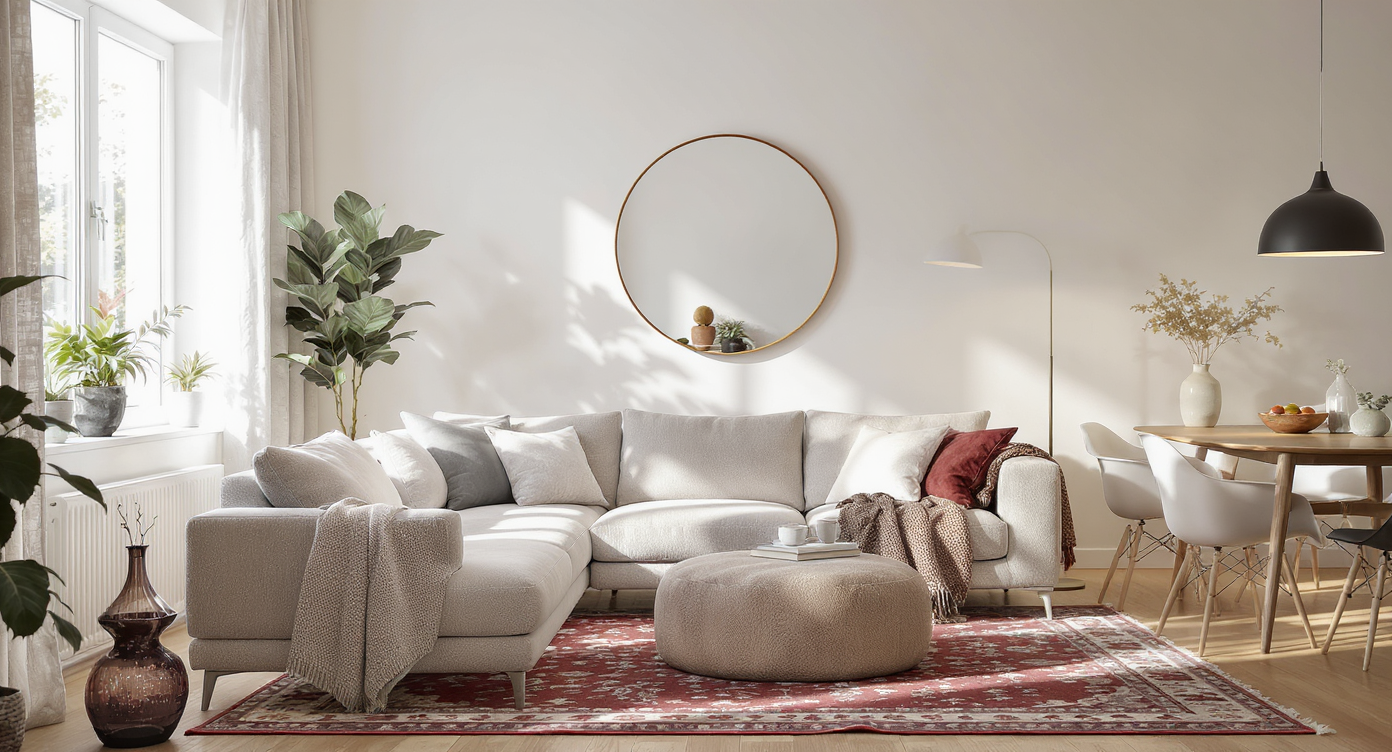
Rearranging furniture—like floating a sofa and pulling the dining set away from walls—can dramatically improve compact room flow and comfort.
Imagine stepping into a living room where the sectional unexpectedly floats in the middle, breaking the run of blank walls and providing an instant conversation hub. A round ottoman takes the place of a traditional coffee table, softening the flow of movement between spaces. The dining area, once cramped against a corner, now sits atop a bold rug, pulled away from the wall to invite gathering. Ambient lighting from a tall floor lamp stretches upward in what was once a dark corner. A sculptural plant or thoughtfully placed mirror reflects daylight, making the space feel double its size. Through simple but intentional layout changes, the once awkward room becomes layered and welcoming, made for everyday rituals and spontaneous gatherings alike.
Visualization Scenario
Picture a compact city living room where the old arrangement left the dining table pinned against the wall and the sofa braced tightly along another. By rotating the rug, bringing the table into the open, and floating the sectional with enough walkway clearance, the room gains zones for conversation and meals. A tall lamp now catches the eye in a former dead zone, while a mirror opposite the window bounces light throughout. Purposeful changes help the room breathe, welcoming both daily living and gatherings.
Frequently Asked Questions
If your living room feels cramped or blocked, measure for at least 30 inches of walkway clearance around the sofa. If that's tight, experiment with rotating or floating the sofa as described in size versus layout recommendations.
What are simple ways to divide zones in a small living room?
Use area rugs, the back of a sofa, or strategically placed armchairs to create distinct living and dining areas in an open or compact space without adding clutter.
How can I make a corner feel purposeful rather than empty?
Try featuring a tall floor lamp, a single sculptural plant, or a prominent side table to give the corner context, as outlined in corner transformation ideas.
Do I have to buy new furniture to improve flow?
Often, simple layout shifts make the biggest difference. Try rotating, floating, or swapping existing pieces before investing in something new.
Can I preview layout changes virtually?
Yes. Online planning tools and services like ReimagineHome.ai let you test different furniture arrangements before making changes.
Fresh Eyes, Fresh Flow
Rethinking a compact or odd-shaped living room often requires stepping outside your usual habits and experimenting with layout changes that respect both function and comfort. Prioritizing clear pathways, flexible zones, and scale-appropriate furniture can turn a space that feels stuck into one that fuels relaxation and connection. When in doubt, remember that even the smallest change—a new angle for the sofa, a well-placed lamp, or a strategic rug—can unlock new dimensions in any room. For those ready to see their space transformed digitally, ReimagineHome.ai offers tools to visualize ideas before you move a single piece.