7 Flooring Selection Mistakes That Lead to Regret, And How to Avoid Them

TL;DR
Choosing flooring is a permanent decision that shapes comfort, cleaning, and style flexibility. Avoid regret by understanding common mistakes, like picking by looks alone, ignoring daily wear, testing only in showrooms, or choosing the wrong finish. This guide shows you how to check every detail before you commit.
Introduction
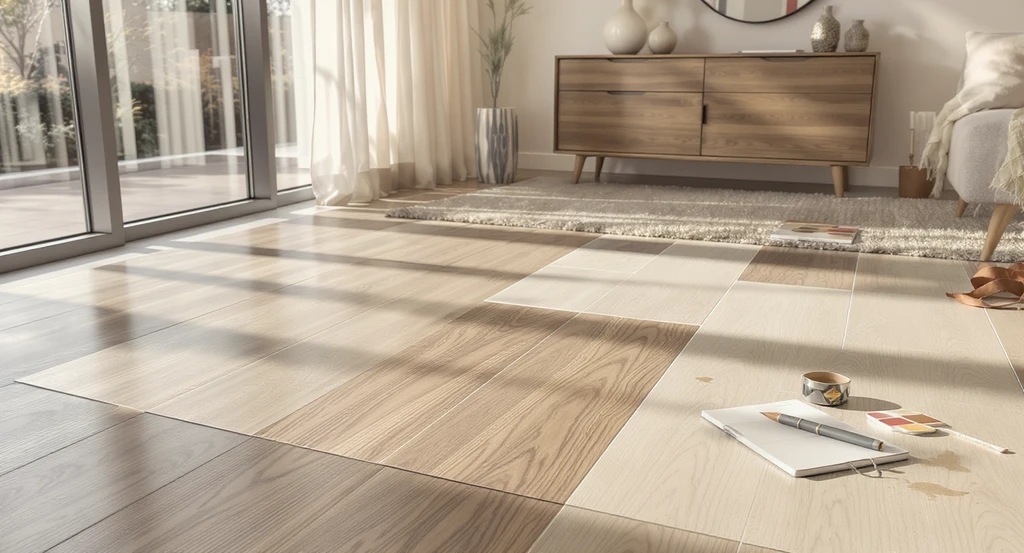
Testing flooring samples in natural light helps you avoid flooring regret in renovations. See how the best flooring for high traffic homes compares, and why choosing timeless finishes over trends can save you hassle in the long run.
Selecting new flooring can feel overwhelming, the decision is both costly and permanent. Once it’s installed, changing your mind means a significant renovation. Many homeowners get stuck between materials, colors, and styles, worrying that one mistake will create years of frustration. The most common regrets aren’t about personal taste, they result from missing a clear decision framework and overlooking crucial, practical checks. This guide breaks down the seven key flooring selection errors and offers direct advice to help you match your floors to your real needs, so you can enjoy your choice for years with minimum hassle.
-
01. Ignoring How the Room Is Actually Used
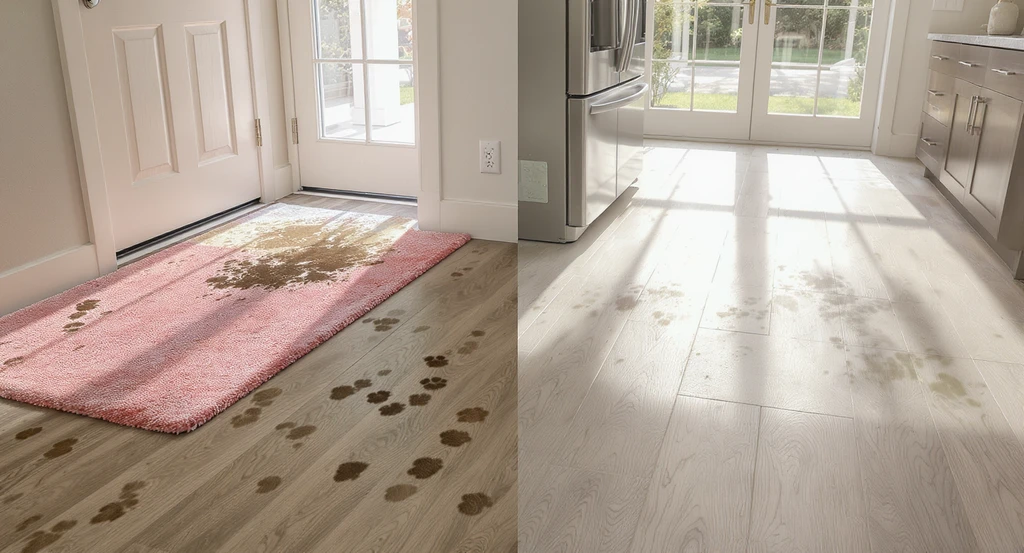
Comparing how bright carpet and delicate tile show wear beside clean LVP and laminate in high traffic entryways, illustrating how to avoid flooring regret and select the best flooring for heavy use in home renovations.
Choosing flooring purely for its appearance, without factoring in how the space is used, often leads to disappointment. For instance, a bright carpet in a busy entryway or a delicate tile in the kitchen rarely stands up against heavy foot traffic, pets, or regular spills.
This happens when homeowners shop with their eyes rather than considering daily routines. Before choosing, clearly identify how the room is used: shoes, food, pets, and cleaning frequency all make a difference. Always select a floor type that meets the room’s demands before narrowing down on style. For pet owners or high-traffic households, materials like LVP or durable laminate often work best, as explained in our in-depth comparison of LVP and laminate in pet-friendly homes.
-
02. Letting Trends Override Timelessness
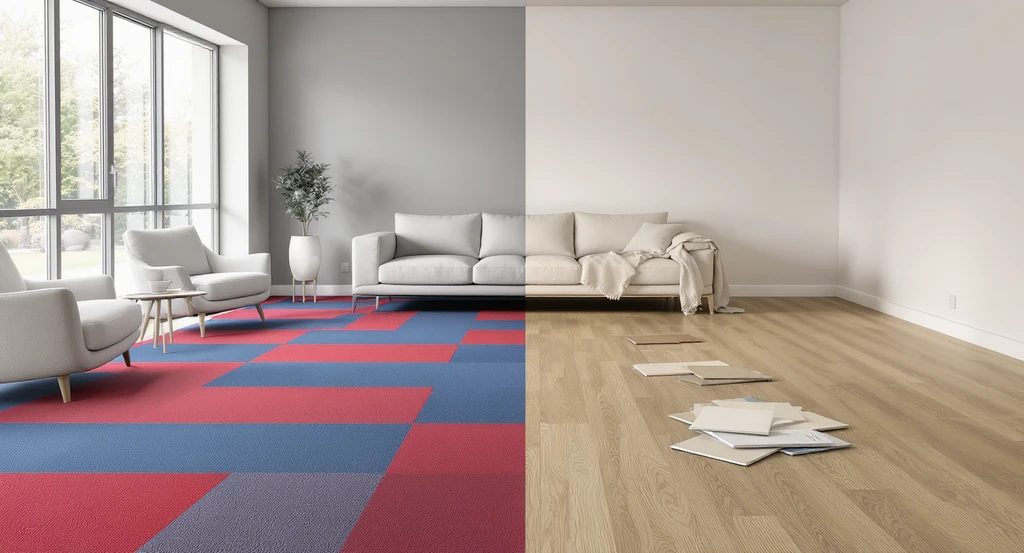
How to avoid flooring regret in renovations: Compare trendy floors versus timeless wood grain options in natural light. Test flooring samples to choose the best flooring for high traffic homes and ensure your selection adapts to future décor changes.
Following flooring trends, such as bold colors, extreme contrasts, or dramatic patterns, can lock you into a style that ages quickly or forces the rest of the room to match one look.
This usually happens when decisions are based on what’s popular, rather than what will still look appropriate if furniture or wall colors change. Apply the 10-Year Test: would you be content with this floor if you update your décor or repaint the walls? Prioritize warm neutrals, subtle grains, and matte finishes that adapt easily. If you’re unsure, previewing surface restyling with your own room can help you visualize how it will look over time, as we explored in our guide on using AI for surface restyling before committing to a new floor.
-
03. Not Testing Samples in Your Actual Room
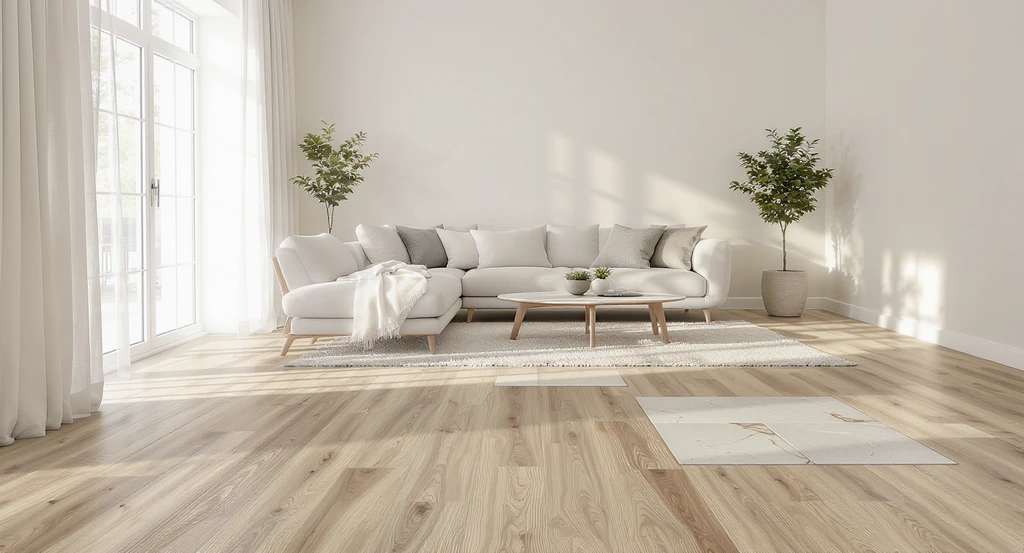
Testing flooring samples in natural light is essential to avoid flooring regret in renovations and ensures you pick the best flooring for high traffic homes. This process helps you choose timeless floor finishes over trends by revealing true tones and textures before choosing.
Many homeowners skip home sample testing or judge flooring by showroom or online images. Store lighting and digital screens rarely match the natural light and real-life conditions in your home, which leads to disappointment after installation.
The correction is simple: bring large samples home, place them in various spots, and observe them at different times of day to check color, warmth, and sheen. This helps you avoid mismatched undertones, glare, or dullness. For more tips on testing flooring samples in natural light, see our overview of AI-powered visualization and smart sample testing.
-
04. Overlooking the Importance of Finish and Sheen
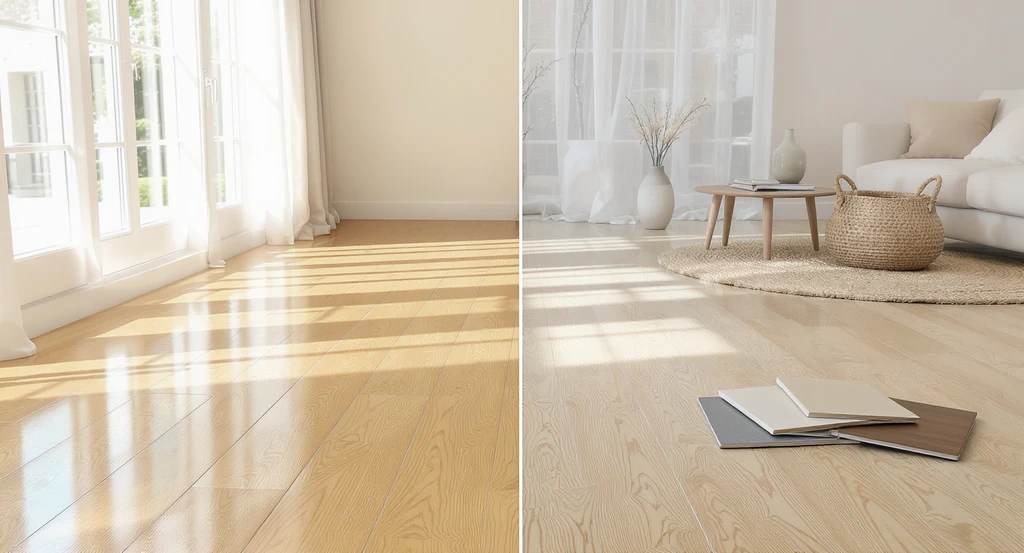
Comparing glossy and matte wood floors in natural light helps avoid flooring regret in renovations and highlights the best flooring for high traffic homes—prioritize timeless, low-sheen finishes over trends.
Homeowners often regret choosing glossy floors, even when the color is right. High-sheen floors reflect glare, highlight dust and scratches, and show every mark, especially in bright spaces or near windows.
Instead, choose a matte or satin finish. These finishes minimize visible wear, muffle reflections, and age more gracefully. Pay attention to your room’s brightness and traffic patterns when deciding on sheen. Previewing finish options with digital restyling can help you see how sheen affects your space before committing, as detailed in our surface restyling insights.
-
05. Forgetting About Floor Scaling and Proportions
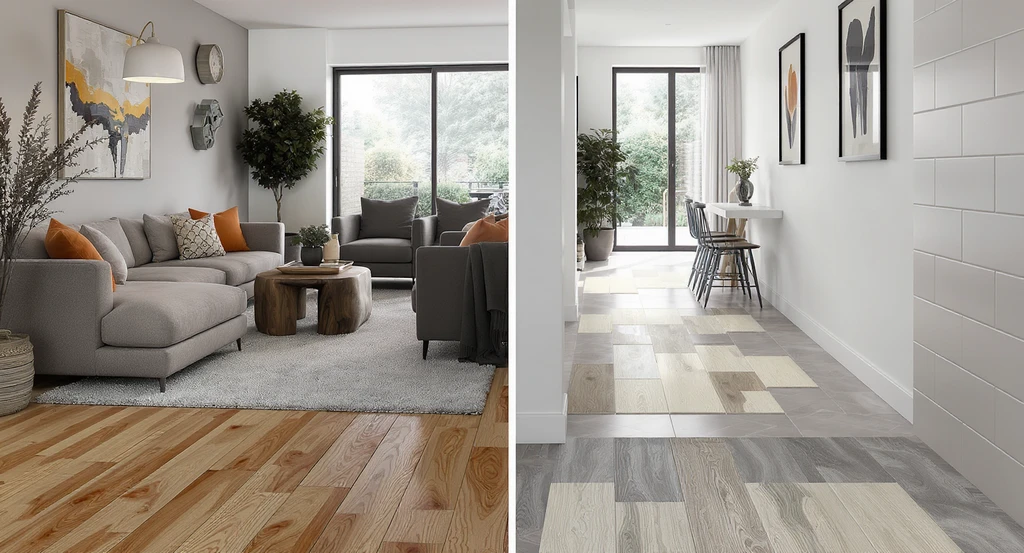
Comparing plank and tile sizes in real spaces helps avoid flooring regret in renovations. Test flooring samples in natural light to find the best proportions and timeless finishes for high-traffic homes.
Plank width or tile size that doesn’t fit the space can throw off a room’s visual balance. Narrow planks in large, open rooms create a busy look, while oversized tiles in small areas can feel awkward and heavy.
The scalable rule: choose plank and tile sizes that align with your room’s dimensions. For most open spaces, wider planks (5–7 inches) or larger tiles enhance flow. In compact rooms, modest widths or smaller tiles look more proportional. Lay out physical or virtual samples to check how scale changes the room’s sense of space before making a final decision.
-
06. Overlooking Subfloor and Installation Constraints
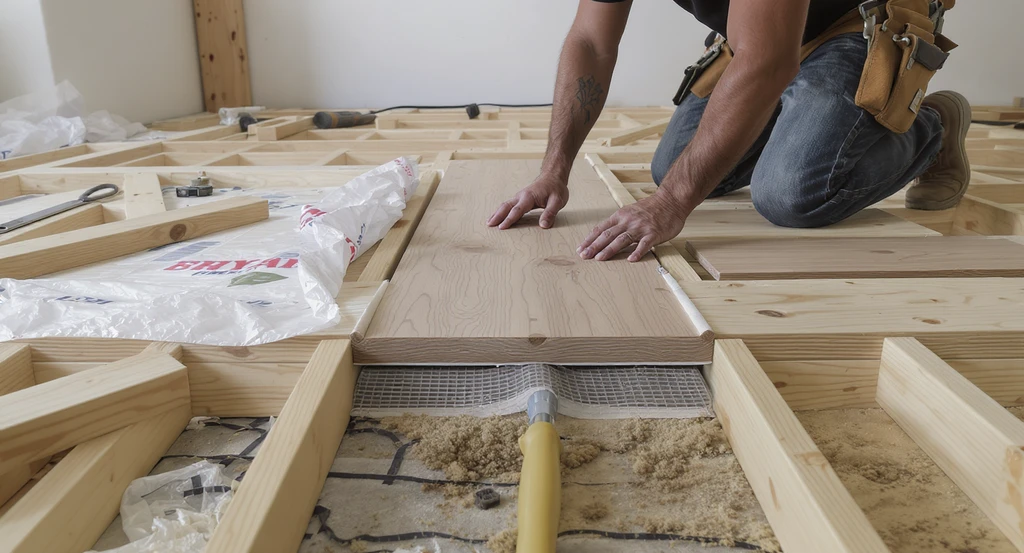
06. Overlooking Subfloor and Installation Constraints Image
Even the best flooring material will fail if installed over a flawed subfloor. Problems like squeaks, dips, and uneven surfaces only become more noticeable with daily use, and can dramatically shorten a floor’s lifespan.
This mistake happens when subfloor inspection is rushed or skipped, especially in DIY scenarios. Before picking material, inspect the subfloor for flatness and stability, and repair defects. As outlined in our DIY flooring assessment guide, preparing this base is more important for longevity than the brand or price of the flooring itself.
-
07. Failing to Preview Design Changes Virtually
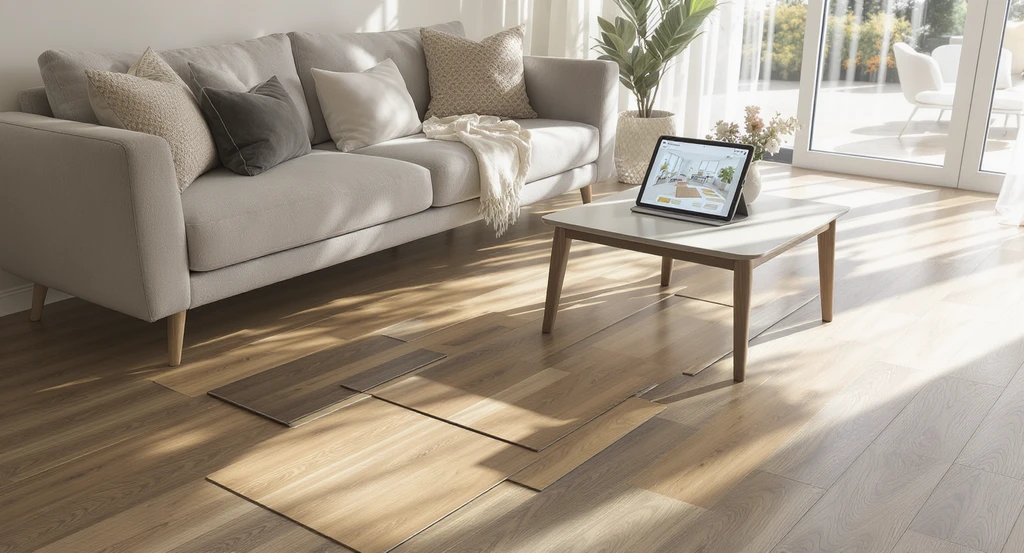
Previewing new floors virtually and testing real samples in natural light helps avoid flooring regret in renovations and ensures the best flooring for high traffic homes—making it easy to compare timeless finishes versus trends before installation.
Skipping visual previews is a common cause of flooring regret. Homeowners underestimate how new floors will interact with wall colors, existing furniture, and the light in their actual space. This often leads to mismatched tones or unexpected changes in how big or bright a room feels.
To avoid this mistake, use modern visualization tools such as REimagineHome AI to stage new flooring into photos of your room. This step catches issues with color, scale, and brightness before you commit to installation or buy materials. As detailed in our preview guide to hardwood refinishing vs replacement, virtual staging helps compare timeless and trend-driven finishes in your specific lighting and layout.
Frequently Asked Questions
- Should I choose flooring based on the latest trends?
No, prioritize timeless finishes that adapt as styles change. Apply the 10-year test and favor warm or neutral floors. For assistance, preview with AI tools before you commit. - Is DIY flooring difficult for beginners?
DIY projects are doable for small spaces if you research steps and manage expectations. Tips on DIY LVP and laminate installation are found in our hands-on guide. - Can I install new flooring over existing hardwood?
It's possible, but confirming subfloor stability is crucial for lasting results. Unevenness should be fixed before proceeding. - How do I decide between refinishing and replacing old wood floors?
Visualize both outcomes in your actual room to compare appearance and cost, as detailed in our refinishing vs replacing comparison.
Conclusion
Choosing the right floor is a practical decision that impacts your home’s comfort, appearance, and upkeep for years. By matching material to function, favoring timeless over trendy, testing real samples, managing scale, attending to subfloor prep, and previewing options digitally, you reduce regret and ensure long-term satisfaction. When in doubt, neutral, matte finishes with the right proportions rarely fail to provide balance and longevity.