6 Full-Height Kitchen Cabinet Mistakes You Can Avoid With AI Visualization
TL;DR
Extending cabinets to the ceiling boosts storage and style but comes with common layout mistakes. Learn practical correction steps and how AI tools help you preview and fix these issues for a balanced, functional kitchen.
Why Cabinet Height Matters More Than Most Homeowners Realize
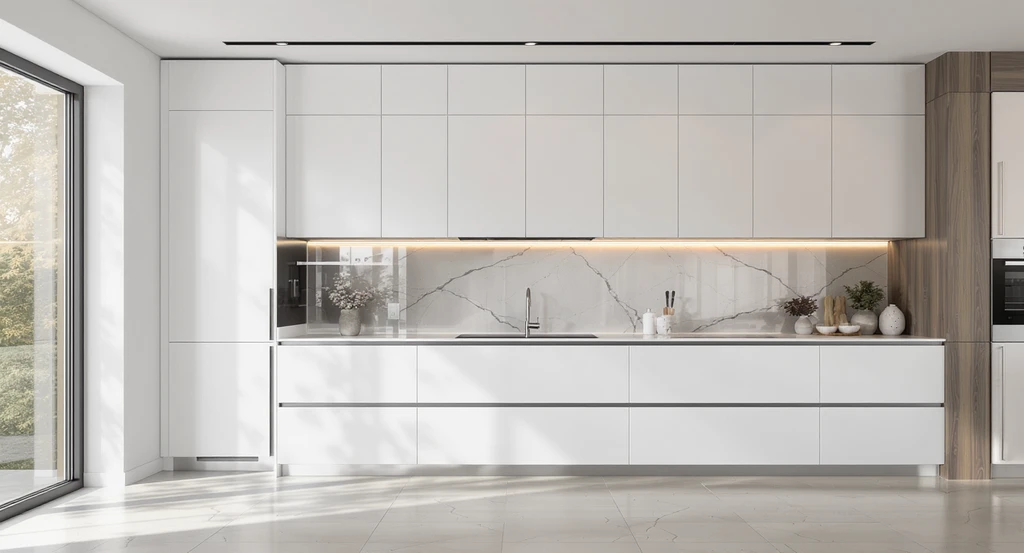
AI kitchen design technology enables homeowners to visualize full-height cabinet layouts, helping prevent common ceiling height cabinet mistakes before renovation.
Choosing whether to run kitchen cabinets all the way to the ceiling goes beyond looks, it can impact your storage, cleaning routine, and even your home’s resale value. While full-height cabinets are popular, layout or proportion mistakes are all too common and easy to overlook during planning. This guide breaks down typical errors, why they happen, and offers straightforward correction methods. Where relevant, you’ll see how modern AI kitchen design tools help you preview outcomes for smarter decisions and reduced risk.
-
01. Misjudging Ceiling Height and Cabinet Proportion
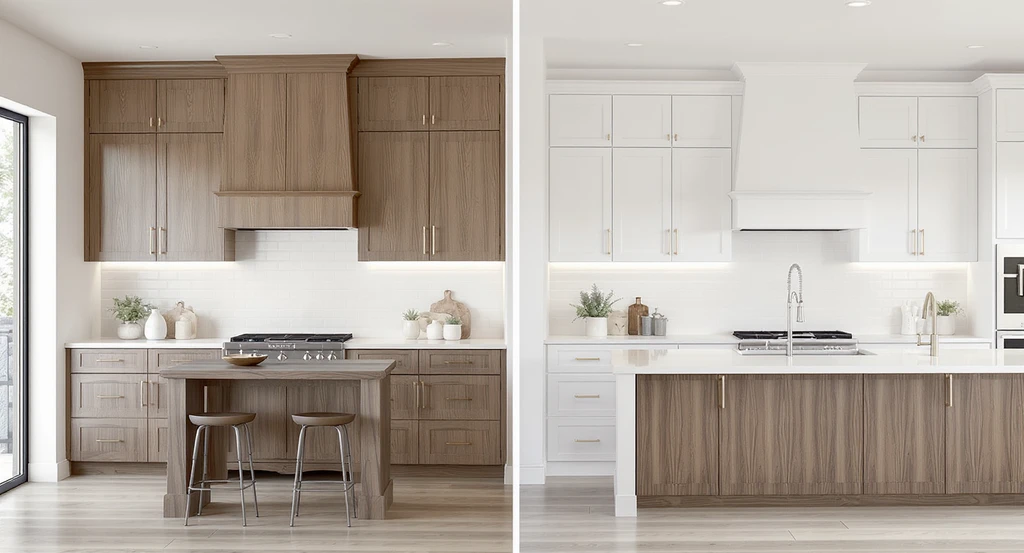
Visualizing kitchen cabinet layouts with AI highlights common mistakes with ceiling height cabinets. AI kitchen design for full-height cabinets lets you preview proportion and fit, improving kitchen renovation planning and helping you choose optimal cabinet solutions.
Installing ceiling-height cabinets without checking your actual ceiling height and proportions can lead to awkward results. For example, using standard 42-inch cabinets in kitchens with 9-foot or higher ceilings creates cabinets that look too narrow, while oversized cabinets in 8-foot rooms may crowd the space and restrict doors or windows.
This happens when a uniform cabinet height is chosen regardless of the room’s measurements. To correct it, always measure ceiling height first and select cabinet heights accordingly. A practical rule: For 8-foot ceilings, use 36–39 inch cabinets plus crown molding; for 9-foot ceilings, consider 42-inch cabinets with a smaller upper tier or filler panel. In taller spaces, using stacked upper cabinets with glass or display areas looks more balanced and is easier to access. Previewing these options with AI kitchen design helps you match the right cabinet solution to your space and prevents costly errors, as shown in our guide on cabinet tones and finishes.
-
02. Ignoring Ceiling Level and Surface Irregularities
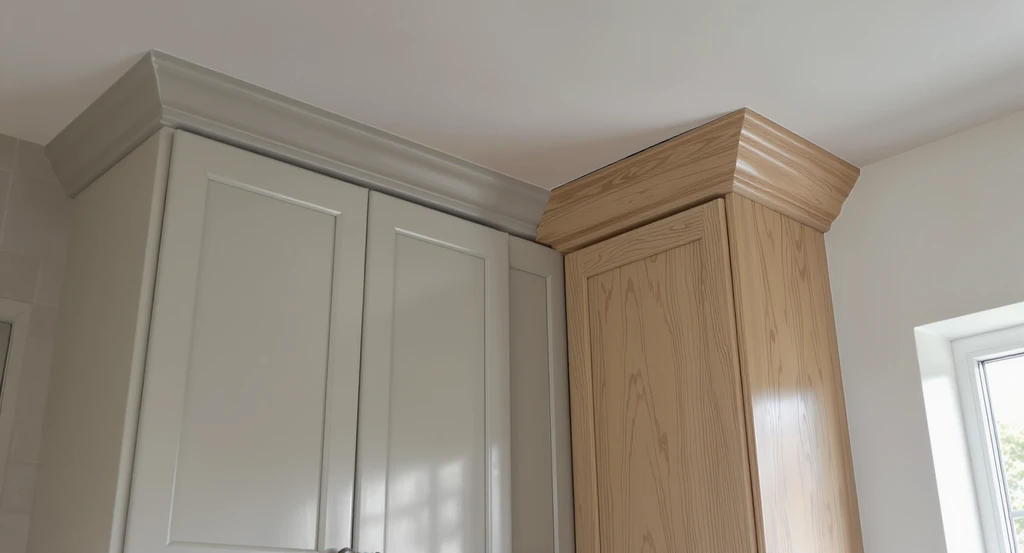
AI kitchen design for full-height cabinets helps visualize kitchen cabinet layouts, revealing common mistakes with ceiling height cabinets and showing how AI tools improve kitchen renovation planning by addressing ceiling irregularities early.
Running cabinets directly to an uneven ceiling often exposes every dip and creates visible gaps or misalignments. This is especially frequent in older homes, where ceilings are rarely perfectly flat.
To fix this, always check for ceiling flatness before installation. Use scribed trim or flexible crown molding to bridge minor irregularities and achieve a seamless fit. If you plan a remodel, previewing your new cabinet setup using AI kitchen design visualization tools helps identify and address ceiling inconsistencies in advance, ensuring a built-in, professional result.
-
03. Underestimating Accessibility
03. Underestimating Accessibility Image
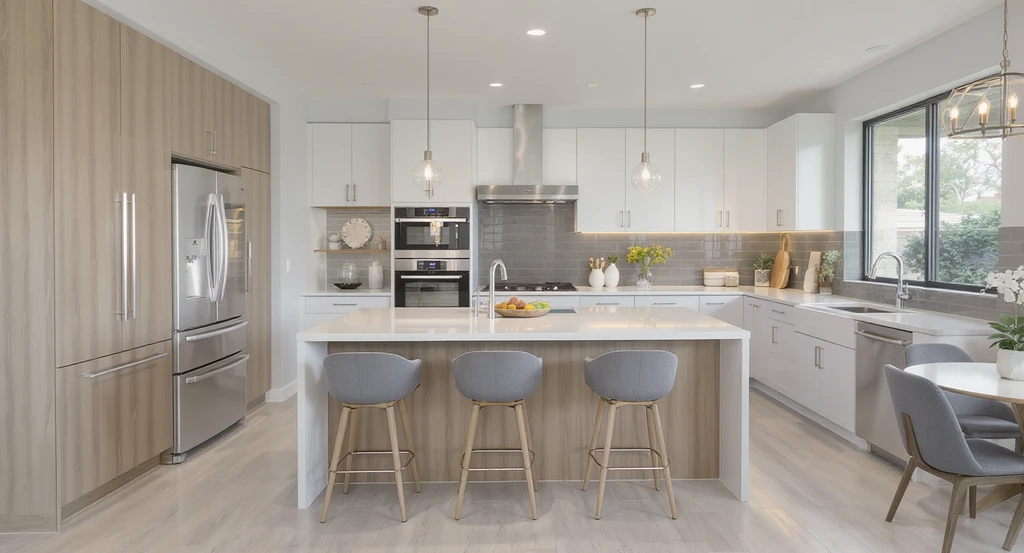
Extra storage is an incentive for full-height cabinets, but the upper shelves can quickly become out of reach and impractical if not planned for. Many homeowners don’t realize the everyday inconvenience until after installation.
Avoid this mistake by planning to reserve the highest shelves for infrequently used or seasonal items. Keep a lightweight step stool handy, or consider open shelving above if regular access is a concern. These simple adjustments help maintain both storage and function, a balance recommended in our cabinet refresh guide.
-
04. Missing Lighting and Shadow Effects
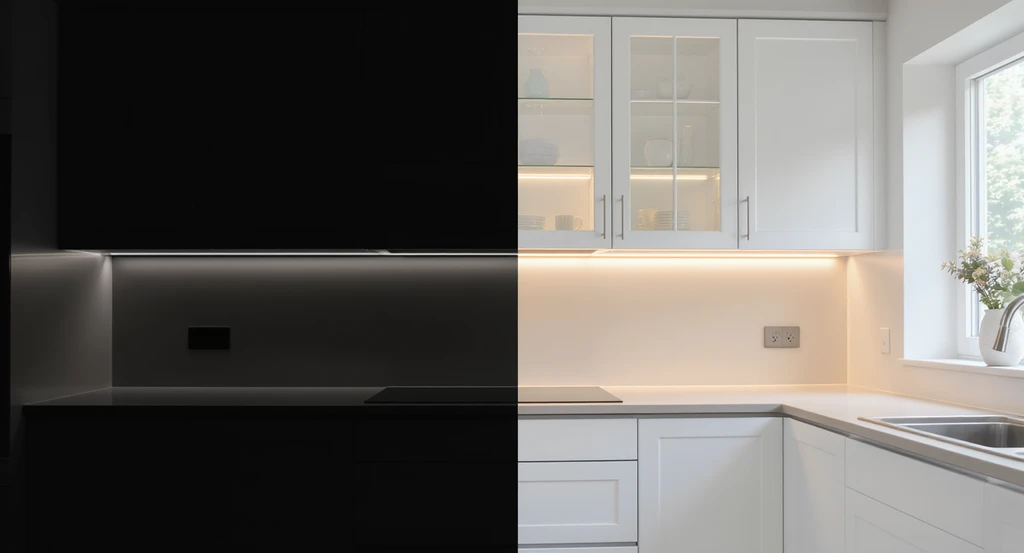
Visualizing kitchen cabinet layouts with AI, this image compares poor versus optimal under-cabinet lighting for full-height cabinets. See how AI kitchen design tools help reveal and solve common mistakes with ceiling height cabinets, improving task lighting and kitchen renovation results.
Tall cabinets can block or reduce under-cabinet lighting, making your kitchen workspace feel dim. Shadows increase with cabinet height, especially if lighting isn’t updated alongside the cabinets.
To prevent this, add or upgrade under-cabinet lighting, like LED strips or puck lights, for consistent task lighting. For upper glass-door cabinets, consider interior lighting for safety and ambiance. Previewing how light changes throughout the day, using AI visualization tools such as the day-to-dusk or lighting adjustment features, helps reveal shadow and brightness issues before you install, improving both looks and usefulness as explored in our renovation tips.
-
05. Overlooking Cleaning Ease and Maintenance
05. Overlooking Cleaning Ease and Maintenance Image
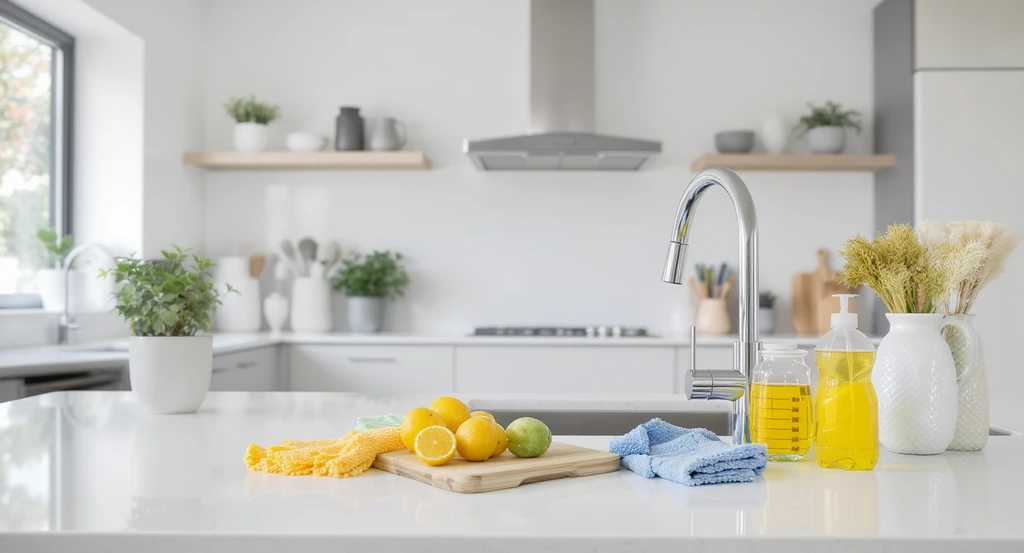
Standard upper cabinets often leave a hard-to-clean gap at the top, which traps dust and grease. Many regret this after living with it. While full-height cabinets solve the problem, not everyone has the budget for custom builds.
If full-height isn’t possible, use filler panels or build a closed soffit above the cabinets, painted or finished to match. This approach eliminates the dust trap and keeps the design feeling intentional and finished. For more on balancing surface finishes and easy maintenance, see our cabinet and surface restyling advice.
-
06. Not Visualizing Cabinet Tone and Overall Cohesion
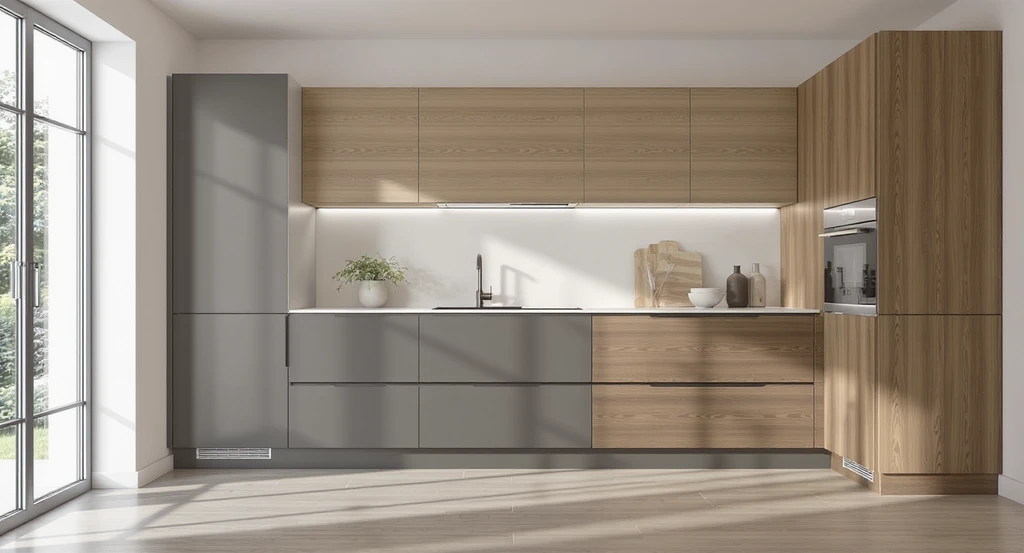
Visualizing kitchen cabinet layouts with AI helps avoid common mistakes with ceiling height cabinets by previewing tone cohesion before renovation planning.
As cabinets go higher, inconsistent tones or finishes become very noticeable. Without previewing, it’s easy to choose colors or wood tones that clash with floors, counters, or wall colors, resulting in a jarring effect.
Use an AI kitchen design tool to visualize different cabinet tones and how they interact with existing finishes and natural light. This helps ensure that color and material choices feel balanced and timeless before you commit. Our detailed cabinet tone guide offers more examples and preview tips.
Full-Height Kitchen Cabinet FAQ
- Do ceiling-height cabinets always increase home value?
- While not guaranteed, they are often viewed as higher quality and can attract buyers compared to dust-prone, open-topped cabinets.
- Are there ways to get the full-height look on a budget?
- Yes—add matching soffits, trim, or upper filler panels above standard cabinets for a finished effect without the full extra cost.
- How do AI tools help in planning cabinet height?
- They allow you to preview different cabinet heights, tones, and lighting effects on a photo of your real kitchen, helping you correct proportion or finish errors before committing.
- What if my ceiling isn’t perfectly level?
- Installers can use scribed or flexible trim to close uneven gaps, or design with stacked cabinets for easier adjustment and fit.
- Should small kitchens always use full-height cabinets?
- Usually, yes. But always preview the effect—tall cabinets can make very small rooms feel tight, so testing different combinations is key.
Practical Takeaways: Height, Light, and Real-World Use
Full-height kitchen cabinets can add storage, style, and value, but only when layout details and spatial rules are followed. Always check ceiling height, proportion cabinets logically, address lighting, and preview finishes for visual consistency. AI kitchen design tools provide a clear way to see your choices before building, helping you avoid mistakes and invest with confidence.