9 Curious Realities of Backyard Ecosystems Revealed by a Parasitized Ladybug
TL;DR
Encounters with parasitized insects like zombie ladybugs prompt both fascination and ethical questions for gardeners. This list explores how these moments reveal hidden ecological complexities, the roles of pests and helpers, and the real-world decisions behind garden management.
Nature’s Strangest Drama, Staged in Your Garden
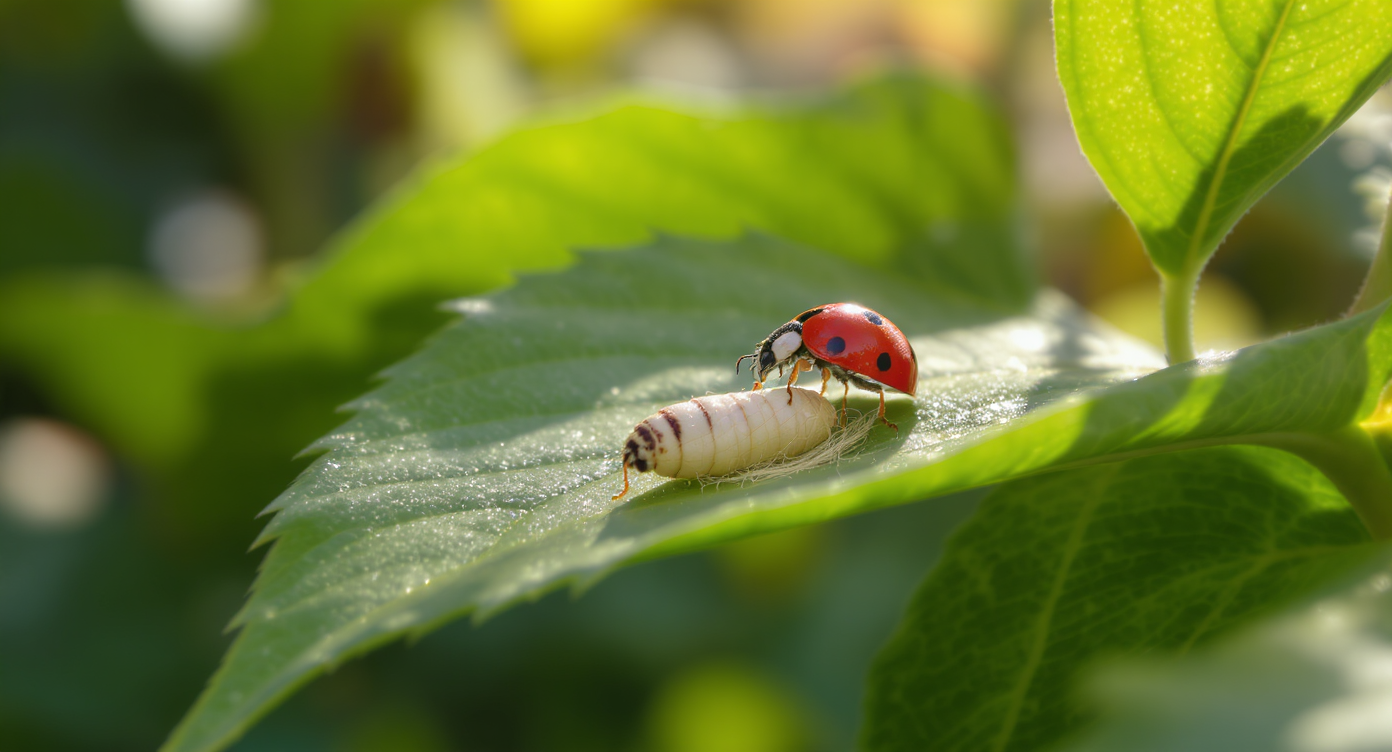
A photorealistic scene shows a motionless ladybug on a garden leaf, guarding a parasitic wasp cocoon, capturing a real backyard curiosity.
Every backyard gardener occasionally stumbles upon a scene so strange it almost defies belief. Picture a ladybug—motionless, twitching gently on a leaf—seemingly guarding a wasp cocoon. This is not fiction but an unsettling ecological reality: a parasitic wasp has commandeered the ladybug’s body, turning it into a living shield for its own offspring. These moments are reminders that our gardens are microcosms of fierce competition, unexpected allies, and life’s most bizarre survival strategies. For anyone who tends vegetables, herbs, or ornamentals, the dilemma of encountering parasitized insects is more than a science lesson. It raises practical questions. Should you intervene to save a beneficial insect, remove the leaf outright, or let nature carry on? Beneath the surface, these choices are shaped by everything from food security to ecosystem health—a constant balancing act between compassion, science, and priorities.
-
1. Parasitic Wasps Are Unsung Players in Garden Design
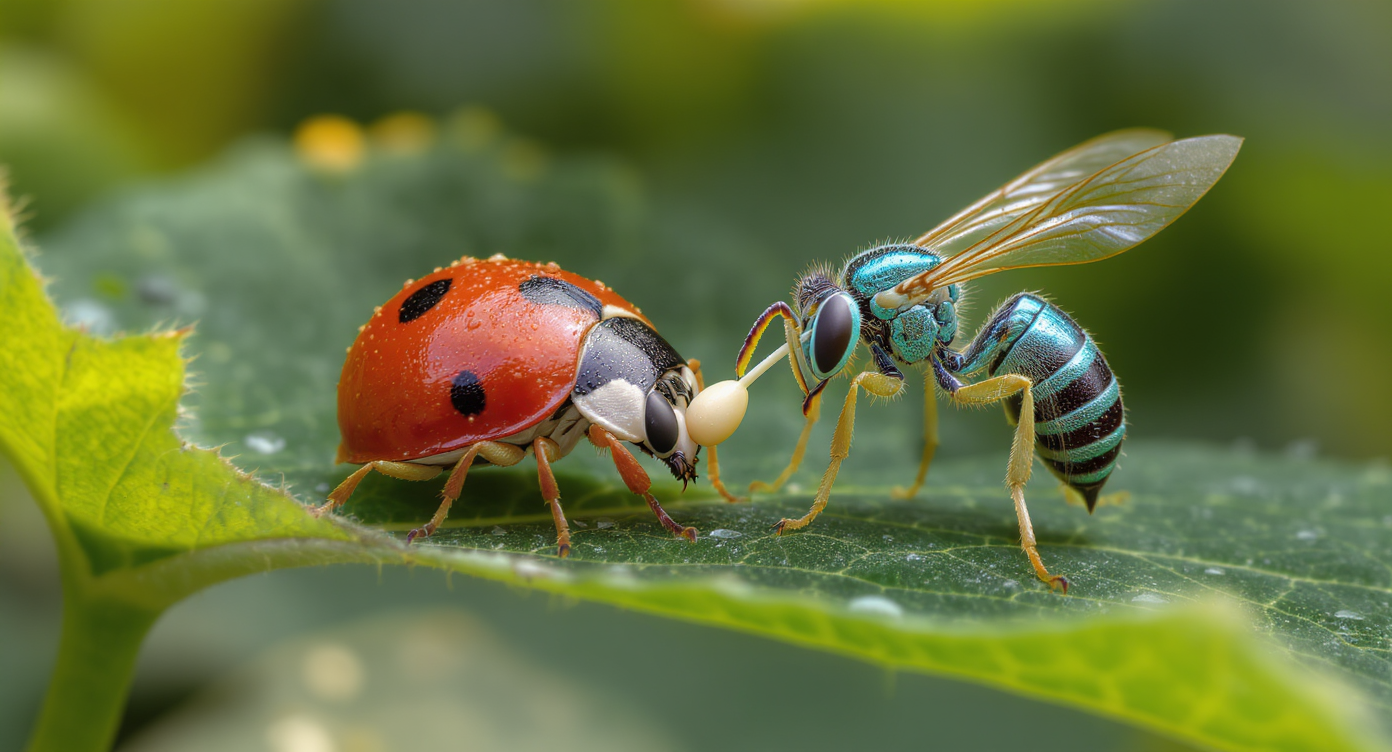
A braconid wasp parasitizes a ladybug on a garden leaf—an example of complex interactions crucial to balanced ecosystem design.
Most gardeners are aware of ladybugs as allies against aphids, but far fewer realize that parasitic wasps depend on these beetles as hosts for their young. The relationship is shockingly complex. Braconid wasps, for example, inject eggs into ladybugs; the larvae consume the host from within and, upon emergence, co-opt the beetle’s body as a living security system. For those exploring garden design AI or ai landscaping for backyard makeover, such intricacies underscore why every microbe and insect has a unique function. Intelligent garden planning platforms increasingly factor in the presence of these beneficial yet grisly predators to maintain natural pest balance. A data-driven approach does not mean sterilizing nature. Instead, it means planning for resilience, even if it sometimes involves difficult-to-watch scenarios like the zombified ladybug.
-
2. The Ethics of Intervention: To Save or Not to Save the Parasitized Ladybug
When gardeners discover a scene like a parasitized ladybug, the response often oscillates between sympathy and scientific detachment. The sight of a pained, immobilized beetle prompts some to intervene, hoping to end its suffering and halt the parasite’s spread. Others argue for letting nature unfold, noting that wasps are essential controllers of pest populations. As discussed by many practitioners, action or inaction depends heavily on garden type, personal values, and the local ecosystem’s health. Removing a leaf might comfort one’s conscience, but it could also impact wasp numbers and give rise to unintended consequences in pest control.
-
3. Beneficial Insects and Their Blurry Roles
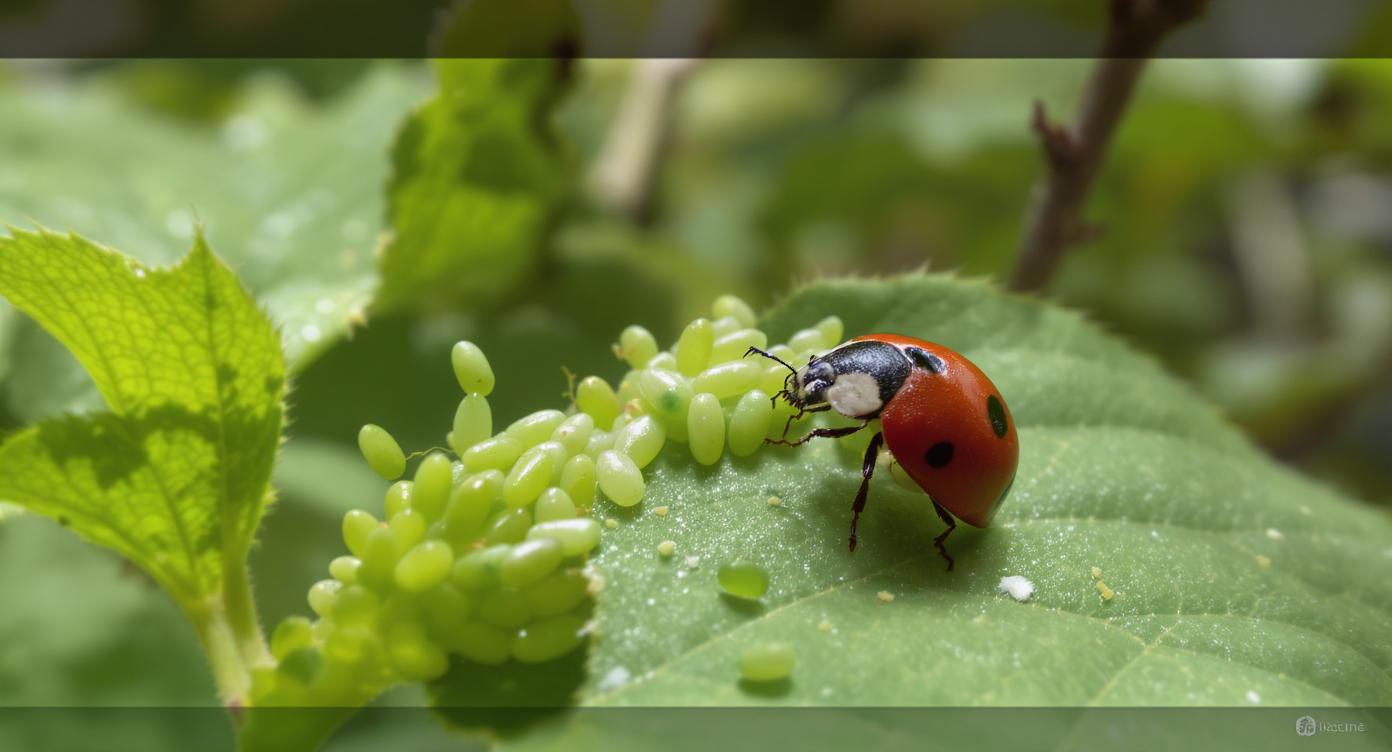
A ladybug feeds on aphids as a parasitic wasp approaches on a shared plant stem, illustrating overlapping beneficial insect roles in the garden.
It is tempting to classify garden insects as purely helpful or harmful. Ladybugs are revered as aphid eaters, while wasps are often painted as villains. In practice, both insects navigate a spectrum of roles. Parasitic wasps control not only beetle populations but also more damaging pests. However, excessive predation on ladybugs can leave certain gardens vulnerable to outbreaks of aphids or other soft-bodied insects. As we explored in the topic of wildlife‑friendly native landscaping, maintaining balance means accepting some losses and finding empathy for all forms of garden life—even when the outcome is unsettling to observe.
-
4. What Zombie Insects Reveal About Garden Biodiversity
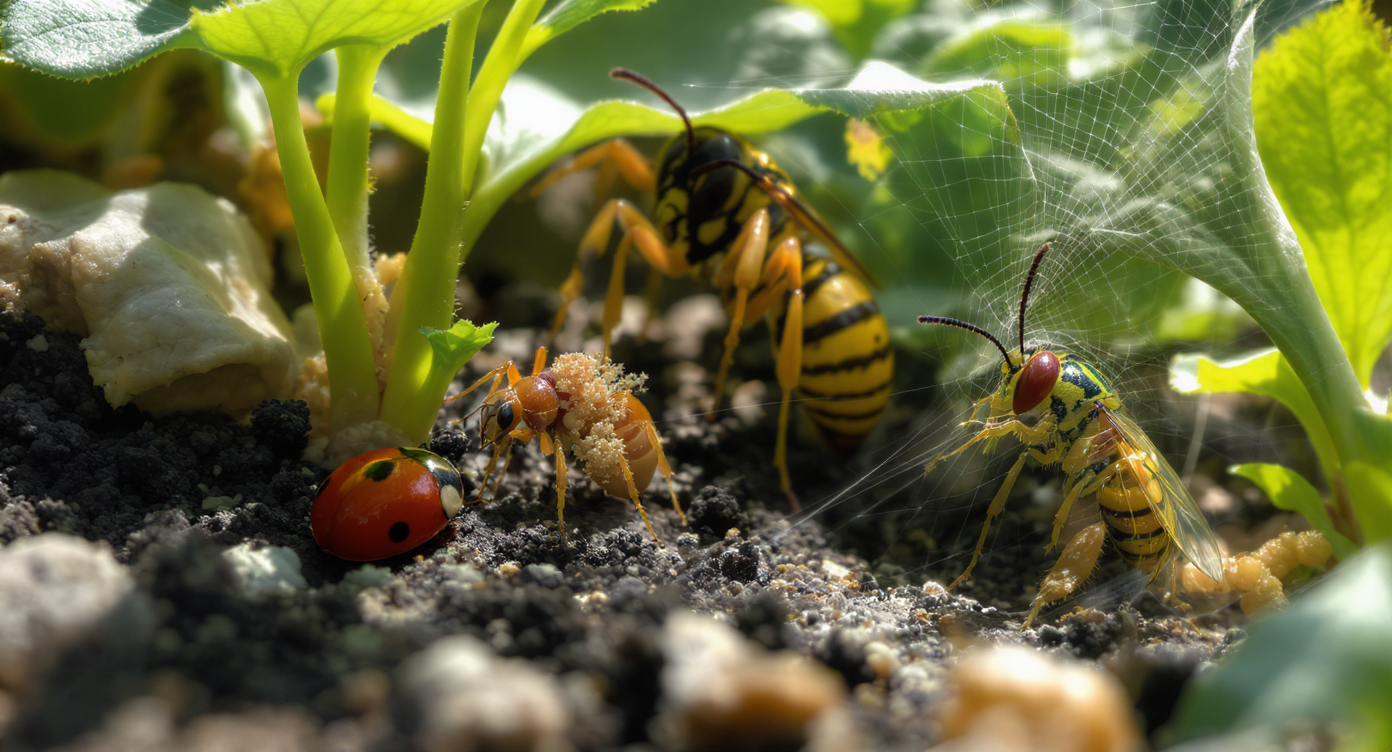
Realistic view of backyard biodiversity: a parasitized ladybug, cordyceps-infected ant, and tarantula hawk wasp with orb-weaving spider.
The parasitic manipulation of ladybugs by wasps is not an isolated incident. It represents an entire web of relationships. Similar tactics occur with tarantula hawk wasps and orb-weaving spiders, or cordyceps fungi and ants. These dramatic displays are evidence of a dynamic, highly-interconnected ecosystem below the surface of cultivated beds. For garden design pros and backyard experimenters alike, witnessing nature’s strangest dramas is a compelling reminder: biodiversity is not always gentle, but it is always essential.
-
5. The Circle of Life Versus Human Sentiment
Moral discomfort is an inescapable part of gardening, especially for those who prioritize both crop success and animal welfare. Many people report feeling compelled to ‘save’ a suffering insect, while others stress the value of non-interference. Both instincts are valid. According to professional perspectives, what matters most is making a conscious, informed decision, rather than acting on impulse. If garden pests threaten a vegetable harvest or a pollinator habitat, swift action might be justified. But pausing to consider ecosystem effects nearly always yields better long-term outcomes. In an age shaped by garden design AI, it is possible to model these choices and predict their likely implications for both pest and beneficial insect populations.
-
6. Native Species Matter—they Shape the Stakes
Distinguishing between native and introduced insects is crucial for every gardener who cares about ecological resilience. Not all ladybugs in North American gardens are native; several are imports released for agricultural reasons, and their populations shift at the expense of local species. Identifying native and non-native beetles can guide interventions. A healthy native insect population enhances wildlife diversity and provides organic solutions for pest challenges, as underscored in our findings on biodiversity through native plantings.
-
7. The Role of Invisible Threats in Garden Management
The visceral scene of insect parasitism shadows deeper, often invisible threats. Parasitic fungi, soil-borne diseases, and even microscopic pathogens routinely shape the fate of your plants. Consider the lessons from vegetable gardening, where soil health, crop rotation, and companion planting curb many such dangers. For a broader perspective on cultivating resilience and natural defenses, see our discussion on practical tips for a thriving harvest.
-
8. Gardening Decisions Are Never Black and White
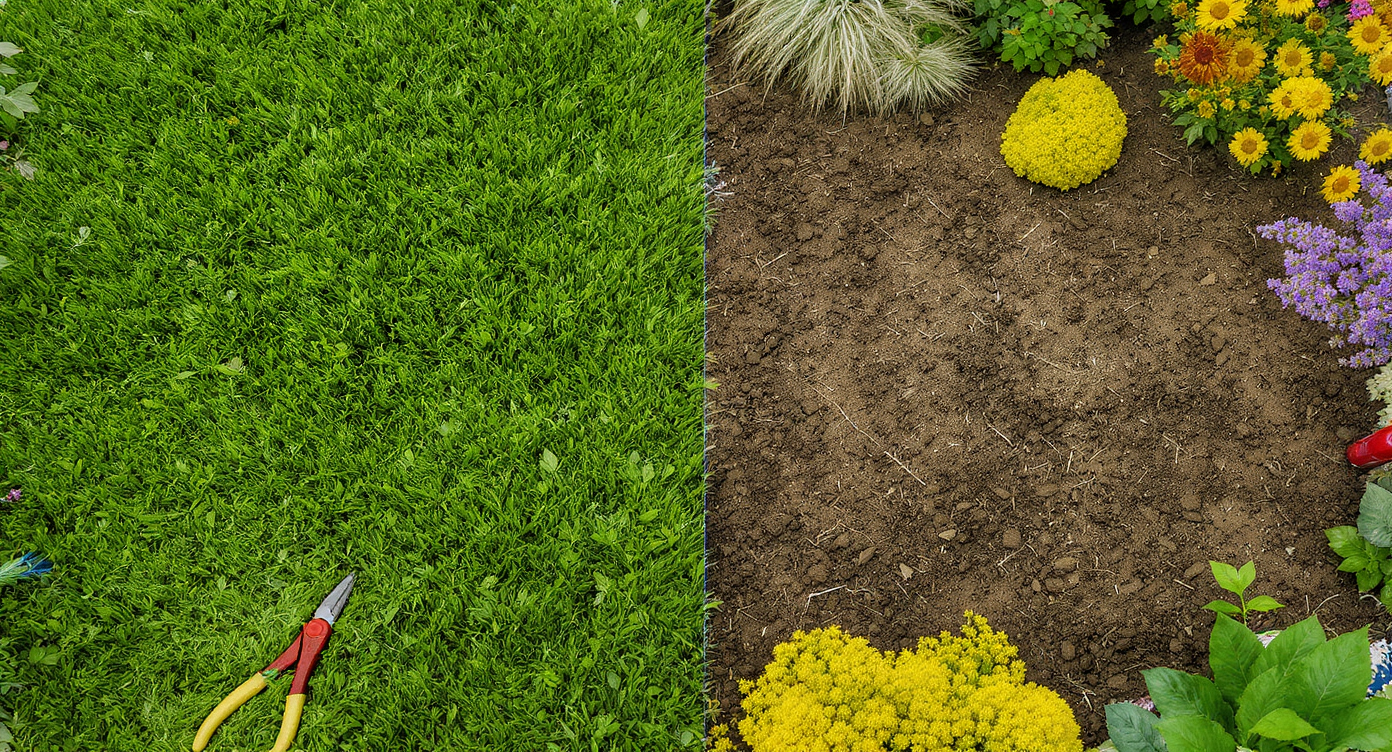
A realistic backyard garden with cut leaves, healthy and affected plants, and a tablet visualizing digital intervention outcomes side by side.
Real-world garden management rarely offers a perfect option. Whether choosing to leave a parasitized insect or not, each action has cascading effects. Removing a leaf may protect remaining beneficial species, while non-intervention may strengthen natural pest control. Smart gardeners weigh these costs and benefits season by season. Technologies like REimagineHome.ai help test different intervention scenarios digitally, allowing users to visualize the likely ecosystem outcomes before acting in the dirt.
-
9. Observing Closely Builds Ecological Wisdom
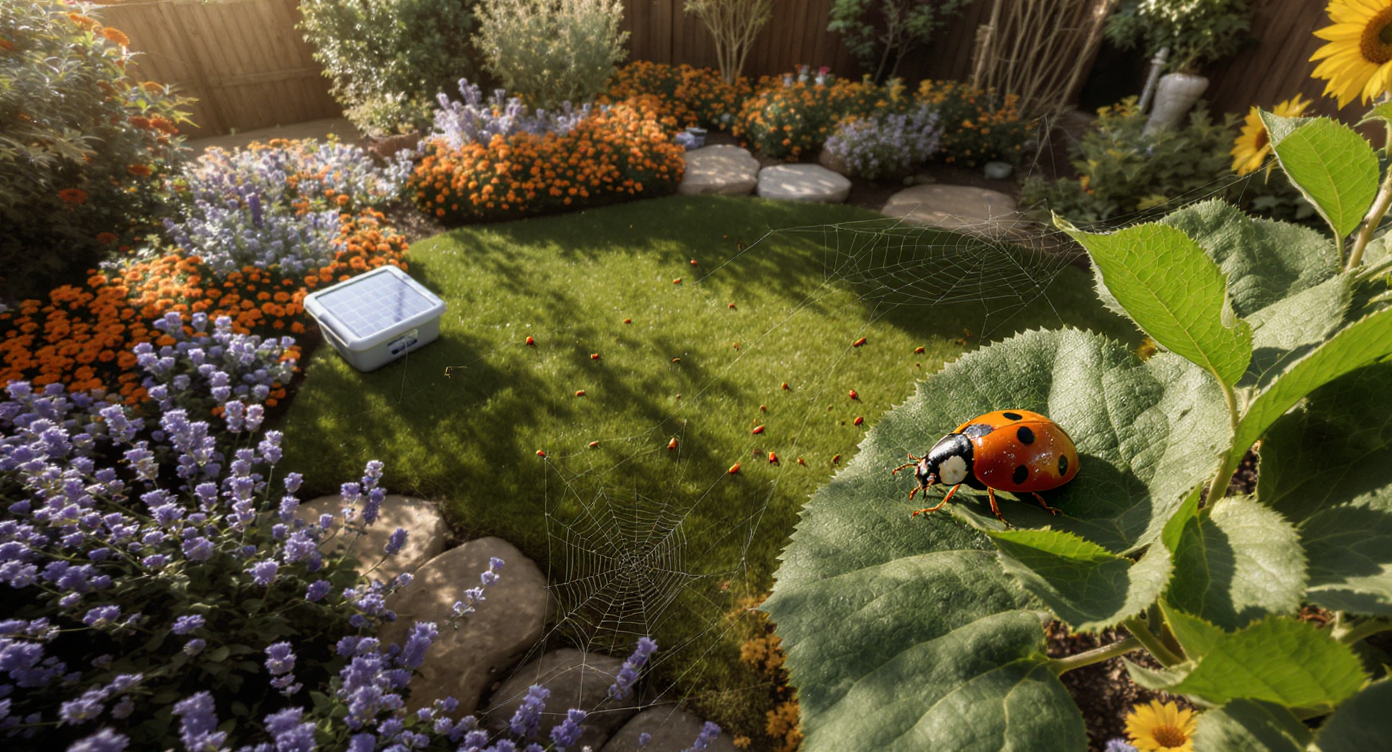
A diverse backyard garden where detailed observation and discreet modern sensors help track insect activity and ecological changes.
Ultimately, the greatest tool any gardener wields is patient observation. Noticing patterns in insect behavior, population booms and busts, or the sudden appearance of parasitized creatures provides granular, on-the-ground knowledge. Coupled with data-driven innovations in ai landscaping for backyard makeover, a sharp eye helps gardeners fine-tune plant choices, pest management, and habitat creation for maximum biodiversity and resilience. Over time, every unusual encounter—no matter how unsettling—becomes a chance to learn and foster a more robust garden.
Frequently Asked Questions About Parasitized Insects in Gardens
Whether to intervene or leave the insect alone depends on your garden’s needs, ecosystem health, and philosophy. Many gardeners choose to let natural processes continue unless the infestation threatens crops or local beneficial species.
Are parasitic wasps harmful or helpful in home gardens?
Parasitic wasps are typically beneficial, controlling populations of garden pests. They rarely pose any danger to humans or pets.
How does AI landscaping for backyard makeover handle pest-predator balance?
Modern tools, including REimagineHome.ai, are designed to analyze species diversity and suggest plantings or layouts that foster balanced, resilient garden ecosystems.
Why are native insects so important for gardens?
Native insects support local biodiversity, enhance natural pest management, and are adapted to regional plants and wildlife, as shown in examples from our guide to native landscaping.
Where can I learn more about pest and beneficial insect interactions?
Resources like vegetable gardening best practices and wildlife gardening guides offer helpful advice for fostering healthy backyard ecosystems.
Every Encounter Tells a Bigger Story
Across garden beds and vegetable plots, moments of drama like the zombie ladybug are powerful lessons in ecological humility. Instead of looking for quick fixes, experienced gardeners aim to understand the underlying systems at work. When dilemmas arise, tools such as REimagineHome.ai and a willingness to observe closely help frame better-informed, more sustainable decisions. Ultimately, embracing the messy realities of backyard life leads to more vibrant, resilient landscapes.