Evaluating Sudden Odor Issues in Compact and Luxury Bathrooms
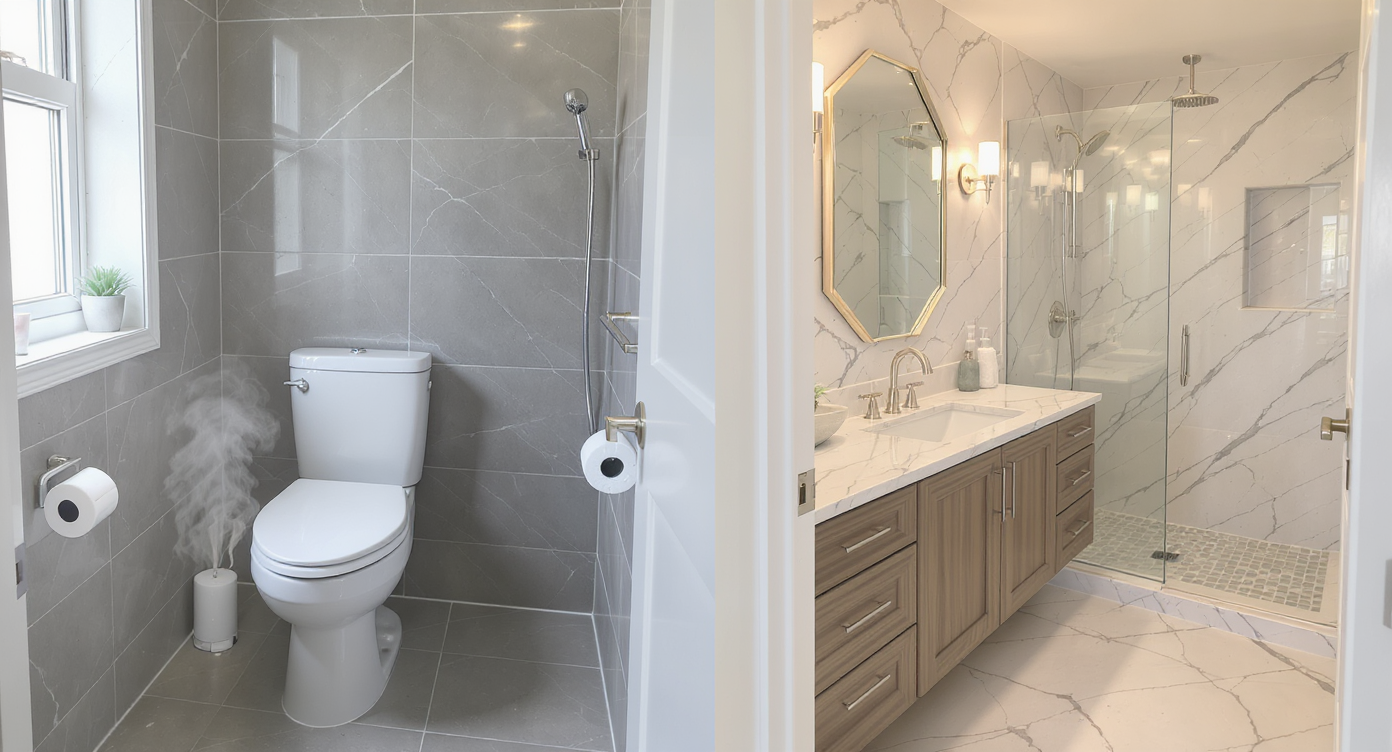
TL;DR
Unexpected sewer-like smells in bathrooms—whether compact or upscale—often have practical causes like dry traps, wax seal failures, or underused drains. Fan upgrades, infrequent use, and lack of finishing touches can all draw out hidden odor issues. Routine maintenance and specific small updates deliver lasting freshness.
When Odors Disrupt Even the Most Polished Bathrooms
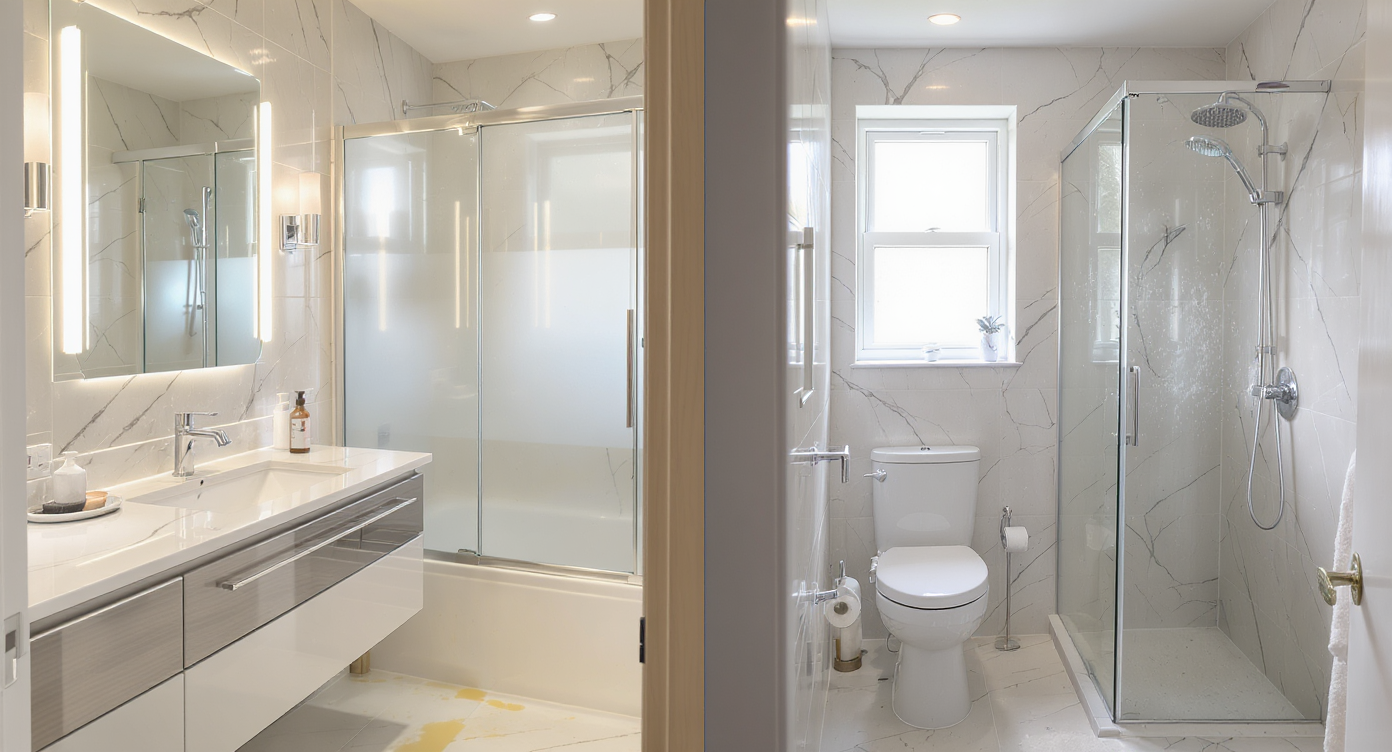
Side-by-side modern bathrooms—luxury and compact—appear pristine, yet subtle real-world clues hint at a sudden, puzzling odor problem.
It’s a familiar and unwelcome surprise—a bathroom that looked and felt perfectly fine for years suddenly develops a disconcerting odor, seemingly out of nowhere. For many homeowners, the first instinct is to locate a dramatic plumbing failure, but the real culprits are often far more insidious and easier to overlook. This challenge isn’t exclusive to older homes or budget interiors. Even luxury bath spaces can fall prey to these problems, especially after minor renovations or neglected maintenance. Understanding why these odors surface, and how subtle design details can make—or break—a bathroom’s ambiance, arms you to tackle them efficiently and elegantly.
-
What Changes When Odors Suddenly Appear
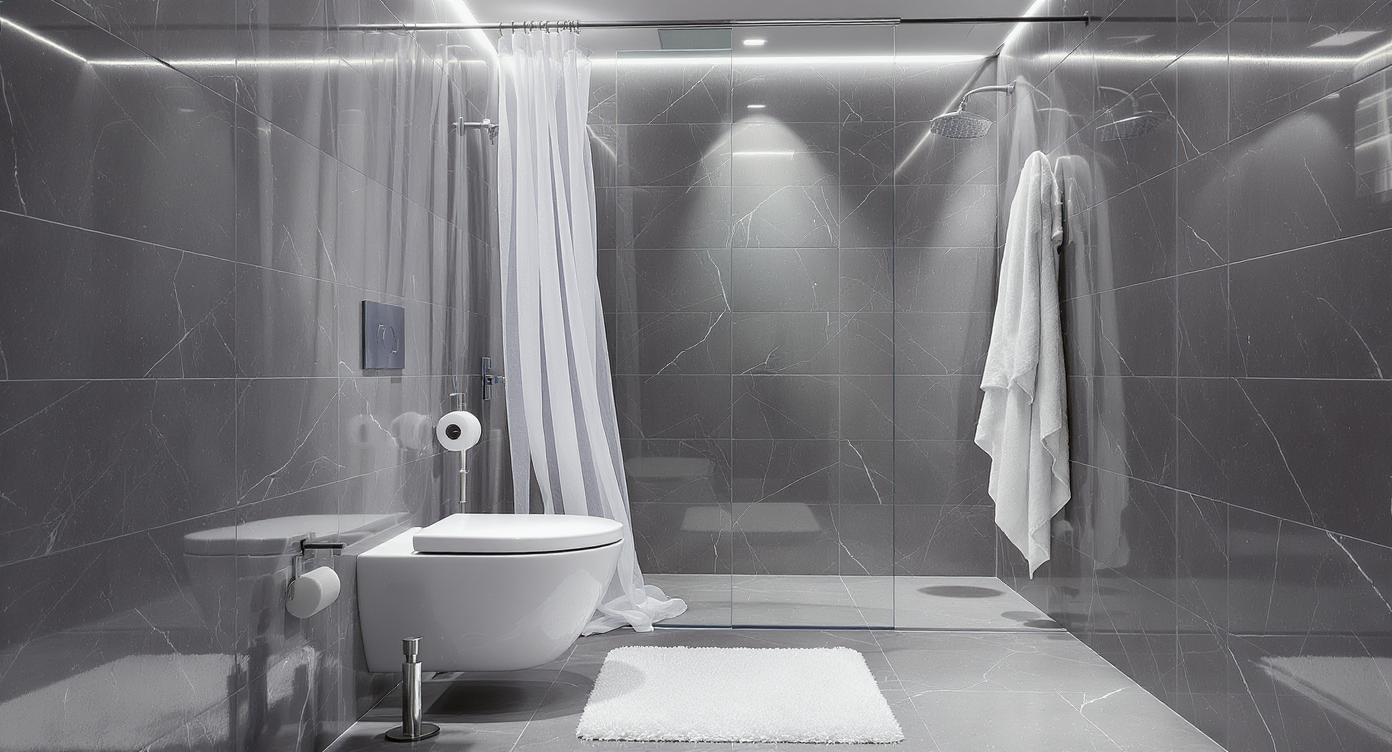
A new exhaust fan and simple updates like curtain height or rug placement subtly influence airflow and odor movement in a compact bathroom.
Bathrooms rarely exist in a vacuum. Even those that have given years of reliable service without leaks or odd smells can shift overnight. Many discover odor issues immediately after fixing or installing an exhaust fan, painting walls, or even after introducing a new shower curtain. The reason is often hidden within the mechanics of modern bathrooms—the way air circulates when a fan operates, how seldom-used drains dry out, or how a minor hardware update affects airflow. For example, powering up an unused exhaust fan can create negative pressure, subtly pulling air from rarely used drains or small leaks in a wax ring seal beneath the toilet. The effect magnifies in smaller baths, where each element, from curtain height to rug placement, impacts how air and odors move. According to designers, even seemingly minor aesthetic choices—like leaving a curtain too low or using cool, unlayered lighting—can unintentionally highlight negative qualities rather than diffuse them. These nuances also apply to compact bathrooms in luxury homes, as their tightly controlled layouts magnify the impact of a single flaw.
Expert Insight
A homeowner noticed an off-putting smell the week after updating their bathroom lighting and installing a new exhaust fan. Despite pristine surfaces and freshly painted walls, the odor lingered until a plumber discovered that the guest bath’s shower drain trap had dried completely. Running the shower briefly restored a water seal—and the problem vanished. The lesson was clear: even high-style bathrooms depend on invisible maintenance.
-
Why Drains and Traps Are Silent Saboteurs
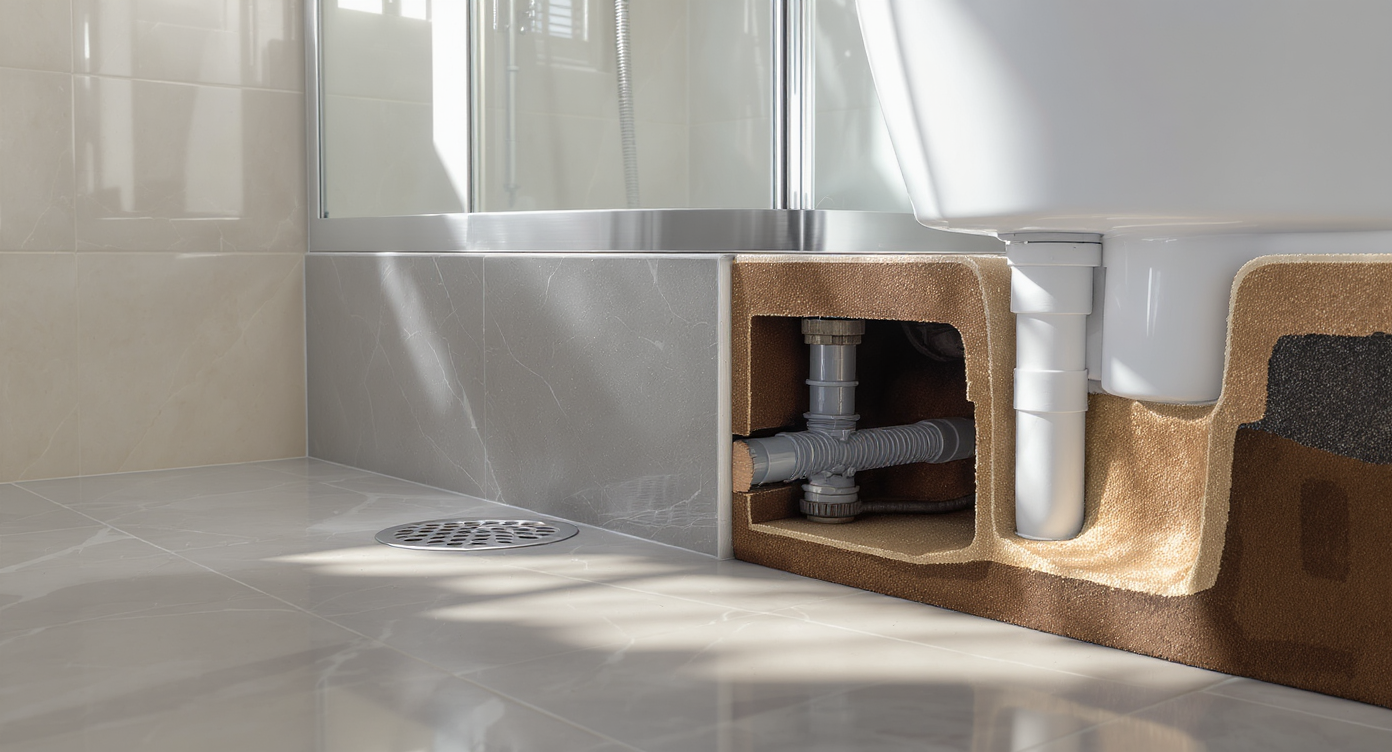
Photorealistic view showing floor and shower drains with water-filled traps and a wax-sealed toilet base—the hidden elements that can block or release bathroom odors.
Even the best-designed bathrooms rely on practical plumbing elements to keep odors at bay. When odor issues appear only after using an exhaust fan, the root cause is typically a dry or underfilled drain trap—a simple water barrier that blocks sewer gas. If a tub, shower, or floor drain is rarely used, water can evaporate over time, opening an invisible channel for unpleasant smells. Designers and home stagers often recommend intentionally running water into each drain periodically, particularly in lesser-used powder rooms or guest suites. Some suggest that mineral oil, rather than water, forms a longer-lasting seal, but this technique requires caution for environmental reasons. Mechanical and visible finishes also play a supporting role. For example, a compromised wax seal beneath a toilet or unseen debris in a shower drain may be exposed only when airflow increases, revealing odors that linger beneath the surface. The trick is staying mindful of not just what you see in the bathroom—tile, paint color, curtain choice—but also what you don’t see, like pipes, traps, and vents. In many cases, final design flourishes and hardware selection deliver as much practical value for odor control as they do for looks.
-
Lighting, Airflow, and the Perception of Freshness
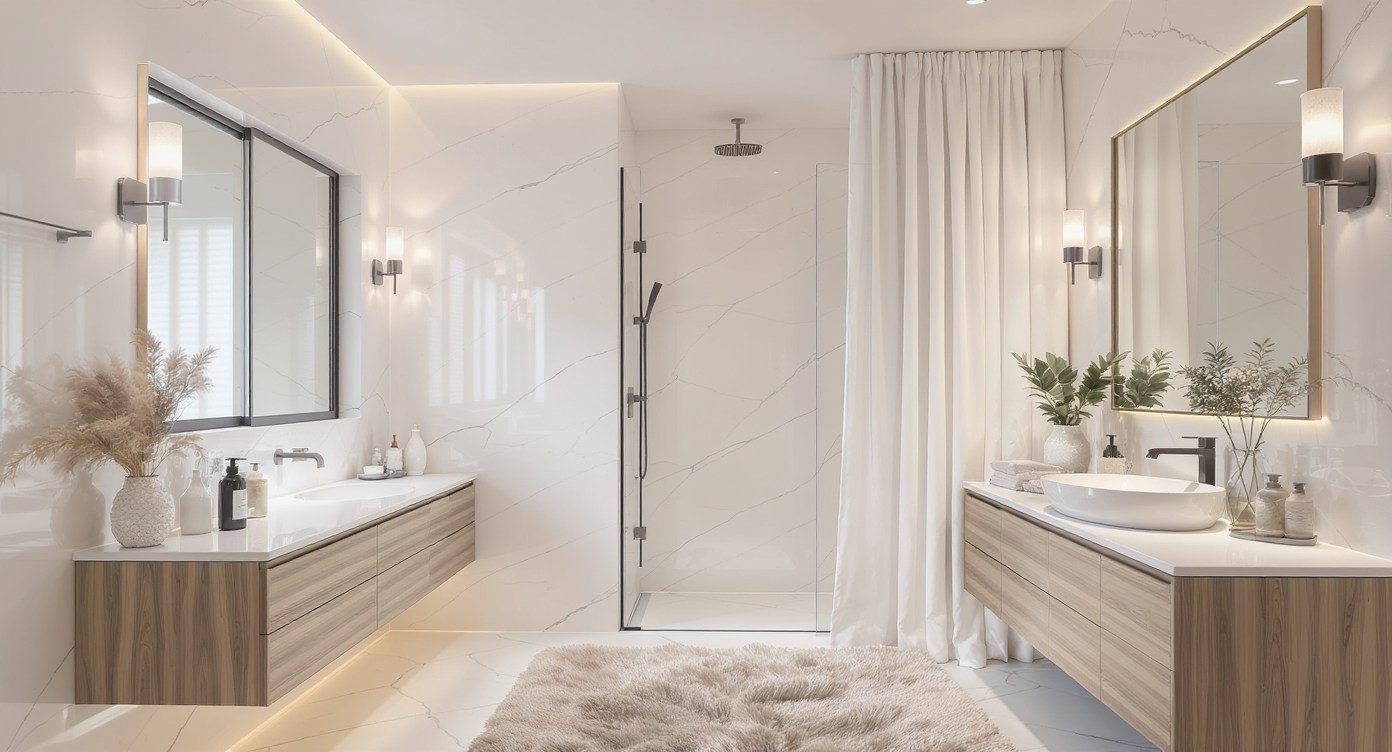
A real-world bathroom scene with warm, layered lighting, balanced airflow, and thoughtful object placement for a fresh, comfortable feel.
Light and air movement shape not just the look, but the genuine comfort and cleanliness of a bathroom. Designers repeatedly emphasize the importance of warm, layered lighting—not simply for aesthetics, but because it helps mask shadows, highlight clean finishes, and keep spaces feeling lived-in rather than stark. The same principle applies to bathroom airflow. An exhaust fan that works too well, or when improperly routed, can actually create odor issues by drawing air from places it shouldn’t. Finding a balance is key. Layered ambient and task lighting, such as the warm 2700–3000K bulbs discussed in bathroom refresh strategies, gives bathrooms both function and a positive sensory impression. Complement these with small adjustments—raising the shower curtain, ensuring fixtures align, or adding an oversized bath rug—and the space naturally maintains a clean scent. In both compact and luxury settings, every design adjustment has the potential to shift the balance between fresh and overly clinical, or clean and faintly musty.
-
Real-World Examples: Small Tweaks, Dramatic Results
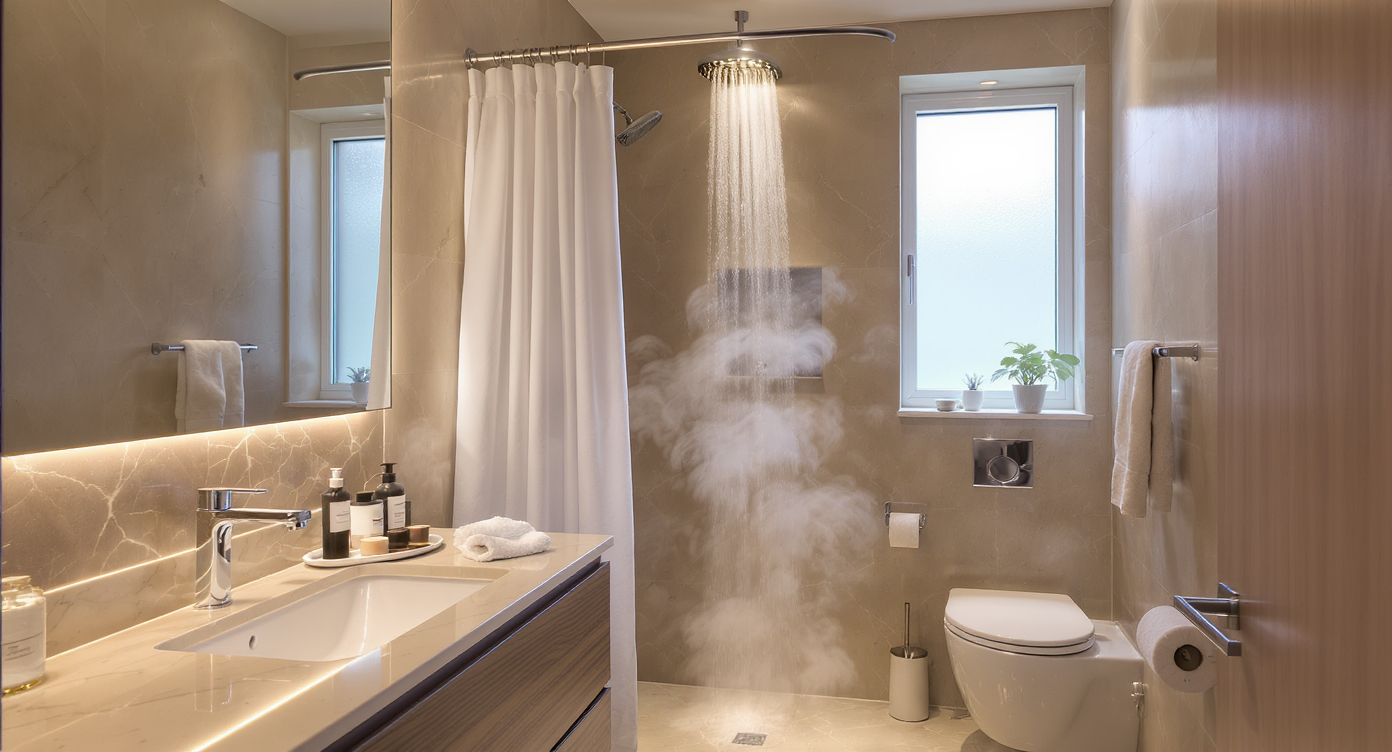
Realistic guest bathroom with high-hung shower curtains, running shower, and warm lighting, showing smart tweaks for a fresher space.
Picture a guest bathroom that is only used over the holidays. During the rest of the year, evaporation causes the water in the drain trap to disappear, leading to a persistent, unplaceable odor. Simply running the shower for a few minutes before guests arrive swiftly resolves the issue. In a recent remodel, a designer working with a compact city condo found that adding a second curtain rod, raising existing curtains closer to the ceiling, and switching bulbs to warm temperatures not only improved the sense of space but eliminated lingering damp odors as well. In luxury homes, homeowners sometimes notice odors resurface after a minor update, such as replacing exhaust fans or rearranging hardware. The culprit? Unused drains or a slightly ajar wax ring seal under the toilet, both of which become obvious only when airflow patterns change. These scenarios show how closely scent and ambiance are linked, and why holistic updates—blending visual, mechanical, and usage adjustments—bring longer-lasting freshness than quick cleaning fixes alone.
-
Common Mistakes to Avoid
One of the most prevalent mistakes is over-relying on chemical drain products, which can damage plumbing over time and fail to address the underlying issue. Placing aesthetic finishes before function, such as prioritizing high-design fixtures at the expense of vent and trap placement, is another common source of stubborn odors. Delaying inspection of wax seals, trap water levels, and airflow orientation—especially after a renovation or repair—can let subtle problems escalate. Misunderstandings about the purpose of exhaust fans, such as assuming greater airflow is always beneficial, can lead to new odor problems rather than solving them. Finally, overlooking the way design choices affect air currents—like very low shower curtains or insufficient floor coverings—may unintentionally trap or direct odors into the space.
-
Tips and Expert Insights for Bathroom Freshness
Professional designers and experienced homeowners agree: start by addressing the basics. Make a routine of running water into all bathroom drains—showers, tubs, even floor drains—at least once a month to maintain trap water levels. After any bathroom update or installation, check that wax seals remain undisturbed and caulking is intact, but leave a gap at the back of toilets to allow for undetected leaks to show themselves. Designers also recommend reevaluating your lighting and curtain placement. Warmer bulbs, curtain rods set closer to the ceiling, and plush bath textiles all add comfort as well as help maintain a sense of freshness. These strategies contribute both visually and functionally, especially relevant in compact bathrooms or rentals where deeper renovations may not be feasible. Functional updates in rental bathrooms often make the crucial difference without invasive changes.
-
How to Use This in Your Next Designs
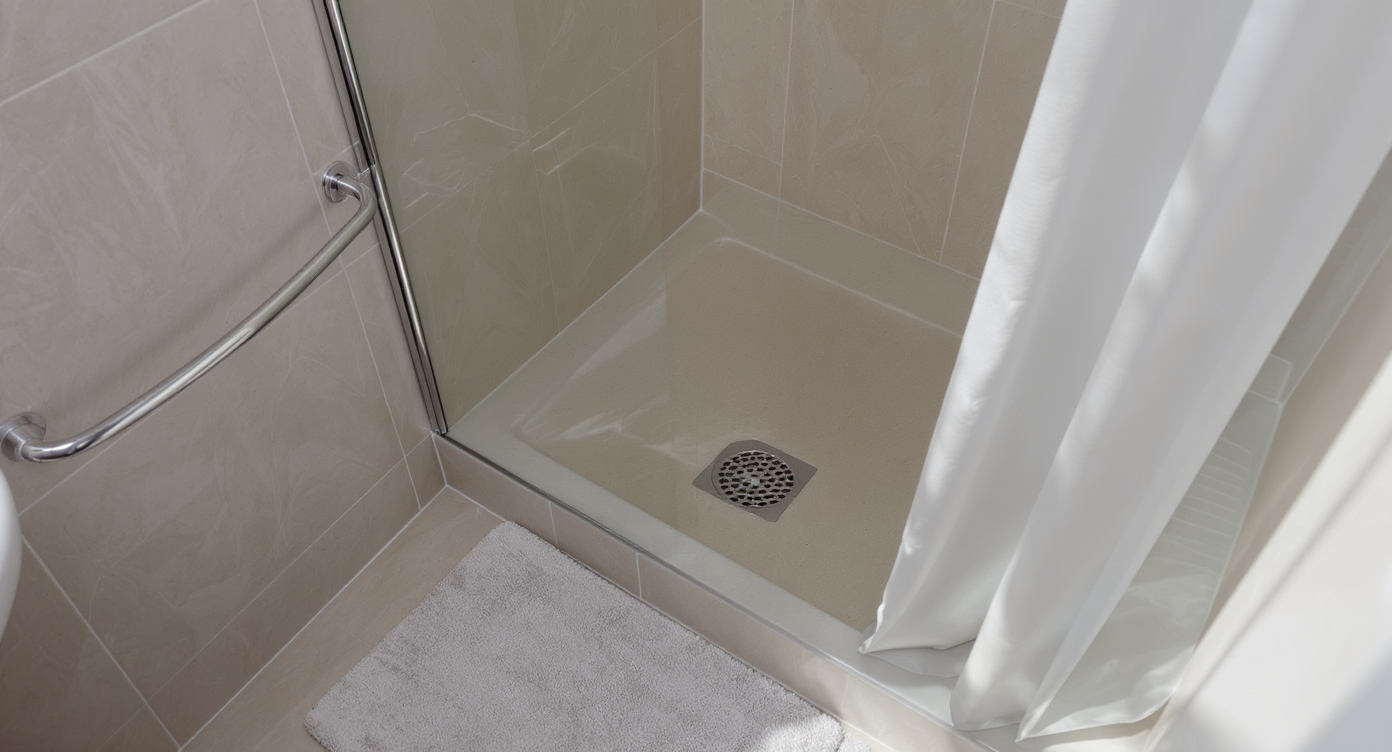
Editorial view of a compact bathroom setup with accessible rug, flexible curtain, visible exhaust fan, and open drain—showcasing form, function, and proactive design cues.
Approach bathroom updates with equal parts form and function. Whether tackling a compact city bath or a luxury suite, remember that small, well-judged design choices work in concert with routine mechanical checks. Before making visual changes, assess the exhaust fan’s orientation and double-check drain usage patterns. Plan for accessible rugs and flexible curtain placements to adapt quickly if a latent odor issue appears. Making routine maintenance a part of your design plan—by factoring in visual cues for infrequently used drains or invisible elements like wax seals—enables you to preempt odor issues rather than scramble to address them after they arise. The rooms that feel freshest are those where every choice, from the lighting to the drains, supports both style and clean, healthy living.
Visualization Scenario
Imagine a bright, newly renovated bathroom with crisp tile, elegant fixtures, and a plush, oversized rug. Warm, layered lighting makes the space look inviting and soft shadows blur harsh corners, but just as you settle into your morning routine, an unexpected odor disrupts the sense of tranquility. The cause isn’t cosmetic—it’s a dry trap in a little-used tub. A quick, regular flush of water and a simple check of the fan’s airflow restore both order and comfort, letting the design shine through.
Bathroom Odor and Maintenance FAQ
- Why does my bathroom smell only after using the exhaust fan?
- Operating the fan can create negative air pressure, pulling odor from dry or poorly sealed drains or pipes. Addressing dry traps and ensuring wax seals are intact typically resolves this.
- What’s the safest way to maintain clean-smelling bathrooms?
- A routine of running water through every drain and keeping an eye (and nose) on wax seals, combined with thoughtful lighting and textile choices, typically keeps odors at bay.
- Are chemical drain cleaners a good solution?
- Most professionals recommend skipping harsh chemicals in favor of mechanical cleaning and preventive habits, as repeated chemical use can damage pipes and finishes.
- Do design details really help with odors?
- Yes, details like curtain height, warm lighting, and well-placed bath textiles all support consistent airflow and comfort, which in turn help disperse or disguise minor odors.
- Can I preview design and functional changes before remodeling?
- Absolutely. Services like ReimagineHome.ai let you visualize layout, color, and material updates virtually before making any investment.
Design for Freshness, Plan for Practicality
Persistent bathroom odors are frequently the outcome of overlooked fundamentals—neglected drains, altered airflow, or tiny lapses in finishing touches. The solution is not just a deep clean, but a combination of reliable routine maintenance and targeted design updates. Every bathroom, from streamlined compact spaces to luxurious retreats, can easily become fresher, more welcoming, and truly relaxing with the right blend of attention, insight, and planning. For those interested in visualizing these changes before investing, ReimagineHome.ai offers an easy way to test out updates and ensure both beauty and comfort.