9 Bedroom Lighting Placement Mistakes: Practical Rules for Pendants and Sconces
TL;DR
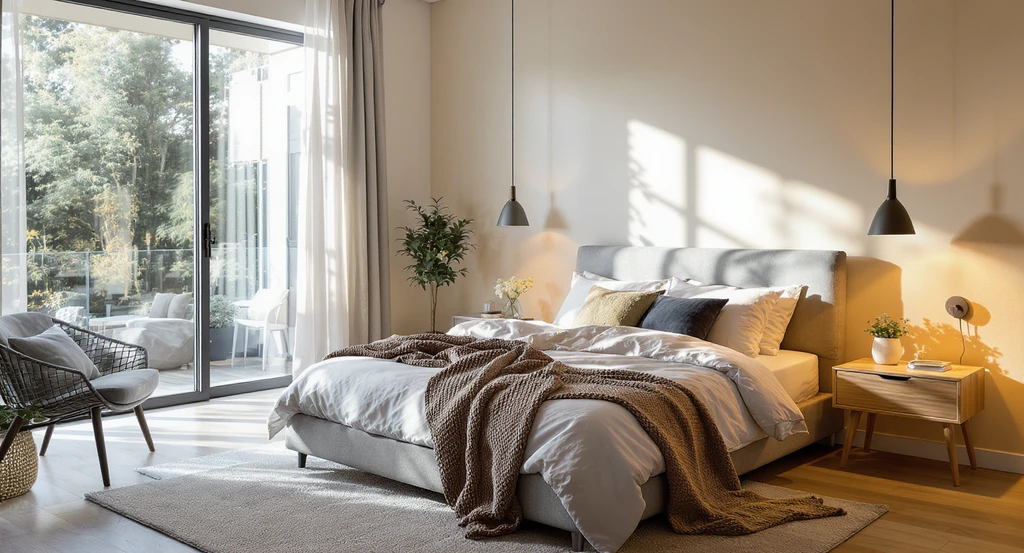
Use sconces for ceilings under 9 feet, pendants only for 9 feet and above. Mount sconces 60–66 inches from the floor, pendants 28–36 above nightstands. Always use warm bulbs (2700K–3000K, 90+ CRI), install dimmers, and preview fixture placement before drilling.
Why Placement, Not Style, Is Crucial in Bedroom Lighting
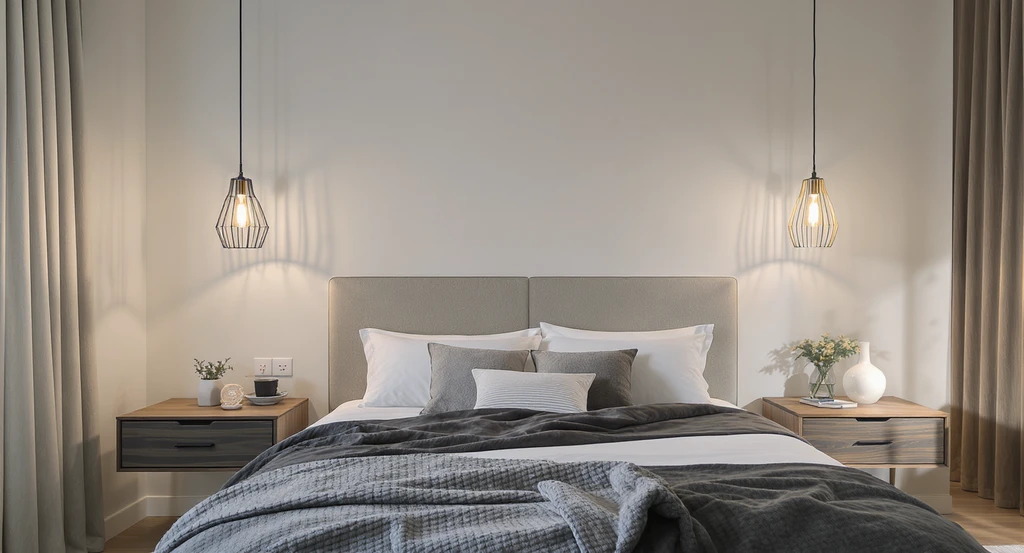
A photorealistic ai bedroom lighting placement guide depicting common lighting mistakes in ai design—uneven pendant light height and badly chosen sconces. Optimizing pendant height with ai and learning how to choose sconces with ai visualization helps avoid discomfort and glare.
Effective bedroom lighting depends on practical placement, not just attractive fixtures. The right mounting height, layout, and type (pendant versus sconce) directly affect how comfortable and usable your room feels. Mistakes like glare, unbalanced light, or physically awkward positioning can make even the most beautiful lighting hard to live with. According to recommendations from the Illuminating Engineering Society (IES), lighting for bedrooms should focus on visual comfort, glare control, and meeting task needs, especially since bedrooms double as reading and relaxation zones. Many errors stem from prioritizing decorative choices before checking fundamentals like ceiling height, headboard proportion, and intended function. This guide breaks down nine of the most common bedroom lighting placement mistakes, with clear correction methods and layout rules you can apply right now.
-
01. Ignoring Ceiling Height When Selecting Fixtures
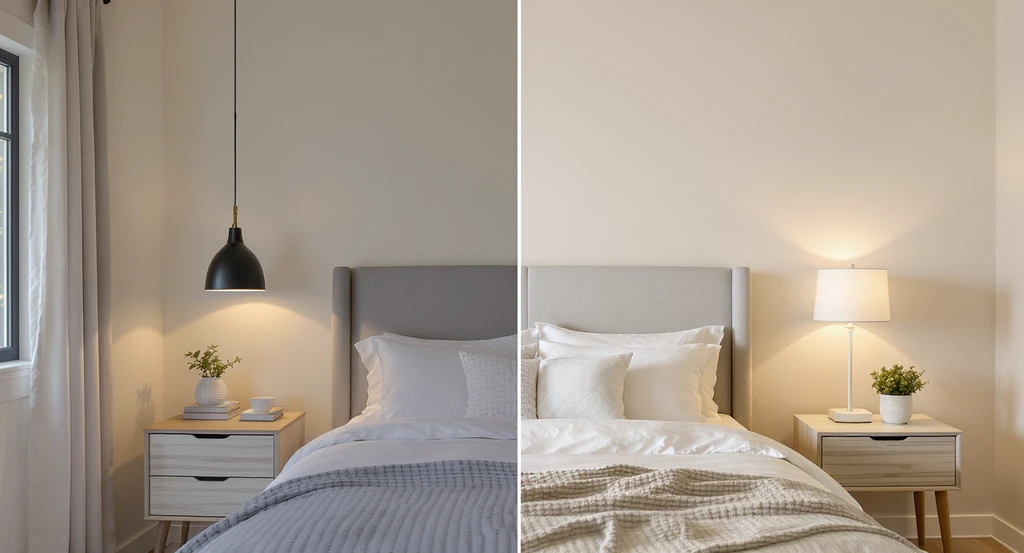
AI bedroom lighting placement guide: Avoid common lighting mistakes in AI design by choosing wall sconces over pendants in rooms with ceilings under 9 feet and visualizing correct light heights with AI-driven insights.
Installing a pendant light in a standard 8-foot bedroom causes visual clutter and, often, dangerous head clearance issues. Pendants require vertical space, their stems and shades take up room above your nightstand. In a low-ceilinged space, they compress the room’s height and disrupt comfort. Rule: For ceilings under 9 feet, always choose wall sconces. Use pendants only in bedrooms with ceilings at least 9 feet high. Measure your seated head height at the bedside to ensure clearances are suitable. This approach is reinforced in our guide to improving bedroom lighting and scale.
-
02. Placing Fixtures at the Wrong Height
Use this ai bedroom lighting placement guide to avoid common lighting mistakes. Visualize how to choose sconces with ai and optimize pendant light height for a balanced, well-lit bedroom.
Improper fixture height results in glare when sitting or reading, or leaves part of the bed poorly lit. Sconces mounted too high or too low, or pendants hung at the wrong level, can also make a room appear visually off-balance. Correct your installation by following these precise rules:
- Sconces: 60–66 inches from the floor to the fixture center.
- Pendants: Bottom edge should be 28–36 inches above your nightstand, with at least 6–12 inches of clearance above your seated head.
-
03. Overcrowding Nightstands or Wall Space
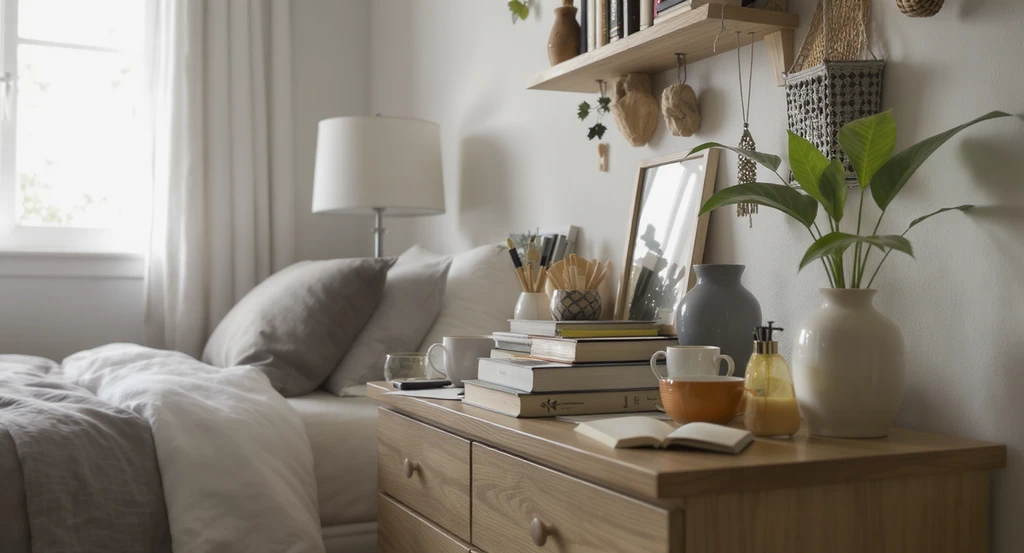
03. Overcrowding Nightstands or Wall Space Image
Large or over-scaled fixtures overwhelm small nightstands and reduce the usability of bedside surfaces. In compact bedrooms, cluttered or oversized lighting eats up valuable space and can make the room feel even tighter. Scaling Rule: The fixture should never exceed two-thirds the width of your nightstand, and at least 2–4 inches of space should be left on each side. As demonstrated in our 2025 small bedroom guide, wall-mounted sconces are an effective way to save space and keep the bedside clear.
-
04. Breaking Symmetry With Off-Center Placement
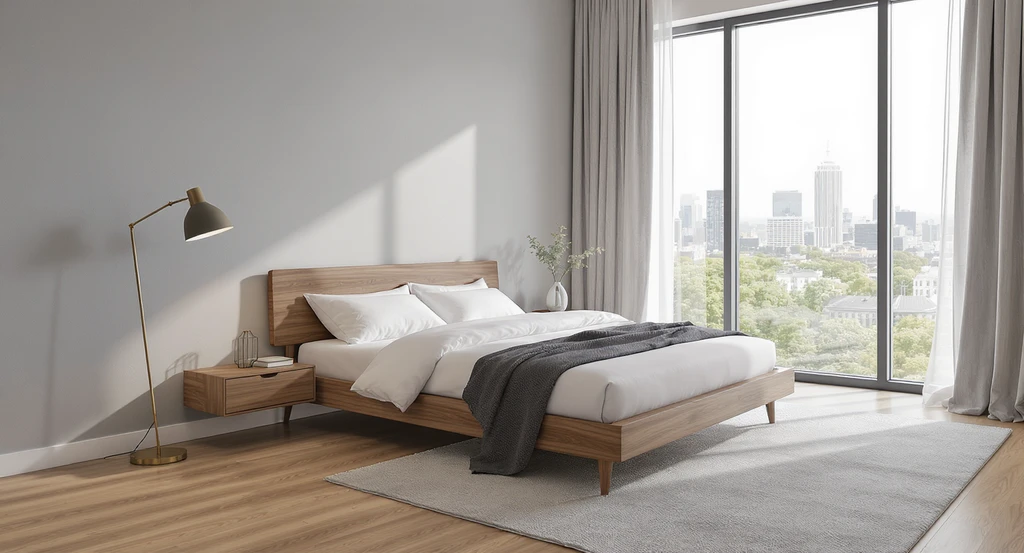
04. Breaking Symmetry With Off-Center Placement Image
When lighting isn’t centered over each nightstand, it disrupts the room’s visual calm and leaves lighting uneven on each side. Often, people accidentally align fixtures to the headboard or wall rather than the actual tables. Always anchor lighting placement to the centerline of each nightstand. Double-check both sides for identical measurement from the floor, ensuring symmetrical installation. This principle is especially important in shared bedrooms, adding a sense of balance and calm.
-
05. Mixing Fixture Types Asymmetrically
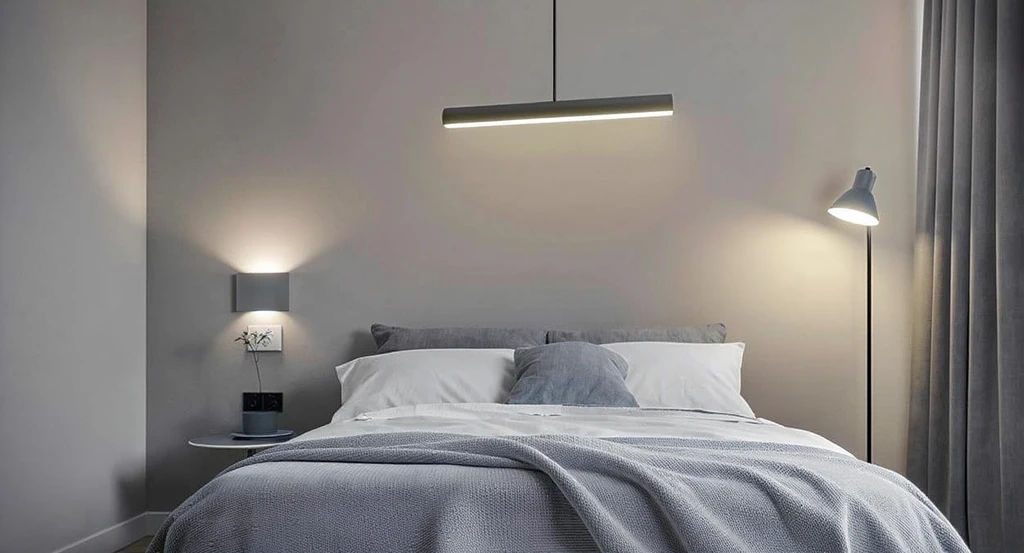
05. Mixing Fixture Types Asymmetrically Image
Pairing a pendant on one side and a sconce on the other can result in uneven lighting, mismatched brightness, and visual imbalance. This usually happens during phased updates or when prioritizing fashion over functionality. Maintain symmetry by matching fixture types, heights, and color temperature on both sides. If you need layered light, add a separate ceiling fixture or integrated LED, rather than mismatching the primary bedside lighting.
-
06. Using Bulbs With the Wrong Temperature
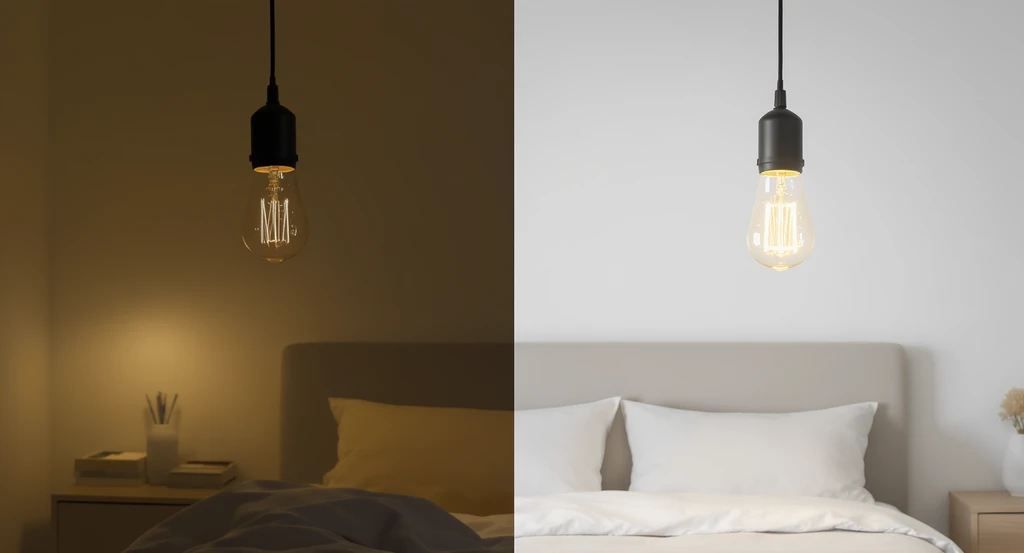
06. Using Bulbs With the Wrong Temperature Image
Bulbs that are too cool (4000K and above) make bedrooms feel clinical and disrupt relaxation. Warm white lighting (between 2700K–3000K) is best for winding down and supports melatonin production at night. Standardize bulb temperature across all bedroom lighting for visual unity and restful ambiance. If you want to learn how to enhance both color and mood, see our guide on warm-lighting and proper scale in bedrooms.
-
07. Skipping Dimmable Controls
07. Skipping Dimmable Controls Image
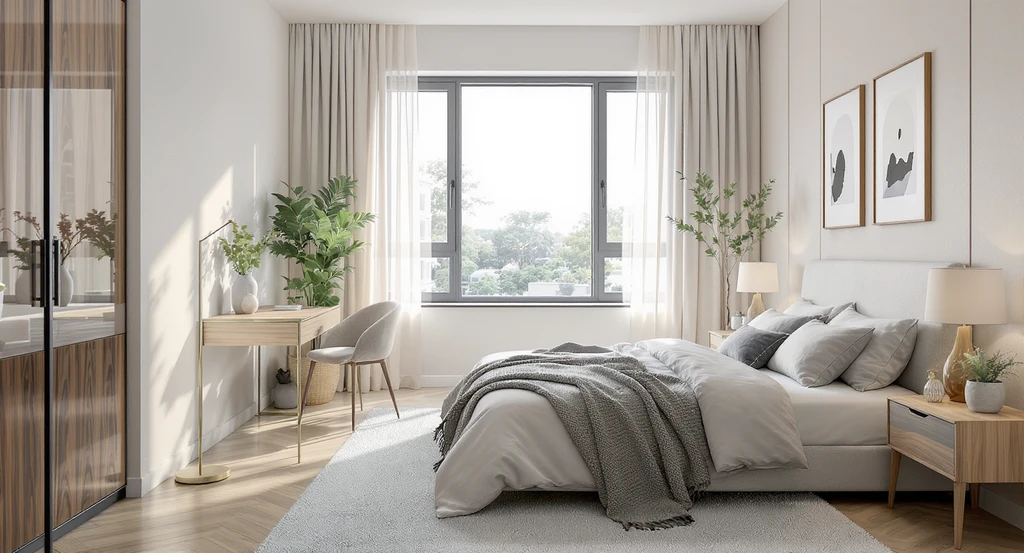
Without dimmers, bedroom lighting can only be fully on or off, reducing comfort for reading or relaxing. Often, this mistake is due to skipping the extra step of installing dimmable switches or bulbs. Use separate dimmers for each bedside fixture, or upgrade to smart bulbs with adjustable brightness. This allows you to customize light intensity for every need and improves evening routines for both partners.
-
08. Choosing Style Over Function
08. Choosing Style Over Function Image
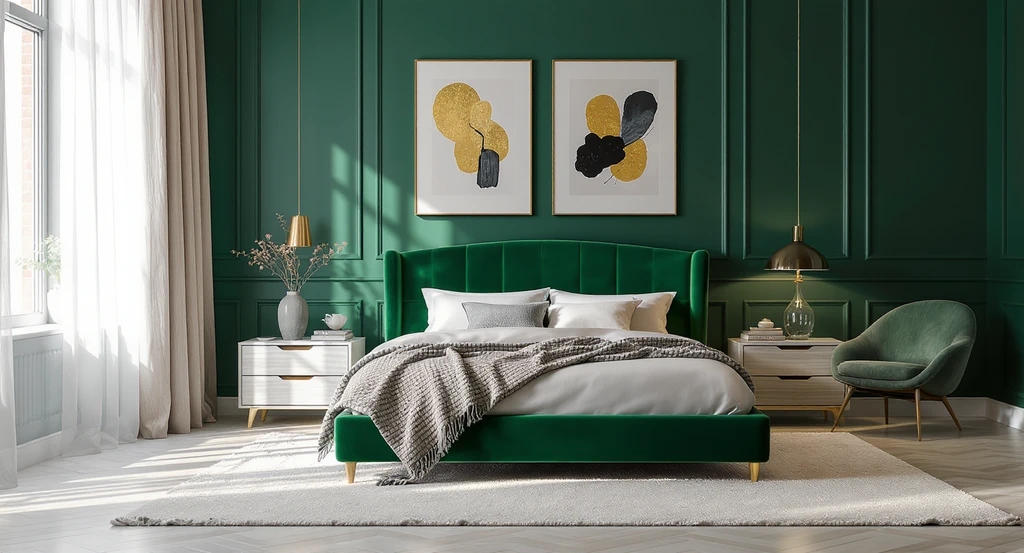
Selecting dramatic pendants just for their look sacrifices usability, especially for nightly readers or shared spaces. Adjustable-arm sconces give focused light for reading and can be aimed to avoid disturbing your partner, options fixed pendants can’t provide. Prioritize task lighting functions and ergonomics over trends. Pendants should be reserved for tall, spacious bedrooms where visual drama won't interfere with practicality. For more functional bedroom lighting ideas, explore our piece on maximizing small bedroom comfort.
-
09. Not Previewing Scale or Placement Before Installing
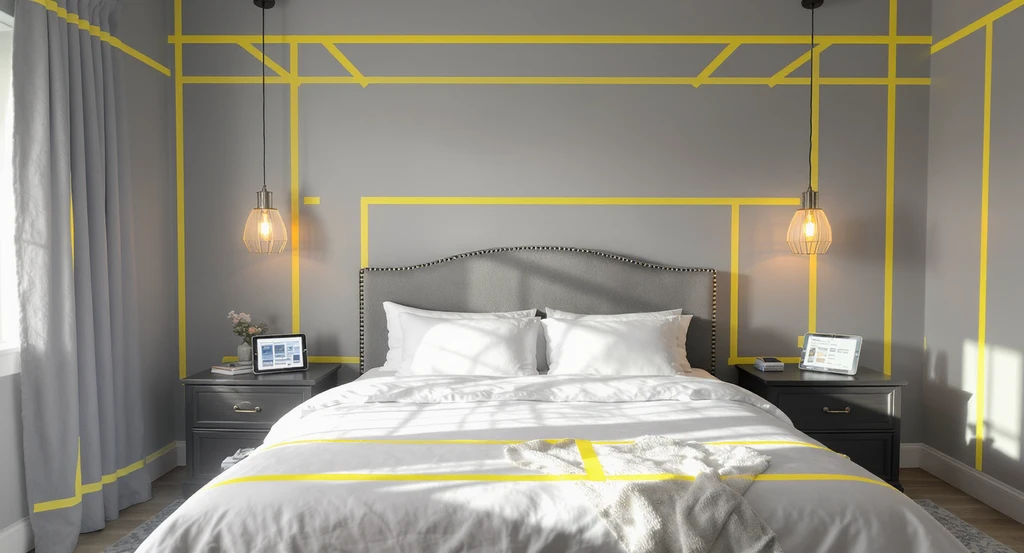
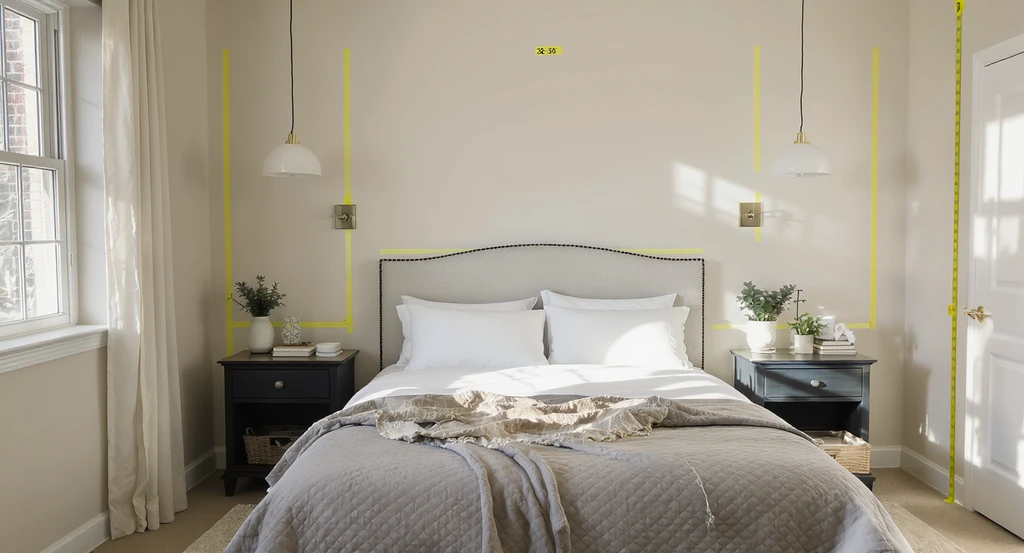
Previewing bedroom lighting with painter’s tape outlines and an ai bedroom lighting placement guide tablet helps optimize pendant light height and avoid common lighting mistakes. Use ai visualization to choose sconces and check fixture scale before installation.
A frequent reason lighting feels awkward is installing without a visual preview. Mistakes like oversized pendants dwarfing the nightstand or small sconces lost on a big wall often come from skipping this step. Before buying or drilling, use painter’s tape to outline fixture positions and view from different angles. For greater accuracy, preview options in your own space with a visualization tool such as REimagineHome AI. According to our insights on virtual staging for bedroom layouts, AI previews reveal scaling errors and shadow issues before committing, preventing costly or uncomfortable mistakes.
Bedroom Lighting Placement FAQ
- Should I use pendant or sconce lighting in a small bedroom? Wall sconces are preferable—they save space and fit small layouts better, as advised in our small bedroom trends guide.
- What’s the optimal height to mount bedroom sconces? Sconces should be mounted 60–66 inches from the floor to the fixture center, adjusted for mattress and headboard height if needed.
- Can I mix pendant and sconce fixtures on each side of the bed? Only if both sides are symmetrical in type, height, and brightness. Otherwise, keep fixtures matching for balance.
- What bulb temperature and CRI should I use? Choose 2700K–3000K warm white, 90+ CRI for comfort and accurate color.
- How can I preview lighting placement before installing? Use painter’s tape for a simple mockup, or try an AI visualization tool such as REimagineHome AI for photorealistic previews of scale and placement.
Key Takeaways: Measure, Symmetry, and Preview for Bedroom Lighting Success
The most effective bedroom lighting is tailored to your room’s dimensions, activities, and wellbeing, proportion, symmetry, and light temperature matter much more than decorative trends. Always measure ceiling and headboard heights, scale fixtures to fit beside your bed, install dimmers, and preview placement before mounting anything permanent. For more visual demonstration and detailed bedroom lighting ideas, browse our linked guides above.