9 Lessons Every Beginner Learns from Their First DIY Restoration Project
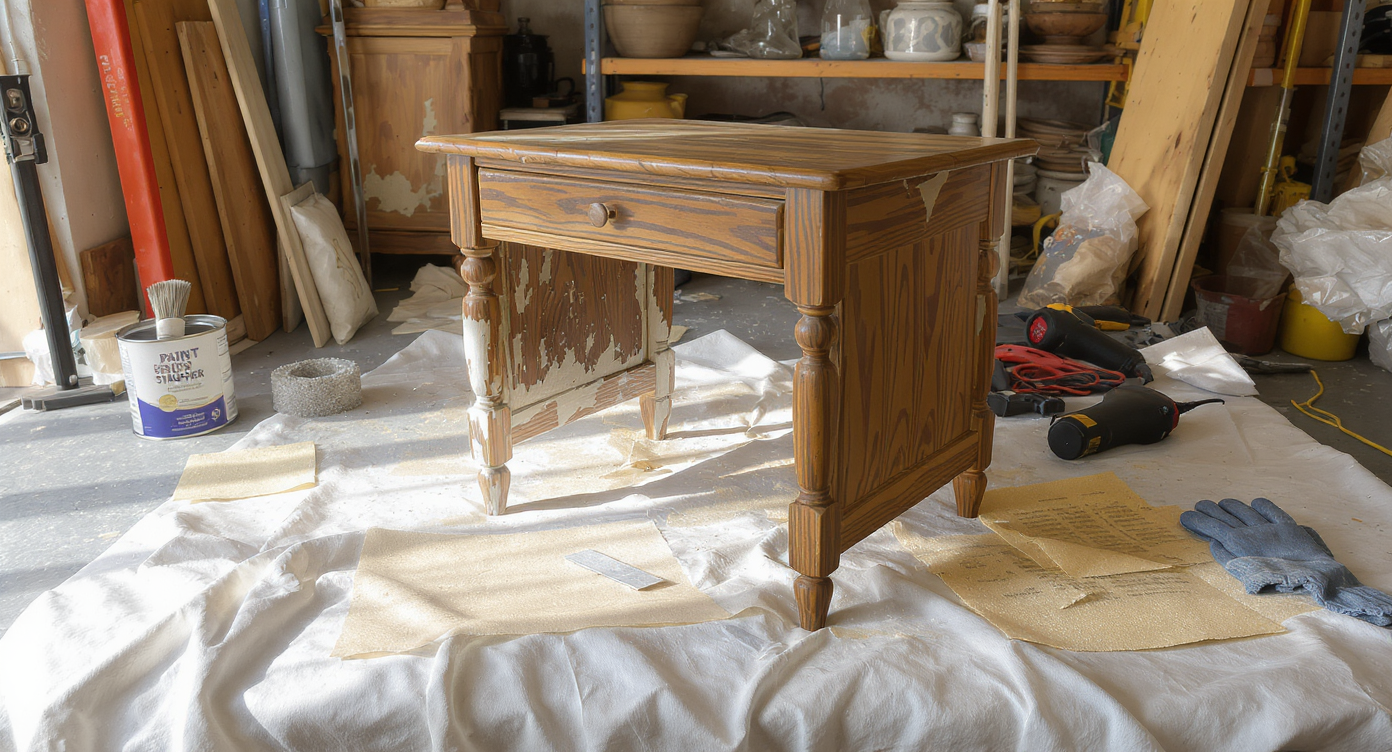
TL;DR
Restoring an ornate mirror or other thrifted piece often reveals hard truths about product quality, finish techniques, and what can or cannot be achieved with DIY. Beginners regularly discover that not all pieces can be completely transformed—and that sometimes pivoting to a new decorative direction is the smartest choice.
Why First-Time DIY Restorations Are So Eye-Opening
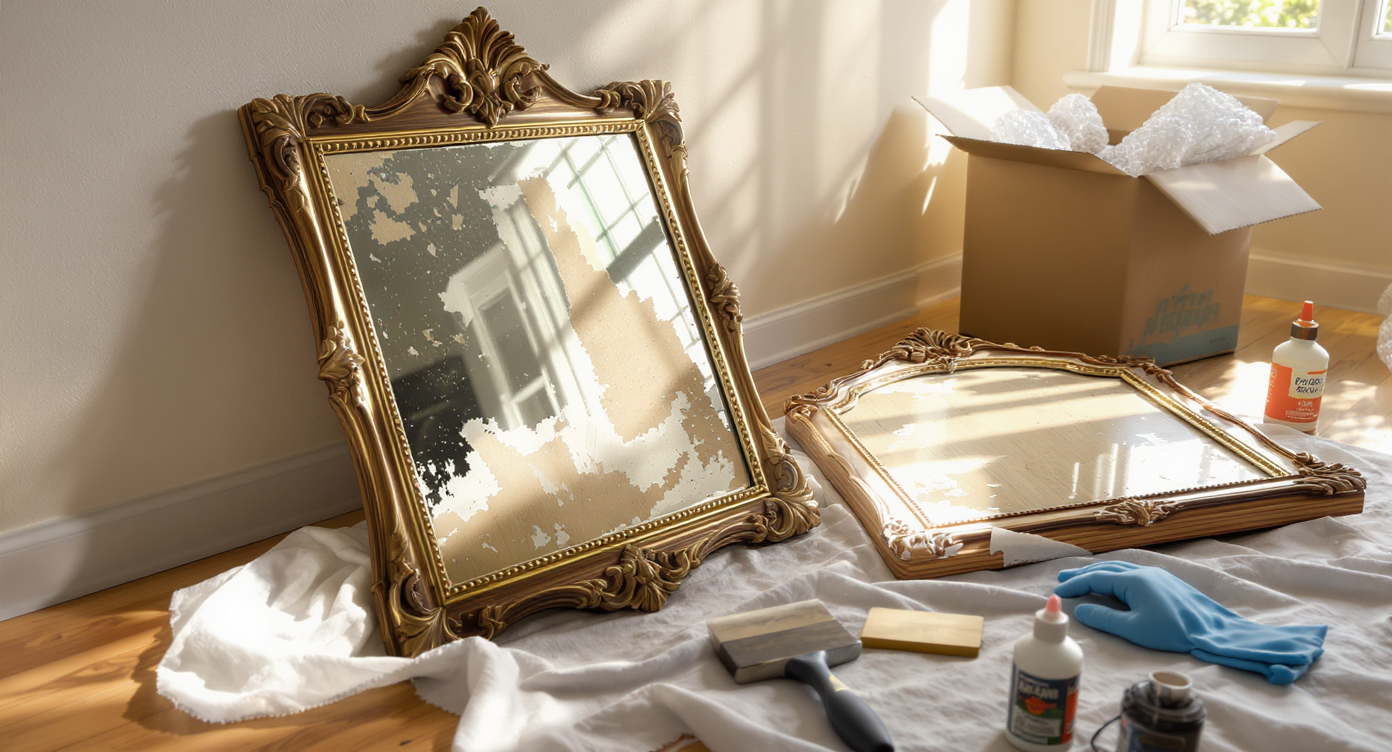
DIY restoration workspace with an ornate mirror and accent piece revealing mass-produced materials beneath, surrounded by restoration tools.
Tackling a complex DIY restoration as a beginner, whether it is an ornate mirror or a “hand-carved” accent, quickly calls your expectations into question. When the finish does not match the listing and the wood grain is suspiciously absent, the reality of online decor shopping versus in-person craftsmanship comes into focus. Understanding these hurdles is crucial, particularly as mass-produced decor floods marketplaces promising artisan charm at accessible prices. This list is for anyone facing the aftermath of their first restoration project gone sideways, inspired by the shared experiences of those eager to achieve a unique and personal look—only to find out that not every item can become the heirloom they imagined. Here, we break down nine practical, hard-learned lessons every beginner encounters and how to move forward with more confidence.
-
1. Not All “Hand-Carved” Items Are What They Seem

Identical ornate mirrors with different finishes illustrate how machine-made pieces can be mistaken for authentic hand-carved decor.
One of the first surprises for new DIYers is that many ornate mirrors or accent pieces marketed as hand-carved are mass produced using machines like CNC routers or injection molds. Subtle cues—such as identical detailing across different sizes or finishes and listings that offer multiple versions—are telltale signs. As noted by collectors and designers, genuine craftsmanship rarely offers multiple identical options, and true one-of-a-kind artisan work comes at a higher premium. Before investing time or money, always inspect reviews with user-uploaded images and take advantage of reverse image searches to verify authenticity.
-
2. The Realities of Mass-Produced Materials
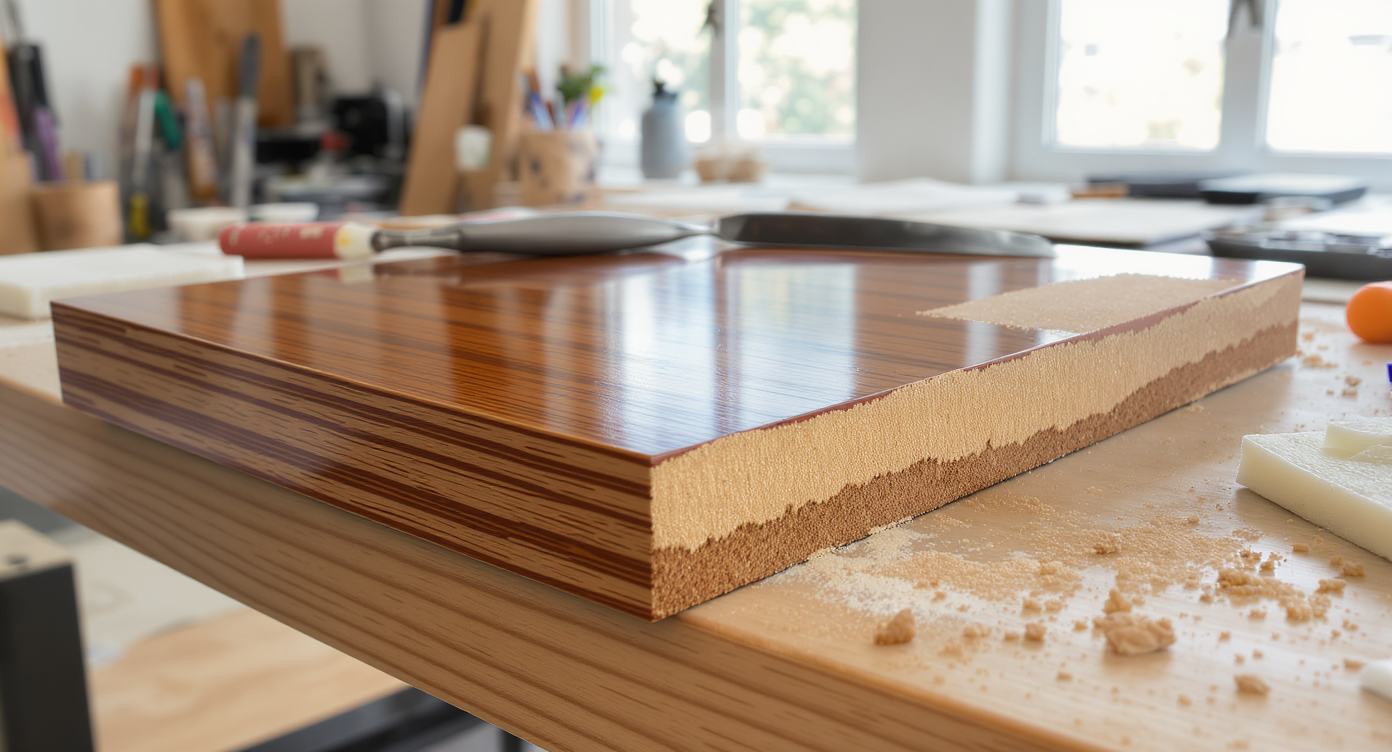
Stripping finishes from mass-produced furniture often reveals MDF or composite materials beneath paint and wood-like veneers.
What looks like solid wood in photos can turn out to be MDF, resin, or even composite plastics in person. Beginners are often dismayed when they attempt to strip a finish, only to discover an unappealing substrate beneath layers of paint or faux grain film. Manufacturers use heavy coatings to obscure these materials, meaning that even with dedicated effort, restoring the underlying surface to a natural wood look is typically unattainable. Thoroughly inspect the item or, if possible, test a hidden patch before attempting major refinishing work.
-
3. Beginner Errors: Overestimating What Refinishing Can Fix
Many first-time restorers make the error of assuming any decorative piece can be stripped and re-stained to reveal beautiful wood. In reality, thick synthetic finishes or underlying glued planks limit what is possible. According to our exploration of budget decorating ideas for small spaces, careful evaluation of materials is a must before launching into labor-intensive stripping or sanding. Testing a small patch on the back is preferable to committing to a full-scale project that cannot be reversed.
-
4. Marketplace Pitfalls: Image vs. Reality
Online marketplaces are rife with listings using stylized or altered imagery, often to hide production shortcuts. Listings that offer a wide range of colors and sizes or use digital renderings instead of photography are especially suspect. Professionals point out that artisan products should show natural variation and minor imperfections. If you see perfect symmetry or photoshopped wood grain, exercise caution. As with many shoppers’ experiences, cross-reference product listings and seller details to avoid costly letdowns.
-
5. When DIY Fails: Weighing Return vs. Reinvention
When a piece arrives and does not live up to its promises, returning it often makes the most sense—yet many DIYers feel compelled to salvage their purchase. It is wise to honestly assess the return policy and consider resale or upcycling options if a return is not possible. Sometimes, embracing the piece’s inherent material and pivoting to a creative paint, gold-leaf, or fantasy-themed finish will yield a more satisfying result than struggling for authenticity. For inspiration, a look at approaches like those in thrifted decor transformations can help reframe your expectations.
-
6. DIY vs Pro: Understanding Project Scope
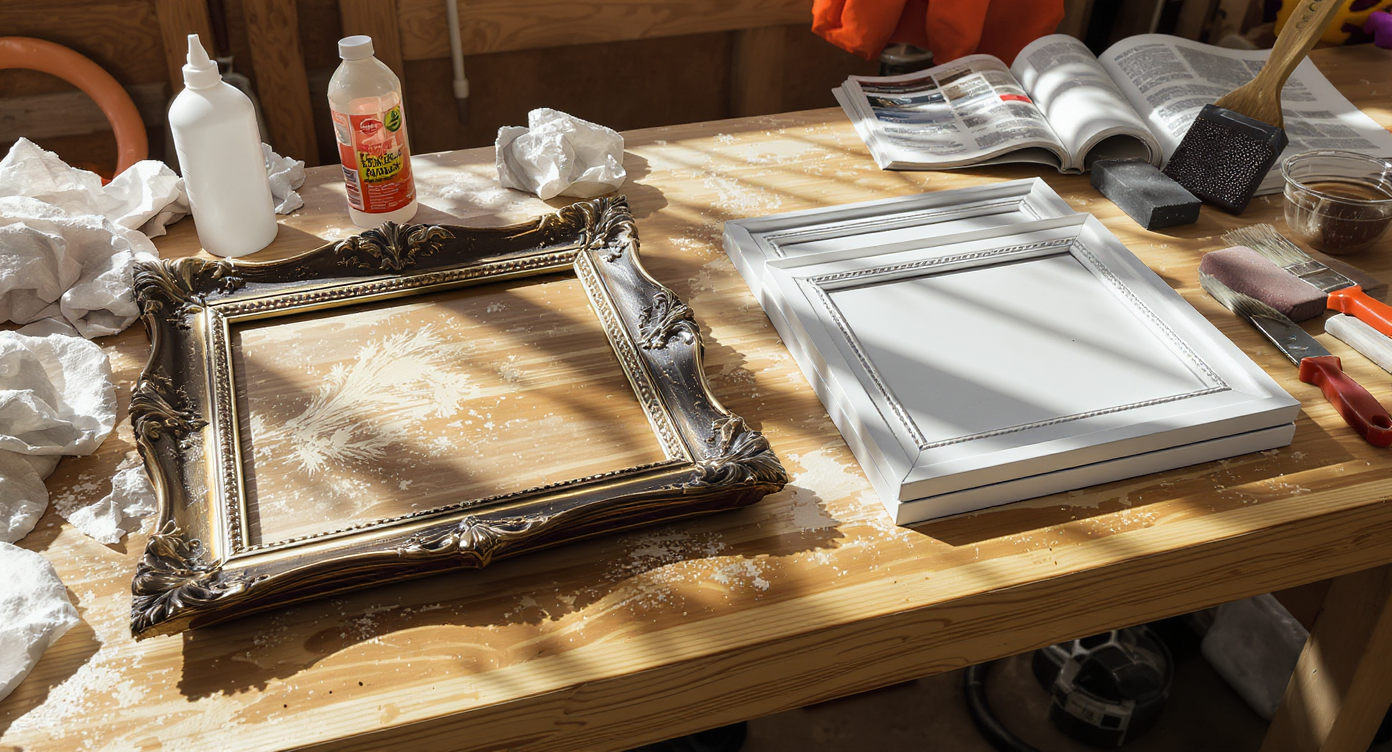
Workbench showing the challenge of refinishing intricate frames versus straightforward cosmetic DIY projects—highlighting when to call a pro.
The most successful remodel projects start with a realistic sense of what can and cannot be accomplished without professional help. Ornate, detailed frames with intricate crevices are notoriously difficult to strip or refinish by hand. Many experts recommend skipping risky chemical strippers or oven cleaner and instead consulting with a restoration specialist if the goal is to recover historic or valuable finishes. According to our review of DIY renovations and resale value, cosmetic changes are often best reserved for cosmetic materials. Leave structural work or historic restoration to the pros.
-
7. The Importance of Testing—And Accepting Limitations
A crucial step often missed by beginners is testing products or techniques on inconspicuous areas before proceeding. Whether it is paint, adhesive remover, or a new finish, results vary widely based on the underlying material. Some DIYers opt to use spray paint, gold leaf, or even a fantasy-inspired palette to embrace the original design instead of fighting its composition. Accepting the limits of mass-produced materials can save time, money, and disappointment in the long run.
-
8. Planning Makes All the Difference

A realistic workspace setup for planned DIY restoration, featuring tools, materials, and digital visualization tools for decision-making.
Effective planning prevents regret—especially as DIY projects often reveal hidden challenges midstream. Organize your approach, research the likely materials, and plan multiple outcome scenarios before lifting a single brush. Utilize visualization tools such as REimagineHome.ai to test color palettes, finish options, and restoration plans virtually. Careful upfront work allows you to spot potential flaws in your plan or in the item itself before they become expensive mistakes. Those embarking on budget projects may also find insights in strategies to plan a home renovation on a budget.
-
9. Learning from Disillusionment—And Moving Forward
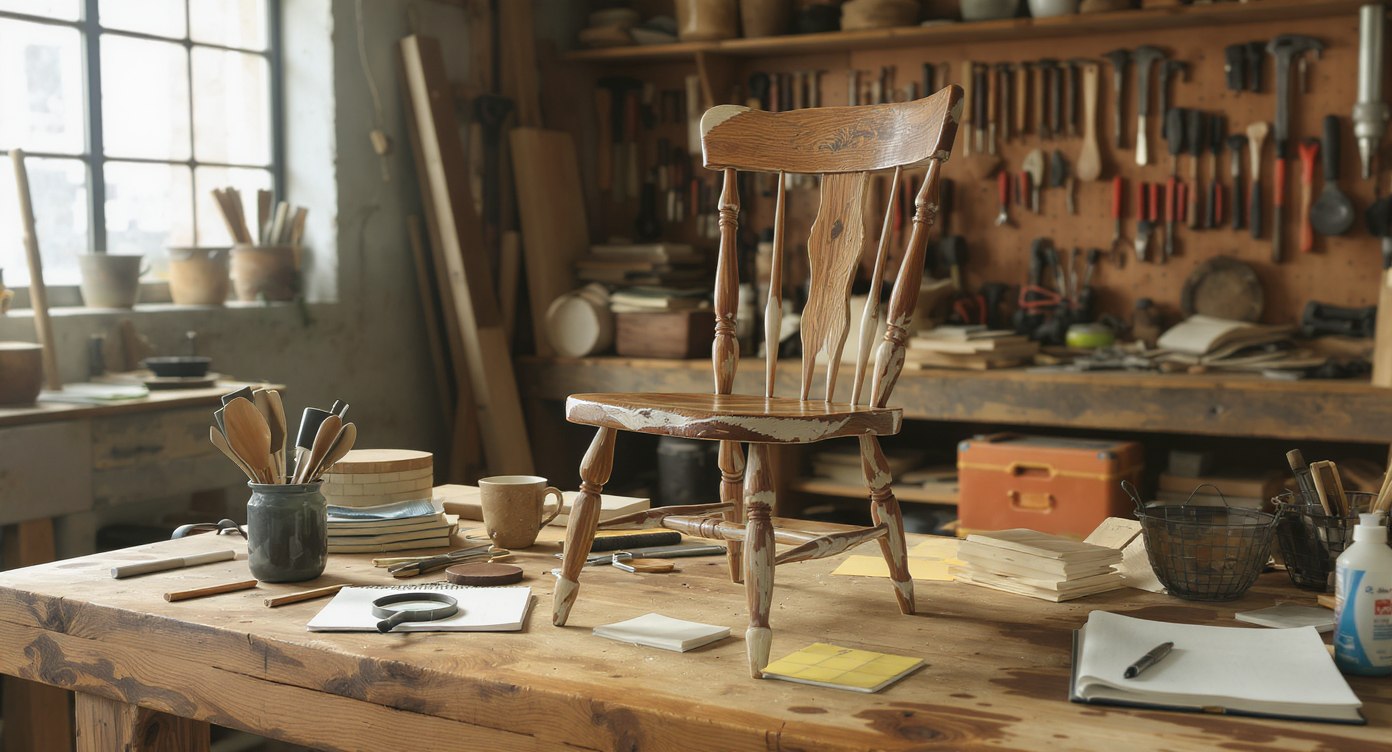
A workbench features an imperfectly restored chair, finish samples, and research notes—showing the growth and learning from DIY restoration challenges.
Every beginner learns humility from their first flawed DIY restoration, but this is the moment that builds judgment for future remodel projects. The takeaway is not failure, but experience—sharpening your ability to spot quality, research sellers, and set realistic objectives. Many successful DIYers and designers stress that frustration is simply proof of growth. The next time you shop, examine materials, method, and merchant with greater scrutiny, knowing the value of your hard-won discernment.
Restoration FAQ for DIY Beginners
Check seller transparency, look for unique or irregular details, review buyer-uploaded images, and perform a reverse image search. Never rely solely on listing descriptions.
What is the risk with stripping heavily painted mass-produced items?
Thick paint can hide composite materials, MDF, or bonded planks, meaning the substrate may be unattractive or unstable once exposed. Testing a hidden spot is crucial.
Should I always DIY or sometimes hire a pro?
Cosmetic upgrades are typically safe for beginners, but detailed restoration, structural repair, or valuable pieces should be entrusted to professionals. Visualization tools like REimagineHome.ai can help you determine project scope.
What are alternative strategies if I cannot achieve a wood finish?
Consider creative repainting, gold-leafing, or faux-finishing techniques. Sometimes embracing a piece’s existing character leads to the most stylish result.
Key Takeaways for Restoration Beginners
Beginner errors often come from inexperience, overconfidence, or misplaced trust in slick marketing. Successful DIY restoration relies on understanding what lies beneath the surface—literally and figuratively. As mass production reshapes the decor landscape, your greatest resources are patience, skepticism, and planning. Consulting visualization platforms like REimagineHome.ai and trusted renovation guides can help pave a smoother path as you tackle your next challenge.