12 Dorm Sleep Essentials That Actually Work for Noisy College Dorms
TL;DR
Dorms are rarely quiet, but good sleep is possible. With smart earplugs, noise-masking tricks, and roommate communication, you can block out noise and reset your rest, even if you’re a light sleeper.
-
01. Moldable Earplugs & Sleep Headbands
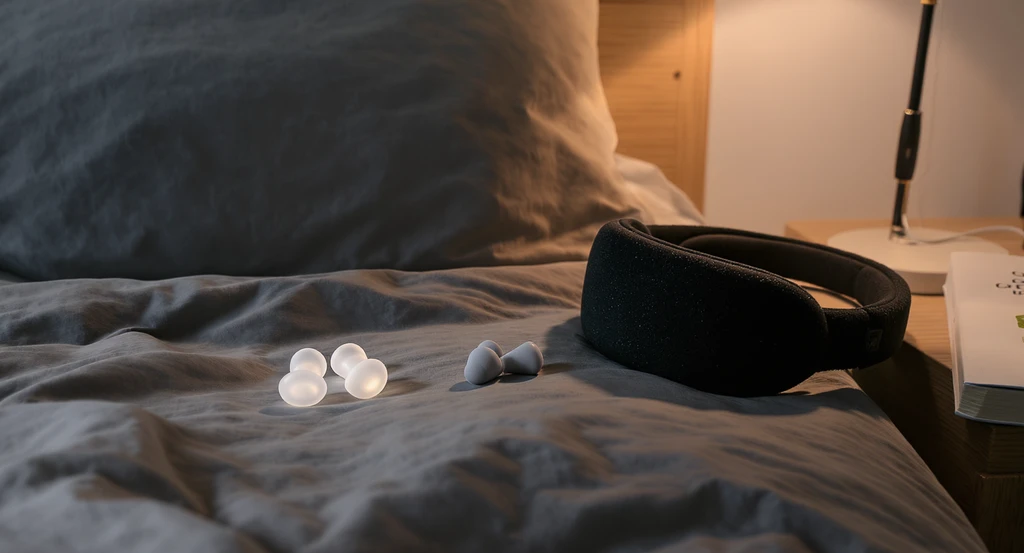
Discover ai home design tips for dorm noise—moldable silicone earplugs and Bluetooth sleep headbands are top ai interior design solutions for dorms and soundproofing rooms.
Reddit students struggling with dorm noise almost all agree: basic foam earplugs just don’t cut it. Moldable options like Mack’s Pillow Soft Silicone Earplugs or Loop Quiet Earplugs get top marks because they flatten against your ear, no pain for side sleepers! For those who need background sound or dislike things in their ears, Bluetooth sleep headbands (like Sleep Phones) are a regular lifesaver. These have flat speakers inside soft fabric, so you won’t wake up aching.
-
02. Mask Noise with Fans & Air Purifiers
Instead of relying solely on white noise machines, try running a box fan or a small air purifier at night. The steady background sound helps mask sudden hallway conversations, door slams, and other common dorm noises. Many college students find that a fan or air purifier creates enough consistent noise to improve sleep while also keeping the room cooler and improving air circulation. If you prefer digital options, white, pink, or brown noise playlists and free smartphone apps can provide a similar noise-masking effect.
-
03. Vibrating Alarms for Heavy Sleepers
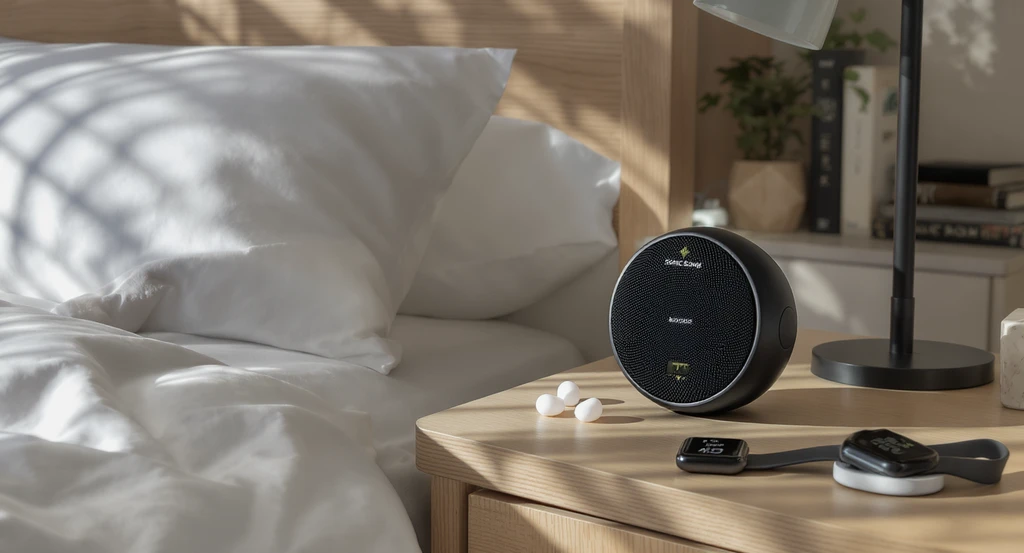
Discover ai home design tips for dorm noise: using vibrating alarms like Sonic Bomb, fitness trackers, and earplugs for heavy sleepers. Find ai interior design solutions for dorms and learn how to use ai for soundproofing rooms effectively.
Worried about sleeping through your alarm with earplugs in? Many college students combine ear protection with an Apple Watch or fitness tracker set to vibrate, or go old-school with the Sonic Bomb alarm clock, a favorite because it shakes your whole bed! This way, you won’t miss class even if your ears are fully plugged up at night.
-
04. Block Out the Hallway
Sometimes the noise problem is your door, not your walls. Draft stoppers made from foam or a long tube of fabric are cheap (often under $10) and can block tons of hallway chatter from slipping in. For best results, combine with a fan right near the door.
-
05. Lights Out (Without Drama)
Roommates up late or bright hall lights keeping you awake? A soft eye mask is a classic and affordable fix. Need more ideas? Clip-on reading lights and lamp timers let you keep your own mini-zone dark on your schedule. We break down more lighting hacks in our dorm room ideas guide.
-
06. The Power of a Night Routine
Even with all the products in the world, some Redditors say their brain just refuses to wind down in a noisy dorm. That’s where a simple routine helps. Dim your room for 30 minutes before bed, put your phone down, or listen to calming music (brown noise = extra points). Want more on healthy sleep in shared spaces? Check out our tips for surviving tricky dorm setups.
-
07. Roommate & RA: Communication is Key
No product beats a clear talk. Early in the year, let your roommate know you’re noise sensitive and agree on quiet hours, light usage, and alarm rules. If sound is still a problem, talk to your Resident Assistant (RA). Many posters on Reddit and our own guides found that setting expectations makes life so much easier for everyone. For more, see our functional dorm design guide.
-
08. Comfort Upgrades for Better Sleep
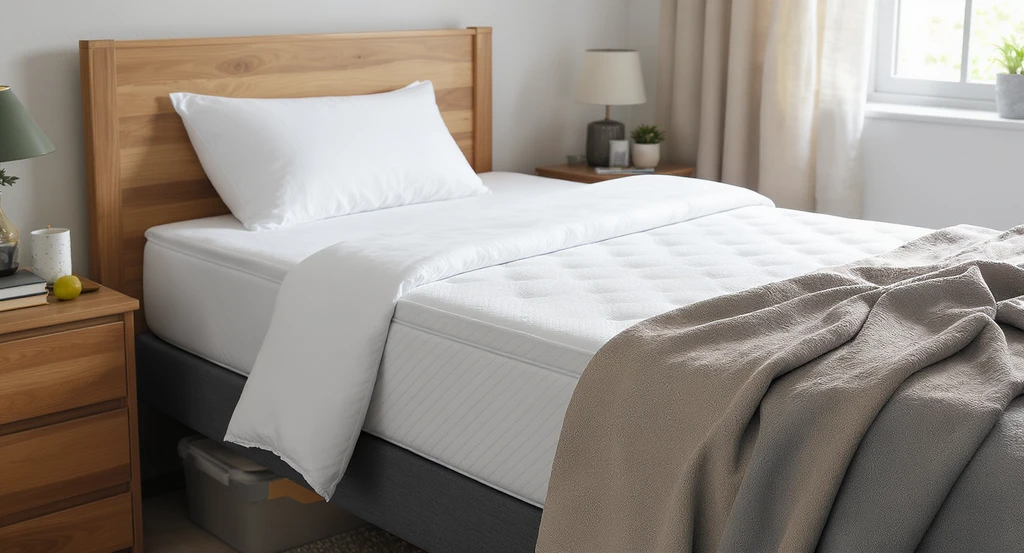
Upgrade dorm sleep with a mattress topper, ergonomic pillow, and breathable sheets—try ai home design tips for dorm noise and smart ai interior design solutions for dorms.
Never underestimate a dorm mattress’s ability to ruin your rest. Add a mattress topper and a supportive pillow (especially for side sleepers). Go for breathable sheets and a throw blanket, comfort you’ll notice on night one! If you’re on a budget, split an upgrade like a topper with your roommate, as suggested in our budget dorm ideas blog.
-
09. Quick Dorm Sleep Checklist
- Moldable or high-fidelity earplugs
- Fan or air purifier
- Bluetooth sleep band or headphones
- Eye mask
- Clip-on or dimmable reading light
- Soft mattress topper
- Supportive pillow & breathable bedding
- Bedside organizer for essentials
- Door draft stopper
- Alarm (vibrating or loud bed shaker)
Pro tip: Don’t buy everything at once. Start with the problem you notice most (noise, heat, light), then add gear as needed. -
10. Budget for Your Sleep Setup
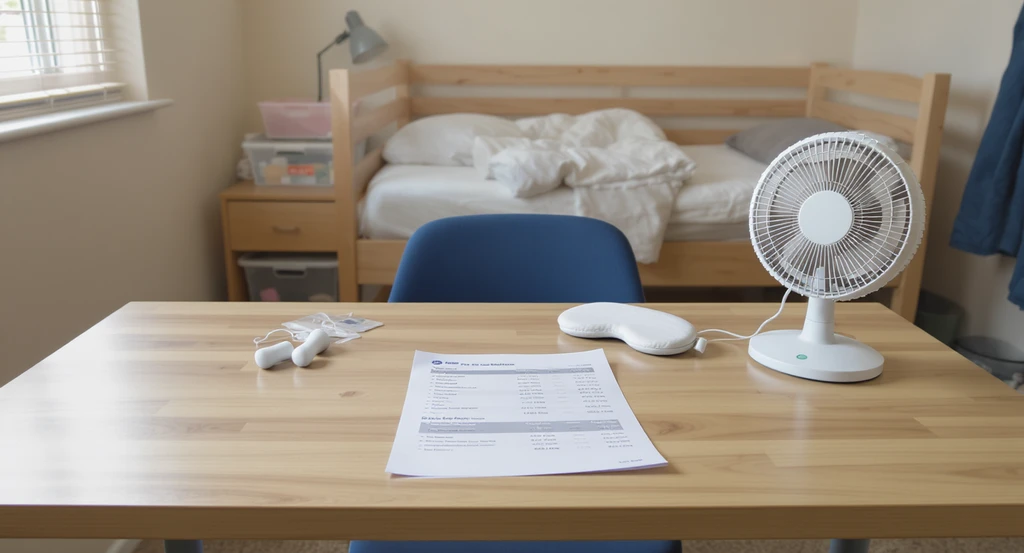
A realistic dorm scene featuring budget-friendly sleep essentials: earplugs, eye mask, white noise fan, and a sample budget table. Discover ai home design tips for dorm noise, learn how to use ai for soundproofing rooms, and optimize your dorm with smart ai interior design solutions that keep costs low.
Worried about costs? You don’t need to splurge for silence. Most fixes are $10–30 when you start simple (earplugs, eye mask, basic fan), with fancy upgrades (sleep headphones, a plush topper) added as needed or split between roommates. Here’s a sample budget table you can use to sort needs vs. wants:
Common Questions
What’s the absolute best earplug for dorms?
Moldable silicone or wax earplugs (like Mack’s) are praised by side sleepers for comfort. If you need to dampen but not totally block noise, try Loop earplugs or similar high-fidelity brands. Most students find it helps to combine plugs with white or brown noise for best results.
How do I not miss my alarm if I’m using earplugs?
Wear a vibrating smartwatch or fitness tracker for your alarm, or invest in a bed shaker alarm clock that buzzes your mattress awake. Many college students swear by this combo if you’re a heavy sleeper.
Are air purifiers or fans allowed in most dorms?
Most campuses are fine with small fans or air purifiers, but double-check your residence hall rules. Always position your fan safely and keep cords tidy to follow dorm safety guidelines. For more ideas, check out our dorm essentials guide.
Do I have to spend a lot for dorm sleep upgrades?
No! Start with the basics—earplugs and a clip-on reading light can make a big difference. Over time, you can add items like sleep headphones, a fan, or a mattress topper that fit your needs and budget. If you're sharing expenses with a roommate, consider splitting the cost of common sleep essentials.
The Bottom Line
Dorm noise is a real struggle, but it doesn’t have to wreck your sleep. With a mix of smart essentials, clever hacks, and honest roommate talks, you can build a sleep setup that works for your brain and your budget. Start with the basics, adjust if needed, and rest easy, your best semester starts with real rest.