Evaluating Floor Plan Changes: Turning a Bonus Room Into a Bedroom and Expanding a Bathroom
TL;DR
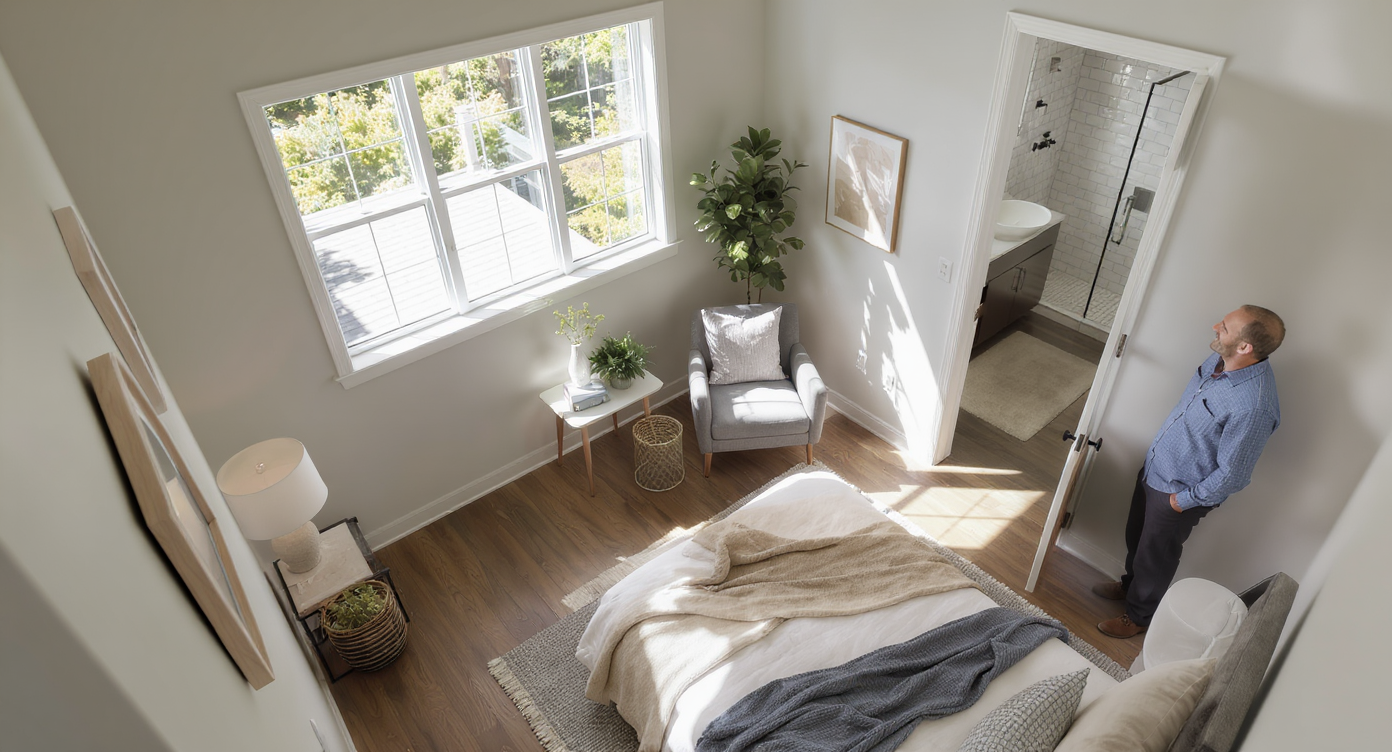
Upgrading a bonus room to a bedroom with a true closet and converting a powder room to a full bath can increase usability and value, but requires thoughtful planning. Ensuring proper layout changes, code adherence, and design foresight will help both compact and luxury bathrooms meet evolving needs while unlocking potential for resale and everyday living.
Reimagining the Everyday Floor Plan
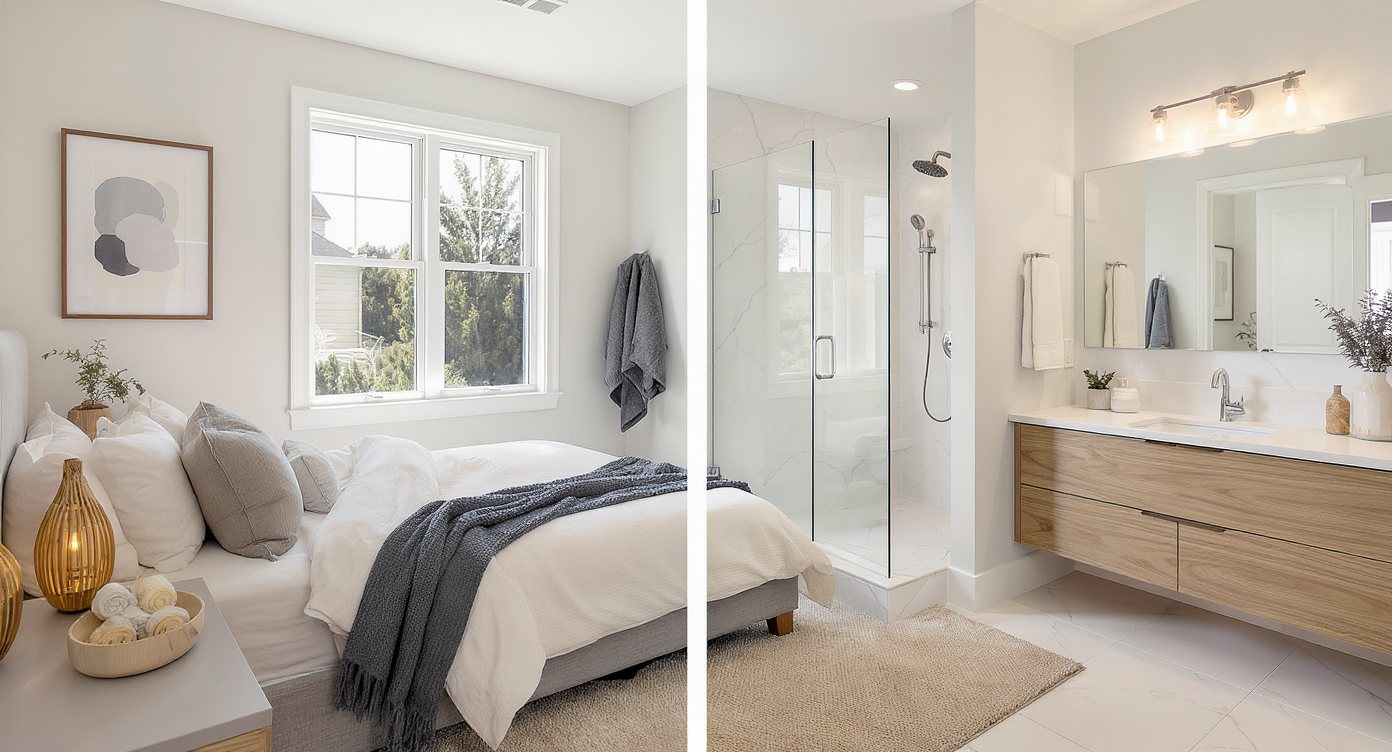
A thoughtfully converted bedroom and expanded bathroom demonstrate how smart layouts enhance comfort and value in your home.
When a home’s layout no longer fits your lifestyle, the urge to adapt spaces rises quickly. Many homeowners find themselves contemplating how to transform a rarely used bonus room into a proper bedroom, or how to evolve a cramped powder room into a purposeful full bath. Both upgrades can provide comfort and function for daily life, and boost long-term value, if approached with care. A space that works harder—by accommodating new sleeping quarters or offering a blissful, accommodating bath—invites a rethinking of the home’s underlying flow. Tackling these changes, especially in compact areas, involves both creative solutions and practical steps to ensure everything feels at home in your evolving design. Each decision, from structural moves to the smallest finish, can have a ripple effect, particularly when property value and resale considerations come into play.
-
Making Layout Changes for Flow—And Function
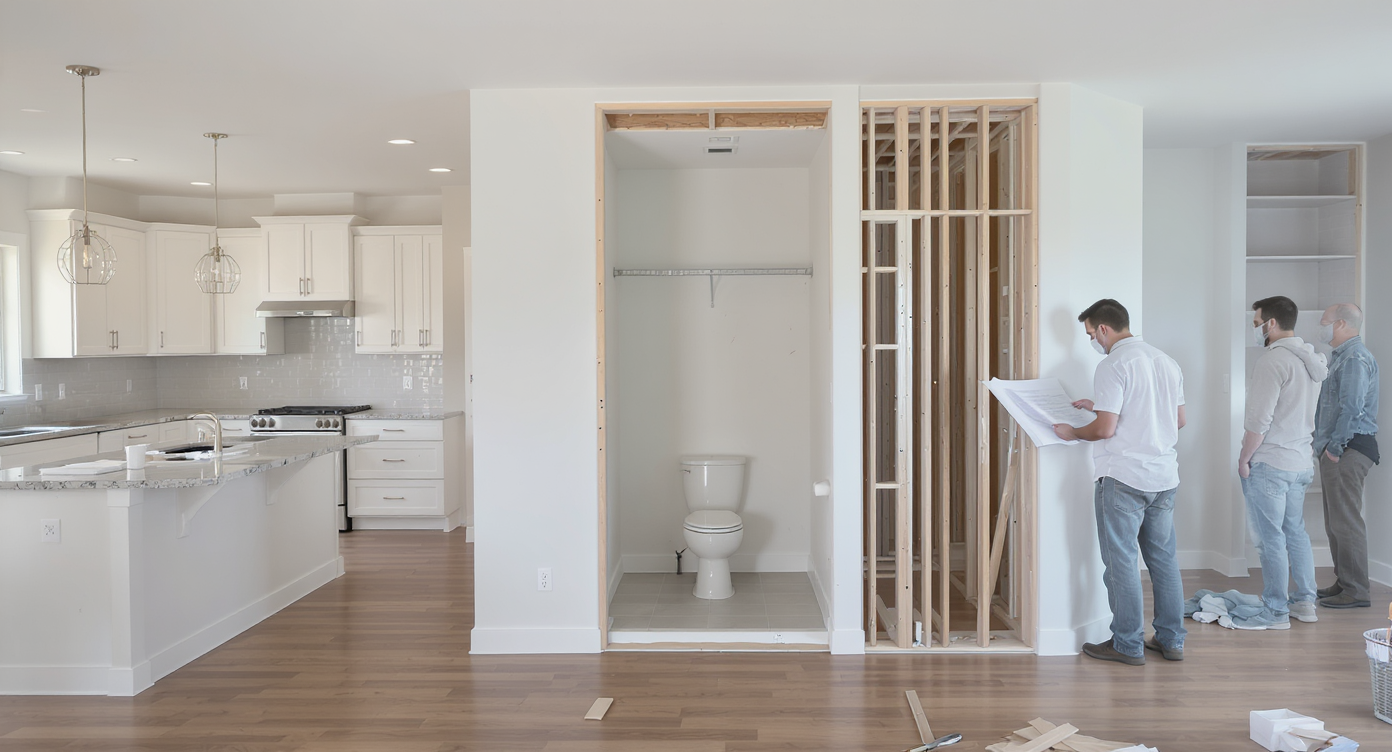
Thoughtful floor plan changes—like adding closets and expanding baths—prioritize flow, privacy, and daily convenience in home layouts.
Before any physical work begins, the first challenge is visualizing how the new bedroom and full bath should relate to the rest of your home. Thoughtful layout changes are more than aesthetic; the arrangement of doorways, windows, and critical storage areas directly affects privacy, daily routines, and the sense of spaciousness. Take the typical scenario: a bonus room flanks a high-traffic kitchen, while a powder room sits adjacent, squeezed by utility spaces and staircases. In compact homes, the bonus room often feels like a leftover, undefined nook, never fully achieving its potential. Reclamation starts with adding a closet for legal bedroom status, but a true transformation demands attention to light, air circulation, and logical flow. Designers frequently recommend positioning the closet along the farthest wall, minimizing blockages while subtly expanding adjacent storage, an approach that works for both compact and luxury bathrooms seeking to maximize every inch. Bathroom expansions face their own complexities. Relocating walls to absorb closet or hallway space—or rerouting plumbing to accommodate a walk-in shower—demands meticulous preplanning. Sometimes, relocating a staircase or repurposing underutilized corners becomes the linchpin for a seamless upgrade. When major elements like staircases or doors cut through the middle of a floor plan, allocating space for both privacy and accessibility becomes paramount.
Expert Insight
During a renovation on a mid-century bungalow, the owners faced a familiar dilemma—how to turn a little-used upstairs bonus room into a valuable bedroom. Armed with mood boards and digital renderings, they positioned a new closet to maximize daylight and borrowed a sliver of hallway for a petite full bath. Balancing code adherence with original character, the reimagined layout blended form and function seamlessly, giving every member of the family personal space without compromising flow.
-
Legal and Lifestyle Factors: What Makes a Real Bedroom or Bath?
While the dream of gaining an extra bedroom or luxurious bath feels straightforward, the journey involves more than knocking down walls and picking tiles. Building codes in most cities define a bedroom as a space with clear egress—usually an appropriately sized window—and a dedicated closet. Creative solutions like a trapdoor closet or shared passageways might sound appealing, yet rarely satisfy legal or safety standards. Overlooking these requirements can affect everything from financing options to eventual resale, since city records and listings might not recognize informal renovations. Bathroom conversions demand just as much diligence. Many jurisdictions require minimum ceiling heights, mechanical ventilation, and proper waterproofing. The addition of a tub or shower might invite unforeseen drainage challenges, especially when carved from a compact footprint. These regulatory safeguards protect both inhabitants and property values long after the renovation dust settles. Homeowners aiming to maximize market appeal will find that well-executed, code-compliant remodel projects hold up in both inspections and day-to-day comfort. Cosmetic changes can yield strong resale value, but foundational layout work demands careful adherence to city standards.
-
Planning and Designing For Today’s Needs—and Tomorrow’s Value
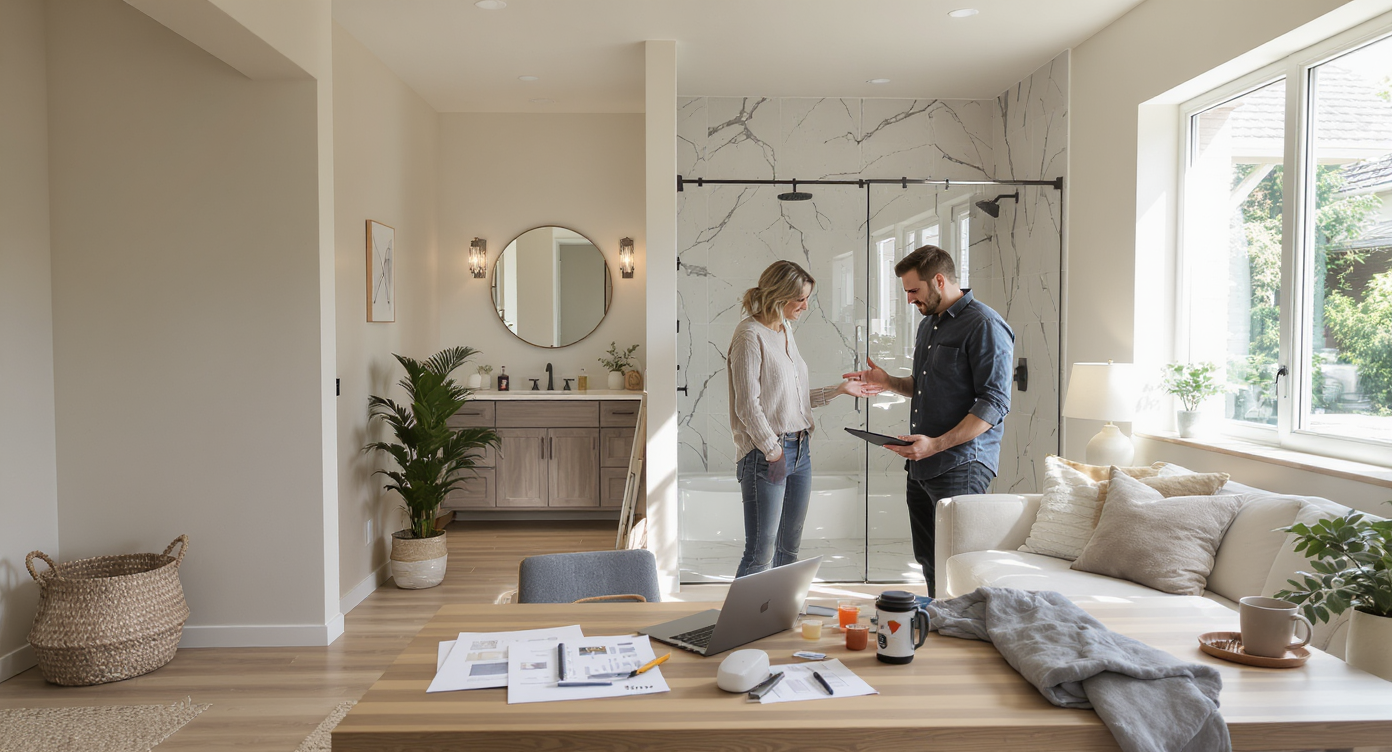
Previsualization tools and collaborative planning help homeowners transform bonus spaces and confidently expand bathrooms.
Designers often counsel homeowners to envision remodel projects not just for current convenience, but for lasting impact. For instance, transforming a bonus room into a bedroom can make a home more flexible, whether anticipating a growing family or providing an inviting space for guests. Meanwhile, upgrading a powder room—especially if adjacent to living or sleeping areas—can turn a seldom-used closet-sized bath into a full-service retreat for overnight visitors or busy mornings. Balancing these ambitions requires a well-sequenced renovation timeline. Visualizing changes before building, with sketches, digital models, or tools like AI-powered room visualization, gives homeowners confidence and clarity—and helps prevent expensive missteps. As noted in room visualization tools help align design with real-world outcomes, supporting conversations between families and with contractors. Planning backwards from your deadline, sequencing work around permits, rough-ins, and finish selections, lowers the risk of costly delays. Designers recommend beginning months in advance, building in time for discovery and adjustments. Renovation timelines benefit from generous buffers and early material lock-ins to prevent last-minute headaches.
-
Anecdote: When a Powder Room Becomes a Family Oasis
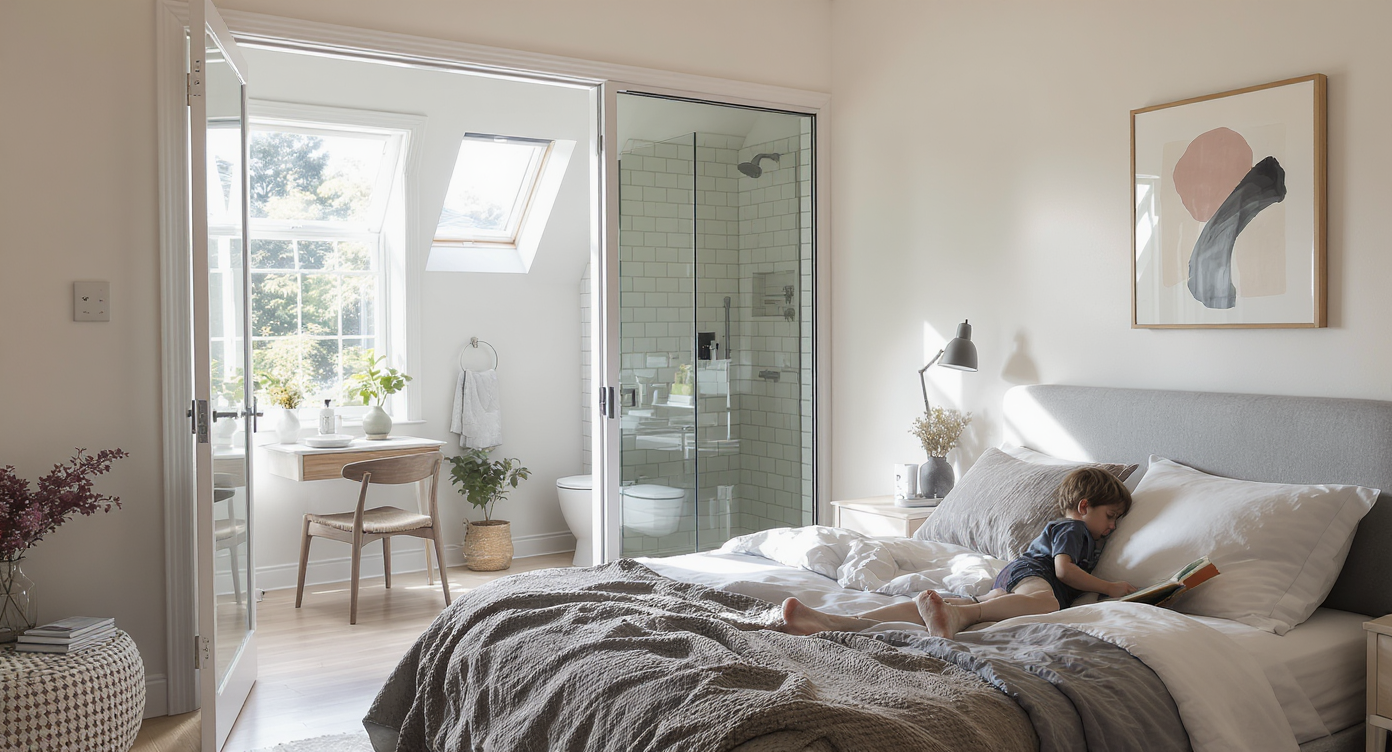
A once-unused bonus room and compact bath reborn: Smart renovations create a serene bedroom and airy, sunlit family-friendly bathroom.
One family in a leafy suburb faced a familiar scenario: a little-used bonus room off the kitchen and a compact powder room near the main living area. With their two young children sharing a cramped bedroom, the homeowners saw potential in these tucked-away spaces. After sketching several alternatives—closet here, new doorway there—they decided to carve a true bedroom from the bonus room, giving their eldest a coveted private retreat. The powder room, previously too small for comfort, expanded just enough for a light-filled shower addition, made possible by creative borrowing of unused storage space. By honoring both building codes and the home’s original charm, the family gained two deeply functional new spaces, and a new sense of flow.
-
Common Mistakes to Avoid
Turning a bonus room into a legal bedroom, or carving a full bath from limited square footage, tempts homeowners into shortcuts that can have long-term consequences. Skipping permits or relying on unconventional closet workarounds, such as trapdoor storage, often leads to compliance headaches and lost resale value. Overlooking the need for secondary egress—like a window large enough to serve as an exit—can also make a new bedroom ineligible for insurance or mortgage approval. Another common pitfall: underestimating the spatial demands of a full bathroom. Fixtures like a standard tub or generously sized shower often require more clearance than initially thought, especially when squeezed into compact footprints. Finally, some homeowners push for major layout changes without considering whether stair relocations, new plumbing, or venting will disrupt the broader home’s structure or overall flow.
-
Tips and Expert Insights
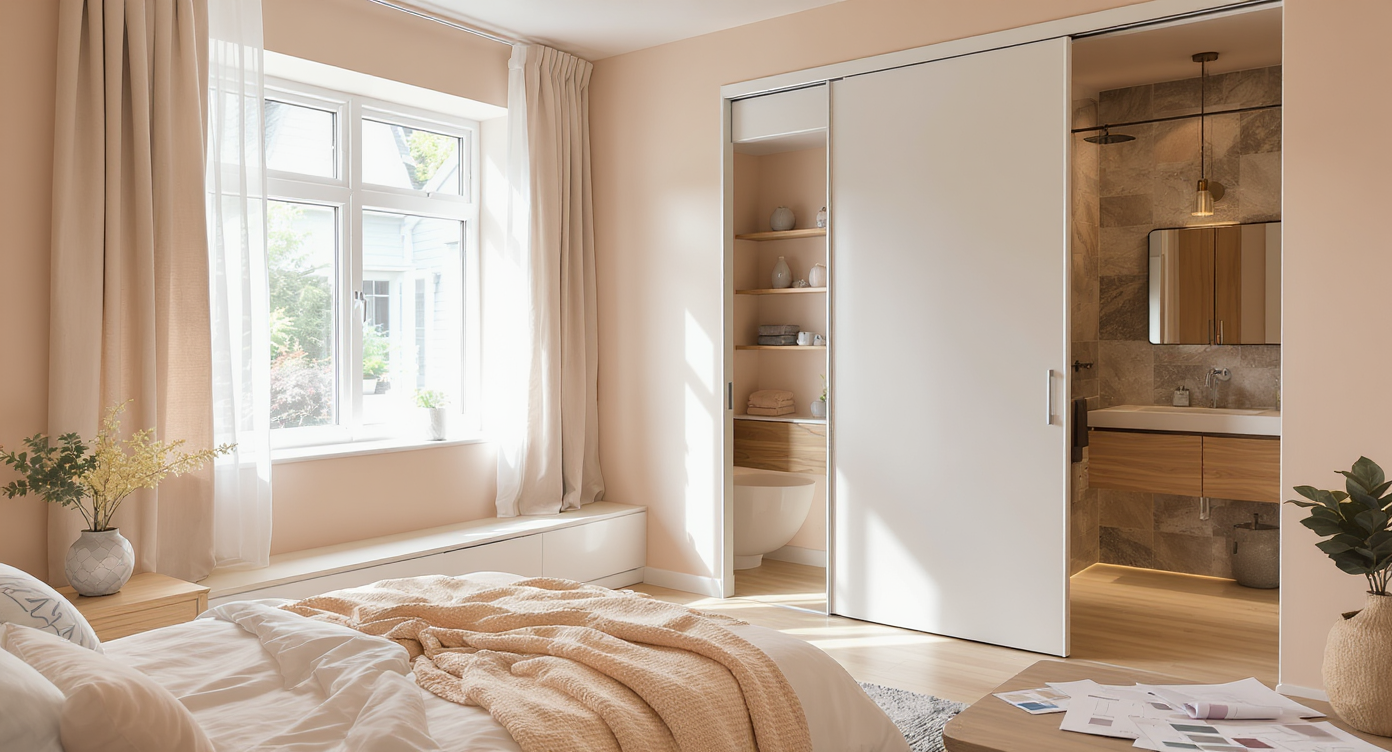
Before-floor-plan decisions shine: Consider storage, light, and traffic flow when converting rooms and expanding bathrooms for livability.
Licensed designers and contractors advise mapping out detailed floor plans before any demo work begins, especially when transforming tight or oddly shaped rooms. Prioritize natural light and functional clearances, especially for compact and luxury bathrooms, and consider pocket or sliding doors to free up floor space. Plan for storage needs up front—a shallow built-in can replace a traditional closet in very tight bedrooms, as long as local codes allow. For resale confidence, consult your city’s building department about changing bedroom counts and permissible bath additions. Visualize finished layouts to assess both immediate livability and long-term flexibility. Learn from adaptation, like creative use of under-stairs nooks. Tech platforms that allow you to preview finishes, finishes, and layouts can be a major asset at this stage, helping to avoid regret and guiding collaborative decision-making.
-
How to Use This in Your Next Designs
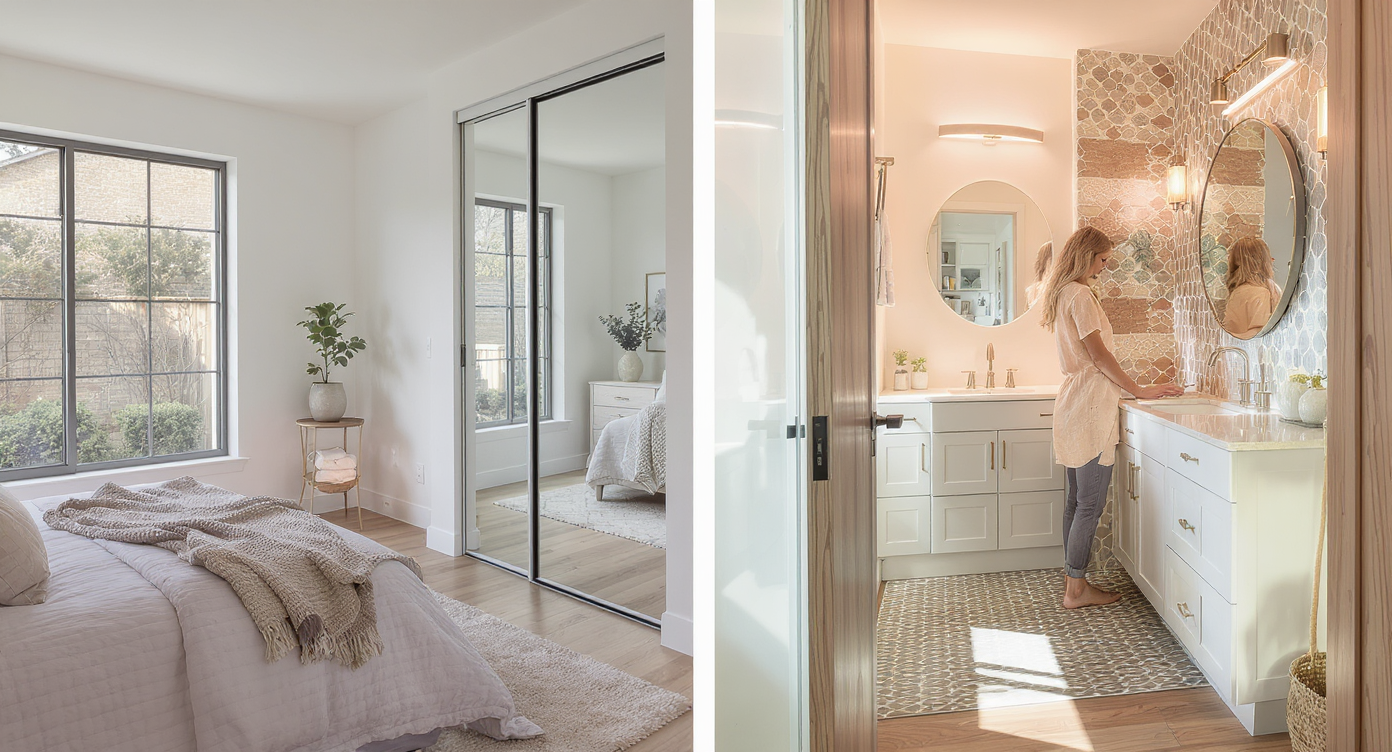
Smart bedroom and bathroom redesigns prioritize light, flow, and seamless integration—key for comfort in both compact and luxury homes.
Approach bonus room conversions and bathroom upgrades as opportunities for holistic design. Rather than relying solely on functional upgrades, think about how flow, daylight, and sightlines contribute to a room’s welcome. In compact homes, every inch matters. Use design interventions—like mirrored doors, narrow vanities, or integrated lighting—to enhance perceived space without overwhelming the footprint. For luxury-focused homes, these remodel projects may mean layered textures, custom cabinetry, or statement tile, but the underlying goal remains universal: comfort, usability, and seamless integration with your home’s existing story. Detailed planning, early visualization, and careful adherence to code will ensure your project not only meets present needs but endures beautifully for years to come.
Visualization Scenario
Picture a home where the bonus room, once an ambiguous buffer zone, is now a tranquil bedroom infused with morning light thanks to a freshly installed window. Closets line one wall, organizing everything from keepsakes to seasonal clothes. Down the hall, a compact full bath—outfitted with efficient fixtures and clever storage—services both guests and family members, enhancing everyday living and elevating the home’s appeal for future buyers.
Frequently Asked Questions
Most municipalities require a bedroom to be at least a certain size, include a closet, and feature a window large enough for egress in case of emergency.
Can I convert a powder room into a full bath in a compact space?
Yes, but you must account for plumbing, ventilation, and code-mandated fixture clearances. Even modest baths benefit from thoughtful spatial planning.
How does remodeling affect resale value?
Well-executed remodels that meet building codes often increase both usability and market value. Cosmetic updates generally have strong ROI, while major layout changes require strategic investment.
Is a permit required to add a bedroom?
Typically, yes. Permits ensure compliance with safety codes and are important for official record-keeping and resale considerations.
What tools can help me visualize layout changes?
Digital modeling and AI-powered visualization, available from services like ReimagineHome.ai, streamline decision-making, allow design exploration, and help prevent costly mistakes before construction begins.
Design Forward: Unlocking Long-Term Potential
Converting secondary rooms and updating compact or luxury bathrooms can be transformative when approached with intention. The most successful layout changes consider both legal definitions and lifestyle patterns, ensuring new spaces are safe, comfortable, and valuable for years ahead. Today’s visualization technologies empower homeowners to explore every possibility before a single wall moves. Consult with professionals, trust in careful planning, and let your renewed spaces echo both your personality and practical needs. For those seeking inspiration or personalized tools for their next remodel, modern platforms like ReimagineHome.ai can help bring your vision to life.