Cable Management in Compact Apartments: Smart Solutions for Clean Design
TL;DR
Running cables for technology in a compact apartment is possible without sacrificing your home’s aesthetics or integrity. By working creatively with existing fixtures, understanding renovation rules, and blending practical cable management with thoughtful design, you can achieve both connectivity and visual harmony—even in tight, co-op-controlled spaces.
Making Connectivity Work in the Modern Apartment
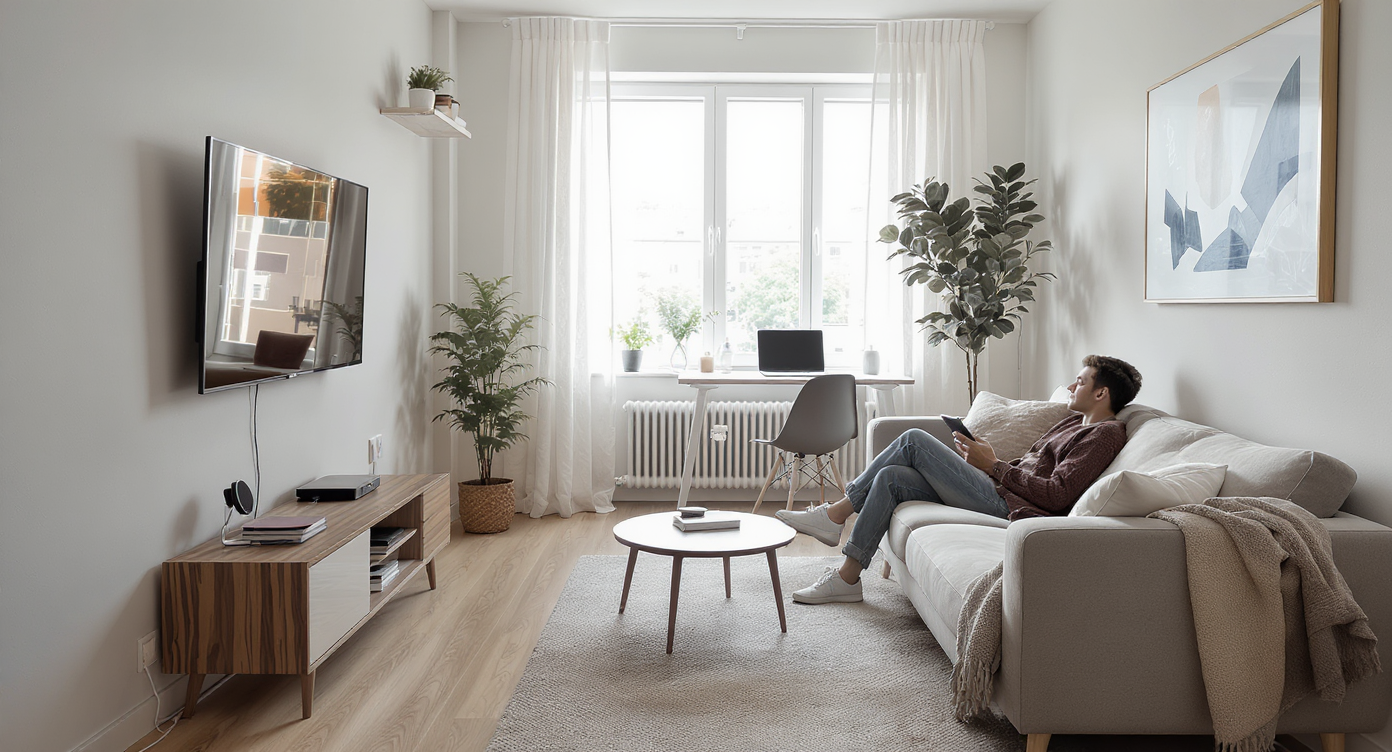
Smart cable management solutions blend seamlessly into this compact apartment, preserving clean lines and effortless connectivity.
Designing a home in a small apartment often requires clever problem-solving—especially when it comes to integrating technology. For those living in co-ops or buildings with strict apartment renovation rules, upgrades can feel daunting. Many homeowners face the challenge of running Ethernet, HDMI, or speaker cables while preserving beautifully finished walls and tight living areas. However, with intentional cable management and an understanding of how to work within the constraints of compact spaces, there are ways to wire a home that is both functional and inviting. The desire for seamless connectivity doesn’t have to conflict with streamlined interiors or building regulations. Today’s residents are reimagining approaches to home improvement, blending practical DIY strategies with design awareness and thoughtful planning. By using smart techniques in cable management home design, you can enjoy the benefits of a connected apartment—without visible clutter or costly structural disruptions.
-
Creative Approaches for Hidden Cables in Small Homes
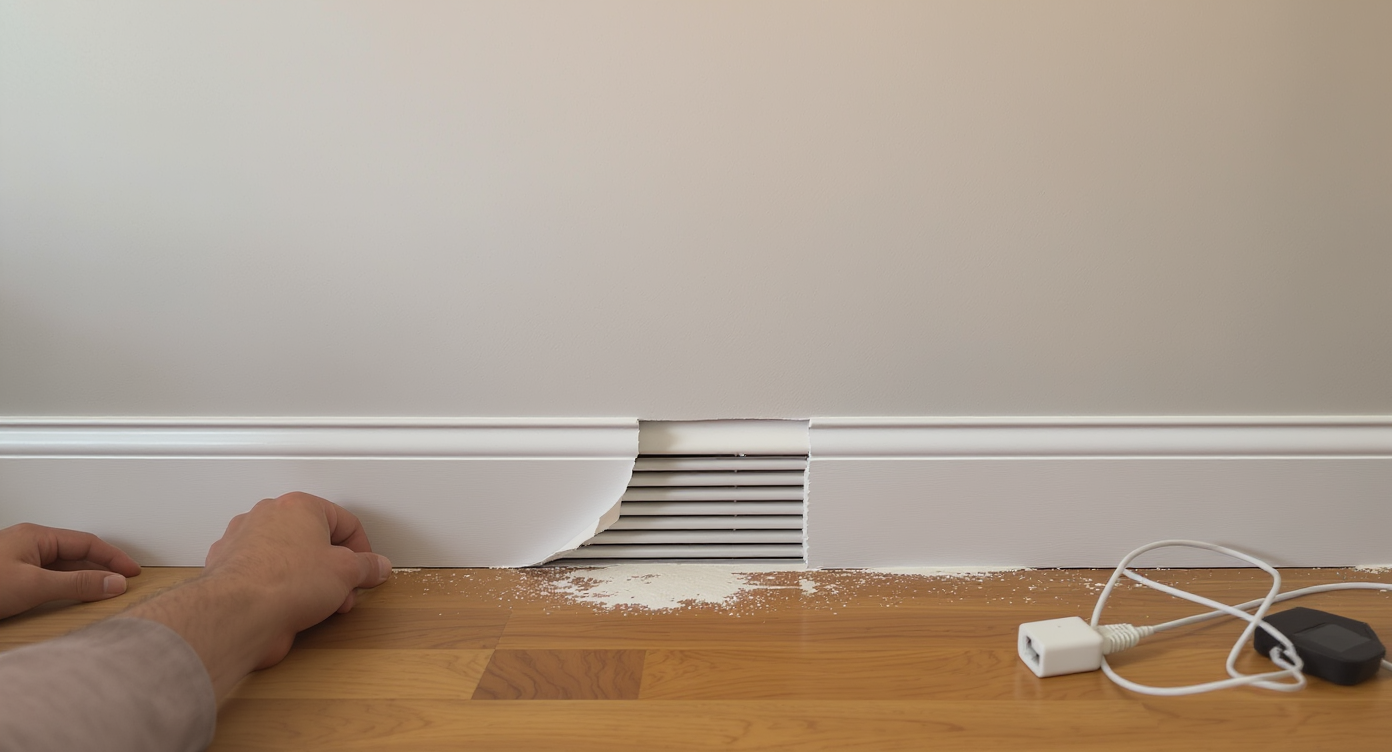
Smart cable management hides technology with baseboards, wire channels, and paintable cables for tidy, design-forward small apartments.
Cable management in apartments starts with an honest assessment of your space. Many New York City apartments, for example, feature shared walls, minimal access between rooms, and rare opportunities for major renovations. Yet even within these parameters, residents have found inventive solutions. Pulling off baseboards can sometimes reveal just enough clearance to conceal network cables, speaker wires, or HDMI leads. After tucking wires behind baseboards, these can be reinstalled to cover any signs of work, providing a barely-there solution for long horizontal runs. Self-adhesive wire channels have also found their place in modern design. Placed just above baseboards, these paintable trunking systems act as an understated architectural detail, hiding cables and blending with the trim. In some cases, flat wire—engineered to be thin and flexible—can be applied directly onto walls and finished with joint compound or paint, rendering technology nearly invisible. This solution especially appeals to design-conscious residents seeking minimalist lines and a clutter-free look.
Expert Insight
A first-time apartment owner in a pre-war building faced the challenge of adding smart home features without disturbing original plaster walls. After exploring options, she decided on a combination of paintable wire channels along the baseboards and custom shelving to conceal both the cabling and connected devices. Friends marveled that her living room, filled with music and streaming displays, had not a wire in sight. This blend of old-world charm and modern convenience, achieved with minimal disruption, has since inspired her to approach each improvement with intention, balancing beauty and utility.
-
Apartment Renovation Constraints: What to Know Before You Start
Working in a co-op or multi-unit building requires careful consideration of apartment renovation rules and neighborly etiquette. Most buildings restrict structural changes to shared or exterior walls, so seeking board approval and consulting local codes is always the first step. Drilling through existing studs to run new wires might be feasible, but such projects often demand more repair and finish work than anticipated—particularly in buildings where walls were recently refinished or insulated. If drywall removal is necessary, cutting a horizontal strip at outlet height gives the best access for installing conduits, after which professional drywall repair ensures a clean finish. Residents often use this as an opportunity to update paint colors, aligning technical upgrades with aesthetic improvements. Efficiency and foresight are key. If you’re planning to stay long-term or are contemplating future tech upgrades, installing dedicated conduits behind walls reduces disruption with each new device. However, wireless technologies, such as powerline adapters, can serve as a stopgap or even a permanent solution depending on the home's needs. When in doubt, a professional installer familiar with apartments in your city can offer advice tailored to your building’s history and codes.
-
Design-Forward Cable Management: Blending Function and Beauty
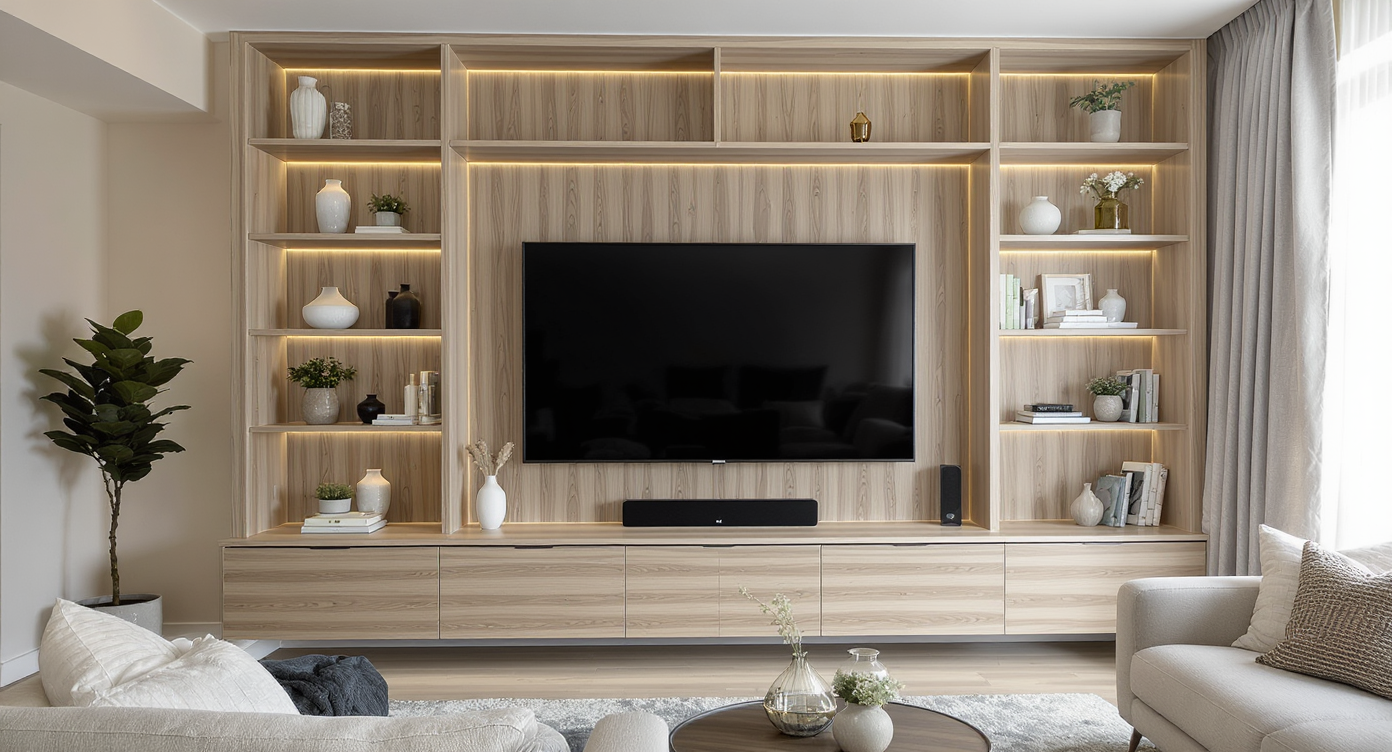
Thoughtful cable management with custom shelving and subtle channels creates a cohesive, clutter-free living space in small apartments.
Apartment dwellers often seek solutions that don’t just work—they must look intentional. Fortunately, small-space design increasingly values integrated technology that hides in plain sight. Custom millwork, for example, can be designed to channel cables discreetly through bookshelves, entertainment units, or floating shelves, keeping electronics accessible but concealed. In living rooms, rug placement, furniture arrangement, and the occasional use of decorative baskets offer clever ways to hide cables between points without creating hazards. Successful cable management also accounts for air circulation, future access, and minimal impact on insulation. Flat wires offer a paintable route up walls for speakers in a home theater, while cable channels can be cut into crown molding or even along the vertical line of door frames. The ultimate goal? Make cable pathways a design feature or hide them so well they fade into the background, allowing the architecture and decor to take center stage. Designers and home improvement enthusiasts both agree: consistent solutions throughout the apartment reinforce a cohesive aesthetic. Designers recommend considering cable placement in early planning stages for new layouts or aesthetic upgrades.
-
Anecdote: Transforming Technology Into an Everyday Luxury
A first-time apartment owner in a pre-war building faced the challenge of adding smart home features without disturbing original plaster walls. After exploring options, she decided on a combination of paintable wire channels along the baseboards and custom shelving to conceal both the cabling and connected devices. Friends marveled that her living room, filled with music and streaming displays, had not a wire in sight. This blend of old-world charm and modern convenience, achieved with minimal disruption, has since inspired her to approach each improvement with intention, balancing beauty and utility.
-
Common Mistakes to Avoid
Rushing into cable installation without consulting building management or local code can lead to disputes, unwanted repairs, or even forced removal of your upgrades. Another pitfall is underestimating how much work is hidden behind the walls. Even in recently renovated homes, wall composition and insulation can vary dramatically from room to room. Attempting to snake wires through shared or exterior walls without understanding their structure can cause unintended damage. Overlooking future needs—such as adding more devices or rearranging furniture—can result in having to redo work prematurely. And finally, visible cables draped along floors or walls interrupt the clean lines of compact interiors, undermining both safety and aesthetics. According to insights from affordable renovation tips for first-time homeowners, smart planning paired with selective spending can help prevent costly errors and maintain cohesive design throughout your space.
-
Tips and Expert Insights
Home improvement experts advise starting any cable project with a thorough plan that considers both immediate tech requirements and long-term flexibility. Label cables behind walls for future troubleshooting and photograph any completed work before applying drywall or paint. When possible, align new wiring with periods of broader renovation to minimize disruption. Professional installers often recommend maintaining slack in cables to accommodate minor shifts in the home’s layout, and using modular conduits for critical connections in media rooms or home offices. References from planning a renovation timeline emphasize the importance of building buffers—time, budget, and patience—into all DIY home improvement planning for beginners.
-
How to Use These Strategies in Your Next Designs
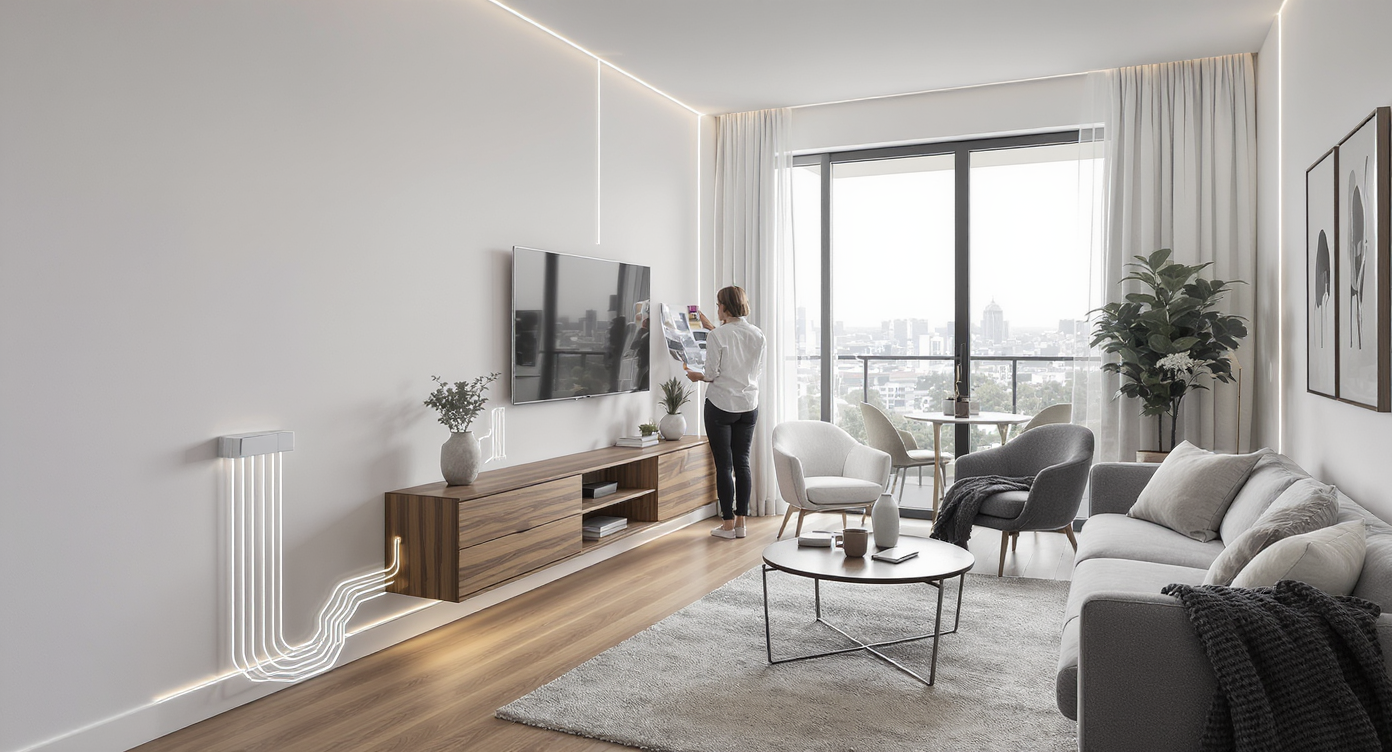
Smart cable management in a compact living room blends hidden wire channels with built-in solutions—design inspiration for seamless upgrades.
If you’re approaching a renovation or even a small DIY project, begin by mapping out where technology will live now and in coming years. Consider baseboard and molding workarounds for retrofits, and incorporate wire management solutions into built-in furniture or shelving when planning upgrades. Even renters can benefit from surface-mount wire channels, which can be painted or disguised to match the wall. Consulting design inspiration early in the process, as shown by what real estate agents say about DIY renovations and resale value, can spark ideas that increase home appeal to both current users and future buyers. The most successful designs thoughtfully balance quick wins with investment in enduring solutions.
-
Visualization: Modern Apartment, Streamlined and Connected
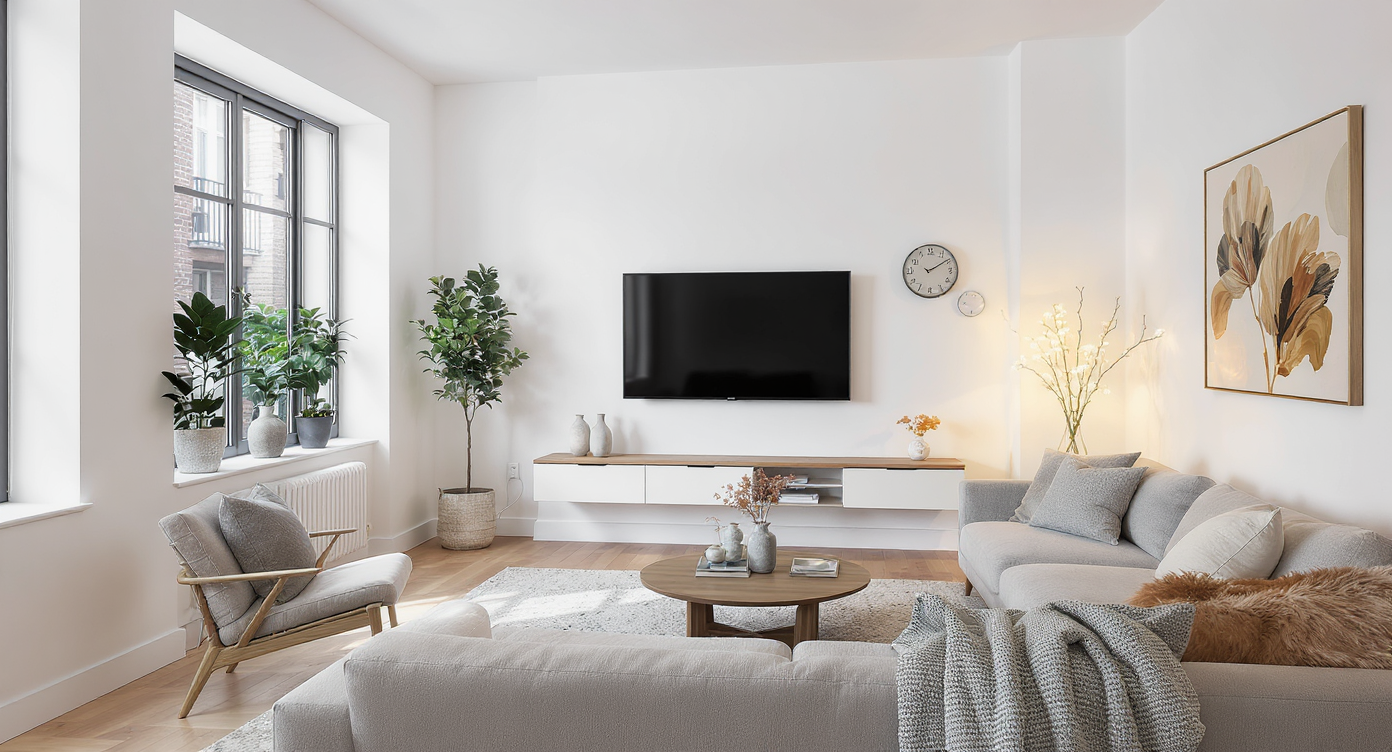
Smart cable management keeps this bright, modern apartment streamlined and tranquil—proof that connectivity and style can coexist.
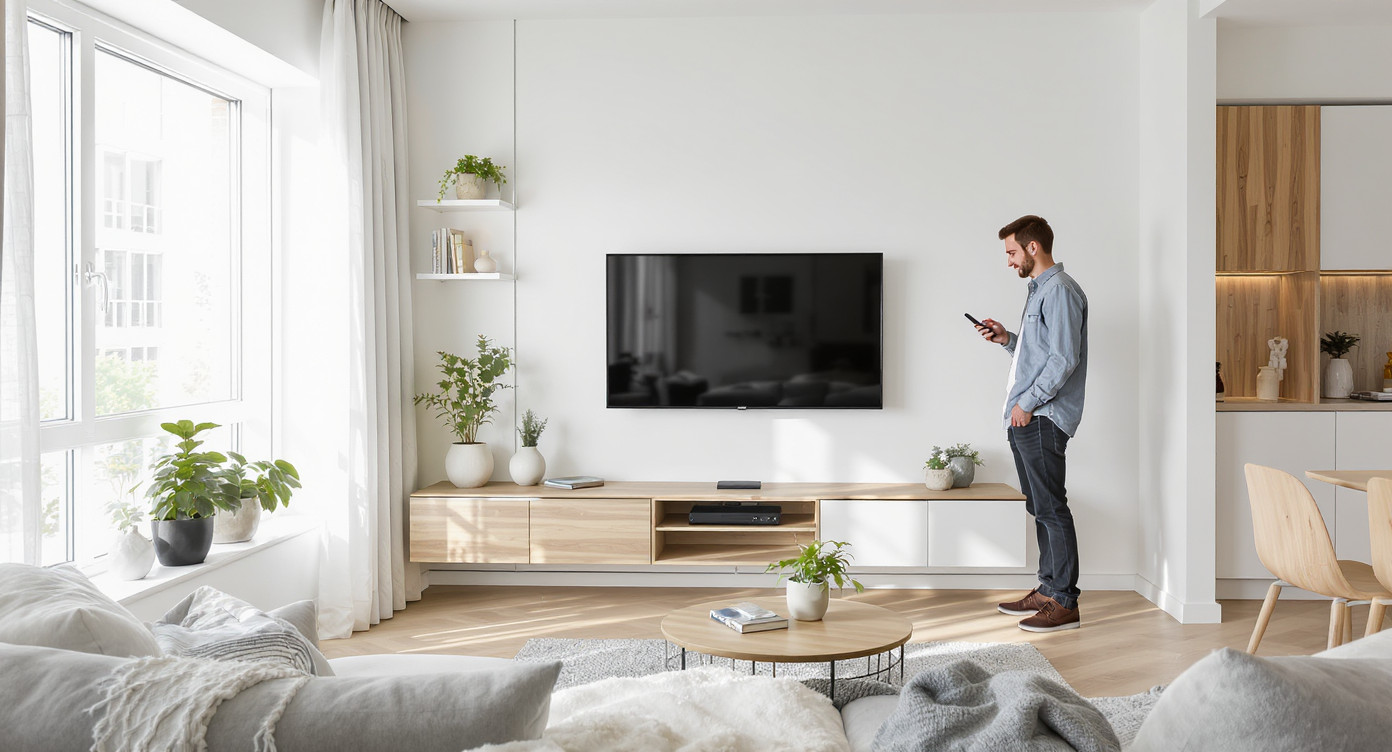
Imagine stepping into a bright city apartment with wide-plank floors, crisp white walls, and artfully arranged furniture. Ambient lighting washes over a floating shelf below the media display—no cables dangle across the wall, and there is not a visible wire behind the sofa. Discreet channels along the baseboard hold the apartment’s digital lifelines, painted to blend seamlessly with the trim. In the den, a custom-built media nook cleverly incorporates access doors for maintenance, while the home office features a desktop grommet that brings both power and data connections exactly where they’re needed. The result is an atmosphere that feels considered and tranquil, proving that even the most wired home can remain a sanctuary.
Visualization Scenario
Imagine stepping into a bright city apartment with wide-plank floors, crisp white walls, and artfully arranged furniture. Ambient lighting washes over a floating shelf below the media display—no cables dangle across the wall, and there is not a visible wire behind the sofa. Discreet channels along the baseboard hold the apartment’s digital lifelines, painted to blend seamlessly with the trim. In the den, a custom-built media nook cleverly incorporates access doors for maintenance, while the home office features a desktop grommet that brings both power and data connections exactly where they're needed. The result is an atmosphere that feels considered and tranquil, proving that even the most wired home can remain a sanctuary.
FAQ
Use paintable wire channels and baseboard tricks for clean results, or opt for flat wire that blends into wall finishes.
Are there alternatives to traditional cable runs for tech upgrades?
Wireless and powerline technologies can provide reliable connections with little to no disruption to existing spaces.
Do I need building approval to modify walls or run cables?
Most co-ops and apartment buildings require review of plans involving structural, electrical, or visible changes. Always check with your management board first.
What’s the benefit of planning cable management during other home improvements?
Combining tech upgrades with scheduled renovations saves time and money, and allows for better design integration.
Where can I get more ideas for home tech and design solutions?
Explore design and renovation inspiration at ReimagineHome.ai for tips, visualizations, and tools.
Key Takeaways: Marrying Technology with Apartment Design
Achieving perfect cable management in a compact apartment is a realistic goal for even the most space-constrained homeowner. By understanding building rules, thinking creatively about space, and leveraging design-conscious solutions, it’s possible to create a tech-enabled retreat free from clutter and compromise. Whenever possible, integrate cable planning early and seek professional advice when refining your vision. For additional tools and AI-powered inspiration for your next renovation, visit ReimagineHome.ai.