7 Lessons About Using Cactus Soil for Herbs and Vegetables Indoors
TL;DR
Cactus potting soil can be used for non-succulent herbs and vegetables, but adjustments are often needed for optimal growth. Mixing it with richer potting soil or organic material addresses nutrient and moisture needs. Understanding these adaptations can simplify indoor gardening and maximize your harvest in small spaces.
Can Cactus Soil Work Beyond Succulents?
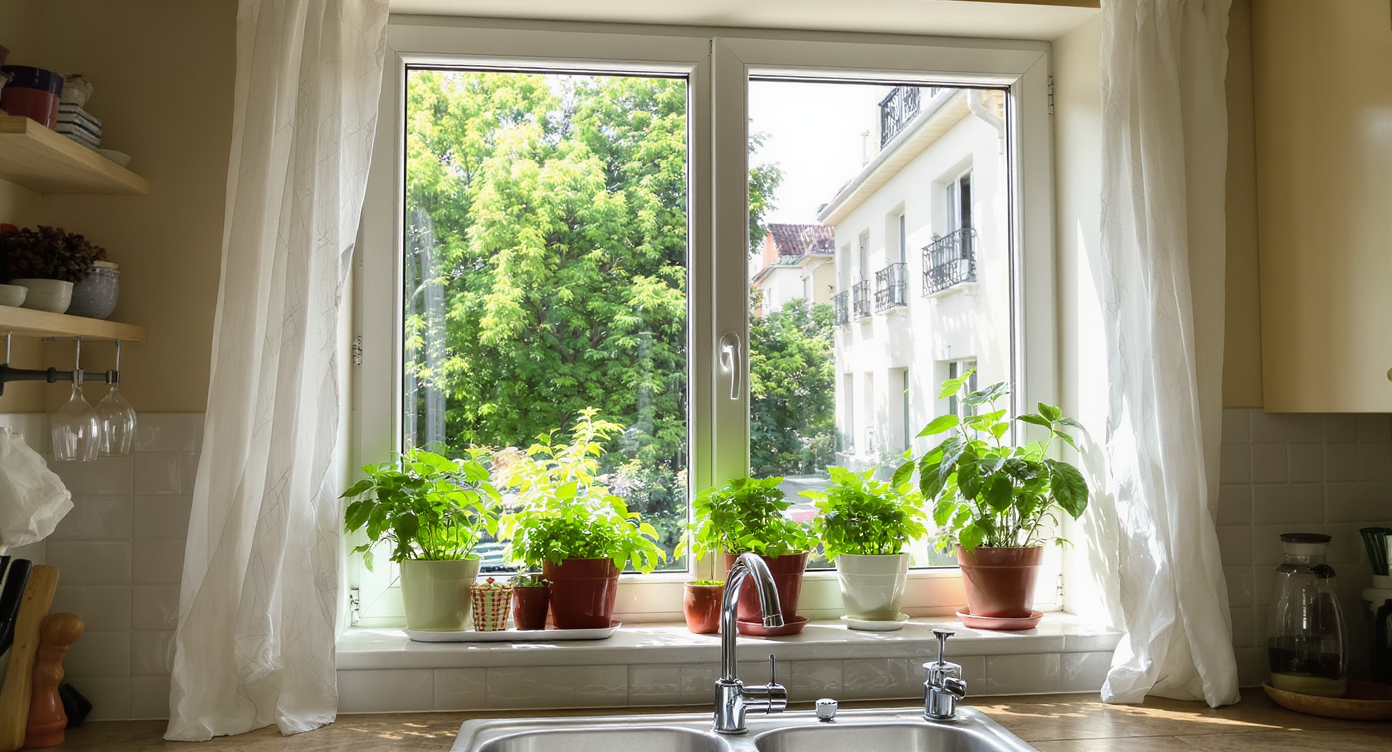
Repurposing cactus soil for kitchen herbs and vegetables can work indoors if you know how to adjust for each plant’s specific needs.
Gardeners who discover a leftover bag of cactus potting mix often face the same question: Can this well-draining, sandy blend really nurture indoor herbs or even compact veggie crops? For apartment dwellers with south-facing windows but limited outdoor access, finding practical ways to repurpose existing materials can be both efficient and rewarding. Yet differences in soil type and plant needs are more significant than many realize. While cactus soils are designed for arid-adapted succulents, common kitchen herbs and vegetables need varying amounts of moisture and nutrients. With careful adjustment, it is possible to create an effective potting medium that balances the specialist properties of cactus soil with the more demanding requirements of culinary plants. This list examines proven strategies and key considerations for anyone looking to grow more with what they have on hand.
-
1. Understand Why Cactus Soil Exists
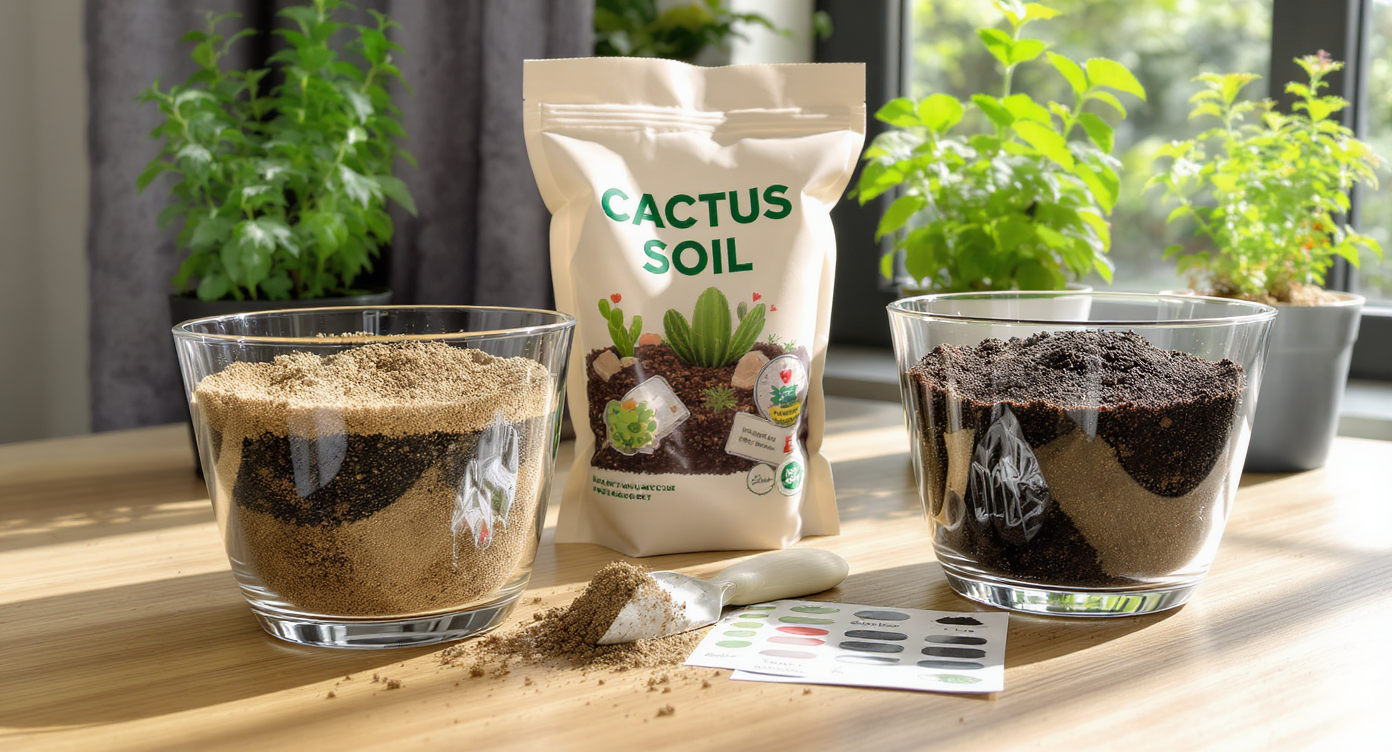
Comparing cactus soil’s sandy texture to nutrient-rich potting mix helps gardeners understand the right fit for edible indoor plants.
Cactus potting soil is engineered to provide sharp drainage, superior aeration, and minimal water retention. Its coarse blend of sand, grit, and minimal organic matter prevents root rot in desert plants that suffer in soggy conditions. In contrast, herbs and vegetables, especially delicate seedlings or leafy crops, tend to require more consistent moisture and a higher baseline of available nutrients. Recognizing the purpose behind cactus soil helps gardeners anticipate its limitations when used for edibles. Many successful grower-led approaches start by blending this specialty mix with more conventional potting materials, allowing for adaptation across plant types.
-
2. Begin With a Balanced Blend
For indoor containers, blending cactus soil with equal parts peat moss, coco coir, or standard potting mix delivers a more suitable starting point for herbs and vegetables. These added components boost water retention and nutrient content without suffocating roots or turning the pot into a swamp. As designers and home gardeners frequently advise, the practice of mixing different soils has gained popularity for tailoring moisture and structure. A rough fifty-fifty mix, adjusted to plant needs, can create a custom medium for many edible varieties. It is particularly effective for Mediterranean herbs like rosemary or oregano, which value drainage but still need occasional feeding.
-
3. Improve Nutrition with Compost or Fertilizer

Enhance nutrition for indoor herbs and vegetables by enriching cactus soil with compost or slow-release organic fertilizer.
Cactus soil is famously lean on nutrients, as succulents prefer sparse conditions. Herbs and vegetables, however, are heavy feeders by comparison. To address this, garden coaches often recommend supplementing your potting mix with slow-release organic fertilizer or a few generous handfuls of mature compost. This simple adjustment can bridge the gap between the mineral-rich world of succulents and the lush, productive realm of edibles. Container-grown parsley, basil, or small lettuces will reward this extra attention with vigorous foliage and richer flavor, mirroring advice found in many vegetable gardening guides, including our look at soil health and care for high-yield harvests.
-
4. Adjust Your Watering Routine
Because cactus soil dries out rapidly, indoor gardeners using repurposed succulent mix must adjust watering habits. Expect to water more frequently and monitor soil moisture using the finger test or a moisture meter. Leafy plants like basil and mint prefer steady, light moisture, while root crops can succumb to inconsistent watering patterns. Home gardeners who troubleshoot wilting or slow growth should always revisit their hydration schedule and may need to tweak the mix for a slightly finer texture if water drains too quickly. Weather, window exposure, and pot size further influence how often to water—indoor conditions shift quickly, so observation is key.
-
5. Make It Work for the Right Plants
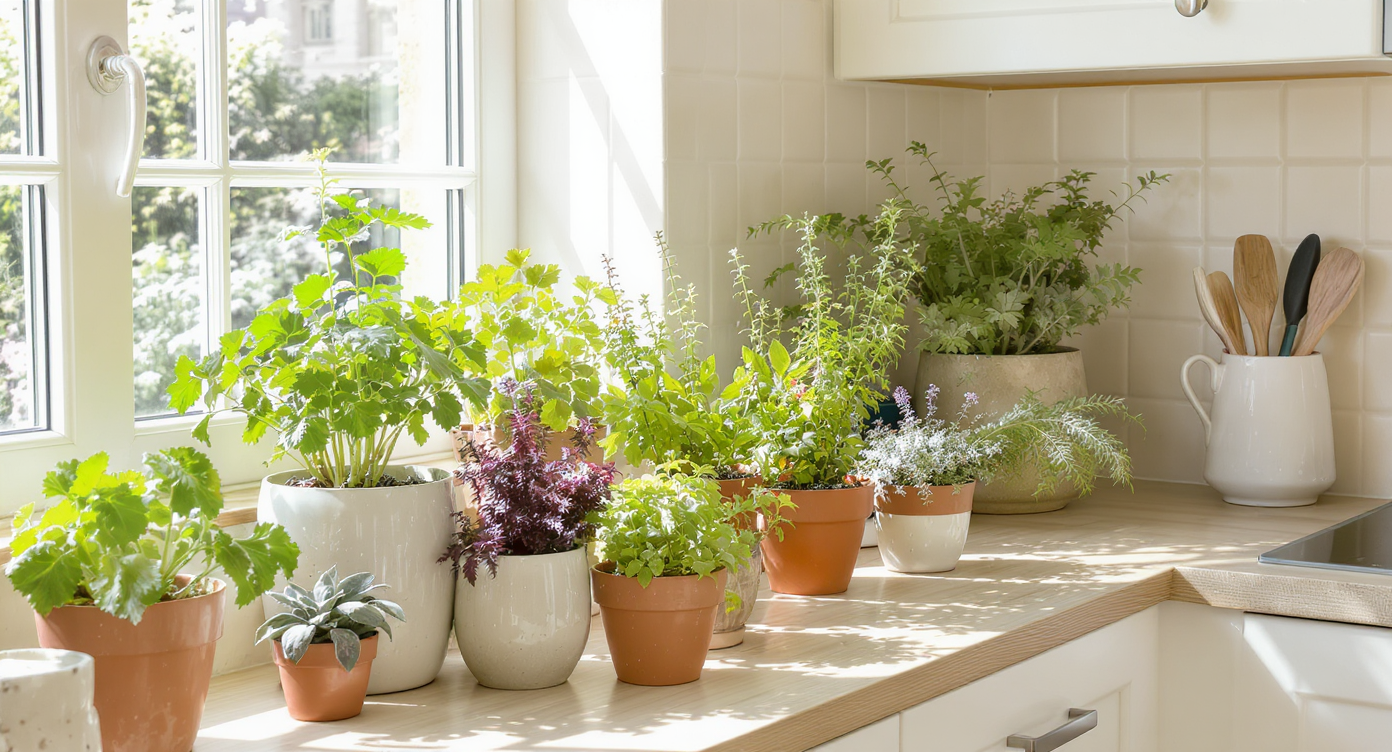
Pairing Mediterranean herbs with gritty cactus soil while using different blends for leafy greens ensures better results in indoor gardens.
Some herbs thrive in gritty, well-draining mixes, while others may struggle. Parsley, sage, and thyme are often tolerant of sharper drainage, especially if blended with extra organic matter. Leafy greens, on the other hand, may show stunted growth without more moisture-retentive soil. When using cactus soil, prioritize Mediterranean herbs over moisture-loving vegetables, or experiment in small batches to find an ideal mix for your environment. Garden designers often leverage this selective approach when planning multi-use plantings. Combining container sizes and soil blends allows for more tailored care, a theme shared in our breakdown of how to succeed with limited space and resources.
-
6. Refresh Soil Each Season
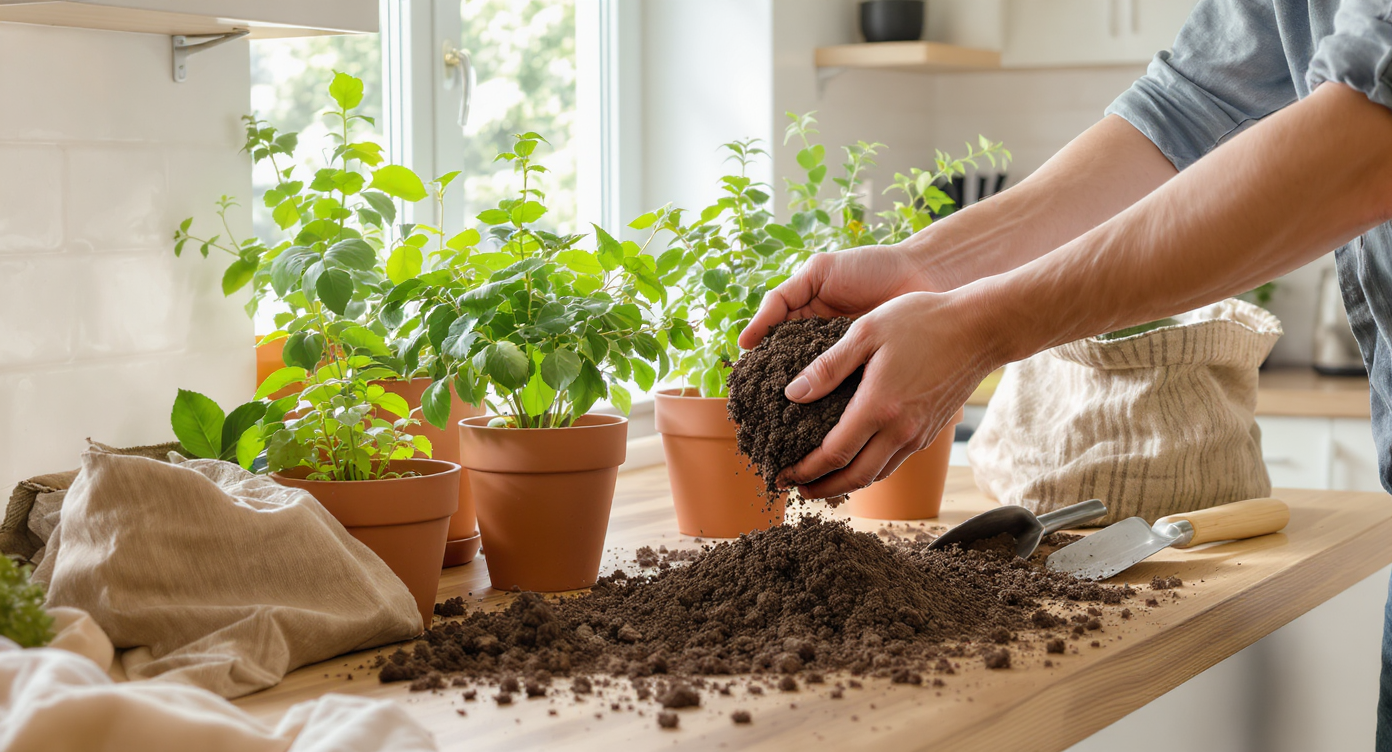
Refreshing soil annually in indoor herb and vegetable pots using fresh compost helps maintain healthy, resilient plants indoors.
Soil in containers, especially those with non-traditional blends, can deplete quickly. Gardeners are wise to refresh potted soil at least annually, either by fully replacing or remixing a portion of the potting blend with fresh compost and fertilizer. Failing to do this can lead to nutrient exhaustion, compaction, and uneven growth. As observed by home gardening practitioners, amending soil each season can drastically extend the life of your indoor edible plants, supporting better resilience and higher yields. This hands-on renewal is one of the best low-tech ways to maintain a thriving apartment garden, echoing lessons from successful outdoor growers in various climates.
-
7. Leverage Technology for Smarter Soil Planning
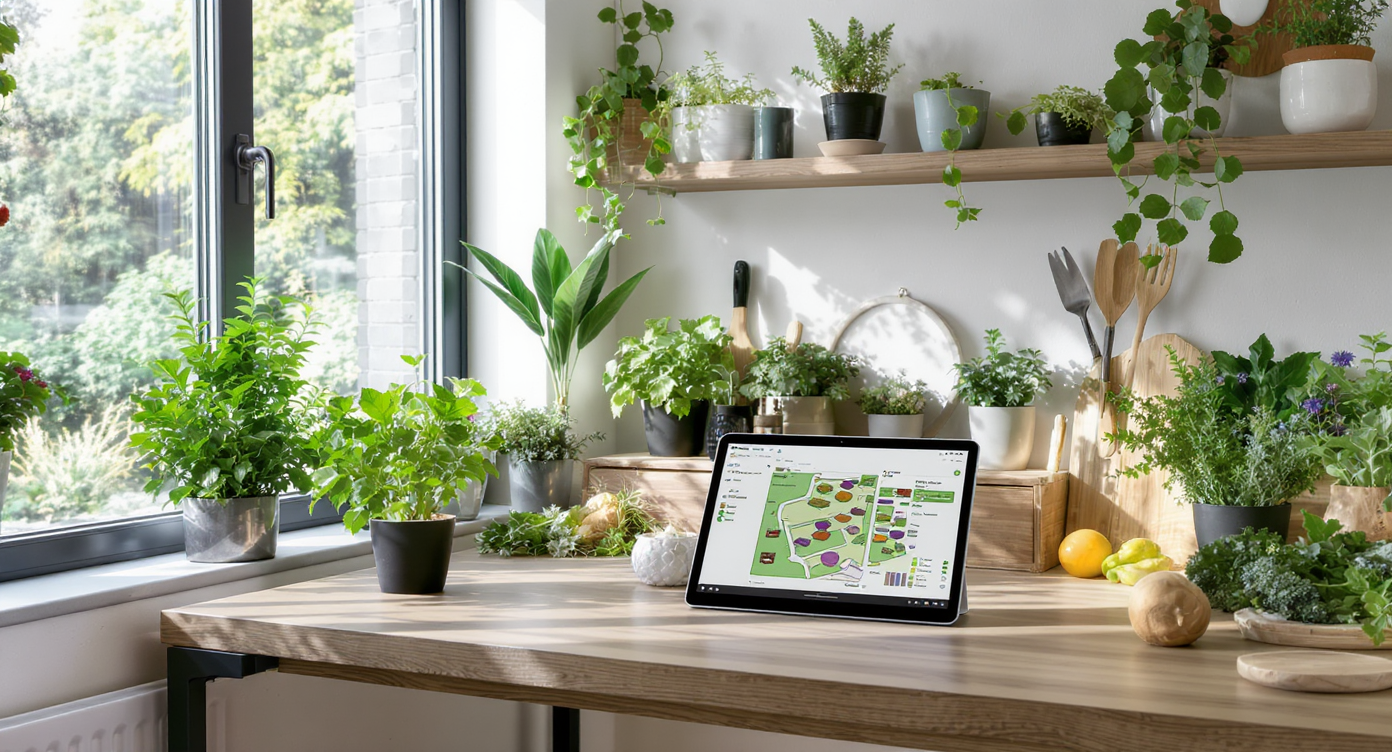
Leverage smart technology to plan container gardens—visualize soil mixes, plant pairings, and layout for optimal indoor herb and veggie growth.
Modern home gardeners have access to tools that streamline soil planning, layout, and troubleshooting. Platforms like REimagineHome.ai enable scenario testing for container arrangements, soil amendments, and plant pairings based on available light and space. With the rise of ai garden design from photo and ai landscaping for low maintenance yards, gardeners can visualize, refine, and maintain optimal conditions from the outset. This blend of technical insight and personal experimentation means every container gardener can adapt, iterate, and improve—no matter their starting materials.
FAQ: Using Cactus Soil for Herbs and Vegetables
Most Mediterranean herbs tolerate cactus soil, especially when blended with organic matter. Leafier or moisture-loving herbs may struggle unless the mix is adjusted for more water retention.
Do vegetables like tomatoes or lettuces do well in cactus soil?
Vegetables generally need richer, moisture-holding mixes. If you must use cactus soil, blend it with potting mix and add fertilizer to support edible growth.
Is cactus soil safe for food crops?
Yes, provided the mix is free from chemical additives and is amended with compost and fertilizer. Good washing and handling practices are also recommended.
How does technology like REimagineHome.ai help with soil planning?
It allows users to simulate container gardens, test layout possibilities, and optimize amendments for indoor growing success.
Indoor Edibles Start with the Right Soil
Cactus soil can provide a clever foundation for indoor herb and vegetable gardening, but it rarely offers everything these plants need straight from the bag. By blending, enriching, and using technology for ongoing adjustments, aspiring apartment growers turn potential limitations into productive, resilient indoor gardens. Planning and testing with platforms like REimagineHome.ai ensures that every choice, from soil to plant pairing, suits your specific indoor environment.