7 Essential Secrets to Caring for Calceolaria Indoors or Out
TL;DR
Calceolaria, known for their distinctive slipper-shaped blooms, thrive when provided with bright indirect light, consistent moisture, and a cool, humid environment. Success with these charming plants often depends on careful watering, proper soil and pot selection, and attentive seasonal care. With a thoughtful approach, even novice gardeners can enjoy the unusual beauty Calceolaria brings to windowsills and gardens.
Understanding Calceolaria Care: Why Details Matter
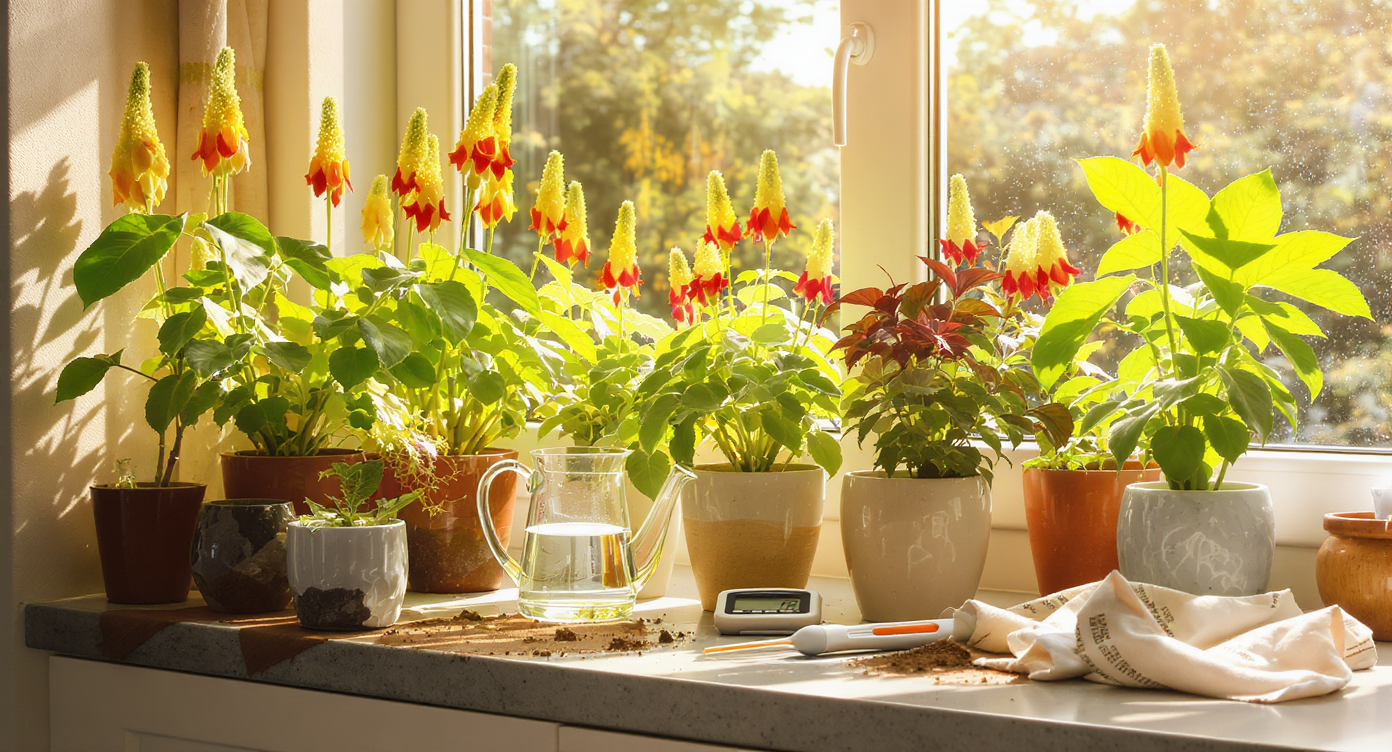
A window shelf of vibrant Calceolaria slipper flowers, freshly arranged with pots, care tools, and a moisture meter, ready for attentive indoor care.
Calceolaria, often called slipper flowers for their pouch-like blossoms, stand out among houseplants for their bright colors and dramatic forms. But their cheerful presence belies a reputation for being finicky, especially for beginners. Knowing what calceolaria needs is the difference between a fleeting burst of color and a thriving, long-lasting display. This list is designed for anyone who has brought home a calceolaria from a nursery, perhaps attracted by its whimsical appeal. Unlike easygoing foliage plants, calceolaria ask gardeners to pay close attention to temperature, moisture, and environment. A little extra care can go a long way. Here is what really matters for keeping these showy flowers looking their best.
-
1. Location Is Everything: Offer Bright Shade
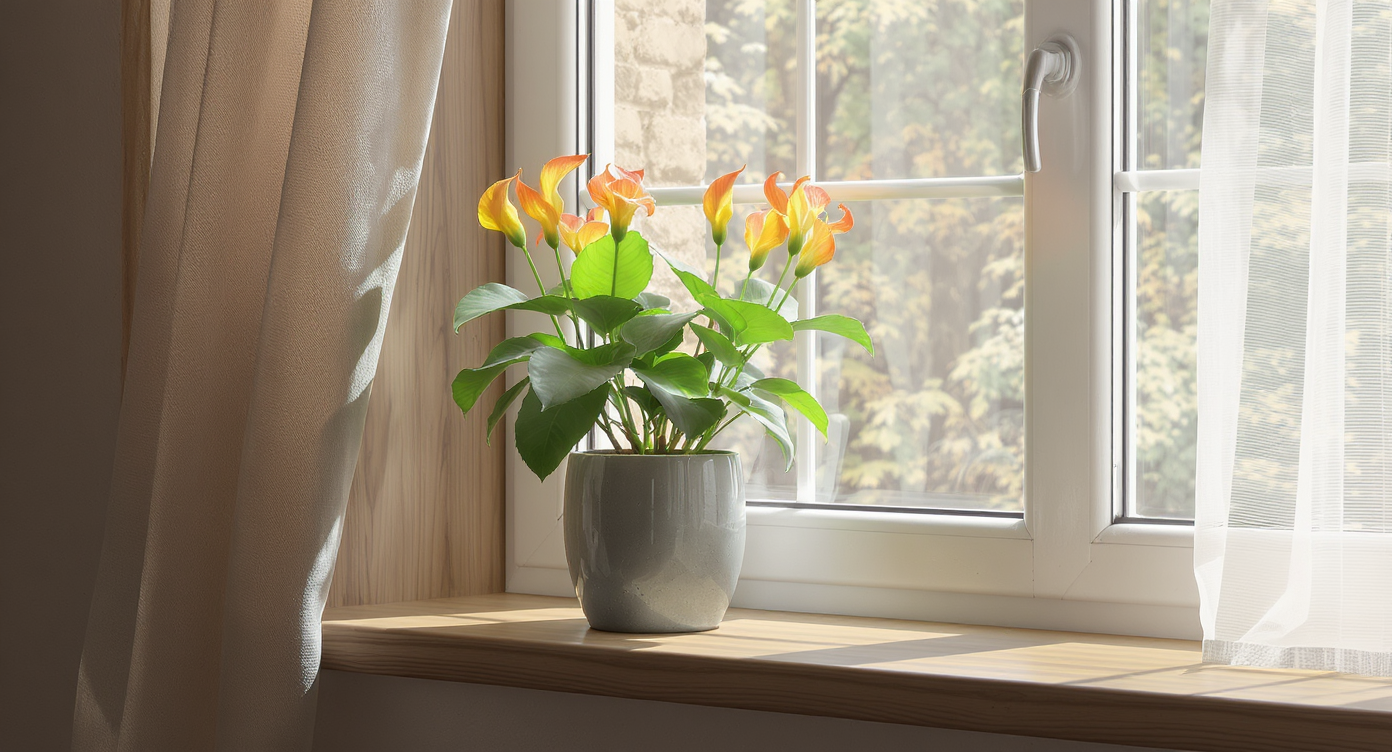
A Calceolaria plant flourishes on a windowsill with bright, indirect light—ideal for maintaining its colorful blooms indoors.
Calceolaria naturally thrive in environments that mimic the cool, dappled light of forest edges. Indoors, place them near east or north-facing windows where they receive bright but indirect sunlight. Too much direct sun risks leaf scorch, while too little will result in poor flowering. Outdoors, select a sheltered spot with filtered sunlight, much like the recommendations for low-maintenance landscape plants discussed in our exploration of the real rules of low-maintenance gardening.
-
2. Maintain Cool Temperatures for Longer Blooms
The longevity and vibrancy of calceolaria blooms rest on keeping the plant cool. Ideal temperatures hover between 60 and 65 degrees Fahrenheit. Excess heat can cause rapid wilt and shorten the flowering period. Gardeners sometimes make use of tactics like moving pots away from heating vents or providing additional airflow to maintain a consistently cool microclimate.
-
3. Keep Humidity High, Avoid Waterlogged Roots
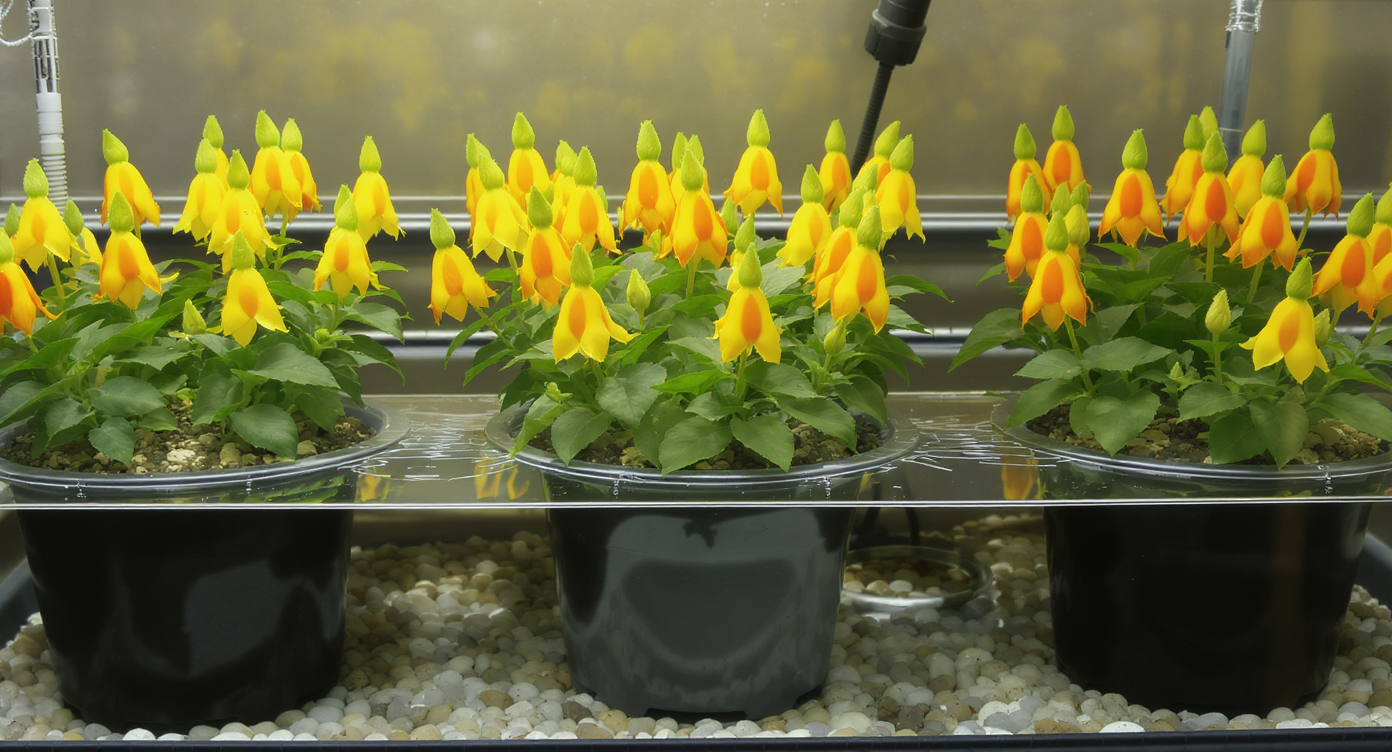
Calceolaria pots rest on pebble trays with water beneath for humidity, but their roots stay dry, ensuring healthy, vibrant blooms indoors.
Humidity often makes or breaks a calceolaria’s health. Steam from kitchens, pebble trays, or grouping plants together help to maintain the moist ambient air these flowers favor. However, water should never collect in trays or be allowed to sit in the bottom of the pot. Overly wet roots can lead to rot, a common concern echoed by professionals who recommend treating calceolaria like African violets—allow soil to dry slightly between waterings. A balance of moisture and air is critical, a principle echoed in techniques for sustaining living soil explored in our guide to soil health.
-
4. Use the Right Soil and Potting Mix
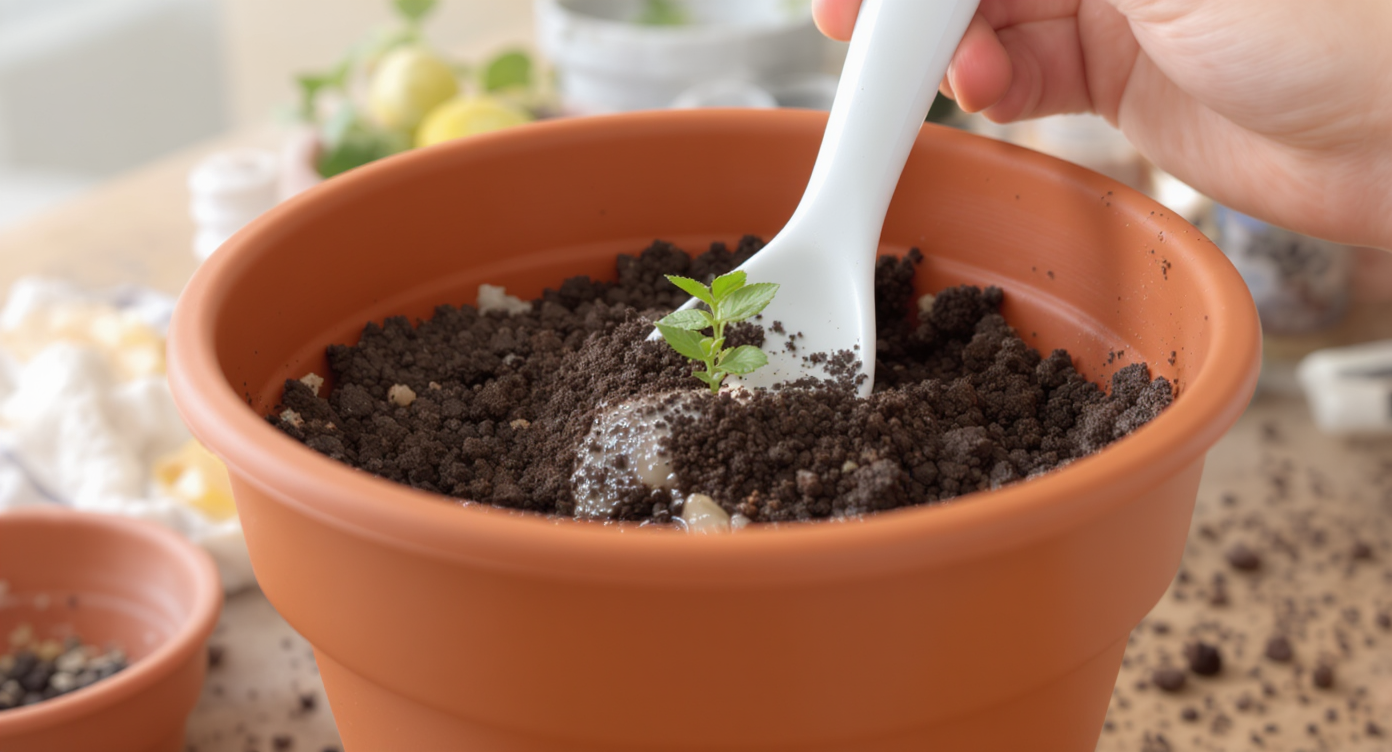
To ensure proper growth, calceolaria should be potted in well-draining soil blends, including perlite and compost, inside containers with drainage holes.
A lightweight, well-drained soil is non-negotiable for slipper flowers. Mixes formulated for African violets usually work well, since they maintain moisture without compacting. When growing calceolaria outdoors, blend compost and perlite with garden soil for similar effects. Always plant in containers with drainage holes to prevent standing water, a key difference between success and disappointment for most novices.
-
5. Water with Care, Skip the Sprays
Calceolaria leaves are tender and prone to fungal problems if water lingers on their surface. Water at the soil line rather than misting, and allow the top layer to dry just slightly before watering again. Self-watering pots or watering from below suit these preferences. Seasoned gardeners frequently encourage beginners to use touch as a guide, feeling for soil dryness to avoid overwatering.
-
6. Feed Sparingly During the Flowering Season
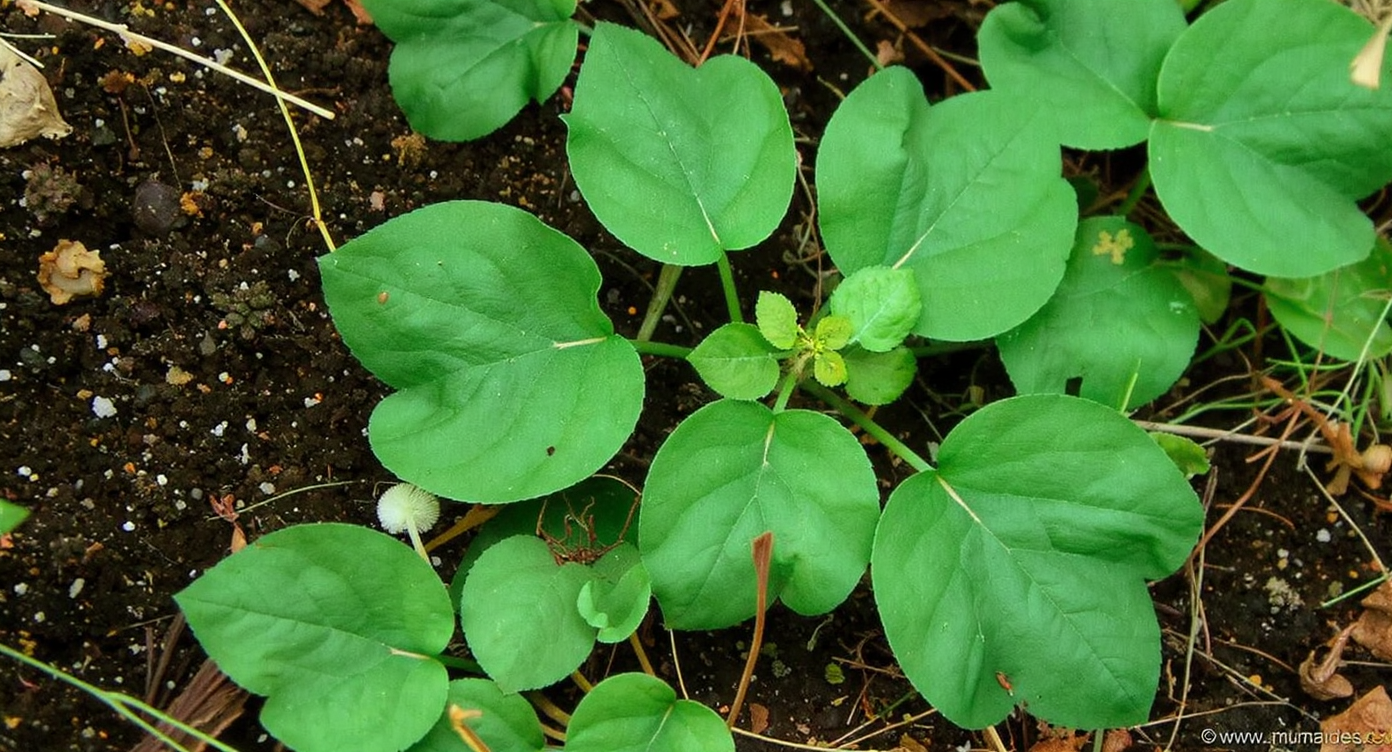
Feeding Calceolaria sparingly during flowering with a light, diluted liquid fertilizer helps promote strong blooms without excess foliage.
Fertilizer should be used judiciously, as calceolaria are sensitive to excess nutrients. A diluted balanced liquid feed every few weeks during active growth will support blooms without encouraging excessive, weak foliage. Like many flowering annuals, they require little feeding after their major bloom, echoing principles in designing resilient gardens found in guidance for low-maintenance plant choices.
-
7. Plan for Renewal: Treat as Annual or Collect Seed
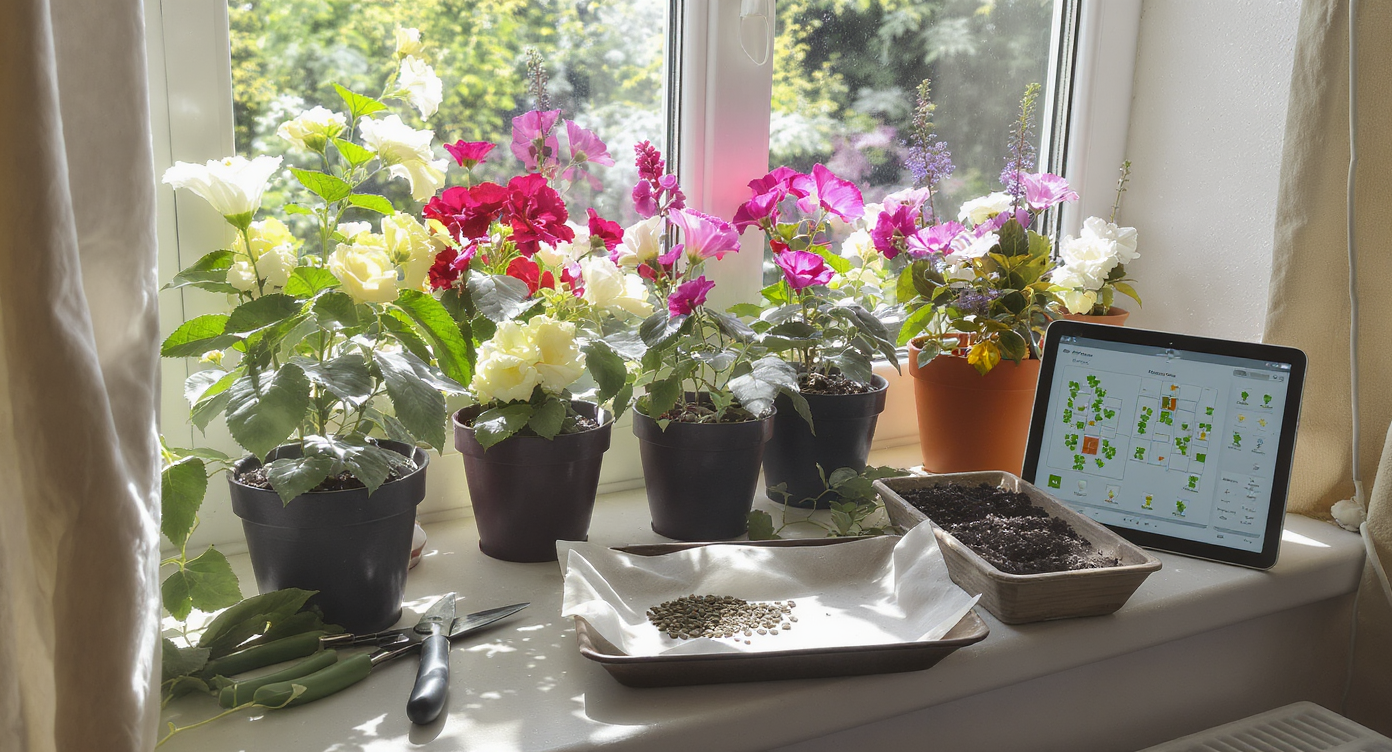
Display of calceolaria renewal: fading blooms, collected seeds, gardening tools, and a tablet open to a digital planting plan.
Most calceolaria are grown as annuals, discarded after flowering as their vigor fades. However, it is possible to collect seed, or occasionally cut back and try for a second growth if conditions allow. For consistent color, many gardeners purchase new plants at the start of each season. Using digital design tools such as REimagineHome.ai can be invaluable in plotting plant rotations and refreshes for a continually vibrant home display.
Calceolaria Care FAQ
Calceolaria prefers bright but indirect light. A spot with filtered sunlight encourages the best blooms without risking leaf burn.
Why are my calceolaria wilting quickly?
High temperatures or low humidity can cause wilting. These plants last longest in cool rooms with moist air, away from heat sources.
Can calceolaria be grown outdoors?
Yes, in mild climates calceolaria adapt well to garden beds or patio containers, ideally in dappled shade and with careful watering.
How can I plan my display for maximum color?
Design tools such as REimagineHome.ai help visualize arrangements, select compatible plants, and experiment with locations before planting.
Is this plant worth the effort for beginners?
While a bit more demanding than basic houseplants, calceolaria offer brilliant color for those willing to provide attentive care and embrace a learning curve.
Key Takeaways for Thriving Slipper Flowers
Cultivating calceolaria offers a colorful reward but demands a little diligence. Choose a cool, bright site, maintain moisture and humidity, and feed sparingly for vivid, long-lasting blooms. Treat the plant as a short-lived showpiece or embrace seed-saving for a seasonal tradition. For experimenting with placement, container styles, or companion plant arrangements, digital planning resources like REimagineHome.ai simplify the process and reduce guesswork.