How to Choose Wall Art for Your Living Room: The Complete Decision Guide
TL;DR
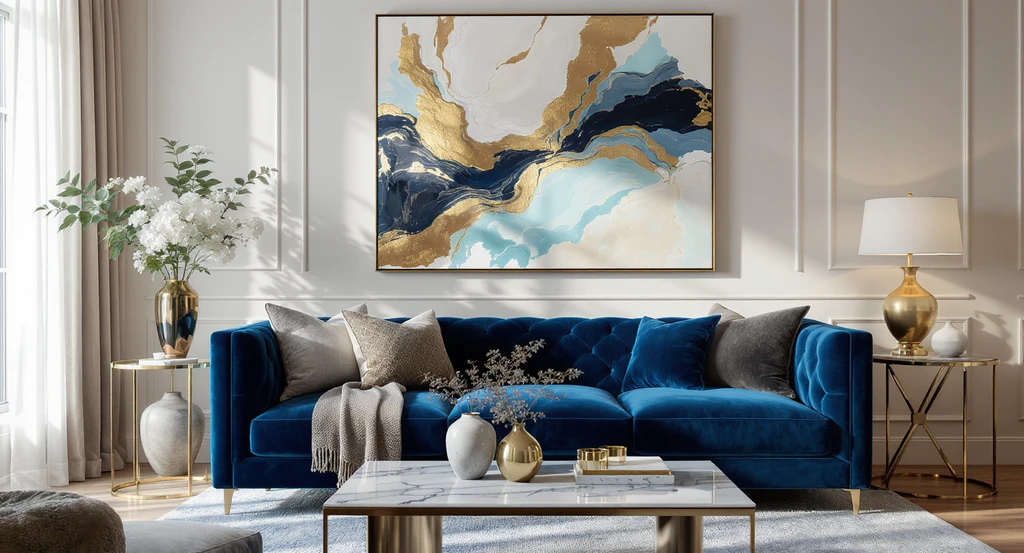
Selecting wall art for your living room means balancing personal taste, spatial limitations, and design intent. Prioritize scale, style, color, and placement to create a cohesive, inviting space. This guide equips you with analytical, step-by-step logic for choosing art that reflects your style and enhances your room’s value and enjoyment.
Why Living Room Wall Art Decisions Matter
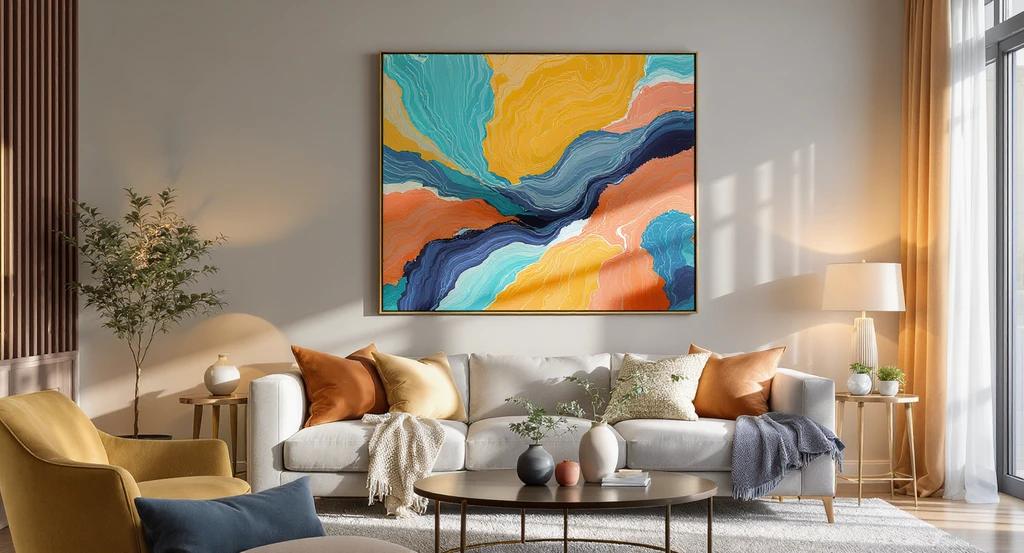
How to choose wall art size: Considering will large wall art fit above sofa, living room art ideas for small spaces, and why art looks different at home.
Choosing the right wall art for your living room is a pivotal design move. The ideal wall art acts as both a visual anchor and a storytelling element, setting the tone for the entire space. The wrong choice can disrupt flow, throw off scale, or undermine your design scheme. This guide explains how factors like art size, style, and placement interact with your living room’s constraints and goals. You’ll discover how spatial reasoning, resale value, and psychological cues influence which wall art delivers lasting satisfaction—as well as how visualization tools such as REimagineHome AI can reduce uncertainty in your choices.
-
The REimagineHome AI Evaluation Approach
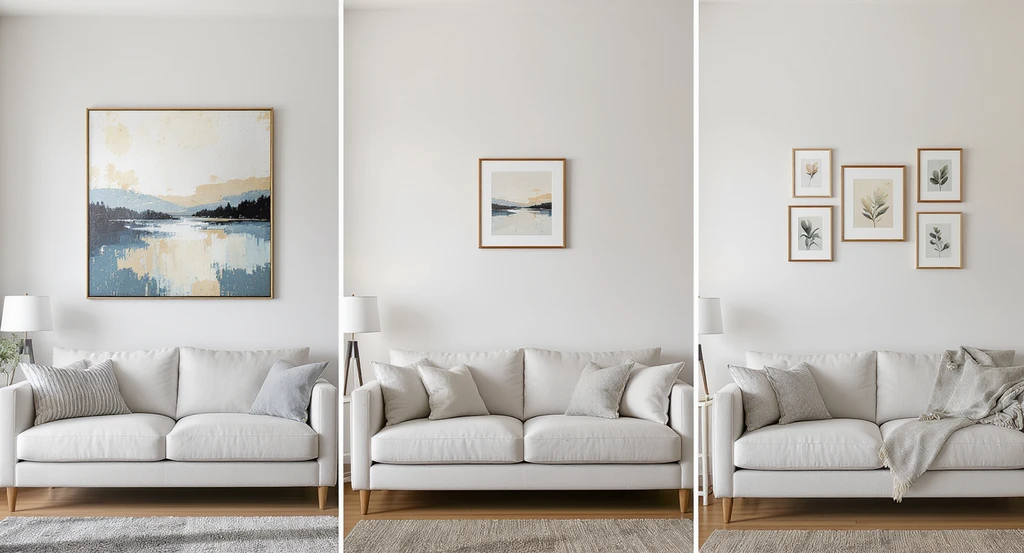
See how to choose wall art size above the sofa and explore living room art ideas for small spaces. Discover why art looks different at home and what size artwork best fits a small living room for a balanced, stylish look.
To ensure confident selections, this guide applies a decision structure based on four core mechanics:
- Scale – artwork must suit wall and furniture proportions
- Style – art should align with or suitably contrast decor
- Color – palette harmony for unity or impact
- Placement – correct height and grouping for spatial balance
Each facet shapes both user satisfaction and future resale appeal. Visualization tools allow you to preview combinations, minimizing regret and decision cycles.
-
1. Analyze Wall and Furniture Proportions
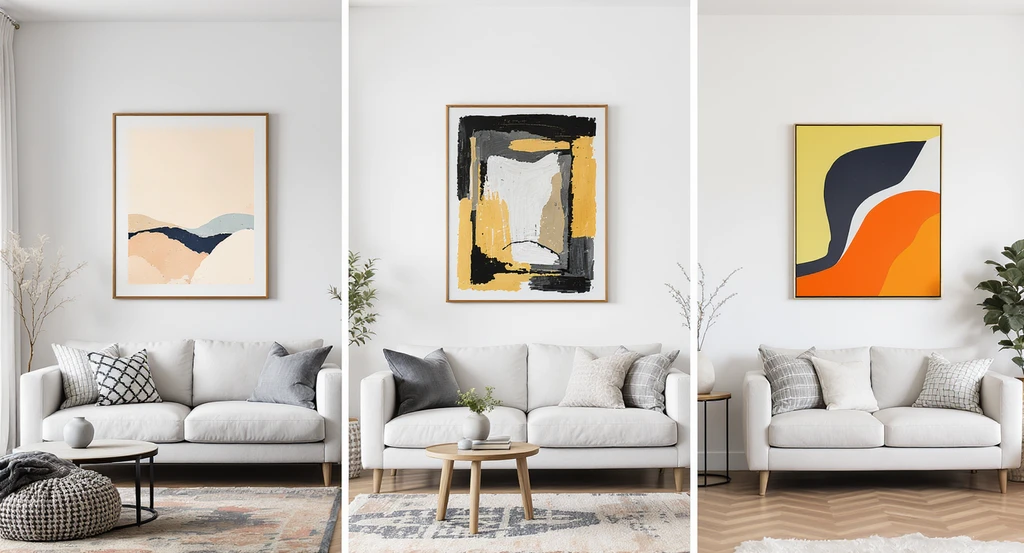
How to choose wall art size: See why a 2/3 width artwork fits above a sofa, a bold piece suits small spaces, and gallery walls complete large living rooms. Will large wall art fit above sofa? Discover what size artwork for small living room and why art looks different at home.
Art that’s too small disappears; oversized pieces suffocate a wall. Use the 2/3 rule above major furniture (artwork width ≈ two-thirds the width of the sofa). For blank walls, larger art or grouped pieces stop the room feeling incomplete. In small living rooms, one bold statement piece prevents visual chaos, while gallery walls suit expansive or high-ceilinged spaces.
-
2. Align Art Style with Room Intent
Modern spaces gain energy from bold abstracts and crisp lines, while traditional rooms are best with landscapes, botanicals, or classic portraits. The style should either reinforce your design ethos or introduce intentional contrast. Art style sets emotional tone dynamic for lively rooms, serene for relaxing spaces.
-
3. Optimize Color Coordination
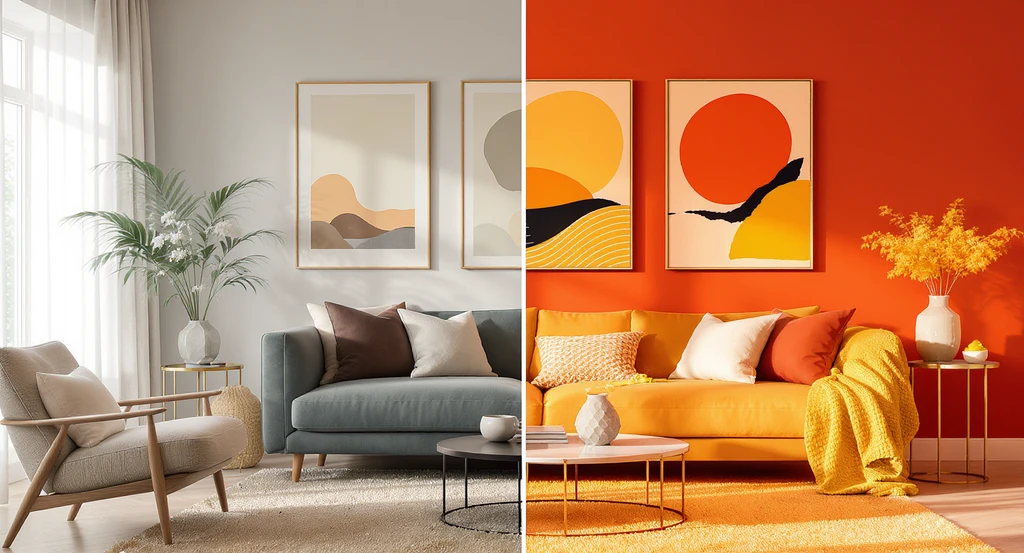
Explore living room art ideas for small spaces: coordinated and contrasting wall art above a sofa shows how to choose wall art size and why art looks different at home.
Select art that either harmonizes with your existing palette or delivers standout contrast. Pull accent colors from rugs, pillows, or drapery for unity or use opposites on the color wheel for drama. Light artwork lifts dim rooms; saturated colors anchor airy ones. The right color relationship strengthens overall cohesion.
-
4. Consider Light, Placement, and Viewing Height
Natural and artificial lighting affect how wall art looks throughout the day. Place art where glare is minimized and colors are visible in daylight and at night. Position the center of the artwork 57–60 inches from floor for eye-level comfort; leave 6–8 inches above furniture to let pieces ‘breathe.’
-
5. Assess Art Budget and Framing Impact
Set clear budget constraints before selecting. High-quality prints and well-chosen frames often rival originals for impact. Consistent framing ties mixed artworks together, vital for gallery walls. Thrifted frames can be upcycled for budget-friendly cohesion just match finishes or contrast boldly to avoid a disjointed look.
-
Trade-Offs and Common Pitfalls
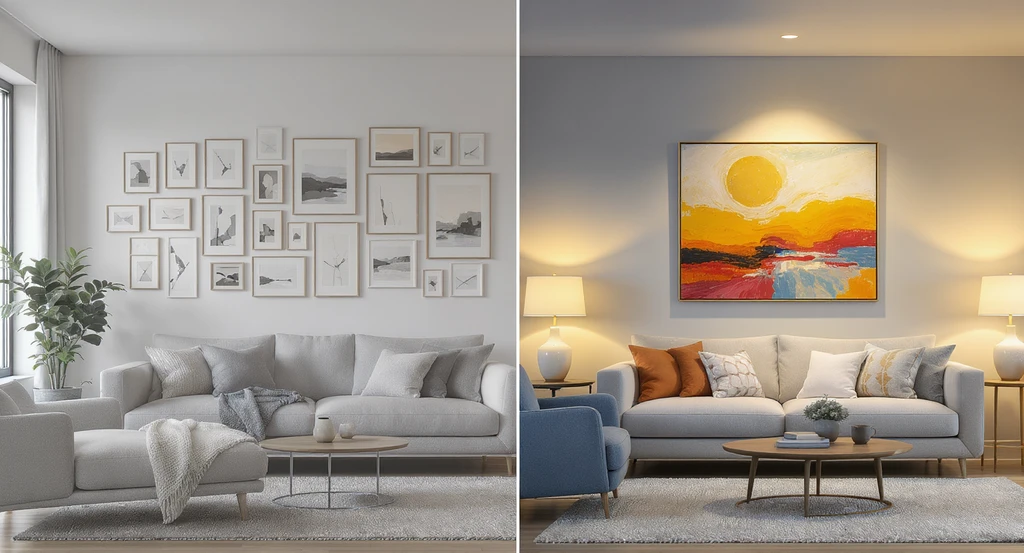
Trade-Offs and Common Pitfalls Image
Choosing many small pieces can make a room feel cluttered, while one oversized piece can overwhelm if the ceiling is low or the wall narrow. Strong colors may boost energy but risk visual fatigue or limit future decor changes. Poor lighting makes any art investment underwhelm. Testing layouts via paper templates or digital previews averts costly missteps.
-
How Wall Art Scale Affects Room Proportion
Wall art scale refers to the visual relationship between an artwork’s size and the wall or furniture below it. Many assume any art will suffice, but the harmony determined by established proportional rules like 2/3 or 3/4 is essential for balanced visual flow. Poor scale disrupts unity, while proper sizing provides visual rhythm and comfort.
-
How Visualization Changes the Decision
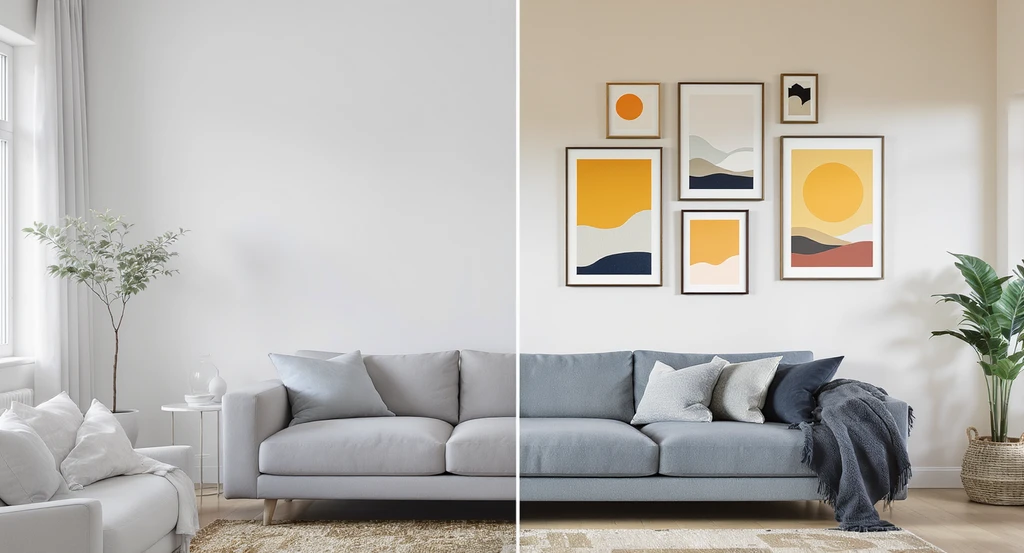
A side-by-side living room scene reveals why art looks different at home; visualizing various wall art sizes above the sofa helps you decide what size artwork for small living room spaces and whether a large wall art will fit, supporting smarter living room art ideas.
Uncertainty before visualization typically involves doubts over size, color, and placement paralyzing the selection process. By previewing artwork in a realistic snapshot of your living room with tools like REimagineHome AI, you confirm balance, color impact, and style fit. Visualization clarifies the shortlist and increases satisfaction, dramatically reducing design regret and speeding up decision-making.
-
Practical Application and Non-Obvious Insight
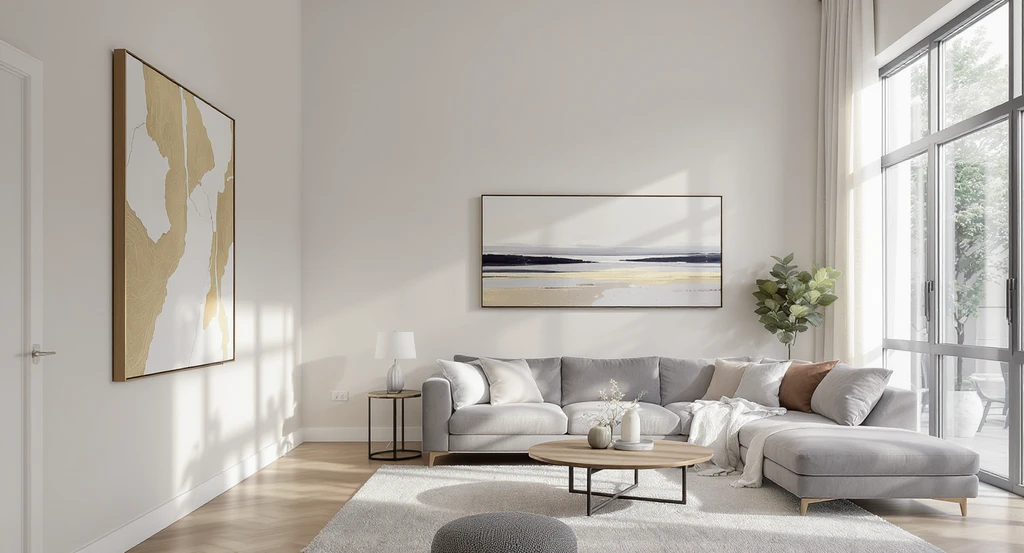
Tall ceilings and furniture depth guide how to choose wall art size—vertical arrangements and matte finishes offer ideal living room art ideas for small spaces or when large wall art may not fit.
Ceiling height and furniture depth silently dictate what wall art will actually feel proportionate. For example, tall ceilings favor stacked arrangements or vertical pieces horizontal art can look undersized. In rooms with high-glare windows, matte finishes or textiles outperform glass-framed art for appearance and longevity. Spatial reasoning on reflectivity, vertical/horizontal lines, and light ensures confident, regret-free selections.
Frequently Asked Questions About Choosing Living Room Wall Art
Frequently Asked Questions
What size should living room wall art be?
Living room wall art should generally be 2/3 the width of the furniture it sits above, ideally 36–48 inches above a sofa. For blank walls, consider a single large piece or a balanced gallery arrangement for greatest impact and cohesive visual flow.
Does wall art help with resale value?
Yes, well-chosen wall art supports a professional, curated feel and makes spaces more appealing to buyers. Neutral, on-trend art boosts perceived value and broadens buyer appeal, while overly personal or extreme styles can reduce resale flexibility.
How do I coordinate wall art with my color scheme?
Identify three core colors already present in furniture, rugs, or curtains. Choose art that echoes one or two for unity or uses a complementary color for contrast. Unified framing further helps tie the color relationship together visually.
Should I buy art before or after choosing furniture?
For cohesive results, choose larger furniture pieces first. Select wall art after so you can coordinate size, placement, and palette. If you already own a standout artwork, use it as inspiration for your living room’s color and style direction.
The Confident Approach to Living Room Art
Selecting living room wall art is a chance to reinforce your desired atmosphere, reflect lifestyle, and even increase resale appeal. Begin with a clear assessment of size, style, color, and placement relevant to your space mechanics. Use visualization technology to reduce uncertainty and let your evolving taste drive steady, confident upgrades. Your walls are the true narrators of your home story.