Navigating Real Estate Appraisals for Unique Commercial Venues

TL;DR
Unique commercial venues, such as purpose-built event spaces, often encounter real estate appraisals that diverge from owners’ expectations due to mismatched property comparisons and traditional valuation methods. Understanding how appraisals are formulated, their limitations for specialized properties, and strategies for constructive engagement can help owners and designers better navigate and prepare for the complex world of financing these projects.
When Commercial Appraisals Miss the Mark

A thoughtfully designed commercial venue blends historic character with modern touches, embodying the challenges of unique project valuation.
Commercial real estate appraisals are meant to offer a fair estimate of property value—but for owners developing one-of-a-kind venues, such as event spaces or boutique hospitality concepts, the results can diverge sharply from expectations and even threaten project feasibility. This reflects the inherent tension between real-world operations and standard valuation methodologies. The experience of seeing an appraisal come in well below both project cost and business projections is not uncommon, but it can feel perplexing and frustrating for those eager to bring novel spaces to life. Why do these gaps arise, and how can thoughtful design-focused owners and their advisors respond?
-
Understanding Appraisal Methods for Nontraditional Projects

A multi-purpose commercial venue blends gallery, tasting, and event spaces—illustrating why unique property appraisals can be complex.
At the heart of any commercial real estate transaction lies the appraisal, a process designed to determine what a property is worth for lending, investment, or sale purposes. Most appraisers rely on three main approaches: sales comparison, income, and cost. Traditional properties like office buildings or retail centers slip neatly into these frameworks, but purpose-built venues often present a puzzle. If a project’s primary function is events, but the entitlement is via another use such as "winery" or "gallery," finding true comparables can be elusive. Appraisers may default to sales of superficially similar spaces—potentially ignoring crucial differences in use, permitting, or business model. Meanwhile, cost and income approaches may be sidelined because so much of the property’s value is entwined with its operations and not simply its real estate footprint. This can result in a significant value gap, particularly when permitted event venues are rare or market data is thin.
Expert Insight
When an owner in California received an appraisal millions below construction cost for their new event venue, it threatened funding and deadlines. By gathering operational data, correcting the comp set, and requesting a more nuanced report, they were able to open a constructive dialogue with their lender. While the final number did not fully close the gap, project credibility improved—and the owner used the lessons learned to build more appraisal-ready designs for future work.
-
The Special-Use Property Conundrum
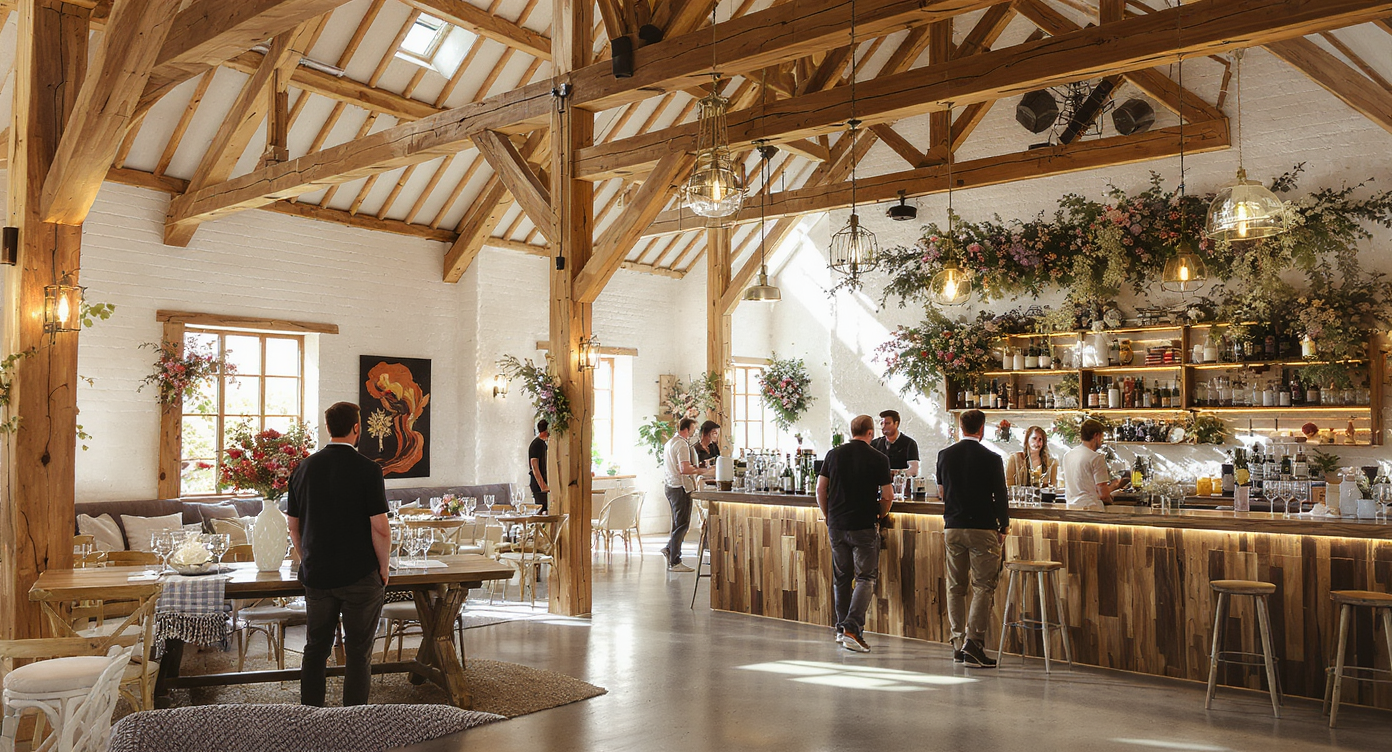
Boutique venues like wedding barns or tasting rooms highlight the design-driven value that challenges conventional appraisal methods.
Designers and developers of boutique event venues often confront the term "special-use," which is code for a property whose value is tied closely to a particular operational purpose. Examples include wedding barns, tasting rooms that moonlight as event spaces, or art-focused gathering spots. By their nature, these spaces may not have robust third-party lease income or a broad resale market, both of which underpin traditional investment-grade property appraisal. Lenders and appraisers, wary of risk, will often emphasize the sales comparison approach while downplaying or omitting income and cost methods. This tendency is especially pronounced in owner-occupied venues, where the real value may be in the experience or branding rather than the bricks and mortar. When appraisers use comps with a different permitted use—such as wineries that operate primarily as production facilities or venues with only nominal event potential—the resulting valuation can feel disconnected from the reality of a thriving, events-driven business.
-
Strategies for Engaging With the Appraisal Process

Collaboration and documentation are key—preparing comparables and projections can strengthen your position in commercial property appraisals.
While an initial low appraisal can be dispiriting, owners are not without recourse. Designers, planners, and entrepreneurs can strengthen their position by proactively assembling a dossier of truly comparable properties—ideally completed event venues with similar permits, scale, and operational histories. It’s critical to highlight why these comparables reflect the intended use when negotiating with lenders or appraisers. If the engagement letter or lender’s requirements call for multiple approaches (sales, cost, and income), referencing this language can support a request for a broader or reconciled analysis. Presenting 24-month operating projections, evidence of bookings, and a clear cost breakdown can enhance credibility. In some cases, it’s realistic to expect the cost approach to carry less weight, especially when construction costs outstrip what the market will pay, but ensuring it’s part of the conversation can help bridge the understanding gap. Owners should also clarify how much of their business value is tied to the property versus intangible operational elements. In practical terms, it’s wise to prepare for the possibility that even the best-documented appeal may not substantially shift the final number—thus creative solutions, such as phasing projects, supplementing with more equity, or targeting flexible lenders, can help.
-
Anecdote: An Owner’s Perspective From the Field

A proactive owner collaborates with an appraiser in a vineyard-inspired venue, highlighting the impact of nuanced project valuations.
Consider the owner of a new vineyard-inspired event venue in California whose completed project fell victim to a low appraisal. Their vision hinged on hosting weddings and celebrations, but when the appraiser used mainly winery sales and unpermitted event spaces as comps, the result was millions below what the market or the business model suggested. Instead of accepting the outcome, the owner gathered operating data, corrected the comp set to highlight legitimate, permitted event venues, and requested a more nuanced appraisal that included the cost and stabilized income approaches as originally instructed. While the lender’s risk appetite was ultimately the deciding factor, these efforts led to a richer, better-documented narrative for the property—a benefit in ongoing negotiations and any future refinancing.
-
Common Pitfalls to Avoid in Unique Property Financing
Relying solely on traditional comps is one of the major pitfalls in the appraisal process for specialized venues. Owners routinely assume that appraisers will parse nuanced differences in permitting or that business income will automatically factor into real estate value. In reality, appraisals for owner-operated, special-use projects default strongly to liquidation scenarios, which understate operational upside. Another misstep is overlooking the engagement letter—if it requires multiple valuation methods and specific reconciliations, owners gain leverage for a formal appeal or clarification. It’s also a mistake to underestimate the lender’s risk aversion regarding government-backed loan programs such as SBA 504, where appraisal discrepancies may prompt the bank to limit lending or withdraw altogether despite prior underwriting. Failing to anticipate appraisal risk during the earliest planning stages can costly, too—project budgets and timelines should reflect the possibility of a value gap.
-
Expert Insights and Tips From Designers and Industry Professionals
Designers recommend integrating flexibility into both the design and business plan of a new event venue. For example, programming spaces for multiple revenue streams (private events, corporate retreats, creative pop-ups) can broaden the appeal and strengthen both operating projections and the case for a higher appraisal. Real estate professionals highlight the importance of engaging early with lenders who have experience in special-use properties and who are willing to consider more than just sales comps. Maintaining thorough records of bookings, market research, and customer demand can help establish a narrative around the property’s genuine earning power. If an appraisal comes in low, experts suggest focusing on correcting the market definition and the comp set first, rather than contesting the overall methodology. Creatively aligning the story of the space with clearly documented financials often makes the strongest impact—for instance, showing how the design enables both operational success and long-term value stability.
-
Integrating Appraisal Lessons Into Your Future Designs

Design and appraisal professionals collaborate early in a flexible studio, illustrating how adaptive features can enhance future property value.
For designers and real estate planners, the appraisal process for unique commercial venues offers lasting lessons. Early project phases should incorporate extensive research into local permitting and comparable properties, not just from a design or functional perspective, but from a valuation standpoint. Projecting conservative valuations and including contingencies for potential gaps can save both stress and funding delays. Collaborating with appraisers or consultants experienced in special-use, owner-occupied properties ensures a more accurate market analysis. For future projects, building-in design features that can adapt to alternative uses may not only boost operational income but also broaden the pool of possible comparables, smoothing the path for both financing and resale.
-
Visualizing a Smarter Process: Finding Balance in Design and Value

A design-minded team collaborates in a flexible, well-documented event venue, blending creative vision with strategic valuation insights.
Imagine a creative team planning a boutique events venue in an emerging region. Instead of relying only on design sensibilities and personal projections, they map out a list of existing, legally permitted event spaces within the region, documenting what makes each comparable, from layout to licensing. They work with the lender to ensure that the appraisal order specifies inclusion of all three traditional approaches. As the project progresses, ongoing documentation of bookings, operational milestones, and flexible design enhancements create an audit trail for future evaluators. When the appraisal comes in, the owners are ready to engage knowledgeably, bridging the gap between design intent and market realities.
Visualization Scenario
Picture a design team collaborating with financial consultants as they conceptualize a multi-use gathering space. They systematically compile data on permitted venues, test varied revenue scenarios, and prescriptively address potential appraisal gaps. This approach ensures that aesthetic ambition is married to financial feasibility at every stage, yielding a space that inspires users and satisfies lenders.
Frequently Asked Questions
Immediately review the appraisal's methodology, especially comp selection and which approaches were used. If applicable, assemble evidence of more appropriate comps, document cost and income projections, and request a reconsideration of value citing specifics.
Can I influence which appraisal method is given the most weight?
While appraisers choose their preferred approach based on property type and lender guidance, providing documented market and operational data can help ensure the cost and income methods are at least considered as requested in the engagement.
How do lenders treat appraisals for SBA 504 or similar programs?
Lenders for government-backed loans are often strict about appraisal compliance and may limit flexibility. However, a well-supported rationale for a higher value, especially when all other underwriting criteria are met, can sometimes prompt further review or clarification.
Is it worthwhile to pursue a second appraisal?
If the initial appraisal appears seriously flawed and the lender is open to it, a second opinion is sometimes possible, especially if you can clearly document errors or omissions in the first.
How can digital design tools help with this process?
Tools like ReimagineHome.ai can assist with space planning, scenario visualization, and documentation, all of which support both design and appraisal preparation.
Design With an Eye Toward Market Realities
Unique commercial venues bring energy and variety to communities, but their value can elude conventional real estate metrics. For forward-thinking owners and designers, understanding the mechanics of commercial appraisals, and preparing a comprehensive, well-supported valuation narrative, is vital. The most successful projects are those in which creativity and market acumen work hand in hand. For those seeking innovative approaches to visualization and strategy, platforms like ReimagineHome.ai can also provide support.