7 Common Flower Bed Soil Mistakes Homeowners Overlook
TL;DR
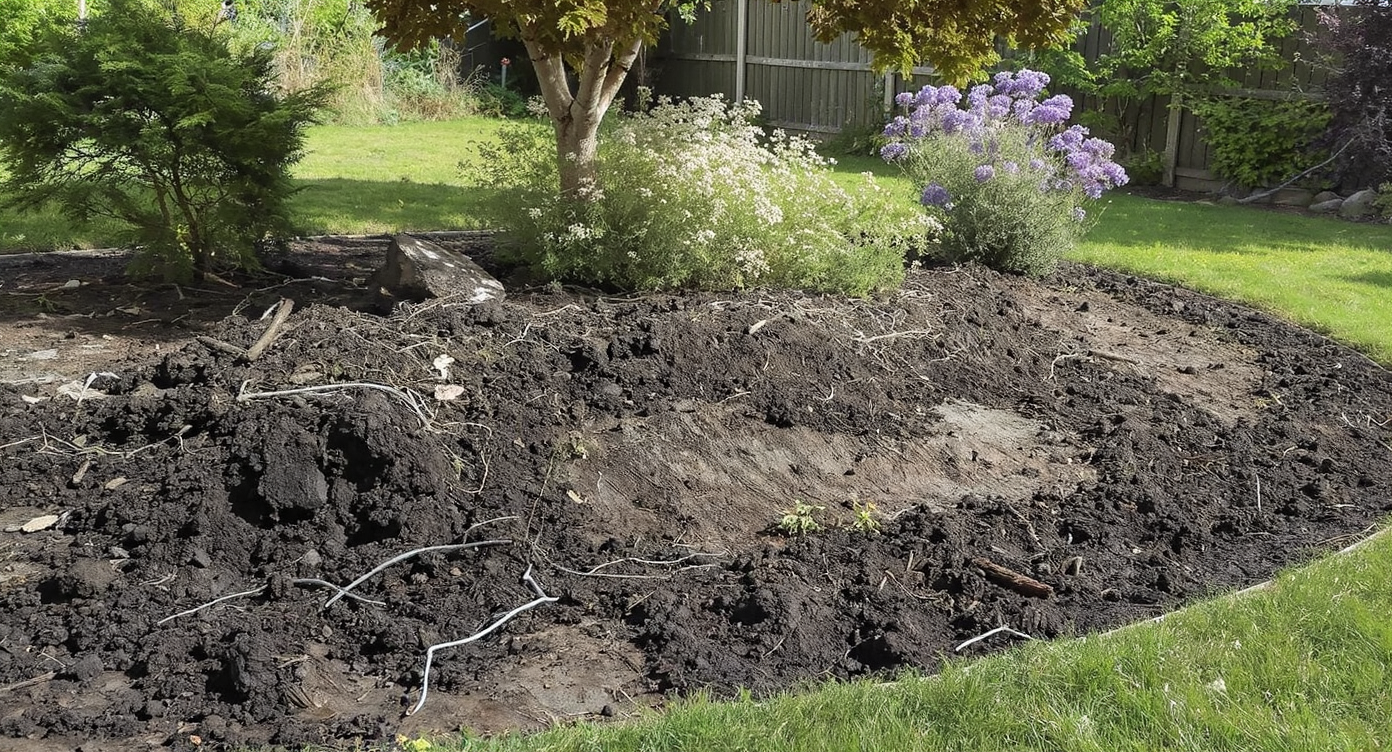
Homeowners often underestimate the impact of soil level, nutrient content, and placement when preparing flower beds, leading to issues like poor plant growth or even damage to the home’s foundation. This list explores the most frequently overlooked soil mistakes and how to avoid them for thriving, resilient landscaping.
Why Flower Bed Soil Matters More Than You Think
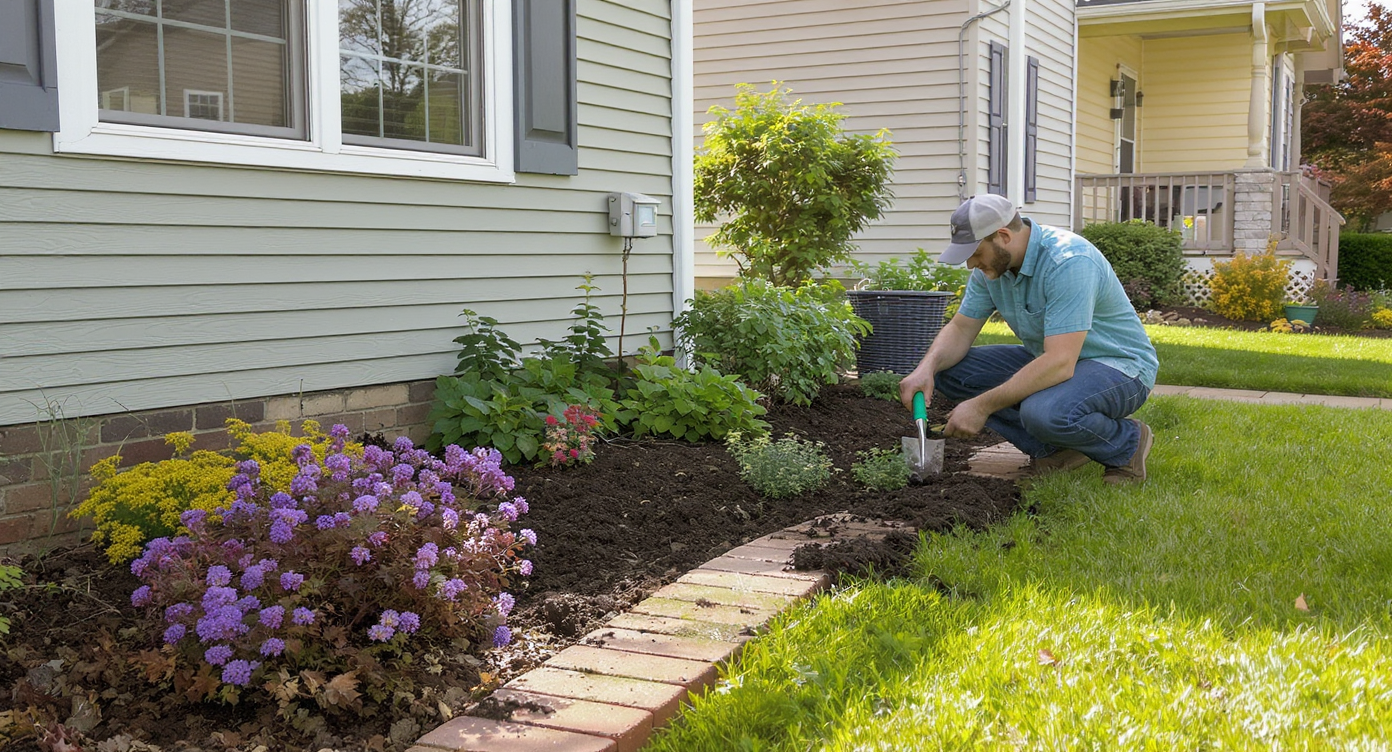
A close look at flower bed soil issues—uneven texture, drainage problems, and plant health—shows why careful preparation is essential.
Getting the soil conditions right is a critical step before planting flowers or herbs near your house. Many homeowners, especially those working with newly cleared areas, focus on plant selection or visual layout but fail to assess soil health or placement. This oversight can lead to uneven plant success, nuisance drainage problems, or even lasting structural issues for your home. A well-prepared flower bed does more than provide nutrients for your plants. It supports soil health, ensures proper drainage, and protects both landscape investment and property. Understanding what can go wrong—and how to fix it—equips homeowners to sidestep frustrating and sometimes costly landscaping mistakes. Here, we detail the most common soil missteps and how thoughtful planning, aided by modern visualization tools, can help prevent them.
-
1. Letting Soil Touch the House Foundation
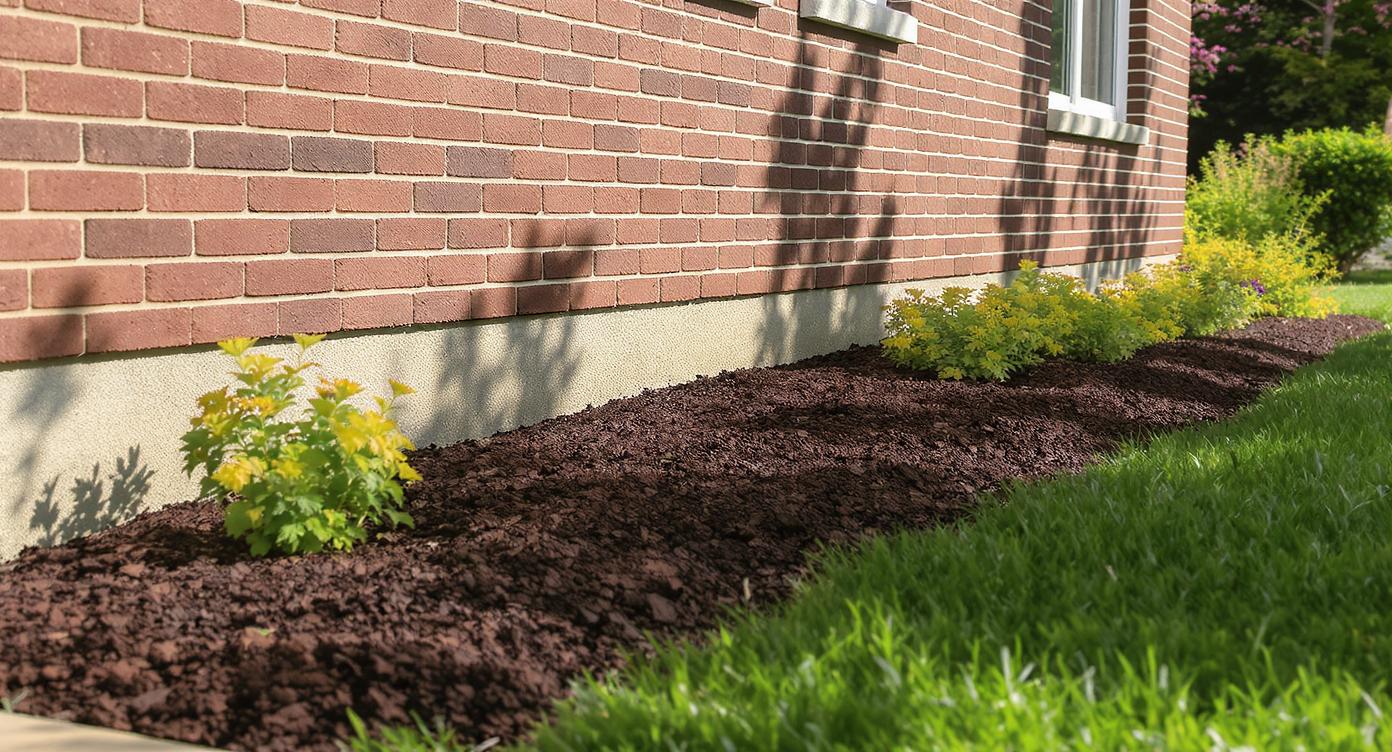
Keep garden soil and mulch well below your home’s siding to avoid moisture problems—leave a clear gap for proper drainage.
One of the most frequently missed details is allowing garden soil or mulch to sit above the base of the home’s exterior wall. Placing soil too high against siding, brick, or stucco invites moisture to wick against the house, potentially leading to dampness inside, wood rot, and even pest invasions. This risk intensifies in climates with heavy rainfall. Professionals typically advise keeping the top of the soil at least 6 inches below the siding or lowest structural element. Creating a gentle slope that pitches away from the house also ensures water moves away from your foundation, not toward it. For more extensive landscaping projects, ensuring proper soil grading can be as valuable as plant selection itself. Further considerations on how landscaping choices affect home value can be found in landscaping projects that boost property value.
-
2. Ignoring Depleted or Compacted Soil

Amending compacted soil with compost before planting helps ensure new flowers and herbs thrive in a revitalized garden bed.
After years of supporting thick bushes, existing flower bed soil is often stripped of essential nutrients and compacted from roots or foot traffic. New plants may struggle without intervention. Adding generous amounts of compost and organic matter prior to planting can radically improve structure, drainage, and fertility. Most common flowering plants and herbs need prepared soil to a depth of 12 inches. If unsure whether your soil is suitable, it is worth testing before investing in new plants. This kind of preparation is particularly vital if you want your landscaping to thrive rather than simply survive.
-
3. Overlooking Drainage at Bed Edges
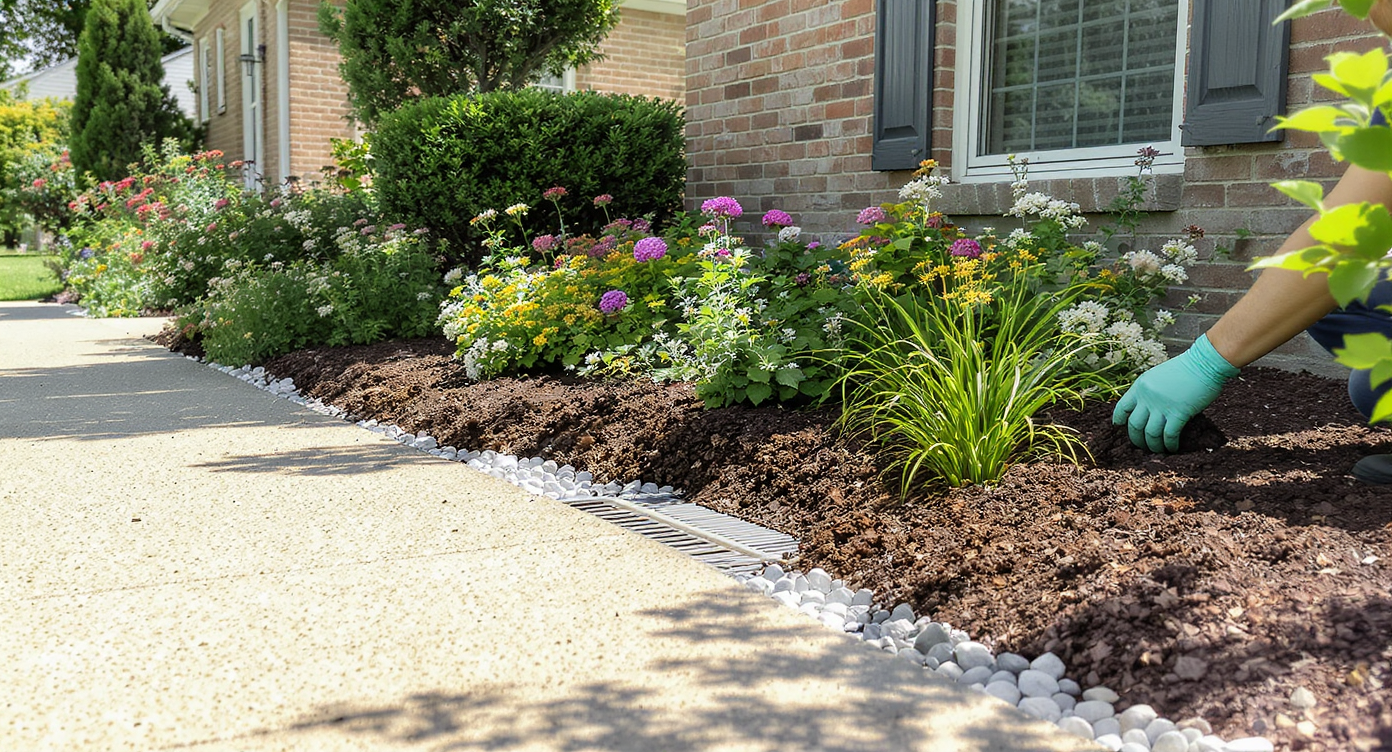
Integrating gravel edges and subtle French drains at bed borders ensures water drains away, preventing saturated soil and pooling near the house.
It's easy to focus on the appearance of new beds, but a common oversight is poor drainage at the interface between soil and hard surfaces. Without proper grading and clear runoff routes, water may accumulate where the bed meets walks, patios, or the home itself. Persistent pooling leads to saturated soils that harm plant roots and may create damp areas next to the house. Design experts recommend integrating gravel or French drains beneath or beside beds in areas that naturally collect water. When tackling complex grading needs, visualization tools such as REimagineHome.ai allow homeowners to preview solutions and avoid landscaping mistakes homeowners regret before installation.
-
4. Planting Without Testing Soil Fertility
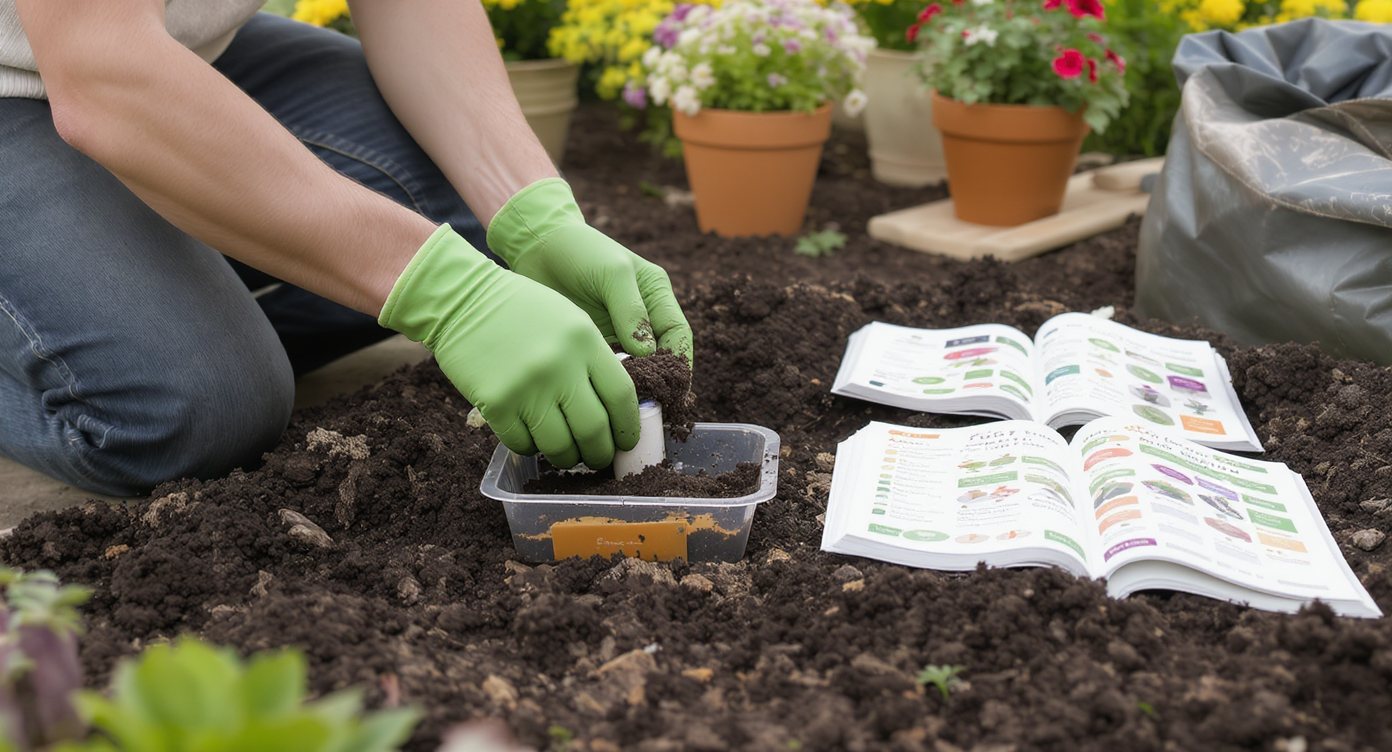
Testing soil fertility with a simple kit before planting helps spot nutrient gaps, ensuring strong, healthy flower growth from the start.
A mistake many homeowners make is skipping a basic soil fertility check before planting. Even if the soil looks healthy, its nutrient levels may not meet the needs of new flowers or herbs. The best way to assess readiness is through a simple soil test kit available at most garden centers. Identifying deficiencies early allows you to supplement with compost, organic material, or specific fertilizers suited to your desired plants. This step saves time and money by reducing the likelihood of failed plantings or stunted growth, and illustrates why investing in a landscape plan pays off, as described in the guide to smart landscaping planning.
-
5. Forgetting to Mulch After Planting
Skipping mulch is a classic error that exposes young plants to moisture loss, erosion, and weed competition. Mulch helps regulate temperature, suppresses weed growth, and gradually boosts soil as it decomposes. Experts typically recommend a two to three inch layer of organic mulch, taking care to keep it from direct contact with plant stems and the edges of your house. Leaf mulch, as well as composted wood chips or bark, are popular choices that build soil health over time. Appropriate mulching contributes as much to long-term flower bed success as the soil itself.
-
6. Using the Wrong Soil Elevation for the Bed
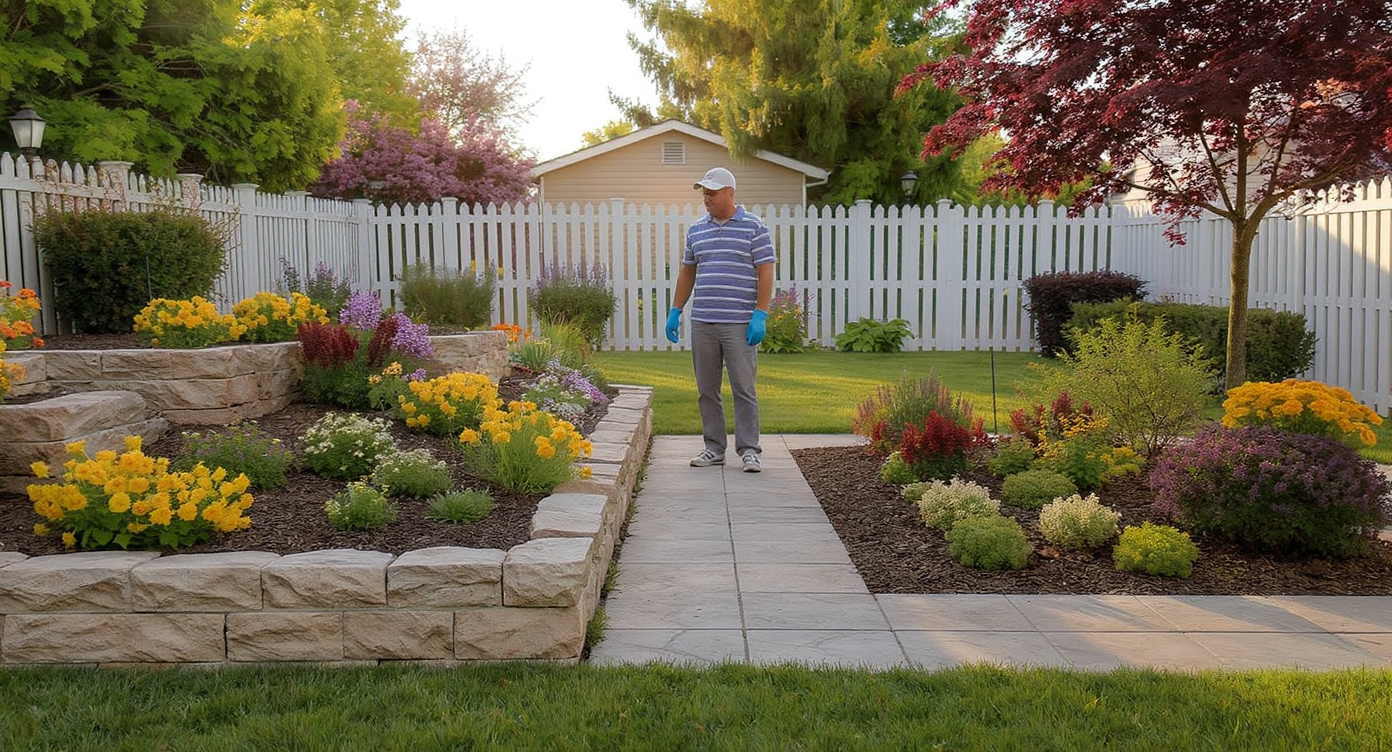
Contrasting flower bed elevations show how improper height can cause soil erosion. Gentle slopes protect both garden and paths.
Homeowners sometimes build up the soil in flower beds above adjoining paths or lawn without planning for where stormwater will flow afterward. This can encourage soil erosion, runoff into undesirable areas, and even unexpectedly boggy conditions. The ideal bed elevation gently slopes away from buildings and hard surfaces, blending seamlessly with other parts of the garden. If in doubt, contouring the bed with only a slight rise above the surrounding grade reduces risk, especially if plants will be small and deeply rooted.
-
7. Not Visualizing the Result Before Planting
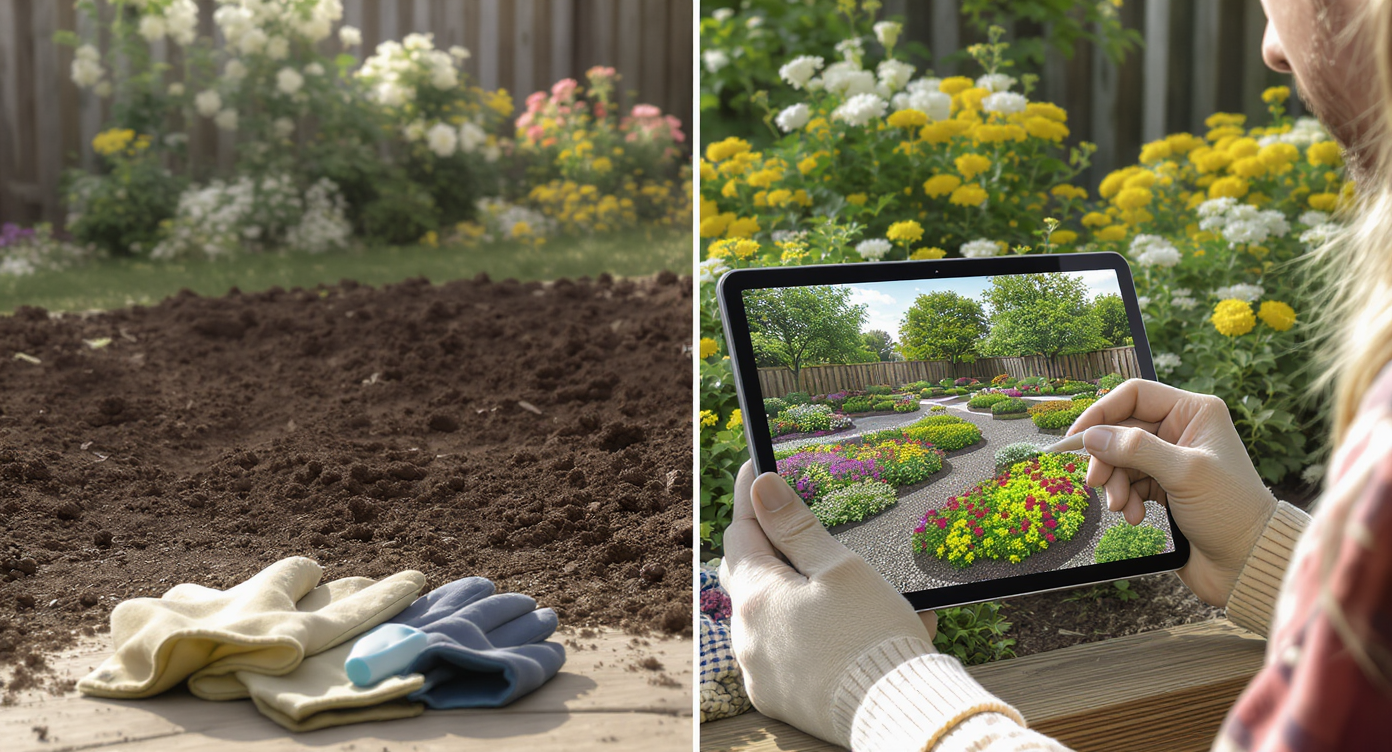
Previewing your flower bed design digitally helps spot layout issues and create a balanced, beautiful planting before touching the soil.
Jumping straight from a blank patch of dirt to a fully planted bed can lead to crowding, awkward paths, or mismatched colors. With the availability of AI landscaping for homeowners, it is easier than ever to make layout decisions confidently. Tools like REimagineHome.ai let you visualize landscaping before planting, identify potential issues with grading or drainage, and optimize plant selection for every part of your yard. By previewing your landscaping in advance, you minimize regret and ensure every element serves both beauty and function. Designers and homeowners are increasingly relying on such approaches to catch mistakes before they become expensive to fix.
Frequently Asked Questions About Flower Bed Soil
Soil should always be at least six inches below siding or structural elements to prevent moisture damage. Maintaining a slope away from the house further reduces risk.
Is it necessary to add compost every time I replant a flower bed?
Adding compost or organic matter is advised for every major planting to replenish nutrients and improve soil structure that may be depleted from previous vegetation.
What tools can help me visualize landscaping before planting?
AI landscape design tools such as REimagineHome.ai let you preview layouts, grading, and planting ideas for more confident decisions before you begin.
Why is testing soil fertility important?
Soil fertility tests identify nutrient deficiencies that could hinder plant health, enabling targeted amendments prior to planting.
Can improper soil placement hurt my home’s value?
Poor grading and drainage can damage a foundation or create moisture issues that decrease property value, as documented in various guides to maintaining curb appeal.
Key Takeaways for Healthier Flower Beds
Growing a successful flower bed involves more than simply clearing and planting. Soil placement, nutrient health, and drainage have a direct impact on plant growth and even on protecting your home. Taking the time to assess each factor, and using digital tools such as REimagineHome.ai for planning and visualization, empowers homeowners to avoid common landscaping mistakes and create healthier, more attractive gardens.