8 Construction Mistakes Homeowners Regret (And How to Prevent Them in Your Build)
TL;DR
Many homeowner regrets stem from overlooked details during construction, like outlet placement, lighting, and future-proofing. Proper planning of electrical, storage, and ventilation can prevent costly renovations later.
Introduction
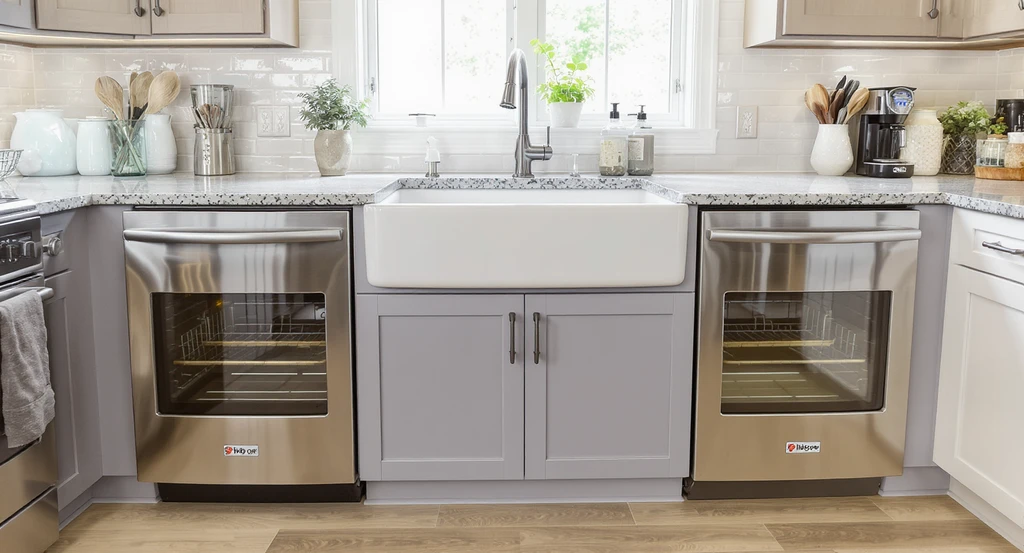
See kitchen layout ideas with two dishwashers and discover the pros and cons of double dishwashers. Learn how to prevent dishwasher leaks in kitchens and get tips for organizing appliances for long-term function.
Homeowners consistently mention small but crucial construction oversights that could have been fixed easily, and affordably, during the build process. These regrets, often shared in online communities like r/Home_Building_Help, range from electrical planning to storage and ventilation. By understanding these mistakes and applying structured layout logic, you can avoid the extra time, disruption, and cost of post-construction fixes. This guide offers clear steps to get your home’s function, and long-term comfort, right from the start.
-
01. Insufficient Electrical Outlets Throughout the Home
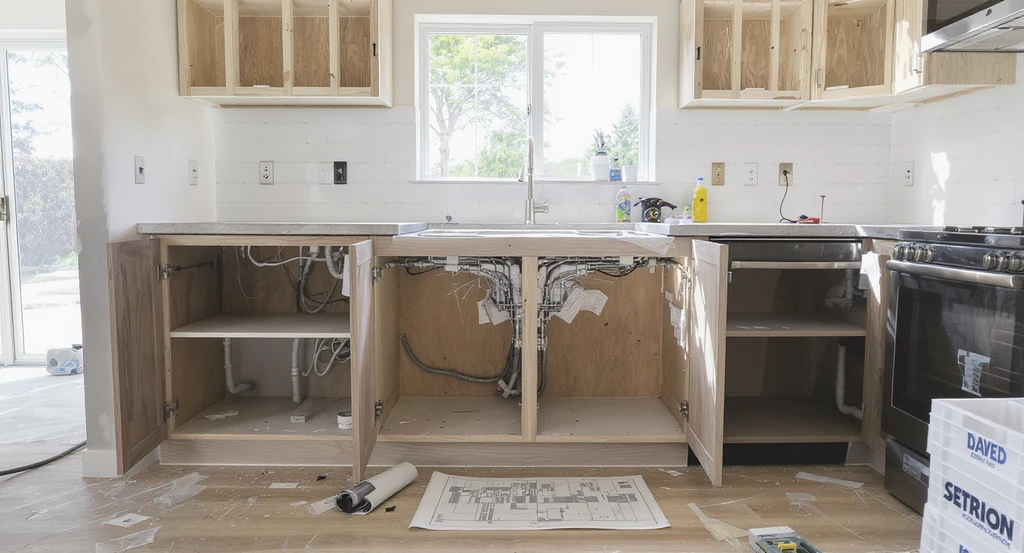
Plan your electrical layout with extra outlets in key areas like behind sofas, kitchen islands, and pantries. Smart outlet placement supports better kitchen layout ideas, appliance organization, and helps prevent costly future electrical modifications.
Not having enough outlets remains one of the top homeowner regrets. This is usually due to underestimating the number of devices needing charging or power in daily life, phones, laptops, smart home devices, and kitchen appliances all add up quickly. Many homeowners also forget less obvious locations, such as hallways, closets, or near seating areas.
The solution is straightforward: Add extra outlets during construction, not after. Start by mapping out probable furniture placements, technology zones, and specific appliance needs. Prioritize adding outlets behind sofas (for lamp, phone, or laptop access), in pantries, garages, and at kitchen islands.
- Plan for at least one outlet per wall in each room.
- Include dedicated circuits for high-power areas (e.g., kitchens, home offices).
-
02. Poor Lighting Layout and Overreliance on Lamps
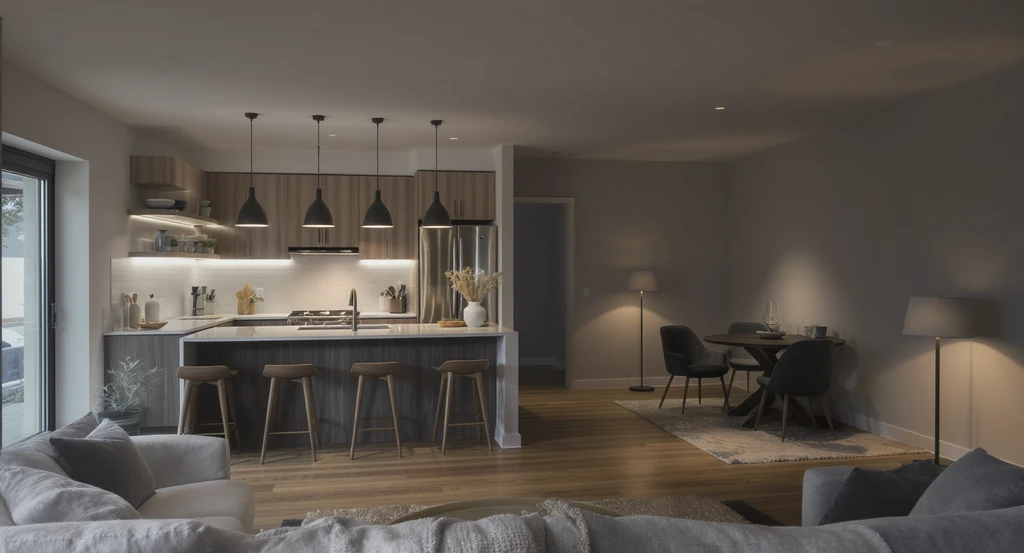
Kitchen layout ideas with layered lighting—recessed, under-cabinet, and accent—demonstrate how proper light planning can prevent common home build mistakes like dark corners and overreliance on floor lamps, optimizing appliance arrangement and space organization.
It’s common to install only basic ceiling fixtures, then realize post-build that many spaces remain dim, resulting in the overuse of floor or table lamps. This mistake often happens when lighting is left to last minute or when homeowners underestimate how shadows fall in lived-in spaces.
The correction is to use a layered lighting plan. Combine ambient (ceiling), task (under-cabinet, reading), and accent lighting (wall or shelf lights). Place fixtures to avoid dark corners and highlight key zones, such as counters and walkways. For optimal results, walk your blueprint with your designer and mark every light source. If you add REimagineHome AI virtual staging for lighting, you can preview brightness, shadows, and fixture scale before installation, reducing the risk of glare or dark spots. According to agents interviewed in our DIY renovations guide, well-lit spaces also show and sell better.
-
03. Neglecting Future Technology Infrastructure
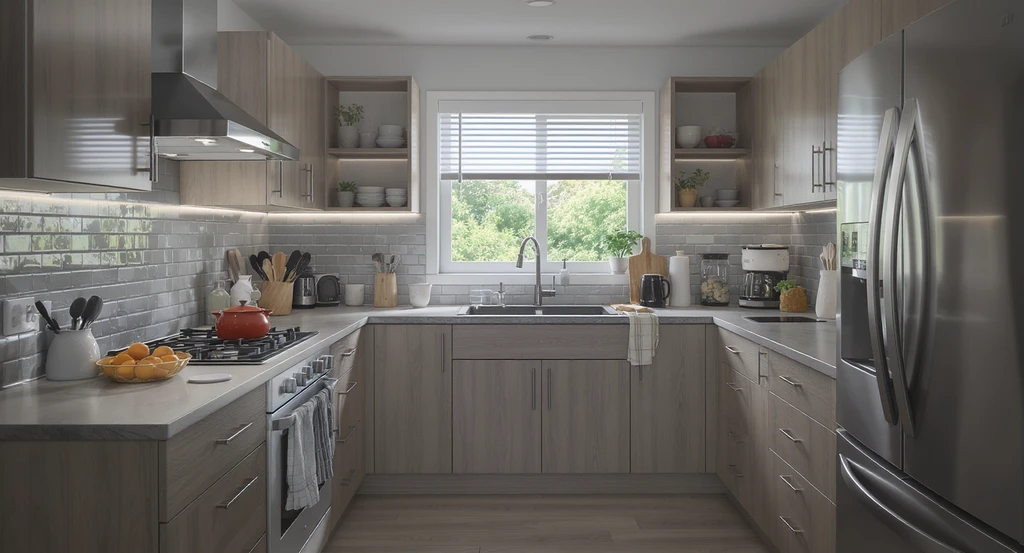
03. Neglecting Future Technology Infrastructure Image
Modern homes are expected to support future upgrades, including EV chargers, solar panels, home networks, and backup generators. Missing conduit runs or leaving spaces without sufficient wiring can mean tearing into walls later, which is expensive and disruptive.
To future-proof your home, always include extra wiring and oversized conduits in your initial plan. Run ethernet, coax, and power lines to potential office spaces, garage, and exterior walls. Label and photograph these routes before insulating and finishing walls so upgrades are possible without demolition. As tech evolves, early preparation can add significant resale value and convenience.
-
04. Not Designing Sufficient Storage Early
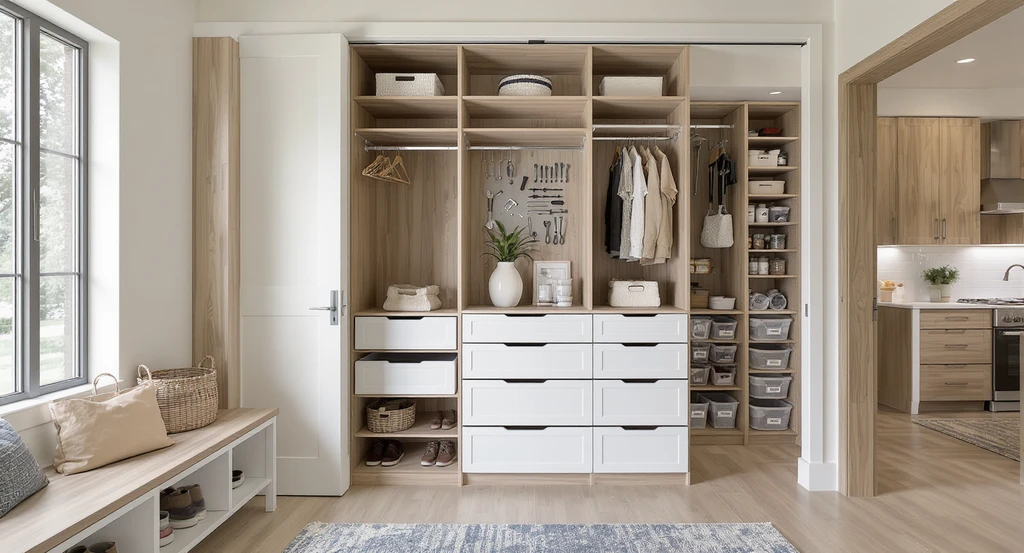
Strategic kitchen layout ideas, such as dedicated pantry storage and garage systems, maximize space, prevent clutter, and offer tips for organizing appliances in new builds.
Lack of storage, especially closet space and built-ins, leads to daily frustration and the need for bulky, after-market organizers. Many people underestimate seasonal storage, pantry needs, or garage utility areas during planning, only to find their home cluttered after moving in.
Apply a broad storage logic: Plan for dedicated closet spaces, walk-in pantries, and garage wall systems from the start. Consider attic or crawlspace access for infrequent-use items. Built-in cabinetry, mudroom benches, and adjustable shelving can maximize vertical and horizontal space, making everyday organization easier and limiting clutter build-up.
-
05. Skipping Pre-Drywall Wall Photography
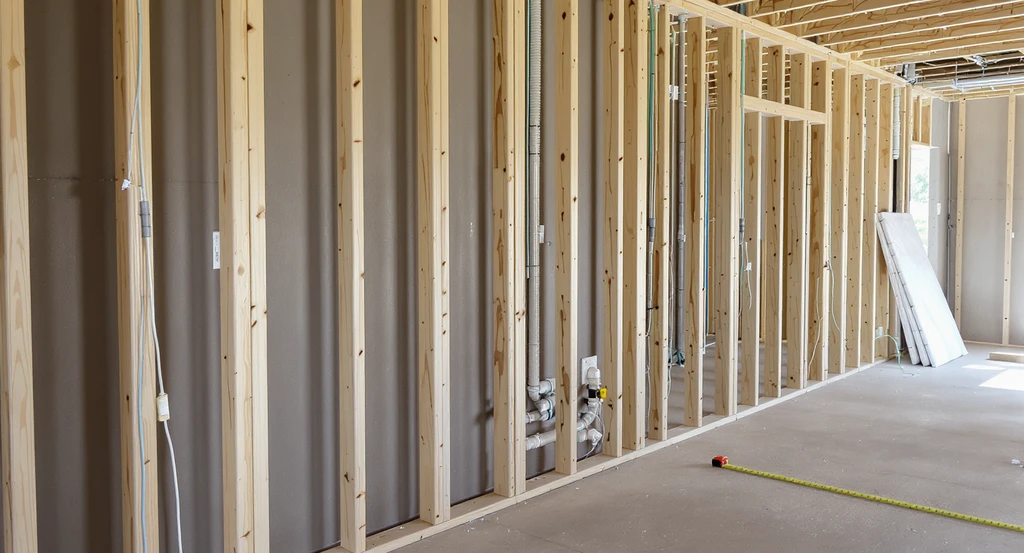
05. Skipping Pre-Drywall Wall Photography Image
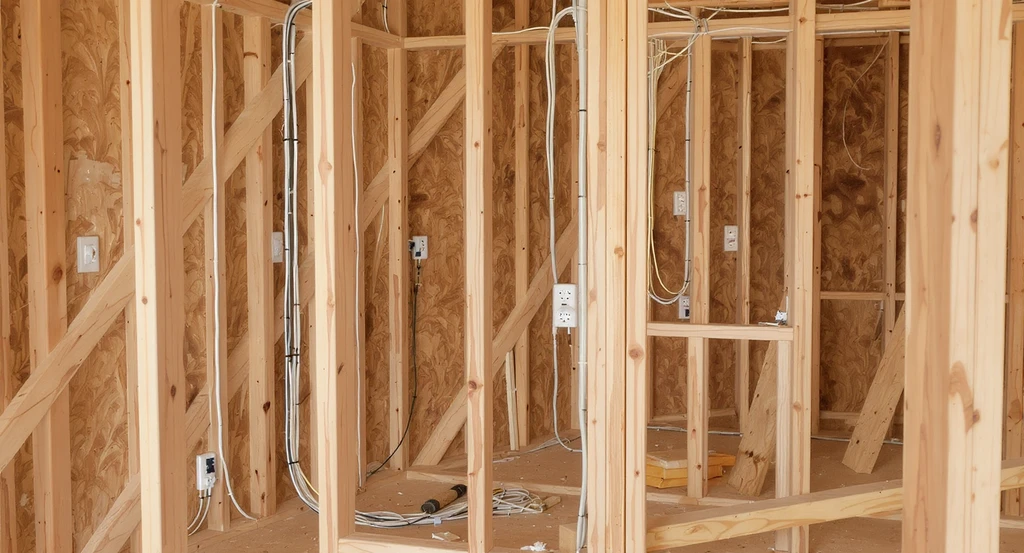
Homeowners frequently wish they had documented wiring, plumbing, and blocking locations before drywall went up. Without photos, future modifications or repairs (like adding outlets, TVs, or wall cabinets) require guesswork and often causes damage to existing finishes.
The correction is simple but often overlooked: Photograph every wall and ceiling before closing them up, and save these images for future reference. Include a tape measure or yardstick in the photos for scale. This step can streamline any future renovation, saving money and preventing mistakes—as cautioned in our breakdown of first-time home buyer mistakes, documentation pays off down the road.
-
06. Underestimating Bathroom Ventilation Needs
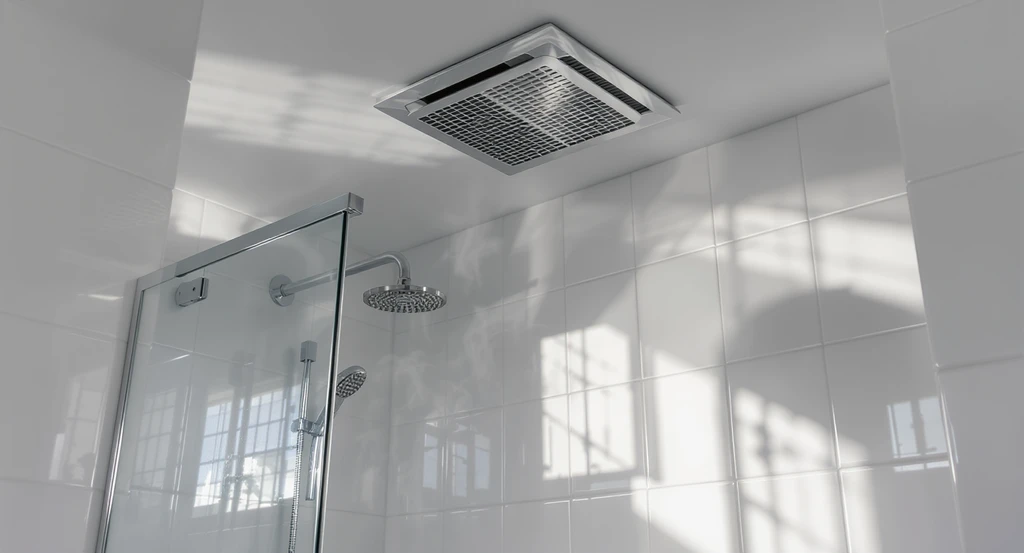
A modern bathroom featuring a properly installed ceiling exhaust fan above the shower demonstrates essential ventilation tips, preventing moisture problems and mold.
Relying solely on whole-house ventilation without specific bathroom exhaust fans can lead to moisture buildup, condensation, and long-term damage like mold growth. This mistake happens when bathroom fans are left off the specification list or assumed unnecessary with advanced HVAC.
Every bathroom should have a dedicated, properly vented exhaust fan sized to the room. Position fans near main moisture sources (showers, tubs) and vent directly outside—not into attic spaces. Test fan operation and ensure controls are convenient. This small investment prevents humidity damage and is far harder to retrofit later.
-
07. Failing to Add Sound Insulation Between Rooms
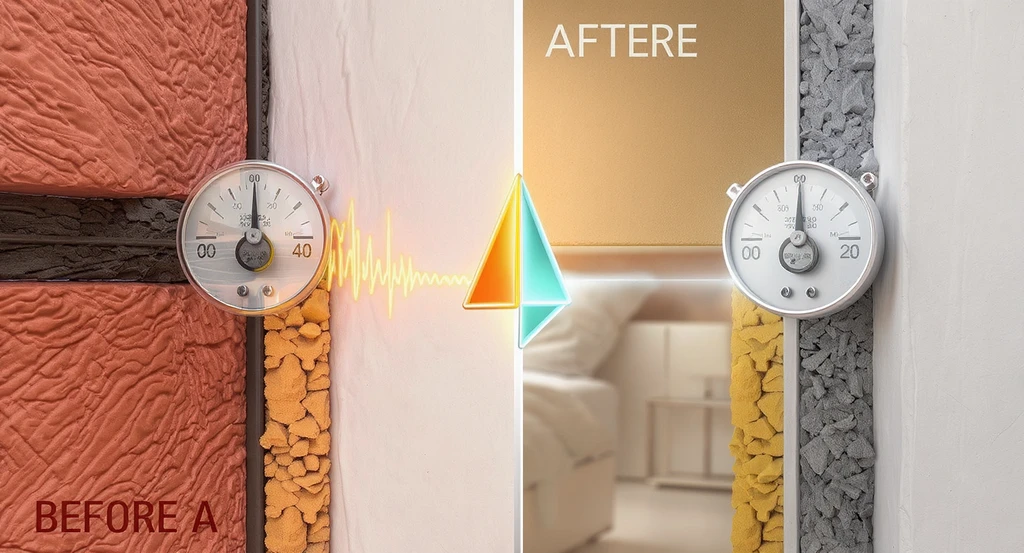
07. Failing to Add Sound Insulation Between Rooms Image
Sound easily travels through interior walls when insulation isn’t specified during construction. This is overlooked because initial focus is on exterior insulation for temperature control, not privacy. The result is unwanted noise between bedrooms, offices, or bathrooms.
Include sound-dampening materials, such as rock wool insulation, at least between bedrooms, bathrooms, and high-traffic zones. For even better isolation, consider double drywall or resilient channel installation. Addressing this while framing is inexpensive compared to later demolition and can dramatically improve comfort.
-
08. Overlooking Utility Features and Planning Drainage

08. Overlooking Utility Features and Planning Drainage Image
Features like garage sinks, floor drains, extra outdoor outlets, and additional laundry hookups are simple to add while framing, but difficult once finishes are installed. They are often skipped to cut initial costs, only to become priorities within a few years.
Review your daily routines and identify where utility features add value, such as floor drains in laundry rooms or garages to prevent water damage, or basement sinks for cleaning tools. Add cold and hot water lines to potential future bar or utility areas even if not finished immediately. For those concerned about project costs, these tips for budgeting and planning ahead will help you afford high-impact upgrades now rather than after move-in.
FAQ
- What regret do homeowners mention most after building?
- Insufficient electrical outlets and inadequate lighting plans are among the most common regrets. Planning these elements early is key to long-term comfort.
- Why is it important to photograph walls before drywall?
- Photos document wiring, plumbing, and blocking locations, making future repairs or upgrades much simpler and less invasive.
- How can I prepare my home for future technology needs?
- Install extra wiring, conduits, and power capacity during construction so your home can support future upgrades like EV charging and smart home systems.
- Is it cost-effective to add extra features during initial construction?
- Yes—adding outlets, drainage, and storage while framing is much cheaper than retrofitting later, as discussed in our budget renovation guide.
Key Takeaways for Home Builders
Regret-free construction isn’t about following every trend, but applying structured, foresight-driven logic to core home features. Most costly mistakes involve infrastructure, not aesthetics. Prioritizing electrical, lighting, storage, ventilation, and future-proofing during design and framing stages prevents disruptions and expensive fixes later. For further guidance on balancing cost, function, and design, see our curated renovation advice for resale value.