7 Expert Ideas for Transforming Side and Corner Yard Spaces
TL;DR
Overlooked side yards and empty corners can become functional, beautiful parts of your landscape with the right design approach. Explore strategic ideas for privacy, pathways, layered planting, and maximizing curb appeal. Each idea adapts to homeowner needs while futureproofing outdoor living.
Why Side Yards and Corner Areas Deserve More Attention
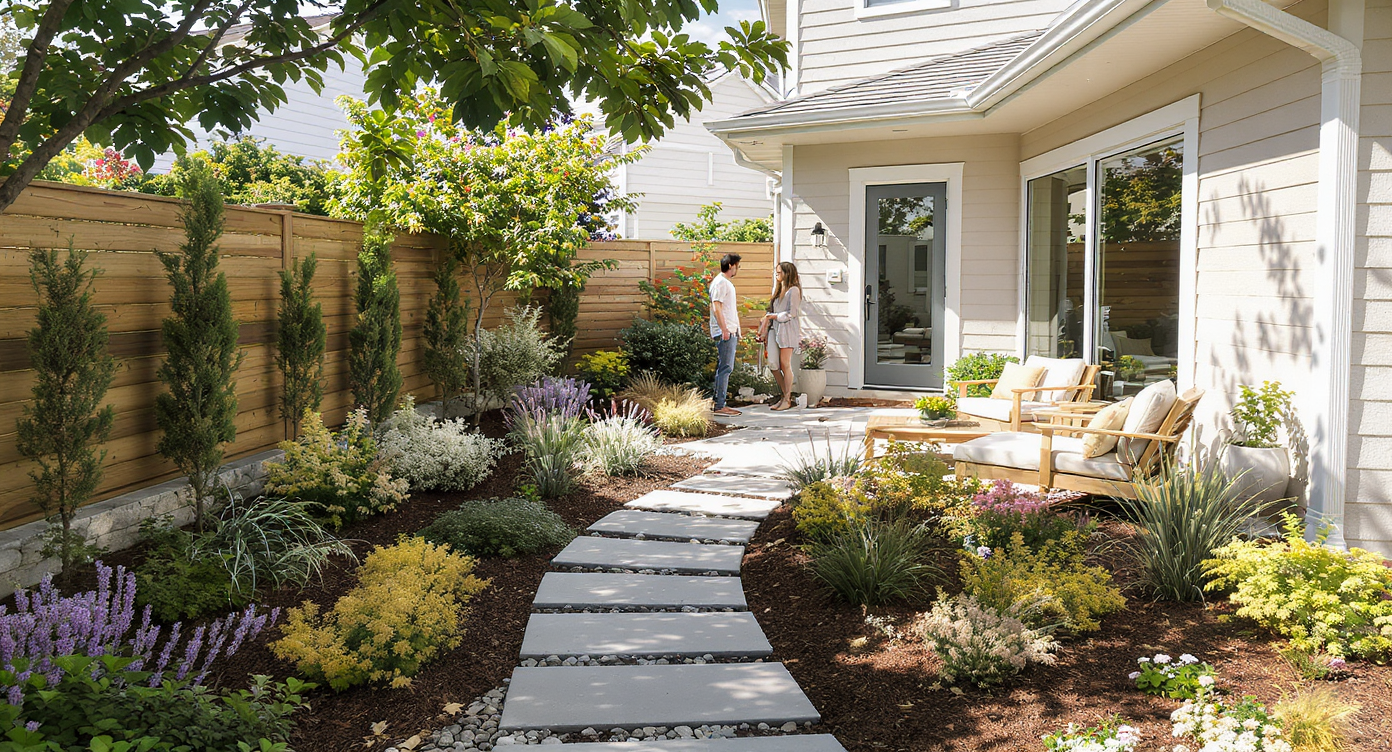
Design transforms a side yard and corner plot into inviting, functional spaces—blending pathways, planting, and privacy zones effortlessly.
Side yards and the corners of properties often end up as forgotten zones, yet these transitional spaces can define the flow and function of your entire landscape. For homeowners aiming to improve curb appeal or reclaim unused space, focusing on these areas delivers practical and visual benefits. With thoughtful design, these spots can screen unwanted views, invite exploration, and tie together different parts of your property. Changing neighboring conditions, such as second-floor additions or new builds, make privacy and flexibility even more important. Side and corner landscaping projects also offer an ideal testing ground for technology such as ai landscaping design for homeowners, allowing you to visualize designs and plantings before any digging begins. This list presents practical strategies and professional insights for crafting attractive, purpose-filled side and corner yard environments.
-
1. Create a Multi-Season Privacy Screen
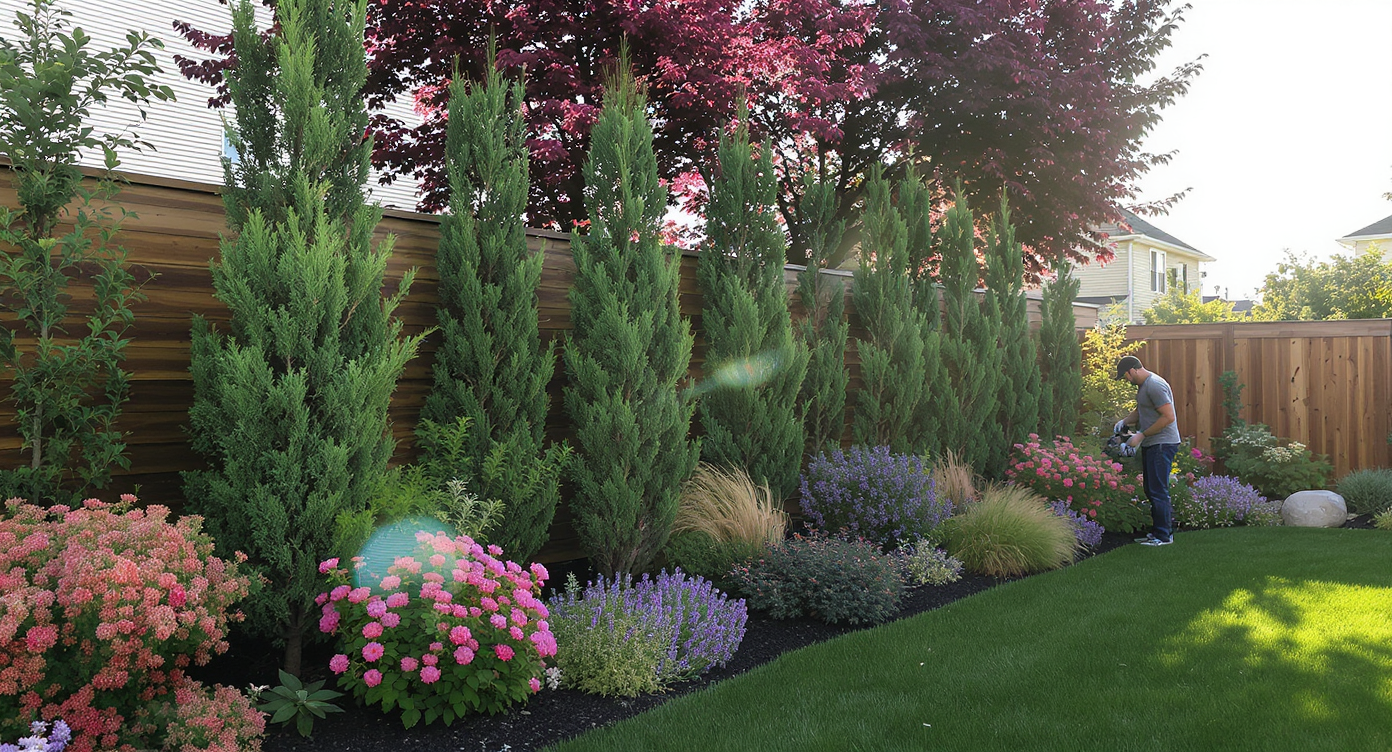
Layered evergreens and flowering shrubs create an eye-catching privacy screen, adding beauty and seclusion to side yard borders year-round.
When neighbors plan renovations or add second stories that overlook your yard, a living privacy screen can reclaim your sense of seclusion. Landscape architects often recommend layered evergreens, tall ornamental grasses, or staggered hedges which provide height and visual density throughout the year. For challenging climates or limited space, consider a mix of columnar evergreens, such as arborvitae or Japanese cedar, with flowering shrubs in front. These not only block lines of sight but offer seasonal interest. According to recommendations in our winter privacy landscaping guide, combining species can deliver year-round screening while adding depth and texture to the border.
-
2. Introduce a Curved Pathway or Archway
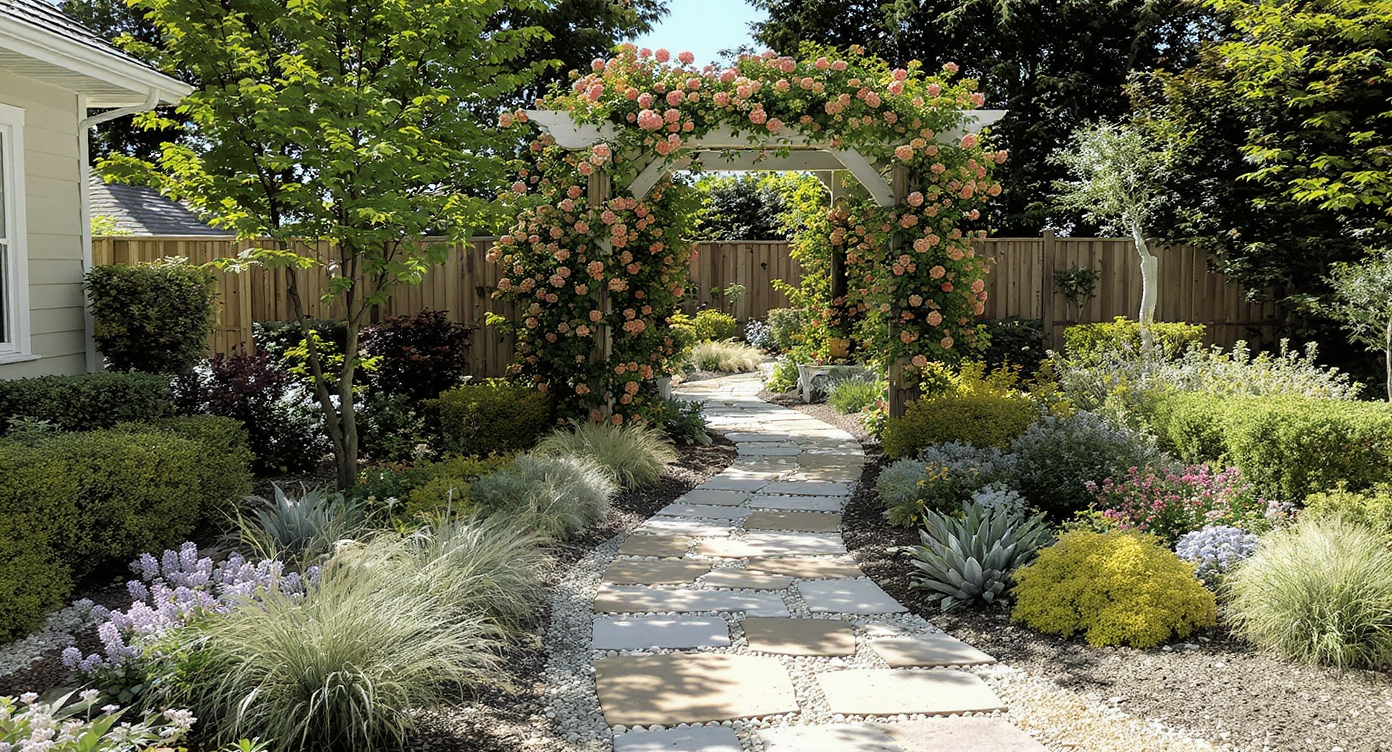
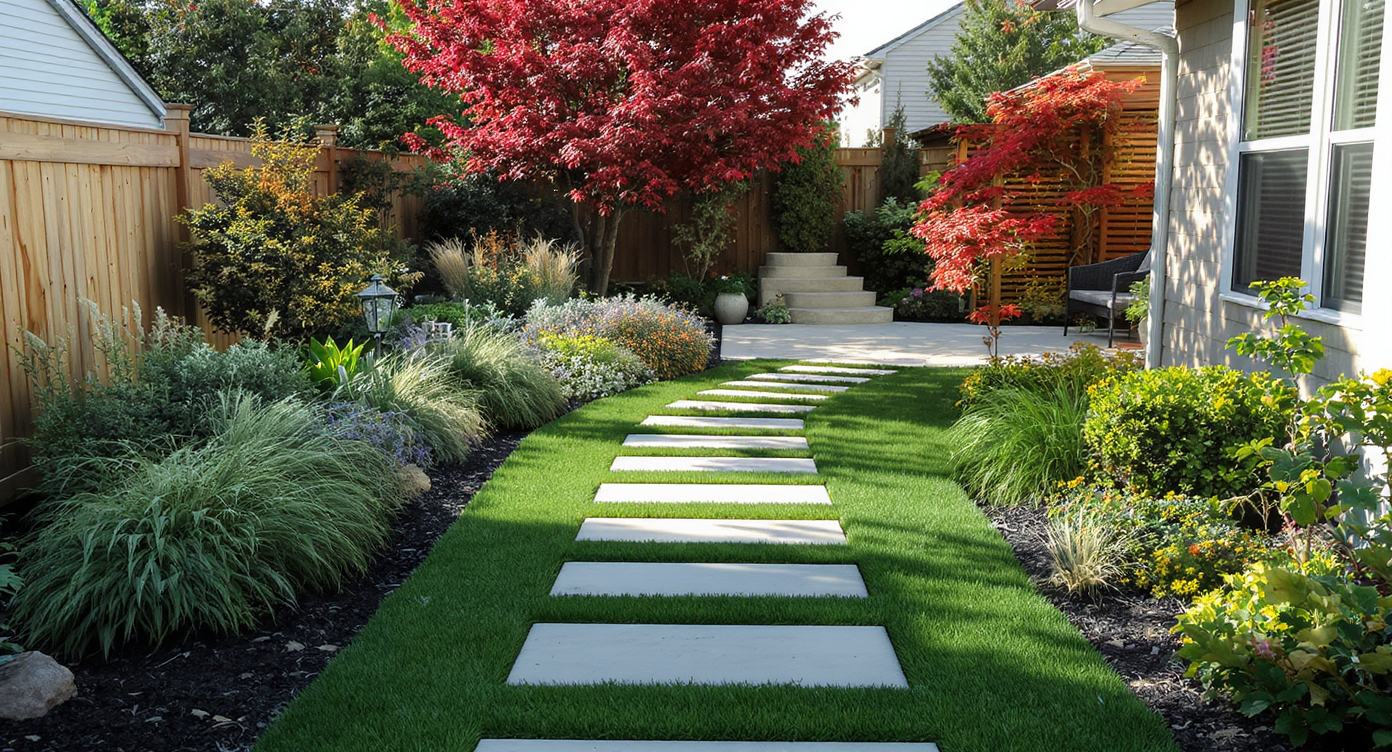
A curved flagstone path and arched arbor transform a corner yard, inviting movement and adding both privacy and visual interest.
A path or arched entrance in a forgotten corner can transform it from a void into a welcoming transition space. Designers note that curved lines gently guide movement and interest, making even narrow or awkward areas feel purposeful. Materials such as natural flagstone, decomposed granite, or gravel allow water to permeate and bring tactile variation underfoot. If privacy is also a goal, arbor-supported vines or climbing roses can frame a gateway while softening the hard edges of fencing. Use an ai landscaping tool from yard photo to visualize the impact of different pathways and arch placements before committing.
-
3. Layer Native Plantings for Low Maintenance
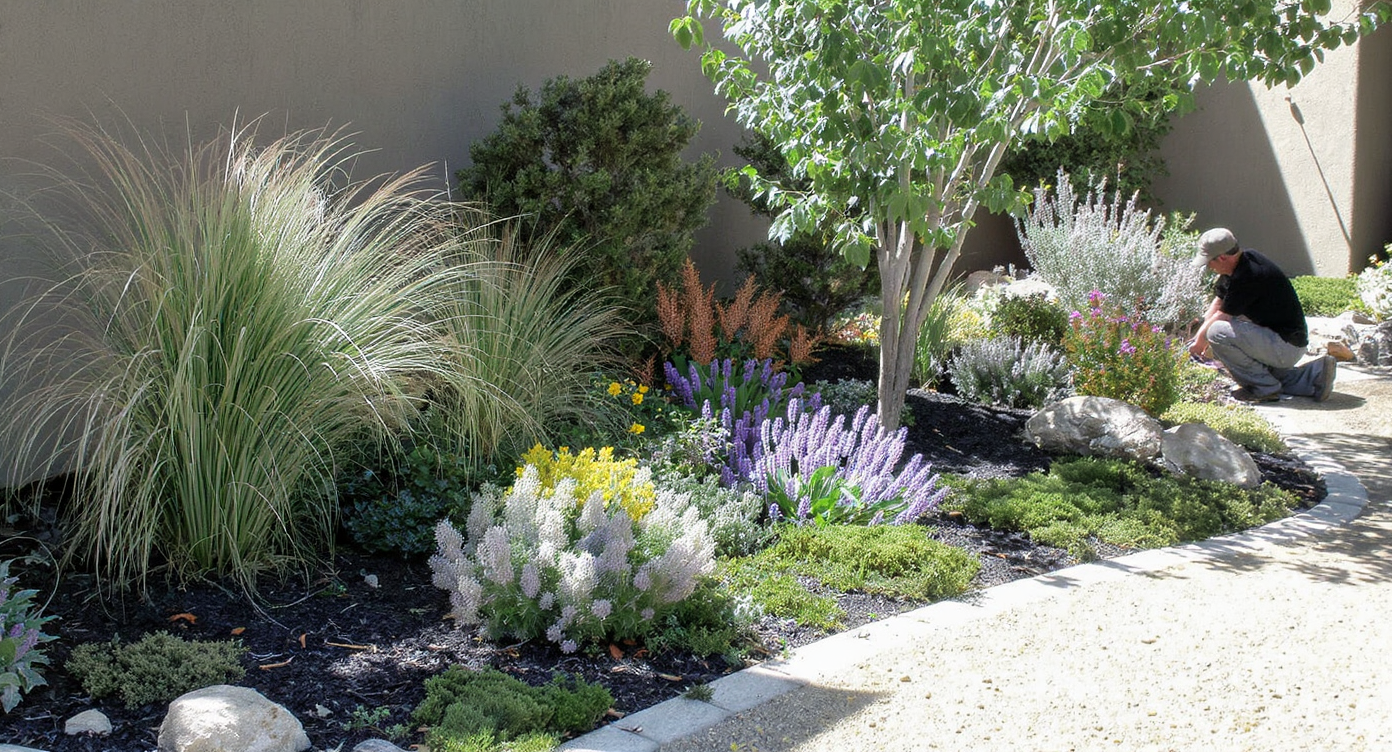
Layer native plants in drifts for an attractive, easy-care side yard that conserves water and suppresses weeds in tricky spaces.
Native plants offer resilience, beauty, and habitat value, especially in side yard and corner plantings where overlooked maintenance can become an issue. Garden professionals point out that grouping natives in repeating drifts supports a cohesive look and minimizes resource needs. Choose drought-tolerant species for sun-exposed sites or ferns and shade-loving perennials for protected corners. As we explored in our guide to landscape design basics, incorporating native species streamlines care and delivers a tailored curb appeal boost. Underplanting taller shrubs or trees with groundcovers reduces weeding and preserves moisture, perfect for spaces with tricky access.
-
4. Add Functional Edging and Hardscaping
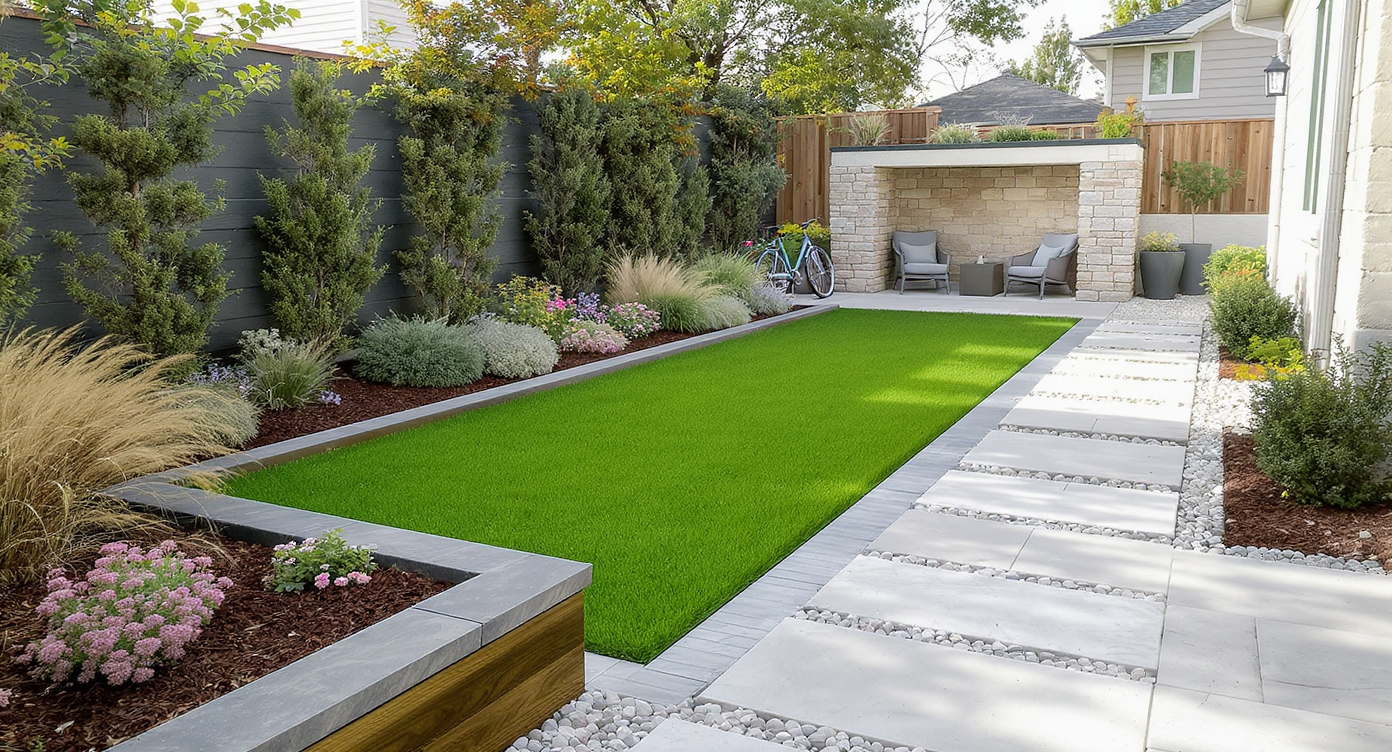
Defined edging and functional hardscaping create tidy, accessible side yards, making outdoor spaces both practical and visually refined.
To separate garden beds from lawn or pathways, well-defined edging makes maintenance straightforward and the design feel unified. Professionals often employ crisp steel, stone, or recycled composite borders to prevent mulch scatter and create a neat visual boundary. Hardscaped elements, such as small patios or gravel alcoves, can make corner plots useful for seating or container gardening. Our discussion of yard upgrades that raise home value reinforces the importance of tidy lines and clearly defined spaces for first impressions. When considering hardscape materials, evaluate drainage and accessibility for side yards where runoff may pool or paths must accommodate bins and bikes.
-
5. Reclaim Space With Vertical Gardening
Narrow side yards often lack width for planting in the ground, but vertical designs can add color and function without a large footprint. Trellises, living walls, and mounted planter boxes allow homeowners to capitalize on vertical real estate for flowers, edibles, or screening greenery. Vining plants such as clematis or jasmine climb quickly and lend dimension to otherwise blank fences. Testing arrangements with an ai landscaping with plant recommendations tool lets you preview mature growth and maintenance impacts, so you can plan realistic vertical solutions for privacy or produce.
-
6. Design for Light and Microclimates
Corners and sides of houses typically experience unique sun, wind, or moisture patterns due to their proximity to buildings and fences. Expert design starts with a site assessment—identify which zones receive morning sun, which stay shaded, and where water naturally collects. Use this information to choose the right plants and surfaces. Shade-tolerant shrubs, moss, and textured ferns thrive where sunlight is limited, while heat-loving perennials or succulents suit sunny strips. Soil type and drainage influence every choice, as outlined in our guide to smarter surface choices for side yards.
-
7. Preview and Plan With AI Landscape Tools
Technology now simplifies the planning process for homeowners, especially when facing small or awkward spaces. Using a platform like REimagineHome.ai, you can generate tailored ai landscaping design for homeowners from a yard photo, exploring plant choices, layouts, and hardscaping solutions in context. This approach supports confident decision-making by letting you compare options visually before buying plants or materials. It also integrates with other design strategies, whether your focus is privacy, curb appeal, or creating low-maintenance borders. For a broader perspective on planning and executing these ideas, review the expert guidance on choosing and staging landscaping projects for value and enjoyment.
Side Yard and Corner Landscaping FAQ
Ferns, hostas, astilbe, and shade-tolerant shrubs like Japanese yew and hydrangea perform well in shadier side yards. Also consider native woodland species for low maintenance.
How can I use AI landscaping tools to plan my side yard?
Upload your yard photo into an AI landscaping platform such as REimagineHome.ai to preview different layouts, plant selections, and hardscaping choices. This visual approach aids in decision-making and ensures the design fits your space and climate.
How do I improve curb appeal with landscaping in awkward corners?
Use structure—such as curved paths, layered planting, and focal point features—to define the space. Refer to our list of home value boosting landscaping projects for high-impact ideas. home value boosting landscaping projects
What are the main mistakes to avoid in side and corner landscaping?
Avoid overcrowding plants, underestimating sun and drainage, and skipping proper edging or pathways. Start with a scaled plan and preview mature plant sizes before installation.
Can hardscaping make a small side yard more usable?
Adding hardscape such as a gravel path, narrow patio, or container garden alcove improves usability. Test different surfaces with photo-based planning tools to ensure they fit your routine.
Key Principles for Maximizing Side Yard Potential
Transforming forgotten side and corner yard spaces requires a blend of structure, planting, and foresight. By layering approaches such as privacy screens, functional hardscapes, and native plantings, you can turn voids into purposeful extensions of your outdoor living area. Visual planning with REimagineHome.ai ensures each feature supports your goals for privacy, beauty, ease, and long-term value.