Decoding the New Eclectic: Defining Today’s Most Coveted Interior Style
TL;DR
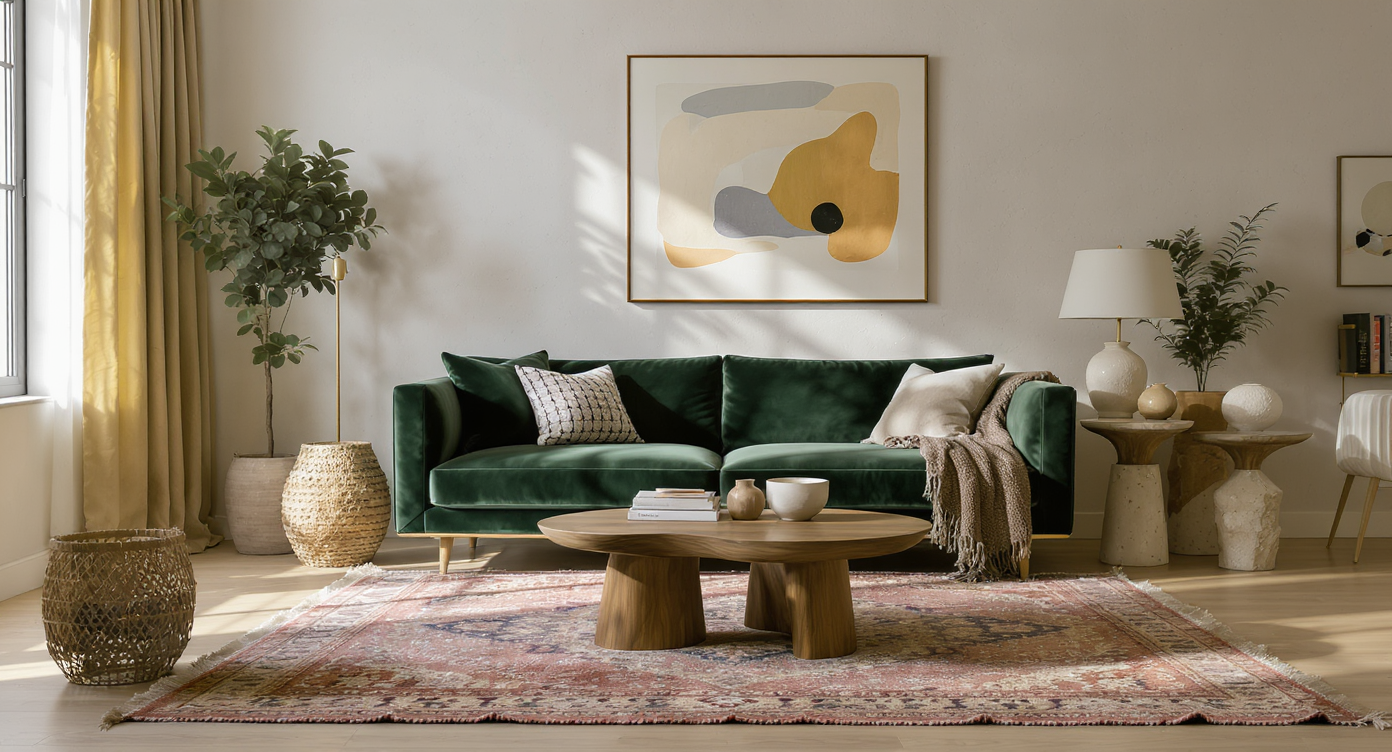
The most intriguing interiors today blend modern, vintage, and global elements in ways that defy single-style labels. This eclectic approach—anchored in warm palettes, tactile materials, and personal storytelling—produces spaces that feel collected, lived-in, and uniquely inviting. Understanding its nuances can help anyone navigate interior design confusion between styles, and create a home that feels distinctly their own.
The Allure and Mystery of Eclectic Interiors
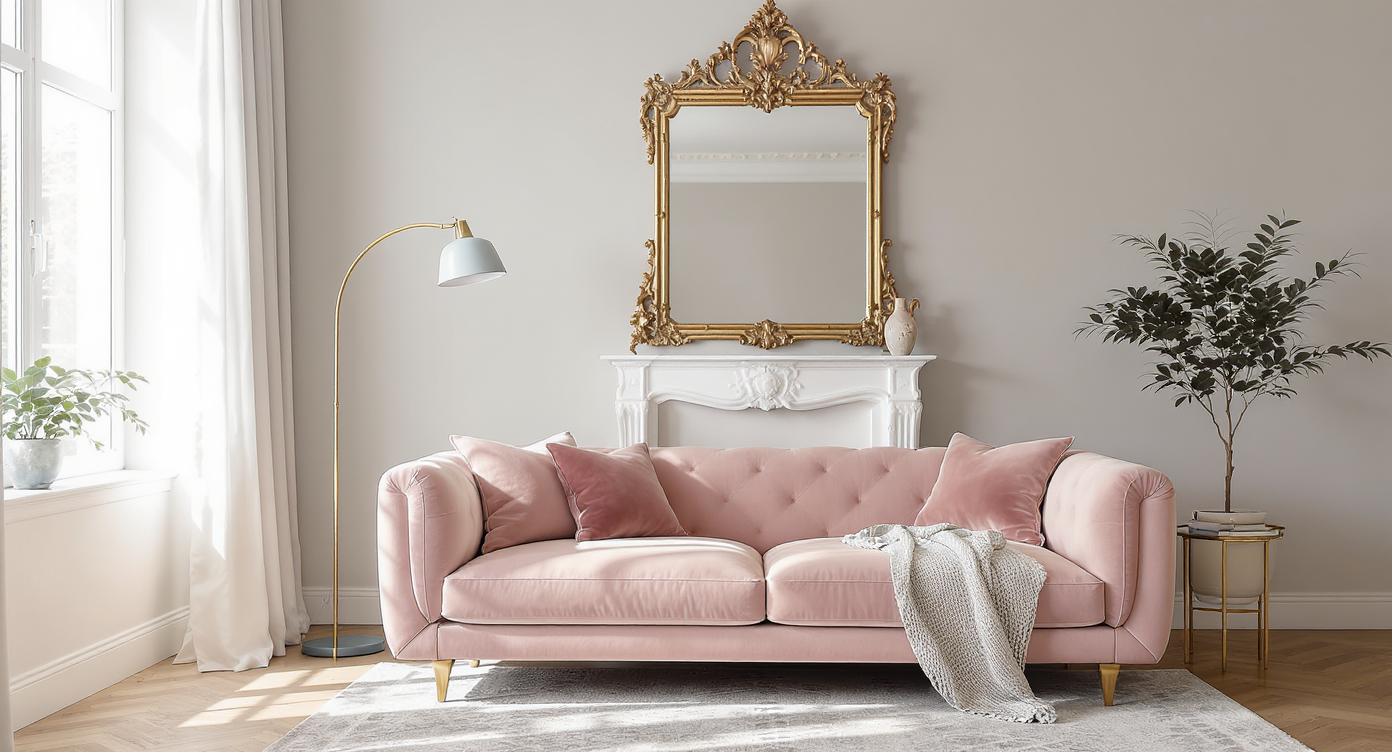
A curated living room blends a blush velvet sofa, sculptural Italian lamp, French mirror, and vintage ceramics—eclectic style in action.
Ask a handful of design enthusiasts what they call a living room furnished with a sculptural Italian lamp, antique French mirror, vintage ceramics, and a blush velvet sofa, and you’ll get as many answers as there are guests at your next dinner party. Eclectic interior design is both a style and a sensibility, refusing easy categorization. Increasingly, homeowners are drawn to this layered, mix-and-match look—especially as 2026’s interior trends pivot away from rigid themes in favor of spaces that tell stories. The challenge? While the results often feel rich, collected, and supremely personal, many find themselves overwhelmed when trying to replicate the effect. How can you choose an interior design style for your home if every image that inspires you seems to pull from a dozen influences at once?
-
What Connects the Best Eclectic Spaces?
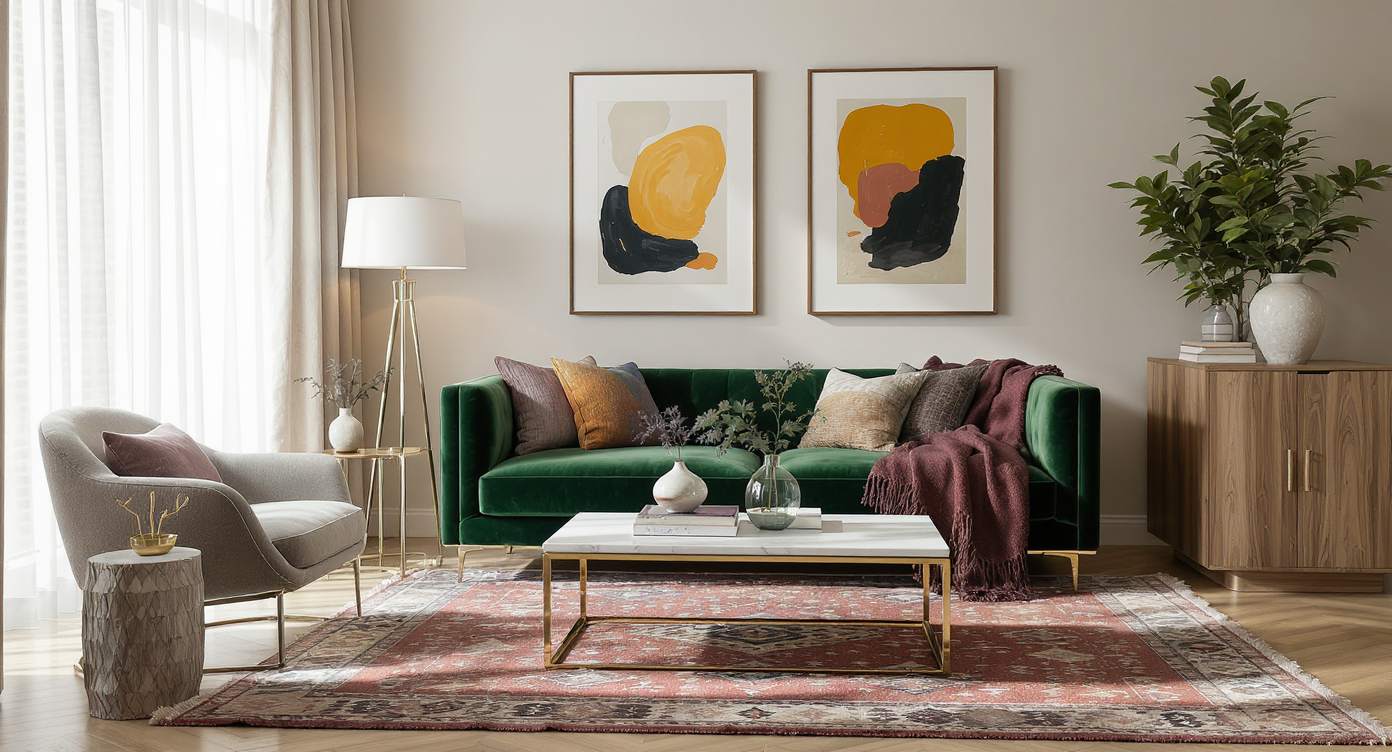
A meticulously arranged eclectic living room featuring tactile materials, artful color, sculptural shapes, and collected objects in dynamic harmony.
A quick scroll through trending room images or design forums reveals this unmistakable shift. The images that capture attention rarely adhere strictly to mid-century, boho, or luxury alone; instead, they orbit around something less fixed—an atmospheric blend of cozy and sculptural, classic and contemporary. The throughlines tend to be generous use of color, a mix of sophisticated shapes, and a tactile layering of materials. This is the new eclectic. It’s a flexible, deeply personal approach to decorating, where collected objects, varied influences, and practical comfort all play starring roles. The unspoken rule? No single piece should dominate. As users in design communities point out, the eye wanders from one beautiful detail to another, each one worthy of appreciation in its own right. According to our exploration of 2025 interior design trends like quiet luxury, today’s most desirable rooms are as much about feeling as about form. It’s the interplay of color, texture, and craftsmanship that unites a velvet settee with a marble stair rail, or a modern light with a classic portrait.
Expert Insight
A homeowner in a small urban loft struggled with inherited antiques that seemed at odds with her minimalist sofa and abstract paintings. She hesitated to pair her grandmother’s marble-topped table with a streamlined LED floor lamp but eventually realized the contrast brought unexpected warmth. Guests now comment on how the room feels both chic and deeply comforting—a perfect blend of influences that tells her story.
-
Eclecticism: More Than Just a Mix
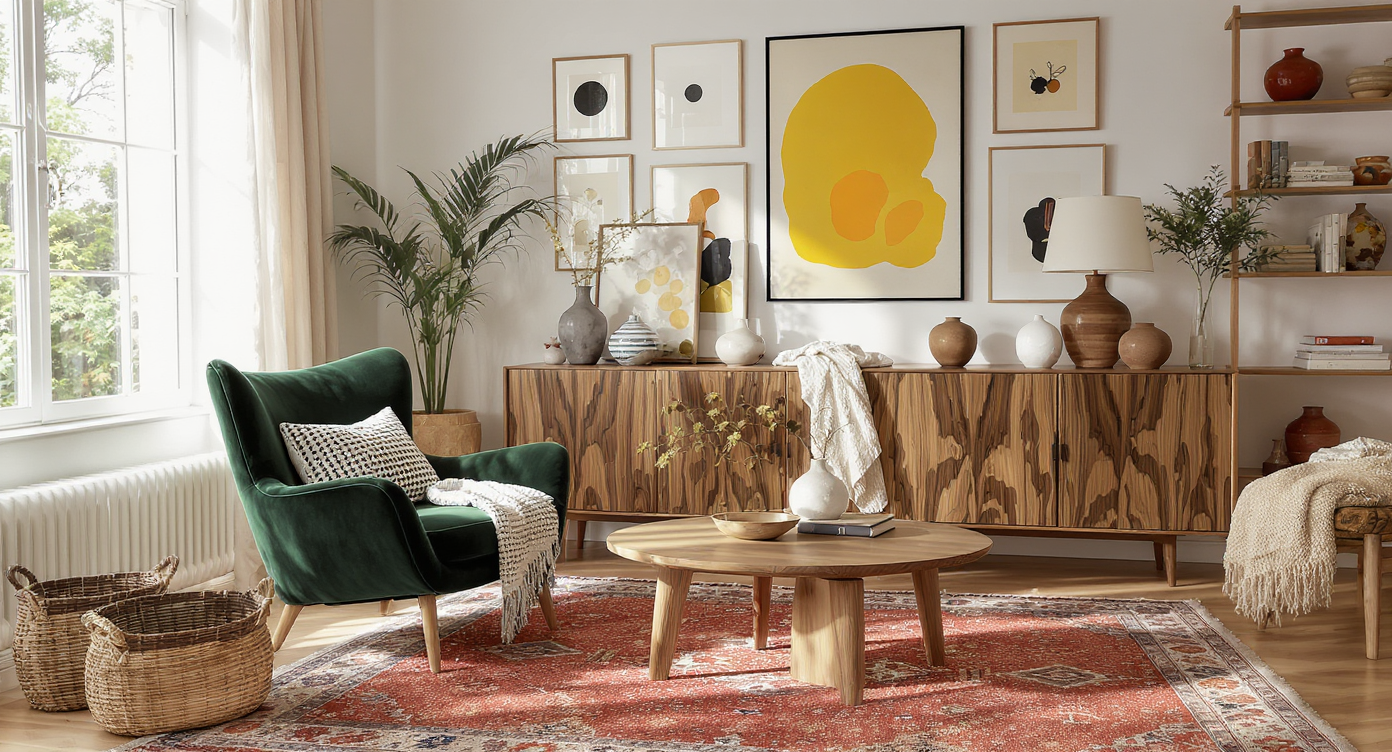
A curated eclectic living room corner: vintage art, pottery, layered textiles, and sculptural lighting defined by harmony and intention.
Though it’s tempting to dismiss eclectic interiors as simply a jumble of tastes or a result of design indecision, thoughtful curation lies at the heart of this approach. Designers often compare the best eclectic rooms to museum-like spaces where every item—whether thrifted or custom—carries aesthetic and emotional weight. Personal collections of art, pottery, or textiles are displayed with intentional gaps and groupings, inviting both conversation and comfort. There’s also a careful balance that prevents the room from feeling chaotic. A consistent color palette—warm earth tones or a unifying green, for example—helps disparate eras and shapes work in harmony. Rounded edges provide a sense of flow. Highly stylized lighting fixtures act as sculptural punctuation. These careful calibrations ensure that even as influences range from mid-century to romantic art deco, the result feels inviting. As explored in the story behind lived-in warmth and layered textures, the magic often lies in how rooms appear both intentional and organic. The overall effect is more about ambiance than any checklist of features.
-
Why This Style Resonates Now
Several trends converge to explain the rising popularity of eclectic interiors in 2026. Homeowners crave authenticity—a sense that rooms have evolved over time. In a digital age of instant makeovers and e-commerce, a space that feels slowly collected is both aspirational and deeply comforting. Conversations about home now center on individuality and storytelling, rather than obeying strict style rules. Additionally, social platforms and design tools empower even casual decorators to experiment with visual combinations before committing. AI-assisted visualization and virtual staging tools have lowered the risk of mixing vintage and modern pieces, bold patterns and classic molds. As cited in our look at eclectic style visualization, many now create their own reference boards—layering everything from Parisian flea market finds to minimalist Japanese ceramics. The style is also remarkably adaptive. A city apartment may present its take in the form of artful lighting and modular furnishings, while a countryside home leans into found objects and lush textiles. Across all spaces, the throughline is personal intention.
-
Anecdote: Navigating Eclecticism in Real Life
A first-time homeowner recently found herself standing in a local gallery, taken by a hand-thrown ceramic vase in saturated olive green. She’d never considered herself a collector of anything, let alone pottery. Her living room was already an accidental patchwork—a curved ebony bookcase here, a mid-century brass lamp there—yet she worried whether the new vase would tip her ongoing room makeover from harmonious to haphazard. She texted a friend: “Does this even fit with the rest? My style is all over the place.” The reply: “That’s exactly the point—your taste, your story.” The vase sits atop her coffee table today, anchoring the color palette, inviting curiosity, and serving as a daily reminder that well-chosen differences often make the most inviting homes.
-
Common Mistakes to Avoid
One common misstep is mistaking clutter for curation. True eclectic design balances visual interest with breathing room—too many competing focal points can exhaust rather than intrigue. Relying solely on one trend, such as maximalist color, without considering proportion or flow, may also result in sensory overload. Another pitfall lies in color chaos. A disciplined palette helps unify varied elements, while mismatched undertones may clash. Finally, falling for every novelty piece at once can erode that sense of ‘collected over time’ central to the style’s allure.
-
Tips and Expert Insights
Designers suggest anchoring rooms with an heirloom or favorite large-scale piece, then building outward with supporting accents—pillows, art, lighting. Limiting a main palette to three or four interrelated shades allows freedom with texture and form while maintaining cohesion. Natural materials like marble, velvet, and timeworn woods soften modern lines and update vintage silhouettes. As highlighted in the evolution of maximalist eclectic design, progress happens in layers. Experiment in smaller doses with a bold lamp, patterned rug, or accent wall before fully committing. Practical mini-scenarios—such as swapping upholstery on a favorite chair or mixing antique frames with geometric artwork—can provide just enough momentum to break through style paralysis.
-
How to Use This Approach in Your Next Designs
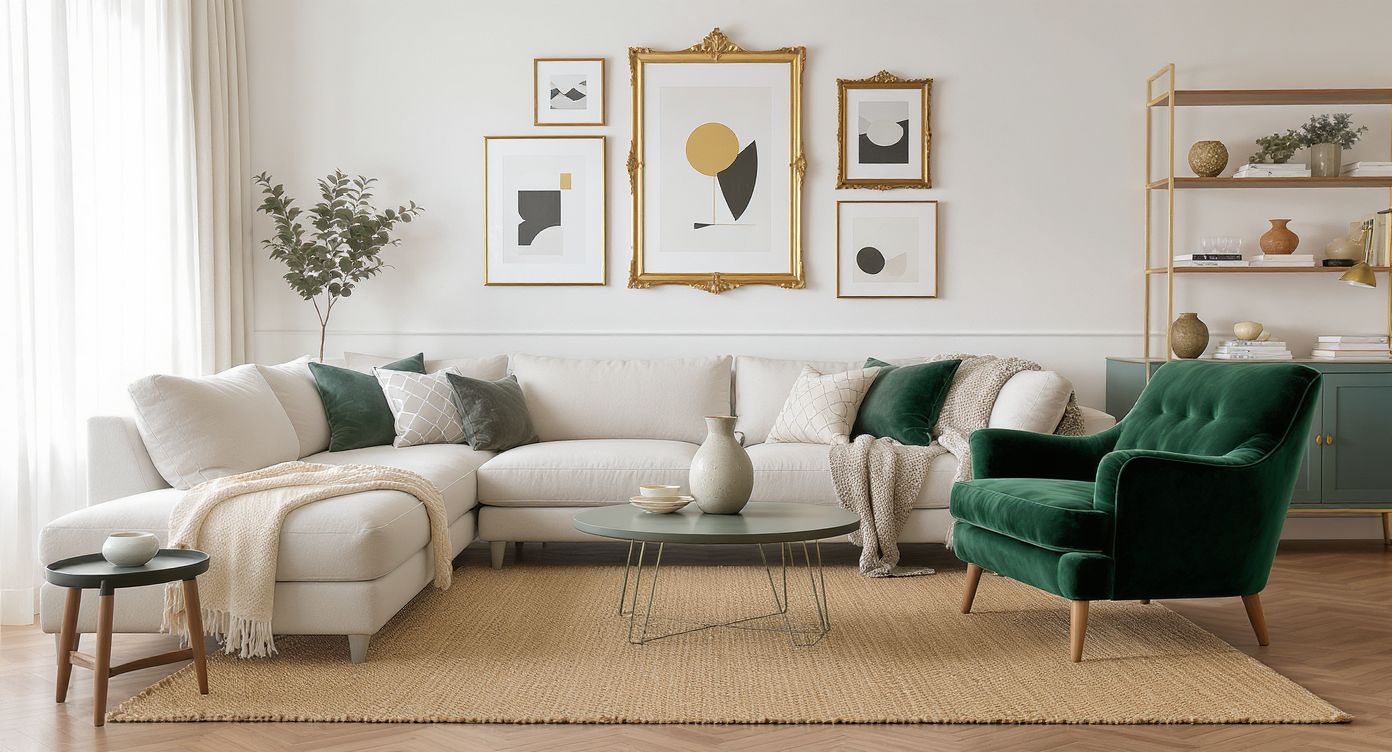
An eclectic living room blending eras: a vintage chair and minimalist side table in matching hues, layered patterns, and collected art.
Begin by surveying your favorite belongings—objects with history or personal meaning provide the strongest launchpad for an eclectic palette. Consider grouping similar materials, colors, or motifs across different eras for cohesion. A living room may combine an Edwardian chair with a minimalist side table if both share a similar hue. Designers recommend ‘pausing’ between additions, living with a new piece before adding more. This slow-edit method reveals how lighting, texture, and negative space contribute to a room’s mood. In practical terms, start with a neutral foundation—walls, floors, sizeable furniture—and build up layers of pattern and character through art, pillows, and objets d’art. Visualization tools make it simpler than ever to preview layouts and colorways. And when uncertainty strikes, refer to styled examples within the quiet luxury movement or evaluate how a mix of textures shapes a mood according to our coverage of lived-in warmth.
-
Visualization Scenario: Stepping Into a New Eclectic Room
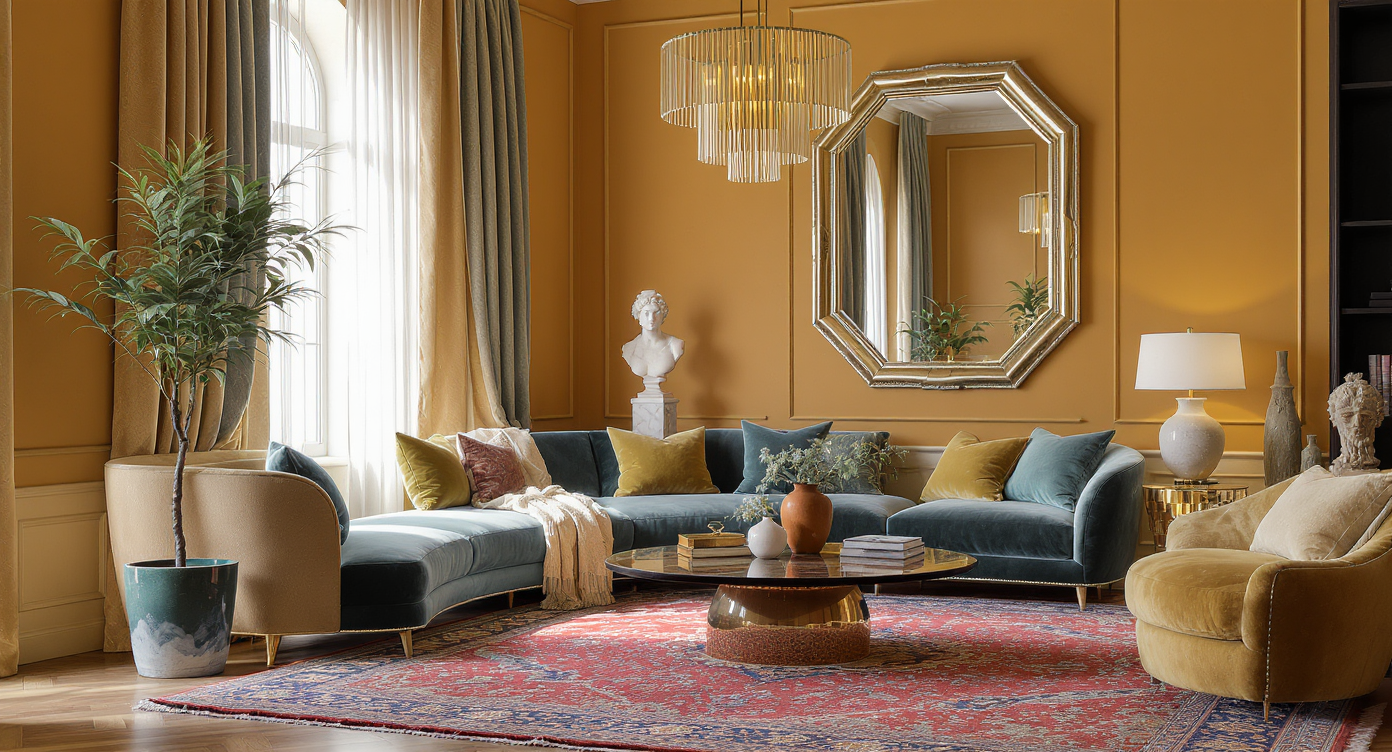
A 2026 living space unites modern shapes, vintage accents, and bold color for a personal, curated new eclectic style.
Picture coming home to a living space in 2026 where the day’s light pools across ochre walls, the gentle curves of a modern banquette echo the lines of a vintage art deco mirror, and a single bust sits atop a marble pedestal next to jewel-toned drapery. Every piece—an emerald velvet sofa, a hand-knotted Persian rug, an architectural table lamp—draws the eye yet never competes for attention. Imagine the sensation of recognizing your own story reflected in every finish and flourish. That’s the essence of the modern eclectic interior.
Visualization Scenario
Imagine entering a newly renovated kitchen where geometric backsplash tiles reflect the soft gold of vintage cabinet pulls, and a bank of deep green drawers grounds the airy layout. A contemporary banquette upholstered in caramel velvet faces a pedestal table from the 1960s, each piece unique yet linked by tone and texture. Open shelving displays a collection of handmade pottery, their irregular glazes catching evening sun. The result? A space that looks quietly luxurious and distinctly personal.
FAQ: Understanding and Applying Eclectic Interior Design
Eclectic interiors seamlessly blend modern, vintage, and global influences. Rooms are curated, not chaotic, with color palettes and materials that unify diverse pieces.
Is there a risk of 'too much' when mixing styles?
Yes, overcrowding or neglecting a consistent palette can make eclectic rooms feel cluttered or discordant. Prioritize quality over quantity, and let each piece have space to breathe.
How do I balance personal taste with classic design principles?
Use foundational pieces—like a sofa or rug—to anchor the room, then add layers of art and objects with shared hues or textures. Edit slowly to maintain harmony.
Can I preview eclectic combinations before making big purchases?
AI visualization platforms such as ReimagineHome.ai let you experiment with different mixes, layouts, and lighting before committing.
What if I change my mind about a piece or direction?
Eclecticism is naturally forgiving. Swapping out accents or shifting color focus can refresh a room while maintaining its layered personality.
Crafting a Signature Look That Feels Like Home
While choosing an interior design style can feel daunting amid so many visual influences, leaning into an eclectic approach can actually clarify your preferences. By focusing on mood, material, and story instead of style strictures, you’ll craft rooms that evolve gracefully with you—and feel timeless in a way no catalog set could ever replicate. For anyone grappling with interior design confusion between styles, take comfort: the best spaces are as nuanced and distinctive as the people who inhabit them. For effortless visualization and inspiration, explore tools like ReimagineHome.ai.