7 Den Layout Mistakes That Ruin Comfort, and How to Fix Them
TL;DR
Dens often feel cramped because of oversized furniture, blocked walkways, poor lighting, and unclear focal points. Apply measurement-based rules, like 30–36 inch pathways, 6–10 foot conversation distances, and layered lighting, to restore flow and function.
Why Den Layout Mistakes Disrupt Comfort
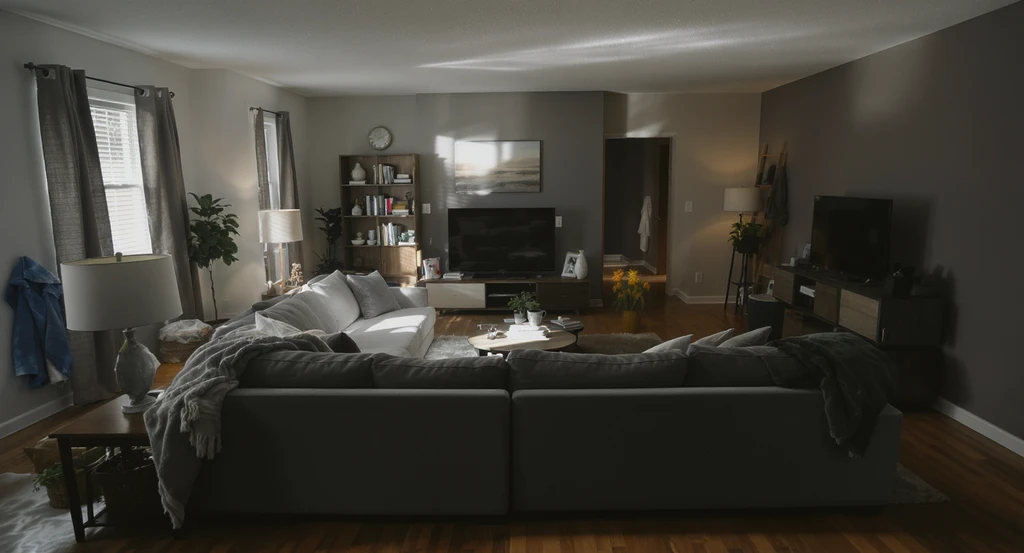
A realistic den showcases common den layout mistakes: oversized furniture, wall-lined placement, and poor lighting. Learn how AI den layout optimization tips, virtual staging AI for small dens, and AI tools for den lighting planning can address comfort problems and improve furniture placement.
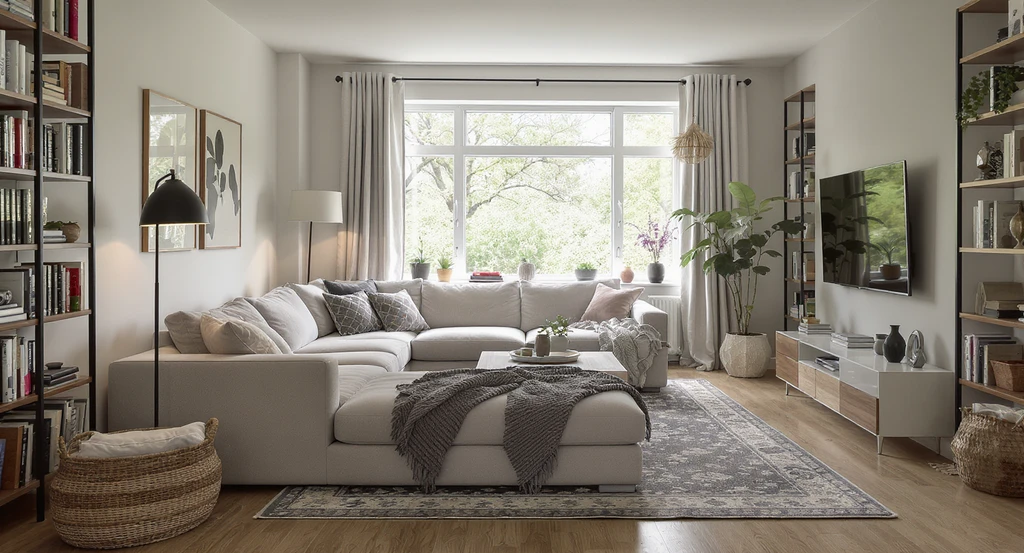
A den should be your home’s most comfortable retreat, yet common layout errors often make these rooms feel cramped, cluttered, or impractical. Mistakes like oversized sofas, all-wall furniture placement, poor lighting, and ignored walkways can make even a well-furnished den uncomfortable to use. This article breaks down each mistake, the reasoning behind it, and easy corrections using proven interior design guidelines. You’ll learn practical spacing rules, focal point strategies, and step-by-step fixes—so your den supports both relaxation and everyday living.
-
01. Overcrowding the Room With Oversized Furniture
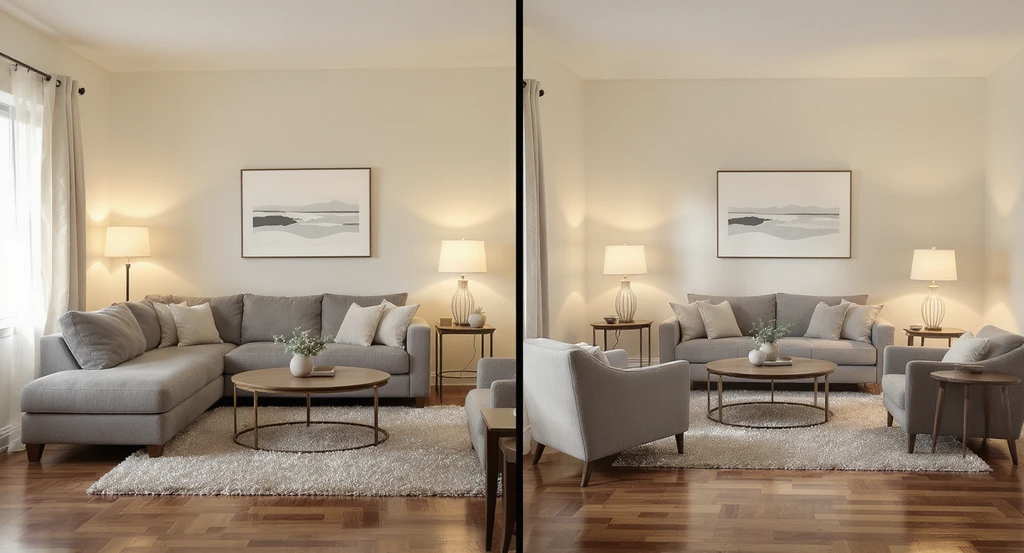
Avoid common den layout mistakes in small dens with AI virtual staging—choose compact sofas and armchairs for easy furniture access, follow AI den layout optimization tips for ideal walkways and lighting placement.
Placing large sectionals or deep sofas in a small den may seem logical when prioritizing seating, but it often blocks pathways and compresses the room. The mistake usually comes from focusing only on what physically fits, not what leaves enough space for movement and access.
To correct this, use the Comfort Radius Rule: keep all essentials, like end tables and light sources, within 4–6 feet from the main seating, and maintain 30–36 inches of walkway clearance. Replace bulky sectionals with a compact sofa and armchairs. As we explained in our guide to sofa size and layout, test furniture placement virtually or with a simple floor plan sketch to check real movement space before buying new pieces.
-
02. Ignoring Visual Balance with All-Wall Placement
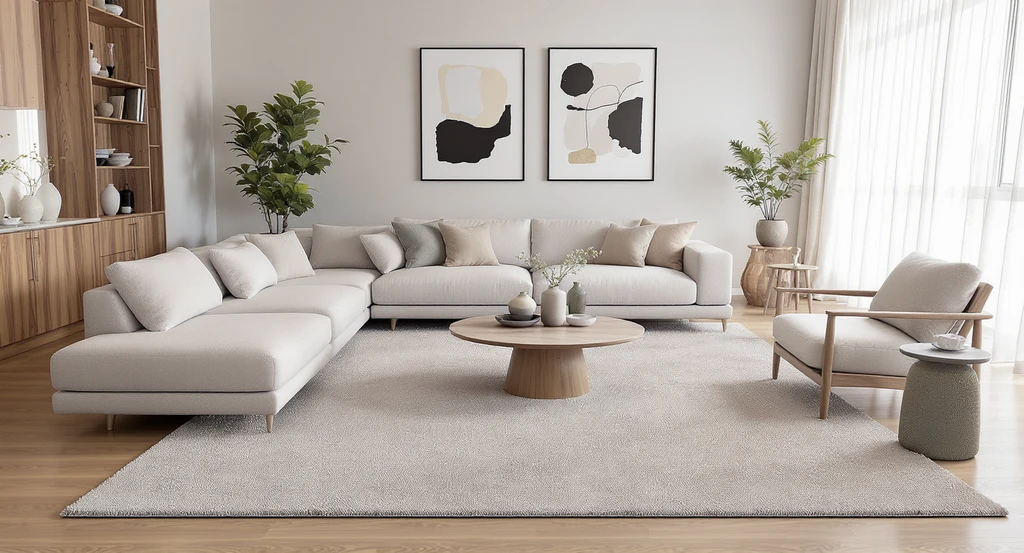
How ai den layout optimization tips help: This den demonstrates how ai visualizes den furniture placement by floating seating around a central rug, correcting common den layout mistakes and enhancing conversation zones with virtual staging ai for small dens.
Pushing all seating against walls creates an empty center and disconnects conversation areas. This layout is common in long or narrow dens, where maximizing open floor feels logical but ends up sacrificing comfort and flow.
Instead, float your main sofa and group chairs around a large rug to anchor a central gathering zone. This spatial rule keeps the room cohesive and enhances social interaction. For more on using rugs to connect furniture and define zones, see our detailed furniture arrangement guide.
-
03. Blocking Natural Light With Tall Furniture
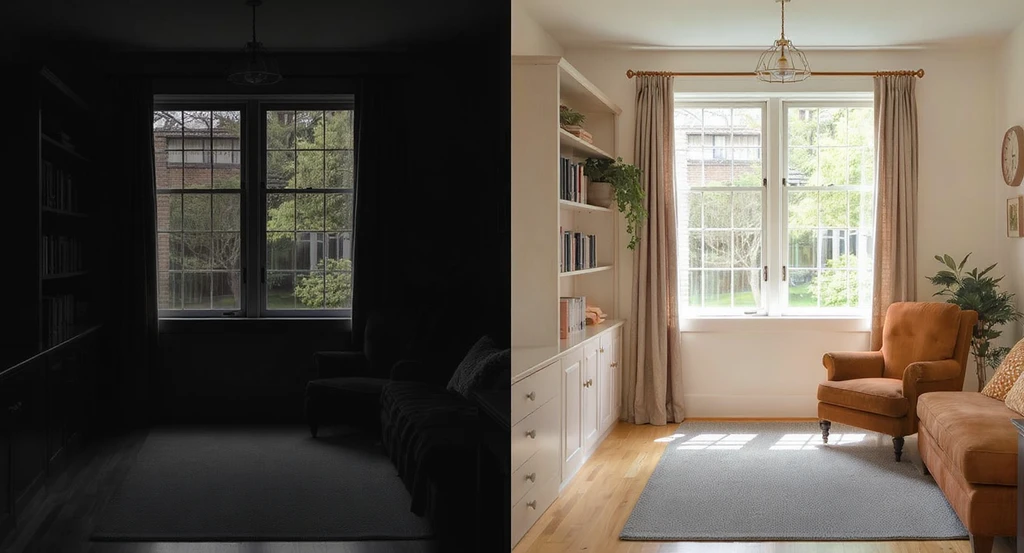
Virtual staging AI for small dens highlights how ai visualizes den furniture placement: tall bookcases block light, while low shelving maximizes brightness, showing effective ai tools for den lighting planning and layout optimization tips.
Tall bookcases, cabinets, or shelving placed in front of windows restrict daylight, a mistake that can make small dens feel even smaller. This issue typically arises when storage needs overshadow the impact of light on comfort and openness.
Follow a straightforward guideline: leave at least 50% of all windows unobstructed. For extra storage, choose low shelving below the windowsill. Our comparison of bookcase heights in the bookcase scale and placement post details how different solutions affect both space and brightness.
-
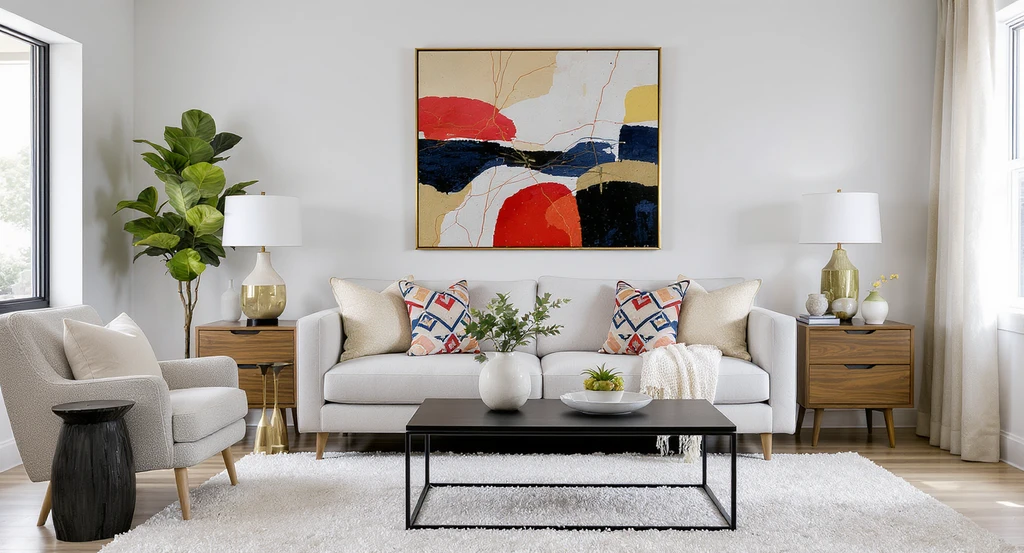
04. Disrupting Flow With Excess Accent Pieces
04. Disrupting Flow With Excess Accent Pieces Image
Piling in side tables, multiple accent chairs, and floor lamps can block walking routes and result in a maze-like layout. This usually happens as objects accumulate over time, not as part of an intentional plan.
Apply the Pathway Principle: guarantee 24 inches of clear passage from every entrance to seating or work areas. Remove redundant furnishings, use multipurpose pieces like a storage ottoman, and cluster lighting effectively. Balanced layouts like these transform both look and usability. For a room-by-room checklist, see our living space tips.
-
05. Skipping Layered Lighting for Comfort
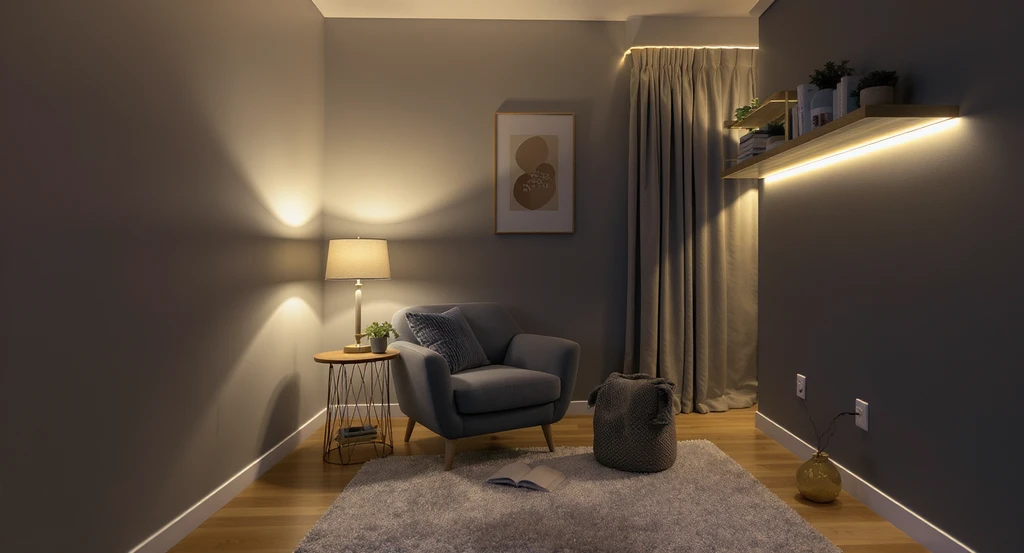
Layered lighting in a den, optimized by virtual staging AI for small dens, highlights common den layout mistakes and offers smart ai lighting planning solutions.
Relying solely on one ceiling fixture typically leads to flat, uninviting light. Many dens suffer from this, especially if the space serves different activities throughout the day.
Layering three lighting types, ambient, task, and accent, means you can adapt illumination for reading, relaxing, or movie nights. Try placing ceiling lights for general brightness, desk or table lamps at seating, and wall sconces or LED strips to create atmosphere. Previewing layered lighting setups, such as with virtual staging AI for small dens, lets you spot uneven brightness or glare before making changes. This approach helps avoid harsh shadows and improves comfort overall.
-
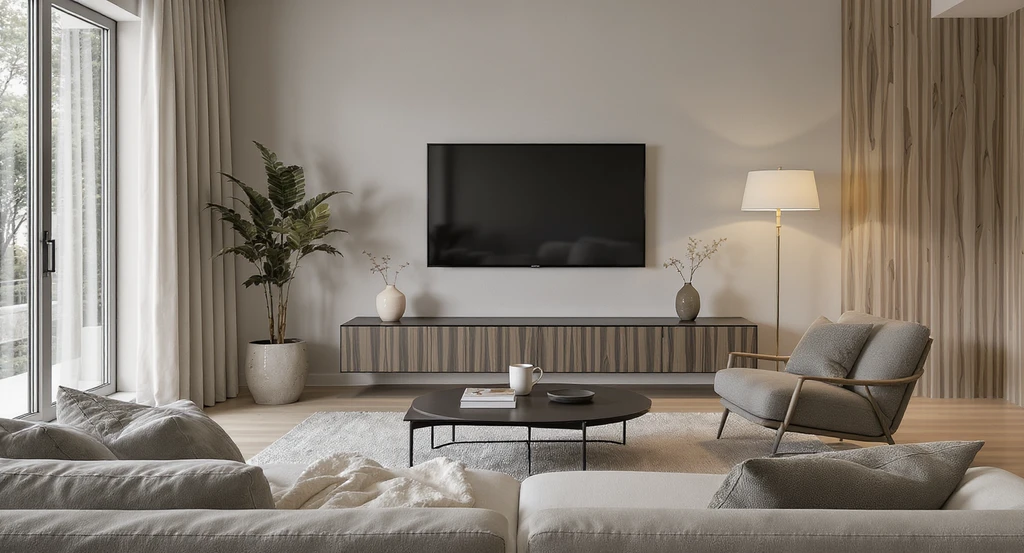
06. Creating Dead Zones or Unused Corners
06. Creating Dead Zones or Unused Corners Image
Unplanned corners often become storage piles or simply go unused, shrinking your den’s effective floor area. This usually results from placing primary furniture first and leaving corners for later, or ignoring them completely.
Define every corner with a practical function, a reading nook, small desk, or plant stand works well. Use a small rug or accent light to distinguish these spaces. Draw up a quick sketch or use digital tools to check if these ideas add function without overcrowding. Assigning purpose to corners expands usable space and adds comfort.
-
07. Forgetting Scale, Function, and Personal Touch
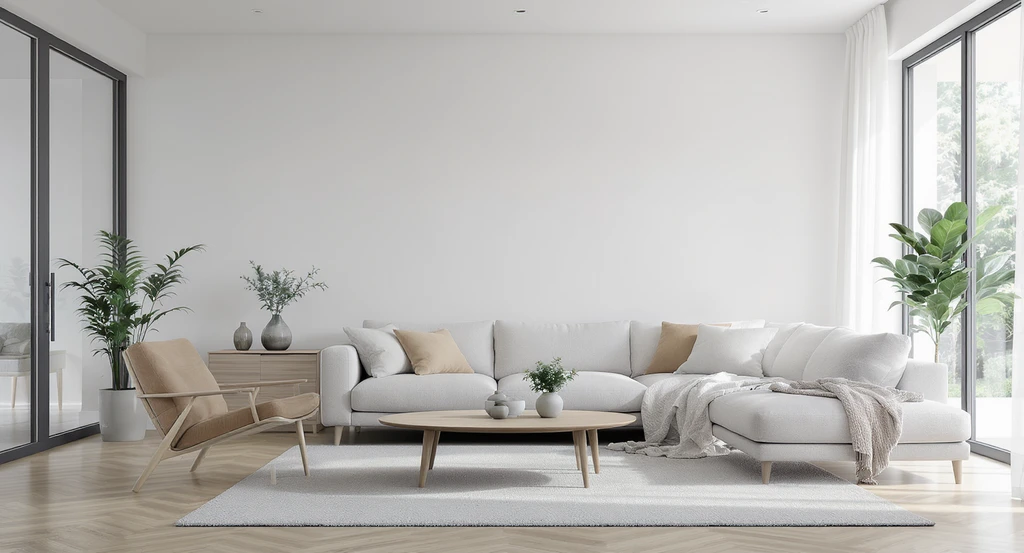
07. Forgetting Scale, Function, and Personal Touch Image
Mixing furniture of different scales without reference to room size, or choosing all pieces on one extreme, makes dens either cramped or impersonal. A common error is letting every new piece come from a different function or style, rather than considering overall effect.
Use a Scale Check: large pieces should take up no more than 45–50% of floor area. Select accent pieces that match the height and function of the main seating. Add personal touches with favorite books, art, or hobby items, focus on function first, then personality, for a den that feels both practical and unique; see our guide to combining sofa size and style for additional reference.
Frequently Asked Questions
- How do I know if my den is overcrowded?
If movement feels tight or you squeeze past furniture, check your walkways. A 30–36 inch clearance is recommended. As covered in our sofa size guide, even compact rooms benefit from measured spacing. - What’s the best lighting for a multipurpose den?
Always layer at least three lighting types—overhead (ambient), task, and accent—for comfort and flexibility. - How can I personalize my den without cluttering?
Limit decor to meaningful pieces grouped by function. Avoid scattering items—focus on anchoring art or collectibles around seating or reading zones. - Can I preview layouts before moving furniture?
Yes—simple sketches or digital visualization tools let you test layouts, flow, and lighting combinations before rearranging or buying anything. - What if my den lacks natural light?
Use lighter wall colors, mirrors, and add layered artificial lighting to brighten the room. Keep windows clear for maximum daylight.
How to Build a Comfortable, Functional Den
A comfortable den is not about adding more furniture or decoration, but about balancing a clear layout with circulation, lighting, and a sense of purpose. By following core principles like the Comfort Radius Rule, the Pathway Principle, and lighting layers, and by checking scale and focal points, you can create a den that feels both open and truly inviting. For best results, plan on paper or with visualization tools first, check key measurements, and adjust before making big changes.