Solving Awkward Spaces: Design Ideas for Unusual Home Layouts
TL;DR
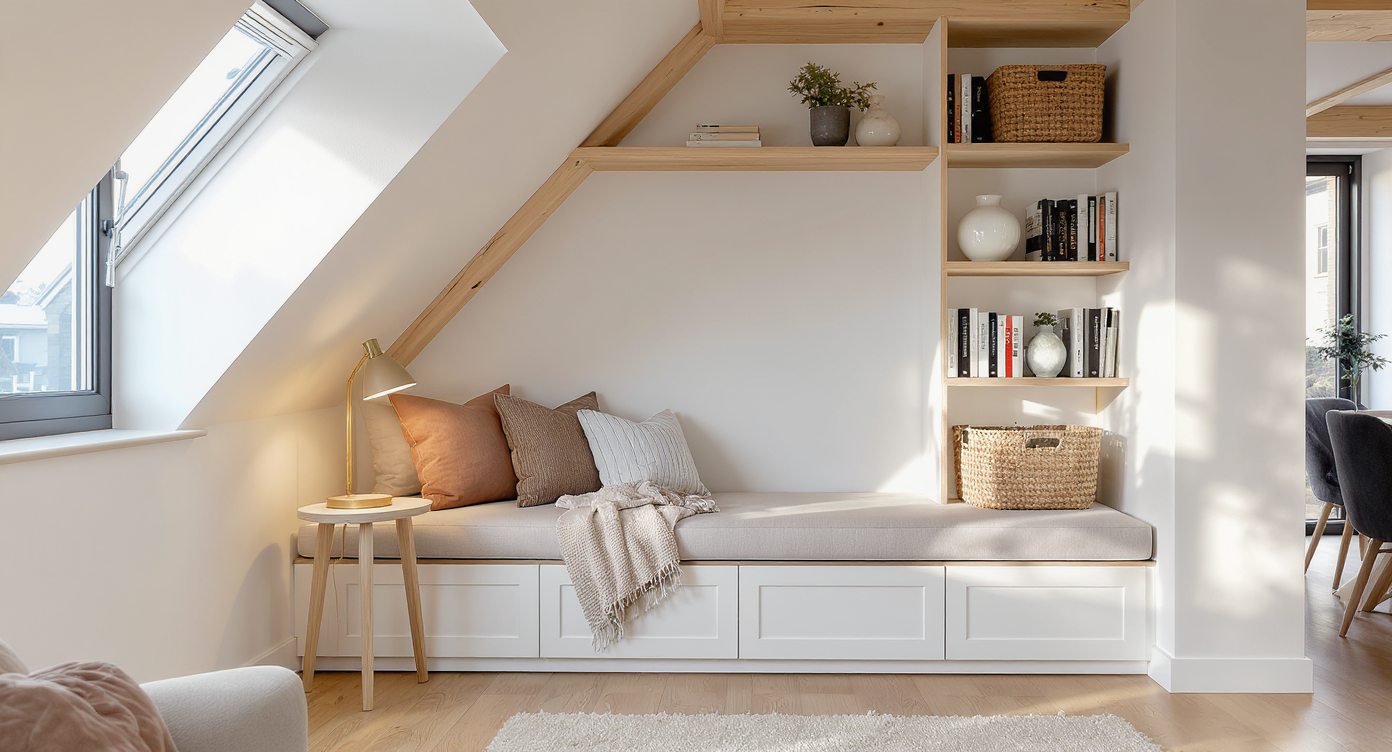
Awkward spaces often appear in homes with odd layouts or compact footprints, but with the right furniture, lighting, and soft furnishings, these nooks can become the most delightful parts of your home. Prioritizing comfort, defining zones with rugs, and building in flexible storage are essential for lasting use and a polished look.
Unlocking the Potential of Odd Home Layouts
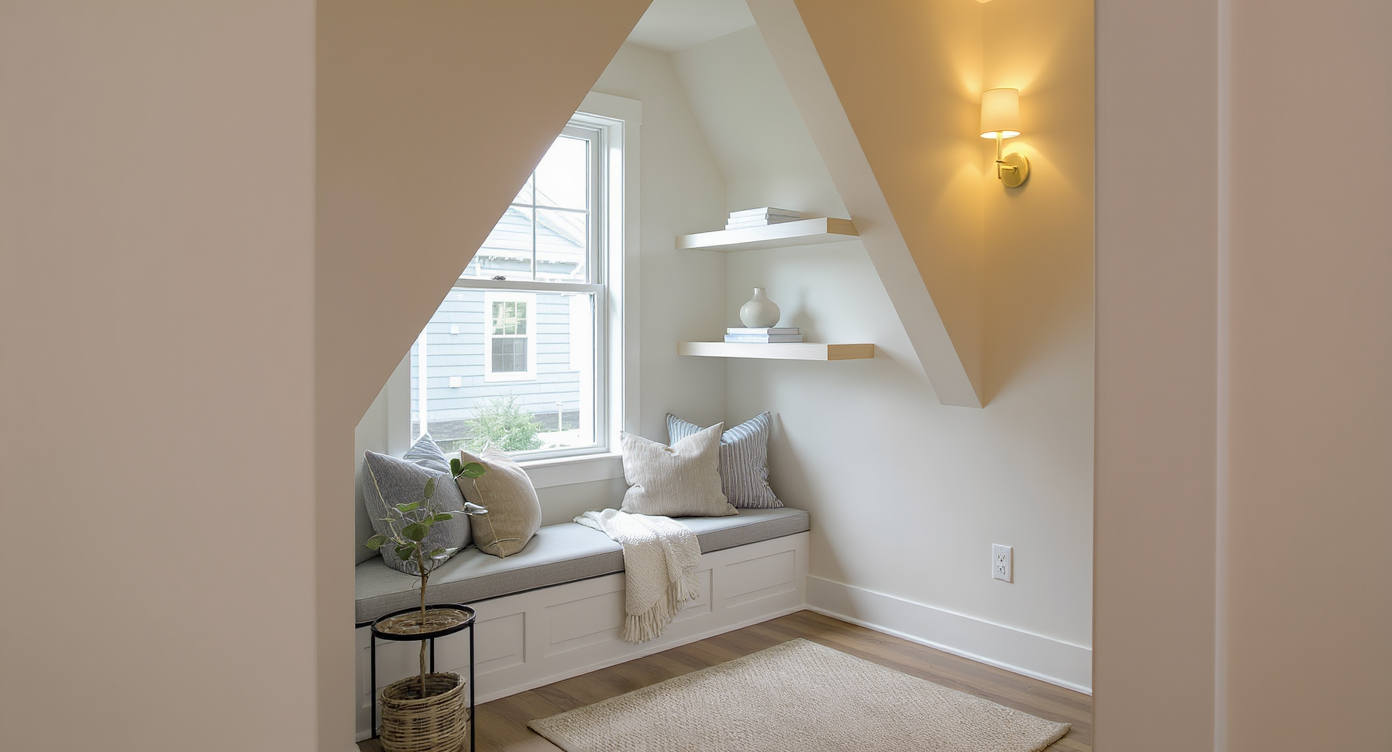
Realistic hallway nook transformed into a functional spot with built-in bench seating, custom shelving, and soft lighting, illustrating awkward space solutions.
Every house has its quirks, and nowhere is this more evident than in those leftover corners, narrow landings, and window alcoves. These compact spaces often get a reputation for being hard to use, but with a thoughtful approach, even the trickiest corner can serve a purpose. Design isn’t about filling every inch—it’s about making each spot feel intuitive and inviting. When working with an odd layout, successful solutions rely on understanding furniture flow, scale, and the transformative power of soft furnishings. From built-in shelves to layered lighting and furniture swaps, it is possible to craft a nook that answers both form and function. Let’s look at what makes these challenging spaces work and how to ensure your redesign feels seamless.
-
Reimagining the Purpose of Unused Spaces
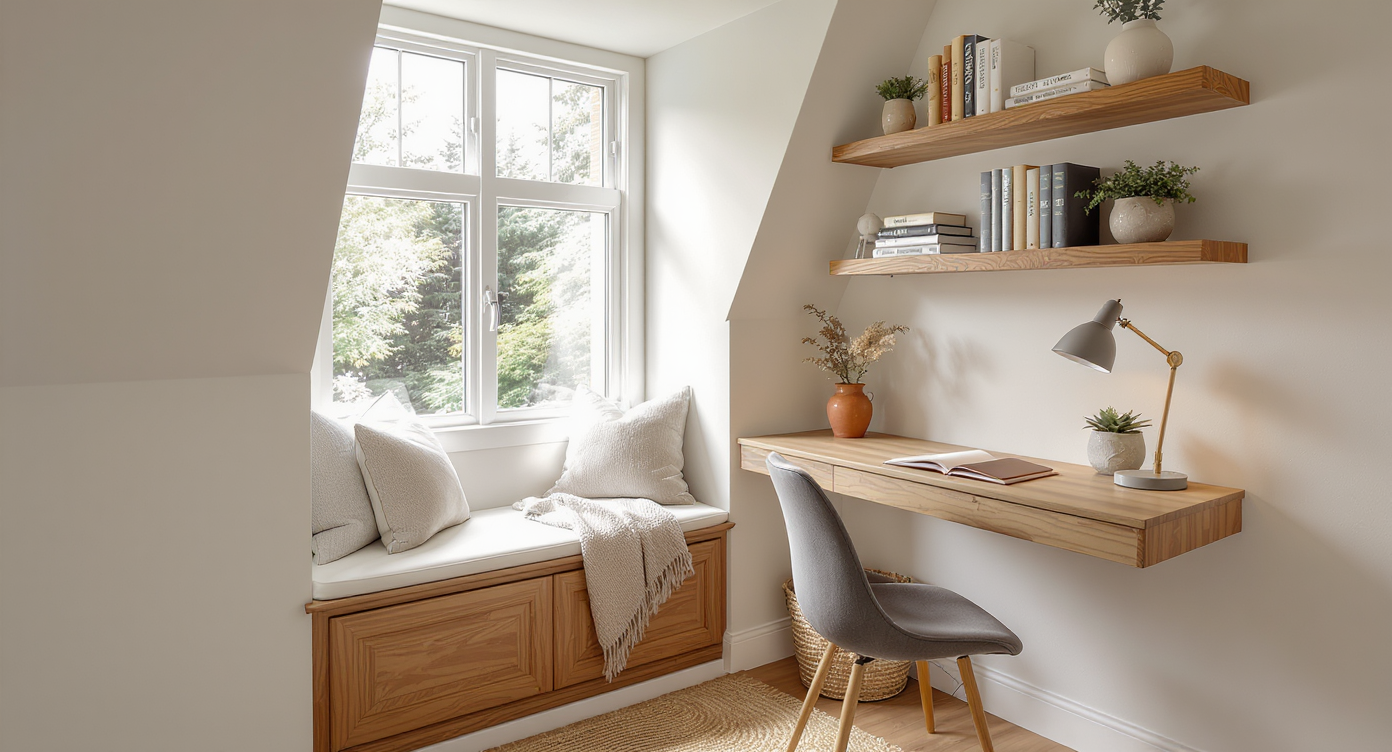
Awkward spaces like a staircase landing can become functional with a window bench, compact desk, and custom shelving for an inviting nook.
The process starts by questioning how an overlooked space might serve the rhythms of daily life. Is it a landing at the top of the stairs craving a quiet spot to read, or an alcove beside a window with potential for a compact workspace? Often, these areas remain empty until someone imagines how they might best fit within the home’s existing flow. Designers often turn these odd corners into reading nooks, mini offices, or display shelves, making deliberate use of lighting and texture to bring life to small footprints. Using a shallow desk flush against a wall or incorporating a custom bench below a window can add practical versatility without overwhelming the space. According to our overview on adapting bedroom alcoves, focusing on modest dimensions for shelves or seating enables cozy efficiency.
Expert Insight
Several years ago, a client purchased a century-old house with a shallow, oddly-shaped corner beside the staircase. It was small enough to seem useless but sunny enough to attract attention. After some experimentation, they installed a bespoke bookshelf beneath a custom bench, added a trio of graphic pillows, and placed a softly glowing pendant above. Suddenly, the family’s favorite spot to read, pause, or converse emerged from what once felt like wasted square footage.
-
Furniture Flow and Flexible Arrangements
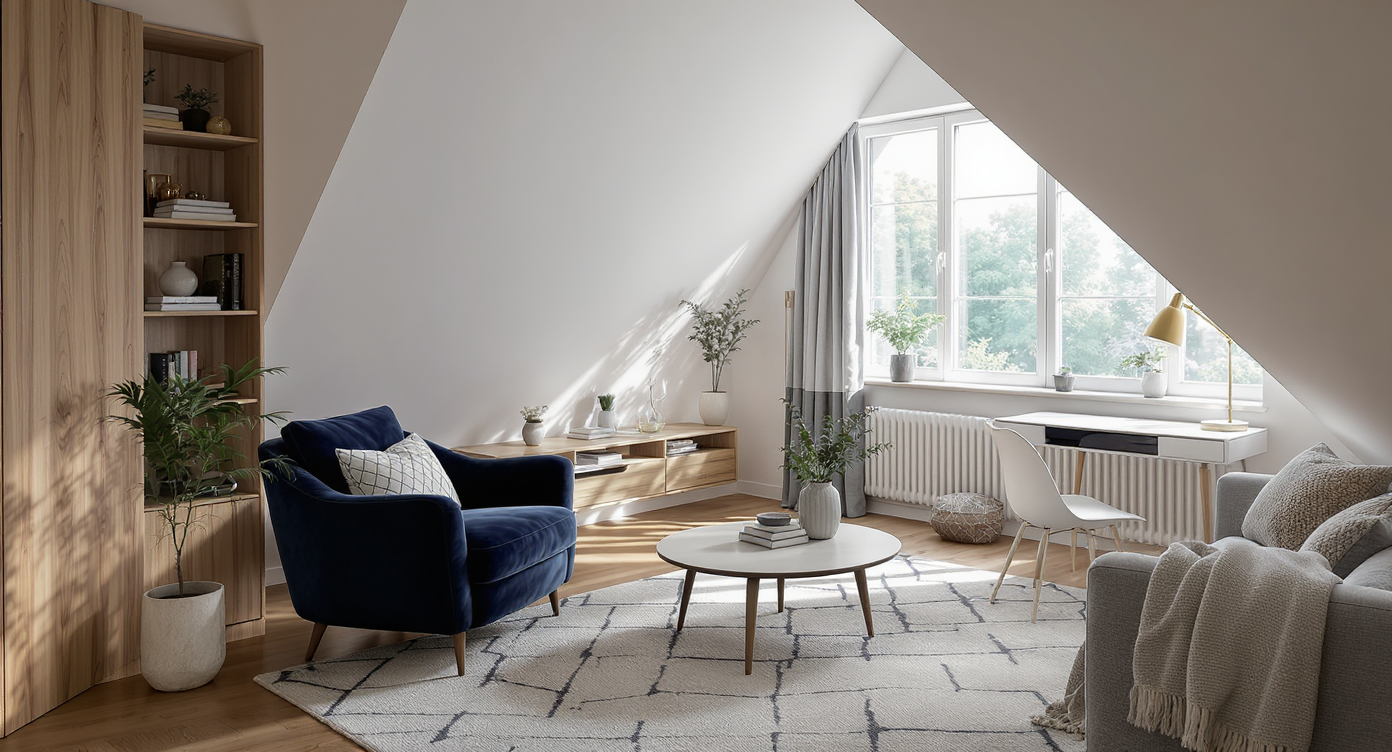
Flexible furniture in a compact area: a single plush chair on a rug, slim bookshelf, desk under a window, and a tall lamp in the corner.
Arranging furniture in compact or awkward areas demands an openness to creative swaps. Removing bulky items, like an oversized bench or double-seating setup, and substituting with bookshelves or compact chairs clarifies purpose and frees up valuable floor space. When room allows, introducing a loveseat, thoughtful coffee table, or desk under natural light can transform transitional zones into actual destinations. Soft furnishings anchor these layouts: a well-placed rug visually frames the area, while pillows in bold patterns or textured fabrics hint at comfort and entice people to linger. Designers suggest working in substantial, single elements—such as one plush chair or a tall floor lamp—over clusters of small items, which can make an area feel disjointed. For corners prone to feeling unused, balancing scale and lighting ensures the flow is both practical and visually harmonious.
-
Soft Furnishings and Lighting: The Finishing Touches
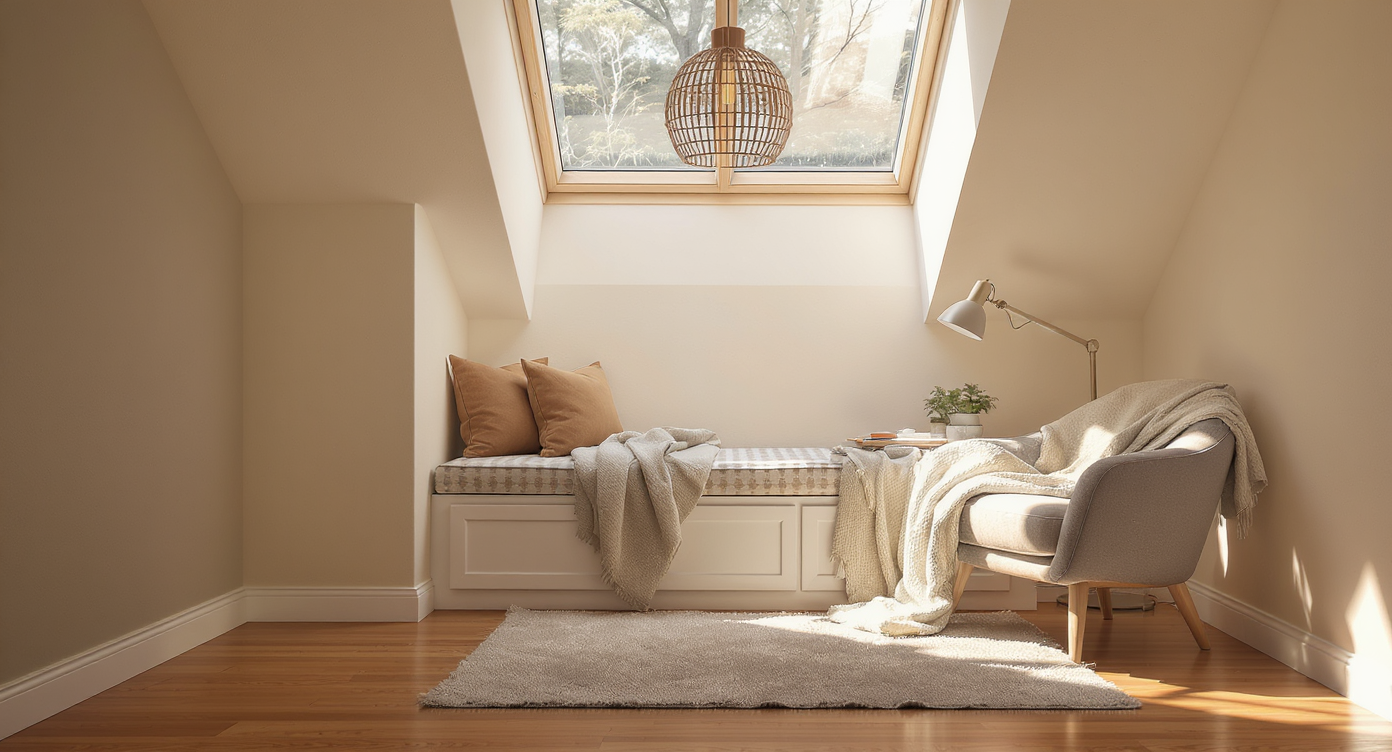
Soft furnishings like thick cushions and layered rugs, paired with pendant and reading lights, create a warm, purposeful nook from an awkward corner.
No awkward nook feels complete without attention to soft furnishings and illumination. Across the spectrum of design dilemmas, textiles introduce warmth and dimension: a thick cushion on a window seat, layered rugs in overlapping patterns, or blankets that make even brief stays comfortable. Beyond comfort, these elements help clarify the zone’s intent, making it more than just leftover real estate. Lighting shapes atmosphere. Swapping a basic ceiling fixture for a pendant light above a bench, or placing a focused reading lamp by a chair, brings intimacy and visual cohesion. Skylights or sun tunnels can also draw in natural light, which is especially valuable in Scandinavian-inspired or minimalist designs. Borrowing from the logic of repurposing empty spaces, these soft additions layer comfort and intent without cluttering the view.
-
Small-Scale Design, Big Impact
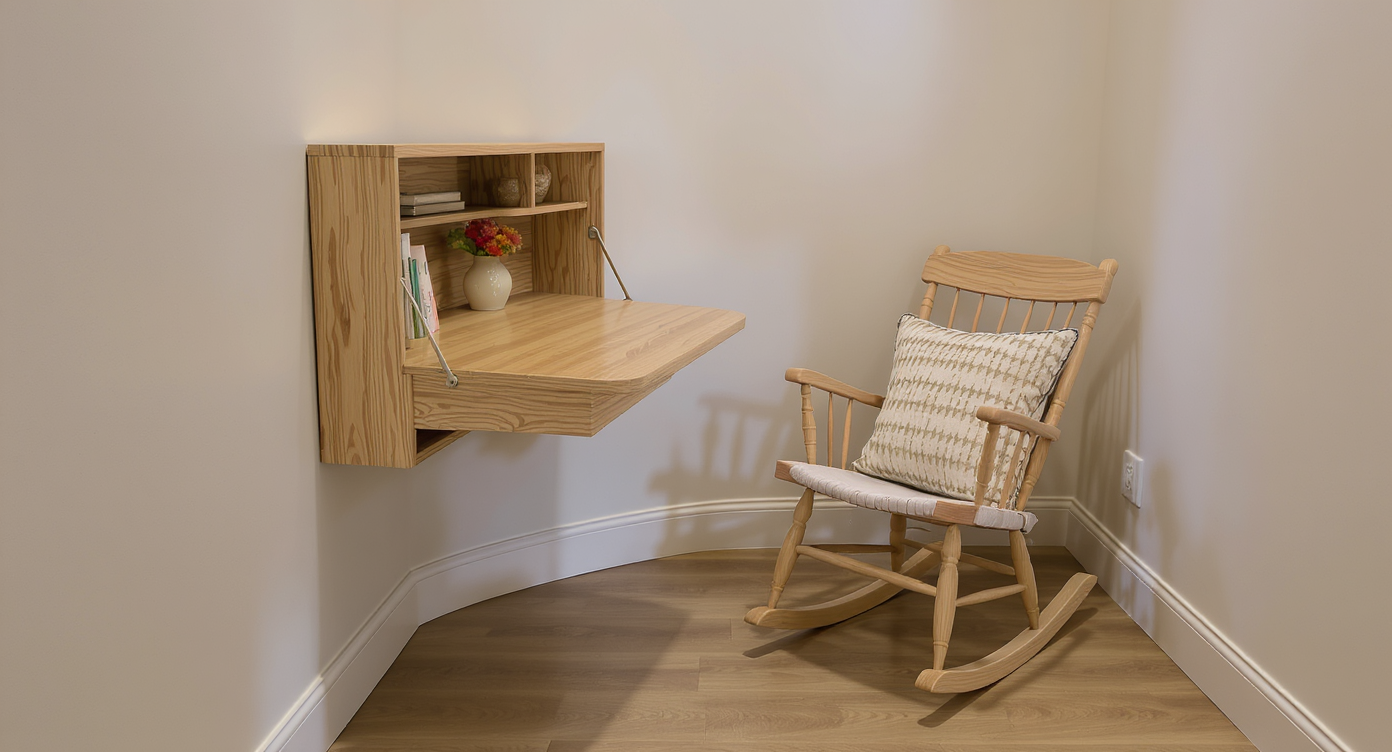
A stair landing maximized with a wall-mounted desk, compact rocker, built-in storage bench, and accent wall for high-impact small-space design.
Clever solutions don’t require vast square footage. Even a narrow landing or alcove beneath a stair can be dressed with a compact rocker, petite bookshelf, or decorative storage bench. In scenarios where a desk or work area is needed, custom millwork to create a flush, wall-mounted table takes advantage of every inch. Add color or variation through painted accent walls or contrasting cushions, which help these miniature environments stand apart. Practicality also matters. For example, pulling a reading bench away from the wall can mitigate claustrophobia while preserving privacy. In other cases, built-ins with lift-up lids offer hidden storage, and shallow shelves keep essentials accessible and tidy. Before finalizing the arrangement, designers recommend mapping out foot traffic to ensure that compact additions don’t create bottlenecks.
-
Mini-Scenarios for Real Homes
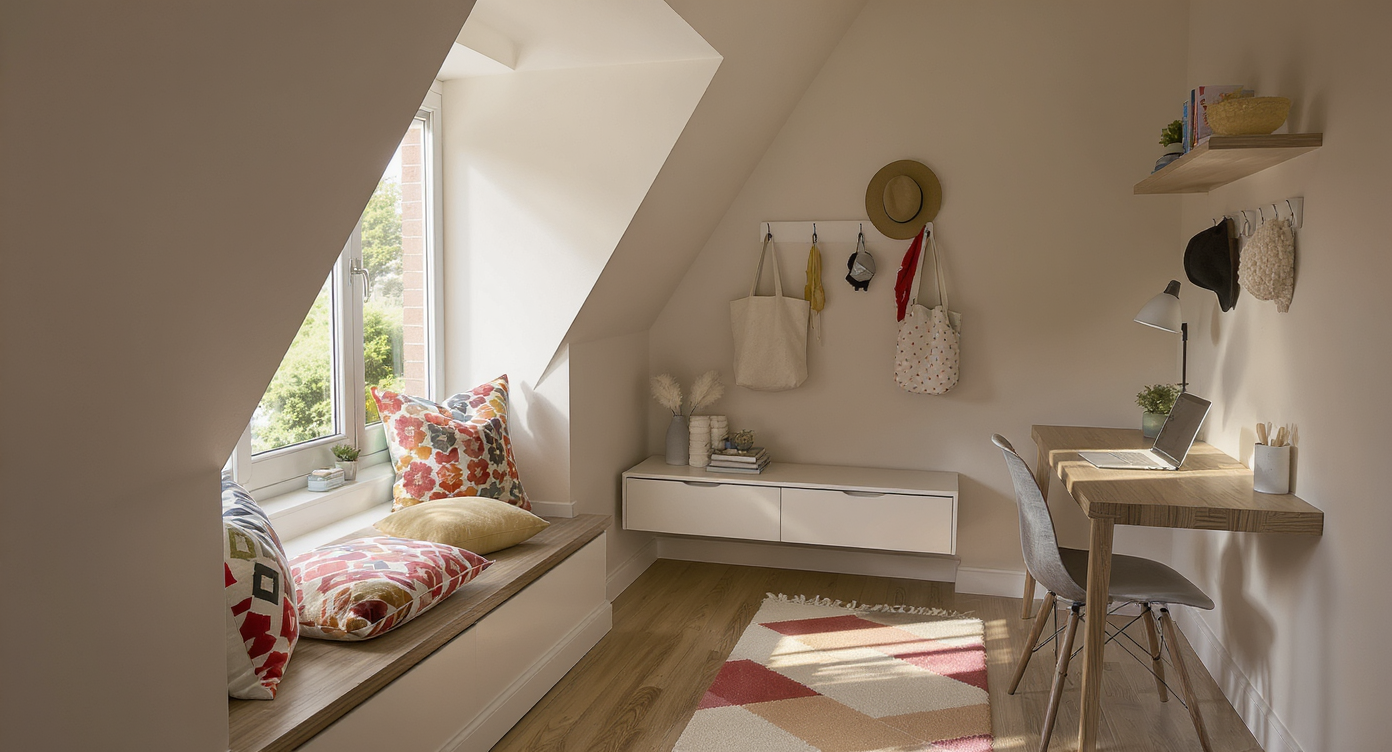
Clever use of awkward spaces: a window alcove reading spot, an organized entry vestibule, and a functional wall-mounted home office desk.
Picture a window alcove on an upstairs landing furnished with colorful cushions and a shelf running beneath for favorite books—ideal for late afternoon reading and tucked far enough from hustle to feel personal. Or imagine a small entry vestibule: a slim bench with concealed shoe storage, a bright runner, and hooks for accessories. In a home office, sliding a shallow floating desk along a wall gives ample workspace while leaving the center open for movement. When spaces feel stubbornly awkward, digital planning tools can open up options. By uploading a photo and digitally swapping in possible furniture or layouts, homeowners can preview the result risk-free. See how swapping objects in tricky nooks can spark new ideas and save effort before committing to purchases.
Visualization Scenario
Imagine standing at the top of a staircase, sunlight pooling by a window framed with a custom bench. To the right, a pair of slender chairs and a small side table feel inviting thanks to a rug with a subtle yet lively motif. Books line shelves tucked neatly beneath the window, while a pendant lamp throws warm light across plush cushions. The space, once a pass-through, now calls out as a serene retreat for reading, chatting, or simply enjoying a moment of stillness.
FAQ: Awkward and Compact Space Solutions
What is the best way to define an awkward space?
Layering distinct textures and placing a rug help designate function, while a single statement piece of furniture gives purpose.
Can awkward corners be used for storage?
Yes, built-in shelves or benches with storage beneath make excellent use of limited footprints, as shown in various design approaches to weird alcoves.
How do you add personality to unused nooks?
Textiles such as patterned pillows, throws, and layered lighting bring vibrancy and comfort to even the smallest spot.
Are digital planning tools helpful for designing small spaces?
Yes, digital previews allow experimentation with arrangements, styles, and colors risk-free—explore more options with ReimagineHome.ai.
Making Awkward Layouts Work for Your Life
Odd layouts and awkward spaces are not design failures—they are creative opportunities. With mindful planning and purposeful furniture flow, these compact zones become highlights of the home, offering utility and delight. By thinking in terms of flexible arrangements, cozy soft goods, and personalized touches, even the trickiest nook finds its place in daily life. For visualizing transformations and experimenting safely, ReimagineHome.ai provides valuable assistance.