9 Meaningful Ways to Rethink Your Dining Room Without Spending a Fortune
TL;DR
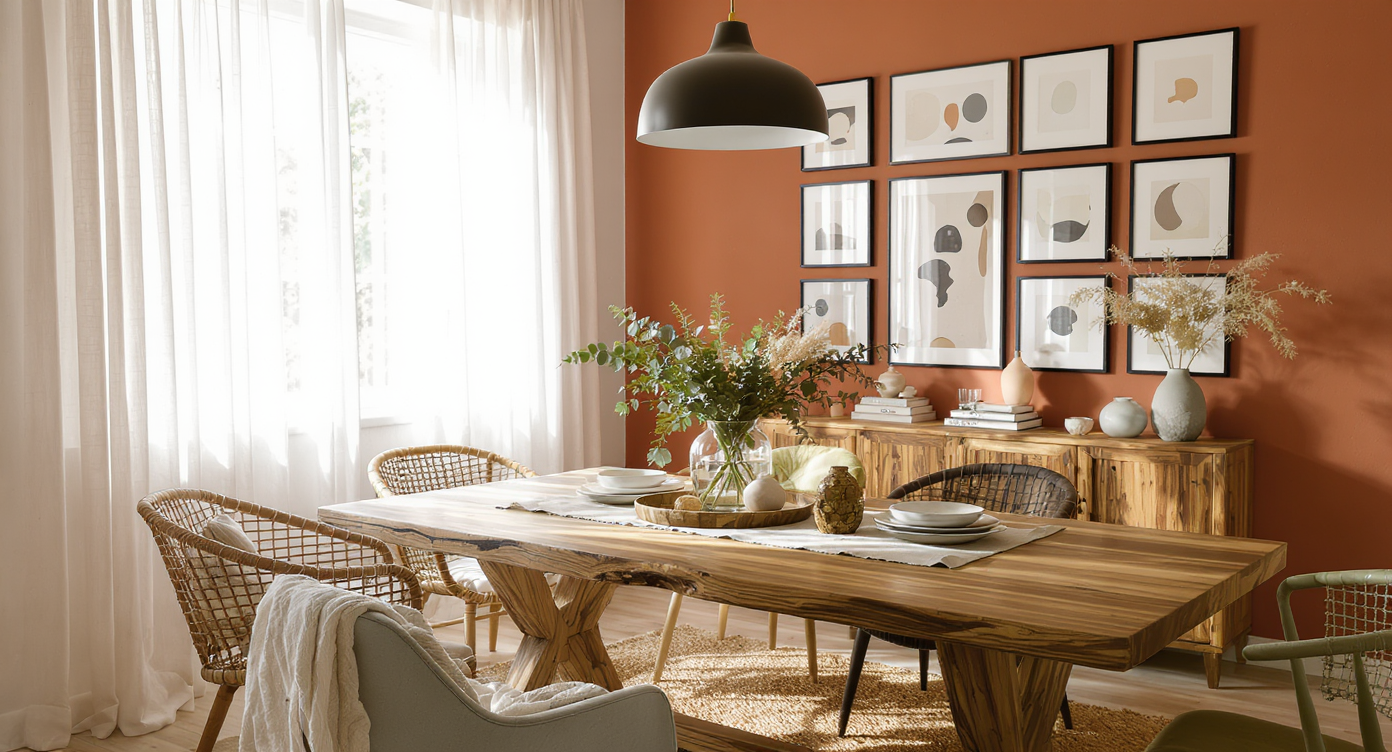
Small and affordable changes in your dining room layout—such as moving key pieces, swapping wall art, or adjusting lighting—can make a surprising difference without draining your budget. This list curates effective strategies that real homeowners use to achieve standout visual transformations through cost-savvy, actionable ideas. Each approach is practical, layered, and easy to adapt to your unique space.
Why Dining Room Tweaks Matter More Than Expensive Overhauls
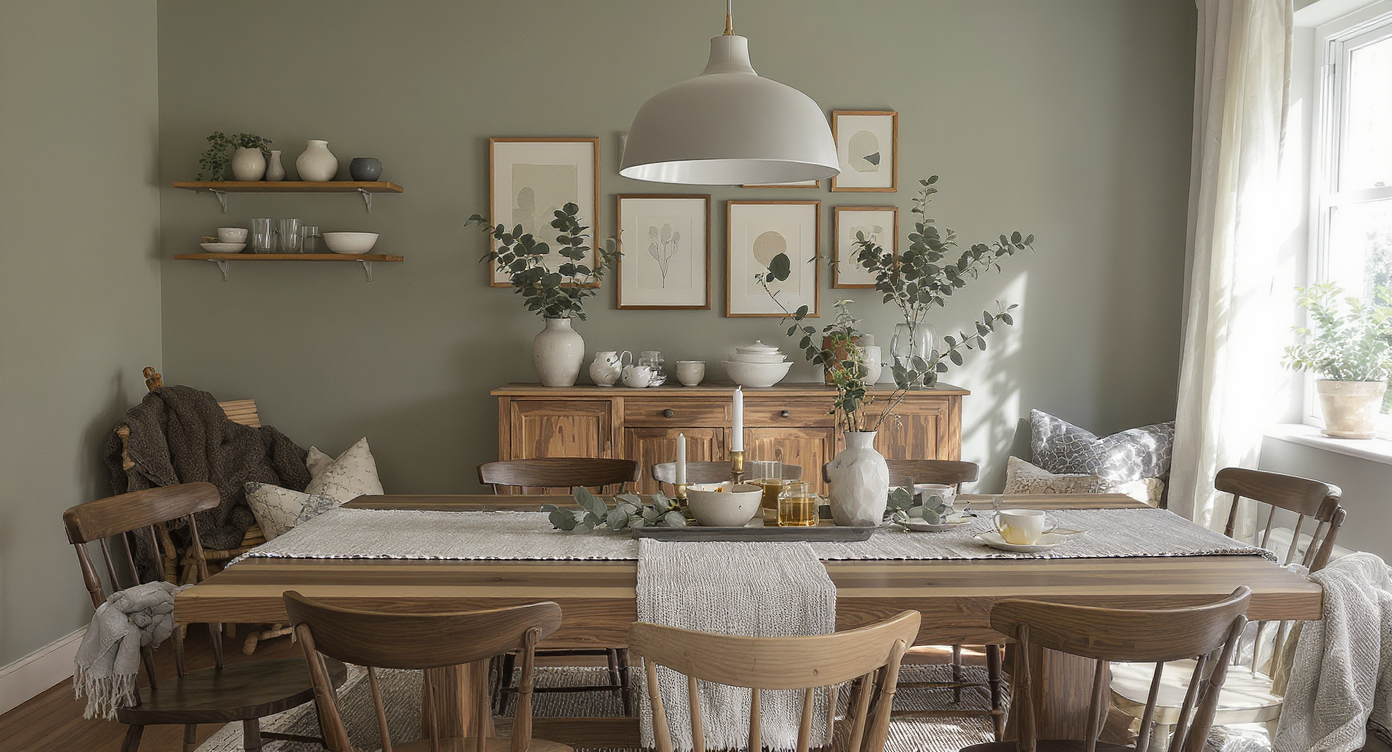
A real-world dining room freshly rearranged with creative, budget-friendly décor and layout, illustrating transformation without major spending.
Dining layouts are often changed with the assumption that only a major remodel will feel transformative, but experienced designers and observant homeowners know this is rarely the case. Subtle layout changes, clever wall styling, and layering in affordable styling techniques consistently give a space that 'professional touch'—no contractor required. This guide explores nine proven, cost-conscious ways to refresh your dining room. Whether you are motivated by budget, sustainability, a need for flexibility, or simply a desire for something new, these strategies underscore how minor shifts lead to maximum results. Think of this as a playbook for making your dining space work for you, using what you have and what you can easily add.
-
1. Swap Furniture Between Walls for Instant Layout Changes
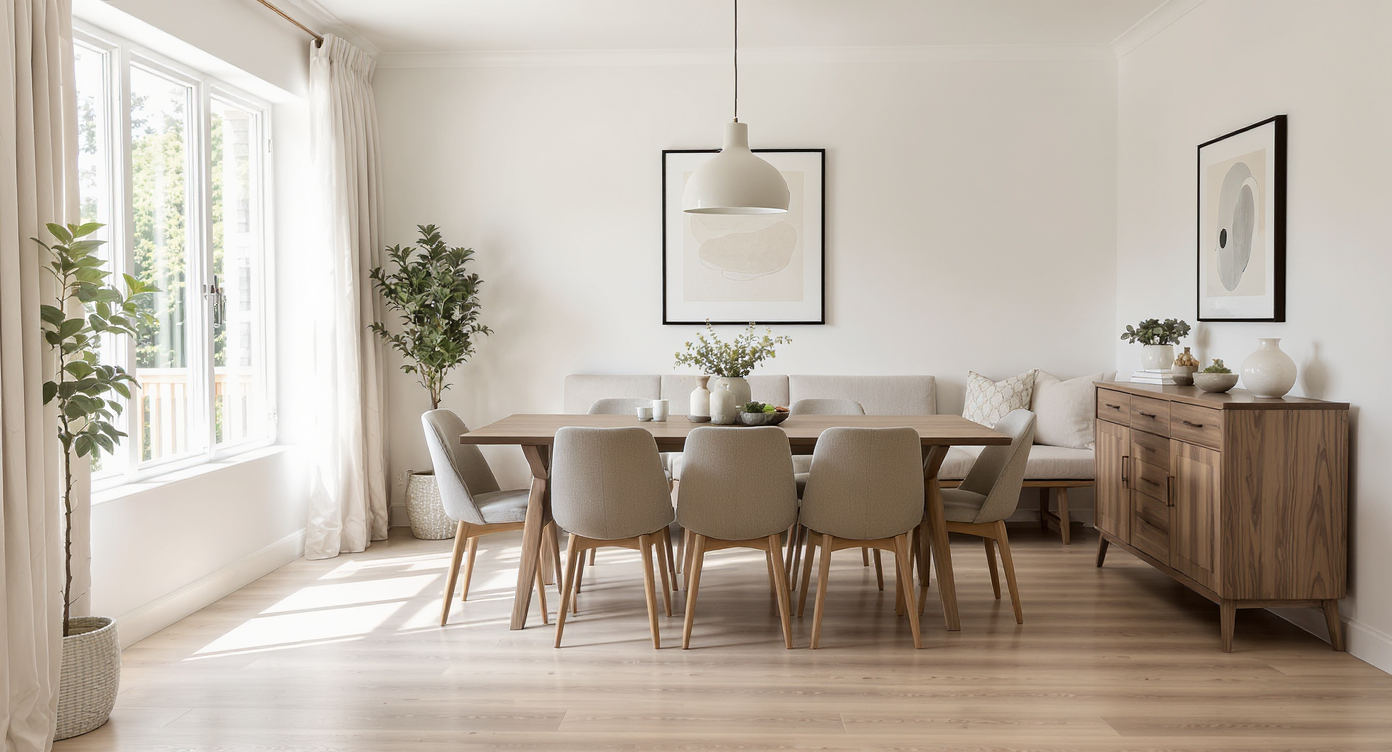
Rearranged dining room featuring a bench along the wall and chairs around the table, demonstrating an instant layout transformation.
One of the fastest ways to change the energy in a dining room is to move large items like benches or sideboards to new locations. Placing a bench against an empty wall and surrounding your table with chairs shifts the focus and flow of the room. This modification takes minutes yet dramatically updates your layout, increasing both visual interest and practical seating. Professionals often see even more open, inviting rooms when a bench replaces clutter and anchors the longest wall. For more on making bold but easy moves, see our advice on elevating your dining room with placement and proportion.
-
2. Fill Blank Walls With Statement Art or Mirrored Drama
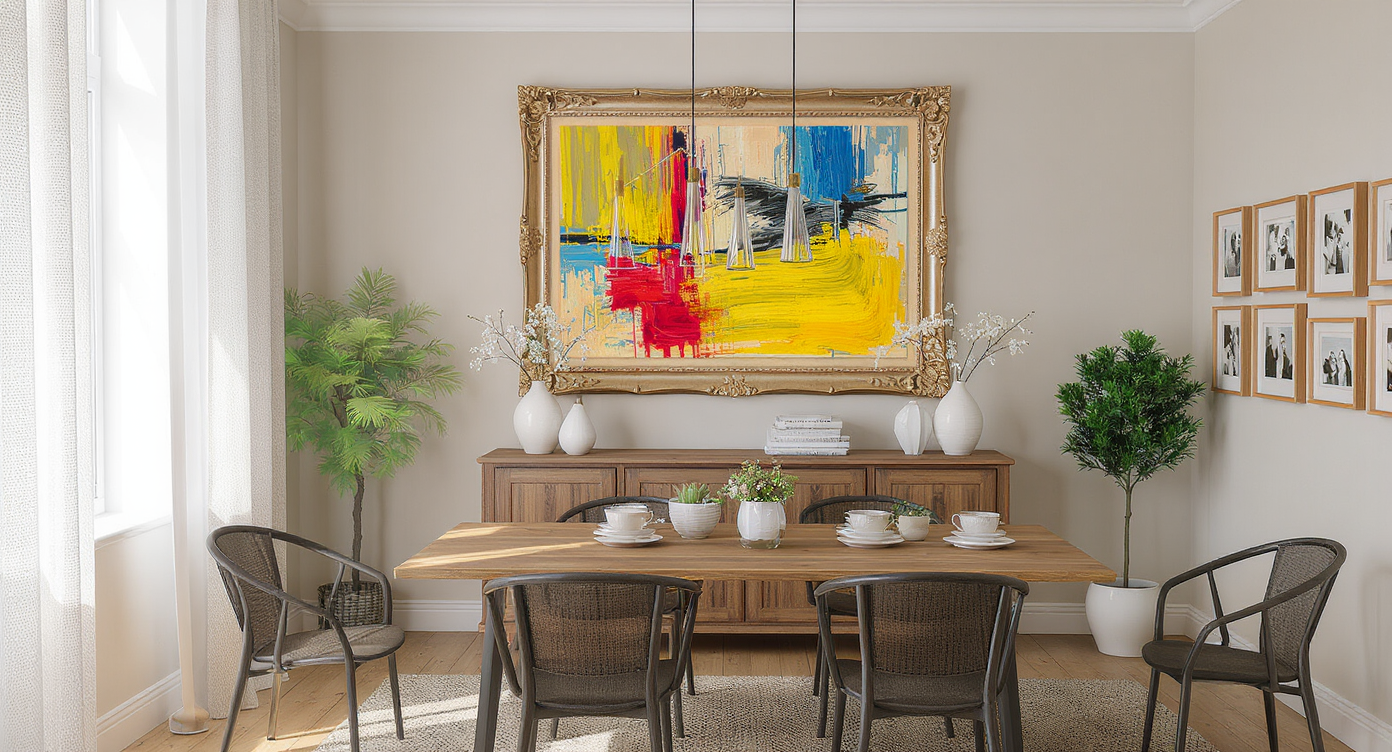
Transform a blank dining room wall with oversized statement art, a dramatic mirror, or a gallery of framed personal photos for instant visual impact.
A blank wall may feel intimidating, but it also offers potential. Hanging a large mirror or an oversize artwork immediately changes the perception of space and light. When you cannot decide, a mirror brings reflection and depth, while a vintage map, gallery of family photos, or even a bold contemporary print personalizes the area. Designers often select works that fill two-thirds of the open wall or that echo shapes in furniture, maximizing cohesion. Get ideas and placement guides from our tips on handling blank dining room walls.
-
3. Rotate or Relocate Art and Accessories Already in Your Home
A totally fresh look often comes from reusing pieces you already own. Try moving art above your sideboard to the new focal point over a bench, or use photo frames from another room to change the character of your space. This approach is favored by many design professionals, both for its affordability and the way it encourages deeper personalization. The trick is to consider color, scale, and visual weight—group similar tones or mix frame styles for intentional contrast. Even a single swap can lead to visual transformations that feel thoughtful and curated.
-
4. Upgrade Rug Placement for Visual Comfort and Flow
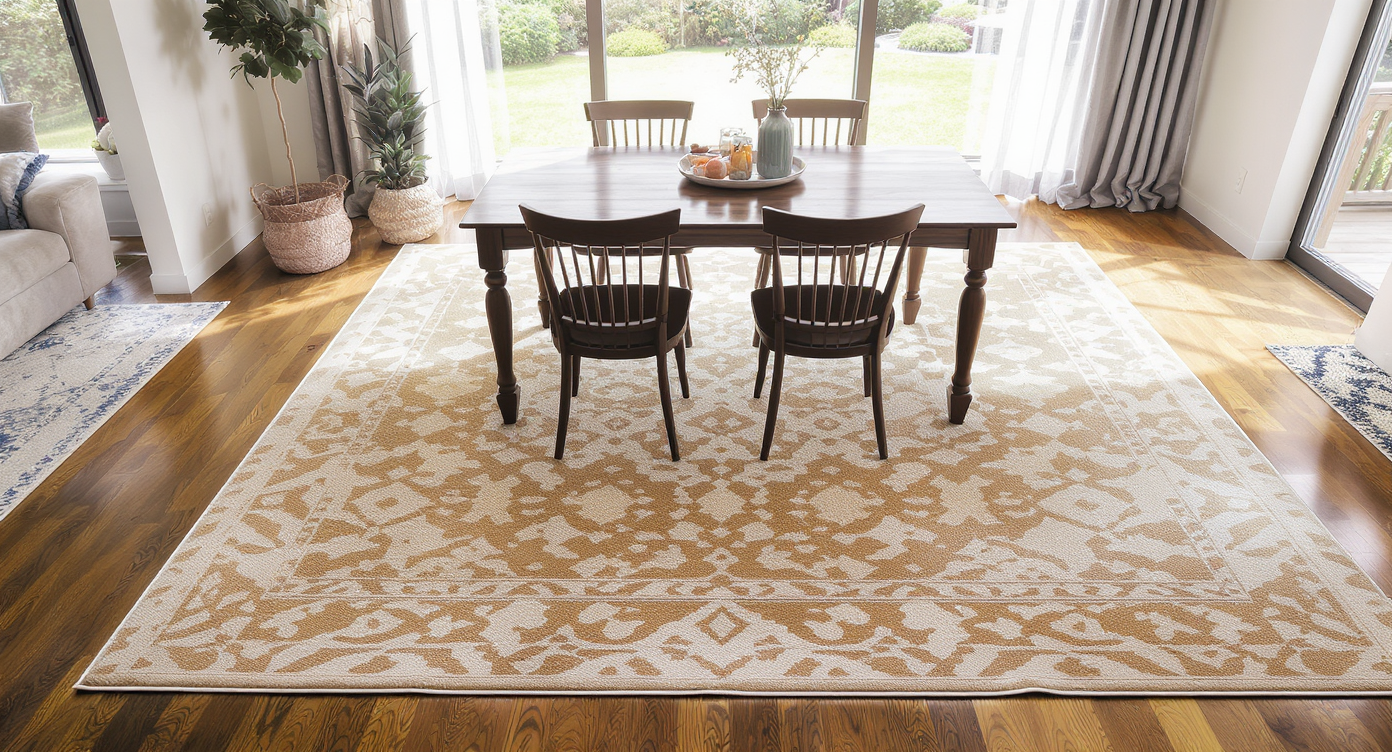
A large rug placed under the dining table and chairs, extending well past their edges, visually anchors the dining space for added comfort.
Rug size and positioning heavily influence how pulled-together a dining room feels. Using a rug that extends at least 24 inches beyond the chairs improves comfort and anchors the eating area. If your current rug is undersized or poorly placed, try shifting it or swapping with another room's rug before buying new. A larger rug can help delineate the dining zone in open layouts, while the right pattern introduces warmth and softness. For a detailed blueprint on choosing rug sizes and placement, see our expert breakdown in our dining room design guide.
-
5. Reimagine Lighting With Simple Fixture Adjustments
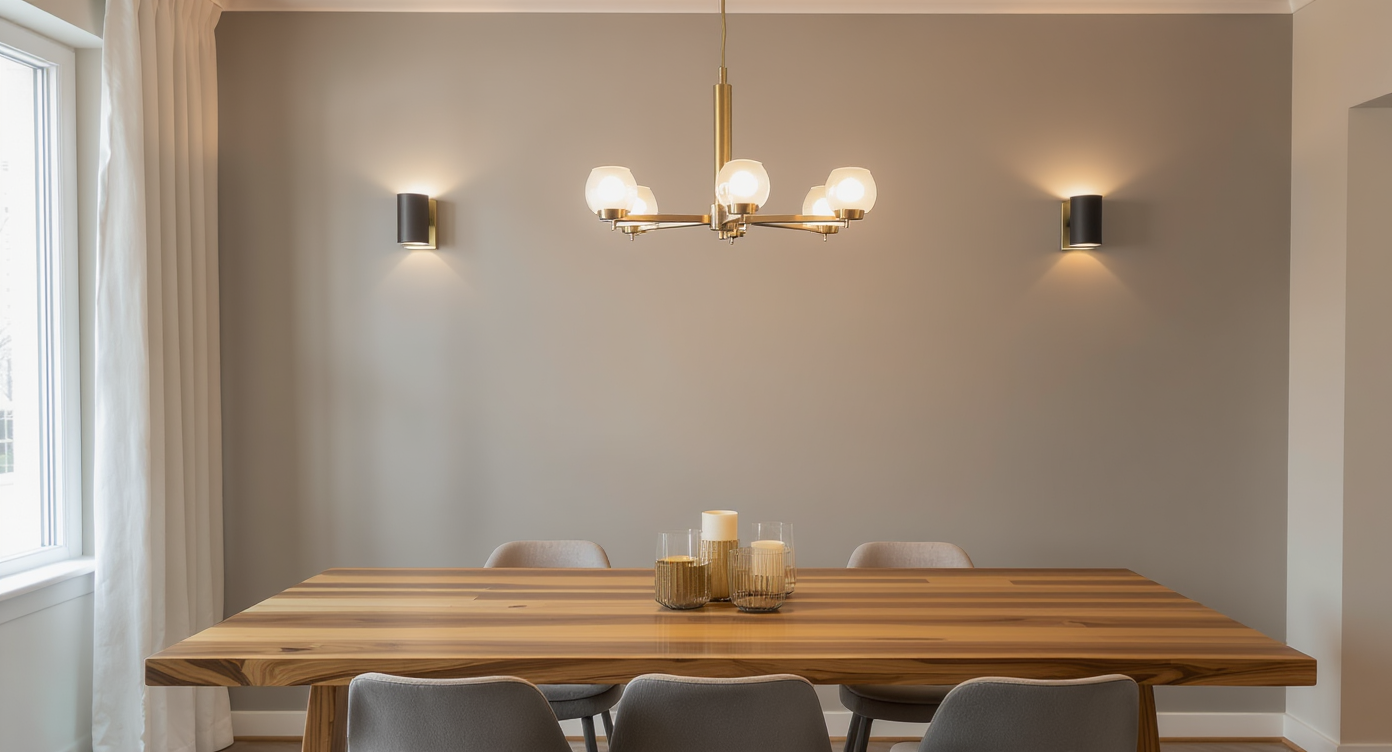
Adjusting chandelier height and layering ambient lighting with sconces and candles brings a fresh, inviting feel to the dining room without new purchases.
Lighting does more than illuminate—it sets the mood. Sometimes, simply raising or repositioning the existing chandelier gives the room new life. If your ceiling fixture feels dated or misplaced, experiment with height before considering a replacement. Favor diffused, ambient lighting and use multiple sources, such as sconces or candles, to prevent emptiness or glare. As we discussed in our piece on fixing dining room lighting dilemmas, fixture size and placement should relate to table dimensions and ceiling height. Use a tool like REimagineHome.ai to preview different lighting options virtually before making changes.
-
6. Level Up Curtain Placement for Height and Elegance
Curtains can elevate or diminish a dining room's proportions. Placing rods closer to the ceiling draws the eye upward, creating a sense of grandeur and making the windows appear taller. If custom curtains are in play and you love the fabric, upgrade with a longer rod or add more panels to achieve a fuller, more tailored effect. Doubling up on curtain width also enhances the impression of luxury—this is a favorite designer move for affordable styling that reads as custom. Layering sheer and lined panels gives flexibility in controlling light throughout the day.
-
7. Reinvent the Centerpiece With Everyday Items
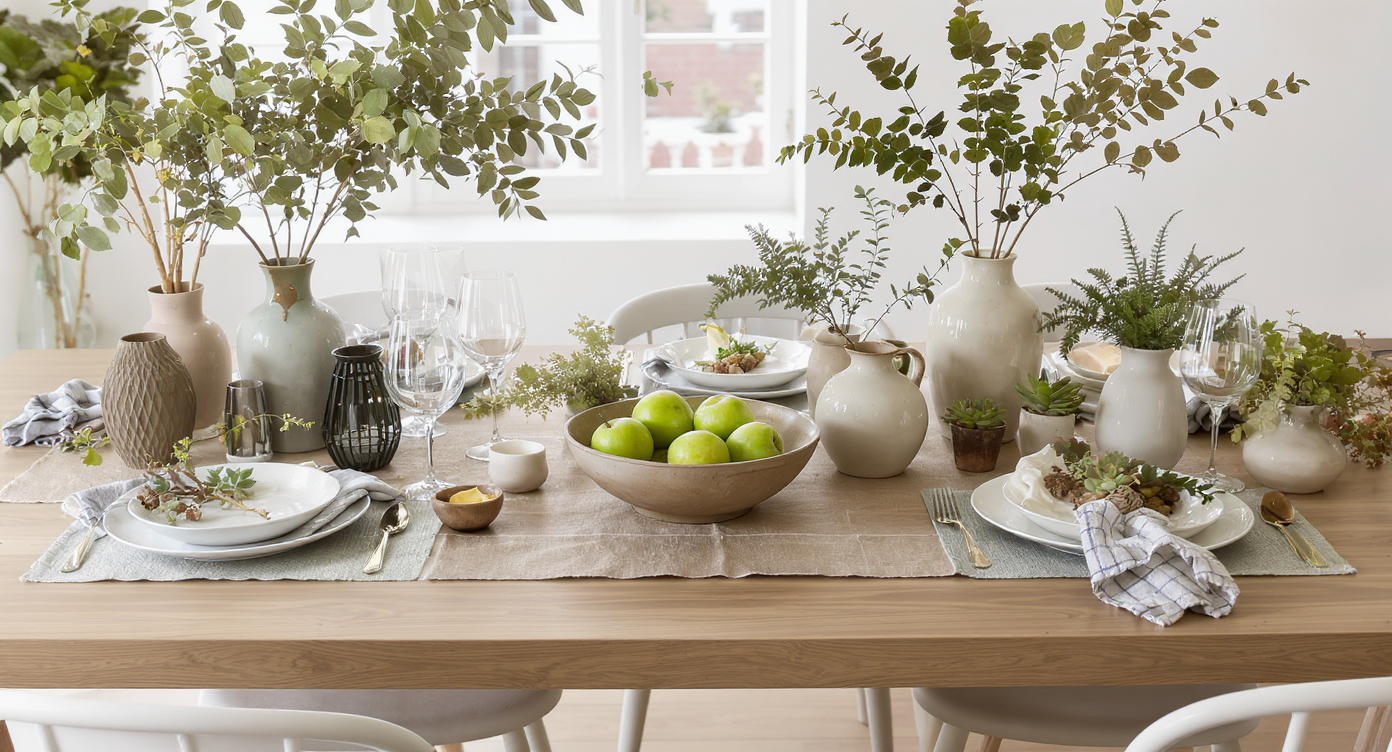
A simple clay bowl, mismatched vases, and small houseplants reinvent the centerpiece, creating a fresh, inviting dining table scene.
Effortlessly update your dining table by using a long clay bowl, a group of mismatched vases, or even small potted plants from elsewhere in your home. Centerpieces play a key role in changing the room’s personality, yet rarely require a purchase. Rotating these items with the seasons keeps the space dynamic. Focus on scale and keep the arrangement low enough to encourage conversation. This small adjustment—often inspired by everyday living—can shift a utilitarian table into a styled, welcoming gathering spot.
-
8. Refresh Greenery and Planters for Added Life
Plants instantly enliven a room. If your dining space features greenery, consider lifting the plant onto a stool or a stack of books to better fill vertical space. For faux plants, fluffing the branches or adding decorative rocks to the base polishes the presentation. Professionals recommend making sure planters look right for the visual weight of the plant. If your windows offer promising light, swapping in a living tree elevates freshness and adds subtle movement, making the entire dining area feel renewed. For more approachable ideas, explore our round-up of DIY decor strategies for 2025.
-
9. Rethink the Necessity of New Purchases
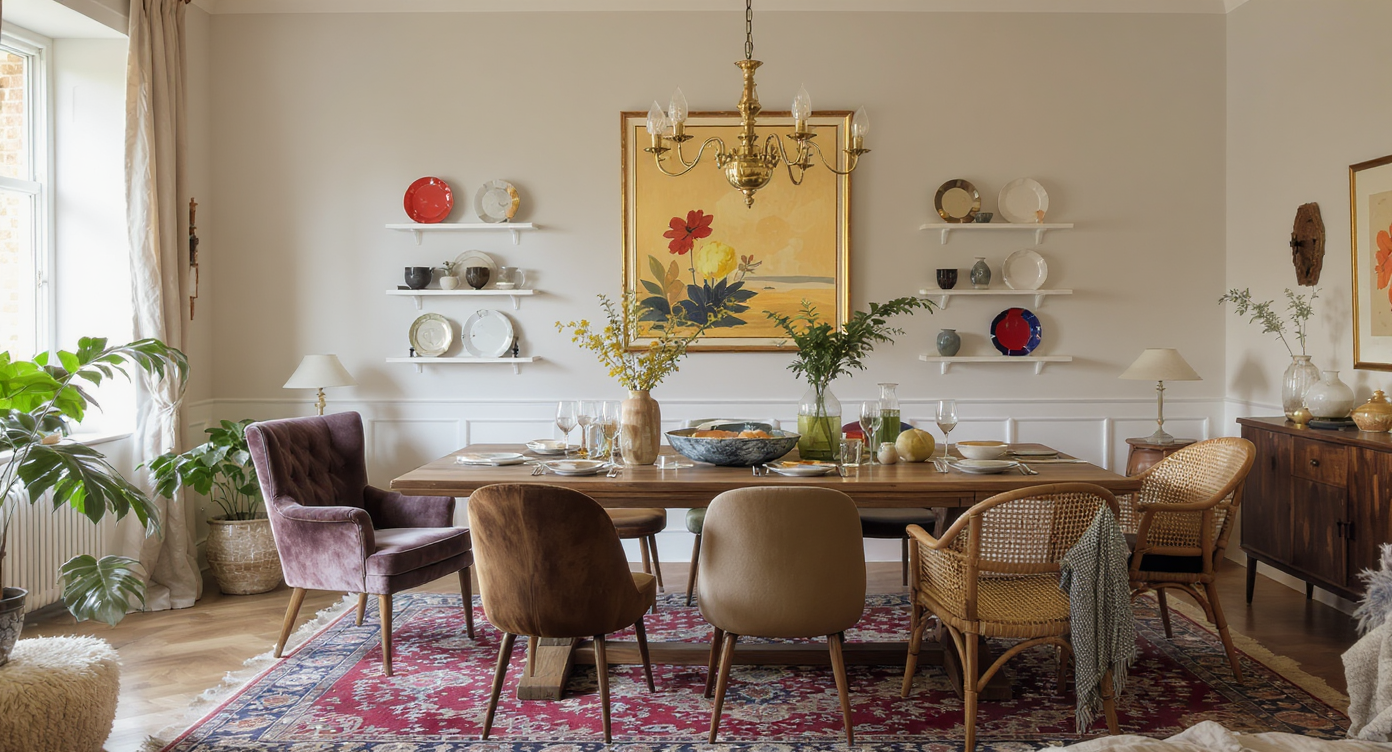
A dining room creatively restyled with existing furniture, rug, and chandelier, plus virtual planning instead of new purchases.
Not every visual transformation relies on buying new items. Resisting the urge to immediately replace a rug or chandelier pushes creativity further—test out new dining layouts and styling approaches before you shop. Sometimes, a fixture grows on you within a changed context, and affordable styling with what you have aligns with sustainability too. Planning these options virtually, especially with platforms like REimagineHome.ai, helps avoid costly missteps and encourages living with your space before committing to a major expense.
Common Questions About Dining Room Updates
Prioritize the longest unbroken wall or the one most visible upon entering. This naturally sets the focal point.
What is the best way to choose dining room art?
Select pieces that either span two-thirds of the table’s length or introduce a shape, color, or historical period that you love. Mixing frame styles works when balanced by scale.
Should I always replace a dated chandelier?
Often, simply rehanging or cleaning a fixture gives it new life. Test this visually with REimagineHome.ai before buying a replacement.
What affordable styling tricks do designers use?
Designers rotate furnishings, repurpose art, and layer in plants or textiles to refresh a space without purchases, as highlighted in our roundup of DIY decor ideas designers swear by.
Final Takeaways for Effortless Dining Room Renewal
Rethinking your dining room does not demand a substantial budget or drastic action. Start by considering layout changes, art and accessory swaps, and strategic improvements in lighting and textile placement. These simple choices make a significant impact, providing both comfort and style. For those who want to preview possibilities before rearranging, REimagineHome.ai offers a valuable tool for visualizing updates.