Deciding Between DIY and Pro Help for a Modern Bathroom Renovation
TL;DR
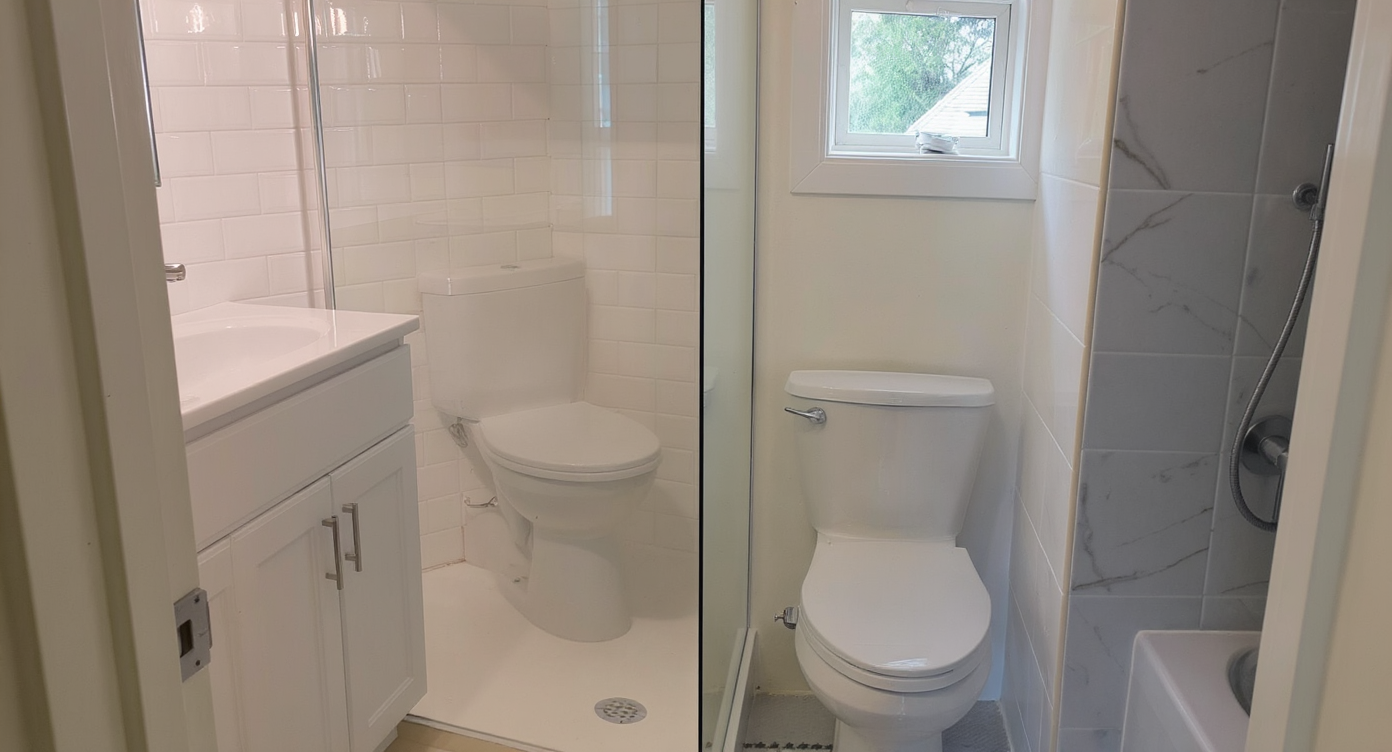
Tackling a bathroom renovation yourself can be rewarding, but it comes with unexpected challenges, from demolition surprises to tilework precision. Homeowners weighing the value of DIY versus hiring pros should consider project size, materials, and comfort with unforeseen tasks. Good design choices and a realistic timeline keep stress in check and foster a result you’ll love living with.
Why Homeowners Take On Their Own Bathroom Renovations
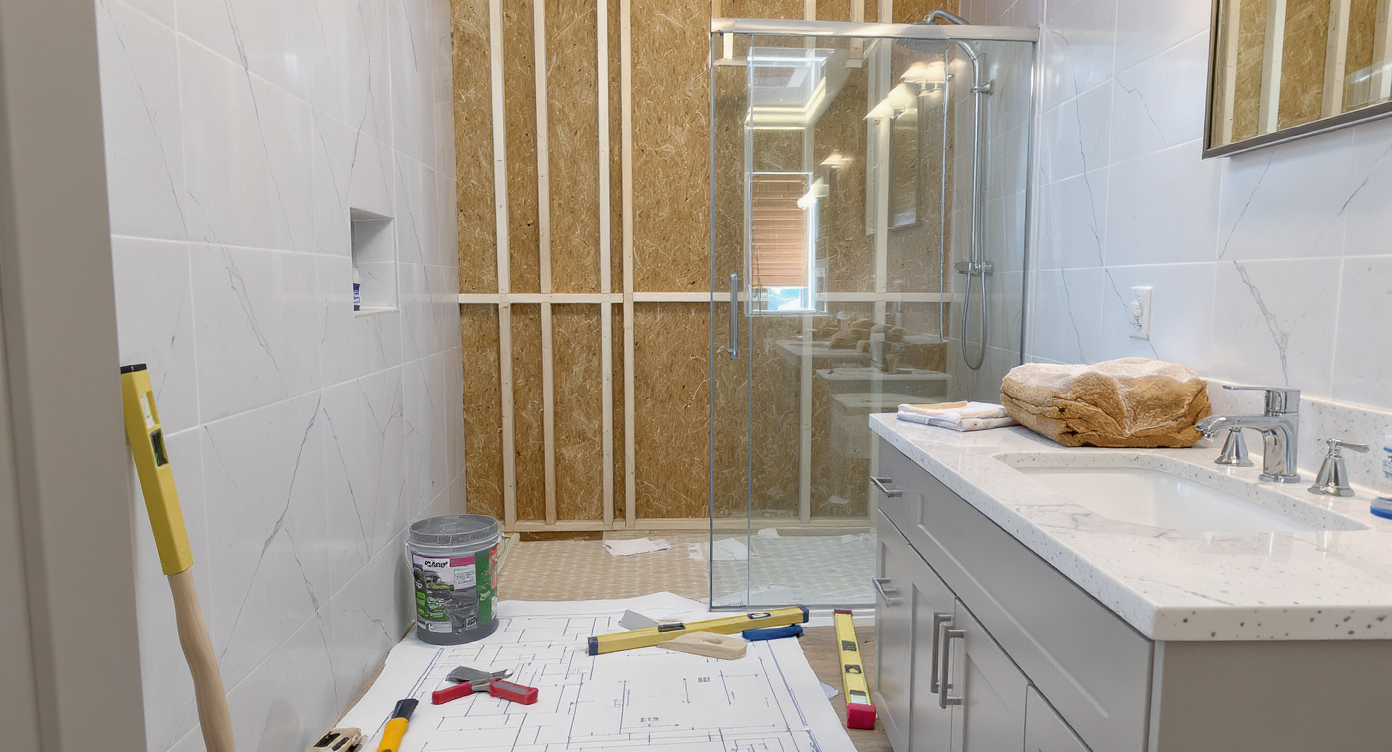
A modern bathroom in mid-renovation, with exposed shower walls, tools, materials, and plans that highlight the DIY versus pro decision process.
Embarking on a major bathroom remodel is as much a test of patience as it is of skill. Whether your motivation is dated decor, maintenance issues, or the simple desire for a space that better reflects your taste, deciding whether to tackle the work yourself or bring in professionals turns into a balancing act. DIYers find satisfaction in hands-on transformation, while the risks of underestimating labor, materials, or technical challenges are real. For many, the tipping point between DIY and hiring out isn’t always budget, but rather time, complexity, and the desire to avoid mistakes that may haunt daily life—and home value—for years.
-
When Design Inspires Action
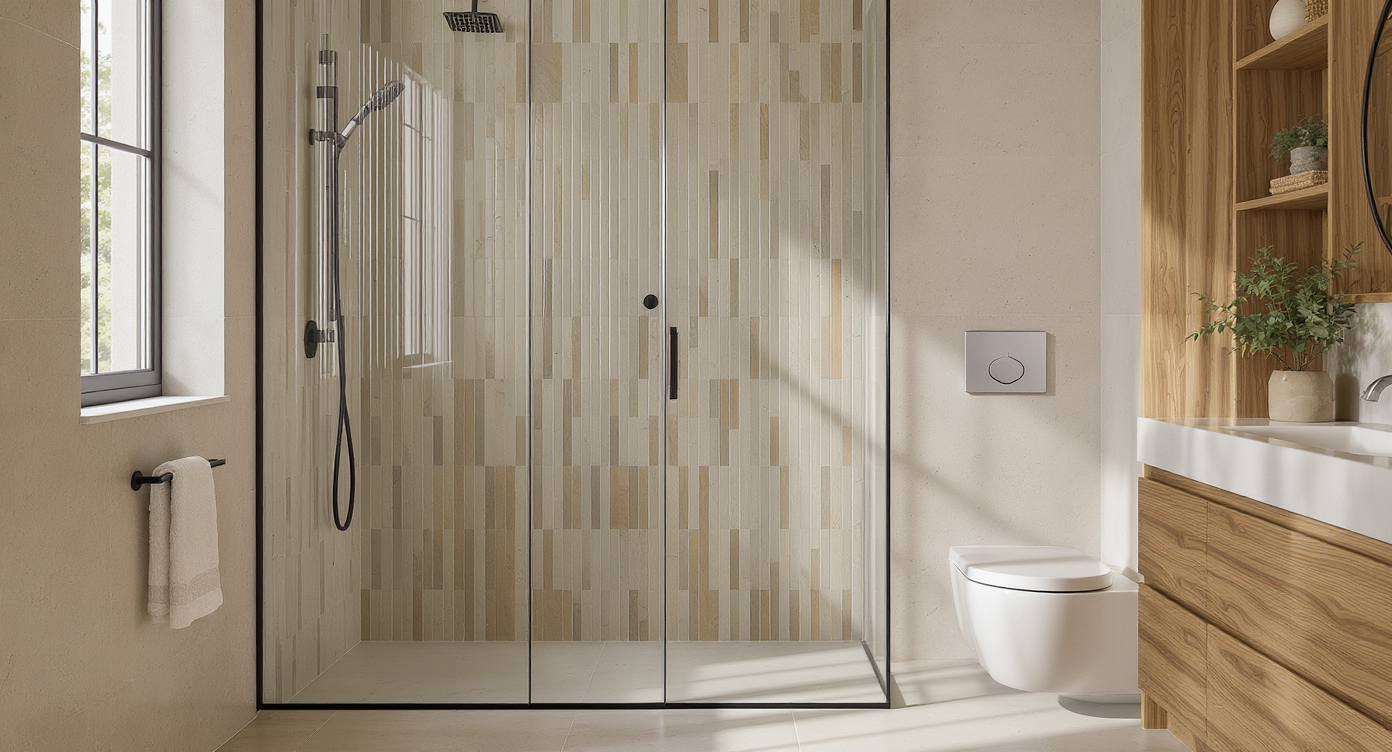
Modern bathroom renovation featuring vertical green Marazzi tiles, reeded glass, and warm natural tones for a boutique-yet-functional atmosphere.
In most homes, the bathroom stands as a testament to both function and personal style. After years of tolerating an outdated black and white tile scheme, one couple’s urge to renovate began with a vision: infuse the space with color, warmth, and authentic character. Driven by a custom design that featured natural tones, vertical green tiles, and reeded glass, their approach reflected a growing trend toward mixing boutique hotel touches with practicality. With hands-on planning and careful material selection, they opted for colorful Marazzi ‘Luz Oliva’ wall tile, striking the balance between enduring charm and fresh personality. They found that both layout planning and finish selection influenced not just the beauty, but the feel and ease of use in their everyday routine. According to our discussion on bathroom tile dilemmas, even subtle choices like vertical orientation or earthy palettes make a dramatic difference for compact and luxury bathrooms alike.
Expert Insight
One homeowner recalls setting aside three free weekends, only to confront three stubborn layers of outdated tile beneath their bathroom floor. Each surprise—from slow demolition to rethinking waterproofing strategy—served as a real-world lesson in patience. And while frustration peaked while smoothing silicone around new tiles, the reveal—the first long shower in the finished space—made every setback worthwhile.
-
Navigating Challenges Beneath the Surface
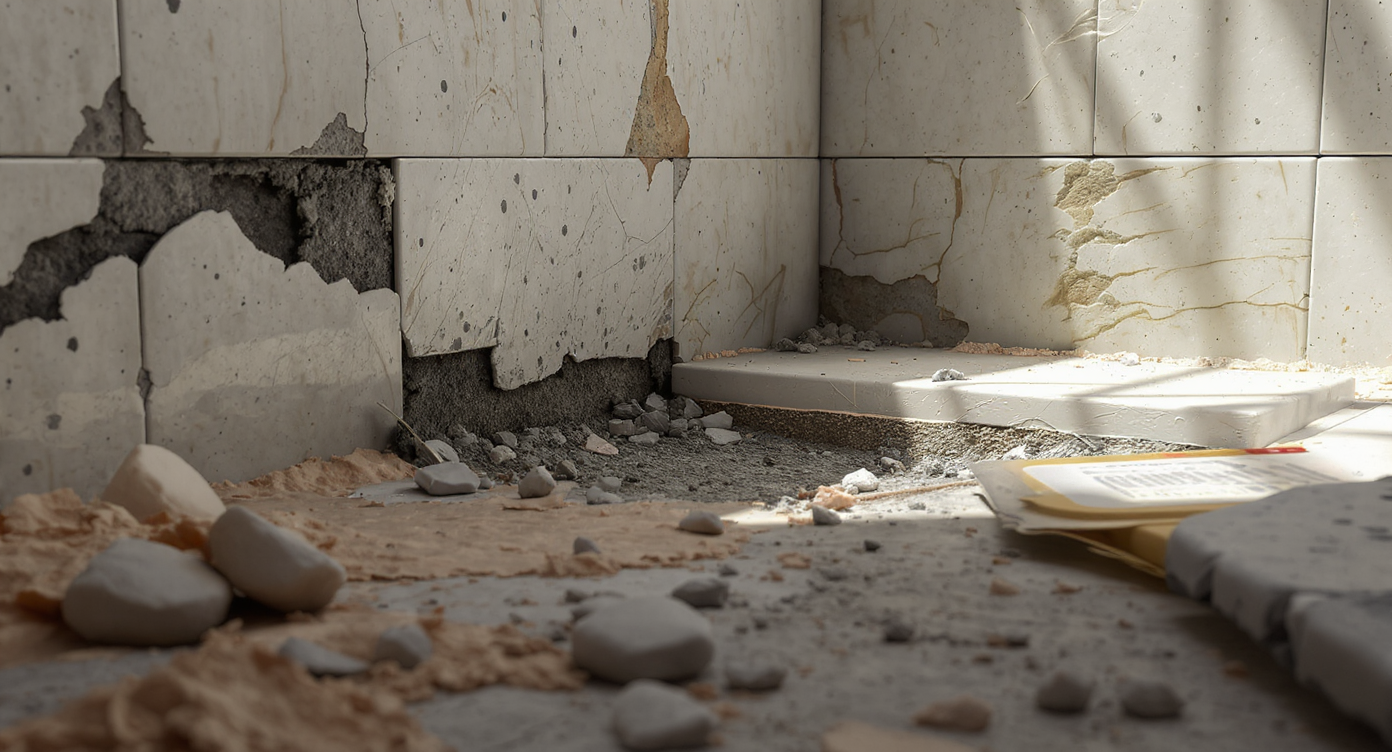
Demolition exposes multiple tile layers, moisture damage, and the choice between waterproofing systems in a real bathroom renovation.
As with many remodel projects, surprises lurked just under the surface. The demolition phase took longer than anticipated, with three layers of old tile and a difficult concrete subfloor delaying progress. It wasn’t simply cosmetic—cracked seams, pockets of mold, and hidden moisture around wooden supports made the need for a complete overhaul clear. When water damage or subpar construction is revealed, homeowners quickly learn there is no shortcut to robust waterproofing and solid prep work. The choice between a waterproof membrane versus a paint-on system, for instance, can depend on confidence and comfort dealing with specialty products and extra tile adhesive. These hidden complexities are precisely what seasoned contractors anticipate, and why first-time renovators often spend more time and energy than planned. For many, this is where DIY transitions from weekend project to a lengthy commitment. In specific cases, tasks like pouring self-leveling cement may be pleasantly straightforward, while shaping a sloped shower tray or achieving crisp envelope cuts on tile can challenge even experienced hands.
-
DIY or Pro: Weighing the Real Tradeoffs
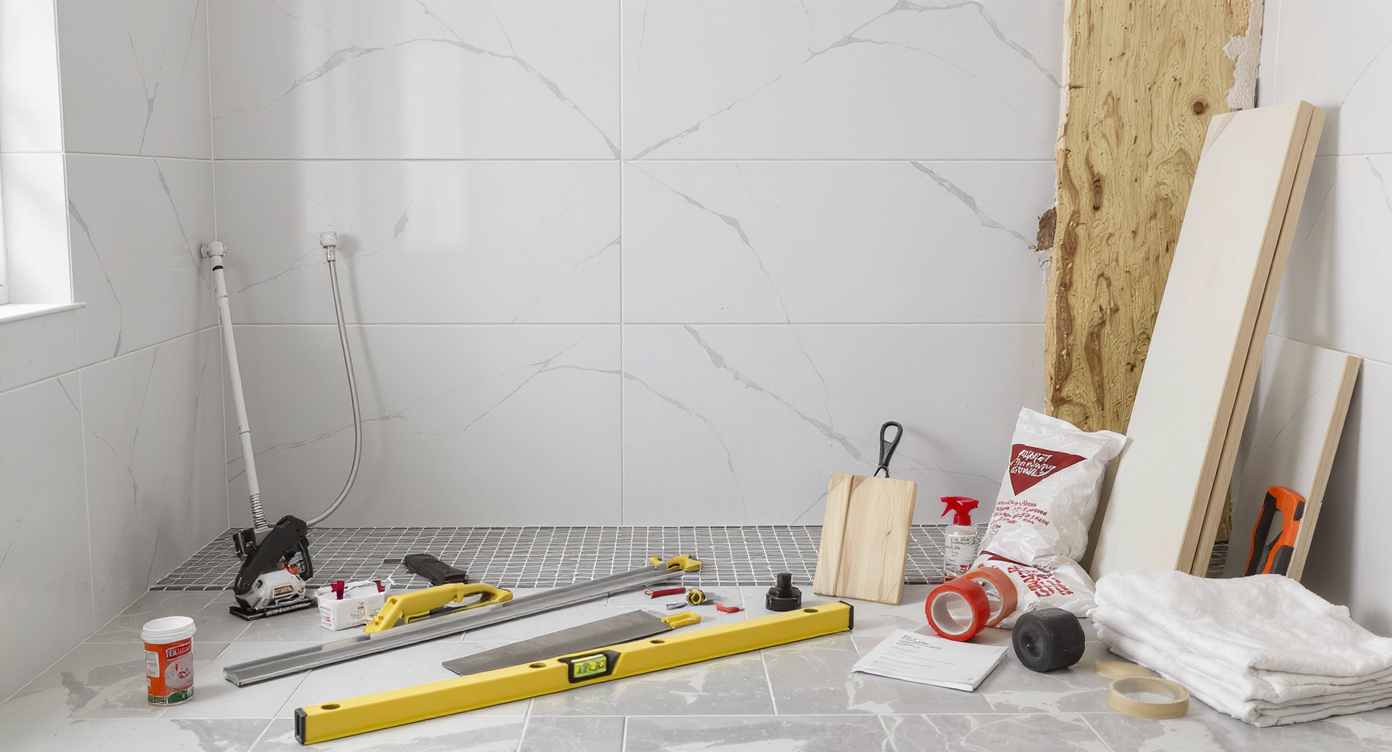
A real-world, in-progress modern bathroom renovation: tools for tiling and plumbing sit beside partially finished walls, capturing DIY versus pro tasks.
Opting for DIY means direct involvement with every step, which includes learning to adapt as complications arise. For this couple, most work was handled personally, except for specialized plumbing help. The experience underscored that skilled labor—especially around plumbing, electrical, or waterproofing—should never be underestimated. The investment of time was substantial, stretching to seven weeks thanks to supply delays and minor injuries. Still, the chance to practice tiling, master layout techniques, and see incremental transformation created a sense of accomplishment not easily replicated by handing off tasks entirely. For those considering their own project, experts suggest focusing on scope, craftsmanship, and time constraints. Smaller “cosmetic” updates can be tackled safely while complex tasks or tight timelines should nudge homeowners toward professional support, as highlighted in our deep dive on Are DIY Renovations Worth It for Resale.
-
Choosing Shower Features: Form, Function, and Everyday Reality
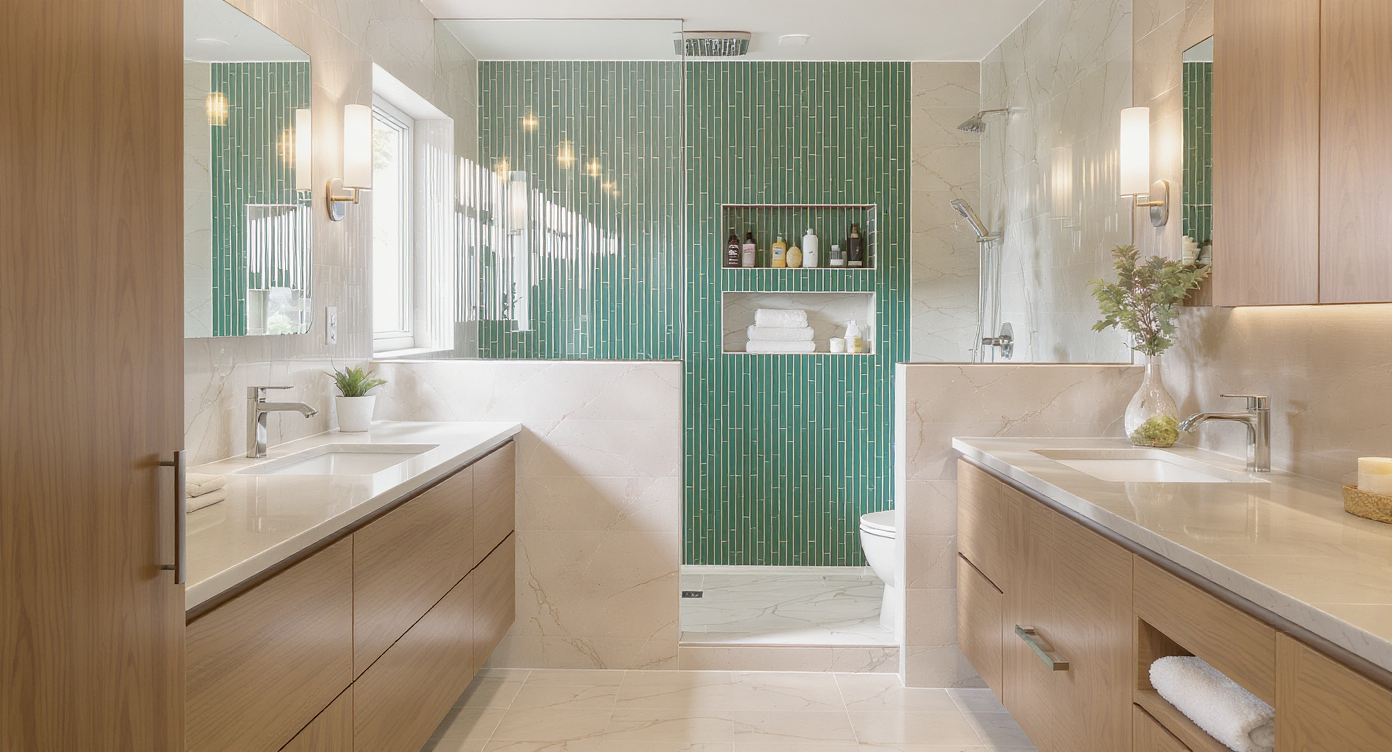
A modern bathroom with a half-wall and reeded glass shower, featuring vertical green tiles, practical waterproofing, and streamlined storage.
Selecting between a framed enclosure, half-wall, or open concept impacts both usability and feeling in the finished bathroom. This project debated a full sliding door versus a half-wall with reeded glass, eventually favoring the latter for a lighter look and easier cleaning, despite some ongoing conversation about drafts and minimal splashout. While boutique hotel influences tempt many toward pared-down glass or open entries, practical maintenance and personal comfort should guide final decisions. For example, a half-wall avoids grime-collecting tracks but could mean toweling up stray splashes. Thoughtful planning of waterproofing layers and strategic extension of a shower tray help offset potential downsides. From an aesthetic standpoint, mixing vertical green tile and warm materials offered inviting contrast, while storage and counter space required equally intentional choices. Trends in modern bathroom design now reward those who marry visual interest with daily convenience—choices that echo through every future morning routine.
Visualization Scenario
Imagine standing at the entrance to a reimagined bathroom: sunlight reflects softly on olive-toned tile, the reeded glass panel divides the shower without closing off sightlines, and carefully placed fixtures add character—every surface chosen not just for looks but for comfort and easy maintenance. The room feels inviting and intentional, proof that investment in design and detail pays off every day.
Frequently Asked Questions
Simple surface updates—fresh paint, new fixtures, or retiling small areas—suit ambitious homeowners, but structural, plumbing, or waterproofing tasks are better left to pros if you lack experience.
What mistakes do first-time renovators make?
Underestimating time, overspending on features they can't install correctly, or skipping critical prep around waterproofing often lead to frustration and costly repairs later.
Is tile selection mostly about looks?
Not at all. Color, texture, size, and layout affect cleaning, slip resistance, and long-term satisfaction. Previewing options, as discussed in our piece on dark versus light green tiles, helps narrow choices.
How do half-glass shower enclosures perform?
They're visually lighter and easier to clean than sliding doors but may allow minor splashing. Extending waterproofing and positioning the shower head carefully reduces issues. Learn more about practical fixes for enclosures and water barriers in our story on shower grout versus caulk.
Are online visualization tools helpful for bathroom remodel planning?
Yes. Tools like ReimagineHome.ai make it simpler to picture layouts, palettes, and finishes before making purchases or demolishing anything.
Results, Reflections, and What to Expect From a DIY Bath Update
A well-executed bathroom renovation is as much about planning as it is about construction. The opportunity to customize every detail, adapt as surprises arise, and watch a tired old room transform is deeply satisfying—but it comes at the cost of extra hours, physical fatigue, and a learning curve that can seem sharp in the middle. Prospective remodelers should consider the scale of ambitions, recognize which parts to outsource, and accept that not every task will be straightforward. Visualizing materials and layouts before committing often prevents common regrets, a process made easier with platforms like ReimagineHome.ai.